

Tetraponera penzigi
- Scientific Name
- Tetraponera penzigi
- Tribe
- Pseudomyrmecini
- Subfamily
- Pseudomyrmecinae
- Author
- Mayr, 1907
- Distribution
- Found in 2 countries
Tetraponera penzigi Overview
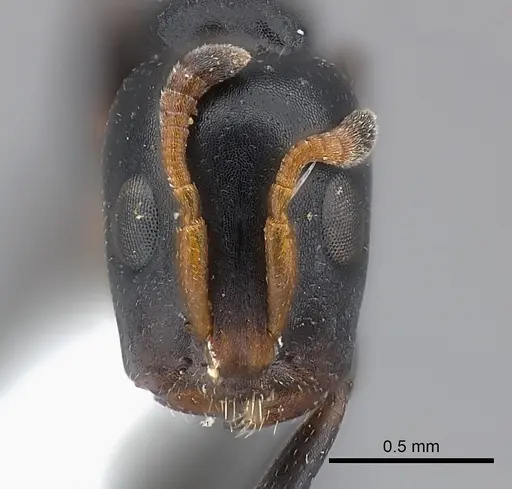
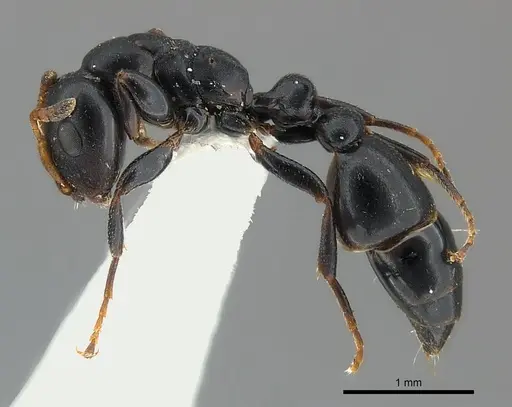
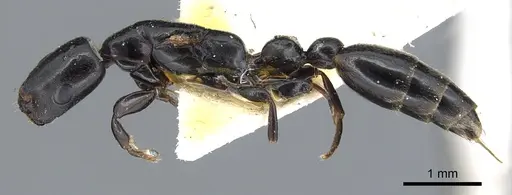
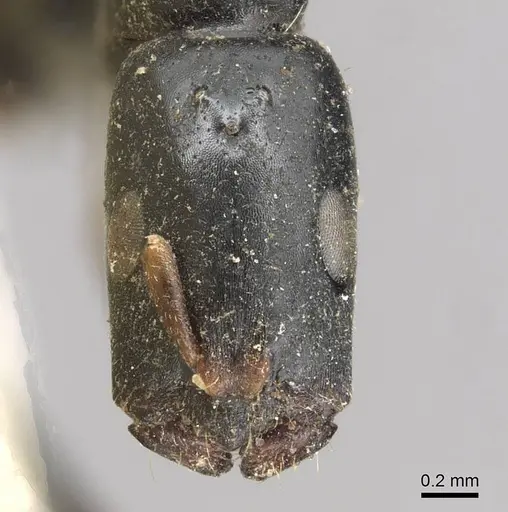
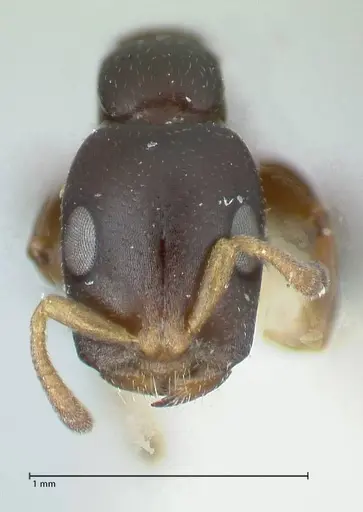
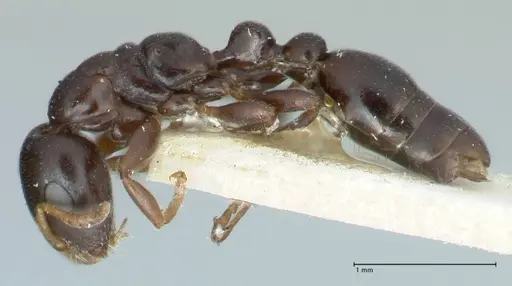
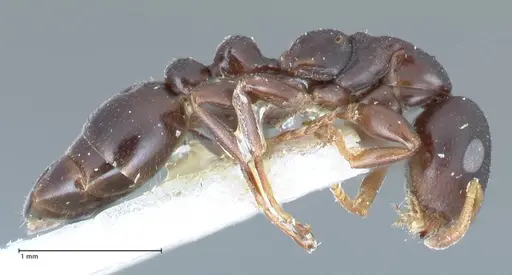
Tetraponera penzigi is an ant species of the genus Tetraponera. It is primarily documented in 2 countries , including Kenya, Tanzania, United Republic of. Detailed taxonomic data and occurrence records can be further explored via authoritative databases such as AntWeb or the Global Biodiversity Information Facility (GBIF).
Tetraponera penzigi
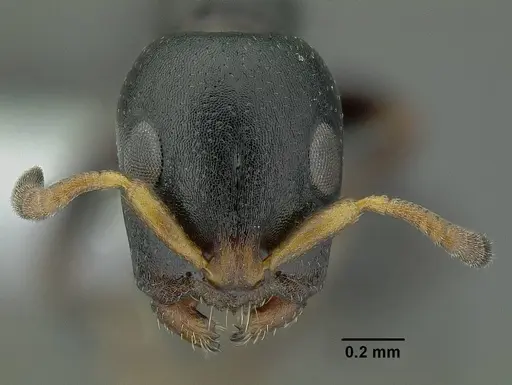
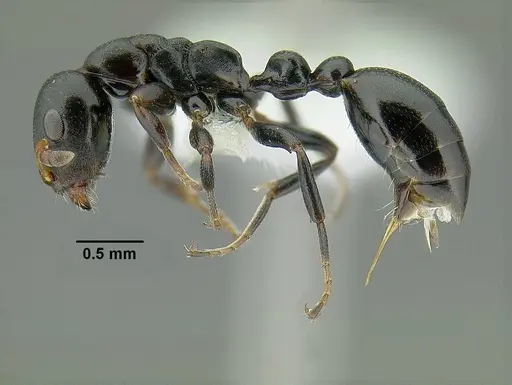
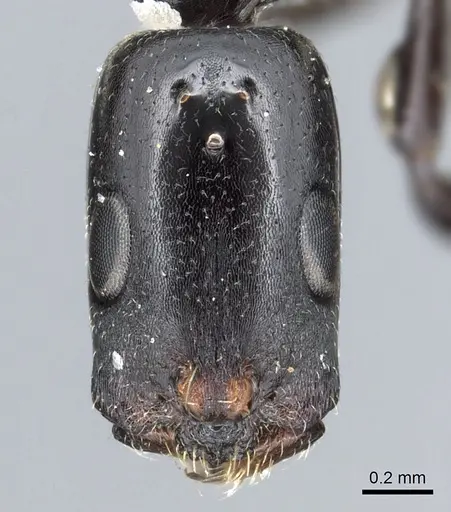
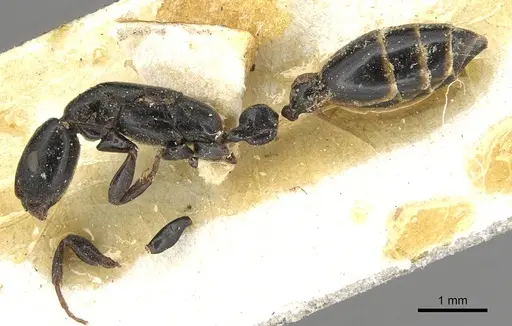
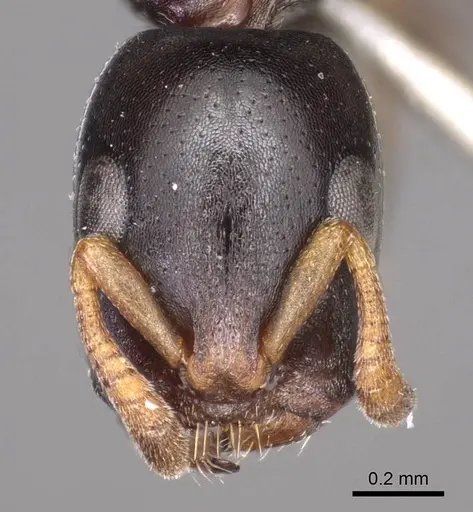
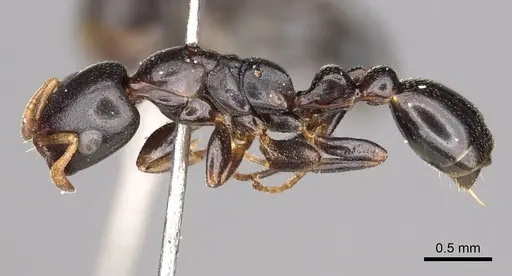
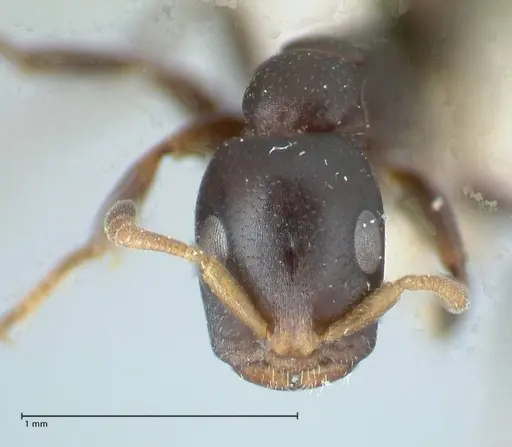
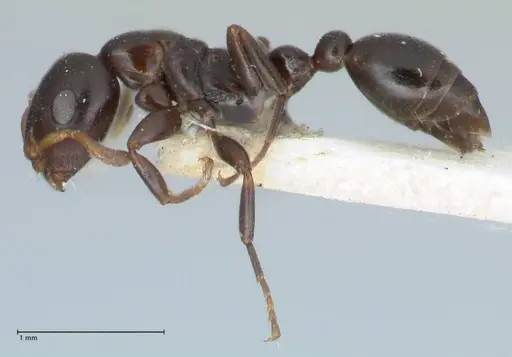
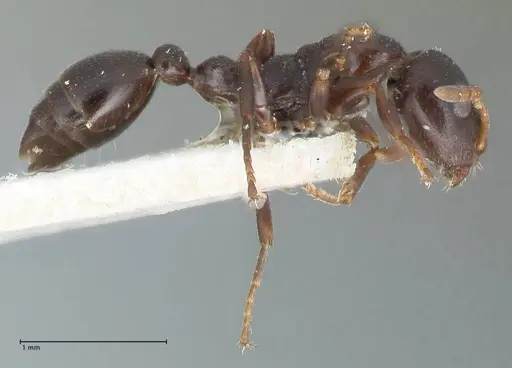
Tetraponera penzigi is a small arboreal ant native to East Africa, where it lives as an obligate symbiont of the whistling thorn acacia (Vachellia drepanolobium). Workers are slender with large eyes, typical of the Pseudomyrmecinae subfamily. This species is one of four ant species that compete for nesting space in the swollen thorn domatia of this iconic African savanna tree [1][2]. Colonies are monogynous, with a single queen controlling a single tree or small cluster of trees. Workers are strictly arboreal and never forage off their host tree [3].
What makes T. penzigi stand out is its unique 'scorched earth' strategy, it destroys all extrafloral nectaries on its host tree, making it impossible for competing Crematogaster ants to take over via nectar attraction [4][5]. Despite being the least competitive ant in confrontations (rank 4), foundress queens are remarkably dominant in combat, winning every staged encounter against Crematogaster mimosae queens [6]. This species is also the only acacia ant with a painful sting [7].
Quick Summary
- Difficulty: Expert
- Origin & Habitat: East African savannas, found in Botswana, Ethiopia, Kenya, Uganda, and Tanzania. Strictly associated with Vachellia drepanolobium (whistling thorn acacia), nesting exclusively inside swollen thorn domatia [1][2].
- Colony Type: Monogynous, mature colonies have a single egg-laying queen. Colonies typically control only one tree (average 1.3 trees per colony), making them not polydomous [8][9]. Foundress queens are always solitary and intolerant of other foundresses [6].
- Colony: Monogyne
- Founding: Claustral
- Size & Growth:
- Queen: Queens described in original Mayr 1907 description, approximately 6-7mm based on genus typical size [10]
- Worker: Small arboreal ants, approximately 4-5mm based on genus typical size [11]
- Colony: Estimated mean of 32.3 workers per swollen thorn, approximately 1722 workers per meter of tree height [8]. Colonies are the smallest among the four acacia-ant species [1].
- Growth: Slow, first nanitic workers appear approximately 120 days after colonization, significantly slower than Crematogaster competitors [9]. Queens lay eggs approximately 22 days after sealing in a thorn [9].
- Development: Approximately 16-18 weeks (120 days to first nanitics) at optimal conditions [9]. This is notably slower than the 6-8 weeks typical of many tropical ants. (Development is significantly slower than competing Crematogaster species, this is a key factor in their competitive subordinate status [12].)
- Antkeeping:
- Temperature: Based on East African savanna habitat (Kenya, elevation ~1800m), keep at 22-26°C. This species is adapted to relatively warm, stable conditions year-round in its native range.
- Humidity: Moderate to high, being arboreal and living in swollen thorns, they experience more variable humidity than ground-nesting ants. Provide a humid nest environment but ensure ventilation to prevent mold.
- Diapause: Unknown, no documented diapause in research. As a tropical species from East Africa, they likely do not require a true hibernation period, but may show reduced activity during cooler/drier seasons.
- Nesting: Extremely specialized, in nature they nest exclusively in swollen thorn domatia of Vachellia drepanolobium. In captivity, this is nearly impossible to replicate. Y-tong (AAC) nests with narrow chambers may work as an approximation, but success is uncertain. This species is not recommended for typical antkeeping due to its extreme specialization.
- Behavior: T. penzigi is the most subordinate species in the acacia-ant competitive hierarchy. Workers show moderate aggression toward herbivores but are less effective defenders than Crematogaster species [1]. When encountering Crematogaster ants, workers flatten themselves and freeze, a passive avoidance strategy [7][13]. They possess a painful sting, the only acacia ant with this defense [7]. Workers do not forage off the host tree, they glean pollen and fungal spores from plant surfaces [3][4]. Colonies rarely expand aggressively to neighboring trees, they rely on foundress queens to colonize new trees [9]. Escape risk is moderate as they are small but not particularly agile escape artists.
- Common Issues: Extreme specialization makes captive husbandry extremely difficult, they require host plant structures that are nearly impossible to replicate, Slow development (120+ days to first workers) means colonies take years to establish, testing keeper patience, Intraspecific competition among founding queens is intense, 89% of foundress deaths are from fights with other queens [6], Cannot be kept in typical formicarium setups, requires arboreal-style nesting with small entrance holes, Limited diet flexibility, they do not forage for insects and may not accept standard ant feeds
Housing and Nesting
This is perhaps the most challenging aspect of keeping T. penzigi. In the wild, they nest exclusively inside the swollen thorn domatia of Vachellia drepanolobium trees. These specialized structures provide the perfect combination of shelter, humidity regulation, and protection [5]. Creating an equivalent in captivity is extraordinarily difficult.
The swollen thorns have characteristically small, numerous entry holes (more than 4 per thorn) that workers rapidly seal or narrow using carton-like material [8][12]. Replicating this requires very small entrance holes and appropriate building material.
If attempting to keep this species, a Y-tong (AAC) nest with the smallest available chambers and entrance holes would be the most realistic option. However, success is not guaranteed, and this species is generally not recommended for antkeepers except the most experienced with specialized setups.
Feeding and Diet
T. penzigi has an unusual diet compared to most ants. They do not tend Hemiptera (aphids, scale insects) and are not known to actively prey on insects [14]. Instead, they appear to be functionally herbivorous, feeding on pollen and fungal spores gleaned from the surfaces of their host tree [14][3].
This is significant for antkeepers: standard protein feeds (insects, mealworms) may not be accepted. The species destroys all extrafloral nectaries on its host tree, so sugar sources from nectar are unavailable [1][5].
In captivity, offering pollen, tiny fungal particles, or very small amounts of honey/sugar water might be worth experimenting with, but acceptance is uncertain. This is not a species you can feed like typical ants.
Defense and Behavior
Despite being the least dominant in direct conflicts (winning only 11% of staged contests), T. penzigi has developed clever survival strategies [12]. They possess a painful, lethal sting, the only acacia ant species with this defense [7]. A single worker can kill 3-4 Crematogaster mimosae workers before succumbing [12].
Their primary defense is the 'scorched earth' strategy: workers actively destroy all extrafloral nectaries on their host tree, removing the carbohydrate reward that attracts competing Crematogaster species [5][4]. They also make numerous small entry holes in thorns and rapidly seal any enlarged openings [12].
When encountering Crematogaster ants, workers flatten their bodies and freeze, a passive avoidance behavior [7]. This species retreats into domatia rather than engaging in prolonged conflicts.
Competition and Coexistence
T. penzigi occupies an unusual ecological niche as a 'ruderal' species, a rapid colonizer that persists in disturbed areas [15]. They are the most subordinate species in the competitive hierarchy, outcompeted by all three Crematogaster species [3].
However, foundress queens are remarkably dominant in combat, winning every staged encounter against Crematogaster mimosae queens and most battles against C. nigriceps [6]. This gives them an advantage during the critical colony founding stage.
Their strategy is to colonize small saplings early, establish quickly, and hold on despite eventual pressure from larger Crematogaster colonies. They have high year-to-year reliability and rarely abandon their host trees [1]. In areas invaded by the invasive Pheidole megacephala, T. penzigi actually increases in abundance because it can coexist by retreating into domatia while the invasive ant occupies the trunk [15][16].
Reproduction and Development
Colony founding is a brutal affair for T. penzigi. Queens must colonize empty swollen thorns entirely alone, they are completely intolerant of other foundresses [6][9]. Approximately 89% of foundress deaths are due to intraspecific combat with other queens trying to colonize the same thorn [6].
After sealing herself inside, the queen lays eggs approximately 22 days later. First nanitic workers emerge around 120 days after colonization, significantly slower than Crematogaster species which take 6-8 weeks [9]. This slow development is a key weakness that contributes to their competitive subordinate status.
Mature colonies remain small (typically under 2000 workers) and occupy only one tree. They are strictly monogynous, dissections of entire colonies consistently reveal only a single egg-laying queen [8].
Frequently Asked Questions
Can I keep Tetraponera penzigi in a test tube?
Not recommended. This species is an obligate symbiont of Vachellia drepanolobium and nests exclusively in swollen thorn domatia. Replicating this specialized housing in captivity is extremely difficult. Test tubes will not provide the appropriate small-entrance, compartmentalized environment they require.
What do Tetraponera penzigi ants eat?
They have an unusual herbivorous diet. Unlike other acacia ants, they do not feed on extrafloral nectar (they destroy all nectaries on their host tree) and do not tend Hemiptera. They appear to feed on pollen and fungal spores gleaned from their host tree surfaces [14][3]. Standard ant foods like insects and sugar water may not be accepted.
How long does it take for Tetraponera penzigi to raise first workers?
Approximately 120 days (about 4 months) from colony founding to first nanitic workers. This is significantly slower than most ants and much slower than the competing Crematogaster species in their habitat [9].
Do Tetraponera penzigi ants sting?
Yes. T. penzigi is the only acacia ant species with a painful sting. Laboratory tests showed a single worker can kill 3-4 Crematogaster mimosae workers before succumbing [7][12]. The sting is described as painful.
Are Tetraponera penzigi good for beginners?
No. This is an expert-level species due to its extreme specialization. They require host plant structures that are nearly impossible to replicate, have an unusual diet that may not accept standard feeds, and show very slow colony growth. They are not recommended for typical antkeeping.
How big do Tetraponera penzigi colonies get?
Colonies are relatively small compared to other acacia ants. They average 1.3 trees per colony with approximately 32 workers per swollen thorn, totaling roughly 1500-2000 workers in mature colonies. They never become polydomous like Crematogaster species [8][1].
Can I keep multiple Tetraponera penzigi queens together?
No. This species is strictly monogynous and foundress queens are completely intolerant of each other. Approximately 89% of foundress deaths occur from intraspecific combat with other queens [6]. Combining unrelated queens will result in fighting to the death.
Do Tetraponera penzigi need hibernation?
Unknown. As a tropical East African species, they likely do not require a true hibernation period. No research documents diapause behavior. They may show reduced activity during cooler seasons but probably do not need temperature drops below 15-18°C.
Why are my Tetraponera penzigi dying?
Without more specific research on captive care, the most likely issues are: incorrect housing (they need very small entrance holes and arboreal-style setup), inappropriate diet (they may not accept standard ant foods), and stress from slow development (colonies take months to establish). This species is extremely difficult to keep and deaths are common even for experienced keepers.
What makes Tetraponera penzigi different from other acacia ants?
Several unique traits: they are the only acacia ant with a painful sting, the only species that destroys all host plant nectaries (scorched earth strategy), they are strictly herbivorous feeding on pollen/fungi rather than nectar or insects, and they have the slowest colony development (120 days to first workers) [7][1][9][14].
When do Tetraponera penzigi nuptial flights occur?
Not documented in available research. As an arboreal species in East Africa, flights likely occur during the wet season when new queens can find unoccupied host trees. The specific timing has not been studied.
References

This caresheet is licensed under CC BY-SA 4.0 .
CASENT0217595
View on AntWeb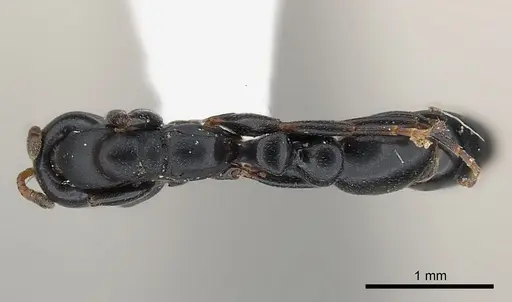
CASENT0794353
View on AntWeb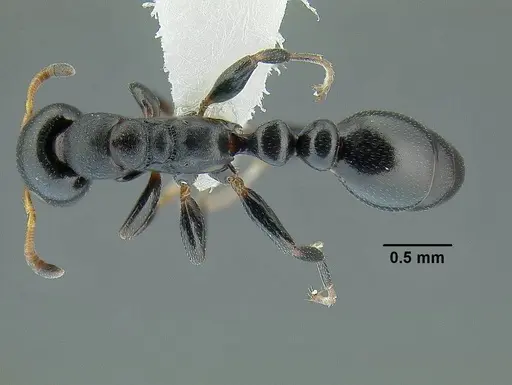
CASENT0902818
View on AntWeb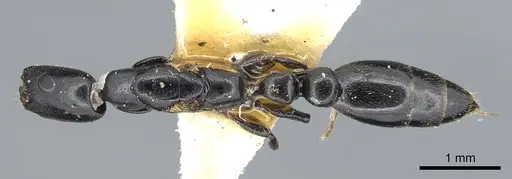
CASENT0902911
View on AntWeb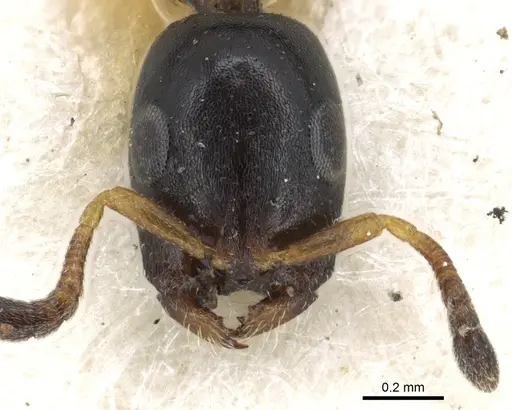
CASENT0915538
View on AntWeb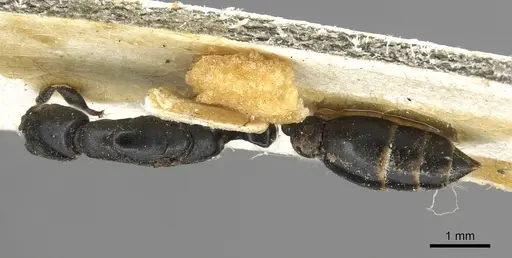
CASENT0915851
View on AntWeb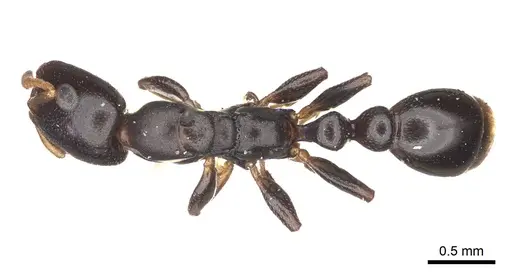
FOCOL1155
View on AntWeb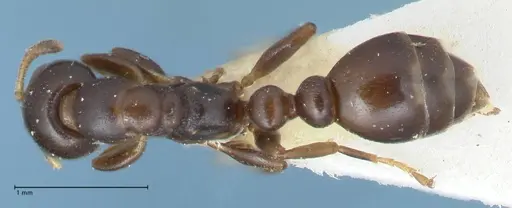
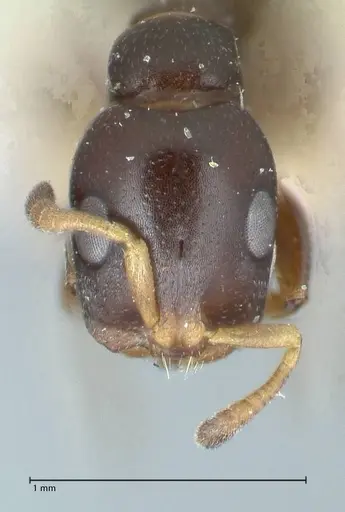
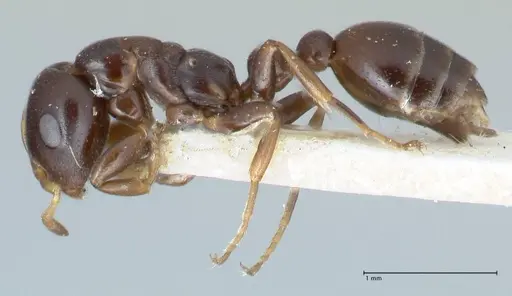
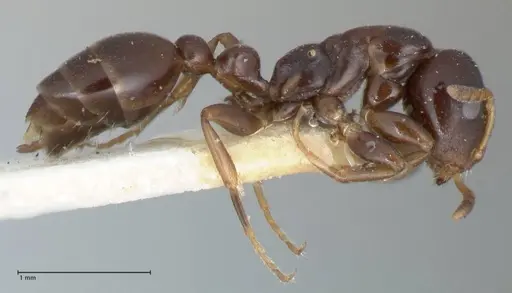
FOCOL1156
View on AntWeb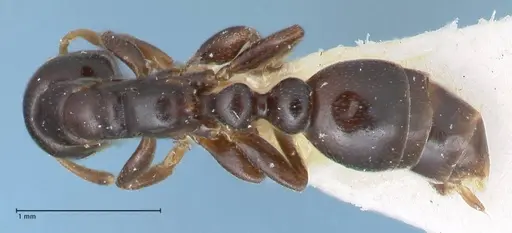
FOCOL1157
View on AntWeb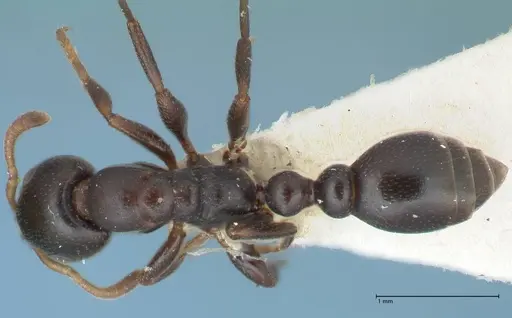
Literature
Loading...Loading products...