

Tetramorium transformans
- Scientific Name
- Tetramorium transformans
- Tribe
- Crematogastrini
- Subfamily
- Myrmicinae
- Author
- Santschi, 1914
- Distribution
- Found in 1 countries
Tetramorium transformans Overview
Tetramorium transformans is an ant species of the genus Tetramorium. It is primarily documented in 1 countries , including Yemen. Detailed taxonomic data and occurrence records can be further explored via authoritative databases such as AntWeb or the Global Biodiversity Information Facility (GBIF).
Tetramorium transformans
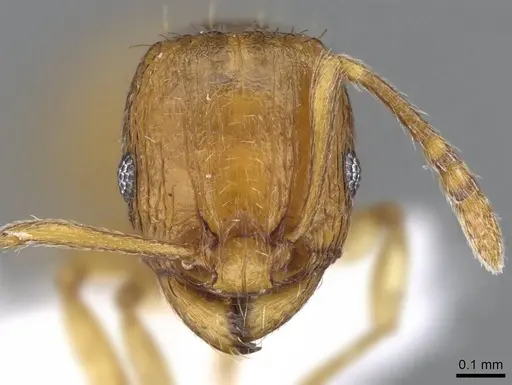
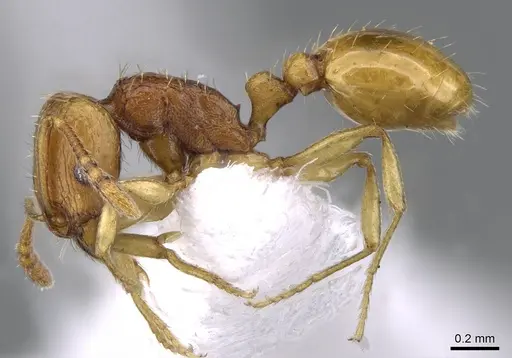
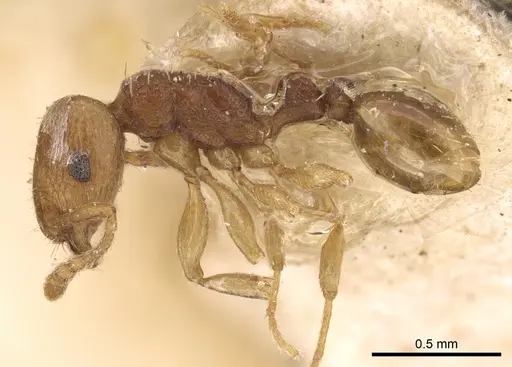
Tetramorium transformans is a small ant species native to East Africa and the Arabian Peninsula. Workers measure around 3-4mm and have a distinctive color pattern: a yellowish head and gaster with the first gastral segment darker than the rest of the gaster, while the mesosoma, petiole, and postpetiole are reddish and clearly stand out from the rest of the body [1]. This species was originally described from Kenya and has since been found on Socotra Archipelago and in Yemen [1]. The species was once synonymized with Tetramorium caldarium but was revalidated in 2017 based on differences in eye size and head sculpture [1].
These ants are ground-nesting species found in diverse microhabitats ranging from dry leaf litter under fig trees to moist organic-rich soil near streams. They have been documented coexisting with other ant species in termite galleries under rocks [1]. This flexibility in nesting preferences suggests they can adapt to various conditions in captivity.
Quick Summary
- Difficulty: Easy
- Origin & Habitat: Native to Kenya (original description), Socotra Archipelago, and Yemen, found in the Afrotropical region [1]. In their range, they inhabit dry leaf litter under Ficus cordata trees, dry soil under date palm trees, and moist leaf litter rich in decaying organic materials near streams [2]. Nests have also been found in termite gallery systems under rocks [1].
- Colony Type: Colony structure is unconfirmed. Based on typical Tetramorium patterns, likely single-queen (monogyne) colonies with claustral founding.
- Size & Growth:
- Queen: Estimated 5-7mm based on genus patterns
- Worker: Approximately 3-4mm [1]
- Colony: Likely several hundred workers based on typical Tetramorium colony sizes
- Growth: Moderate
- Development: Estimated 6-10 weeks at optimal temperature based on related Tetramorium species (Development time is inferred from genus-level data as species-specific timing has not been documented)
- Antkeeping:
- Temperature: Keep at 22-26°C. They tolerate a range from low-to-mid 20s°C. Avoid temperatures below 18°C or above 30°C.
- Humidity: Provide moderate humidity with a moisture gradient. Keep the nest substrate slightly moist but not waterlogged. They naturally nest in both dry and moist conditions depending on microhabitat, so offering a choice is ideal.
- Diapause: Unknown for this species. Most Tetramorium species from temperate regions require winter cooling, but this Afrotropical species may not need a true diapause. Consider a slight temperature reduction during winter months.
- Nesting: Y-tong (AAC) nests or plaster nests work well. They will also accept test tube setups during founding. Provide a moisture gradient so ants can choose their preferred humidity zone.
- Behavior: Workers are small and active foragers. They are not particularly aggressive and typically flee rather than attack. Their small size (3-4mm) means escape prevention is important, they can squeeze through small gaps. They are generalist foragers that likely collect honeydew and small insects in the wild. Based on typical Tetramorium behavior, they are diurnal and maintain moderate activity levels.
- Common Issues: small size means escapes are likely without fine mesh barriers, humidity control is important, too wet causes mold, too dry causes desiccation, wild-caught colonies may have parasites that can devastate captive colonies, slow initial growth during founding phase can lead to beginner impatience and overfeeding, coexisting with Monomorium exiguum in the wild suggests they may be outcompeted by more aggressive ant species in captivity
Housing and Nest Setup
Tetramorium transformans adapts well to various nest types. A Y-tong (AAC) nest works excellently for established colonies, providing the narrow chambers these small ants prefer. Plaster nests with a water reservoir are also suitable and help maintain humidity. During founding, a simple test tube setup with a cotton ball separating the water reservoir from the chamber works well. The queen will seal herself in a chamber and raise her first workers (nanitics) without leaving to forage, this is typical claustral behavior. Once the colony reaches 10-20 workers, you can consider moving them to a formicarium, though many keepers successfully raise them in test tubes for extended periods. Always ensure excellent escape prevention, these tiny ants can slip through standard gaps in lids. [1][2]
Feeding and Diet
In the wild, these ants foraged in dry soil under date palm trees and in leaf litter, suggesting they are generalist foragers that likely consume honeydew from aphids and scale insects, as well as small insects and other arthropods [1]. In captivity, offer a varied diet: sugar water or honey as a constant energy source, and protein sources like small fruit flies, pinhead crickets, or mealworms. Since they are small ants, prey items should be appropriately sized, tiny insects are better than large ones. Feed protein 2-3 times per week, and remove any uneaten prey within 24 hours to prevent mold. They typically do not require specialized diets like some other ant species.
Temperature and Seasonal Care
Maintain temperatures in the 22-26°C range for optimal colony development. They can tolerate brief periods slightly outside this range but prolonged exposure to temperatures below 18°C or above 30°C may stress the colony. A heating cable on one side of the nest can create a temperature gradient, allowing ants to self-regulate. Regarding winter care, this species comes from an Afrotropical region where temperatures remain warm year-round, so a true diapause is likely not required. However, a slight temperature reduction during winter months (dropping to around 18-20°C) may simulate natural seasonal changes and promote colony health. Monitor colony activity levels, if they become significantly less active in winter, this is normal and they require less food during this period. [1]
Humidity Requirements
This species occupies diverse humidity conditions in the wild, from dry soil under date palms to moist leaf litter near streams [1]. In captivity, provide a humidity gradient within the nest. The substrate should feel slightly moist to the touch but never waterlogged. Too much moisture leads to mold growth that can kill the colony. Too little moisture causes desiccation, especially during the founding stage when the queen and brood are vulnerable. A water reservoir in plaster nests or a water tube in test tube setups helps maintain stable humidity. Observe where the ants cluster, if they consistently stay near moisture, increase humidity, if they avoid wet areas, reduce moisture.
Colony Founding and Growth
The queen likely seals herself in a chamber (claustral founding) and raises her first workers using stored fat reserves, never leaving to forage during founding, this is typical for Tetramorium species. The first workers (nanitics) will be smaller than normal workers, which is normal. After the nanitics emerge, the queen will continue laying eggs while workers take over foraging and brood care. Growth rate is moderate, expect several months before the colony reaches 50 workers. Patience is key during the founding phase, as many beginners mistakenly believe something is wrong when growth seems slow. Avoid the temptation to overfeed or disturb the nest frequently. Once the colony establishes, growth becomes more consistent.
Behavior and Temperament
Workers are small, active, and not particularly aggressive. When threatened, they are more likely to flee than to attack. This makes them suitable for observation but also means they can be outcompeted by more aggressive ant species if housed in multi-species setups, something you should avoid. Their small size (3-4mm) means they are excellent escape artists despite their non-aggressive nature. Always use fine mesh barriers and check lid fit regularly. Workers forage individually rather than in large raiding parties. They maintain moderate activity throughout the day. The distinct reddish coloration of the mesosoma, petiole, and postpetiole contrasting with the yellowish head and gaster makes them visually distinctive among antkeepers' collections. [1]
Frequently Asked Questions
How long does it take for Tetramorium transformans to get their first workers?
Expect first workers (nanitics) to emerge 6-10 weeks after the queen lays eggs, assuming temperatures around 24°C. This timeline is estimated from related Tetramorium species since species-specific development data is not available. The queen will have sealed herself in and raised the brood entirely on her own during this time.
Can I keep multiple Tetramorium transformans queens together?
Not recommended. While colony structure is not confirmed for this species, most Tetramorium species are single-queen (monogyne) colonies. Combining unrelated queens has not been documented and likely results in fighting. If you catch multiple founding queens, house them separately.
Do Tetramorium transformans ants sting?
They are in the subfamily Myrmicinae, which does have functional stingers in some tribes. However, Tetramorium species are not known for their stinging ability and are generally considered non-aggressive. They are more likely to flee than to use their stinger if threatened. The sting, if present, would be very mild due to their small size.
Are Tetramorium transformans good for beginners?
Yes, they are considered a good beginner species. They are small but hardy, tolerate a range of conditions, and are not aggressive. The main challenges are escape prevention due to their tiny size and the slow initial growth during founding, which requires patience. Once established, they are straightforward to care for.
What do Tetramorium transformans eat?
They are generalist feeders. Offer sugar water or honey as a constant energy source, and protein sources like small fruit flies, pinhead crickets, or tiny mealworms 2-3 times per week. Remove uneaten prey within 24 hours. They are small ants, so appropriately sized prey is important.
Do Tetramorium transformans need hibernation?
This species comes from Afrotropical regions (Kenya, Yemen, Socotra) where temperatures remain warm year-round. A true diapause is likely not required. However, a slight temperature reduction during winter months (to around 18-20°C) may benefit colony health. Monitor their activity, reduced activity in winter is normal and they will need less food.
How big do Tetramorium transformans colonies get?
Based on typical Tetramorium colony sizes, expect colonies to reach several hundred workers over time. Exact maximum size is not documented for this species. Growth is moderate, patience over several years is required to reach large colony sizes.
Why are my Tetramorium transformans dying?
Common causes include: escape through small gaps (use fine mesh), excessive moisture causing mold, insufficient humidity causing desecation, temperatures outside the 22-26°C range, or stress from disturbance during founding. Wild-caught colonies may also carry parasites. Review each of these factors and adjust accordingly.
When should I move Tetramorium transformans to a formicarium?
You can move them once they reach 20-30 workers, but they can also thrive in test tube setups for much longer. Consider moving when the test tube becomes crowded or the water reservoir is depleted. Y-tong nests work well for small Tetramorium species. Always ensure the new setup has appropriate humidity and escape prevention.
References

This caresheet is licensed under CC BY-SA 4.0 .
CASENT0746629
View on AntWeb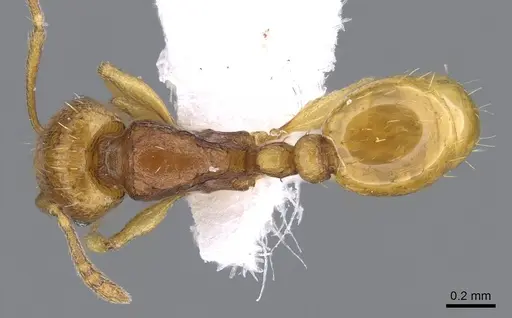
CASENT0906135
View on AntWeb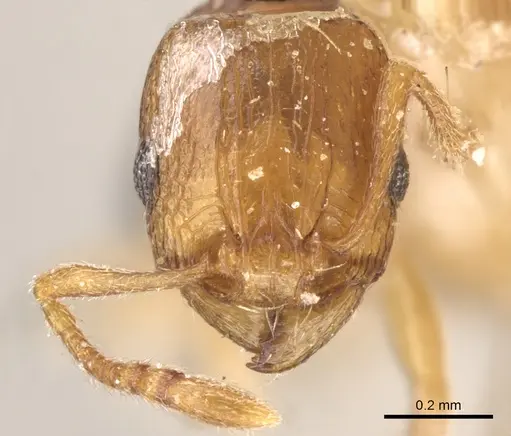
Literature
Loading...Loading products...