

Tetramorium caldarium
- Scientific Name
- Tetramorium caldarium
- Tribe
- Crematogastrini
- Subfamily
- Myrmicinae
- Author
- Roger, 1857
- Common Name
- Ant
- Distribution
- Found in 16 countries
Tetramorium caldarium Overview
Tetramorium caldarium (commonly known as the Ant) is an ant species of the genus Tetramorium. It is primarily documented in 16 countries , including Antigua and Barbuda, Cook Islands, Spain. Detailed taxonomic data and occurrence records can be further explored via authoritative databases such as AntWeb or the Global Biodiversity Information Facility (GBIF).
Tetramorium caldarium - "Ant"
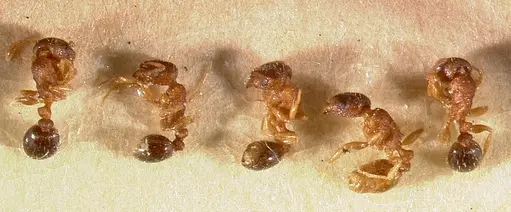
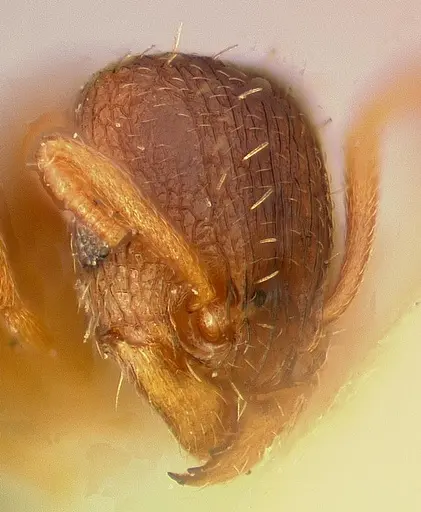
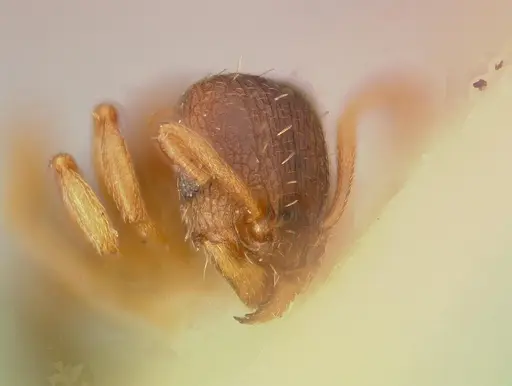
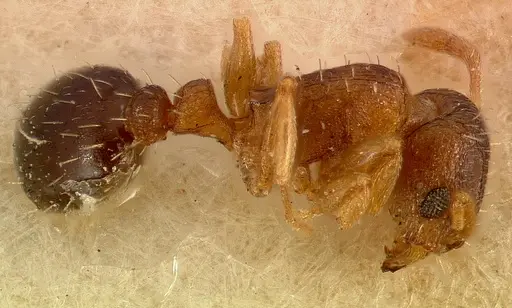
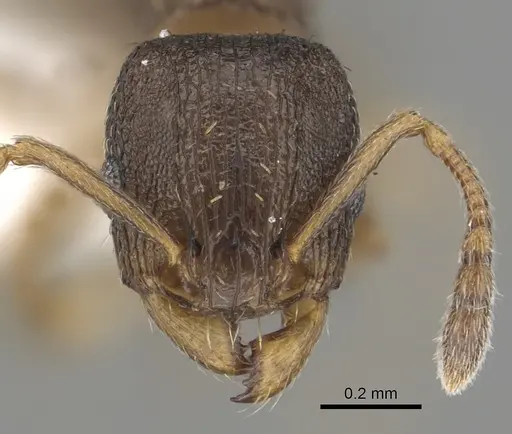
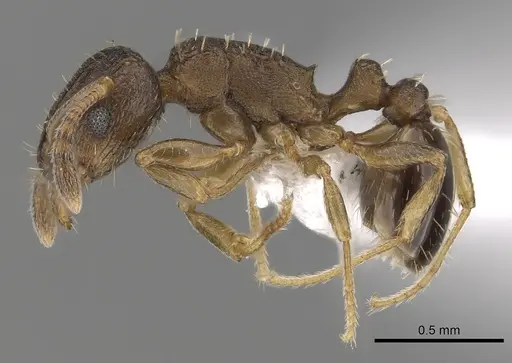
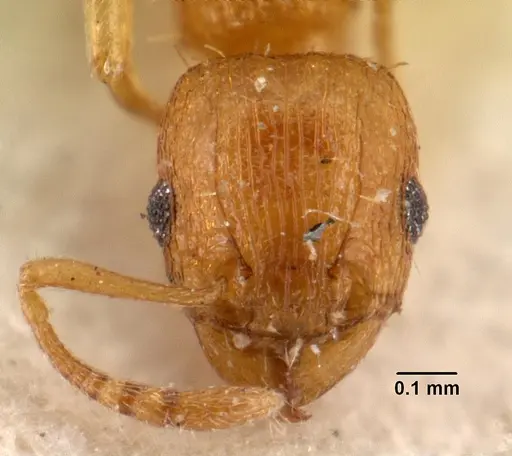
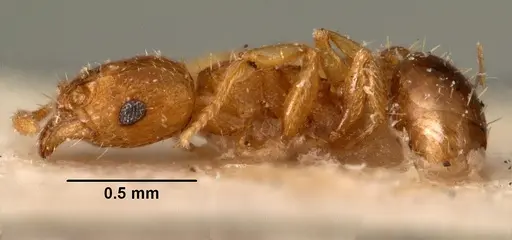
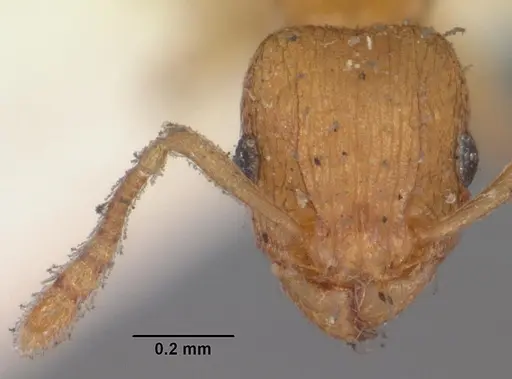
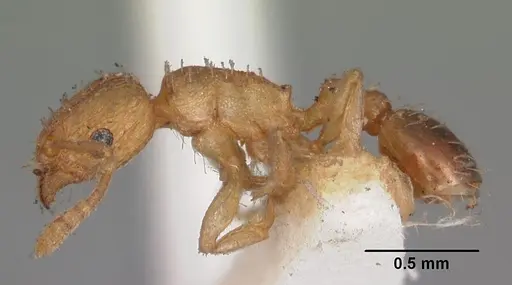
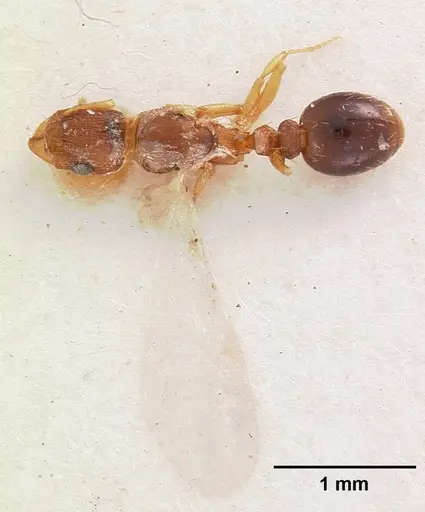
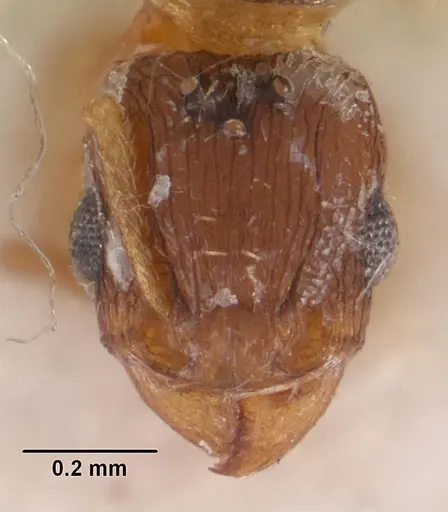
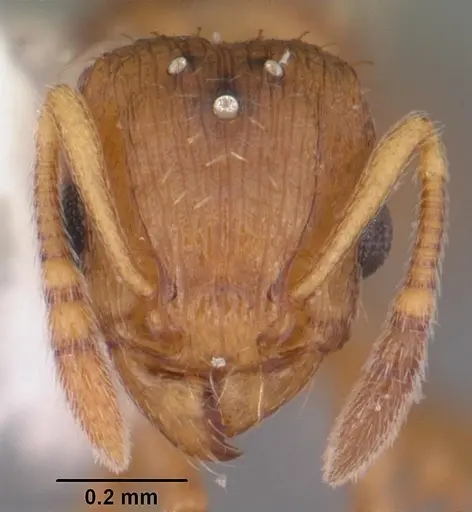
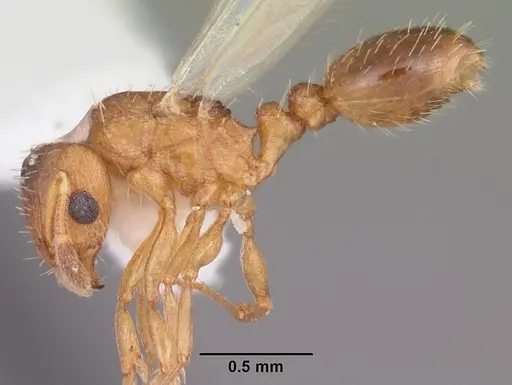
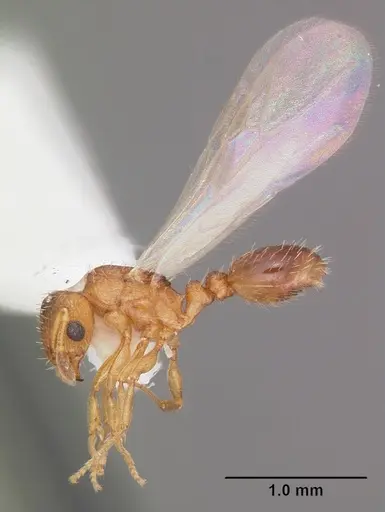
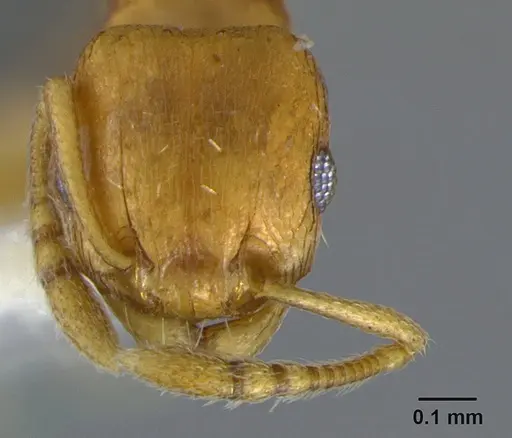
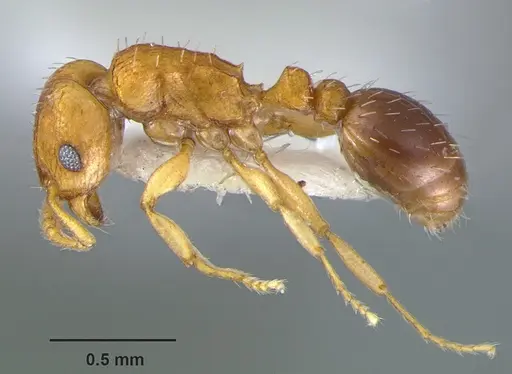
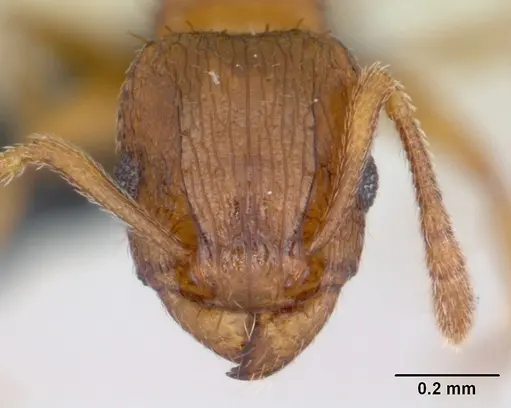
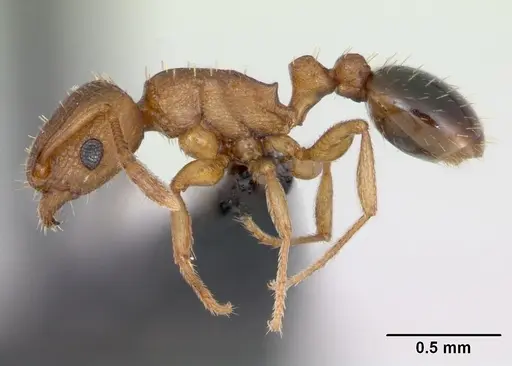
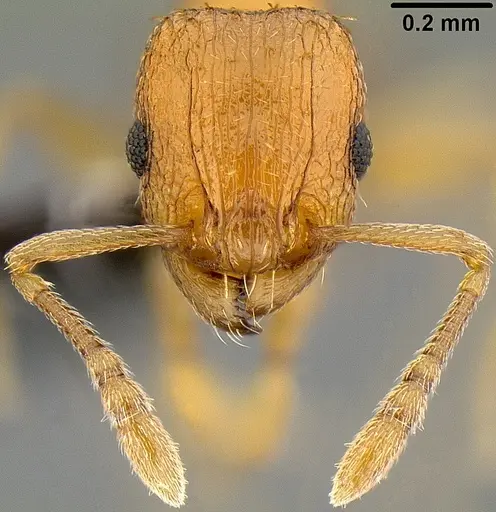
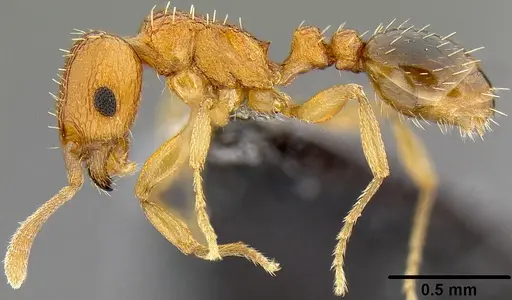
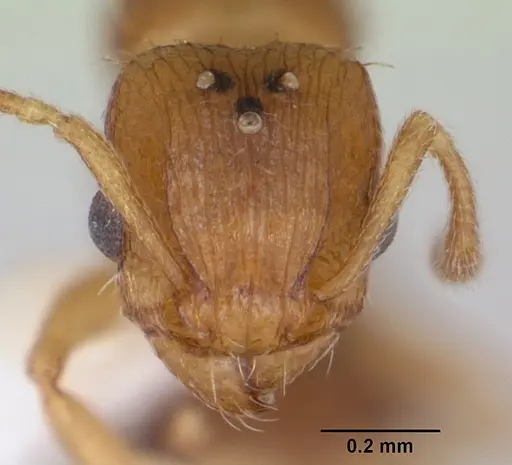
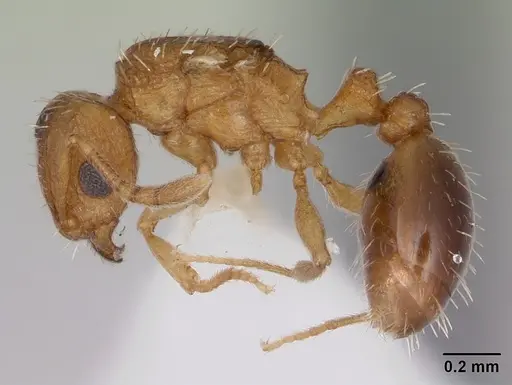
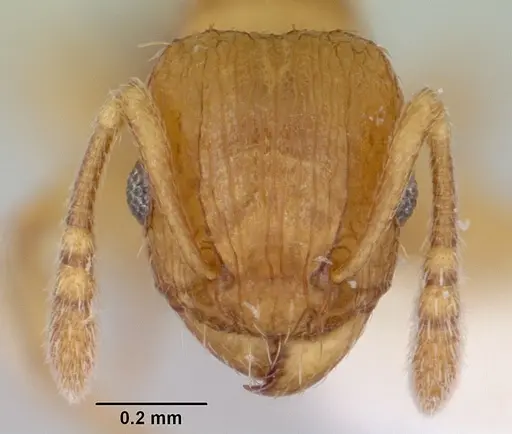
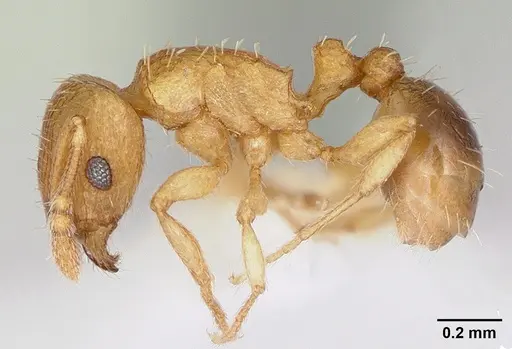
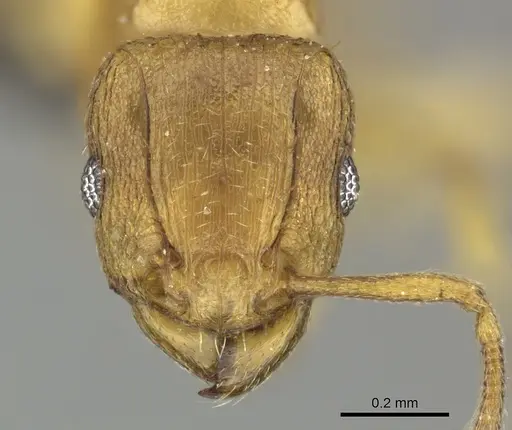
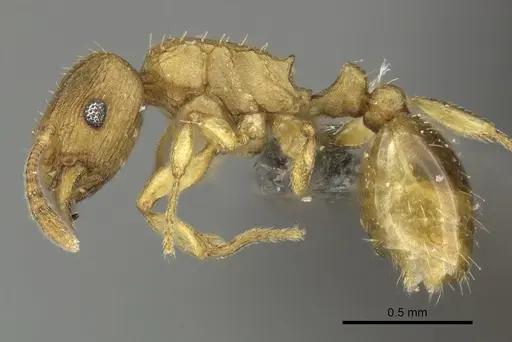
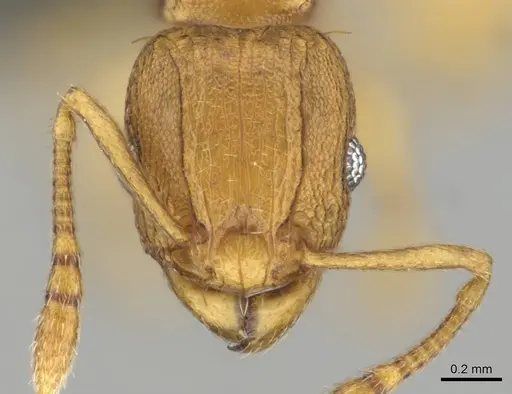
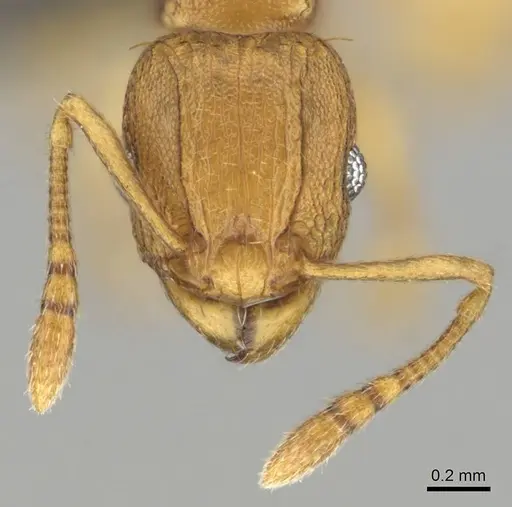
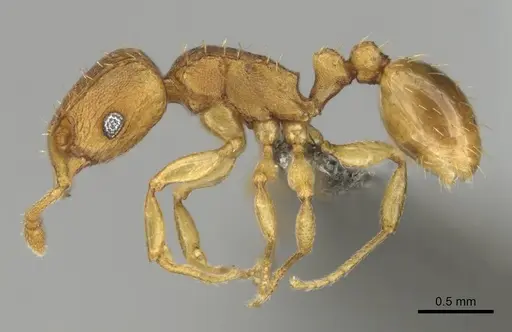
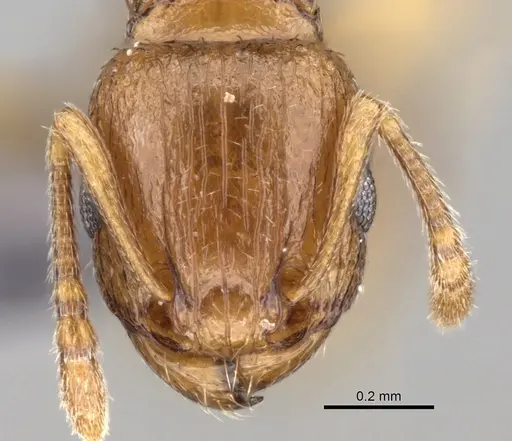
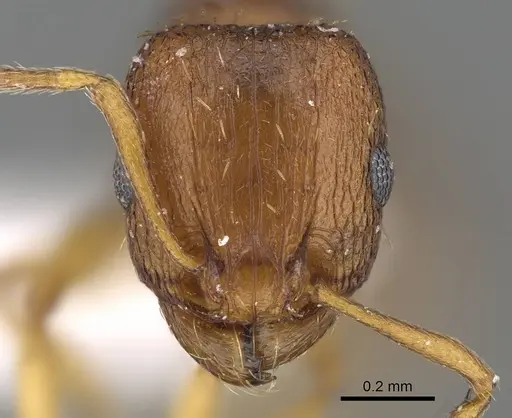
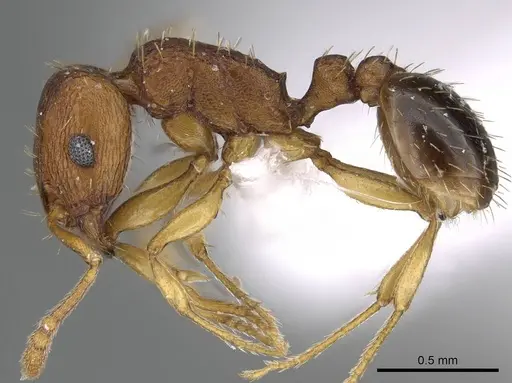
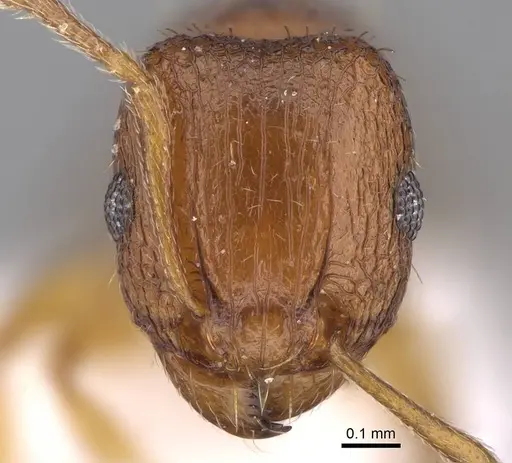
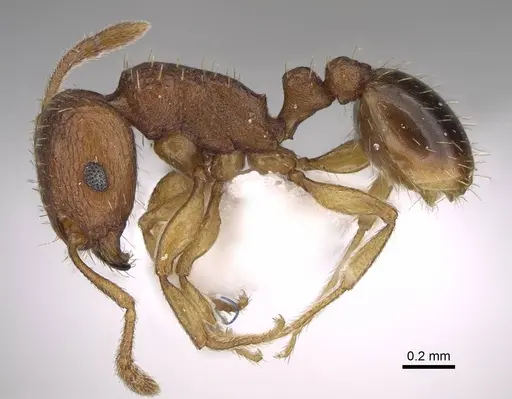
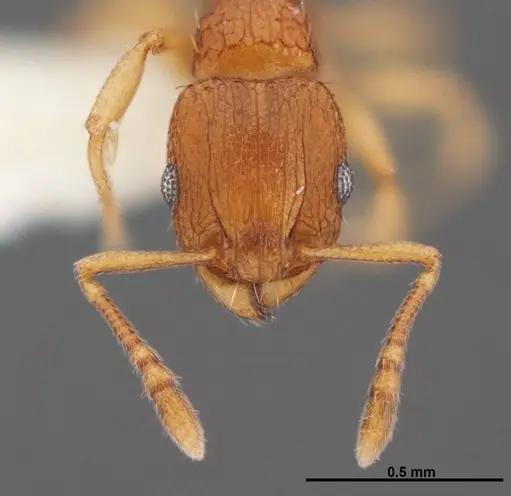
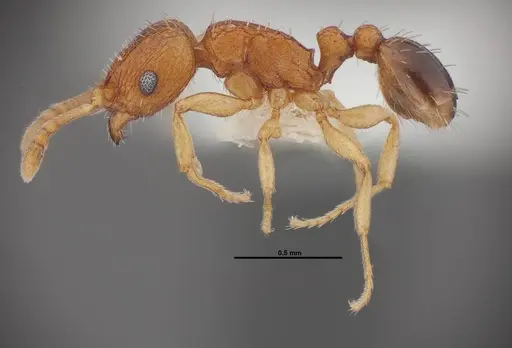
Tetramorium caldarium is a small reddish-brown ant, typically measuring 2.1-2.4mm in total length [1][2]. Workers have a 12-segmented antenna with a three-segmented club, short antennal scapes that don't reach the back of the head, and small propodeal spines [3]. The body is yellowish-brown with a darker brown gaster, and they have short, erect, blunt hairs on the body [2]. This species belongs to the Tetramorium simillimum species group and is nearly indistinguishable from the closely related T. simillimum, though T. caldarium has weaker frontal carinae and reduced antennal scrobes [4]. It closely resembles the little fire ant (Wasmannia auropunctata) but can be distinguished by its three-segmented antennal club (versus two in Wasmannia) [4].
Originally described from Poland in 1857 from a greenhouse growing pineapples, this species is native to Africa and has been spread worldwide through human commerce [4][5]. It thrives in disturbed areas, residential zones, agricultural land, and in temperate regions, it colonizes greenhouses, zoos, and heated buildings [6][7]. Despite its wide distribution, it remains inconspicuous and has no significant ecological impacts where introduced [4]. This is a ground-nesting species that prefers dry, open habitats and avoids shaded forest areas [8].
Quick Summary
- Difficulty: Easy
- Origin & Habitat: Native to Africa, now widespread across tropical and temperate regions worldwide through human commerce. Found in disturbed areas, residential zones, agricultural land, and in temperate regions inhabits greenhouses and heated buildings [4][6].
- Colony Type: Polygynous, colonies typically have multiple queens [9]. Single-queen colonies are also possible given the species' flexibility.
- Colony: Optionally polygyne
- Founding: Claustral
- Size & Growth:
- Queen: Under 3mm, very small queens [10]. Signal: estimated from limited data.
- Worker: 2.1-2.4mm total length [1], more precise measurements: HL 0.63-0.64mm, HW 0.53-0.56mm, SL 0.42-0.45mm [2].
- Colony: Colony size data limited. As a tramp species, colonies can reach several hundred workers. Signal: estimated.
- Growth: Moderate, typical for small Myrmicinae. Signal: estimated.
- Development: 6-8 weeks at warm temperatures. Signal: estimated based on related Tetramorium species. (Development is likely faster in warm conditions given their tropical origin and association with heated buildings.)
- Antkeeping:
- Temperature: Keep at 22-28°C. This species thrives in warm conditions and is found in heated buildings in temperate regions [7]. Room temperature is generally suitable, but a slight heat gradient can encourage activity [3].
- Humidity: Moderate to low, prefers drier conditions. In nature they nest in dry, loose soil under rocks and in arid-adapted habitats [11][4]. Allow the substrate to dry between waterings.
- Diapause: Not required, this is a tropical/tramp species that remains active year-round in warm conditions. In temperate greenhouses they may show reduced activity in cooler months but do not enter true hibernation.
- Nesting: Ground-nesting species that prefers dry, loose soil. In captivity, a standard test tube setup works well, or a Y-tong/plaster nest with a dry to slightly moist substrate. They nest under stones in the wild with soil that is dry and rich in organic matter [11].
- Behavior: Workers are active foragers that search for food along established trails. They are not particularly aggressive but will defend their nest. When disturbed, workers may feign death (thanatosis) [11]. As small ants, they can escape through tiny gaps, use fine mesh barriers. They are opportunistic feeders and will scavenge on various food sources. Colonies are polygynous with multiple queens, which helps their success as a tramp species [9].
- Common Issues: escape prevention is critical, tiny size means they can squeeze through standard mesh, colonies may be slow to establish initially, be patient during founding phase, dry housing is important, too much moisture can cause problems, may be confused with T. simillimum, verify identification if possible
Housing and Setup
Tetramorium caldarium is a small ground-nesting ant that does well in standard test tube setups for founding colonies. Once established with 20+ workers, you can move them to a formicarium. Because they prefer drier conditions, use a nest material that doesn't retain too much moisture, a Y-tong (AAC) nest or plaster nest works well [11]. Keep the nesting area relatively dry with only occasional light misting. For the outworld, a simple plastic container with a textured bottom for traction is sufficient. These ants are tiny, so escape prevention is critical, use fine mesh (at least 0.5mm) on any ventilation holes and ensure all connections are sealed tightly [3]. They do well at room temperature and don't require special heating, which makes them easy to keep.
Feeding and Diet
As an opportunistic tramp species, T. caldarium accepts a wide variety of foods. In captivity, they do well on sugar water or honey as an energy source, offered on a cotton ball or small dish. For protein, they need small prey items, flightless fruit flies, small crickets, mealworms, or other tiny insects work well. Given their small size, prey items should be appropriately sized. They are generalist feeders and will scavenge on dead insects and other organic matter. Feed them a few times per week, removing any uneaten food after 24 hours to prevent mold. In the wild, they forage in disturbed areas and residential zones, so they're accustomed to finding scattered food resources [6][3].
Temperature and Seasonal Care
This species does well at room temperature, ideally 22-28°C. Their association with greenhouses and heated buildings in temperate regions shows they can tolerate and even prefer warmer conditions [7]. In tropical areas they remain active year-round, so no hibernation or diapause is required. If you keep them in a cooler room during winter, activity may slow down but they shouldn't need special overwintering care. A gentle heat gradient in the nest can encourage brood development, but it's not strictly necessary. The key is avoiding cold temperatures below 18°C for extended periods, as this species is adapted to tropical and subtropical conditions [3].
Colony Dynamics
T. caldarium is polygynous, meaning colonies typically have multiple queens working together [9]. This is common among tramp species and contributes to their success in establishing new populations. Colonies can grow moderately fast once established, though founding colonies take time to produce their first workers (nanitics). The species is monomorphic, meaning all workers are the same size, there's no major size variation within the worker caste [9]. Queens are very small, under 3mm, which is typical for Tetramorium species [10]. Colonies may produce alates (reproductives) once they reach several hundred workers, though this varies based on conditions.
Behavior and Temperament
Workers are active foragers that establish clear trails to food sources. They are not particularly aggressive toward humans or other ants, but will defend their nest if threatened. An interesting behavior noted in the wild is thanatosis, when disturbed, workers may feign death by remaining motionless [11]. This is a defense mechanism to avoid detection. As small ants, they have good escape abilities, their tiny size means they can slip through gaps that would stop larger ants. Always use fine mesh and check for gaps when housing this species. They are primarily ground-nesting and don't display arboreal behaviors. Their success as a tramp species comes from their flexibility in nesting sites, diet, and colony structure [4].
Frequently Asked Questions
Is Tetramorium caldarium a good beginner ant?
Yes, this is an excellent beginner species. They are small, easy to house, and don't require special heating or humidity control. They do well at room temperature and tolerate a range of conditions. Their polygynous colony structure also means founding colonies have a higher success rate than single-queen species. The main challenge is their tiny size requiring good escape prevention.
How long does it take for Tetramorium caldarium to produce first workers?
Expect 6-8 weeks from egg to worker at warm temperatures (around 25°C). This is typical for small Myrmicinae ants. Founding queens seal themselves in and raise the first brood alone, so be patient during this stage, don't disturb the nest.
Do Tetramorium caldarium ants sting?
Yes, like all Myrmicinae ants, T. caldarium has a functional stinger. However, given their tiny size (2-2.5mm), the sting is very mild and rarely noticed by humans. They're not aggressive and typically only sting if directly handled or threatened.
Can I keep multiple Tetramorium caldarium queens together?
Yes, this is a polygynous species, colonies naturally have multiple queens [9]. You can keep multiple foundresses together during colony founding, though some may be eliminated through competition. Established colonies typically accept additional queens.
What do Tetramorium caldarium eat?
They are generalist feeders. Offer sugar sources like sugar water or honey for energy, and protein like small insects (fruit flies, small crickets, mealworms). They will scavenge on dead insects and other organic matter. Feed a few times per week, removing uneaten food promptly.
Do Tetramorium caldarium need hibernation?
No, this is a tropical/tramp species that doesn't require hibernation. In heated buildings and greenhouses they remain active year-round. If kept at room temperature, they may show reduced activity in winter but no special overwintering care is needed.
How big do Tetramorium caldarium colonies get?
Colonies can reach several hundred workers. As a successful tramp species, they have moderate growth rates. Exact maximum sizes aren't well-documented in scientific literature, but colonies of several hundred workers are typical for established colonies.
Why are my Tetramorium caldarium escaping?
This species is very small and can escape through tiny gaps. Check your setup carefully, use fine mesh (0.5mm or smaller) on all ventilation, seal any gaps in connections, and ensure lids fit tightly. Even small gaps around tubing connections can allow escape.
Is Tetramorium caldarium invasive?
Yes, this is a tramp species that has spread worldwide through human commerce. It's native to Africa but now found across tropical and temperate regions. However, unlike some invasive ants, T. caldarium has no significant documented ecological impacts where introduced [4]. In some regions it's considered uncommon.
References

This caresheet is licensed under CC BY-SA 4.0 .
ANTWEB1041899
View on AntWeb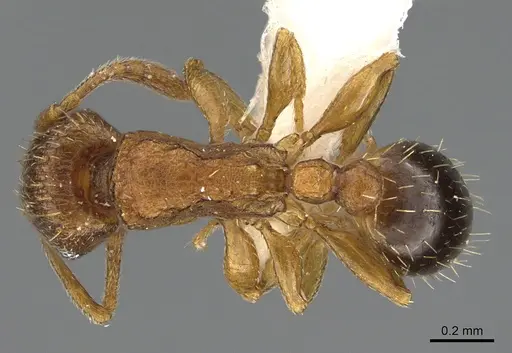
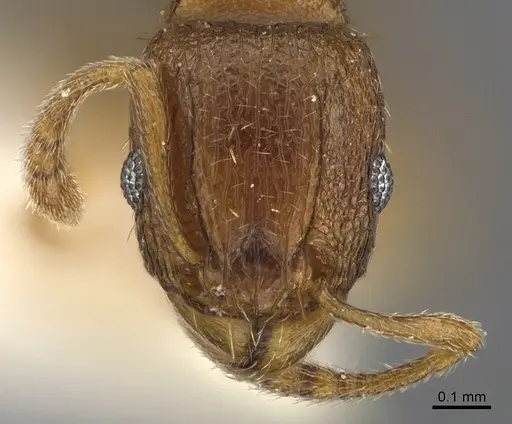
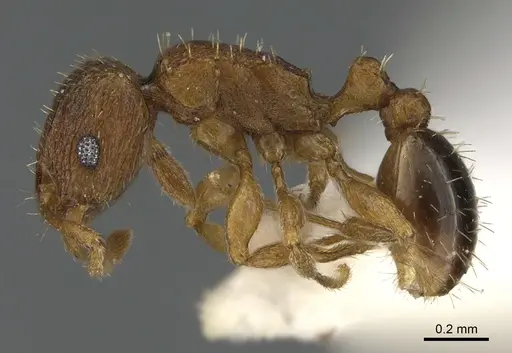
CASENT0003150
View on AntWeb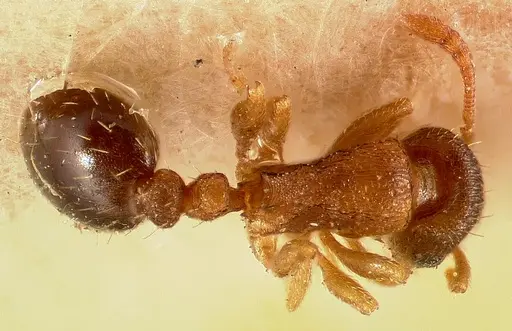
CASENT0100776
View on AntWeb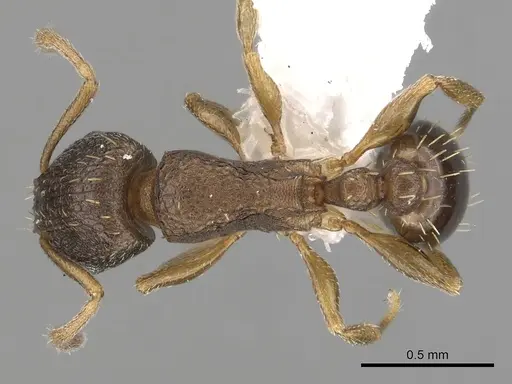
CASENT0101490
View on AntWeb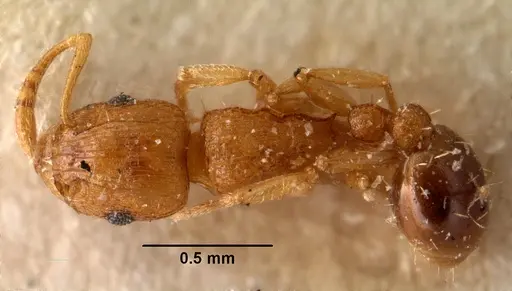
CASENT0102333
View on AntWeb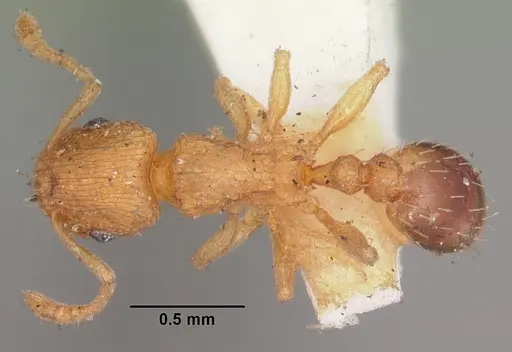
CASENT0102358
View on AntWeb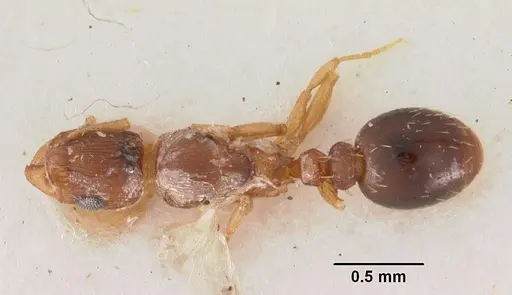
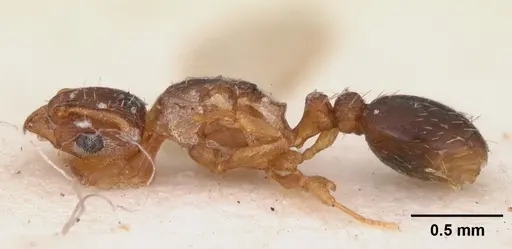
CASENT0102738
View on AntWeb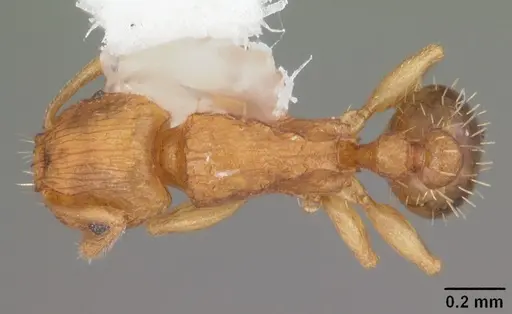
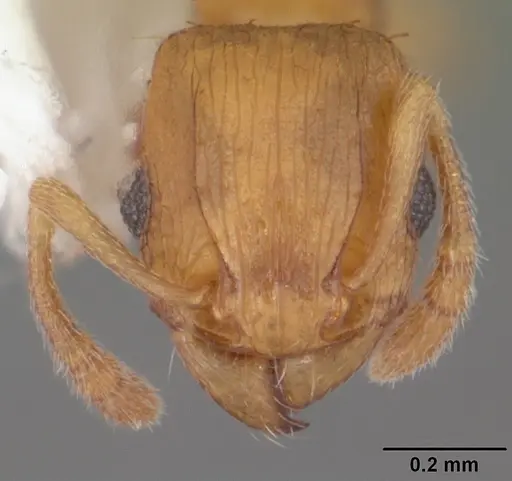
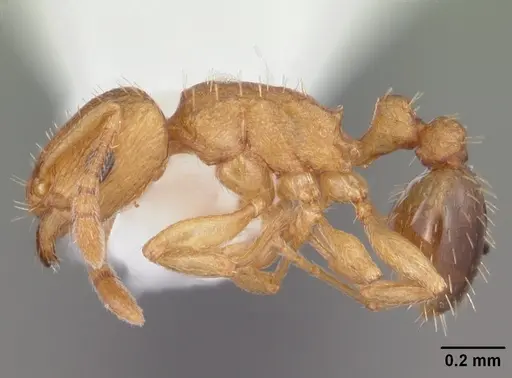
CASENT0102739
View on AntWeb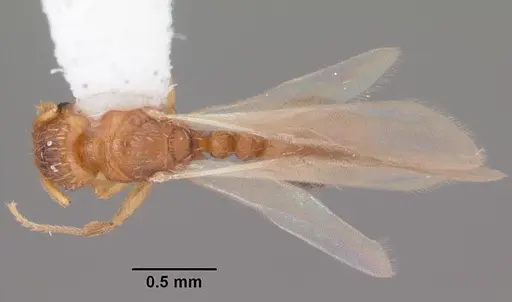
CASENT0105867
View on AntWeb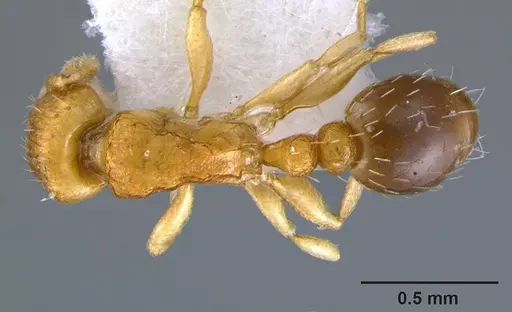
CASENT0125225
View on AntWeb
CASENT0171084
View on AntWeb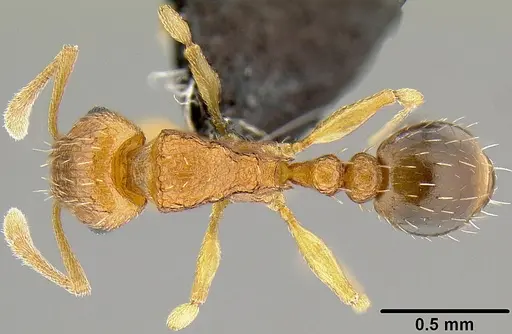
CASENT0173286
View on AntWeb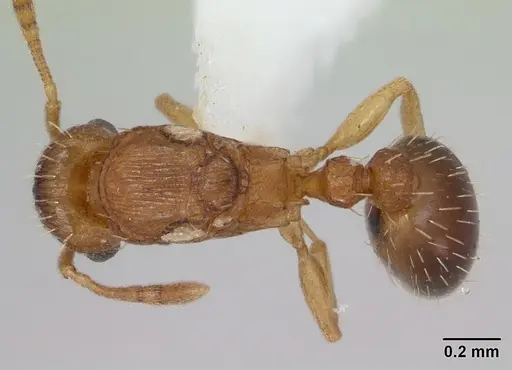
CASENT0173287
View on AntWeb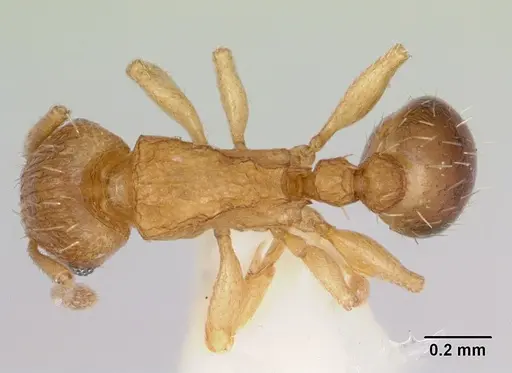
CASENT0249022
View on AntWeb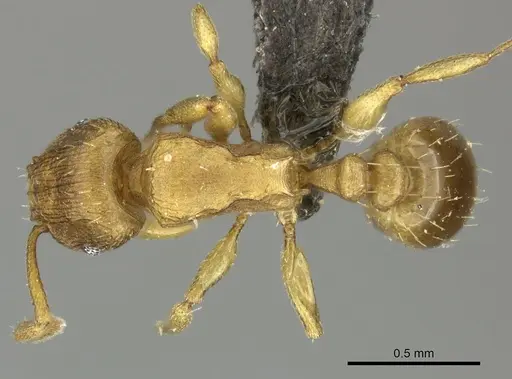
CASENT0257045
View on AntWeb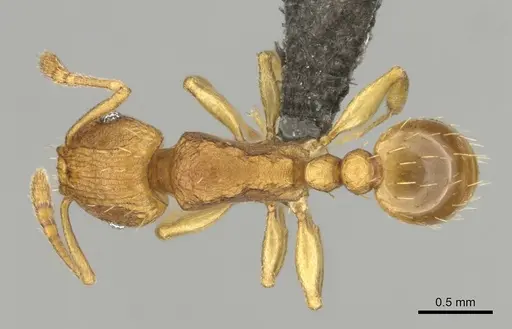
CASENT0264195
View on AntWeb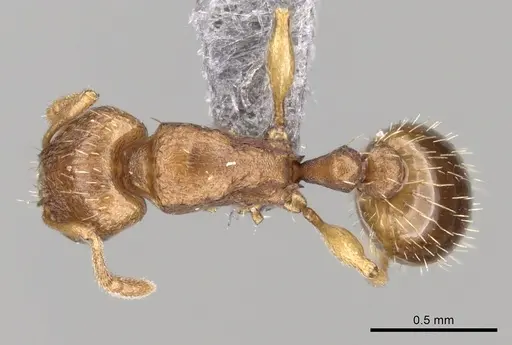
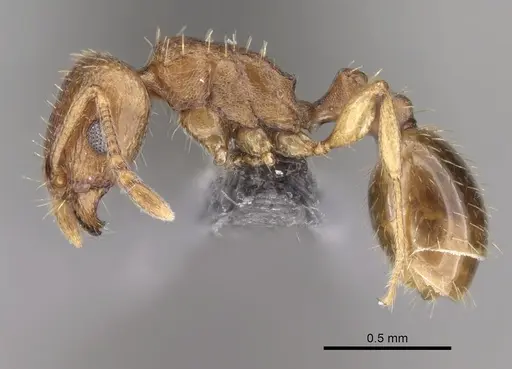
CASENT0280853
View on AntWeb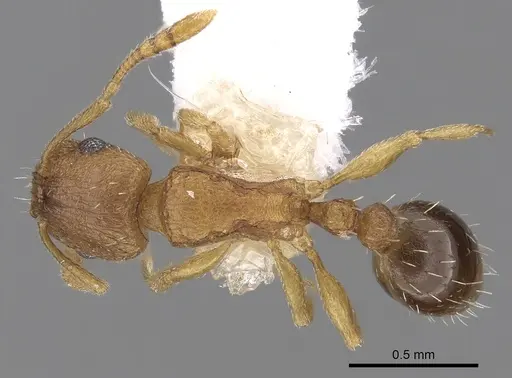
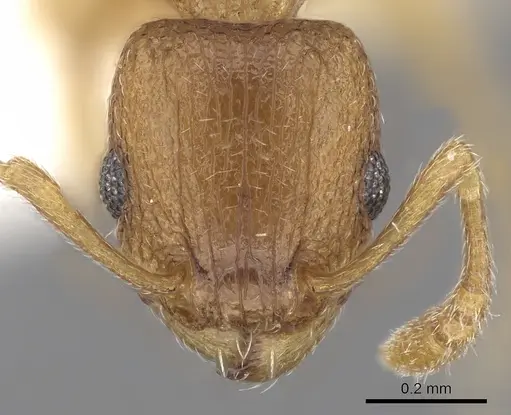
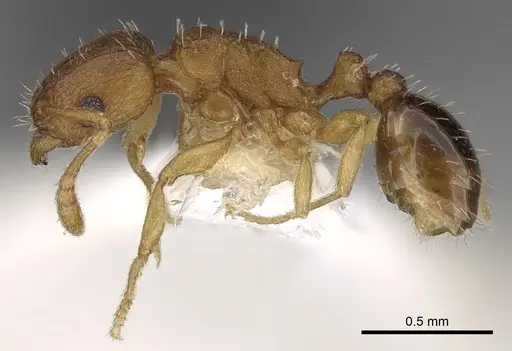
CASENT0922289
View on AntWeb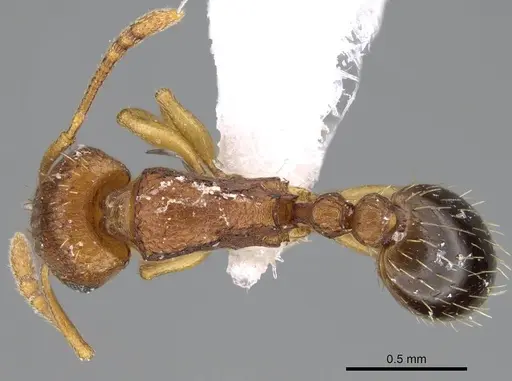
CASENT0922858
View on AntWeb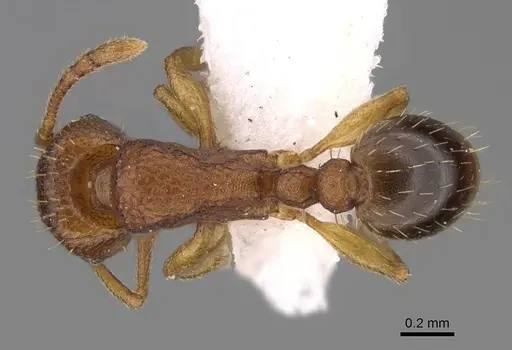
FMNHINS0000078518
View on AntWeb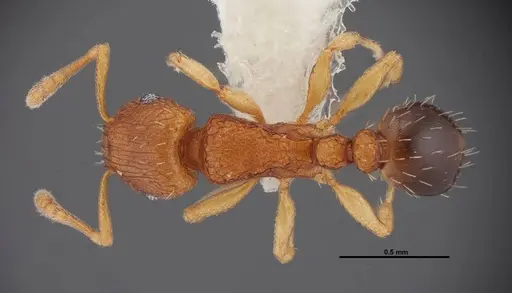
Literature
Loading...Loading products...