

Monomorium exiguum
- Scientific Name
- Monomorium exiguum
- Tribe
- Solenopsidini
- Subfamily
- Myrmicinae
- Author
- Forel, 1894
- Distribution
- Found in 11 countries
Monomorium exiguum Overview
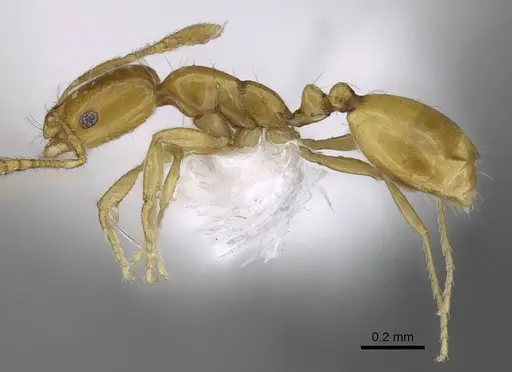
Monomorium exiguum is an ant species of the genus Monomorium. It is primarily documented in 11 countries , including United Arab Emirates, Congo, Democratic Republic of the. Detailed taxonomic data and occurrence records can be further explored via authoritative databases such as AntWeb or the Global Biodiversity Information Facility (GBIF).
Monomorium exiguum
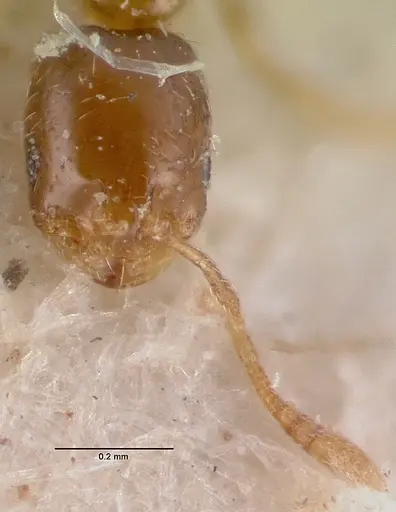
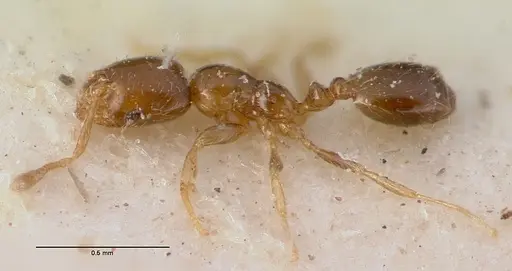
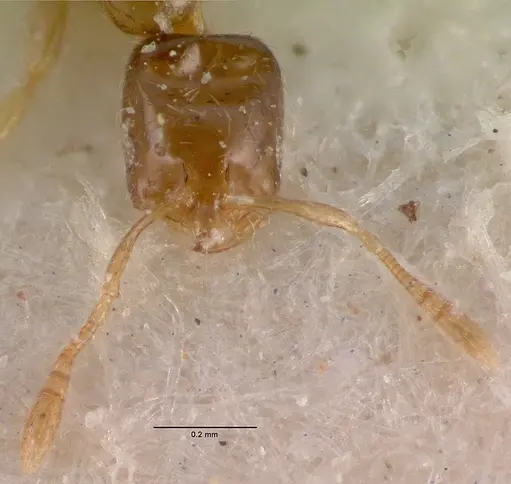
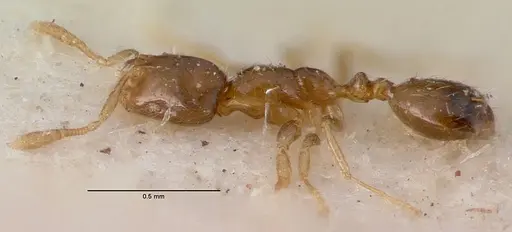
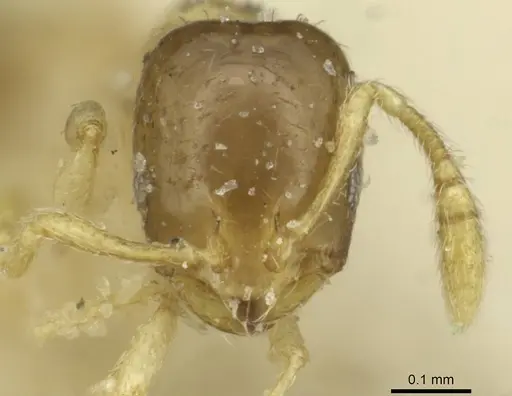
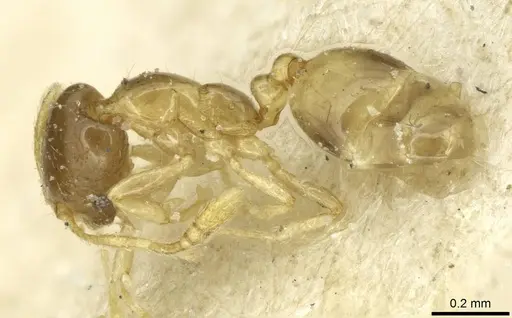
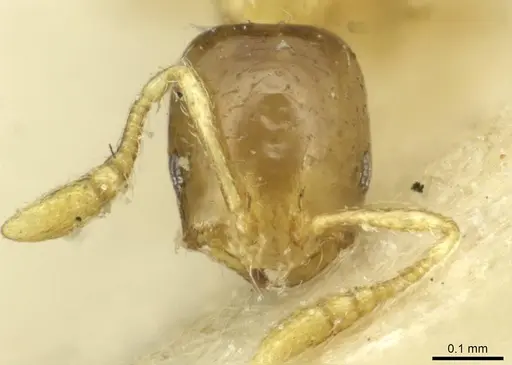
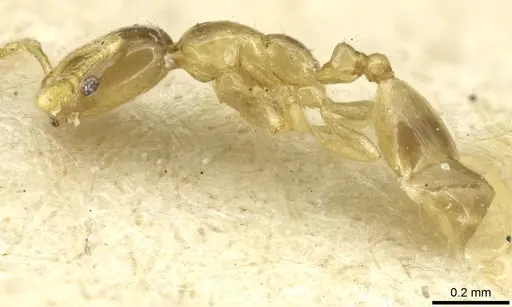
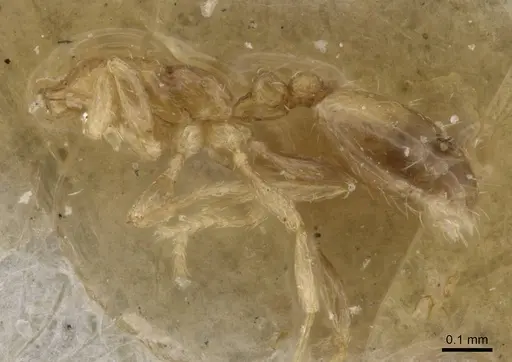
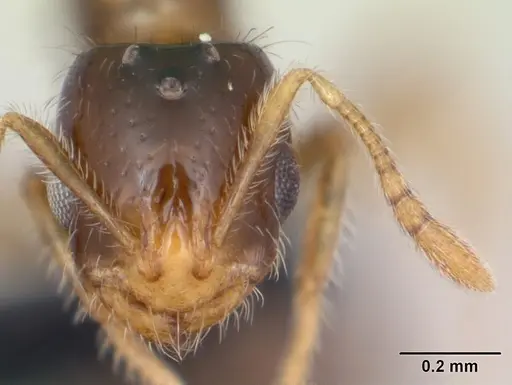
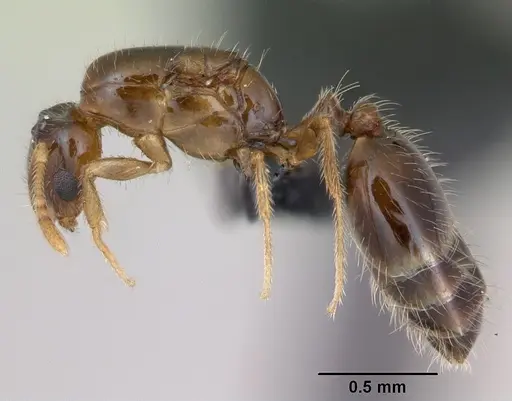
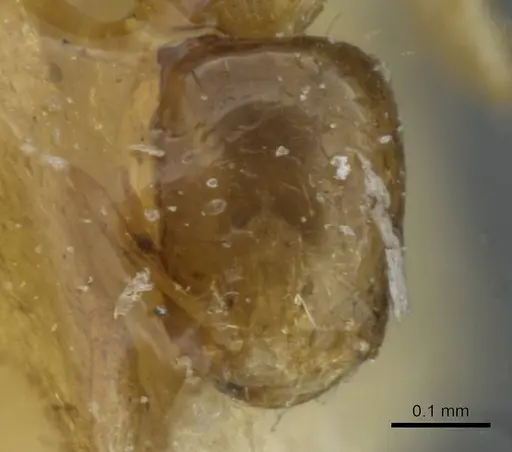
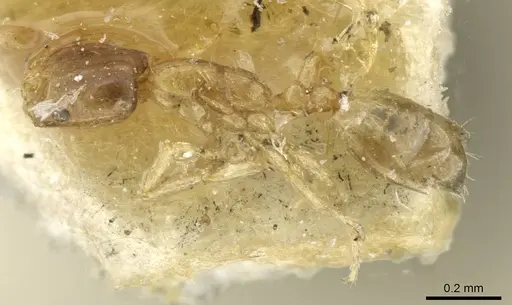
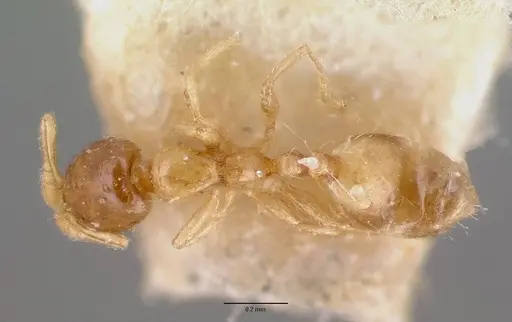
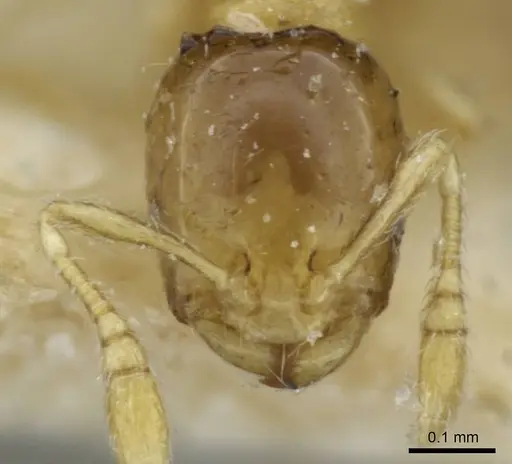
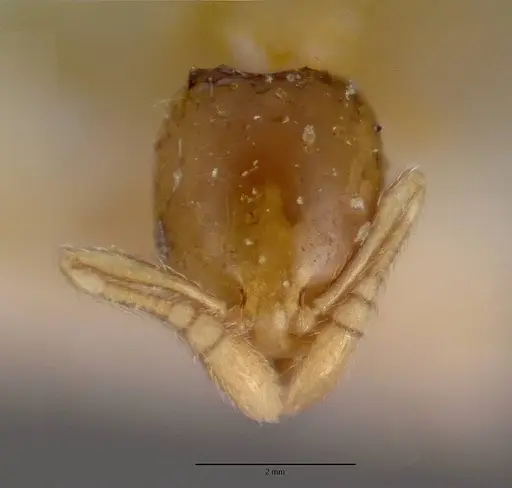
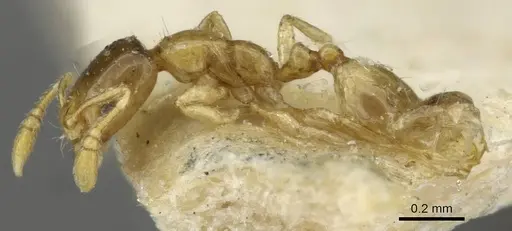
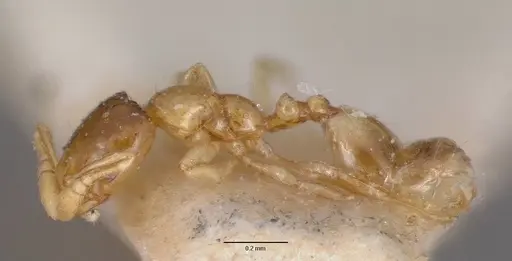
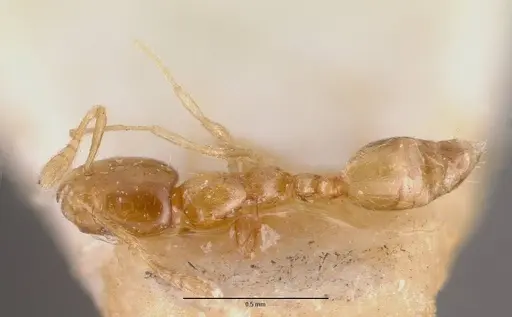
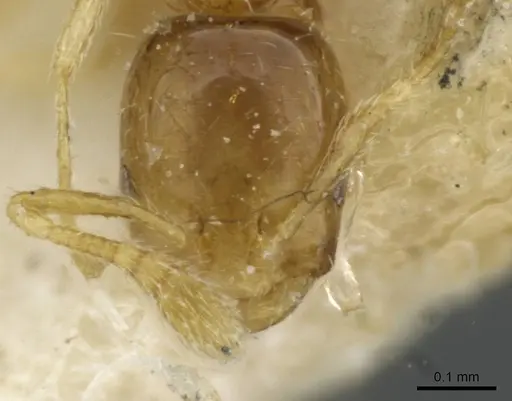
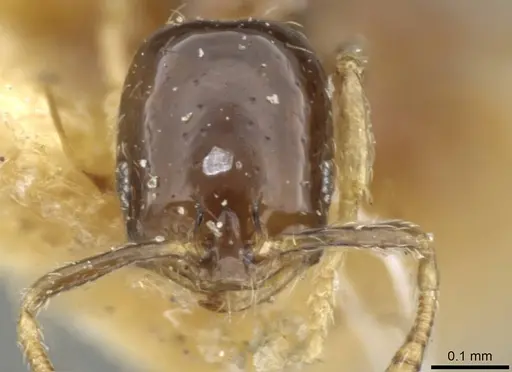
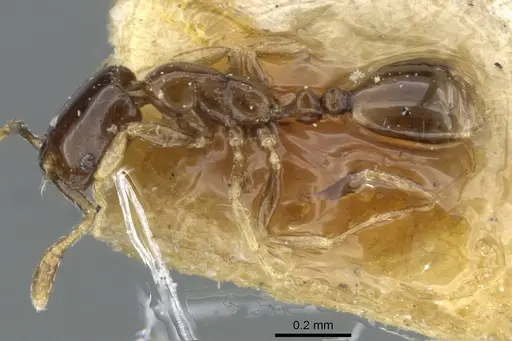
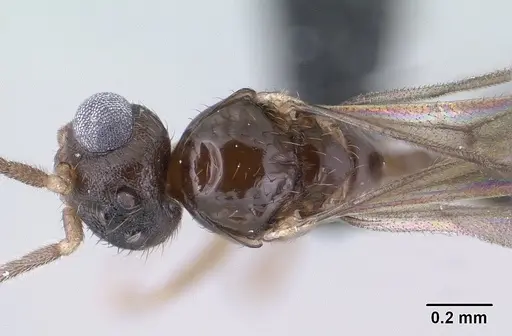
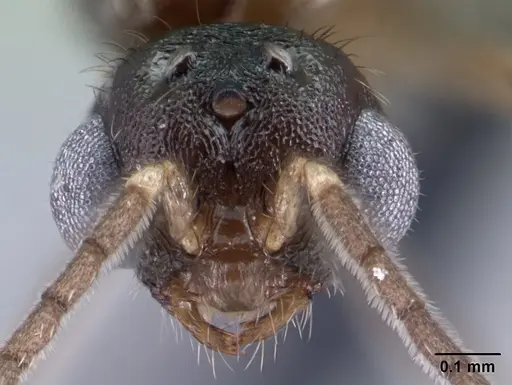
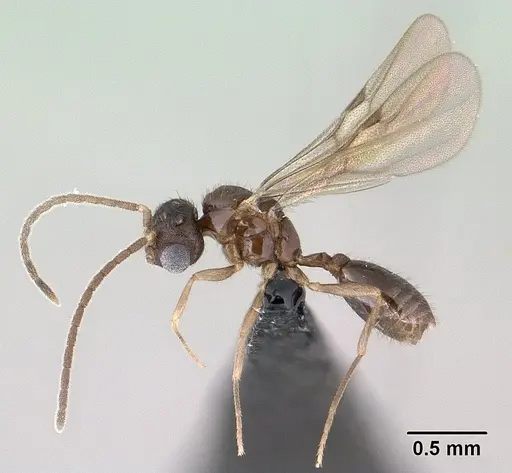
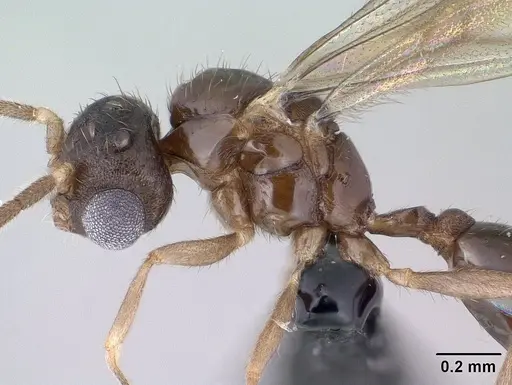
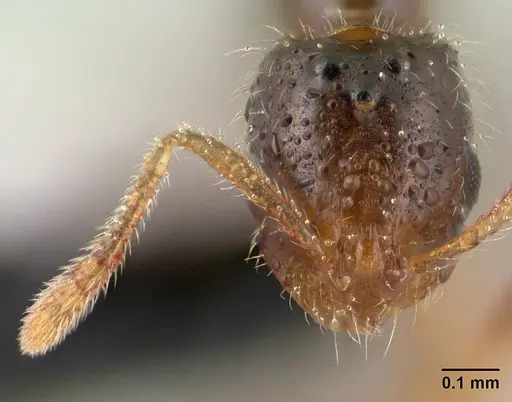
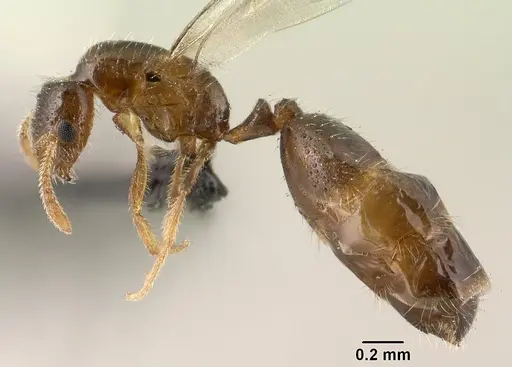
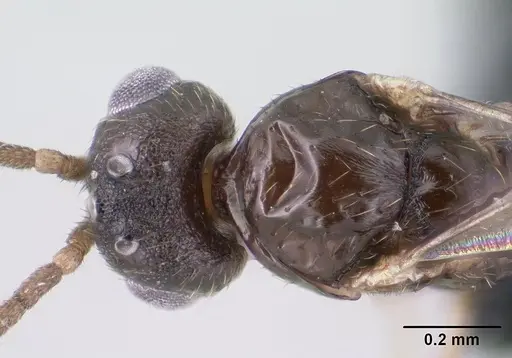
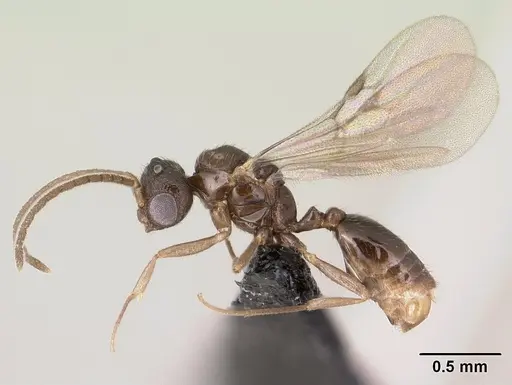
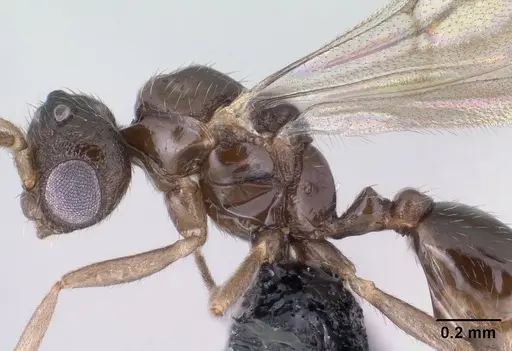
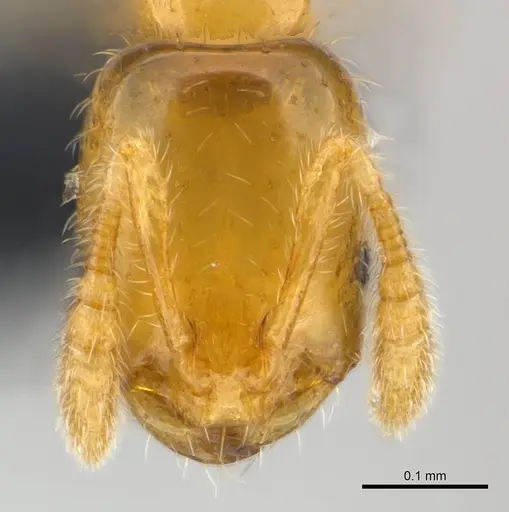
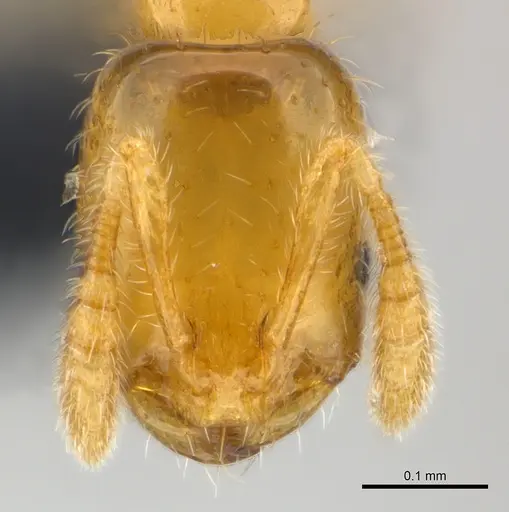
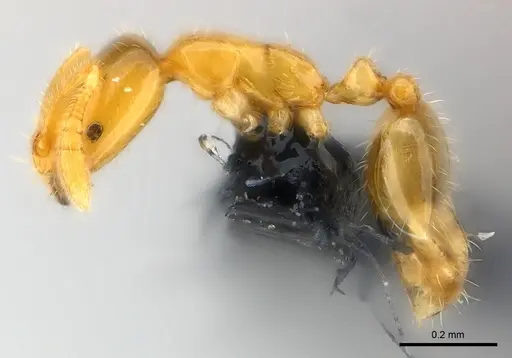
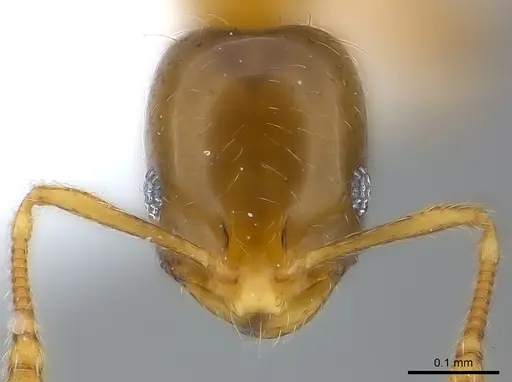
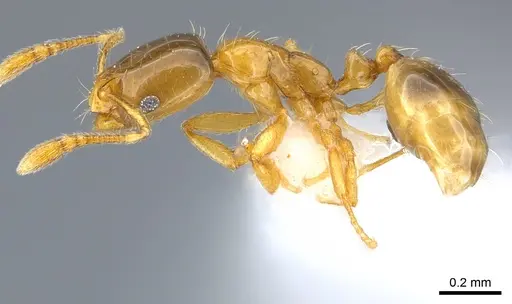
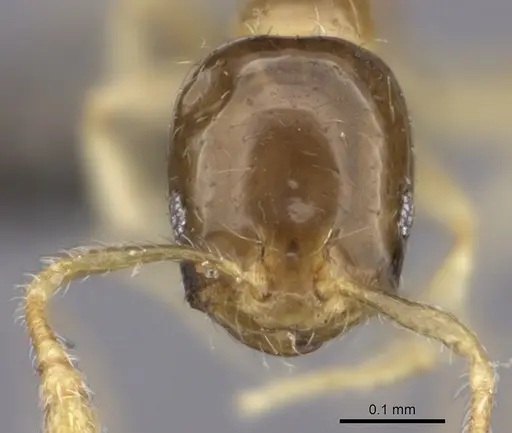
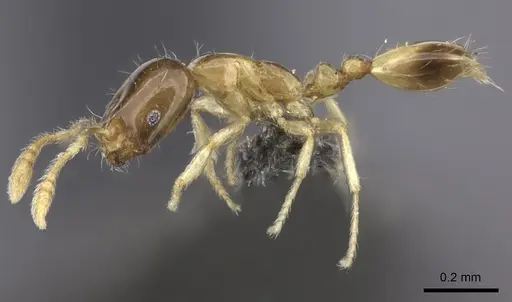
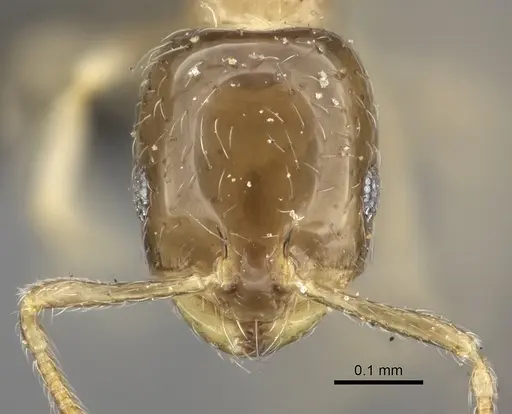
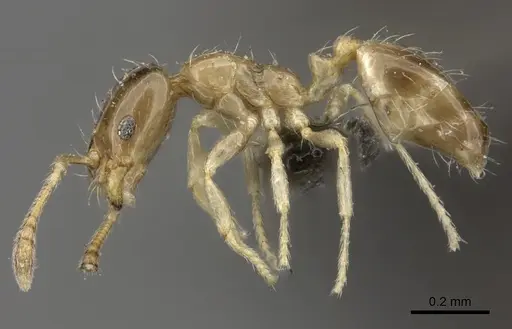
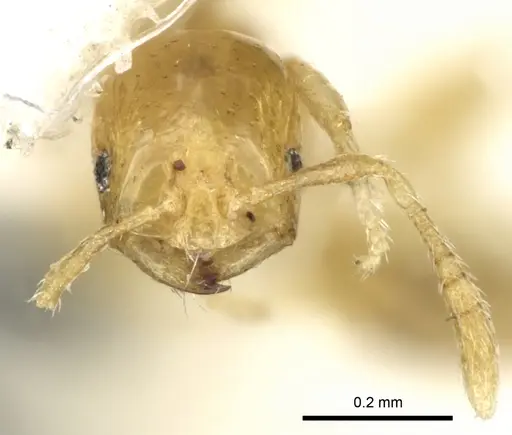
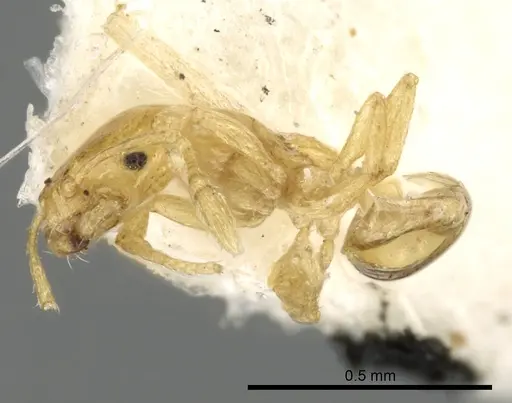
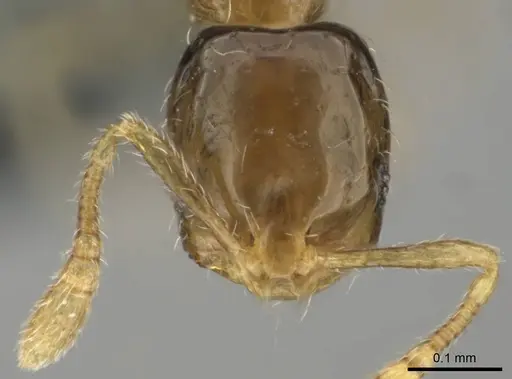
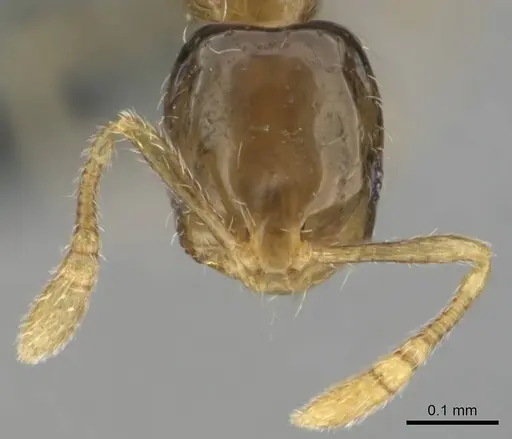
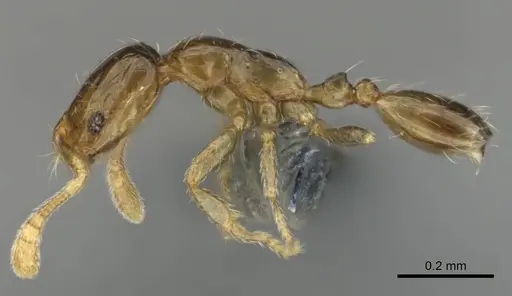
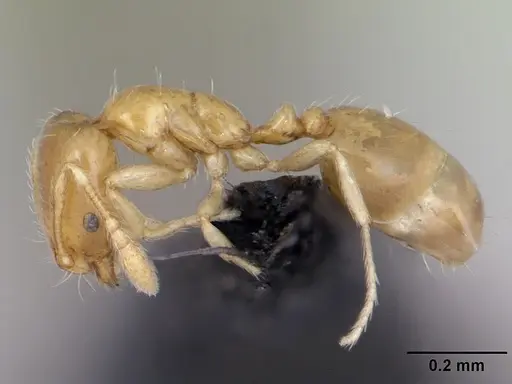
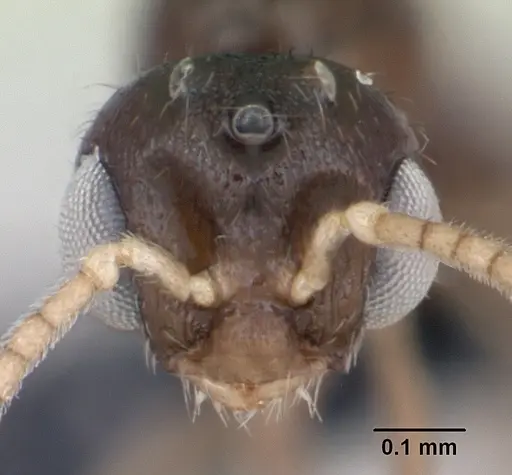
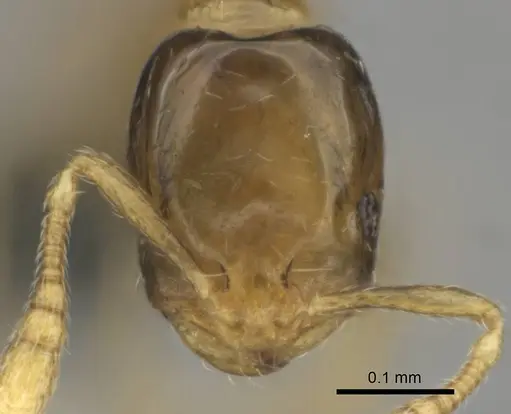
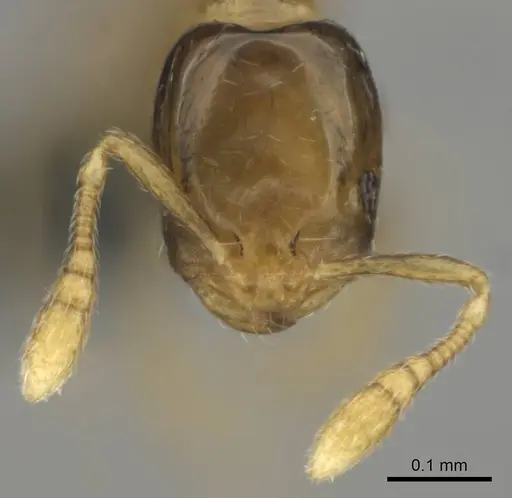
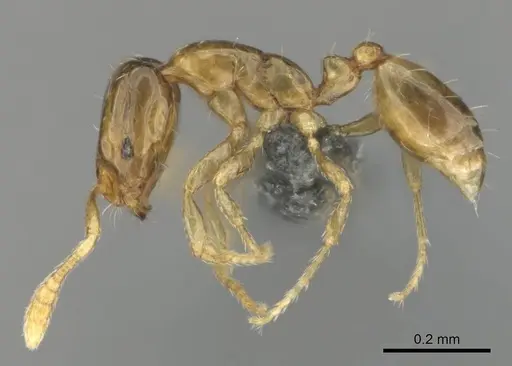
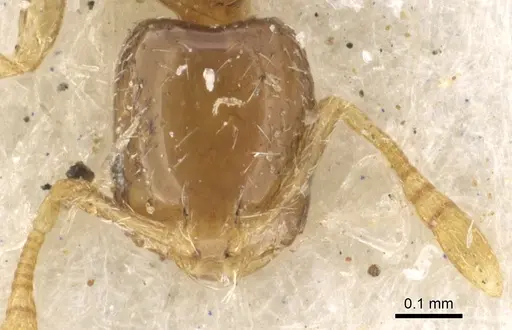
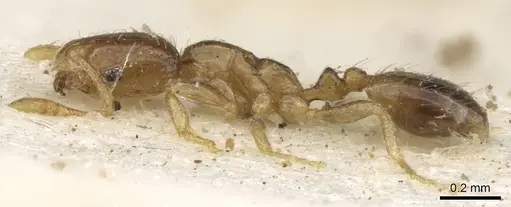
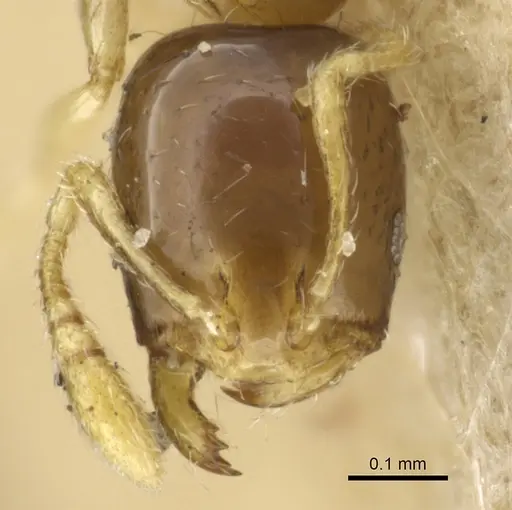
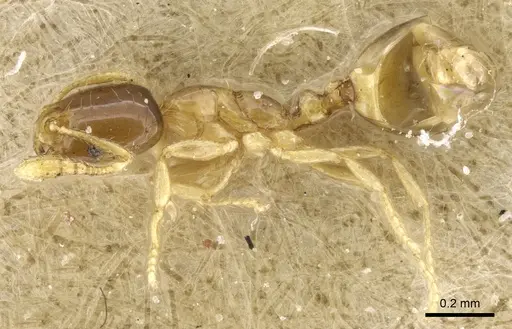
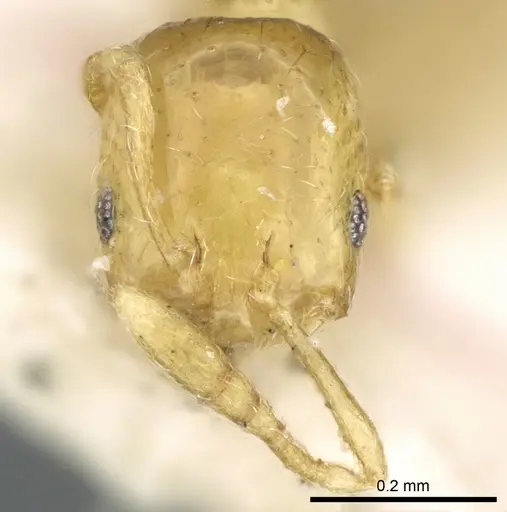
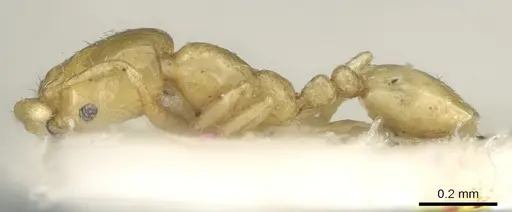
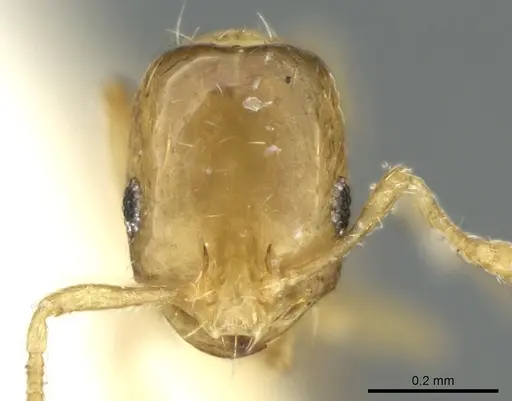
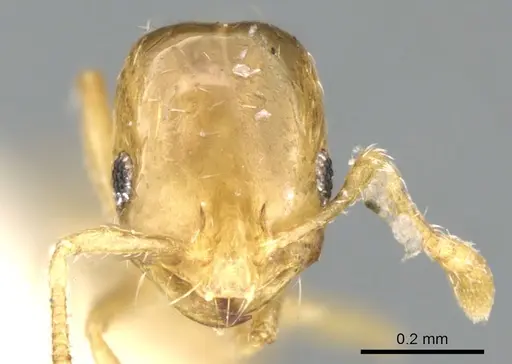
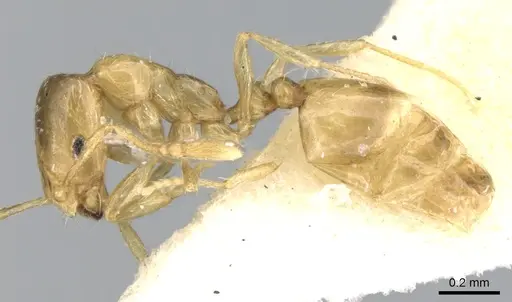
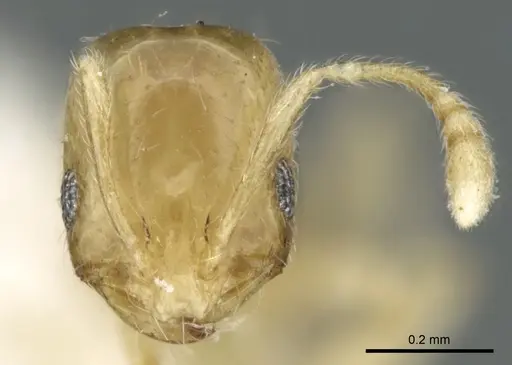
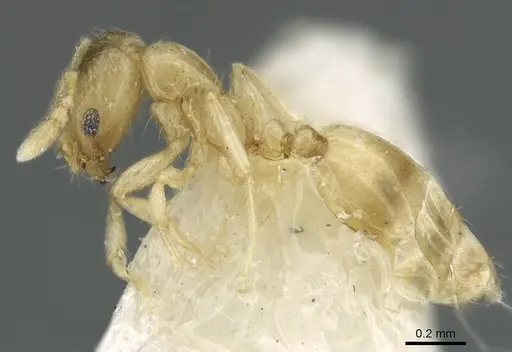
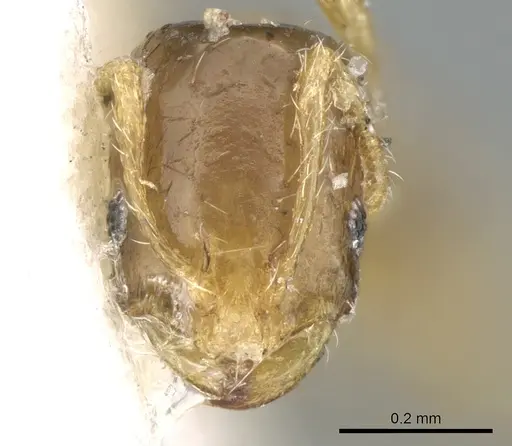
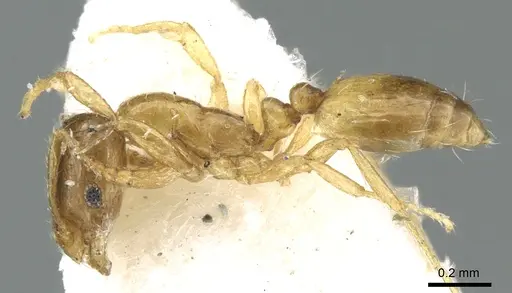
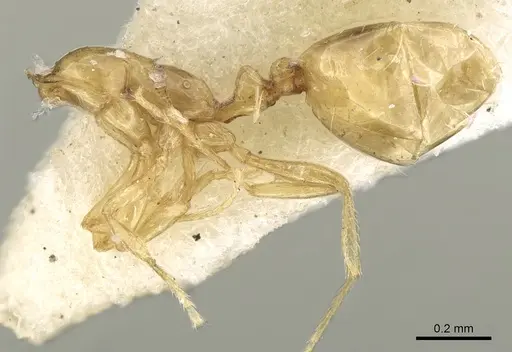
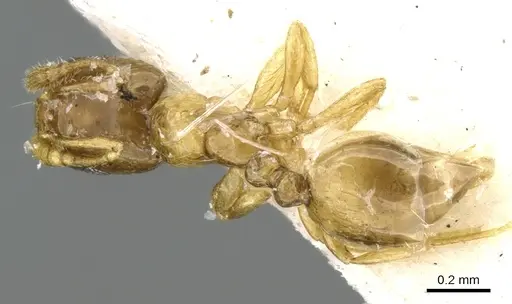
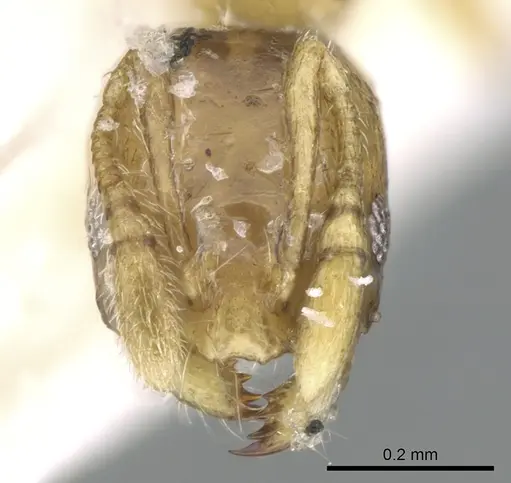
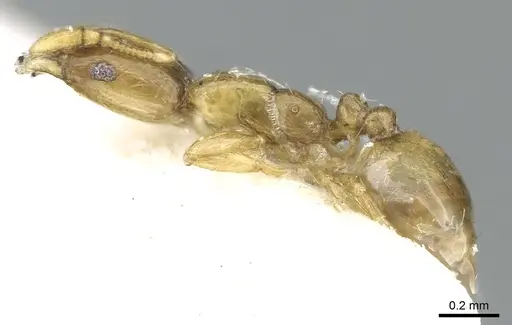
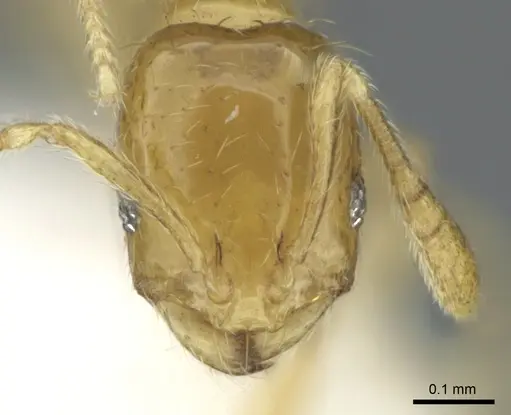
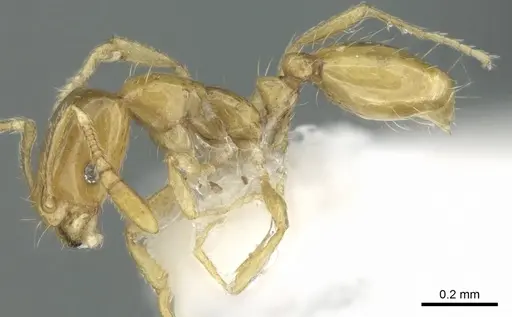
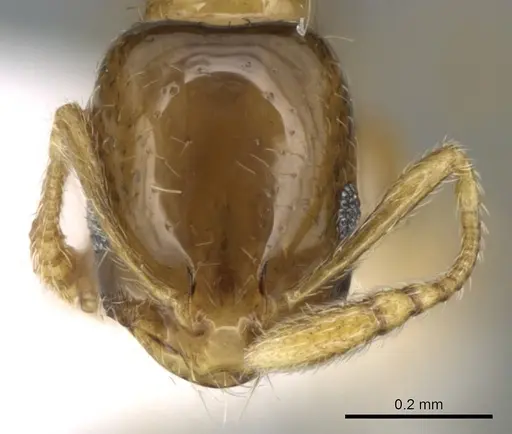
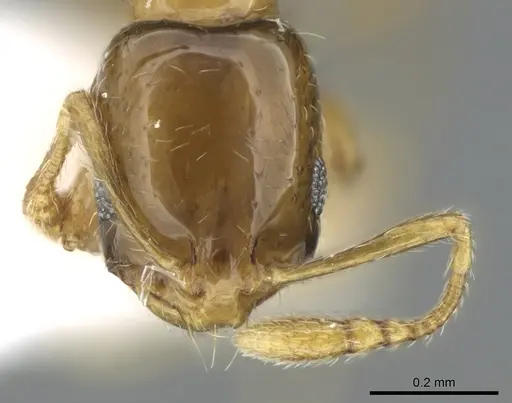
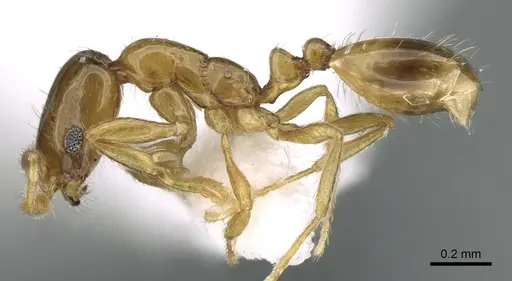
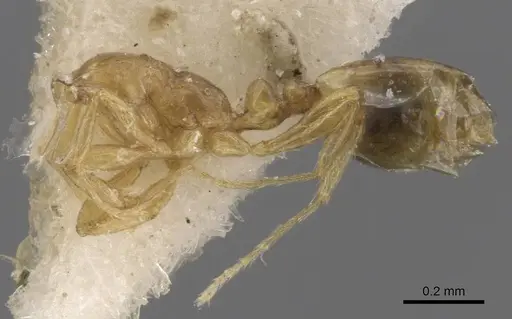
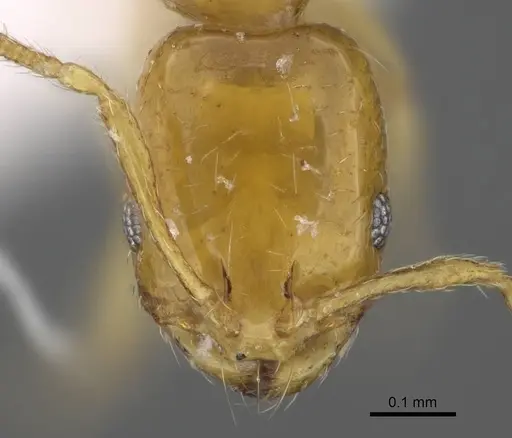
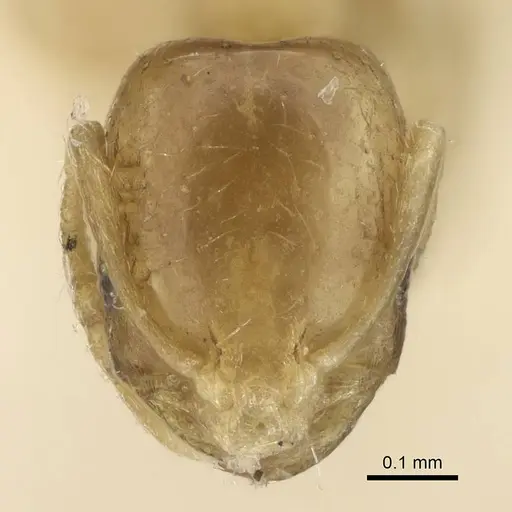
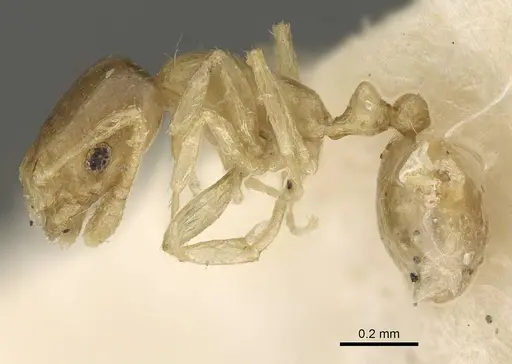
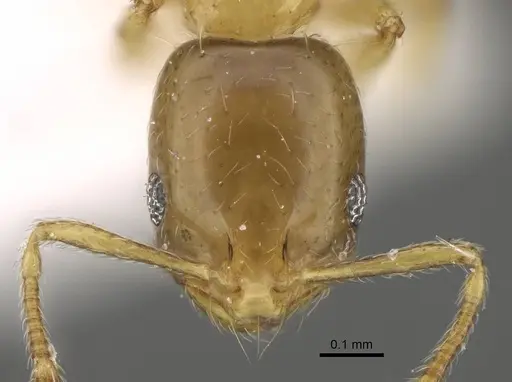
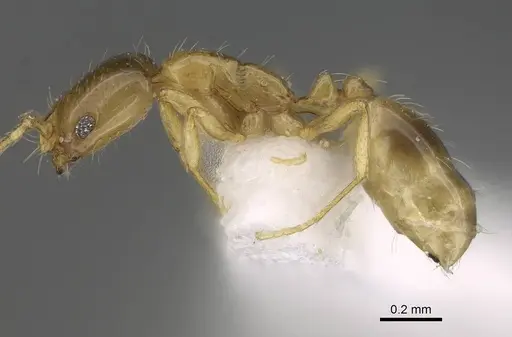
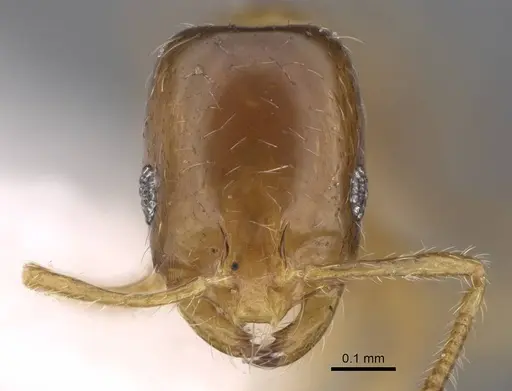
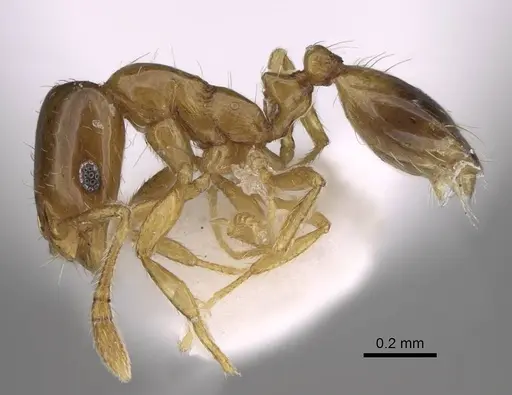
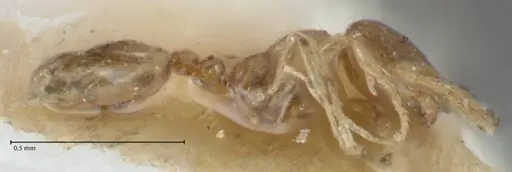
Monomorium exiguum is one of the smallest ants you can keep, with workers measuring just 1.5-2mm in total length [1]. These tiny ants have smooth, shining bodies that range in color from pale yellow to brown, often with distinctive brown patches or bands on their abdomen [2]. They belong to the Monomorium monomorium species group and are part of a complex that includes similar species like M. mictile, M. rosae, and M. taedium [1]. Despite their tiny size, they are remarkably adaptable and are among the most common Monomorium species across their range, found throughout sub-Saharan Africa, Madagascar, the Arabian Peninsula, and the Mediterranean region [2][3].
Quick Summary
- Difficulty: Easy
- Origin & Habitat: Native to sub-Saharan Africa and the Arabian Peninsula, with introduced populations in the Mediterranean (Greece, Balearic Islands, Cyprus) [4]. They inhabit leaf litter, topsoil, and often nest under stones or in sandy/clay soils in both natural and human-altered areas near vegetation [5][2].
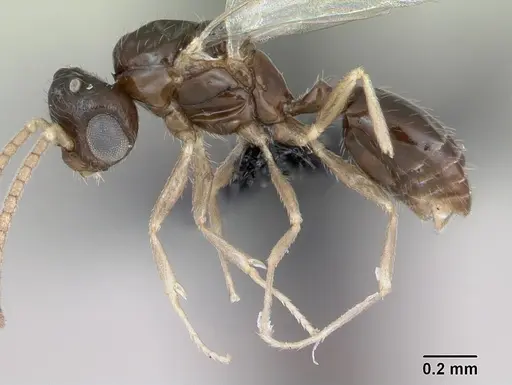
- Colony Type: Colony structure is not well documented in scientific literature. Ergatoid (wingless) females have been observed, which may serve as replacement reproductives [1]. Based on typical Monomorium patterns, likely single-queen colonies but this requires confirmation.
- Founding: Claustral
- Size & Growth:
- Queen: 4.5-5.5mm [1]
- Worker: 1.5-2mm (HW 0.26-0.29mm) [1]
- Colony: Likely small to moderate, with colonies containing tens to a few hundred workers based on related species
- Growth: Moderate, based on small worker size and typical Monomorium development patterns
- Development: Estimated 5-8 weeks at optimal temperature based on genus patterns (Direct development data unavailable, estimate based on related Monomorium species)
- Antkeeping:
- Temperature: Keep at 22-26°C. Their wide distribution across tropical to subtropical regions suggests they tolerate a range, but they prefer warmer conditions [2].
- Humidity: Moderate humidity preferred. They nest in leaf litter and soil that retains moisture, but also in drier areas, provide a gradient with slightly damp substrate areas [5][2].
- Diapause: Unknown, no specific research on overwintering requirements. Given their Afrotropical origin, they may not require true hibernation but may slow down in cooler temperatures.
- Nesting: Small test tubes or acrylic nests work well given their tiny size. They naturally nest in leaf litter, under stones, and in shallow soil [5]. A naturalistic setup with substrate or a Y-tong style nest with small chambers suits them.
- Behavior: These are peaceful, small ants that typically avoid conflict. Workers forage individually and are not aggressive [2]. They are generalist feeders and will collect honeydew from aphids and small insects. Their tiny size makes them excellent escape artists, escape prevention is critical. They are often found in urban areas and agricultural settings, showing remarkable adaptability to human-modified environments [2][3].
- Common Issues: tiny size means escapes are likely without fine mesh barriers, colonies remain small, don't expect massive worker counts, humidity control is important as they prefer moist but not waterlogged conditions, wild-caught colonies may have parasites that can devastate captive colonies, slow founding phase requires patience, queens seal themselves in and may take weeks to produce first workers
Housing and Setup
Because of their extremely small size, Monomorium exiguum requires careful attention to escape prevention. Use test tubes with cotton plugs or acrylic nests with tight-fitting barriers. Fine mesh on any openings is essential, these ants can squeeze through gaps that seem impossible. For founding colonies, a simple test tube setup with a water reservoir works well. As the colony grows, you can transfer to a small acrylic nest or naturalistic setup with substrate. The nest should have small chambers scaled to their tiny size, they prefer tight, cozy spaces. A small outworld area for foraging completes the setup. Keep the nest area slightly humid while providing a dry foraging area. [5][2]
Feeding and Diet
Monomorium exiguum is a generalist feeder. In the wild, they tend aphids for honeydew and hunt small prey [7]. In captivity, offer sugar water or honey as a constant energy source. For protein, provide tiny prey like fruit flies, pinhead crickets, or small mealworms, appropriately sized to their minute workers. They will also accept other small insects. Feed protein sources 2-3 times per week, and keep sugar water available at all times. Remove uneaten prey after 24 hours to prevent mold issues.
Temperature and Seasonal Care
Keep your colony at 22-26°C for optimal development and activity [2]. They are adaptable and found in various habitats across their range, from lowland areas to elevated regions over 1800m in the Arabian Peninsula [6]. Room temperature within this range typically works well. No specific diapause requirements have been documented, and given their tropical origins, they likely do not require hibernation. However, they may slow down during cooler winter months if your room temperature drops. Observe your colony's activity levels and adjust accordingly, active workers indicate comfortable conditions.
Colony Development
Monomorium exiguum colonies start slowly, as is typical for tiny ants. The claustral queen seals herself in a small chamber and survives on stored fat reserves while raising her first brood. Expect 4-8 weeks for the first nanitic (first) workers to emerge, though exact timing varies with temperature. Colonies remain relatively small compared to many common pet ants, natural nests contain tens of workers [6]. Growth is moderate, and mature colonies may reach a few hundred workers. Patience is key during the founding phase. Once established, colonies are hardy and long-lived.
Behavior and Temperament
These are peaceful, non-aggressive ants that pose no threat to keepers. Workers forage individually rather than in large raiding parties. They are adaptable and thrive in various environments, including urban areas and agricultural land near trees and vegetation [2][3]. Workers are active and will readily explore their outworld in search of food. Despite their small size, they are persistent foragers. They are not known for stinging and are completely safe to handle. Their main defense is their ability to escape, hence the critical need for excellent barrier systems.
Frequently Asked Questions
How long does it take for Monomorium exiguum to produce first workers?
Expect 5-8 weeks from founding to first workers emerging, depending on temperature. The claustral queen seals herself in and raises the first brood alone using stored fat reserves.
Can I keep Monomorium exiguum in a test tube?
Yes, test tubes work well for founding colonies. Use cotton for the water reservoir and ensure the tube has a tight-fitting barrier, these tiny ants are excellent escape artists.
What do Monomorium exiguum ants eat?
They are generalists. Offer sugar water or honey constantly for energy, and protein sources like fruit flies, tiny crickets, or small mealworms 2-3 times per week. They also tend honeydew-producing insects.
Are Monomorium exiguum ants dangerous?
No, they are completely harmless. They are tiny, non-aggressive, and do not sting. They are safe to handle and observe.
How big do Monomorium exiguum colonies get?
Colonies remain relatively small, typically tens to a few hundred workers. They are not large colony producers like some other ant species.
Do Monomorium exiguum ants need hibernation?
No specific diapause requirements have been documented. Given their Afrotropical origin, they likely do not require true hibernation but may slow down in cooler temperatures.
Why are my Monomorium exiguum ants escaping?
Their tiny size allows them to squeeze through impossibly small gaps. Use fine mesh on all openings, apply fluon or barrier tape around nest connections, and check all seals regularly.
Are Monomorium exiguum good for beginners?
Yes, they are beginner-friendly due to their hardiness and simple care requirements. The main challenges are escape prevention and patience during the slow founding phase.
What temperature should I keep Monomorium exiguum at?
Aim for 22-26°C. Room temperature within this range is typically suitable. They are adaptable and tolerate various conditions within this warm range.
References

This caresheet is licensed under CC BY-SA 4.0 .
ANTWEB1041894
View on AntWeb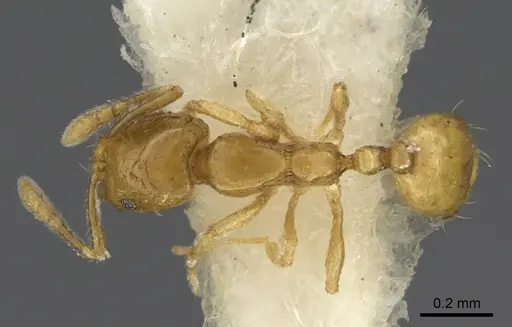
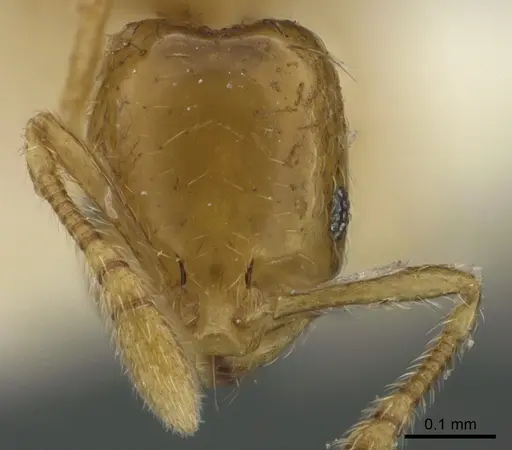
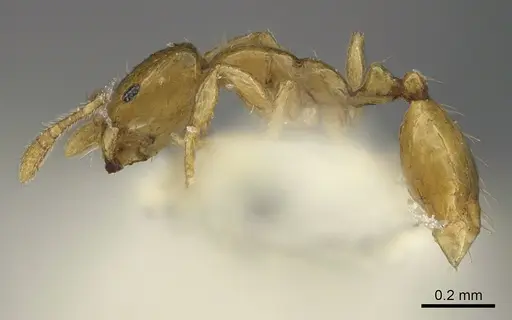
CASENT0010762
View on AntWeb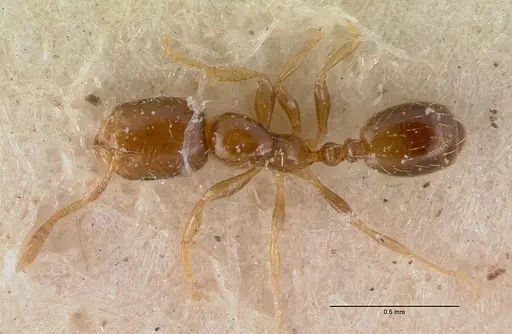
CASENT0010763
View on AntWeb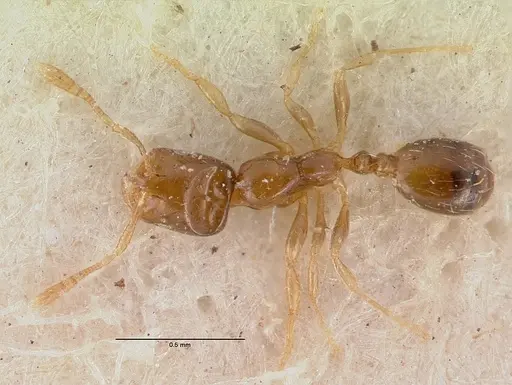
CASENT0010878
View on AntWeb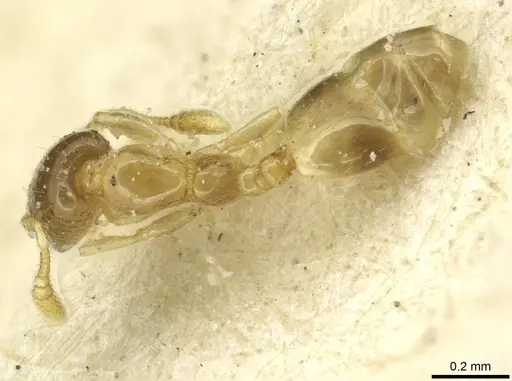
CASENT0010879
View on AntWeb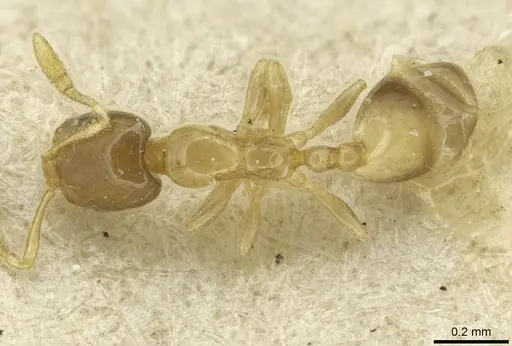
CASENT0010880
View on AntWeb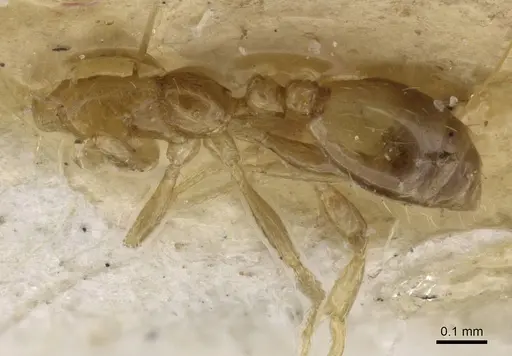
CASENT0027163
View on AntWeb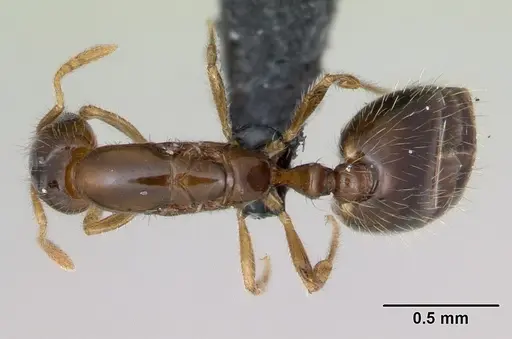
CASENT0101586
View on AntWeb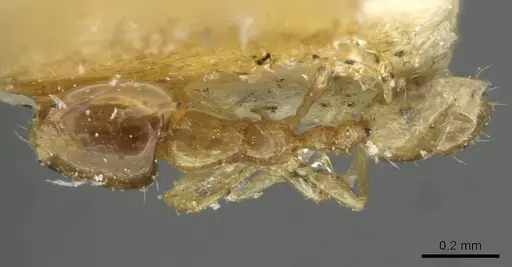
CASENT0101592
View on AntWeb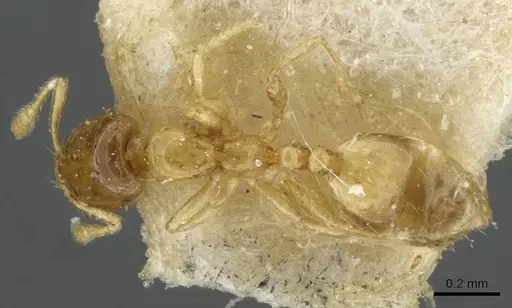
CASENT0101743
View on AntWeb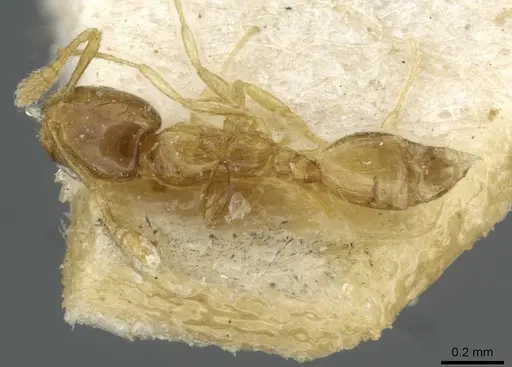
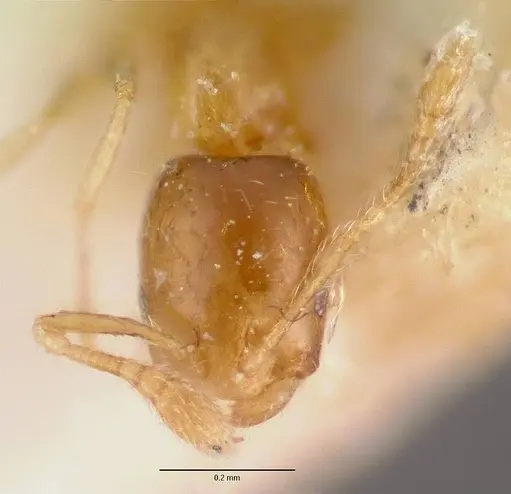
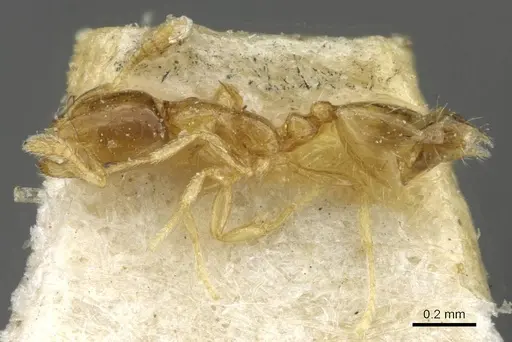
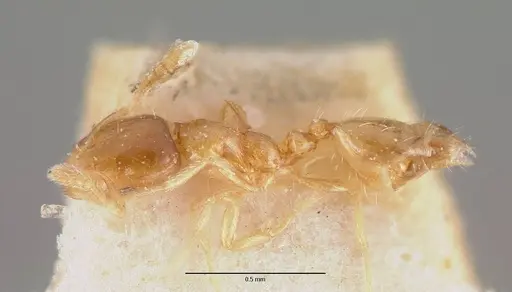
CASENT0101853
View on AntWeb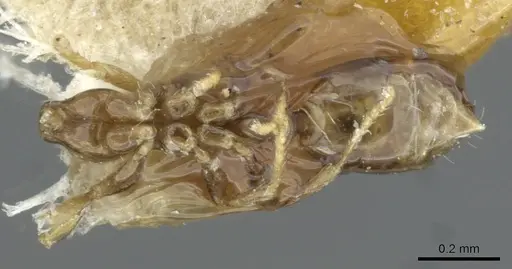
CASENT0101870
View on AntWeb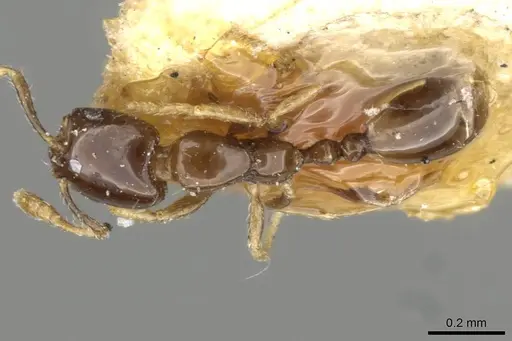
CASENT0135614
View on AntWeb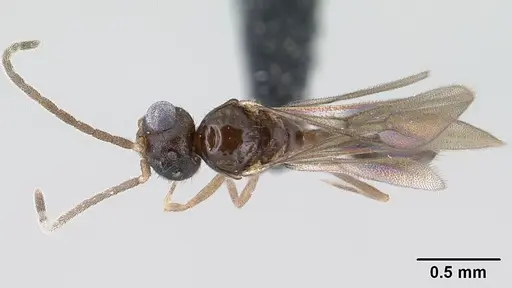
CASENT0135739
View on AntWeb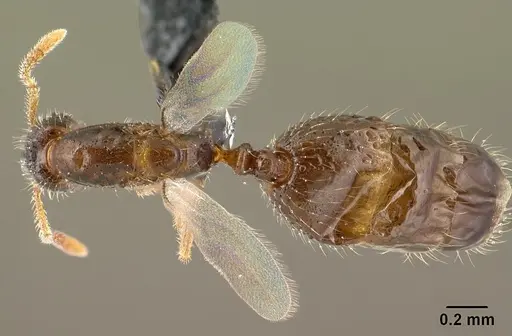
CASENT0144939
View on AntWeb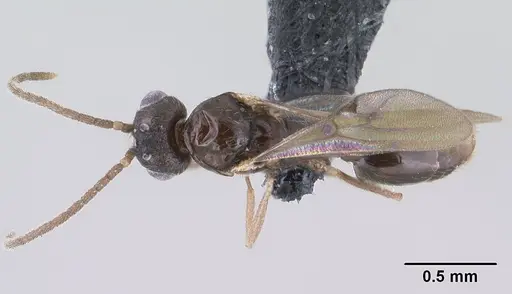
CASENT0148842
View on AntWeb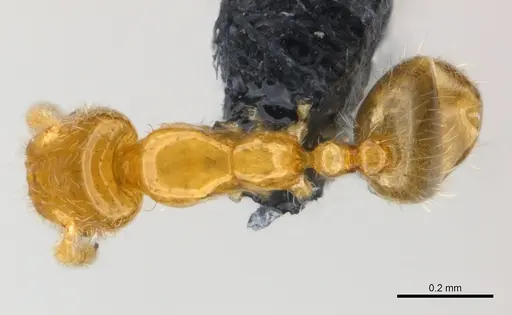
CASENT0217367
View on AntWeb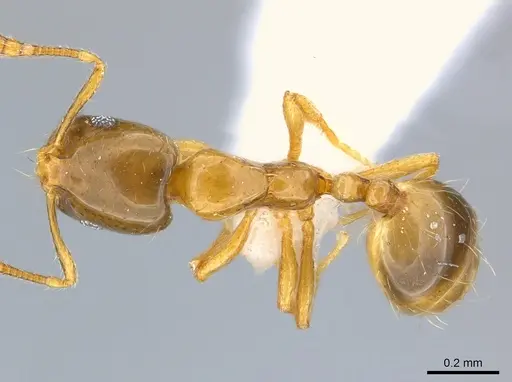
CASENT0235523
View on AntWeb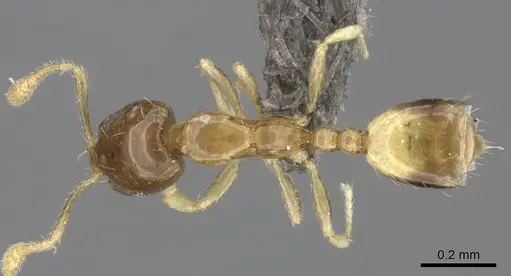
CASENT0235917
View on AntWeb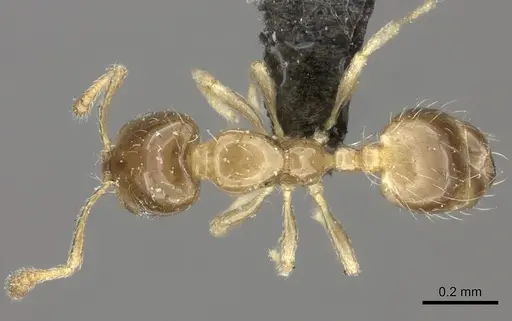
CASENT0249852
View on AntWeb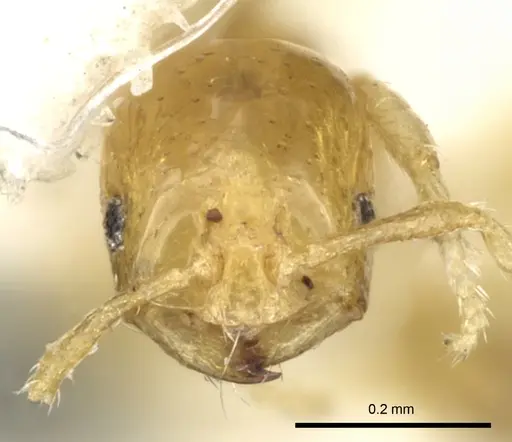
CASENT0258321
View on AntWeb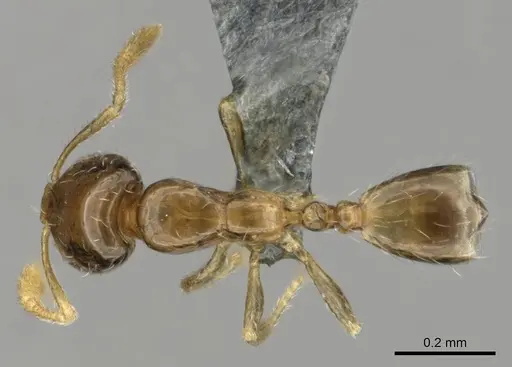
CASENT0263858
View on AntWeb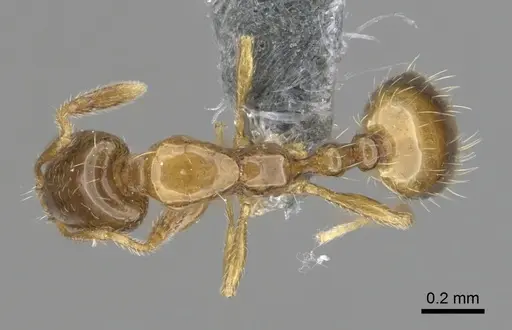
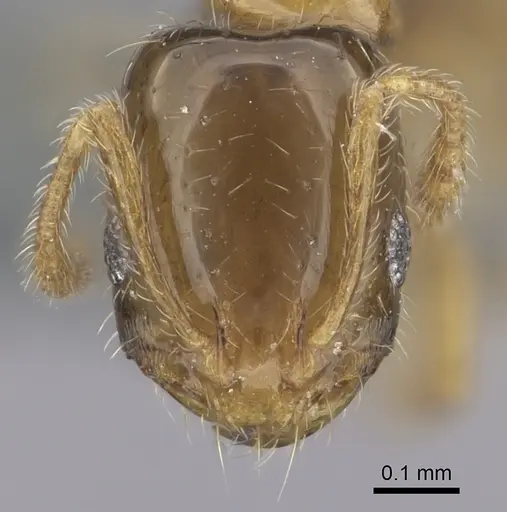
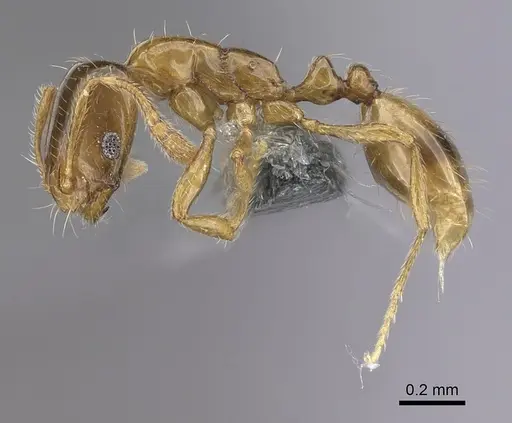
CASENT0470747
View on AntWeb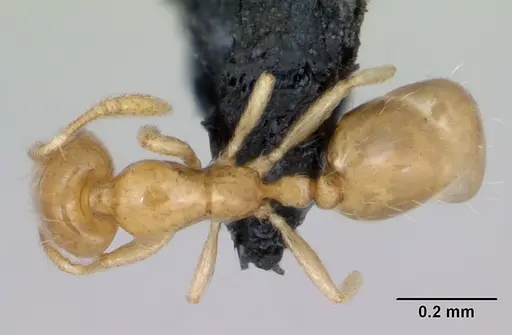
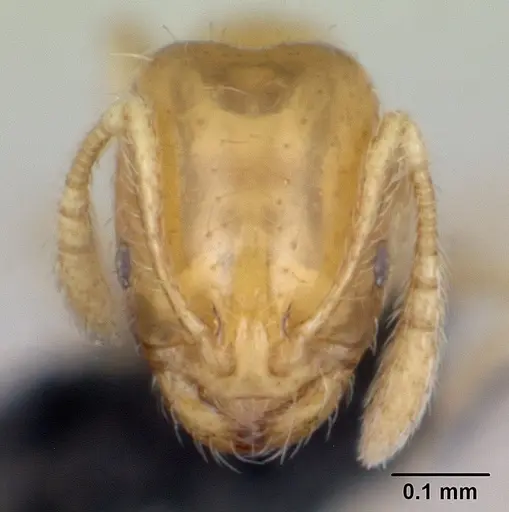
CASENT0474519
View on AntWeb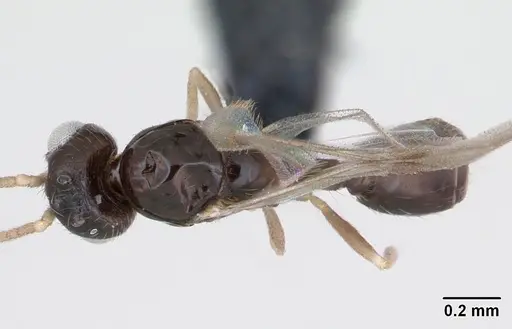
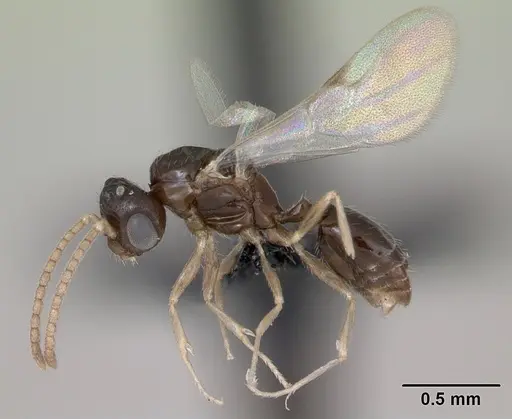
CASENT0746611
View on AntWeb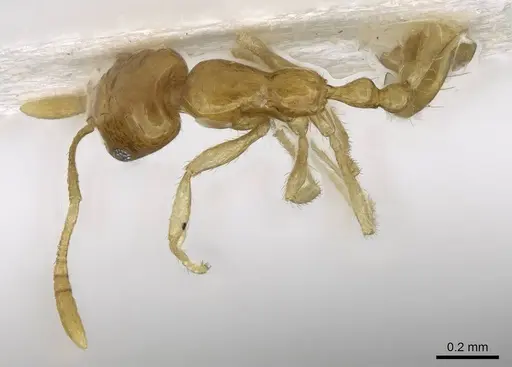
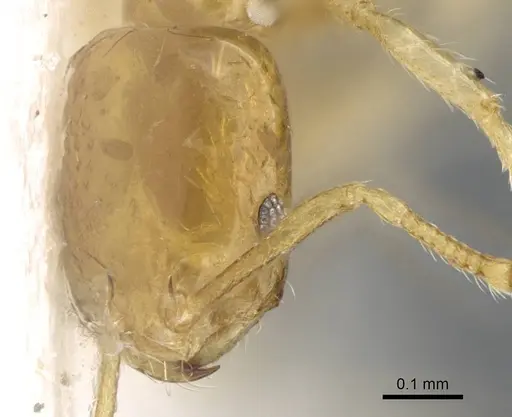
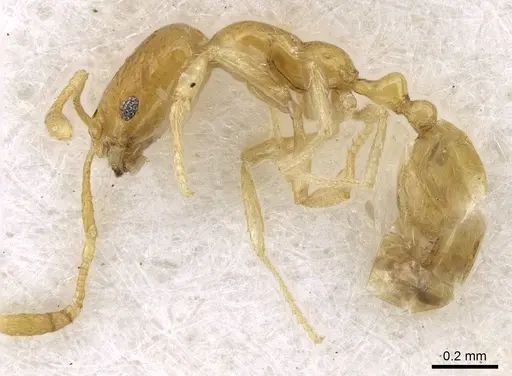
CASENT0812203
View on AntWeb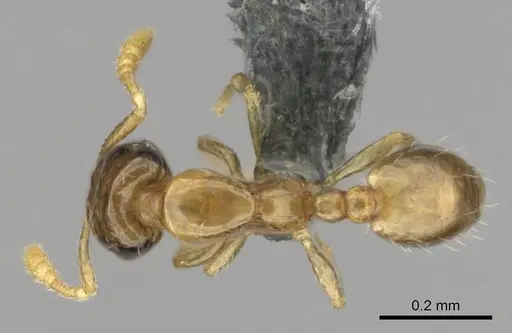
CASENT0902267
View on AntWeb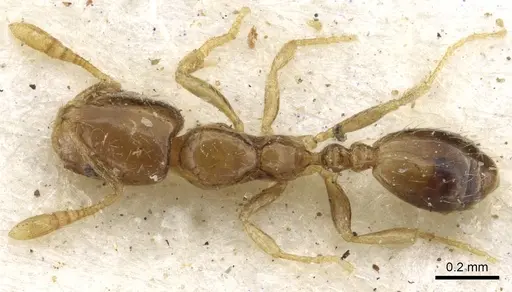
CASENT0904589
View on AntWeb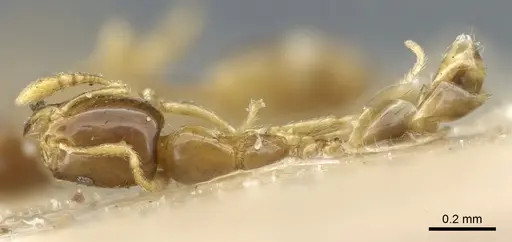
CASENT0906342
View on AntWeb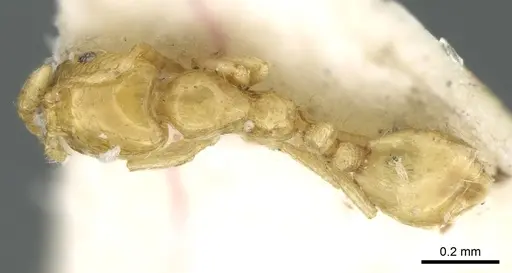
CASENT0906343
View on AntWeb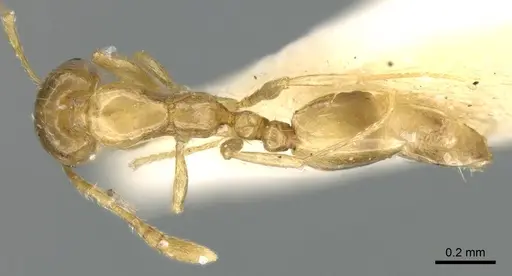
CASENT0906344
View on AntWeb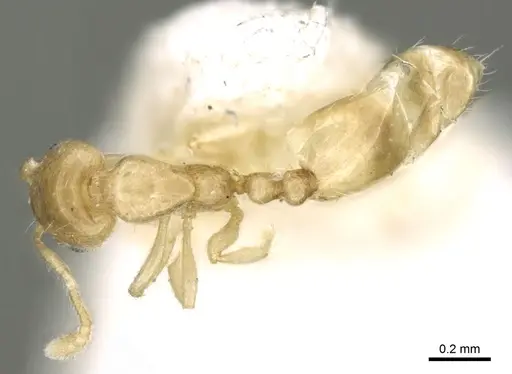
CASENT0906345
View on AntWeb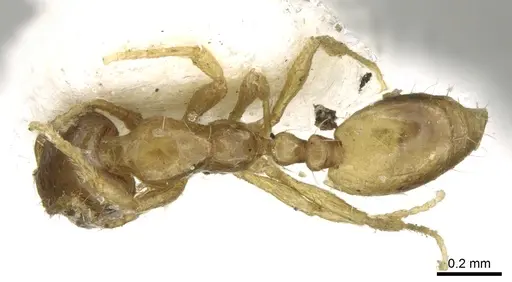
CASENT0906346
View on AntWeb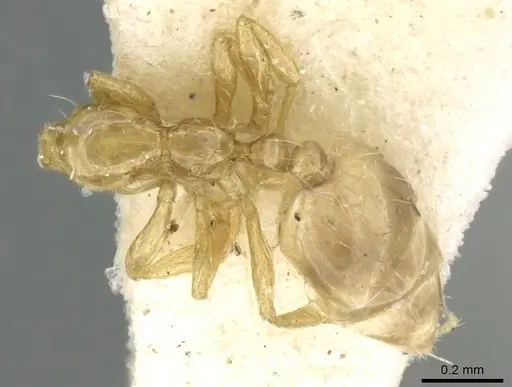
CASENT0906347
View on AntWeb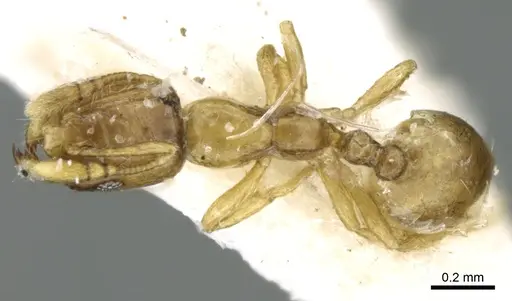
CASENT0906390
View on AntWeb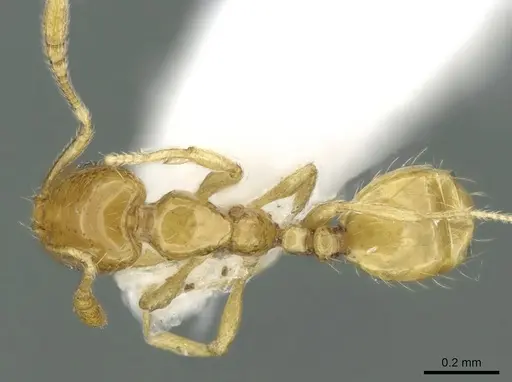
CASENT0906398
View on AntWeb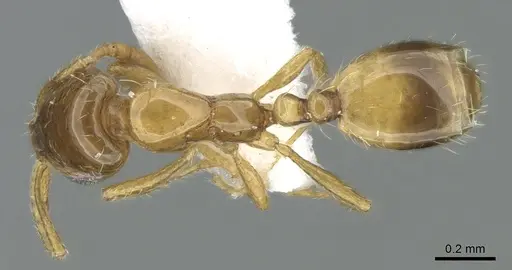
CASENT0913825
View on AntWeb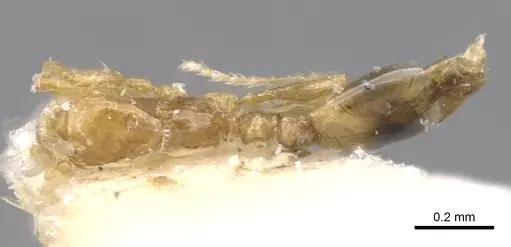
CASENT0922302
View on AntWeb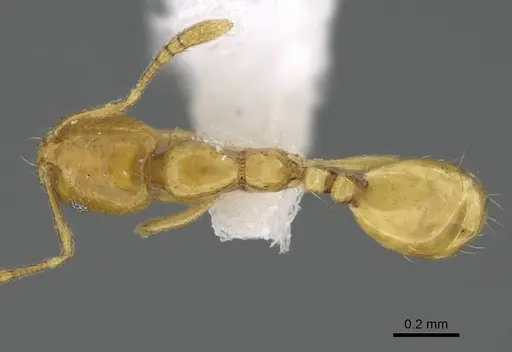
CASENT0922336
View on AntWeb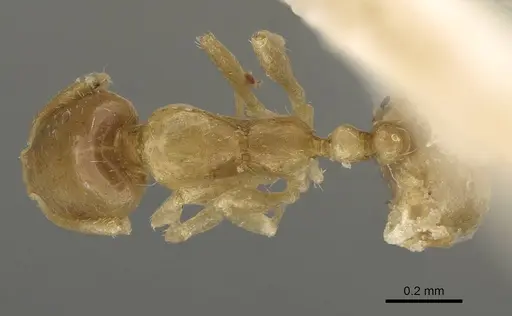
CASENT0922344
View on AntWeb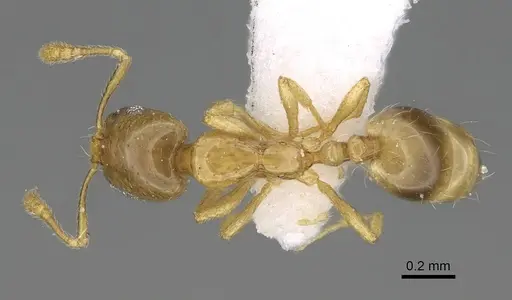
CASENT0922878
View on AntWeb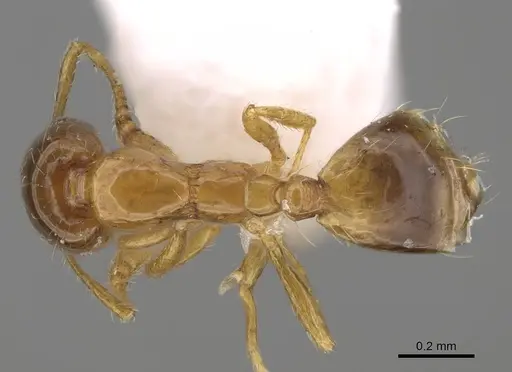
FOCOL1750
View on AntWeb
Literature
Loading...Loading products...