

Monomorium monomorium
- Scientific Name
- Monomorium monomorium
- Tribe
- Solenopsidini
- Subfamily
- Myrmicinae
- Author
- Bolton, 1987
- Distribution
- Found in 11 countries
Monomorium monomorium Overview
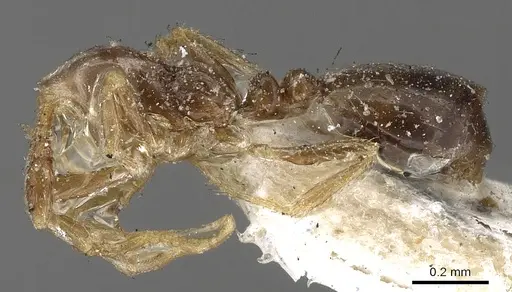
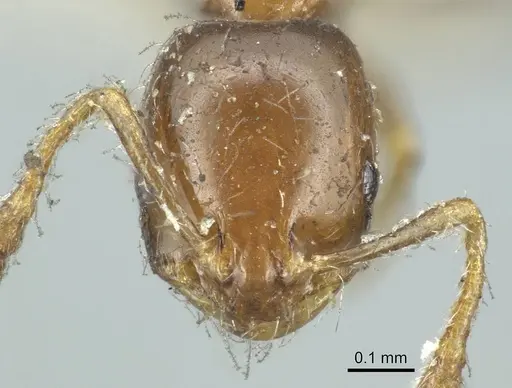
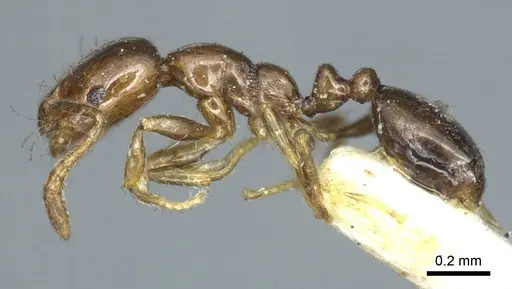
Monomorium monomorium is an ant species of the genus Monomorium. It is primarily documented in 11 countries , including Australia, France, Ghana. Detailed taxonomic data and occurrence records can be further explored via authoritative databases such as AntWeb or the Global Biodiversity Information Facility (GBIF).
Monomorium monomorium
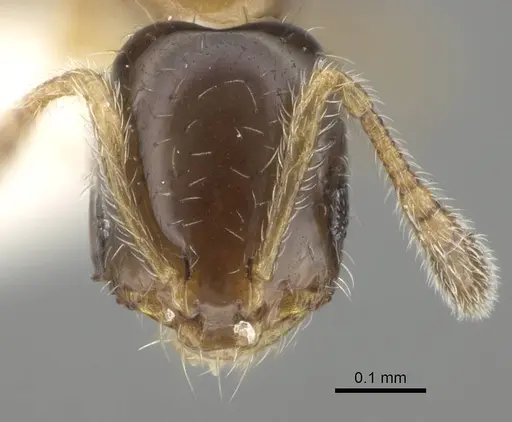
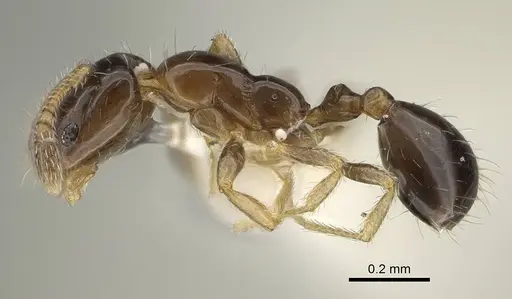
Monomorium monomorium is a tiny ant species native to the Mediterranean region. Workers measure 1.5-2mm and are uniformly dark brown with a smooth, polished appearance [1]. Queens are larger at 3.2-4mm [2]. This species is a tramp ant that has spread widely through human commerce and is now found across the Mediterranean, parts of Africa, and has been introduced to locations like Bermuda, Hawaii, and Colombia [3][4]. It prefers warm habitats and nests in soil, often in alluvial areas with fine, humid soil close to the water table [5].
Quick Summary
- Difficulty: Medium
- Origin & Habitat: Mediterranean region, native to areas around Italy, Greece, Spain, and surrounding countries. Prefers warm, humid habitats including limestone rocks in mediterranean oak forest, warm pastures, and anthropogenic areas like tourist resorts and urban gardens [6][3]. Found at altitudes from sea level to 600m in Montenegro [7].
- Colony Type: Facultatively polygyny, single-queen colonies are most common, but multiple queens have been documented in some nests [8][5].
- Size & Growth:
- Antkeeping:
- Temperature: Keep at 20-26°C, they prefer warm conditions typical of Mediterranean habitats [6]. A heating cable on one side of the nest creates a useful gradient.
- Humidity: Moderate to high, they prefer humid areas with access to moisture. Keep substrate consistently moist but not waterlogged. They naturally occur in alluvial soils near water tables [5].
- Diapause: Unknown, as a Mediterranean species, winter diapause may occur but specific requirements are not documented in research
- Nesting: Soil-nesting species. Test tubes work well for founding colonies. For established colonies, a Y-tong or plaster nest with moist substrate suits them. They prefer fine, humid soil close to the water table in the wild [5].
- Behavior: Generally peaceful and non-aggressive. Workers are active foragers that climb tree trunks to tend honeydew-producing insects like aphids [5][10]. They are not particularly aggressive and pose no threat to humans. Their small size means escape prevention is important, use fine mesh and tight-fitting lids. They are generalist feeders and will accept various food sources.
- Common Issues: escape prevention is critical due to their tiny 1.5-2mm size, they can squeeze through very small gaps, colonies remain small, don't expect large colony sizes, may be confused with other tiny brown ant species, proper identification requires examination, invasive potential, this species has been introduced to multiple regions outside its native range and should never be released outside the Mediterranean, humidity needs are moderate, too dry conditions can stress colonies, WARNING: This species is a tramp ant with invasive potential. It has been recorded in Bermuda, Hawaii, Colombia, and other locations outside its native Mediterranean range. Do not release outside native range.
Housing and Nest Setup
Monomorium monomorium is a small soil-nesting ant that does well in standard ant keeping setups. For founding colonies, a simple test tube setup works perfectly, fill one end with water reservoir and cotton, then add the queen. The tube should be kept horizontal or slightly tilted so the queen can find a dark corner to seal herself into. For established colonies, Y-tong or plaster nests work well. They prefer humid conditions, so keeping the nest substrate moist is important. Because of their tiny size, ensure your setup has no gaps larger than about 0.5mm, these ants can squeeze through surprisingly small openings. A small outworld for foraging allows them to search for food, and you can connect this to the nest via tubing. [5][9]
Feeding and Diet
These ants are generalist feeders with a particular fondness for sweet liquids. In the wild, they actively tend honeydew-producing insects like aphids and scale insects [11][10]. In captivity, offer sugar water, honey, or diluted maple syrup as a constant sugar source. For protein, they accept small insects like fruit flies, small mealworms, and other tiny arthropods. They are not picky eaters, but because of their small size, prey items should be appropriately sized, nothing larger than they can handle. Feed protein 2-3 times per week and keep sugar water available at all times. Remove uneaten prey after 24-48 hours to prevent mold.
Temperature and Seasonal Care
As a Mediterranean species, Monomorium monomorium prefers warm conditions. Keep the nest area at 20-26°C, with a slight gradient if possible so workers can choose their preferred temperature [6]. During summer months, room temperature is usually sufficient. In winter, they may benefit from a cooler period, temperatures around 15°C for a few months may help simulate natural seasonal cycles, though specific diapause requirements are not well documented. If your room temperature drops below 18°C in winter, consider moving them to a cooler location like an unheated garage or basement.
Behavior and Colony Dynamics
This is a peaceful, non-aggressive species that poses no threat to keepers. Workers are active foragers that will readily explore their outworld in search of food. Colonies are relatively small compared to many common ant species, expect a few hundred workers at most rather than the thousands seen in species like Lasius or Camponotus [9]. They are facultatively polygyny, primarily single queen, though multiple queens have been observed in some wild nests [5]. The colony grows at a moderate pace. Workers communicate through chemical trails and will recruit nestmates to good food sources. Their small size means they are easily overlooked, but they are fascinating little ants to watch as they tend aphids and forage systematically.
Legal and Ethical Considerations
Monomorium monomorium is native to the Mediterranean region and surrounding areas. This species is considered a tramp ant with invasive potential, it has been introduced to multiple regions including Bermuda, Hawaii, Colombia, and various Pacific islands [12][4]. If you live outside this range, you should never release this species into the wild. If you can no longer keep your colony, the most responsible options are to find another keeper who wants them or to humanely dispose of the colony. Check your local regulations regarding ant keeping, some areas have restrictions on native or invasive species.
Frequently Asked Questions
How long does it take for Monomorium monomorium to produce first workers?
Specific development time has not been documented in research for this species. Based on typical patterns for small ant species, expect several weeks to a couple months, but this is an estimate rather than confirmed data.
Can I keep multiple queens together?
While polygyny has been documented in wild colonies, it is not recommended to combine unrelated foundress queens. Single-queen colonies are most common. If you catch multiple queens, house them separately to avoid conflict.
What do Monomorium monomorium eat?
They are generalist feeders. Provide sugar water, honey, or maple syrup as a constant energy source. For protein, offer small insects like fruit flies, pinhead crickets, or small mealworms. They also tend aphids in the wild, so honeydew substitutes are appreciated.
Are Monomorium monomorium good for beginners?
They are considered manageable for beginner antkeepers. They are small, peaceful, and have modest care requirements. The main challenges are their tiny size (requiring good escape prevention) and keeping their nest humid enough. They are forgiving of minor husbandry mistakes.
How big do colonies get?
Colonies remain relatively small, typically a few hundred workers at most. They are not fast-growing like some tropical species. Expect mature colonies to number in the low hundreds rather than thousands.
Do they need hibernation?
Specific diapause requirements are not documented in research. As a Mediterranean species, they may benefit from a cooler winter period, but exact temperature and duration needs are unknown.
When should I move them to a formicarium?
You can keep them in test tubes indefinitely if the tube remains clean and humid. However, once the colony reaches 30-50 workers and you see them struggling with space, you can transfer them to a Y-tong or plaster nest. They prefer humid conditions, so choose a nest type that holds moisture well.
Why are my ants dying?
Common causes include: too dry conditions (keep substrate moist), temperatures too cold or too hot (aim for 20-26°C), poor escape prevention allowing escapes, or stress from too frequent disturbances. Also ensure they have constant access to sugar water and appropriate protein.
Report an Issue
The current care sheet is based fully on literature. See inconsistencies, or something that's incorrect? Please , it will be resolved after review from an admin. Contributing to the blogs tab also helps providing information, to make us be able to further improve the caresheets. Thank you for your support!
References

This caresheet is licensed under CC BY-SA 4.0 .
CASENT0408313
View on AntWeb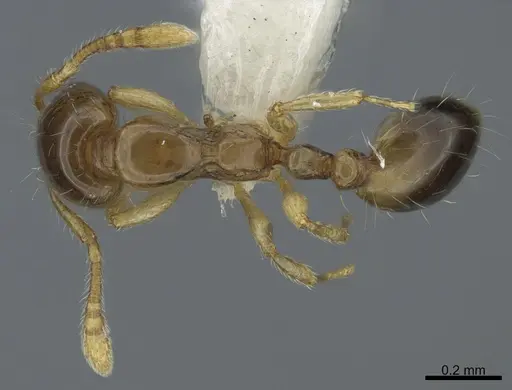
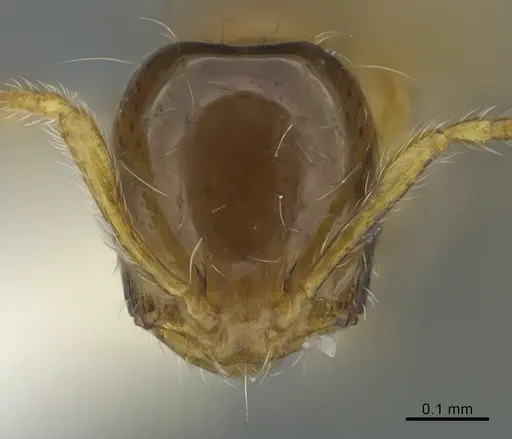
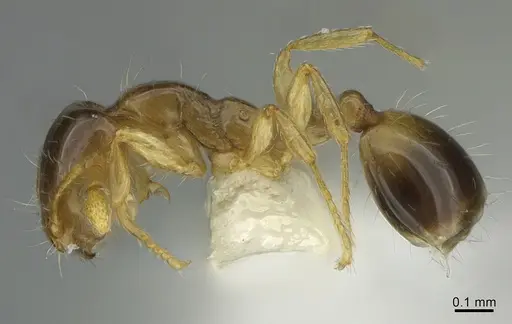
CASENT0902281
View on AntWeb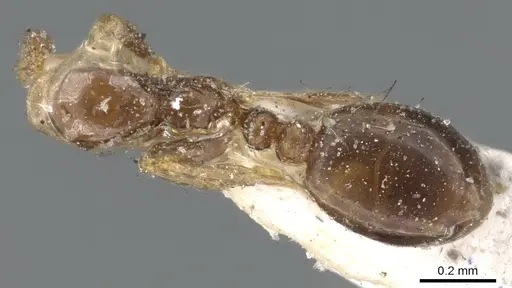
CASENT0916000
View on AntWeb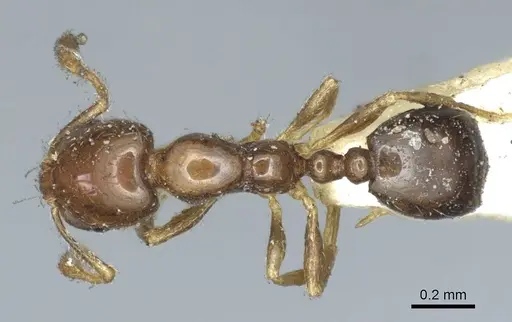
CASENT0919906
View on AntWeb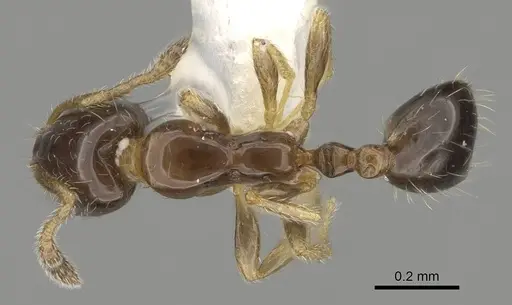
Literature
Loading...Loading products...