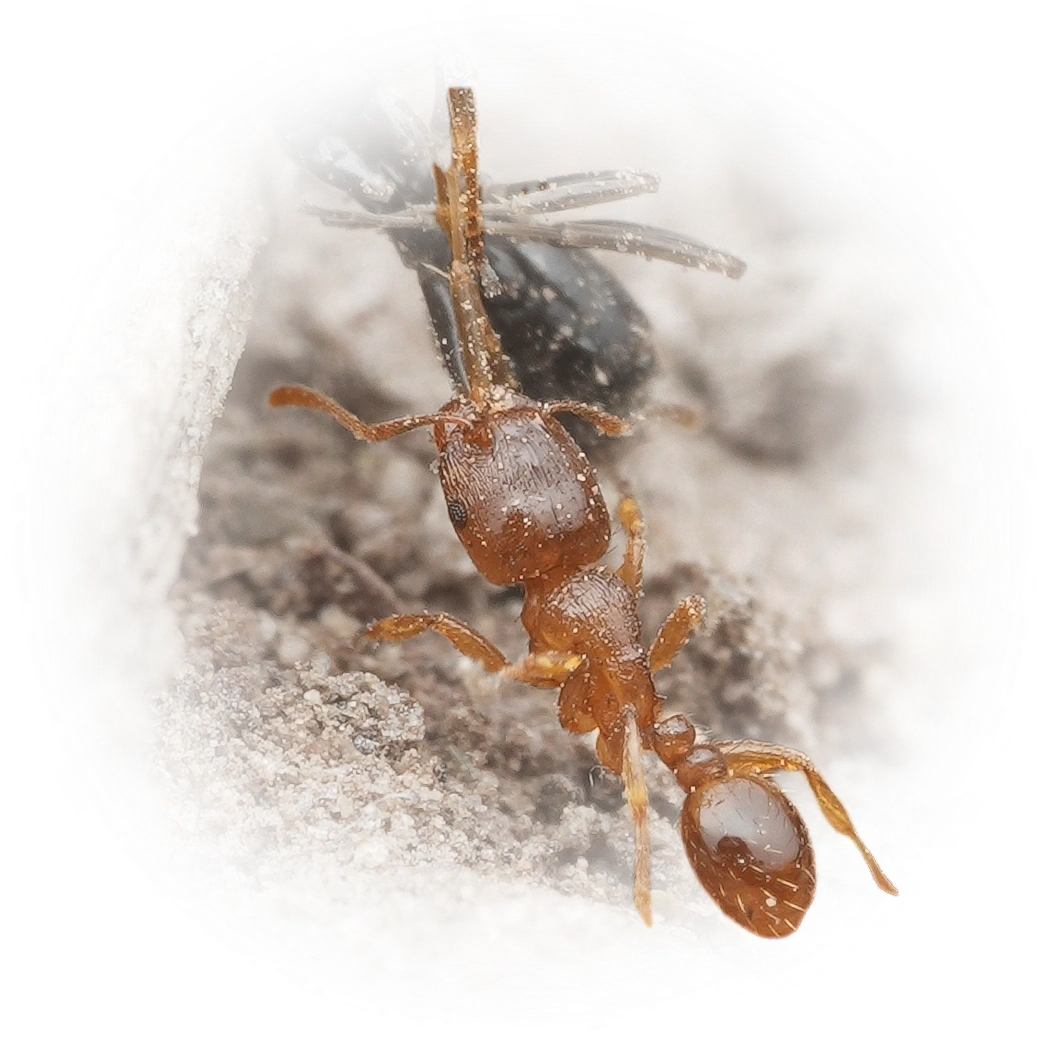

Tetramorium semilaeve
- Scientific Name
- Tetramorium semilaeve
- Tribe
- Crematogastrini
- Subfamily
- Myrmicinae
- Author
- André, 1883
- Distribution
- Found in 9 countries
Tetramorium semilaeve Overview
Tetramorium semilaeve is an ant species of the genus Tetramorium. It is primarily documented in 9 countries , including Algeria, Spain, France. Detailed taxonomic data and occurrence records can be further explored via authoritative databases such as AntWeb or the Global Biodiversity Information Facility (GBIF).
Tetramorium semilaeve
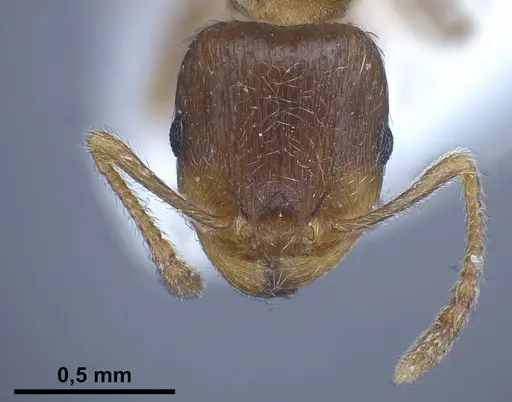
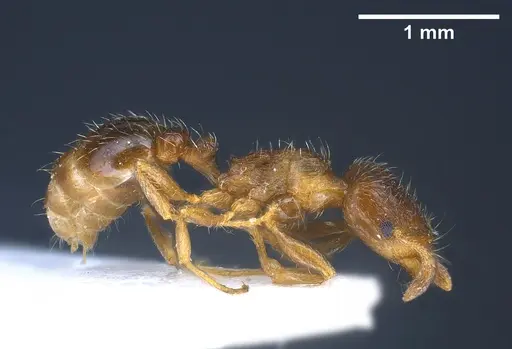
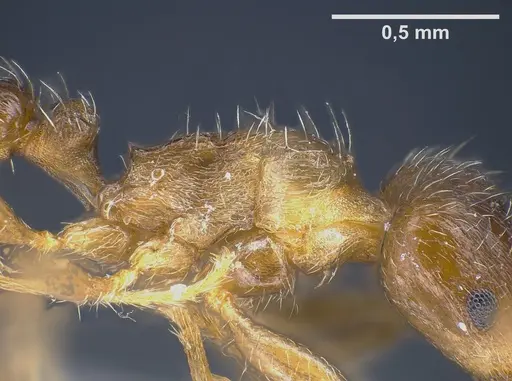
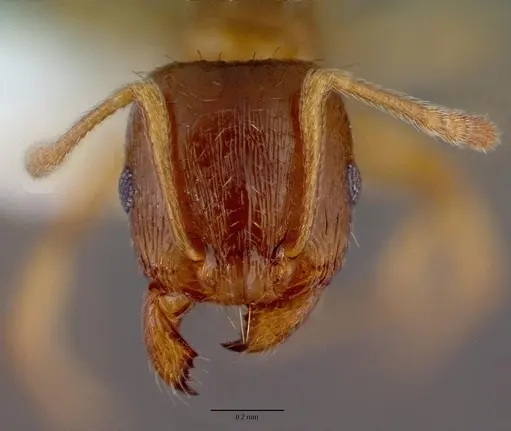
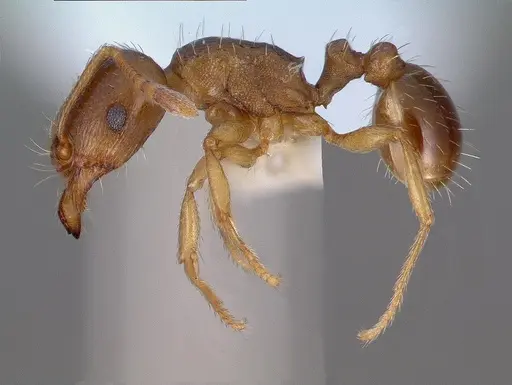
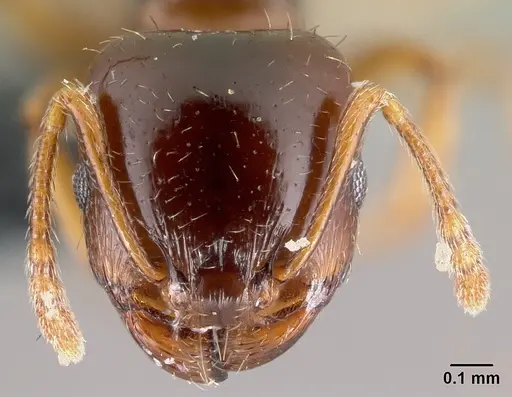
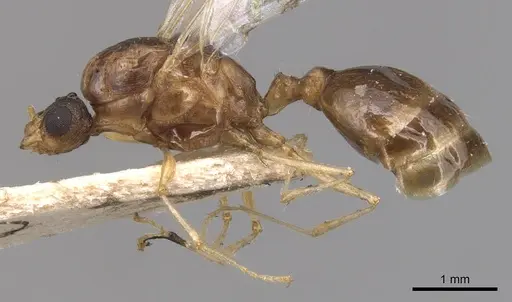
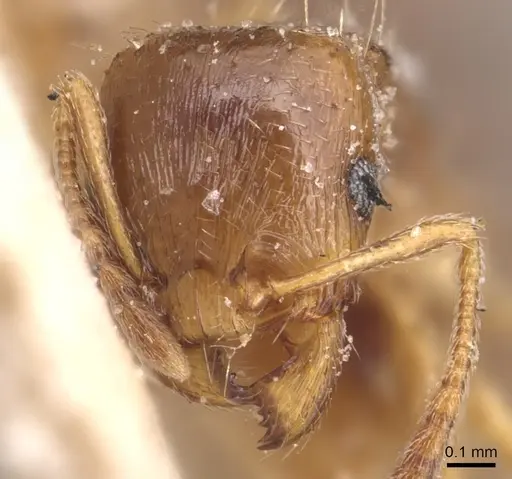
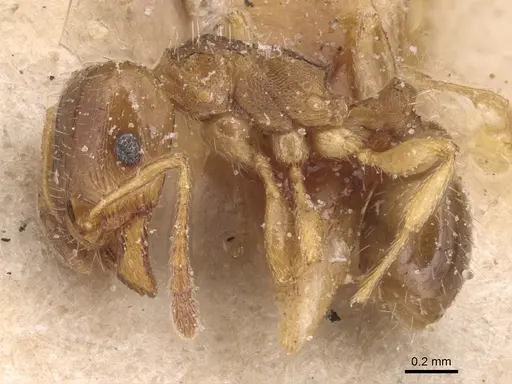
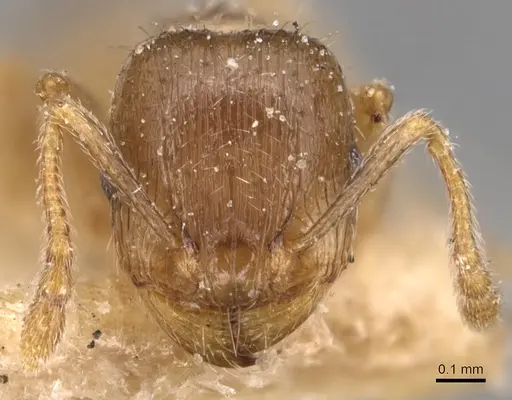
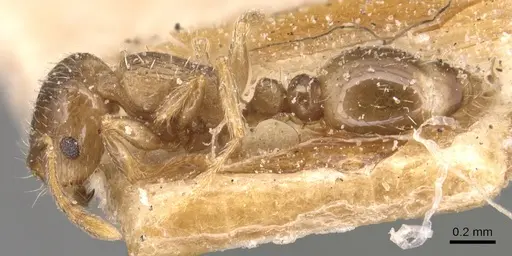
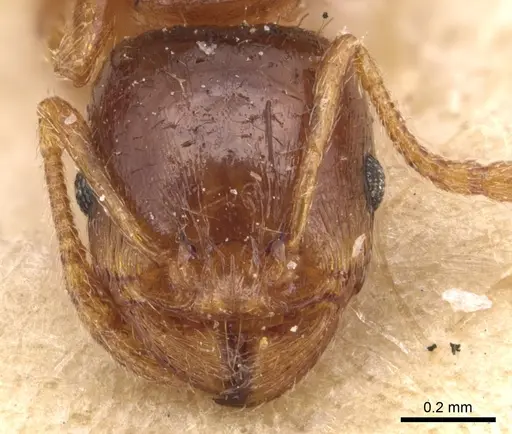
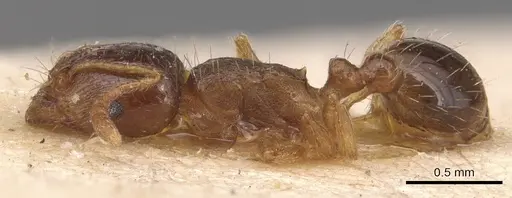
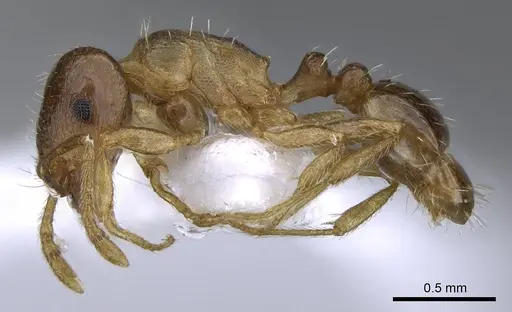
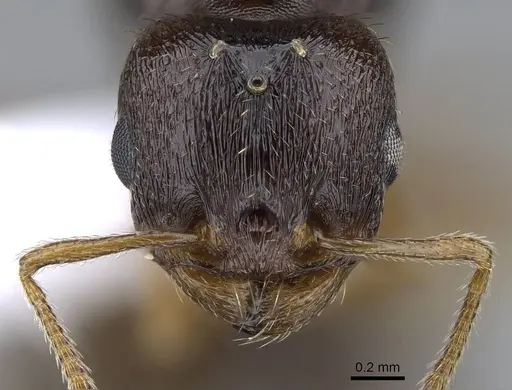
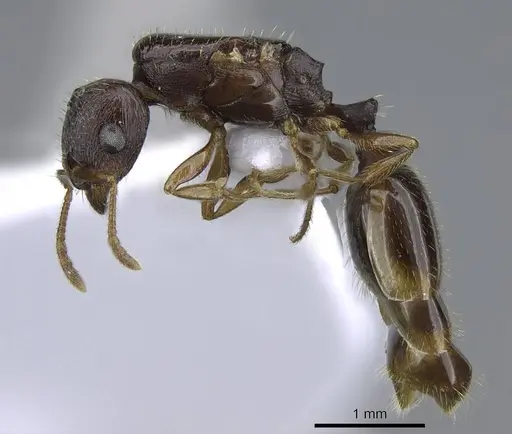
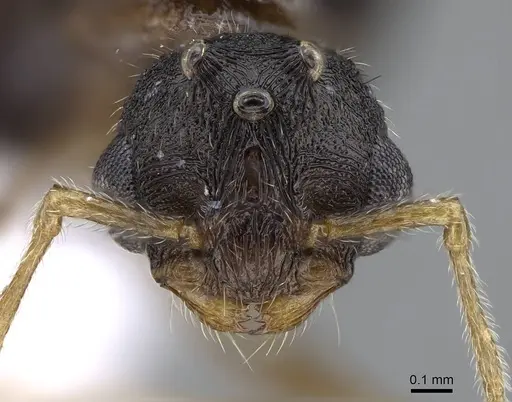
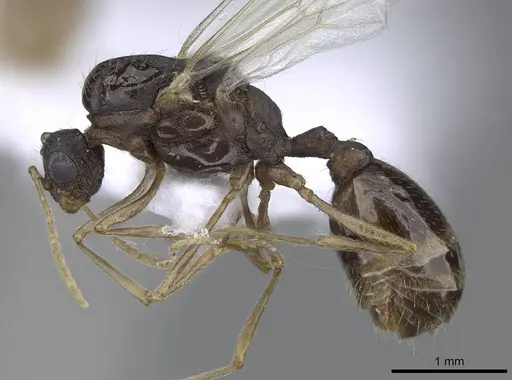
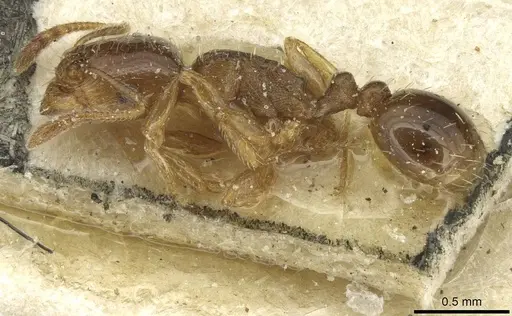
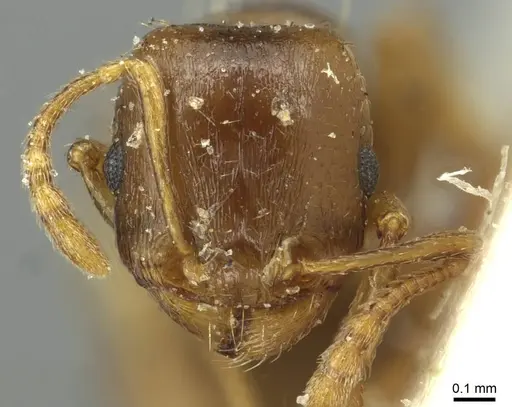
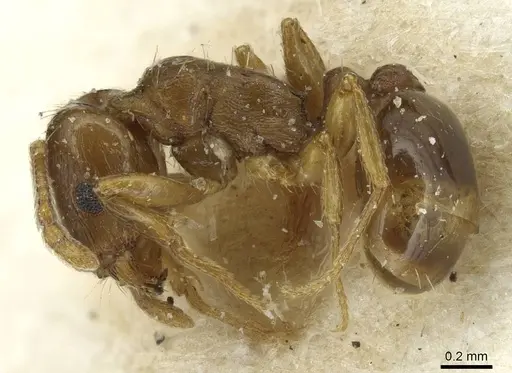
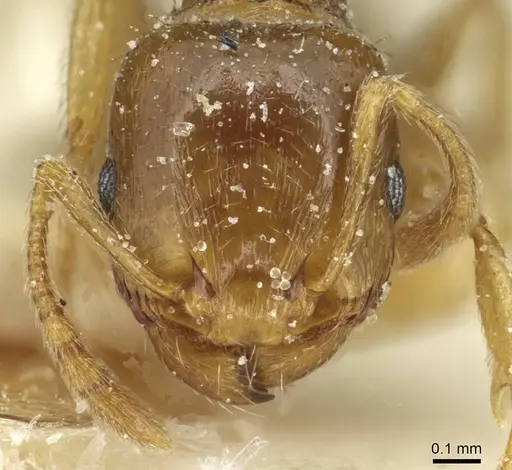
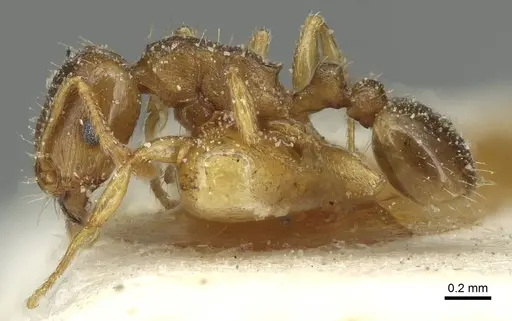
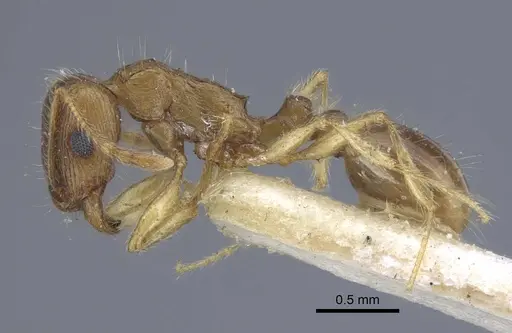
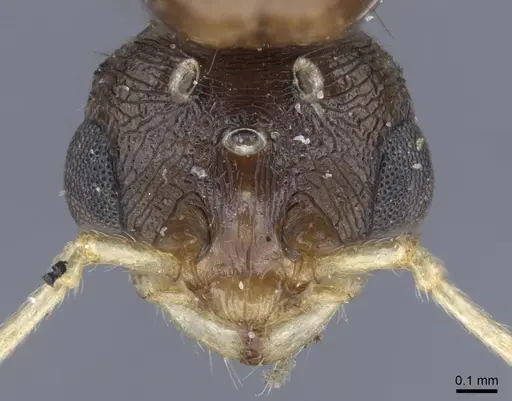
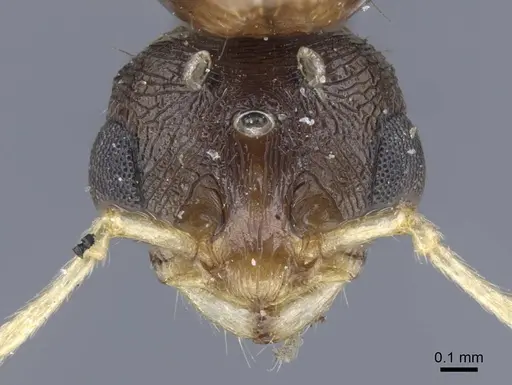
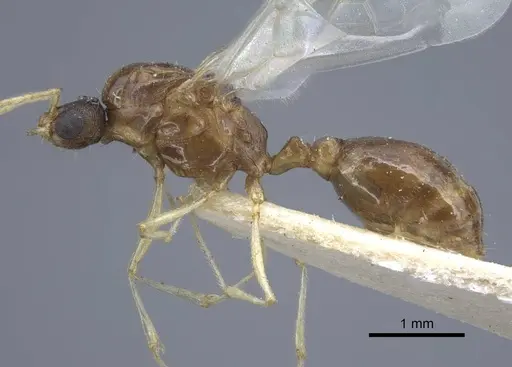
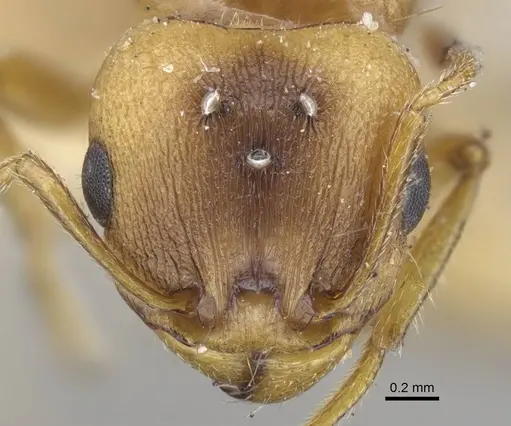
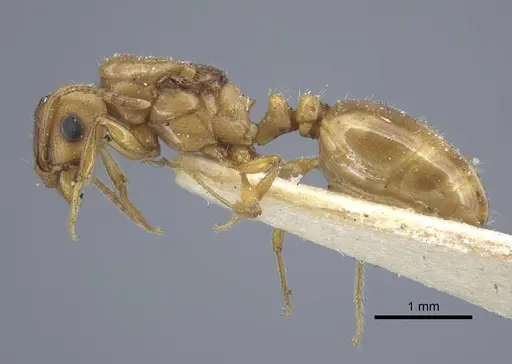
Tetramorium semilaeve is a small Mediterranean ant species native to the western Mediterranean basin, found across France, Spain, Italy, Portugal, Greece, and North Africa [1]. Workers measure 2.0-3.2mm and have a distinctive pale yellowish-brown coloration that can range from completely yellow to yellowish-brown, though they are never dark brown or black [1][2]. The head is nearly square with parallel sides, and the body has a finely rugose appearance with a shiny surface. These ants prefer very warm and dry habitats, typically nesting under stones in flat, sandy areas with sparse vegetation or stony pastures along the littoral zone [1]. They are a dominant species in Mediterranean ecosystems, known for their mass recruitment foraging strategy and ability to dominate food resources despite their small size [3][4].
Quick Summary
- Difficulty: Easy
- Origin & Habitat: Western Mediterranean basin including France, Spain, Italy, Portugal, Greece, and North Africa. Prefers warm, dry, open areas with sparse vegetation, often found in coastal zones and stony pastures [1][5].
- Colony Type: Typically monogynous (single queen), though polygynous colonies with multiple queens have been observed in some cases [1]. Colonies contain several to several hundred workers.
- Size & Growth:
- Queen:{.size-link} Approximately 6mm [6]
- Worker:{.size-link} 2.0-3.2mm [2][7]
- Colony: Up to several hundred workers, typically under 1000 [2][1]
- Growth: Moderate
- Development: Estimated 6-8 weeks based on typical Tetramorium development patterns (Development time inferred from genus-level data, specific timeline for this species not directly studied)
- Antkeeping:
- Temperature: Keep at 20-26°C. These ants are heat-intolerant and shift to crepuscular-nocturnal activity in summer. Critical thermal maximum is 40°C, with optimal activity around 24°C [7][8]. Provide a temperature gradient allowing workers to self-regulate.
- Humidity: Low to moderate. Prefers dry conditions typical of Mediterranean habitats. Keep nest substrate moderately dry, not waterlogged. Provide a small water source separately.
- Diapause: Yes. In temperate regions, colonies enter winter dormancy. Provide a cool period around 10-15°C for 2-3 months during winter [9].
- Nesting: Natural nesting sites are under stones in warm, dry locations. In captivity, use test tubes, Y-tong nests, or plaster nests with dry to moderately humid conditions. Avoid overly damp environments.
- Behavior: These ants are dominant in Mediterranean ecosystems but have a very low activity tempo [10]. They use mass recruitment to food sources and will defend resources, though they are not particularly aggressive and often lose prey to more aggressive species like Pheidole pallidula [4]. Workers exhibit a characteristic 'pupil position' behavior where they remain immobile to avoid attacks [10]. They are omnivorous, feeding on small insects, seeds, and honeydew, and show crepuscular-nocturnal activity patterns in summer to avoid heat [8][2]. Escape risk is moderate due to their small size, use standard barriers.
- Common Issues: colonies may fail if kept too humid, these are dry-adapted ants, they are outcompeted by aggressive species like Pheidole pallidula at food sources, wild-caught colonies may carry the fungal parasite Myrmicinosporidium durum which can infect the colony [13][14], heat stress is a risk, avoid temperatures above 35°C, small size means escapes are possible without proper barriers
Housing and Nest Setup
Tetramorium semilaeve nests naturally under stones in warm, dry, open Mediterranean habitats [1]. For captivity, these ants do well in test tubes for founding colonies, then can be moved to Y-tong (AAC) nests or plaster formicariums. They prefer drier conditions than many other ant species, keep the nest substrate moderately dry, not waterlogged. A small water tube should be provided separately for drinking. Because they are small (2-3mm), ensure your setup has no gaps that allow escapes. These ants do not need high humidity and will do poorly in setups that stay constantly damp.
Feeding and Diet
These ants are omnivorous generalists. They readily accept small insects like fruit flies, pinhead crickets, and other small arthropods. They also collect seeds and will exploit honeydew from aphids [2][7]. In captivity, offer protein sources (small insects) 2-3 times per week and provide a constant sugar source like honey water or sugar water. They are mass-recruiters, so when you place food, workers will quickly summon nestmates. Despite being dominant species, they often lose prey to more aggressive competitors, this is normal behavior and reflects their lower aggression level [4].
Temperature and Seasonal Care
Keep colonies at 20-26°C with a temperature gradient if possible. These ants are heat-intolerant, their critical thermal maximum is 40°C, and they become crepuscular-nocturnal in summer to avoid high temperatures [7][8]. In winter, provide a diapause period of 2-3 months at 10-15°C. This mimics their natural Mediterranean cycle and helps maintain colony health. During summer, ensure the nest does not overheat and consider allowing nocturnal foraging opportunities if your setup allows observation during evening hours.
Behavior and Colony Dynamics
This is a dominant but low-tempo species in Mediterranean ant communities [10]. Workers use mass recruitment to quickly assemble at food sources, but they are not particularly aggressive and rely on their numbers rather than fighting ability [4]. A notable defensive behavior is 'pupal position', workers become immobile when threatened, mimicking pupae to avoid attacks [10]. Colonies peak in activity in June and show reduced foraging during summer heat [8]. They are known to be hosts for the social parasite Strongylognathus destefanii and can be affected by the fungal parasite Myrmicinosporidium durum [11][12][13].
Growth and Development
Colonies start with a claustral queen who seals herself in and raises the first brood alone. Development from egg to worker takes approximately 6-8 weeks under optimal conditions, based on typical Tetramorium patterns. First workers (nanitics) are smaller than mature workers. Colonies grow to several hundred workers, typically under 1000 individuals [2][1]. Growth rate is moderate, expect 6-12 months to reach 50 workers from founding, depending on temperature and feeding. Mature colonies are polygynous-capable, meaning they can accept multiple queens in some cases.
Frequently Asked Questions
How long does it take for Tetramorium semilaeve to raise first workers?
Expect 6-8 weeks from egg to first worker under optimal temperatures (around 24°C). This estimate is based on typical Tetramorium development patterns since specific timing for this species hasn't been directly studied.
Do Tetramorium semilaeve ants need hibernation?
Yes, they benefit from a winter rest period. In temperate climates, provide 2-3 months at 10-15°C during winter. This mimics their natural Mediterranean seasonal cycle.
What do Tetramorium semilaeve eat?
They are omnivorous. Offer small insects (fruit flies, pinhead crickets) as protein 2-3 times weekly, and provide constant access to sugar sources like honey water or sugar water. They also collect seeds and honeydew in the wild.
Are Tetramorium semilaeve good for beginners?
Yes, they are considered an easy species to keep. They are adaptable, tolerant of varying conditions, and not aggressive. However, they do prefer drier conditions than many beginner species, so avoid over-humidifying their nest.
Can I keep multiple Tetramorium semilaeve queens together?
While polygynous colonies have been observed in the wild, it is not recommended to combine unrelated foundress queens in captivity. Single-queen colonies are more stable and easier to manage.
Do Tetramorium semilaeve ants sting?
As Myrmicinae ants, they have a stinger but it is small and rarely used. Their main defense is escaping or using their 'pupal position' immobility behavior rather than stinging.
Why are my Tetramorium semilaeve dying?
Common causes include: too high humidity (they prefer dry conditions), temperatures above 35°C (heat stress), or fungal infection from Myrmicinosporidium durum which causes dark discoloration [13][14]. Ensure proper ventilation and dry nesting conditions.
When do Tetramorium semilaeve have nuptial flights?
Nuptial flights occur from July to August based on observations in the Pyrenees [15]. Males and sexuals are produced during summer months.
Report an Issue
The current care sheet is based fully on literature. See inconsistencies, or something that's incorrect? Please , it will be resolved after review from an admin. Contributing to the blogs tab also helps providing information, to make us be able to further improve the caresheets. Thank you for your support!
References

This caresheet is licensed under CC BY-SA 4.0 .
ANTWEB1041301
View on AntWeb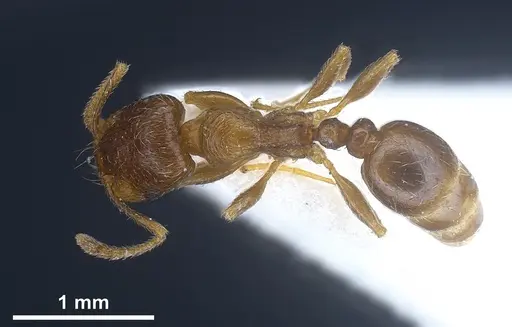
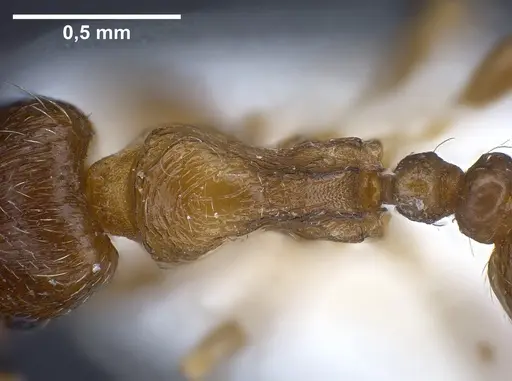
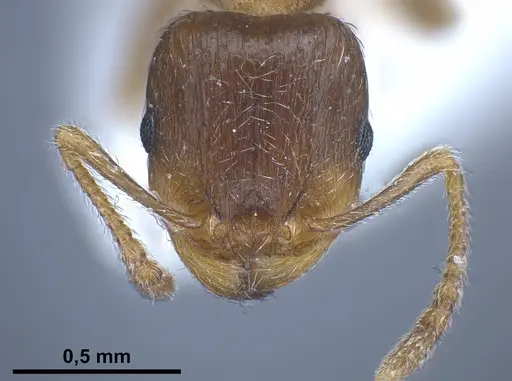
CASENT0008637
View on AntWeb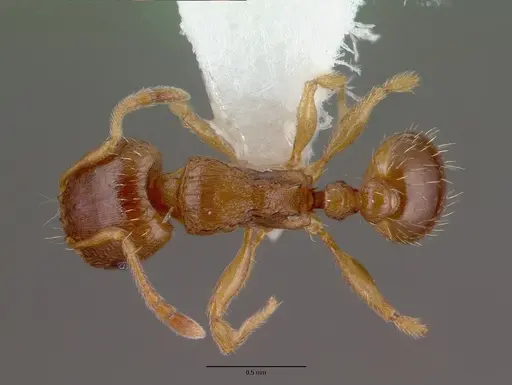
CASENT0179597
View on AntWeb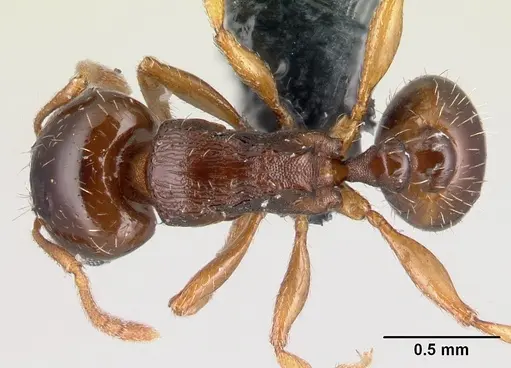
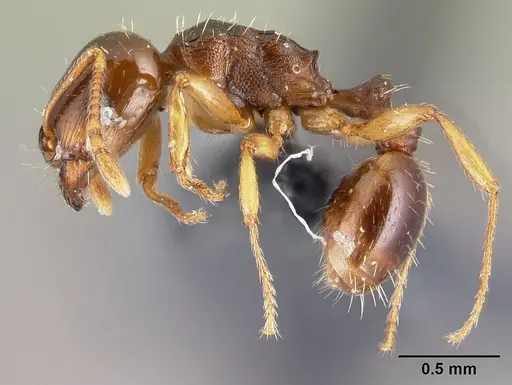
CASENT0763869
View on AntWeb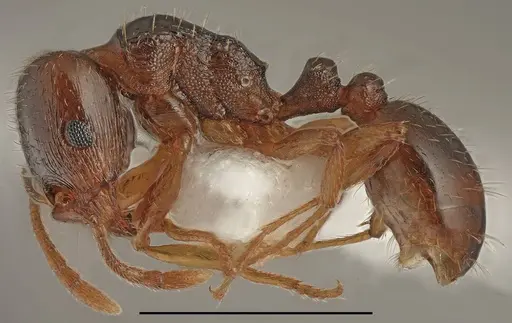
CASENT0904813
View on AntWeb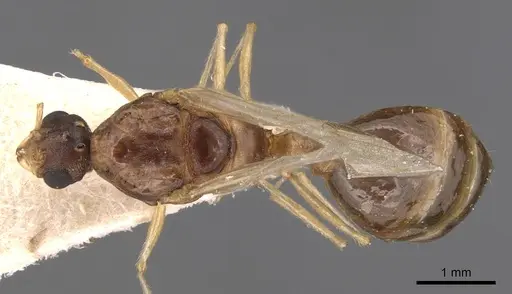
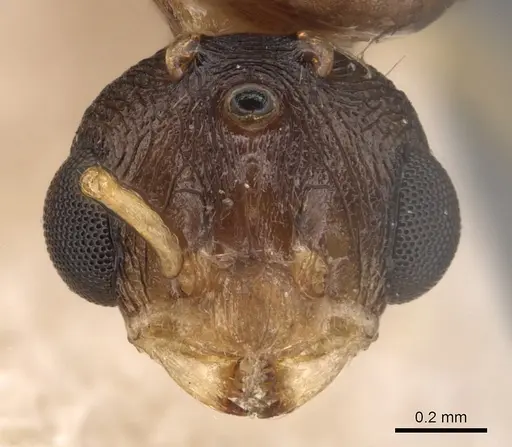
CASENT0904819
View on AntWeb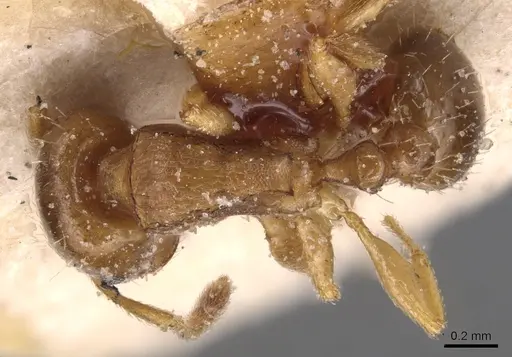
CASENT0904821
View on AntWeb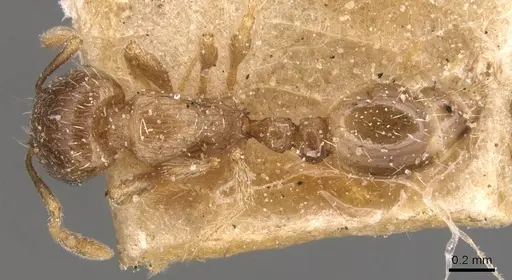
CASENT0904823
View on AntWeb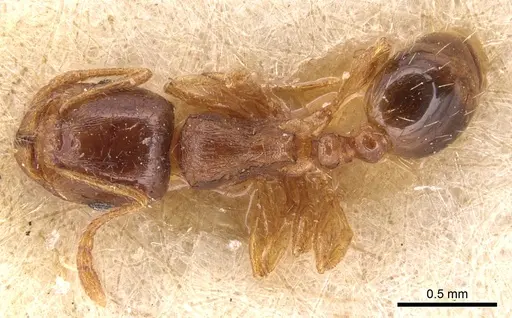
CASENT0913612
View on AntWeb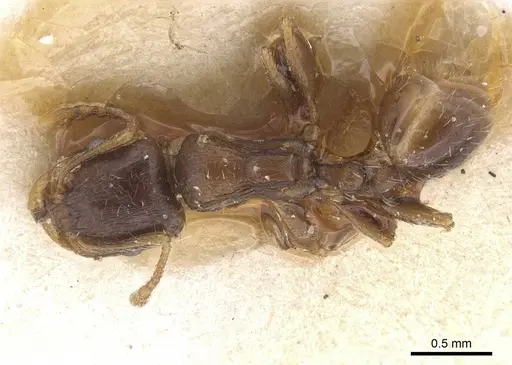
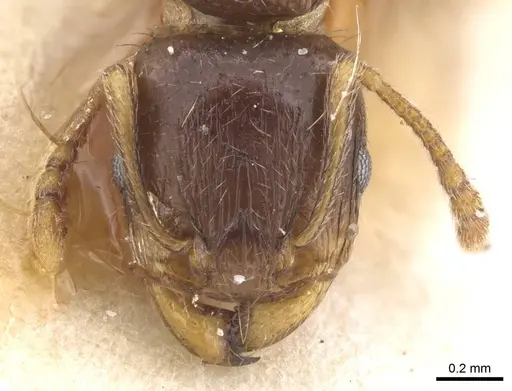
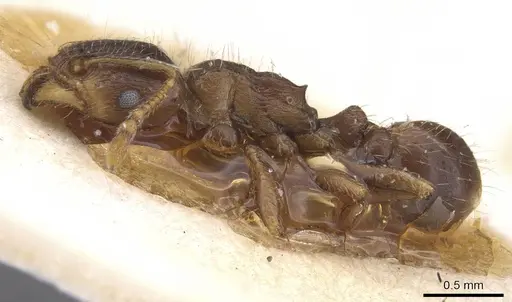
CASENT0914830
View on AntWeb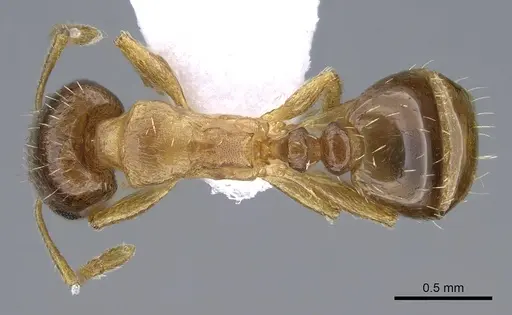
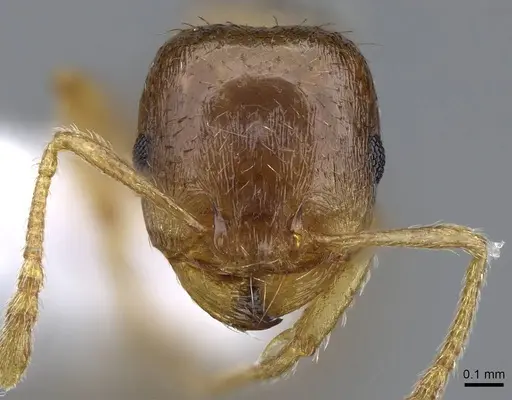
CASENT0914831
View on AntWeb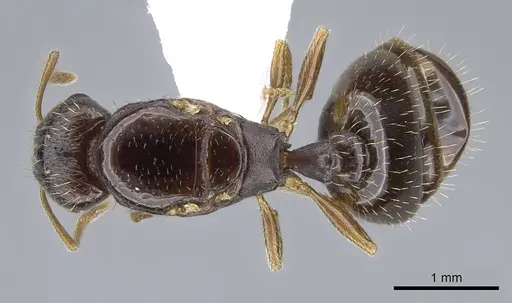
CASENT0914832
View on AntWeb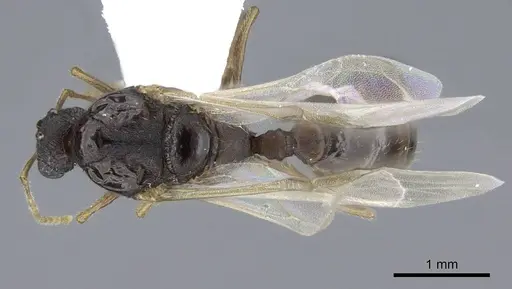
CASENT0915043
View on AntWeb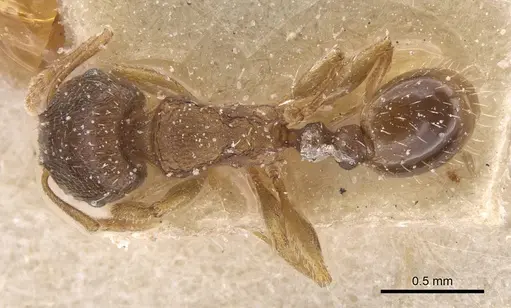
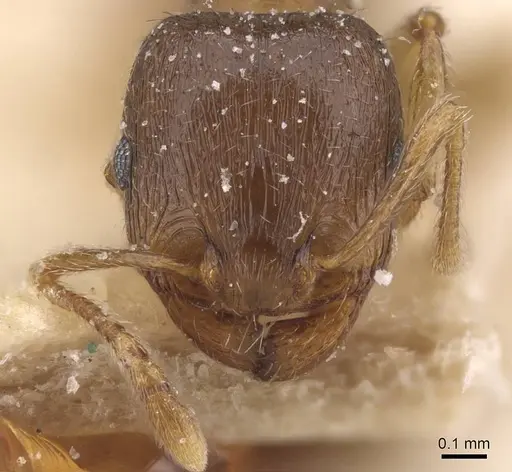
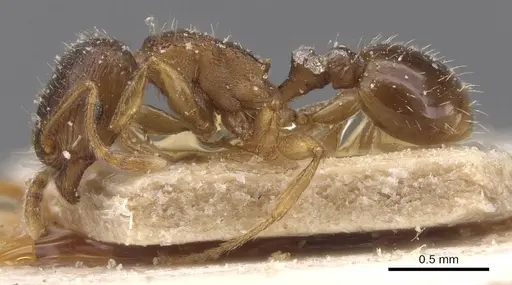
CASENT0915044
View on AntWeb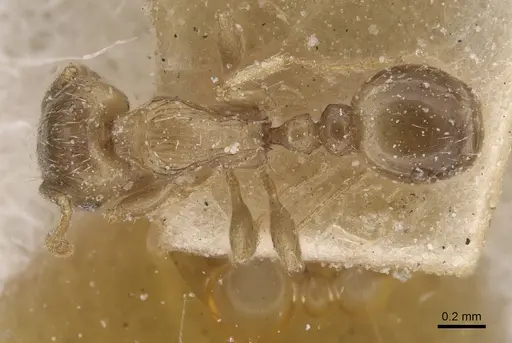
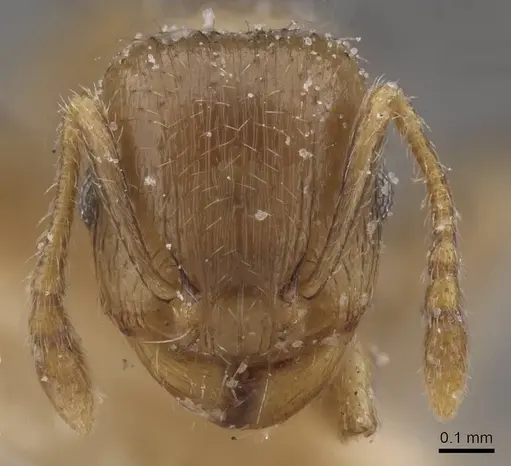
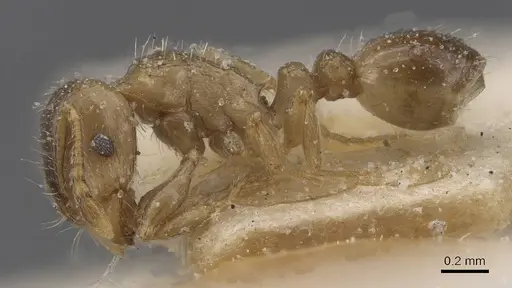
CASENT0915046
View on AntWeb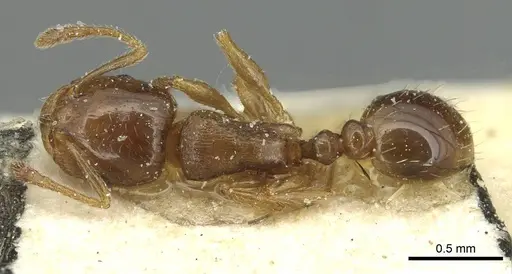
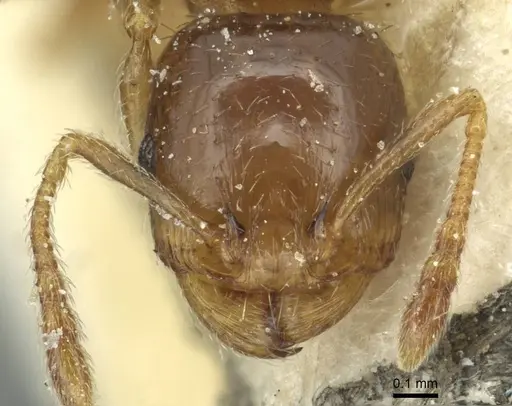
CASENT0915049
View on AntWeb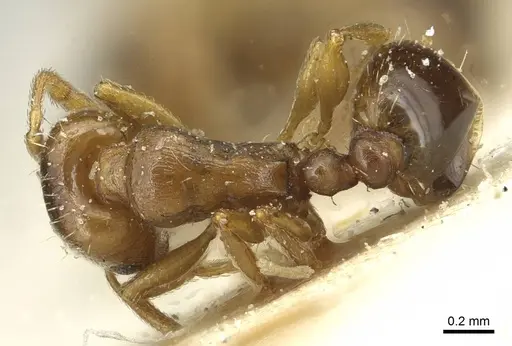
CASENT0915050
View on AntWeb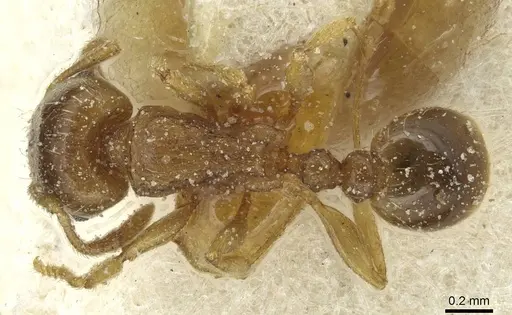
CASENT0915055
View on AntWeb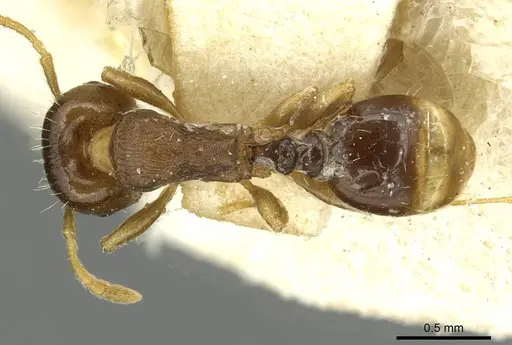
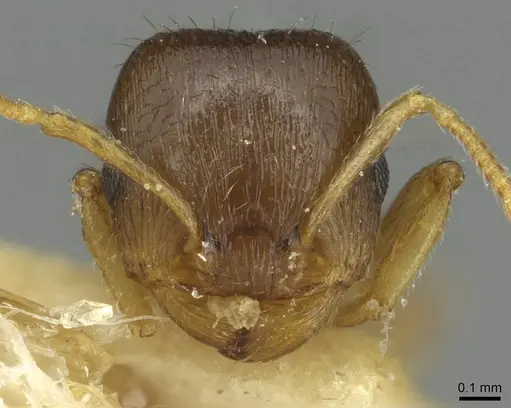
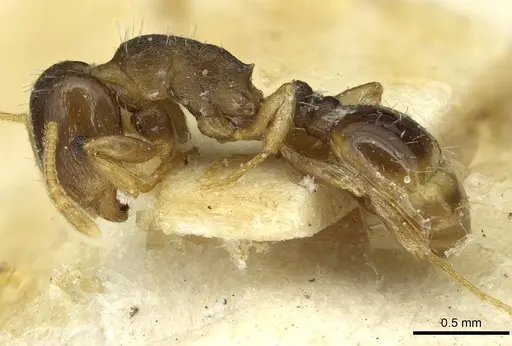
CASENT0917074
View on AntWeb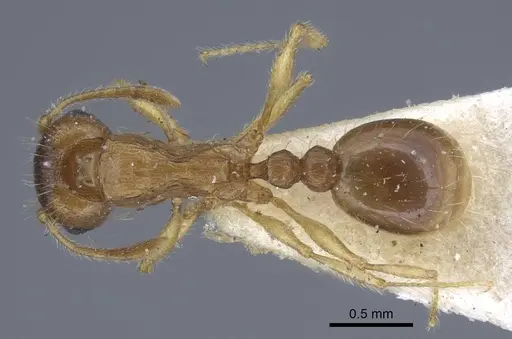
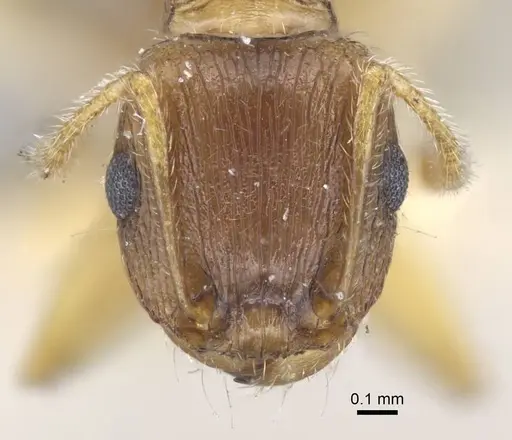
CASENT0917075
View on AntWeb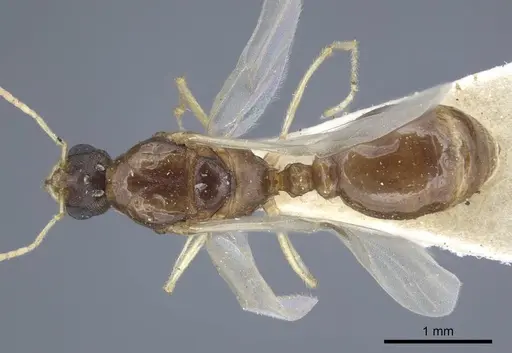
CASENT0917076
View on AntWeb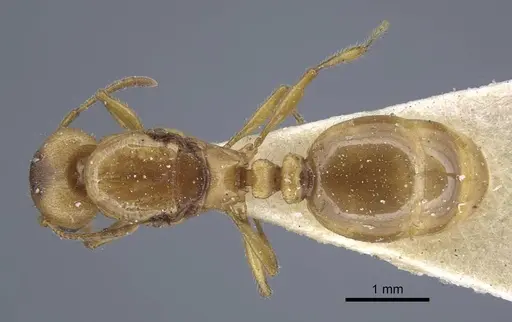
Literature
Loading...Loading products...