

Tetramorium kestrum
- Scientific Name
- Tetramorium kestrum
- Tribe
- Crematogastrini
- Subfamily
- Myrmicinae
- Author
- Bolton, 1980
- Distribution
- Found in 2 countries
Tetramorium kestrum Overview
Tetramorium kestrum is an ant species of the genus Tetramorium. It is primarily documented in 2 countries , including Kenya, Uganda. Detailed taxonomic data and occurrence records can be further explored via authoritative databases such as AntWeb or the Global Biodiversity Information Facility (GBIF).
Tetramorium kestrum
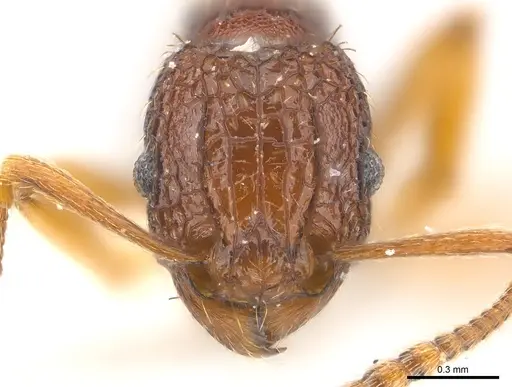
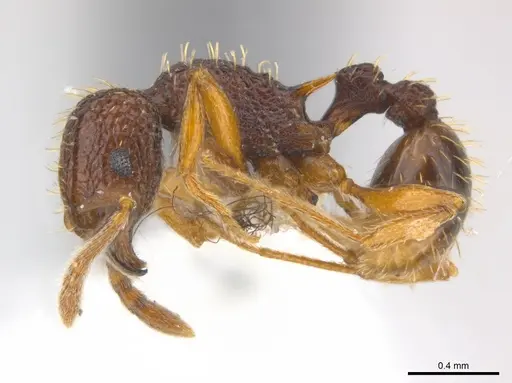
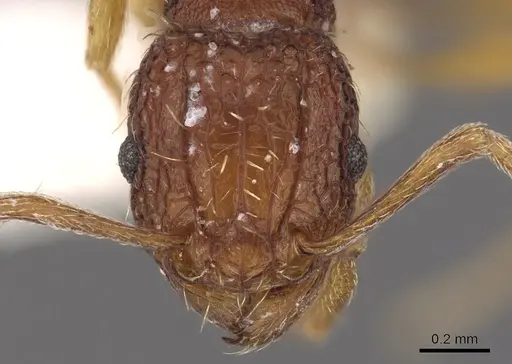
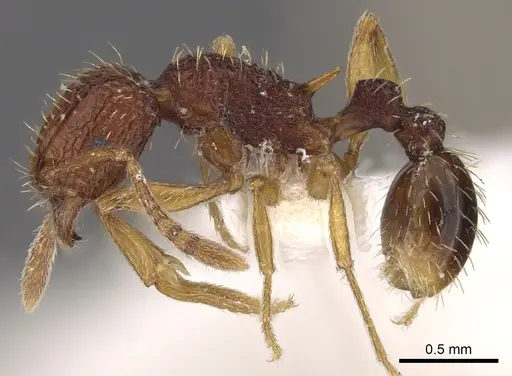
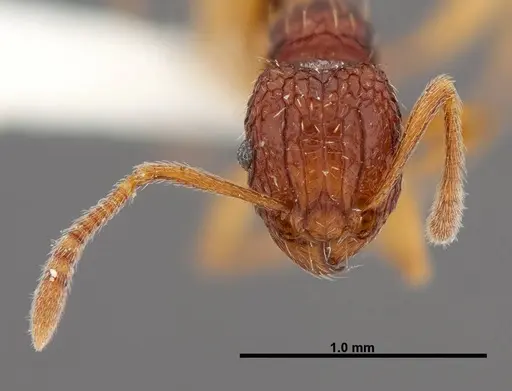
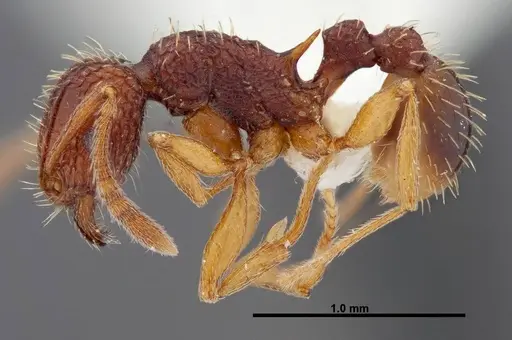
Tetramorium kestrum is a small ground-dwelling ant native to the rainforests of East and Central Africa. Workers measure just 3.0-3.1mm and display a distinctive bright orange-brown coloration with yellow legs, making them easily recognizable compared to their darker relatives [1]. This species is closely related to Tetramorium ataxium but can be distinguished by its lighter coloring and longer antennal scapes. They inhabit the forest floor in tropical regions spanning Uganda, Kenya, Angola, the Democratic Republic of Congo, and Sudan, preferring the damp, shaded conditions of rainforest environments [1].
These ants are part of the Myrmicinae subfamily and possess strong propodeal spines and a rectangular petiole node. Their colonies remain relatively small, and they are ground-nesting ants that thrive in humid forest conditions. The species shows minimal ground sculpture, giving their bodies a glossy appearance despite the reticulate-rugose patterning on their alitrunk and petiole.
Quick Summary
- Difficulty: Medium
- Origin & Habitat: Rainforests of East and Central Africa, including Uganda, Kenya, Angola, Democratic Republic of Congo, and Sudan. They are ground-dwelling ants that prefer the damp, shaded conditions of tropical forest floors [1].
- Colony Type: Colony structure is not well-documented in scientific literature. Based on typical Tetramorium patterns, they likely establish single-queen colonies, though multi-queen arrangements have been observed in some related species.
- Colony: Monogyne
- Founding: Claustral
- Size & Growth:
- Queen: Approximately 5-7mm (estimated based on related Tetramorium species)
- Worker: 3.0-3.1mm
- Colony: Likely several hundred workers at maturity based on genus patterns
- Growth: Moderate
- Development: 6-10 weeks estimated based on typical Tetramorium development at tropical temperatures (Development time is inferred from related species in the genus, direct observations for this specific species are unavailable)
- Antkeeping:
- Temperature: Keep at 24-28°C, reflecting their tropical rainforest origin. A slight temperature gradient allows the colony to regulate its preferred conditions.
- Humidity: High humidity is essential, maintain 70-85% relative humidity. Keep the nest substrate consistently moist but not waterlogged, mimicking the damp forest floor environment they naturally inhabit.
- Diapause: No true diapause required. These tropical ants do not experience cold winters in their native habitat, so maintaining consistent warm conditions year-round is appropriate.
- Nesting: Ground-nesting species that prefers moist substrate. Y-tong (AAC) nests or plaster nests with moisture reservoirs work well. Naturalistic setups with soil and flat stones also replicate their natural environment effectively.
- Behavior: Tetramorium kestrum workers are active foragers that search the substrate for small prey and sweet substances. They are not particularly aggressive toward keepers but will defend their nest if threatened. Their small size of just over 3mm means escape prevention is critical, they can easily slip through standard barrier gaps. Workers are quick-moving and will readily explore their outworld for food.
- Common Issues: escape prevention is critical due to their tiny 3mm size, use fine mesh barriers and tight-fitting lids, high humidity requirements can lead to mold problems if ventilation is inadequate, tropical species may struggle if temperatures drop below 22°C for extended periods, wild-caught colonies may carry parasites that can devastate captive populations, slow founding phase, queens may take several months to establish first workers
Housing and Nest Setup
For Tetramorium kestrum, you'll want to replicate the humid forest floor conditions they naturally inhabit. Y-tong (AAC) nests work exceptionally well because they maintain humidity while providing proper ventilation. Plaster nests with water reservoirs are another excellent option, as they allow you to control moisture levels precisely. If using a naturalistic setup, provide a deep soil layer (at least 5cm) kept consistently moist, with flat stones or pieces of bark on the surface for cover. The outworld should be simple with minimal decorations since these ants are small and active foragers, a shallow foraging area reduces the distance workers must travel. Always use a fluon barrier on the rim of the outworld, these tiny ants can grip smooth surfaces and will escape through the smallest gaps [1].
Feeding and Diet
In the wild, Tetramorium kestrum workers are generalist foragers that collect small insects, honeydew, and various organic matter. In captivity, offer a varied diet: small live prey like fruit flies, pinhead crickets, and mealworms are excellent protein sources. They readily accept sugar water, honey, or diluted maple syrup as carbohydrate sources. Feed small portions 2-3 times per week, removing any uneaten prey after 24 hours to prevent mold. Since they are small ants, portion sizes should be tiny, a single fruit fly or a drop of sugar water is sufficient for a colony of 50 workers. Always ensure fresh water is available, either through a water tube with a cotton plug or moist substrate.
Temperature and Seasonal Care
As a tropical species from African rainforests, Tetramorium kestrum requires warm conditions year-round. Maintain temperatures between 24-28°C in the nest area, with a slight gradient toward the cooler side (around 24°C) at one end so workers can self-regulate. A small heating cable placed on one side of the nest can achieve this gradient. Avoid temperatures below 22°C for extended periods, as this can slow brood development and weaken the colony. Unlike temperate species, they do not require a winter diapause period. Sudden temperature drops should be avoided entirely. If your room temperature naturally stays within their range, no additional heating is needed, just monitor with a thermometer to ensure consistency.
Humidity Management
High humidity is perhaps the most critical factor for successfully keeping Tetramorium kestrum. These rainforest floor ants evolved in consistently damp conditions, so aim for 70-85% relative humidity within the nest. The substrate should feel moist to the touch but never show standing water. In Y-tong nests, keep the water chamber filled and monitor for condensation, some condensation is normal and indicates good humidity. In plaster nests, rehydrate when the surface begins drying. Using a hygrometer near the nest helps you monitor conditions accurately. Poor humidity leads to failed broods and worker mortality, while excessive moisture causes mold problems. Balance is key: provide moist substrate while ensuring adequate ventilation to prevent stagnation.
Colony Establishment and Growth
When you acquire a founding queen, place her in a test tube setup with a small water reservoir. The queen will likely seal herself into a chamber and remain there while laying eggs and raising the first brood, this is claustral founding behavior typical of Tetramorium. Do not disturb her during this phase, which can last 4-8 weeks or longer. Once the first nanitic workers emerge (these initial workers are typically smaller than normal), you can begin offering tiny food items. The colony growth rate is moderate, expect several months to reach 50 workers, and a year or more to reach larger colony sizes. Patience is essential during the founding phase. If your queen was wild-caught, be aware that parasites are common and may cause colony failure even with optimal care.
Frequently Asked Questions
How long does it take for Tetramorium kestrum to raise first workers?
The time from egg to first worker is estimated at 6-10 weeks based on related Tetramorium species, though this specific species has not been studied in detail. The exact timeline depends on temperature, warmer conditions (around 26-28°C) speed development, while cooler temperatures slow it significantly. The founding queen will remain sealed in her chamber until nanitics emerge.
Can I keep multiple Tetramorium kestrum queens together?
Combining unrelated queens is not recommended. While some Tetramorium species can form multi-queen colonies, this behavior varies by species and combining unfamiliar queens typically results in fighting. It is safest to house each queen separately during founding and only consider merging after each has established a healthy worker force, and even then, proceed with extreme caution.
Do Tetramorium kestrum ants sting?
As members of the Myrmicinae subfamily, they possess a stinger but their sting is mild compared to many ants. For most keepers, the sensation is minor, a brief burning or itching sensation that fades quickly. These small ants are not considered dangerous to humans, though individual reactions vary.
Why are my Tetramorium kestrum dying?
Common causes include low humidity (below 60%), temperatures below 22°C, mold from excessive moisture with poor ventilation, or parasite infestation from wild-caught colonies. Review your humidity levels, check temperatures with a thermometer, ensure ventilation is adequate but not excessive, and consider whether the colony was wild-caught. Small colonies are particularly vulnerable during the founding phase.
Are Tetramorium kestrum good for beginners?
This species is rated as medium difficulty. While not the most challenging ant to keep, they do require specific conditions, particularly high humidity and warm temperatures, that beginners must maintain consistently. If you have successfully kept easier species like Lasius or Tetramorium bicarinatum, this species makes a good next step. Beginners should be prepared to monitor humidity and temperature carefully.
How big do Tetramorium kestrum colonies get?
Based on typical Tetramorium patterns, colonies likely reach several hundred workers at maturity. This is not a large colony species, expect moderate colony sizes rather than the thousands seen in some Myrmicinae. Growth is moderate, with colonies taking a year or more to reach their maximum size.
Do Tetramorium kestrum need hibernation?
No, they do not require hibernation or a winter rest period. As a tropical species from African rainforests, they evolved in consistent warm conditions year-round. Maintaining temperatures of 24-28°C throughout the year is appropriate. Attempting to induce diapause by lowering temperatures can harm or kill the colony.
When should I move Tetramorium kestrum to a formicarium?
Wait until the colony has at least 30-50 workers before moving to a formicarium. Smaller colonies can struggle with the larger space and may have difficulty finding food. The queen should be established and actively laying eggs. Moving too early risks stressing the colony or causing the queen to abandon the nest.
What do Tetramorium kestrum eat?
They are generalist feeders accepting small live prey (fruit flies, pinhead crickets, small mealworms), sugar water, honey, and diluted syrups. Offer protein foods 2-3 times per week and keep a constant sugar source available. Remove uneaten prey after 24 hours. Small portions are key, these tiny ants cannot consume large food items.
References

This caresheet is licensed under CC BY-SA 4.0 .
CASENT0217077
View on AntWeb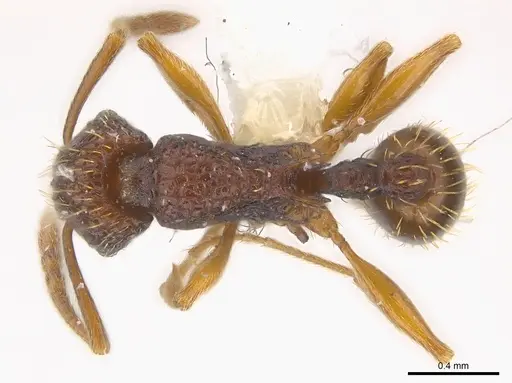
CASENT0365738
View on AntWeb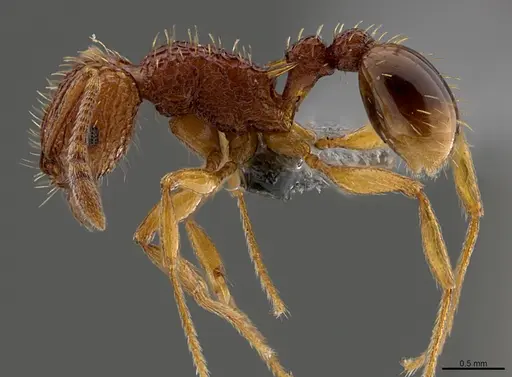
CASENT0901202
View on AntWeb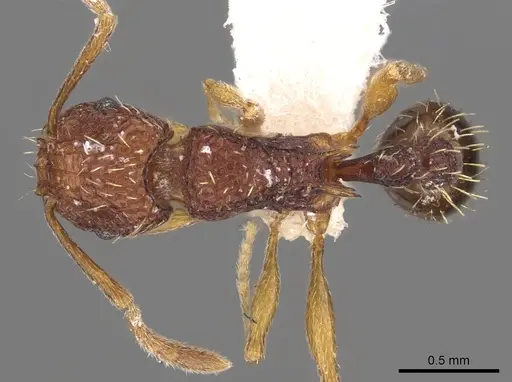
FMNHINS0000047313
View on AntWeb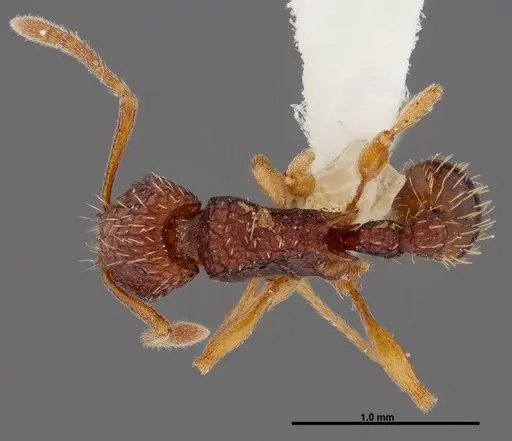
Literature
Loading...Loading products...