

Tetramorium ferox
- Scientific Name
- Tetramorium ferox
- Tribe
- Crematogastrini
- Subfamily
- Myrmicinae
- Author
- Ruzsky, 1903
- Distribution
- Found in 8 countries
Tetramorium ferox Overview
Tetramorium ferox is an ant species of the genus Tetramorium. It is primarily documented in 8 countries , including Austria, Bulgaria, Greece. Detailed taxonomic data and occurrence records can be further explored via authoritative databases such as AntWeb or the Global Biodiversity Information Facility (GBIF).
Tetramorium ferox
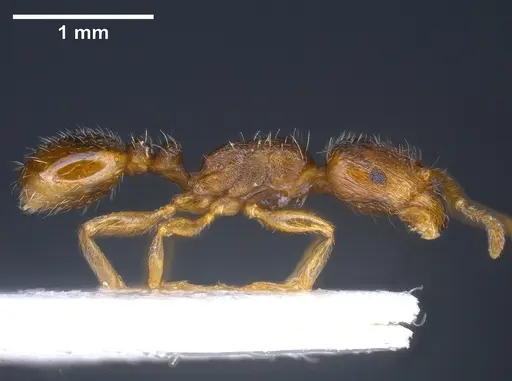
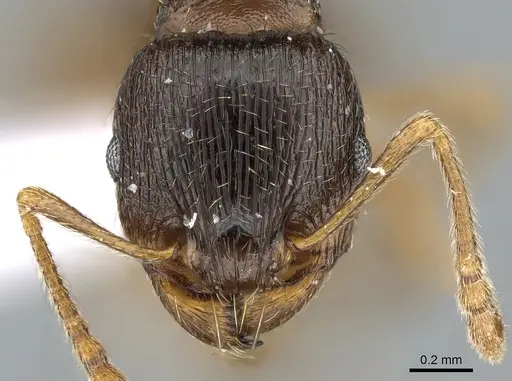
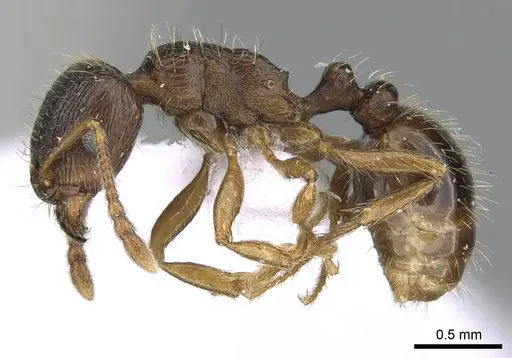
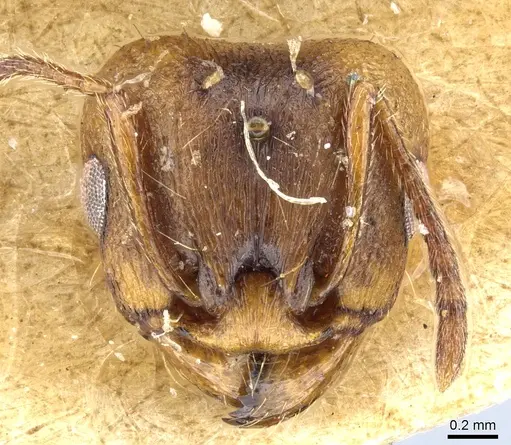
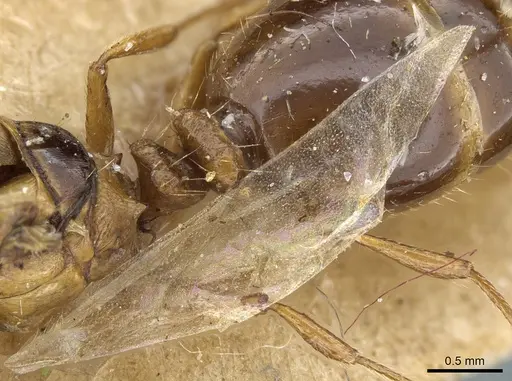
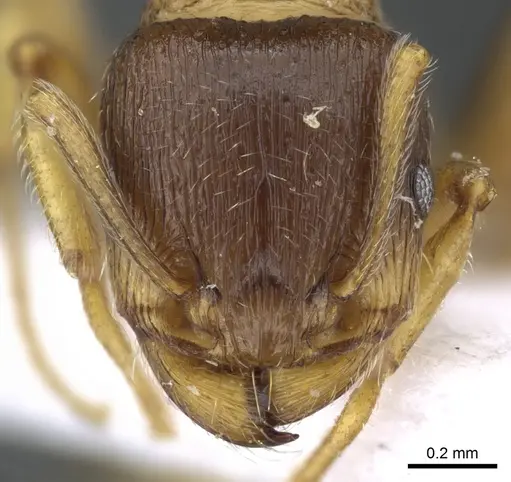
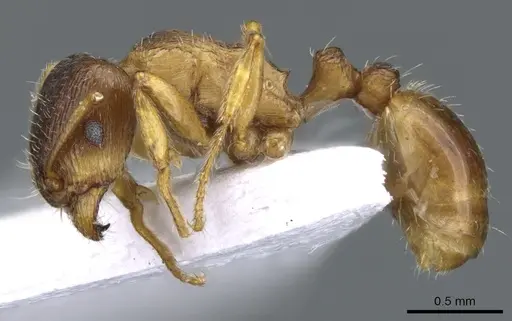
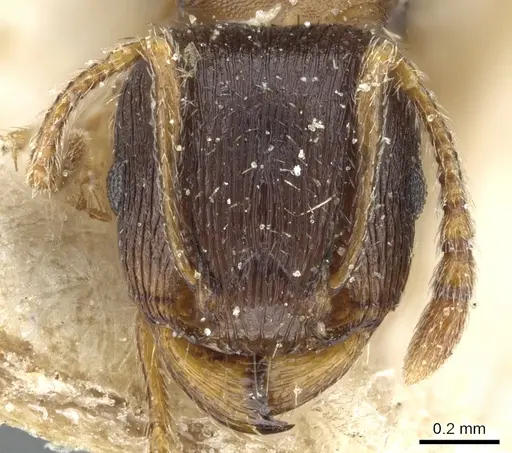
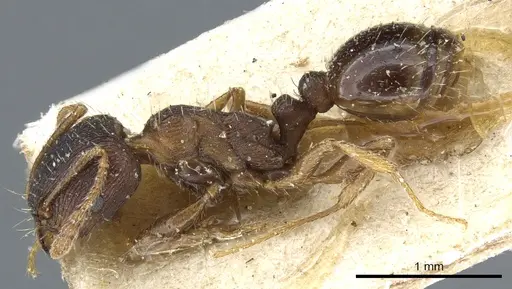
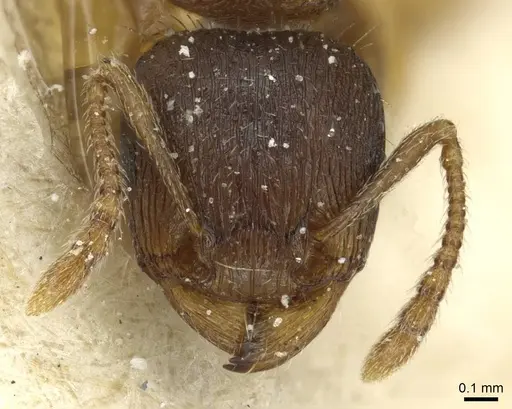
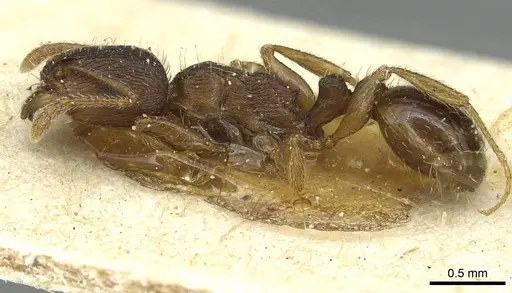
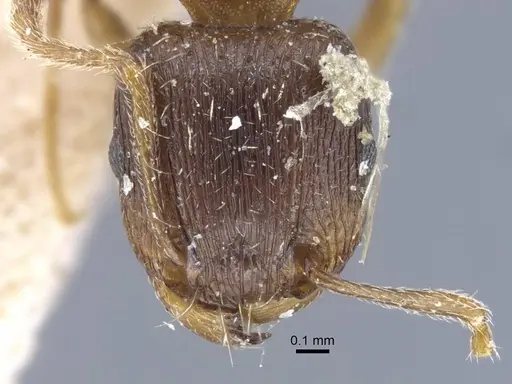
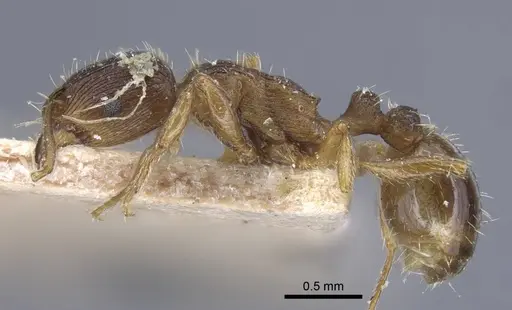
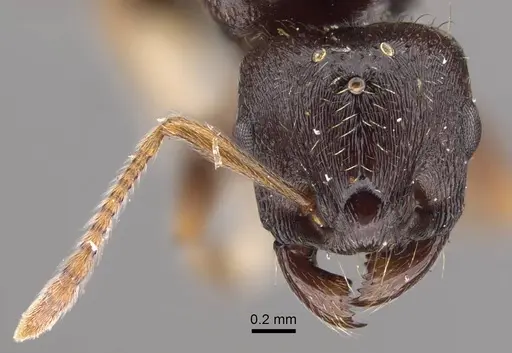
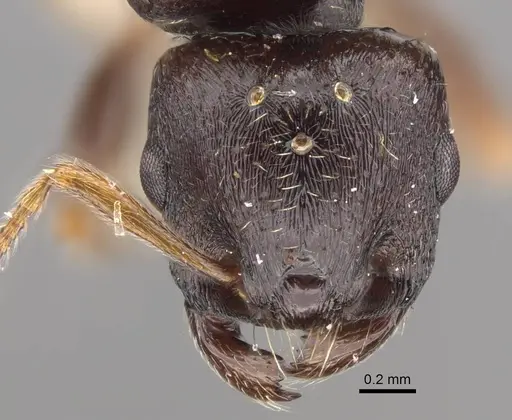
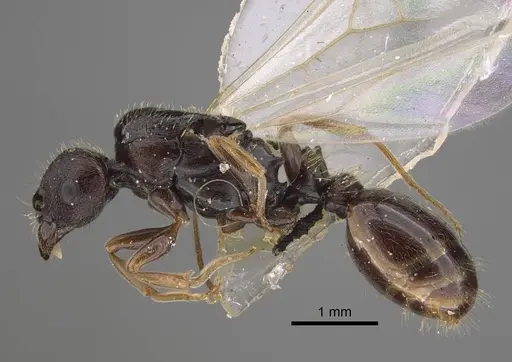
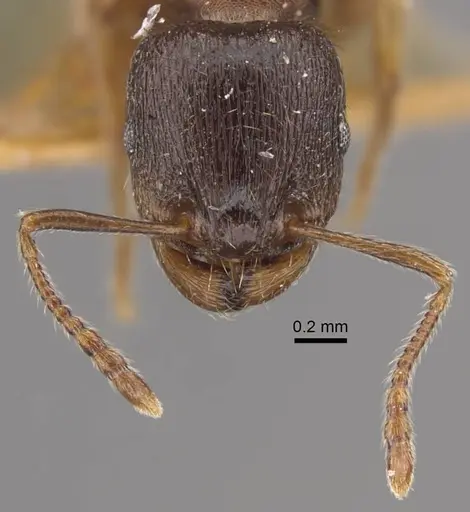
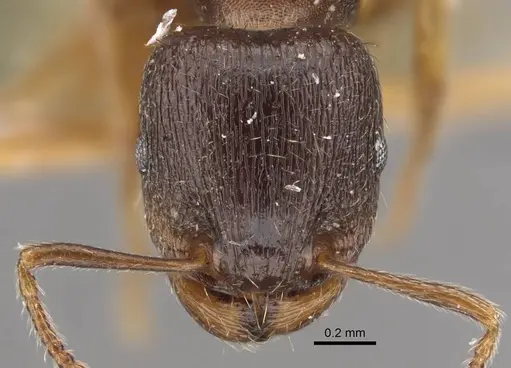
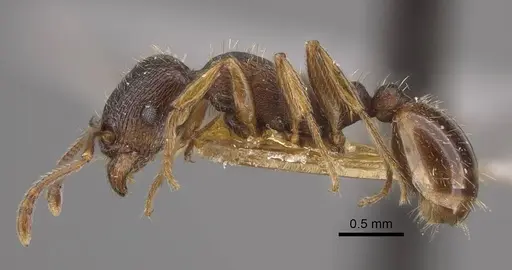
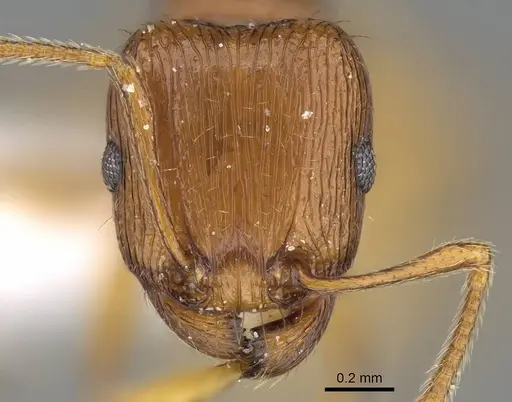
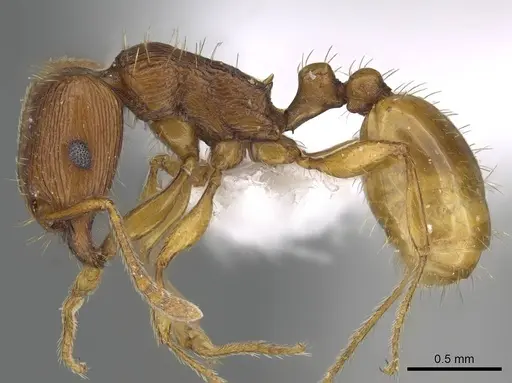
Tetramorium ferox is a medium-sized Myrmicinae ant belonging to the Tetramorium caespitum species group. Workers measure around 2.5-3mm with a distinctive dull, rugulose (wrinkled) appearance on the head and mesosoma, ranging from greyish brown to dark brown in color [1]. Queens are larger at about 3mm and appear nearly black with a smooth, shiny gaster [1]. This species is widely distributed across the western Palaearctic region, from Central Europe through the Balkans to the Caucasus and Turkey [1]. It inhabits open, rocky areas and dry grasslands, nesting in soil typically under stones [2]. The species gets its name 'ferox' meaning fierce, though its actual temperament is typical of pavement ants, moderately defensive when disturbed but not unusually aggressive.
Quick Summary
- Difficulty: Medium
- Origin & Habitat: Native to the western Palaearctic region, found across Central Europe, the Balkans, Caucasus, and Turkey. This thermophilic species prefers warm, dry, open habitats like steppes and Mediterranean grasslands with sparse vegetation [3][1]. It nests in soil, most commonly under stones [2]. Altitude range spans from sea level up to about 2300m, with an average around 600m [4].
- Colony Type: Monogyne (single-queen colonies), confirmed as a free-living species with single queen colonies typical of the genus. No documented polygyny or ergatoid replacement systems for this species.
- Colony: Monogyne
- Founding: Claustral
- Size & Growth:
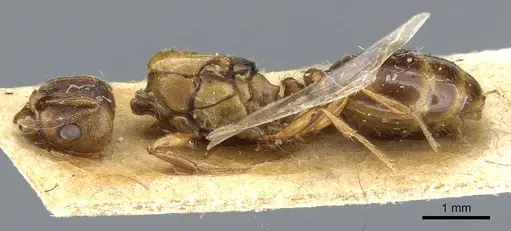
- Queen: Approximately 3mm (CS 999 μm) [1]. Queens are dark black with a smooth, shiny gaster.
- Worker: Approximately 2.5-3mm (CS 825 μm, range 693-918 μm) [1]. Workers are greyish brown to dark brown with a dull, rugulose appearance.
- Colony: Colony size is not well documented but typical for Tetramorium species, likely several hundred workers at maturity based on related species.
- Growth: Moderate, development timeline is unconfirmed for this specific species, but related Tetramorium species typically develop from egg to worker in 6-10 weeks under optimal conditions.
- Development: Estimated 6-10 weeks based on genus-level data from related Tetramorium species. Specific development data for T. ferox has not been documented. (Development timeline is inferred from related species in the genus. Temperature will significantly impact development speed, warmer conditions accelerate growth.)
- Antkeeping:
- Temperature: Keep nest area at 20-24°C. As a thermophilic species from warm, dry habitats, they prefer temperatures in the low-to-mid 20s Celsius. A gentle temperature gradient allows workers to self-regulate [3].
- Humidity: Low to moderate, these ants naturally inhabit dry, rocky areas and steppes. Keep substrate moderately dry, similar to typical pavement ant setups. Allow areas to dry out between waterings, avoid constant saturation.
- Diapause: Yes, as a Central European species, they require a winter dormancy period. Reduce temperature to around 5-10°C for 3-4 months during winter, typically November-February in the Northern Hemisphere.
- Nesting: Soil-nesting species that naturally nests under stones in open, rocky areas. In captivity, standard test tube setups work well for founding colonies. For established colonies, a naturalistic setup with a soil chamber and flat stone on top simulates their natural nesting preference. Y-tong or plaster nests with dry to moderately humid conditions are also suitable.
- Behavior: Temperament is moderate, they are not particularly aggressive but will defend the nest if threatened. Workers are active foragers, typically searching for food on the ground surface. They are known to tend aphids for honeydew and collect small insects as protein sources [5]. Escape risk is moderate as workers are small but not among the tiniest ants, standard formicarium barriers are usually sufficient. They are diurnal and most active during warmer parts of the day.
- Common Issues: slow colony development can frustrate beginners, this species grows moderately and may take time to establish, overwatering is a common mistake, these dry-habitat ants are prone to mold and fungal problems in too-wet conditions, lack of documented care information makes troubleshooting difficult, much of husbandry is inferred from related species, temperature sensitivity, being a thermophilic species, they may struggle in cool rooms or during winter if not provided appropriate warmth, wild-caught colonies may carry parasites or pathogens that can cause colony failure in captivity
Natural History and Distribution
Tetramorium ferox is a Palaearctic species with a wide distribution spanning from Central Europe through the Balkans to the Caucasus and Turkey [1]. It has been recorded in numerous countries including Austria, Bulgaria, Croatia, Czech Republic, Greece, Hungary, Iran, Kyrgyzstan, Malta, Montenegro, Romania, Russia, and Turkey [6][7]. This ant is a thermophilic steppe specialist, adapted to warm, dry, open habitats with sparse vegetation [8]. In Central Europe, it reaches the northeastern boundary of its distribution and is considered a rare species at its range limits [9]. The species nests in soil, most commonly found under stones in rocky areas and grasslands [2]. Altitude records show it can occur from sea level up to about 2300m, with an average around 600m elevation [4].
Identification and Distinction from Related Species
Workers of T. ferox can be identified by their distinctive dull, rugulose (wrinkled) appearance on the head and mesosoma, caused by longitudinal rugulae and microreticulate ground sculpture [1]. This makes them easily distinguishable from similar species like T. diomedeum and T. aegeum, which have shiny, smooth head and mesosoma surfaces [1]. The first gastral tergite is smooth and shiny, which helps distinguish them from T. feroxoides which has feebler rugulae [1]. Queens are larger than workers (about 3mm vs 2.5-3mm) and are nearly black in color with a smooth, shiny gaster [1]. The species belongs to the Tetramorium caespitum species group and is part of the T. ferox species complex as defined by Csösz and Schulz (2010) [1].
Housing and Nest Setup
For founding colonies, a standard test tube setup works well, fill a test tube about one-third with water, plug with a cotton wick, and place the queen in the tube. The queen will seal herself into a chamber and raise her first brood claustrally. For established colonies, recreate their natural habitat by using a naturalistic setup with a soil chamber and a flat stone on top, which mimics their natural nesting under stones [2]. Alternatively, Y-tong (AAC) nests or plaster nests with dry to moderately humid conditions are suitable. Because they naturally inhabit dry, rocky areas, err on the side of drier conditions rather than too humid. Provide a temperature gradient in the nest area, targeting 20-24°C in the warmest zone.
Feeding and Diet
Like other Tetramorium species, T. ferox is omnivorous with a preference for protein sources. Workers are active foragers that hunt small insects and arthropods in nature. They also tend aphids for honeydew, and documented associations include Aphis fabae on Vicia plants in Turkey [5]. In captivity, offer a varied diet including small live prey like fruit flies, pinhead crickets, or mealworms. Sugar sources like honey water or sugar water are typically accepted. Feed protein prey 2-3 times per week, and provide a constant sugar source. Remove uneaten prey after 24-48 hours to prevent mold.
Temperature and Seasonal Care
As a thermophilic species from warm, dry habitats, T. ferox prefers temperatures in the low-to-mid 20s Celsius (around 20-24°C) [3]. Provide a gentle temperature gradient so workers can regulate their own temperature by moving between warmer and cooler areas. During the active season (spring through fall), maintain warm conditions. In winter, as a Central European species, they require a diapause period, reduce temperatures to around 5-10°C for 3-4 months, typically from November through February in the Northern Hemisphere. This winter rest is essential for colony health and triggering reproductive cycles. Do not feed during diapause and keep disturbance to a minimum.
Host for Social Parasites
One important aspect of T. ferox biology is its role as a host species for the social parasite Strongylognathus testaceus [10]. This is a slave-making ant that invades T. ferox colonies, kills the queen, and uses the host workers to raise its own brood. If you observe ants that look different from your T. ferox workers, particularly smaller ants with different coloration or behavior, this could indicate a parasitic infestation. However, this is primarily a concern for wild colonies and is unlikely to affect captive colonies unless the parasite is accidentally introduced.
Frequently Asked Questions
How long does it take for Tetramorium ferox queens to raise their first workers?
The exact timeline for T. ferox has not been documented, but based on related Tetramorium species, expect approximately 6-10 weeks from egg to first worker at optimal temperature (around 22-24°C). The claustral queen seals herself in and raises the first brood entirely on stored fat reserves, so no feeding is needed during founding.
Can I keep multiple Tetramorium ferox queens together?
No, T. ferox is a monogyne (single-queen) species. Multiple unrelated queens will fight until only one remains. If you capture multiple dealate queens, house them separately. In the wild, only one queen heads each colony.
Do Tetramorium ferox ants sting?
As a Myrmicinae ant, T. ferox has a functional stinger. However, their sting is mild and rarely felt by humans due to their small size. They are not considered dangerous to keepers, their primary defense is biting and the sting is rarely used except against other insects.
What temperature do Tetramorium ferox ants need?
Keep them at 20-24°C in the nest area. As a thermophilic species from warm, dry habitats, they prefer these temperatures. A heating cable on one side of the nest can create a temperature gradient. During winter, they need a diapause period at 5-10°C for 3-4 months.
Are Tetramorium ferox good for beginners?
This species is rated as Medium difficulty. While not as challenging as some exotic species, there is limited documented care information compared to more common ants like Lasius or Camponotus. They require warm, dry conditions and a winter diapause. The main challenges are their moderate growth rate and the need to avoid overwatering. Experienced beginners should do well, but complete beginners may find the lack of species-specific information challenging.
How big do Tetramorium ferox colonies get?
Colony size is not well documented for this specific species, but based on related Tetramorium species, mature colonies likely reach several hundred workers. They are not among the largest ant species, expect moderate-sized colonies rather than massive supercolonies.
Do Tetramorium ferox need hibernation?
Yes, as a Central European species, they require a winter dormancy (diapause). Reduce temperatures to around 5-10°C for 3-4 months during winter, typically November-February. This rest period is important for colony health and triggering reproductive cycles. Do not feed during this period.
What do Tetramorium ferox ants eat?
They are omnivorous but prefer protein. Offer small live prey like fruit flies, small crickets, or mealworms 2-3 times per week. They also accept sugar sources like honey water or sugar water. In nature, they hunt small insects and tend aphids for honeydew.
Why are my Tetramorium ferox dying?
Common causes include: overwatering (they're from dry habitats and prone to mold), temperatures that are too cool (they need 20-24°C), stress from too much disturbance during founding, or parasites from wild-caught colonies. Review your setup against their natural habitat preferences, dry, warm conditions with minimal disturbance.
When should I move Tetramorium ferox to a formicarium?
Wait until the colony has at least 20-30 workers before moving to a formicarium. For T. ferox, this typically takes several months to a year after the first workers emerge. Moving too early can stress the colony. Use a formicarium with appropriately sized chambers and dry to moderately humid conditions.
What's the difference between Tetramorium ferox and Tetramorium caespitum?
T. ferox and T. caespitum are separate but closely related species in the same species group. T. ferox has a dull, rugulose appearance on the head and mesosoma, while T. caespitum typically has smoother surfaces. They also have different distributions, T. ferox is more eastern and Mediterranean, while T. caespitum is more widespread in Europe. Accurate identification often requires microscopic examination of the sculpture.
References

This caresheet is licensed under CC BY-SA 4.0 .
ANTWEB1041380
View on AntWeb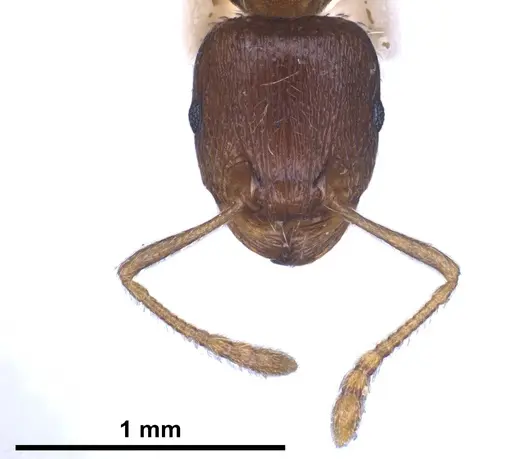
CASENT0281567
View on AntWeb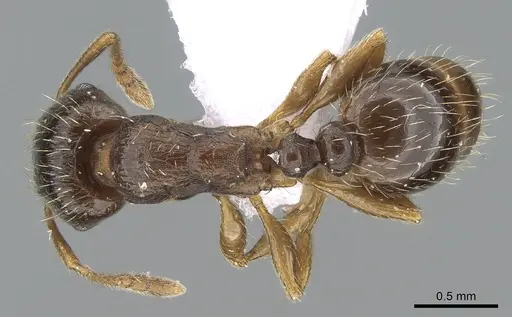
CASENT0904804
View on AntWeb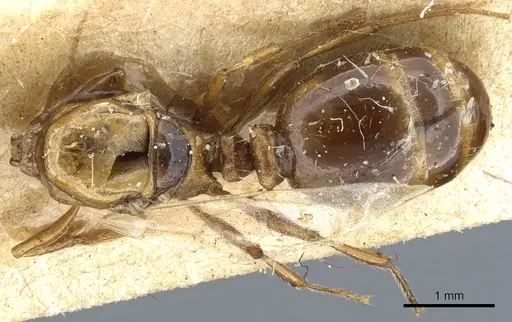
CASENT0904806
View on AntWeb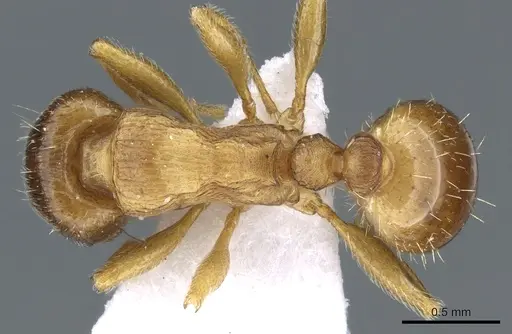
CASENT0904808
View on AntWeb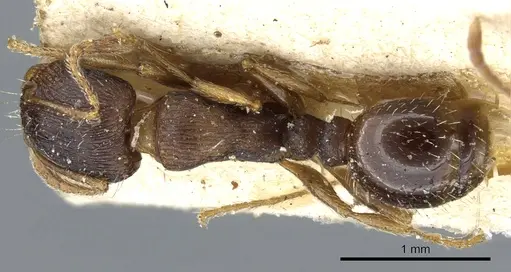
CASENT0915011
View on AntWeb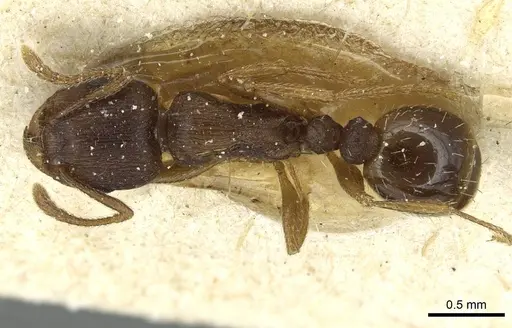
CASENT0917083
View on AntWeb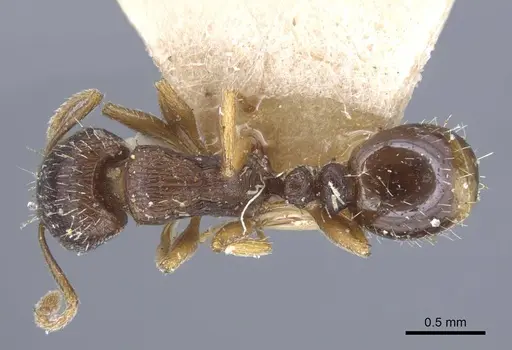
CASENT0917415
View on AntWeb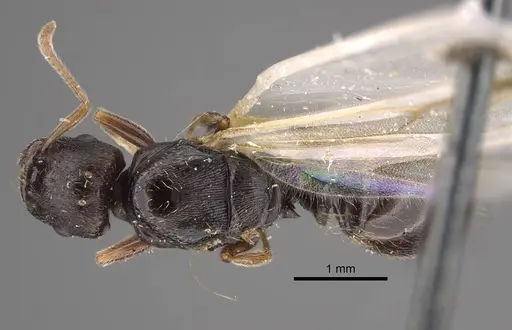
CASENT0917416
View on AntWeb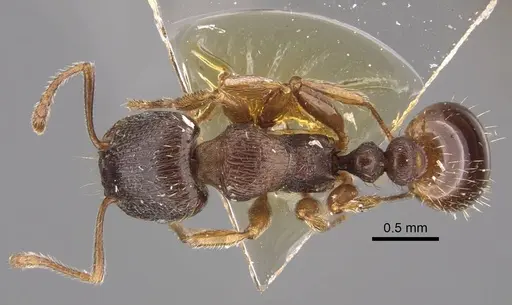
CASENT0922291
View on AntWeb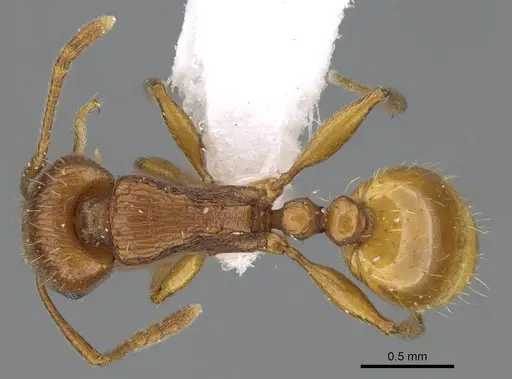
Literature
Loading...Loading products...