

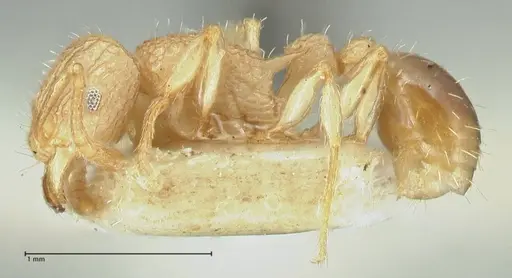
Tetramorium eleates
- Scientific Name
- Tetramorium eleates
- Tribe
- Crematogastrini
- Subfamily
- Myrmicinae
- Author
- Forel, 1913
- Distribution
- Found in 1 countries
Tetramorium eleates Overview
Tetramorium eleates is an ant species of the genus Tetramorium. It is primarily documented in 1 countries , including Malaysia. Detailed taxonomic data and occurrence records can be further explored via authoritative databases such as AntWeb or the Global Biodiversity Information Facility (GBIF).
Tetramorium eleates
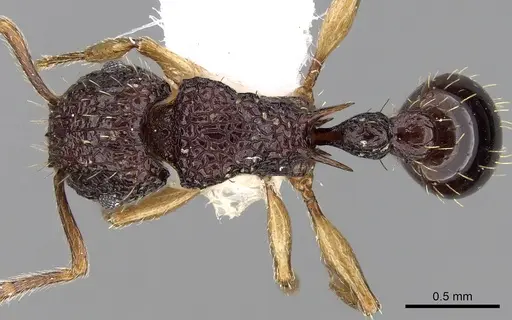
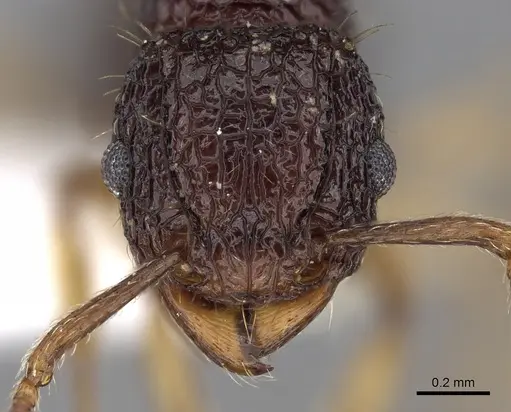
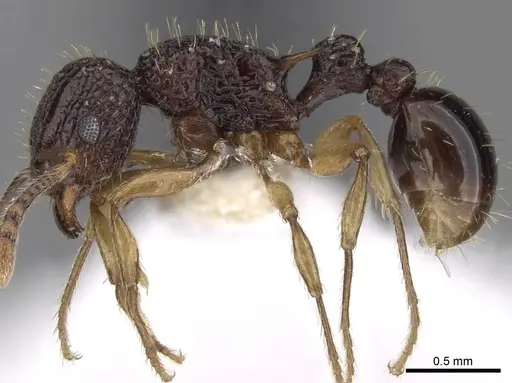
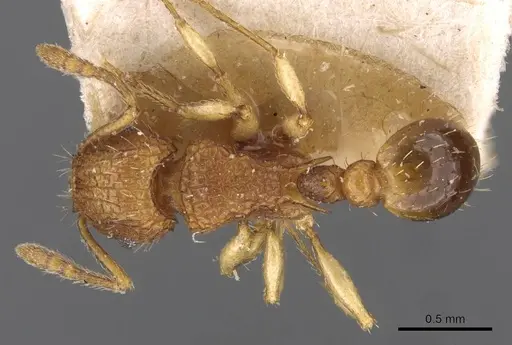
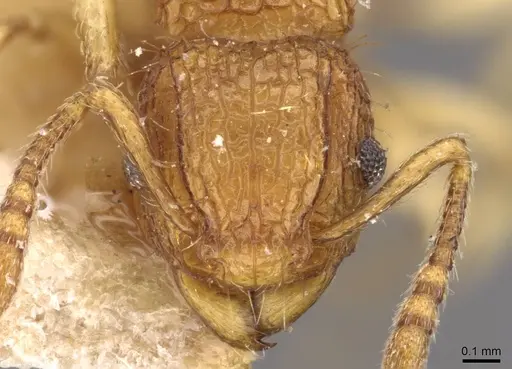
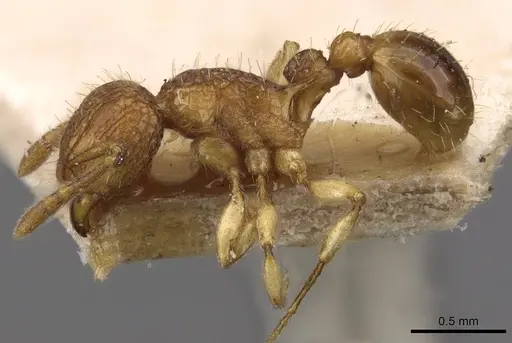
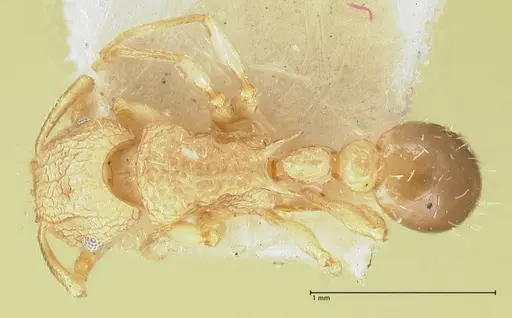
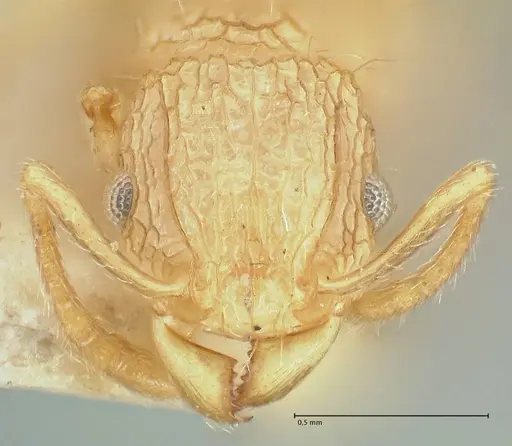
Tetramorium eleates is a medium-sized reddish-brown ant species native to Southeast Asia, found across Indonesia, the Philippines, Singapore, and Thailand [1]. Workers measure 2.7-3.8mm and feature strongly developed frontal carinae, a pair of stout propodeum spines, and a distinctly massive petiole node. This species nests in ground litter and under leaf litter in tropical rainforest and palm forest habitats, with collection records showing preference for mixed deciduous forest areas [2]. The species was originally described as a variety of T. tortuosum but was raised to full species status by Bolton in 1977,with its closest relatives being Tetramorium flavipes from Thailand and Tetramorium belgaense from India.
Quick Summary
- Difficulty: Easy
- Origin & Habitat: Southeast Asia, Indonesia (Sumatra), Philippines, Singapore, and Thailand (Northern, Eastern, and Peninsular regions). Found in rainforest and palm forest litter, typically in mixed deciduous forest areas at ground level [2][1].
- Colony Type: Colony structure is unconfirmed for this species. Based on typical Tetramorium patterns, likely single-queen colonies with claustral founding.
- Size & Growth:
- Queen: Unconfirmed, estimated similar to other Tetramorium at 7-9mm
- Worker: 2.7-3.8mm
- Colony: Unconfirmed, likely several hundred workers based on typical Tetramorium colony sizes
- Growth: Moderate
- Development: Estimated 5-8 weeks at tropical temperatures based on related Tetramorium species (Development time is inferred from genus-level data as no species-specific study exists)
- Antkeeping:
- Temperature: Keep at 24-28°C, these are tropical ants from Southeast Asia [2]. A gentle heating gradient allows workers to regulate their temperature.
- Humidity: High humidity preferred, they naturally live in rainforest litter. Keep the nest substrate consistently moist but not waterlogged, with some drier areas available.
- Diapause: No, being a tropical species, they do not require hibernation. Maintain warm conditions year-round.
- Nesting: Ground-nesting species that prefers moist substrate. Y-tong (AAC) nests or naturalistic setups with soil work well. They nest under leaf litter in the wild, so provide a deep layer of substrate or leaf litter in a naturalistic setup.
- Behavior: Workers are active foragers that search through leaf litter and ground substrate. They are generalist feeders typical of the genus. Due to their small size (under 4mm), escape prevention is important, use fine mesh barriers and tight-fitting lids. Generally non-aggressive toward keepers but will defend their nest if disturbed.
- Common Issues: escape prevention is critical due to their tiny 2.7-3.8mm size, they can squeeze through standard gaps, tropical species may struggle if temperatures drop below 22°C, wild-caught colonies from litter samples may arrive with mites or other parasites, overwatering can cause fungal problems in their litter/ground nests, slow initial growth during founding phase is normal, don't overfeed or disturb
Housing and Nest Setup
Tetramorium eleates is a ground-nesting species that thrives in setups mimicking its natural leaf litter habitat. A naturalistic terrarium with a deep layer of moist soil (at least 5-8cm) works excellently, add leaf litter, small pieces of bark, and twigs on top to create the humid microclimate they prefer [2]. Alternatively, Y-tong (AAC) nests with narrow chambers work well since they accommodate the small worker size while allowing you to maintain humidity. Test tube setups can work for founding colonies but may need upgrading as the colony grows. Whatever setup you choose, ensure excellent escape prevention, these tiny ants (workers are only 2.7-3.8mm) can slip through surprisingly small gaps. Use fine mesh on any ventilation holes and ensure lid seals are tight.
Feeding and Diet
Like most Tetramorium species, T. eleates is a generalist feeder. Offer protein sources such as small insects (fruit flies, pinhead crickets, small mealworms), and provide sugar water or honey as an energy source. In the wild, they forage through leaf litter and likely consume small arthropods, seeds, and honeydew from aphids or scale insects. Feed small amounts 2-3 times per week for established colonies, removing any uneaten prey after 24 hours to prevent mold. Sugar water should be available constantly but in small quantities that are consumed within a day or two.
Temperature and Humidity
As a tropical species from Southeast Asia, T. eleates requires warm and humid conditions. Maintain temperatures between 24-28°C, this range supports normal activity and brood development [2]. A heating cable on one side of the nest creates a temperature gradient that lets workers regulate their own exposure. Humidity should be high (70-80%) to match their rainforest litter habitat. If using a naturalistic setup, mist occasionally and keep the substrate moist but never waterlogged. In Y-tong nests, a water reservoir connected to a cotton wick maintains humidity. Avoid cold drafts and ensure the colony is kept away from air conditioning vents that might lower temperatures below their tropical comfort zone.
Colony Founding and Growth
The founding behavior of T. eleates specifically has not been documented, but Tetramorium queens typically seal themselves into a claustral chamber and raise their first workers alone using stored fat reserves. Expect the founding phase to last 4-8 weeks before the first nanitic workers emerge. Once the colony establishes (typically after the first 10-20 workers), growth accelerates. A mature colony likely reaches several hundred workers based on typical Tetramorium sizes. Growth is moderate, don't panic if the first few months seem slow, as this is normal for claustral founders. Avoid disturbing the queen during founding as stress can cause her to abandon or consume her brood.
Behavior and Temperament
Workers of T. eleates are active foragers that search through substrate and leaf litter. They are not particularly aggressive and will typically flee when disturbed rather than attack. However, they will defend their nest vigorously if threatened. Their small size (under 4mm) means they are adept at finding tiny gaps in enclosures, making escape prevention your top priority. Use fluon on rim edges, fine mesh for ventilation, and check for gaps regularly. They do not have a functional stinger (Myrmicinae tribe Crematogastrini uses chemical defense rather than stinging), so they pose minimal danger to keepers. Their natural behavior involves foraging in leaf litter, so providing enrichment like scattered debris and varying substrate depth mimics their natural hunting grounds.
Frequently Asked Questions
How long does it take for Tetramorium eleates to get their first workers?
Based on typical Tetramorium patterns, expect 5-8 weeks from egg to first worker at optimal tropical temperatures (24-28°C). This is an estimate since species-specific development data does not exist.
Can I keep Tetramorium eleates in a test tube?
Yes, test tubes work well for founding colonies. Use a water reservoir with a cotton wick to maintain humidity, and ensure the tube is large enough to accommodate the queen and her brood chamber. Upgrade to a larger setup once the colony reaches 30-50 workers.
Do Tetramorium eleates ants sting?
No. As Myrmicinae ants, they do not have a functional stinger. They may bite if threatened but this is not significant for keepers.
What temperature do Tetramorium eleates need?
Keep them at 24-28°C. These are tropical ants from Southeast Asia and need warm conditions year-round. Avoid temperatures below 22°C.
Are Tetramorium eleates good for beginners?
Yes, they are considered easy to keep. They are forgiving of minor care mistakes, don't require hibernation, and are generally calm. Their small size does require attention to escape prevention.
How big do Tetramorium eleates colonies get?
Colony size is unconfirmed but likely reaches several hundred workers based on typical Tetramorium species. They are not among the largest Tetramorium but can form substantial colonies.
Do Tetramorium eleates need hibernation?
No. As a tropical species from Southeast Asia, they do not require diapause or hibernation. Maintain warm, humid conditions year-round.
What do Tetramorium eleates eat?
They are generalist feeders. Offer small insects (fruit flies, small crickets, mealworms) for protein and sugar water or honey for carbohydrates. They will also likely accept seeds and honeydew.
Why are my Tetramorium eleates escaping?
Their small 2.7-3.8mm size means they can slip through tiny gaps. Check all seals, use fine mesh on ventilation, and apply fluon to rim edges. Inspect regularly and seal any gaps you find.
When should I move Tetramorium eleates to a formicarium?
Move them when the test tube becomes crowded (typically 30-50 workers) or when the water reservoir needs frequent refilling. A naturalistic setup with soil and leaf litter works best for this ground-nesting species.
References

This caresheet is licensed under CC BY-SA 4.0 .
Literature
Loading...Loading products...