

Tetramorium belgaense
- Scientific Name
- Tetramorium belgaense
- Tribe
- Crematogastrini
- Subfamily
- Myrmicinae
- Author
- Forel, 1902
- Distribution
- Found in 1 countries
Tetramorium belgaense Overview
Tetramorium belgaense is an ant species of the genus Tetramorium. It is primarily documented in 1 countries , including India. Detailed taxonomic data and occurrence records can be further explored via authoritative databases such as AntWeb or the Global Biodiversity Information Facility (GBIF).
Tetramorium belgaense
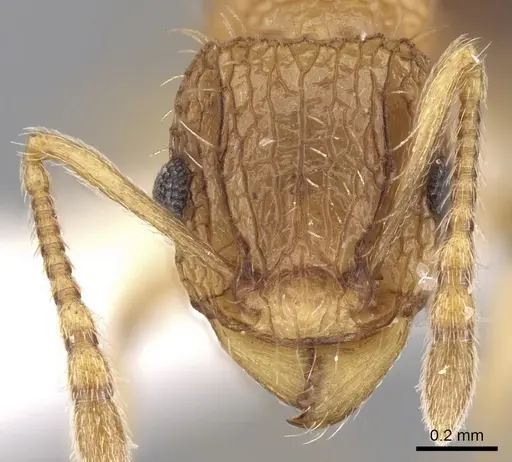
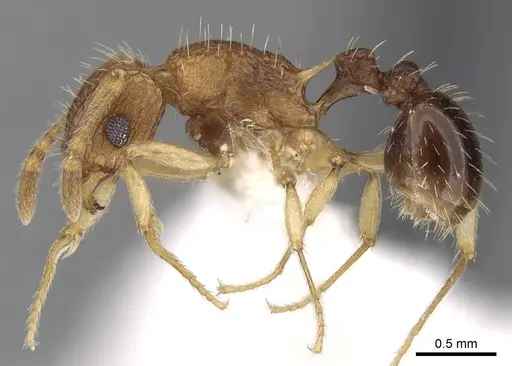
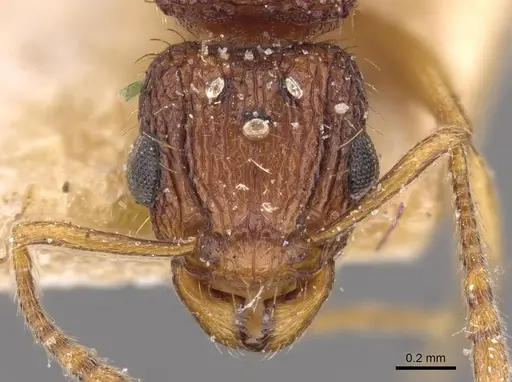
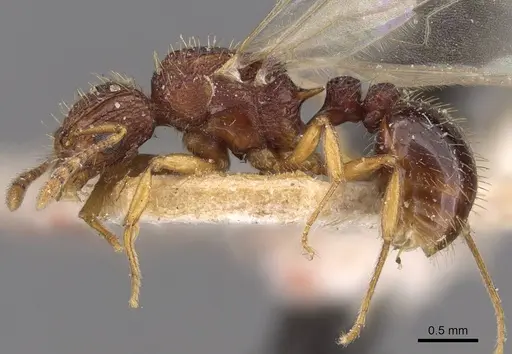
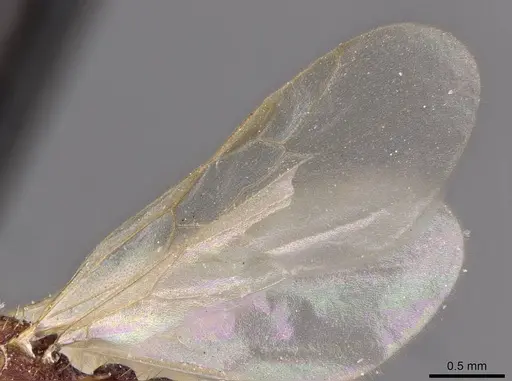
Tetramorium belgaense is a small, reddish-brown ant endemic to India, belonging to the Tetramorium tortuosum species group [1][2]. Workers measure approximately 3.3-3.5mm with a characteristic eleven-segmented antennae and strongly developed frontal carinae [2]. The queen reaches about 4.6mm and has a distinctive reddish-brown coloration with lighter yellowish-brown legs and antennae [3]. This species was first described from Belgaum, Karnataka in 1902 and is now known from Goa, Karnataka, and Kerala along India's western coast [2]. The species closely resembles the Sri Lankan Tetramorium yerburyi but is notably smaller with shorter antennal scapes and more acutely pointed propodeal lobes [2].
Quick Summary
- Difficulty: Medium
- Origin & Habitat: Endemic to India, found in Goa, Karnataka, and Kerala. In the wild, specimens have been collected from scrub vegetation on slopes above rice paddies, indicating preference for humid, shaded agricultural landscapes [2].
- Colony Type: Colony structure is not well documented in scientific literature. Based on typical Tetramorium patterns, this species likely forms single-queen colonies (monogyne) [3].
- Colony: Monogyne
- Founding: Claustral
- Size & Growth:
- Queen: 4.6mm [3]
- Worker: 3.3-3.5mm (HW 0.66-0.70) [2]
- Colony: Unknown, no colony size data available in scientific literature
- Growth: Moderate, based on typical Tetramorium development patterns
- Development: Estimated 6-8 weeks based on related Tetramorium species [3] (Development time is inferred from genus-level data since species-specific development has not been studied)
- Antkeeping:
- Temperature: Keep at 22-26°C, these are tropical Indian ants that prefer warm conditions. A gentle temperature gradient allows workers to regulate their exposure [3].
- Humidity: Moderate to high (60-80%), their natural habitat in Goa and Kerala experiences monsoon seasons, so they prefer damp but not waterlogged conditions. Provide a moist nest substrate that doesn't dry out completely [3].
- Diapause: Likely minimal or none, being from tropical India, they probably do not require true hibernation. However, a brief cool period (2-3 weeks at 15-18°C) may help simulate seasonal cycles [3].
- Nesting: In nature they nest in soil and under stones in humid areas. For captivity, a Y-tong (AAC) nest or plaster nest with moisture chambers works well. They prefer tight, snug chambers scaled to their small size [3].
- Behavior: These are generally docile ants with no significant sting. Workers are active foragers that search for small prey and honeydew. They are not aggressive and pose no danger to keepers. Their small size means escape prevention is important, use fine mesh barriers and tight-fitting lids [3].
- Common Issues: small size makes escape likely without fine mesh barriers, humidity control is important, too dry and brood dies, too wet and mold becomes a problem, wild-caught colonies may have parasites that can decimate the colony, slow initial growth during founding phase can lead to overfeeding mistakes, limited availability means established colonies are rare in the hobby
Housing and Nest Setup
For this small Tetramorium species, use a nest with appropriately scaled chambers, tight spaces that match their tiny size work best. A Y-tong (acrylic) nest or plaster formicarium with moisture chambers maintains the humidity they need. These ants come from humid tropical regions of India, so keeping the nest substrate consistently moist (but not waterlogged) is important. A test tube setup works well for founding colonies, fill a test tube one-third with water, plug with cotton, and place the queen in the tube. Once the colony reaches 15-20 workers, you can consider moving to a formicarium. Always use excellent escape prevention, these small ants can squeeze through tiny gaps, so fine mesh on any ventilation holes is essential [3].
Feeding and Diet
Tetramorium belgaense is omnivorous like most Tetramorium species. Offer small protein sources such as fruit flies, small mealworms, or other tiny insects twice weekly. They also accept sugar sources, a drop of sugar water or honey occasionally provides energy. In their natural habitat in Goa and Kerala, they likely forage for honeydew from aphids and small arthropods. Feed small amounts that the colony can consume within a day or two, and remove any uneaten food to prevent mold. Fresh water should always be available [3].
Temperature and Seasonal Care
These tropical Indian ants prefer warm conditions between 22-26°C. Being from Goa, Karnataka, and Kerala, they are accustomed to year-round warmth with seasonal monsoon rains. Room temperature within this range is usually suitable, but you can use a heating cable on one side of the nest to create a gentle gradient if needed. Place heating on top of the nest, not underneath, to avoid drying out the moisture chambers. Unlike temperate species, they likely do not require true hibernation, though a brief cool period of 2-3 weeks at 15-18°C during winter may help simulate natural seasonal cycles. Avoid temperatures below 18°C for extended periods [3].
Behavior and Colony Dynamics
Workers of Tetramorium belgaense are active foragers that search for food throughout the nest. They are generally docile and non-aggressive, making them easy to handle. The queen seals herself in during founding (claustral behavior) and raises her first workers alone on stored fat reserves. Once the first workers (nanitics) emerge, they are typically smaller than mature workers and the colony will gradually grow. These ants do not have a functional stinger, they belong to Myrmicinae but use their spatulate sting appendage primarily for chemical defense rather than painful stings [1]. Their small size means they are best observed with good lighting and may require magnification for detailed observation of their distinctive morphology [3].
Frequently Asked Questions
How long does it take for Tetramorium belgaense to raise first workers?
Based on typical Tetramorium development, expect first workers (nanitics) to emerge in approximately 6-8 weeks after the queen lays eggs. This timeline is inferred from related species since species-specific development data is not available [3].
Can I keep multiple Tetramorium belgaense queens together?
Not recommended. While colony structure is not well documented for this species, combining unrelated queens of this Tetramorium species has not been studied and queens will likely fight. Single-queen colonies are recommended [3].
Do Tetramorium belgaense ants sting?
They have a sting appendage but it is not considered painful or dangerous to humans. These ants are docile and pose no threat to keepers. They may use chemical defenses rather than active stinging [1][3].
What size colony does Tetramorium belgaense reach?
The maximum colony size is unknown as no scientific studies have documented colony sizes for this species. Based on related Tetramorium species, colonies likely reach several hundred workers at maturity [3].
Are Tetramorium belgaense good for beginners?
This is a medium-difficulty species. They are smaller and require more attention to humidity and escape prevention than some beginner species, but they are docile and not dangerous. Their rarity in the hobby may also make established colonies hard to find [3].
Do Tetramorium belgaense need hibernation?
Probably not, being from tropical India, they do not require true hibernation. A brief cool period (2-3 weeks at 15-18°C) during winter may be beneficial but is not mandatory. Avoid prolonged cold exposure [3].
What do Tetramorium belgaense eat?
They are omnivorous. Offer small protein sources like fruit flies or tiny mealworms twice weekly, and provide sugar water or honey occasionally. They likely also collect honeydew in the wild [3].
When should I move my Tetramorium belgaense colony to a formicarium?
Wait until the colony has 15-20 workers before moving from a test tube setup to a formicarium. The founding test tube should have adequate moisture and space for the growing colony. Moving too early can stress the queen and brood [3].
Why is my Tetramorium belgaense colony dying?
Common causes include: too dry conditions (keep substrate moist), mold from overwatering or uneaten food, temperature stress (keep between 22-26°C), or parasites from wild-caught colonies. Check humidity levels and remove uneaten food promptly [3].
References

This caresheet is licensed under CC BY-SA 4.0 .
CASENT0280882
View on AntWeb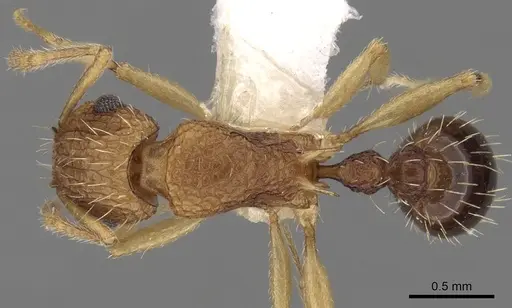
CASENT0909185
View on AntWeb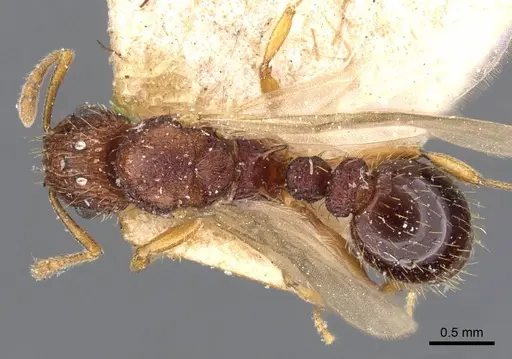
Literature
Loading...Loading products...