

Tetramorium flavipes
- Scientific Name
- Tetramorium flavipes
- Tribe
- Crematogastrini
- Subfamily
- Myrmicinae
- Author
- Emery, 1893
- Distribution
- Found in 1 countries
Tetramorium flavipes Overview
Tetramorium flavipes is an ant species of the genus Tetramorium. It is primarily documented in 1 countries , including China. Detailed taxonomic data and occurrence records can be further explored via authoritative databases such as AntWeb or the Global Biodiversity Information Facility (GBIF).
Tetramorium flavipes
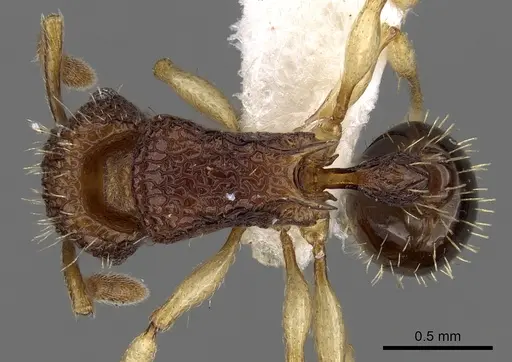
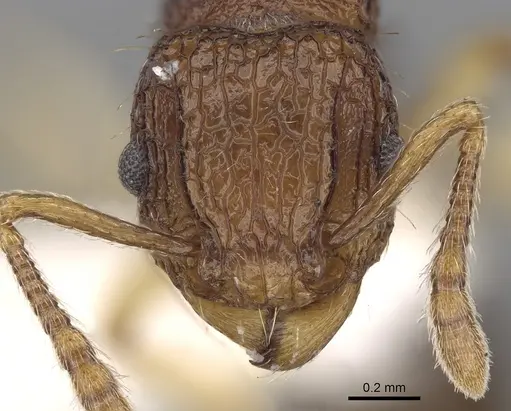
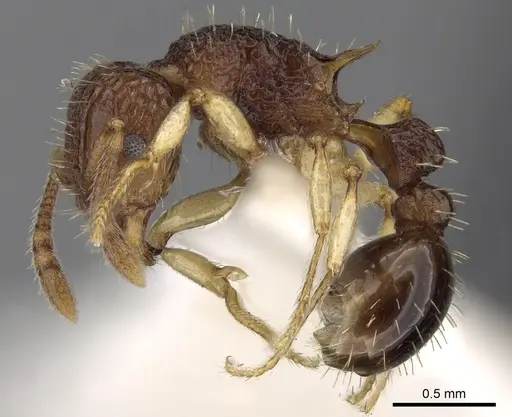
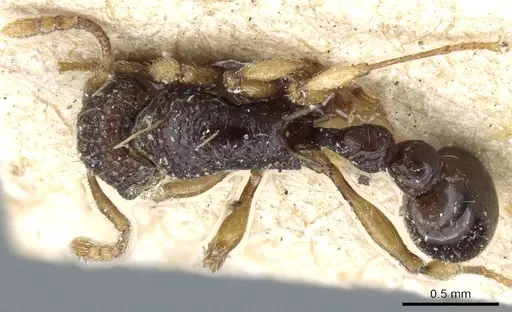
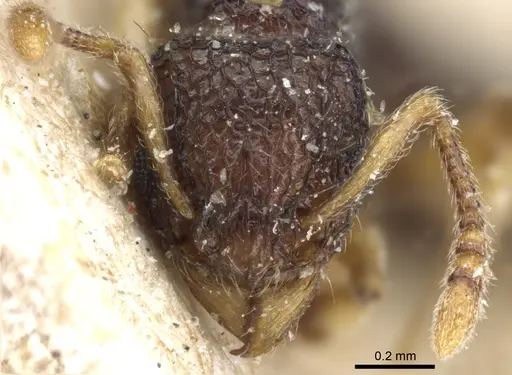
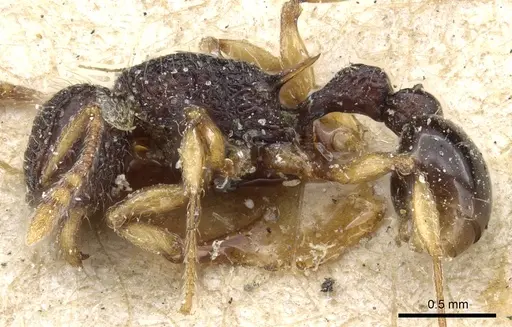
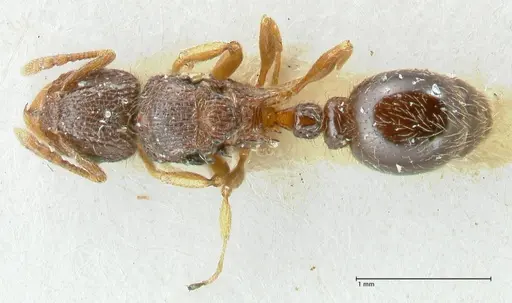
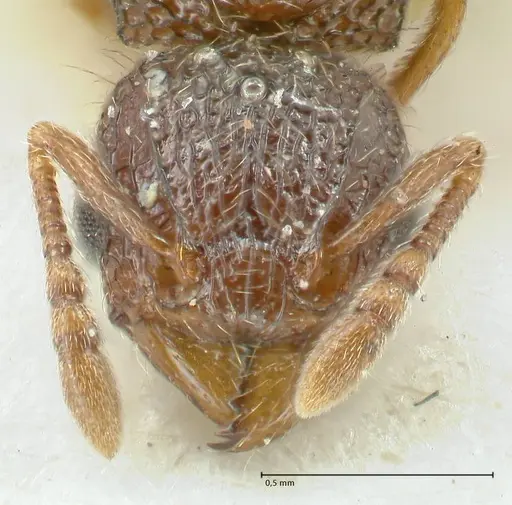
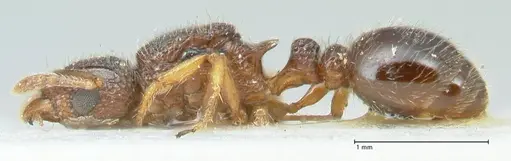
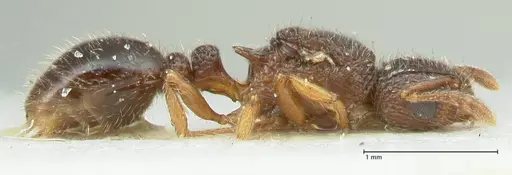
Tetramorium flavipes is a small, dark ant species native to Southeast Asia, measuring 3.2-3.6mm in worker size. Workers are black to blackish-brown with distinctive pale yellow legs, giving them their scientific name which means 'yellow feet'. They have elongated propodeal spines and a slightly raised petiole node, with coarse sculpturing on the head and body. This species belongs to the Tetramorium tortuosum group and is very closely related to T. eleates from Borneo and the Philippines, some researchers believe they may represent the same species with geographic variation [1].
These ants inhabit leaf litter and soil in tropical forests across Thailand, Laos, Vietnam, and southern China. They nest under logs, in rotting wood, and even inside termite mounds [2][3]. They are most abundant in limestone forests but also occur in primary and secondary rainforests, though they avoid cleared agricultural areas like rubber plantations [4]. This preference for forest floor microhabitats means they thrive in humid, shaded conditions with plenty of organic matter.
Quick Summary
- Difficulty: Medium
- Origin & Habitat: Southeast Asia, Thailand (type locality), Laos, Vietnam, and southern China (Yunnan province). Found in leaf litter, under logs, in rotting wood, and termite mounds in primary and secondary forests at 552-820m elevation [1][2][3].
- Colony Type: Likely monogyne (single queen colony) based on typical Tetramorium patterns. Colony size appears moderate, likely several hundred workers at maturity based on related species.
- Size & Growth:
- Queen:{.size-link} Undescribed in scientific literature, estimated 6-8mm based on genus patterns
- Worker:{.size-link} 3.2-3.6mm
- Colony: Likely several hundred workers based on similar Tetramorium species
- Growth: Moderate, estimated 6-10 weeks from egg to first worker at tropical temperatures
- Development: 6-10 weeks (estimated based on related Tetramorium species) (Development time estimated from genus-level data, specific timing for this species has not been studied)
- Antkeeping:
- Temperature: Keep at 24-28°C, these are tropical forest ants that prefer warm, stable conditions. A gentle gradient allowing cooler areas around 22°C is beneficial.
- Humidity: High humidity is essential, they naturally live in damp forest floor litter. Keep the nest substrate consistently moist but not waterlogged. Mist occasionally and provide a water tube.
- Diapause: No diapause required, this is a tropical species from consistent climates. They remain active year-round.
- Nesting: Naturalistic setups work best, a mix of soil and rotting wood, or a Y-tong/plaster nest with moisture chambers. They prefer tight, humid chambers similar to their natural leaf litter habitat.
- Behavior: Workers are active foragers that search for small prey and honeydew. They are not particularly aggressive but will defend their nest. Their small size (under 4mm) makes them excellent escape artists, fine mesh barriers are essential. They tend to be secretive, staying within the nest and foraging in covered areas.
- Common Issues: escape prevention is critical, their tiny size means they squeeze through standard gaps easily, high humidity requirements can lead to mold if ventilation is poor, slow founding phase, queens may take months to raise first workers, testing keeper patience, wild-caught colonies may carry parasites that can devastate captive populations, sensitive to drying out, substrate must remain consistently moist
Housing and Nest Setup
For Tetramorium flavipes, a naturalistic setup mimicking their forest floor habitat works best. Use a mixture of moist soil and small pieces of rotting wood or leaf litter, this provides the humid, structured environment they naturally inhabit. Alternatively, a Y-tong (acrylic) or plaster nest with small chambers and a moisture reservoir works well. The key is maintaining high humidity while preventing stagnation. These ants prefer tight, enclosed spaces rather than open areas. A test tube setup can work for founding colonies if kept humid, but expect to move them to a more elaborate setup once the colony reaches 20-30 workers. Always use fine mesh on any openings, their tiny size makes them exceptional escape artists. [2][3]
Feeding and Diet
In the wild, Tetramorium flavipes forages for small insects, honeydew from aphids, and other sugary liquids. In captivity, offer a varied diet: small live prey like fruit flies, pinhead crickets, or mealworms (cut to appropriate size), sugar water or honey diluted with water, and occasional protein-rich foods. Feed small amounts 2-3 times per week, removing uneaten prey after 24 hours. Sugar sources should be available constantly, a cotton ball soaked in diluted honey or sugar water works well. Since they are small ants, food items should be appropriately sized. Observe your colony's preferences, some colonies readily accept certain foods while ignoring others.
Temperature and Seasonal Care
As a tropical species from Southeast Asian forests, Tetramorium flavipes requires warm conditions year-round. Keep the nest area at 24-28°C, with a slight gradient allowing workers to choose their preferred temperature. A heating cable or mat on one side of the nest can help maintain warmth, but avoid direct heat that could dry out the substrate. Room temperature in a typical home (around 22-24°C) may be acceptable, but colonies will be more active and grow faster with additional warmth. No hibernation or diapause is needed, these ants come from consistent tropical climates and remain active throughout the year. Monitor for signs of stress: workers clustering near moisture but avoiding heated areas suggests the nest is too warm, while lethargic behavior may indicate temperatures are too low. [1][4]
Colony Founding and Growth
Queen founding follows the typical claustral pattern for Tetramorium, after mating, the queen seals herself in a small chamber and raises her first brood without leaving to forage. She lives entirely on her stored fat reserves while caring for the larvae. The founding phase can take 4-8 weeks or longer before the first workers (nanitics) emerge. These initial workers are typically smaller than mature workers but will begin foraging to support the growing colony. Growth rate is moderate, expect several months to reach 50 workers, and a year or more to reach several hundred. Patience is essential during the founding phase. Disturb the queen as little as possible during this time. Once the colony establishes, growth becomes more consistent as more workers can forage and care for brood.
Behavior and Observation
Tetramorium flavipes workers are active foragers that establish defined trails when searching for food. They are not particularly aggressive toward humans and rarely sting, their small size means even a sting would be mild. However, they will vigorously defend the nest if threatened. Workers communicate through chemical signals and often recruit nestmates to food discoveries through tandem running. Their small size and preference for hidden spaces can make them less visible than larger ant species, but observing their foraging behavior and colony organization is rewarding. They are most active during warmer parts of the day. A well-designed outworld with hiding spots and visual barriers can encourage more visible activity.
Frequently Asked Questions
How long does it take for Tetramorium flavipes to raise first workers?
The first workers typically emerge 6-10 weeks after the queen lays her first eggs, assuming optimal temperatures around 26-28°C. This is the claustral founding phase where the queen seals herself in and raises brood without foraging. Some colonies may take longer, up to 3-4 months, especially if temperatures are on the cooler side. Patience is essential during this phase.
Can I keep Tetramorium flavipes in a test tube?
Yes, test tubes work well for founding colonies. Keep the cotton ball reservoir filled and maintain high humidity around the tube. However, be prepared to move the colony to a larger setup ( naturalistic or formicarium) once population reaches 30-50 workers, as they need more space and varied microclimates.
Do Tetramorium flavipes ants sting?
They have the ability to sting but rarely do so. Their small size means any sting would be very mild, comparable to a minor mosquito bite at worst. These ants are not considered dangerous to humans and are suitable for keepers who want to observe interesting behavior without significant sting risk.
What temperature do Tetramorium flavipes need?
Keep them at 24-28°C for optimal growth and activity. A slight temperature gradient (22-28°C across the nest) allows workers to self-regulate. Avoid temperatures below 20°C for extended periods. Room temperature may suffice, but supplemental warmth speeds growth and increases activity.
Are Tetramorium flavipes good for beginners?
They are rated as medium difficulty. They require high humidity and warm temperatures, which can be challenging to maintain consistently. Their small size also demands excellent escape prevention. However, they are not aggressive and don't require special handling. Beginners should be prepared for the slow founding phase and the need for careful humidity control.
How big do Tetramorium flavipes colonies get?
Based on related species, colonies likely reach several hundred workers at maturity. The exact maximum is unknown but probably in the 300-500 worker range. Growth is moderate, expect 6-12 months to reach 50 workers, and 2-3 years to reach full size.
Do Tetramorium flavipes need hibernation?
No, they are tropical ants from consistent climates and do not require hibernation or diapause. Keep them warm and active year-round. Attempting to cool them for winter can stress or kill the colony.
Why are my Tetramorium flavipes escaping?
Their tiny size (under 4mm) makes them exceptional escape artists. Standard formicarium lids and barriers often have gaps too large. Use fine mesh (at least 0.5mm), apply fluon or barrier tape to all rim edges, and check for any cracks or gaps in your setup. Even small gaps that seem insignificant can allow escape.
What do Tetramorium flavipes eat?
They accept small live prey (fruit flies, pinhead crickets, small mealworms), sugar water or honey, and occasionally seeds or other organic matter. Offer a varied diet with protein sources 2-3 times weekly and constant access to sugar. Remove uneaten prey after 24 hours to prevent mold.
When should I move Tetramorium flavipes to a formicarium?
Move them when the test tube becomes crowded (30-50 workers) or the water reservoir runs low frequently. A naturalistic setup with soil and hiding spots is ideal, or a Y-tong/plaster nest with moisture chambers. Ensure the new setup maintains the high humidity they need.
Report an Issue
The current care sheet is based fully on literature. See inconsistencies, or something that's incorrect? Please , it will be resolved after review from an admin. Contributing to the blogs tab also helps providing information, to make us be able to further improve the caresheets. Thank you for your support!
References

This caresheet is licensed under CC BY-SA 4.0 .
Literature
Loading...Loading products...