

Tetramorium distinctum
- Scientific Name
- Tetramorium distinctum
- Tribe
- Crematogastrini
- Subfamily
- Myrmicinae
- Author
- Bolton, 1976
- Distribution
- Found in 2 countries
Tetramorium distinctum Overview
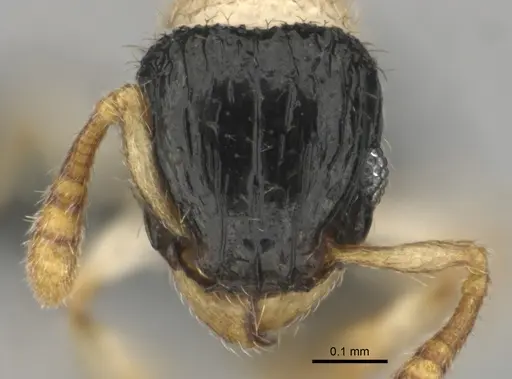
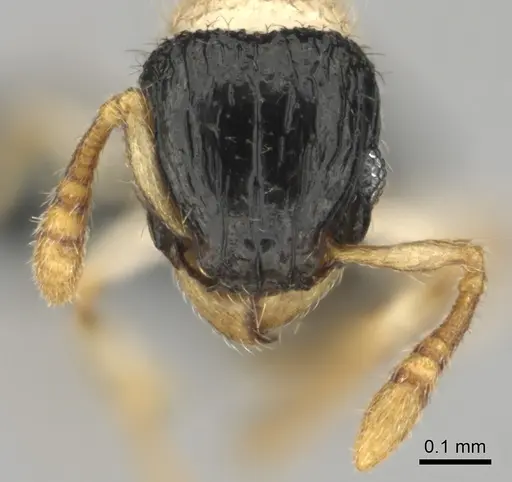
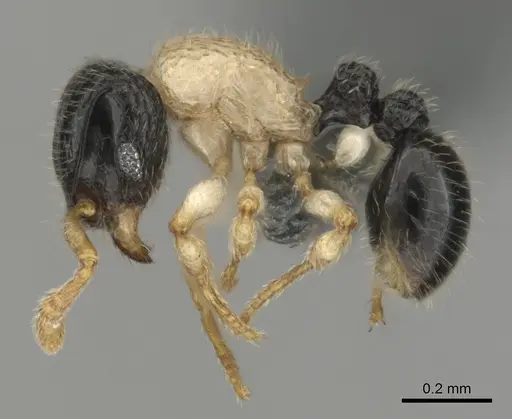
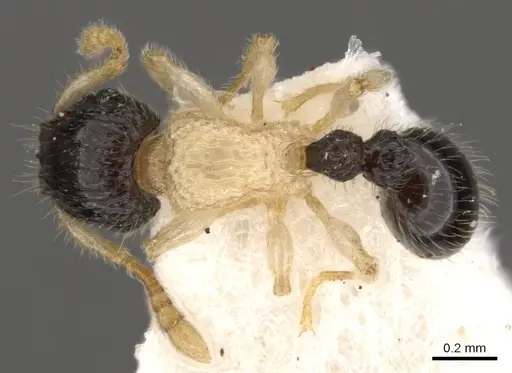
Tetramorium distinctum is an ant species of the genus Tetramorium. It is primarily documented in 2 countries , including Côte d'Ivoire, Ghana. Detailed taxonomic data and occurrence records can be further explored via authoritative databases such as AntWeb or the Global Biodiversity Information Facility (GBIF).
Tetramorium distinctum
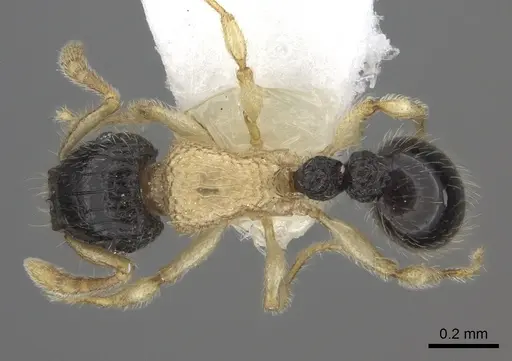
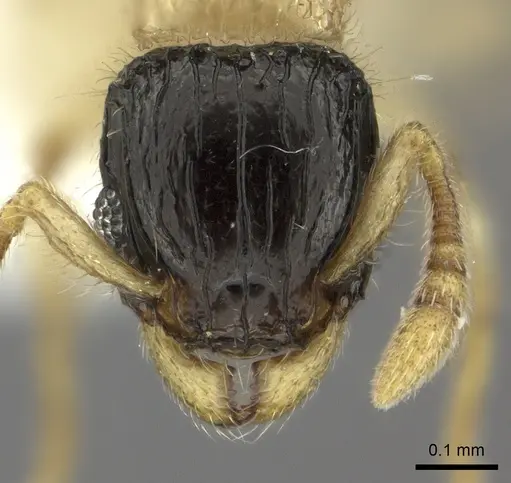
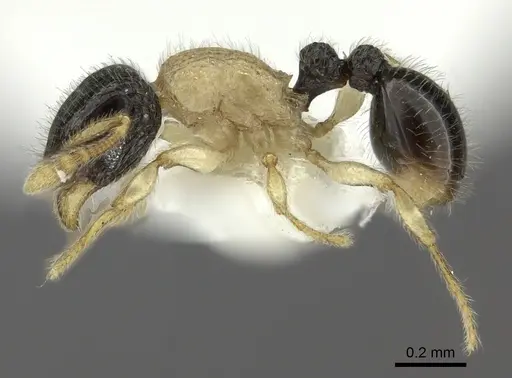
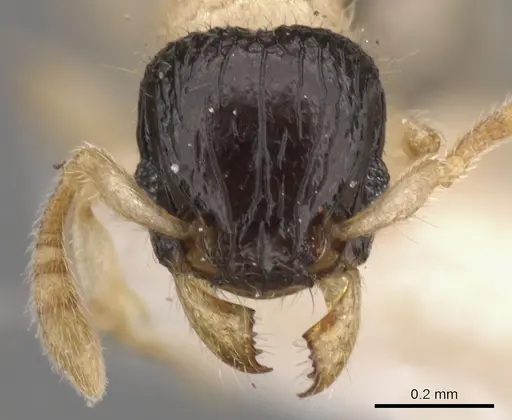
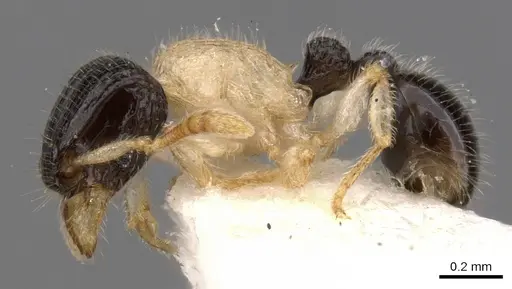
Tetramorium distinctum is a small ant species originally described from Ghana and now known to also occur in Ivory Coast, West Africa [1]. Workers are tiny ants measuring around 2-3mm, typical of the genus Tetramorium. The species was first described in 1976 as Tetramorium distinctum before being reclassified into Tetramorium in 1985 [1]. This ant inhabits leaf litter and ground environments in tropical West African forests, where it forages for small prey and honeydew [2]. The species has been documented in both Ghana and the Ivory Coast, particularly in forest margins and cocoa cultivation areas where it adapts to human-modified landscapes.
Quick Summary
- Difficulty: Unknown
- Origin & Habitat: West Africa, Ghana and Ivory Coast. Found in leaf litter in tropical forest environments and forest-savanna mosaics [1]. Documented in cocoa farms and forest margins in Côte d'Ivoire [2].
- Colony Type: Unconfirmed colony structure. Based on typical Tetramorium patterns, likely single-queen colonies [1].
- Size & Growth:
- Queen: Undocumented in primary literature, estimated 5-7mm based on genus patterns
- Worker: Approximately 2-3mm based on genus typical sizes [1]
- Colony: Unknown for this species, related Tetramorium species typically reach several hundred workers
- Growth: Unknown, estimated moderate based on genus patterns
- Development: Unknown, estimated 6-8 weeks based on similar tropical Tetramorium species (Development timeline not directly studied for this species)
- Antkeeping:
- Temperature: Estimated 24-28°C based on tropical West African origin. Provide a warm area around 26°C with a slight gradient.
- Humidity: Keep substrate moderately moist, these ants inhabit leaf litter in tropical forests where humidity is high. Allow some drying between waterings but don't let it completely dry out.
- Diapause: Unlikely, being a tropical species from West Africa, they probably do not require a true diapause. May show reduced activity during dry seasons.
- Nesting: Likely prefers naturalistic setups with soil or small chambers. In captivity, a small test tube setup or Y-tong nest with fine chambers would work. Provide leaf litter or small substrate pieces for them to forage through.
- Behavior: Behavior is not well documented for this species. Based on typical Tetramorium behavior, workers are likely active foragers that search for small insects and honeydew. They are probably relatively non-aggressive and not particularly defensive. Escape prevention should be moderate, their small size means they can slip through small gaps.
- Common Issues: no species-specific care information exists, keepers will need to experiment with conditions, tropical origin means they likely need warm, humid conditions year-round, small worker size requires fine mesh barriers to prevent escapes, lack of documented breeding in captivity means founding success is uncertain, limited availability in the antkeeping hobby
Natural History and Distribution
Tetramorium distinctum is native to West Africa, specifically found in Ghana and Ivory Coast. The species was originally described by Bolton in 1976 under the name Tetramorium distinctum, then reclassified to Tetramorium in 1985 [1]. It inhabits tropical forest environments and has been documented in various land use types including primary forests, forest margins, and cocoa cultivation areas. Research in Côte d'Ivoire has found these ants in both forested and agricultural landscapes, suggesting some tolerance for human-modified environments [2]. The species appears to be a leaf-litter dwelling ant, foraging in the upper soil layers and decaying material typical of tropical West African forests.
Housing and Nesting
In captivity, provide a small nest setup with chambers scaled to their tiny worker size of approximately 2-3mm. A Y-tong (AAC) nest with narrow passages or a small test tube setup works well for founding colonies. Since they are leaf-litter dwellers in the wild, adding small substrate pieces or leaf litter to the outworld gives them natural foraging opportunities. Keep the nest substrate moderately moist but not waterlogged. A small water tube attached to the test tube provides humidity. Foraging areas should be simple and easy to clean. [1]
Feeding and Diet
Like most Tetramorium species, these ants are likely omnivorous with a preference for small protein sources and sugar. Offer small live prey such as fruit flies, pinhead crickets, or small mealworms. They will likely accept sugar water or honey as an energy source. Feed small amounts of protein 2-3 times per week, removing any uneaten prey after 24 hours. Sugar sources can be provided continuously but changed regularly to prevent mold. [1]
Temperature and Seasonal Care
As a tropical species from West Africa, Tetramorium distinctum likely requires warm conditions year-round. Maintain temperatures around 24-28°C, with the nest area ideally at 26°C. A small heating cable on one side of the nest can create a gentle gradient if room temperature is lower. Unlike temperate species, they probably do not require a winter diapause. They may show reduced activity during particularly dry periods, so maintain humidity even if activity decreases. Avoid temperatures below 20°C for extended periods. [1]
Frequently Asked Questions
How long does it take for Tetramorium distinctum to produce first workers?
The exact timeline is unknown for this species. Based on similar tropical Tetramorium species, expect approximately 6-8 weeks from egg to first worker at optimal temperature around 26°C. Patience is key as this species may have slower development than more common hobby species.
Can I keep Tetramorium distinctum in a test tube?
Yes, a test tube setup works well for founding colonies. Use a small test tube with a water reservoir at one end and cotton stop at the other. The tube should be small enough that the queen can easily reach the water. Cover the tube with a dark cloth for the first few weeks until workers emerge.
Do Tetramorium distinctum ants sting?
Tetramorium ants have a small stinger but their sting is very mild and rarely felt by humans. These tiny ants are not considered dangerous and are unlikely to sting even when handled gently.
Are Tetramorium distinctum good for beginners?
This species is not recommended for beginners due to limited available care information. More common Tetramorium species like Tetramorium bicarinatum or Tetramorium caespitum are better choices for those new to antkeeping. If you do keep this species, be prepared to experiment with conditions and document your observations.
How big do Tetramorium distinctum colonies get?
Colony size is not documented for this species. Based on related Tetramorium species, colonies likely reach several hundred workers at maturity. Growth is probably moderate, taking several months to a year to reach significant numbers.
What temperature do Tetramorium distinctum ants need?
Keep them warm at 24-28°C, ideally around 26°C in the nest area. Being from tropical West Africa, they need consistently warm conditions. A small heating cable or mat can help maintain proper temperatures if your room is cooler.
Do Tetramorium distinctum need hibernation?
No, hibernation is not required. As a tropical species from Ghana and Ivory Coast, they do not experience cold winters that would trigger diapause. Keep them warm year-round without a winter cooling period.
Why is there so little information about this species?
Tetramorium distinctum is a rarely studied species with a limited distribution in West Africa. Most ant research focuses on more common species or those with economic importance. This species has only been documented in a few surveys in Ghana and Ivory Coast, and no detailed biological studies have been published.
References

This caresheet is licensed under CC BY-SA 4.0 .
Literature
Loading...Loading products...