

Tetramorium densopilosum
- Scientific Name
- Tetramorium densopilosum
- Tribe
- Crematogastrini
- Subfamily
- Myrmicinae
- Author
- Radchenko & Arakelian, 1990
- Distribution
- Found in 1 countries
Tetramorium densopilosum Overview
Tetramorium densopilosum is an ant species of the genus Tetramorium. It is primarily documented in 1 countries , including Armenia. Detailed taxonomic data and occurrence records can be further explored via authoritative databases such as AntWeb or the Global Biodiversity Information Facility (GBIF).
Tetramorium densopilosum
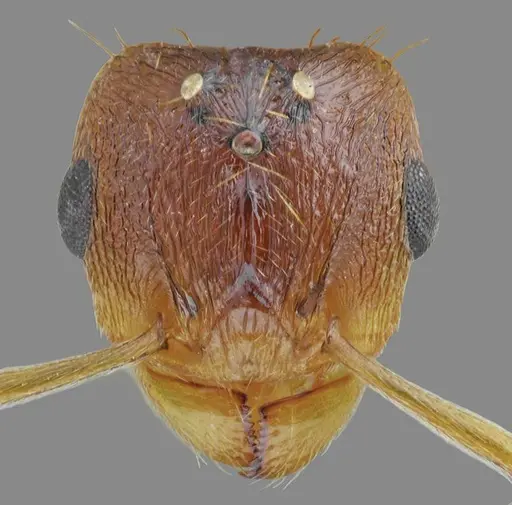
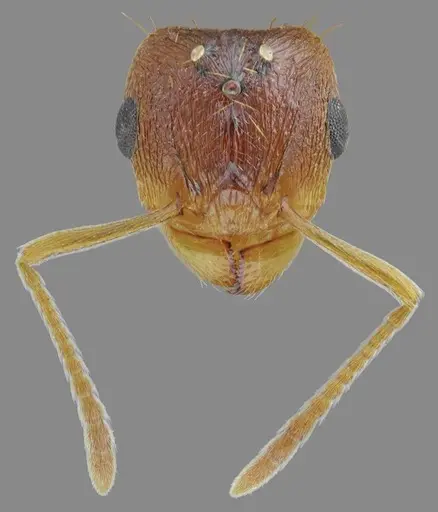
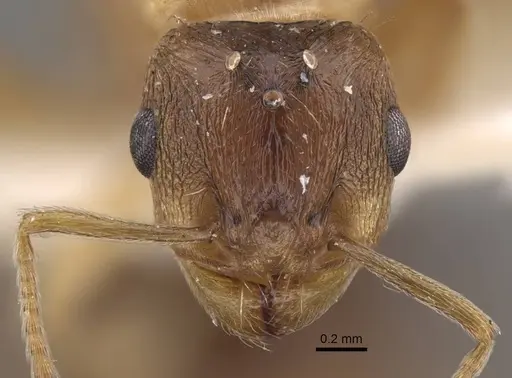
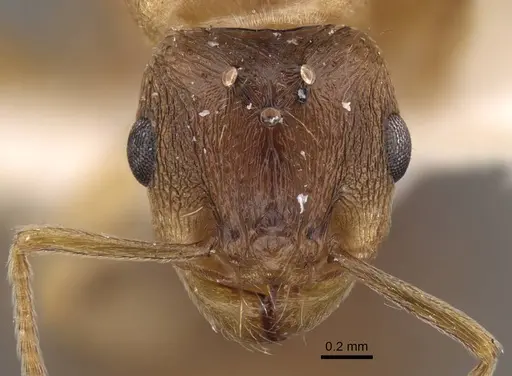
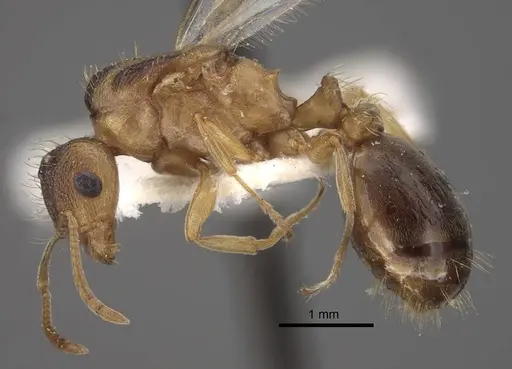
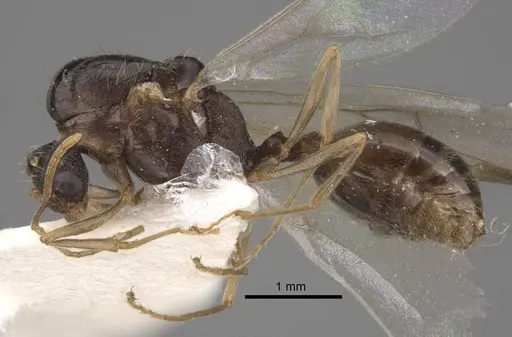
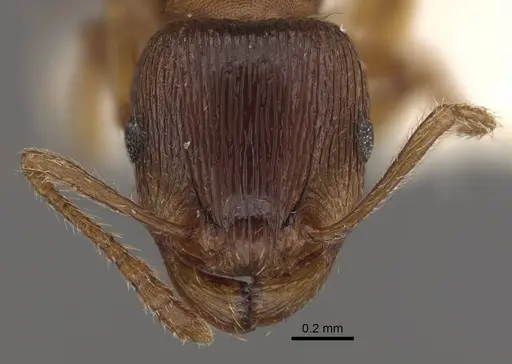
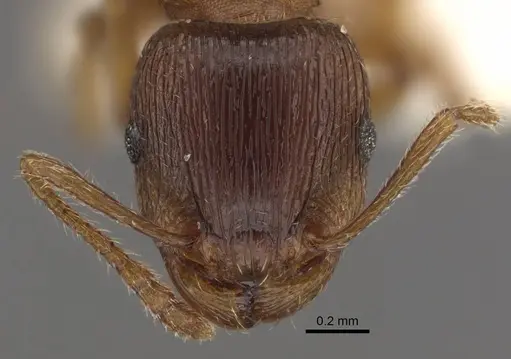
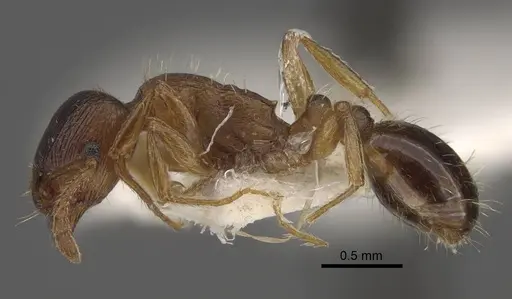
Tetramorium densopilosum is a small to medium-sized ant belonging to the Myrmicinae subfamily, part of the Tetramorium ferox species complex within the Tetramorium caespitum group [1]. Workers measure approximately 2.5-3.5mm in total length with a cephalic size of 763-878μm, while queens reach around 4-5mm with a cephalic size of 970-990μm [1]. The species is distinguished by its very dense pubescence on the first gastral tergite, which makes queens unique within this species complex [2]. Workers have a slightly trapezoidal head, a very high trapezoidal petiolar node, and a dull appearance due to the rugulose and microreticulate sculpture covering the head and mesosoma [3][4]. The body coloration ranges from light brown to brown in workers, with queens having a dark brown gaster contrasting against their lighter head and mesosoma [1][5].
This species is found across the Palaearctic region, specifically in Armenia, Georgia, eastern Turkey, and the southern European parts of Russia including the North Caucasus . Despite being formally described in 1990,there is no published information on the biology, colony structure, or captive care of this species. The closely related Tetramorium ferox and other members of this complex are known to nest in soil under stones in rocky, warm habitats, and likely share similar ecological requirements [1].
Quick Summary
- Difficulty: Medium
- Origin & Habitat: Palaearctic region, Armenia, Georgia, eastern Turkey, and southern Russia (European part, North Caucasus) . Inhabits rocky, warm habitats in mountainous regions, typically nesting under stones in steppe and forest-edge environments.
- Colony Type: Unconfirmed, colony structure (monogyne vs polygyne) has not been documented in scientific literature. Based on typical Tetramorium patterns, likely single-queen colonies.
- Size & Growth:
- Queen: 4-5mm (cephalic size CS 970-990μm) [5][6]
- Worker: 2.5-3.5mm (cephalic size CS 763-878μm) [1][2]
- Colony: Unknown, no colony size data published. Related species in the ferox complex typically form colonies of several hundred workers.
- Growth: Unknown, no development data available. Estimated moderate growth based on genus patterns.
- Development: Unknown, no direct measurements. Estimated 6-10 weeks at optimal temperature based on typical Tetramorium development patterns. (Development timeline is unconfirmed. Related Tetramorium species typically require 6-10 weeks from egg to worker at room temperature.)
- Antkeeping:
- Temperature: Keep at 20-24°C, these are warm-climate ants from the Palaearctic region. A gentle temperature gradient allows ants to regulate their exposure [7].
- Humidity: Moderate humidity around 50-60%. These ants prefer drier conditions compared to many Myrmicinae, matching their steppe and rocky habitat origins [7].
- Diapause: Likely required, temperate species from the Palaearctic region probably need a winter rest period of 2-3 months at 10-15°C. This is common for Tetramorium species in captivity.
- Nesting: Nests in soil under stones in nature. In captivity, a Y-tong (AAC) nest or plaster nest works well. Provide a dry to moderately humid nest chamber with access to an outworld for foraging.
- Behavior: Workers are moderately active and foragers. They are not particularly aggressive but will defend the nest if threatened. Based on related species, they likely forage for small insects and honeydew. Escape risk is moderate, these are small ants but not as tiny as some Myrmicinae, so standard escape prevention measures (Fluon on container edges) should suffice. They are ground-nesting and may be more active on the nest surface than some arboreal species.
- Common Issues: no published biology data makes captive care uncertain, keepers must rely on related species information, colony structure unconfirmed, may be difficult to establish wild-caught queens if founding behavior differs from typical Tetramorium, winter diapause requirements are estimated rather than confirmed, may require experimentation, slow colony growth is common for Tetramorium and may test keeper patience, escape prevention needed despite moderate size, small ants can still slip through gaps
Appearance and Identification
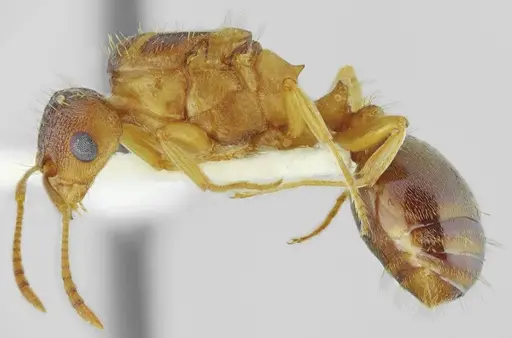
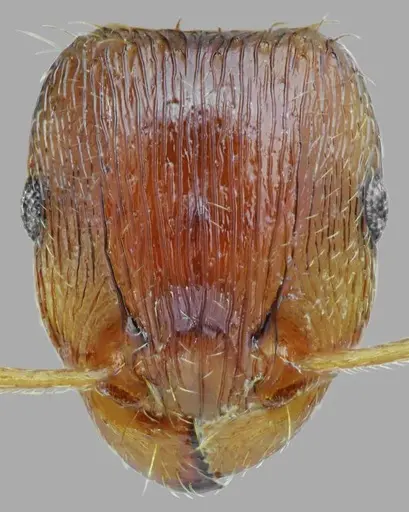
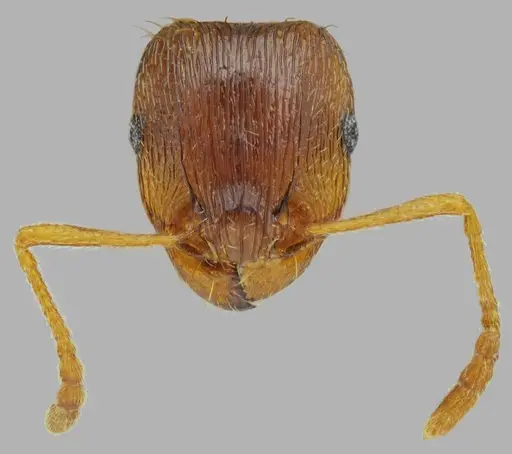
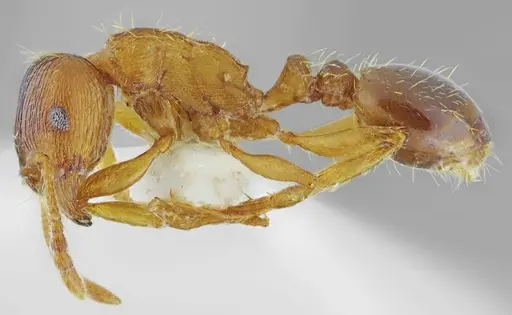
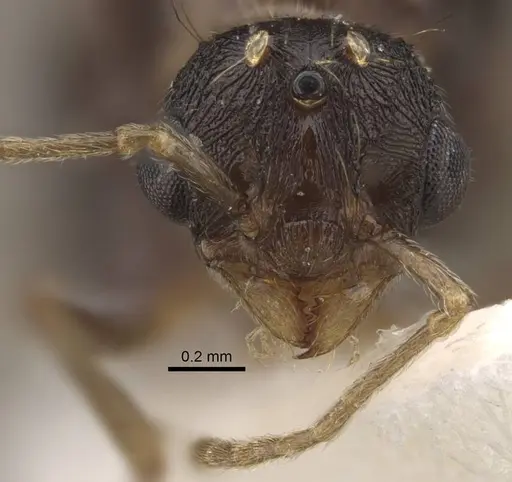
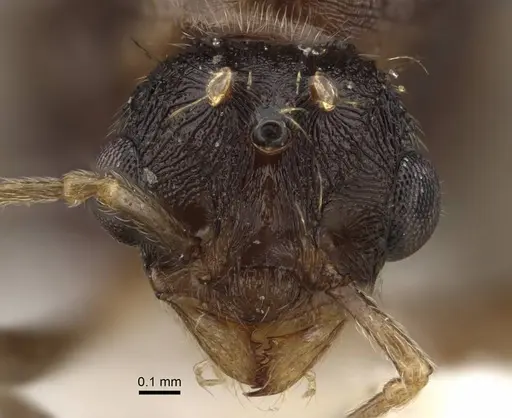
Tetramorium densopilosum workers are small ants measuring approximately 2.5-3.5mm in total length, with a cephalic size (CS) of 763-878μm [1]. The most distinctive feature is the dull, rugulose appearance of the head and mesosoma, which appears microreticulate under magnification [3]. The petiolar node is very high and trapezoidal when viewed from the side, with a slightly angulate anterodorsal margin [5][4]. The first gastral tergite is smooth and shiny, contrasting with the sculptured mesosoma .
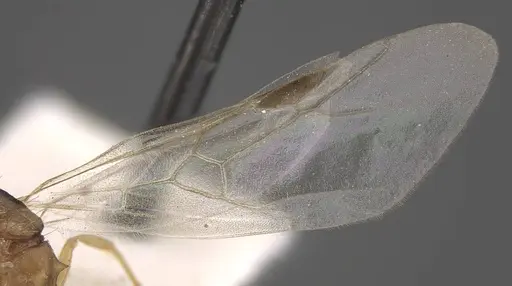
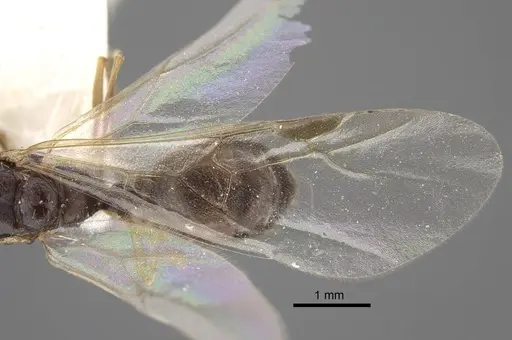
Queens are larger at 4-5mm total length with a cephalic size of 970-990μm [5]. They have a dark brown gaster that contrasts with their lighter brown head, mesosoma, and appendages [5]. The most diagnostic feature is the very dense pubescence covering the first gastral tergite, this makes T. densopilosum queens unique within the Tetramorium ferox species complex [2]. The head is trapezoidal, broader than long, and narrower than the scutum [6].
Separating workers from the closely related Tetramorium ferox is difficult but possible: T. densopilosum has a slightly more trapezoidal head, more developed frontal carinae, and longer, denser erect hairs on the mesosoma compared to T. ferox [4][8]. The petiolar node is angulate anterodorsally in T. densopilosum but rounded in T. ferox [4].
Natural Distribution and Habitat
Tetramorium densopilosum is found across the eastern Palaearctic region. The confirmed distribution includes Armenia (type locality), Georgia, eastern Turkey, and the southern parts of European Russia including the North Caucasus region . The species has been recorded in Georgia at locations including Ochamchire (Ochamchire district), Dranda, and near Novy Afon . In Turkey, specimens have been collected from Agri province at around 1600m elevation in steppe habitat [9].
The natural habitat consists of warm, rocky areas in mountainous regions. Like other members of the Tetramorium ferox complex, these ants typically nest in soil under stones in steppe environments and forest edges [1]. The preference for warmer, drier rocky habitats distinguishes them from some other Tetramorium species that prefer more shaded or moist microhabitats.
Temperature and Care
Since no specific care information exists for T. densopilosum, keepers should follow guidelines for the related Tetramorium ferox complex. These ants come from temperate to warm regions of the Palaearctic, so keeping them at room temperature (20-24°C) is appropriate [7]. A temperature gradient allowing workers to choose their preferred warmth is ideal, this can be achieved with a heating cable on one side of the nest.
As ground-nesting ants from relatively dry habitats, they likely prefer moderate humidity around 50-60% rather than the high humidity needed by tropical species. The nest substrate should be kept slightly moist but not waterlogged. Given their rocky, steppe habitat origin, these ants probably tolerate drier conditions better than most Myrmicinae.
Winter diapause is likely required, as the species originates from temperate regions with cold winters. A 2-3 month period at 10-15°C during winter months is recommended, similar to other Palaearctic Tetramorium species.
Feeding and Diet
The specific diet of T. densopilosum has not been documented, but like other members of the Tetramorium ferox complex, they are likely omnivorous generalists. In captivity, offer a varied diet including protein sources (small insects like fruit flies, pinhead crickets, or mealworms) and carbohydrates (sugar water, honey, or diluted honey water).
Based on typical Tetramorium behavior, workers will forage for small prey items and likely tend aphids for honeydew. Feed protein prey 2-3 times per week, and provide a constant source of sugar water. Remove uneaten prey after 24-48 hours to prevent mold. Given the small size of workers, prey items should be appropriately sized, very small insects or crushed prey items work well. [7]
Nesting Preferences
In nature, Tetramorium densopilosum nests in soil under stones, typical of the Tetramorium ferox species complex [1]. The rocky, steppe habitat suggests they prefer well-drained soils and may avoid overly moist microhabitats.
For captive housing, a Y-tong (AAC) nest or plaster nest works well for these ants. The nest chambers should be kept relatively dry to moderately humid, matching their natural preference for drier conditions. Provide an outworld (foraging area) connected to the nest where workers can search for food. As these are small ants, ensure escape prevention measures are in place, a barrier of Fluon on container edges helps prevent escapes.
Colony Establishment
Since no information exists on the founding behavior of T. densopilosum, keepers should assume typical Tetramorium claustral founding. The queen will seal herself in a small chamber and survive on stored fat reserves while raising the first brood. Queens should be kept in a dark, quiet location during founding, disturbance can cause abandonment.
The first workers (nanitics) will be smaller than mature workers and may take 6-10 weeks to emerge, based on typical Tetramorium development timelines. After the first workers eclose, the colony can be moved to a formicarium if it was started in a test tube. However, many keepers prefer to leave the colony in the founding setup until the colony reaches 20-30 workers to minimize stress.
Wild-caught colonies may be difficult to establish due to the lack of biological data. If collecting from the wild, ensure you have appropriate permits and only take surplus queens, never collect more than you need. [7]
Frequently Asked Questions
How long does it take for Tetramorium densopilosum to raise first workers?
The exact timeline is unknown as this species has not been studied in captivity. Based on typical Tetramorium development, expect 6-10 weeks from egg to first worker at room temperature (20-24°C). The first workers (nanitics) will be smaller than fully grown workers.
What do Tetramorium densopilosum ants eat?
They are omnivorous generalists. Feed small protein prey (fruit flies, small crickets, mealworms) 2-3 times per week and provide constant access to sugar water or honey. Remove uneaten prey after 24-48 hours to prevent mold.
Do Tetramorium densopilosum ants need hibernation?
Yes, a winter diapause is likely required. These are Palaearctic ants from temperate regions with cold winters. Provide 2-3 months at 10-15°C during winter months, reducing feeding but keeping the colony slightly moist.
Can I keep Tetramorium densopilosum in a test tube?
Yes, test tubes work well for founding colonies. Use a standard test tube setup with a water reservoir sealed with a cotton plug. Keep the tube in a dark, quiet location until the first workers emerge. Once the colony reaches 20-30 workers, you can move them to a formicarium if desired.
Are Tetramorium densopilosum good for beginners?
This species is rated as Medium difficulty primarily because no captive care information exists, keepers must rely on related species guidance. They are not difficult to keep but require some experience with ant husbandry. If you want an easier Tetramorium, consider T. caespitum or T. nigerricum which are better documented.
How big do Tetramorium densopilosum colonies get?
Colony size is not documented, but based on related species in the ferox complex, colonies likely reach several hundred workers. Growth is moderate, expect several months to reach 50+ workers and a year or more for a mature colony.
Do Tetramorium densopilosum ants sting?
Tetramorium ants have a functional stinger in the Myrmicinae subfamily. However, these ants are not particularly aggressive and their small size means any sting would be very mild. Most keepers report minimal defensive behavior.
When should I move my Tetramorium densopilosum colony to a formicarium?
Wait until the colony has 20-30 workers and the founding test tube is becoming crowded. Moving too early can stress the colony. Ensure the formicarium has appropriately sized chambers and passages for these small ants.
What temperature is best for Tetramorium densopilosum?
Keep nest areas at 20-24°C. A gentle temperature gradient allowing workers to choose their preferred warmth is ideal. Room temperature is often suitable. Avoid temperatures below 15°C except during hibernation.
Why is so little known about Tetramorium densopilosum care?
This species was only described in 1990 and has a limited distribution in the Caucasus and eastern Turkey region. There has been no published research on its biology or captive care. Keepers must rely on information from closely related species like T. ferox and general Tetramorium husbandry.
References

This caresheet is licensed under CC BY-SA 4.0 .
ANTWEB1008964
View on AntWeb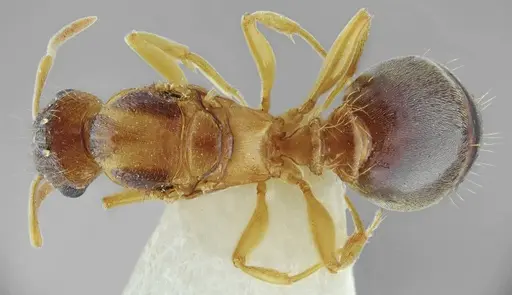
ANTWEB1008965
View on AntWeb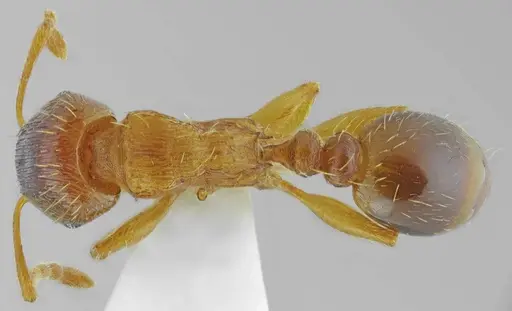
CASENT0917417
View on AntWeb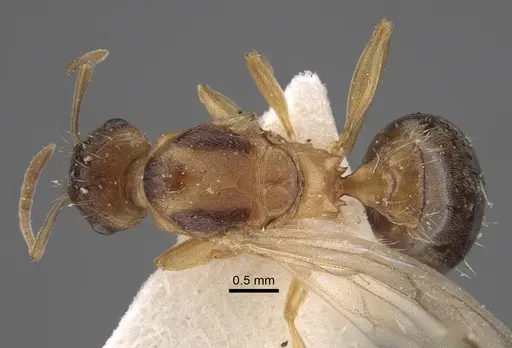
CASENT0917418
View on AntWeb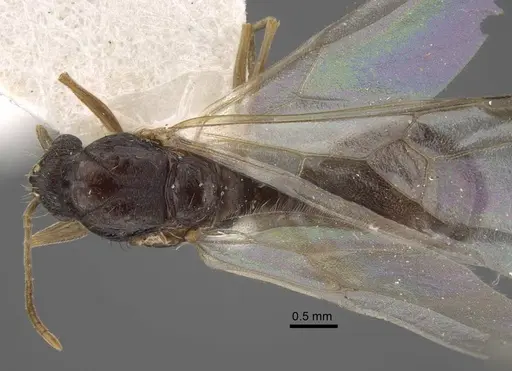
CASENT0917419
View on AntWeb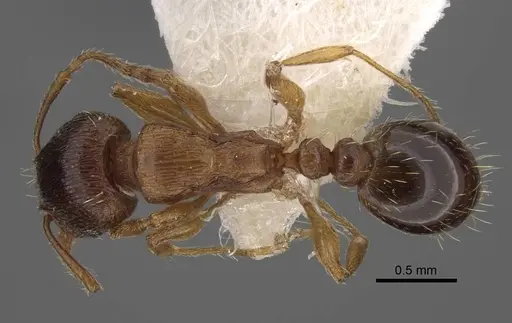
Literature
Loading...Loading products...