

Tetramorium calinum
- Scientific Name
- Tetramorium calinum
- Tribe
- Crematogastrini
- Subfamily
- Myrmicinae
- Author
- Bolton, 1980
- Distribution
- Found in 4 countries
Tetramorium calinum Overview
Tetramorium calinum is an ant species of the genus Tetramorium. It is primarily documented in 4 countries , including Côte d'Ivoire, Ghana, Guinea. Detailed taxonomic data and occurrence records can be further explored via authoritative databases such as AntWeb or the Global Biodiversity Information Facility (GBIF).
Tetramorium calinum
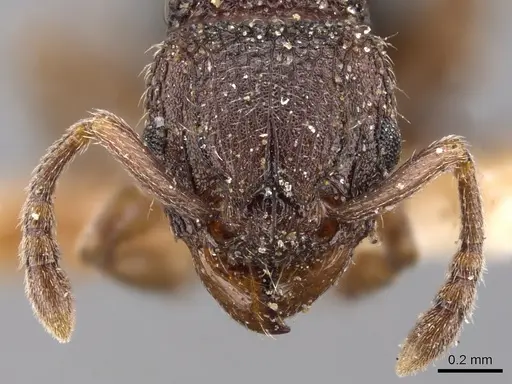
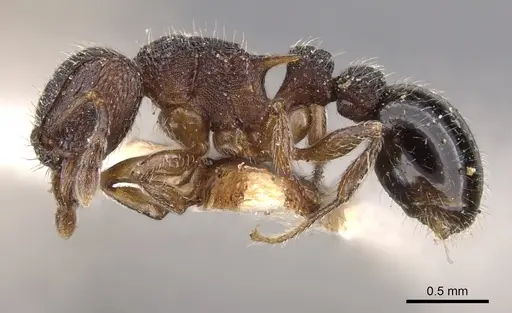
Tetramorium calinum is a tiny ant species native to West Africa, found in Ghana, Ivory Coast, and Nigeria. Workers measure just 3.5mm in total length, making them one of the smaller ant species you might encounter [1]. They have a distinctive appearance with a dark brown body and black gaster (the rear section), covered in a dense coarse texture of tiny pits and ridges that gives them a roughened look [1]. This species belongs to the Tetramorium angulinode species group and is closely related to Tetramorium legone, which nests in similar dry, open areas [1][2].
These ants are considered a tramp species, meaning they have adapted to dispersing through human activity and can establish in modified habitats [3]. In the wild, they nest in open places with dry sandy soils, this tells us they prefer drier conditions compared to many other ants. They have been found in urban areas and along roadsides, showing they can tolerate some human disturbance [3].
Quick Summary
- Difficulty: Easy
- Origin & Habitat: West Africa (Ghana, Ivory Coast, Nigeria), open places with dry sandy soils [1][2]
- Colony Type: Likely single-queen colonies based on typical Tetramorium patterns
- Colony: Monogyne
- Founding: Claustral
- Size & Growth:
- Queen: Unknown, no documented queen measurements, likely 5-7mm based on genus patterns
- Worker: 3.5mm total length [1]
- Colony: Unknown for this species, likely several hundred workers based on related Tetramorium species
- Growth: Moderate, based on typical Tetramorium development patterns
- Development: Estimated 6-8 weeks at optimal temperature based on genus-level Tetramorium data (Direct development data not available for this species, estimate based on related species in the genus)
- Antkeeping:
- Temperature: Keep around 22-26°C, they come from a warm tropical region but prefer dry conditions, so avoid excessive humidity
- Humidity: Low to moderate, they naturally nest in dry sandy soils, so keep substrate on the drier side with some moisture available
- Diapause: Unlikely, being a tropical West African species, they probably don't need a true hibernation period but may slow down slightly in cooler months
- Nesting: Best in dry, well-drained setups, Y-tong (AAC) or plaster nests work well, they prefer tight chambers scaled to their tiny 3.5mm workers
- Behavior: These are small, ground-dwelling ants that are generally peaceful and not aggressive toward keepers. They are active foragers and will search for small prey and sugar sources. Because of their tiny 3.5mm size, escape prevention is critical, they can squeeze through remarkably small gaps. They are listed as a tramp species, meaning they adapt well to various conditions and can disperse through human activity [3]. Myrmicinae ants have functional stingers, though these tiny ants would be unlikely to cause significant discomfort to humans.
- Common Issues: escape prevention is critical due to their tiny 3.5mm size, use fine mesh and tight-fitting barriers, dry conditions are important, too much humidity can cause problems since they naturally nest in sandy soils, small prey requirements, their tiny size means they need very small food items like fruit flies or pinhead crickets, limited information, this species has not been well-studied in captivity, so some care details are estimates based on genus patterns, they may be overlooked in mixed colonies due to their small size, monitor closely if housed with other ants
Housing and Nest Setup
For Tetramorium calinum, you'll want a setup that matches their natural dry, sandy habitat. These tiny ants (3.5mm workers) do well in Y-tong (AAC) nests or plaster formicariums that can be kept relatively dry. The chambers should be tight and scaled to their small size, avoid tall open spaces that these ground-dwelling ants won't use. A test tube setup works well for founding colonies, but be sure to provide a dry foraging area since they naturally nest in well-drained soils. Because of their tiny size, escape prevention must be excellent, use fine mesh on any openings and ensure lid seals are tight. A small outworld connected to the nest allows for feeding and gives the workers space to forage. [1][2]
Feeding and Diet
In the wild, Tetramorium species are generalist foragers that collect small insects and tend aphids for honeydew. For your colony, offer small protein sources like fruit flies, tiny crickets, or small mealworm pieces. They will also accept sugar water or honey as an energy source. Because the workers are only 3.5mm, prey items should be appropriately sized, what would be a normal mealworm for a larger ant is a feast for these tiny workers. Feed small amounts several times per week, removing any uneaten prey after 24 hours to prevent mold. Sugar should be available constantly in a small test tube or cotton ball. [2]
Temperature and Humidity
Keep your Tetramorium calinum colony at 22-26°C, which mimics their West African tropical environment. They can tolerate slightly warmer conditions but avoid temperatures above 30°C. The key difference from many other ants is humidity, these ants naturally nest in dry sandy soils, so keep the nest relatively dry. The substrate or nest material should be moist but not wet, with some dry areas available. Avoid the constantly damp conditions that work well for rainforest species. Room temperature within this range is usually sufficient, but a heating cable on one side of the nest can create a gentle gradient if your room runs cool. [1][2]
Colony Development
The founding queen will seal herself in a small chamber and raise her first workers alone, living off her stored fat reserves, this is typical claustral founding behavior for Tetramorium. The first workers (nanitics) will be tiny, even smaller than normal workers, but the colony should grow steadily after that. Based on related Tetramorium species, expect 6-8 weeks from egg to first worker at optimal temperature. Colony size likely reaches several hundred workers over time, though this species hasn't been well-documented in captivity. Growth is moderate, not the fastest but consistent with proper feeding. The queen can live for many years, and colonies can persist for a long time with good care. [1]
Behavior and Temperament
Tetramorium calinum workers are active and persistent foragers. They are not particularly aggressive and will typically flee rather than engage when disturbed. However, they have stingers (being in the subfamily Myrmicinae) and may use them if handled roughly or if the colony feels threatened. The sting would be very mild due to their tiny size. These ants are listed as a tramp species, meaning they are adaptable and can establish in various habitats, this also means they are resilient in captivity and tolerate some variation in care conditions. Their small size makes them excellent escape artists, so vigilance with escape prevention is essential. [3]
Frequently Asked Questions
How long does it take for Tetramorium calinum to get their first workers?
Based on typical Tetramorium development, expect 6-8 weeks from egg to first worker at optimal temperature (22-26°C). This is an estimate since this specific species hasn't been studied in captivity.
Can I keep Tetramorium calinum in a test tube setup?
Yes, test tubes work well for founding colonies. Keep the water reservoir moderate-sized and ensure the cotton is packed tight, these tiny ants can slip through small gaps. Move them to a proper nest (Y-tong or plaster) once the colony reaches 20-30 workers.
Do Tetramorium calinum ants sting?
Yes, being in the Myrmicinae subfamily, they have functional stingers. However, at only 3.5mm, their sting is extremely mild and unlikely to cause more than minor irritation to humans.
What temperature do Tetramorium calinum need?
Keep them at 22-26°C. They come from tropical West Africa and prefer warmth, but they also naturally live in dry sandy soils, so they don't need high humidity. Room temperature in this range is usually fine.
Are Tetramorium calinum good for beginners?
Yes, they are considered an easy species to keep. They are resilient, adaptable, and tolerate some variation in care. The main challenge is their tiny size requiring good escape prevention. Otherwise, they are straightforward to care for.
How big do Tetramorium calinum colonies get?
Colony size is not well-documented for this species, but based on related Tetramorium species, they likely reach several hundred workers. They are not among the largest ant species.
Do Tetramorium calinum need hibernation?
No, they likely don't need a true hibernation period. As a tropical West African species, they probably don't experience cold winters in their native habitat. They may slow down slightly in cooler months but won't enter full diapause.
What do Tetramorium calinum eat?
They are generalist feeders. Offer small protein sources like fruit flies, tiny crickets, or small mealworm pieces, and provide constant access to sugar sources like sugar water or honey. Their tiny 3.5mm workers need appropriately small prey items.
Why are my Tetramorium calinum escaping?
Their tiny 3.5mm size makes them excellent escape artists. Check all openings for tiny gaps, use fine mesh (at least 0.5mm or smaller), and ensure lid seals are tight. Even a small gap that seems insignificant to you is a wide highway for these ants.
Can I keep multiple Tetramorium calinum queens together?
This has not been documented for this species. Based on typical Tetramorium behavior, they likely form single-queen colonies. It is not recommended to combine unrelated queens as they would likely fight.
References

This caresheet is licensed under CC BY-SA 4.0 .
CASENT0901164
View on AntWeb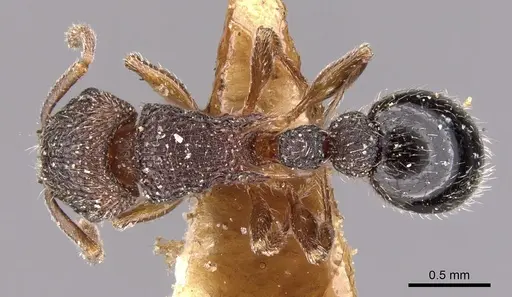
Literature
Loading...Loading products...