

Temnothorax silvestrii
- Scientific Name
- Temnothorax silvestrii
- Tribe
- Crematogastrini
- Subfamily
- Myrmicinae
- Author
- Santschi, 1911
- Distribution
- Found in 2 countries
Temnothorax silvestrii Overview
Temnothorax silvestrii is an ant species of the genus Temnothorax. It is primarily documented in 2 countries , including Mexico, United States of America. Detailed taxonomic data and occurrence records can be further explored via authoritative databases such as AntWeb or the Global Biodiversity Information Facility (GBIF).
Temnothorax silvestrii
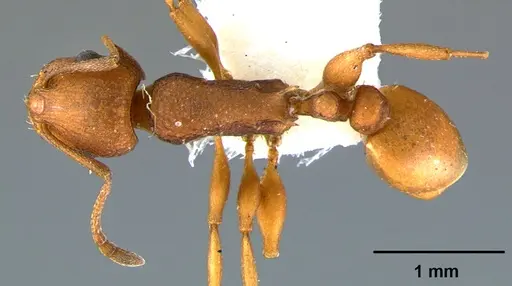
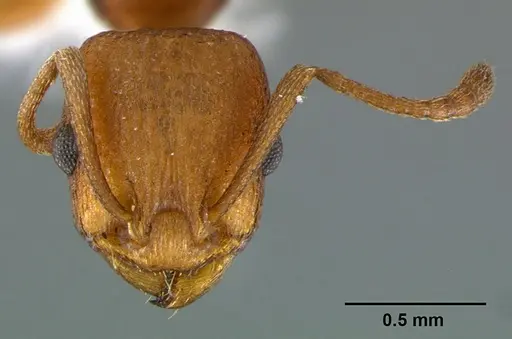
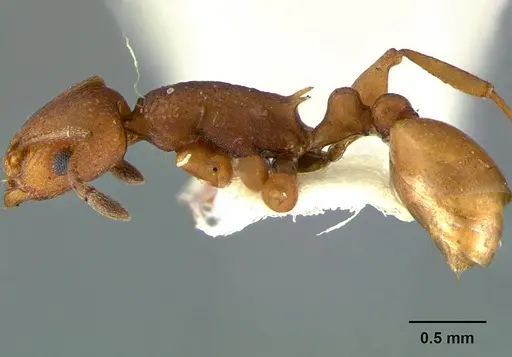
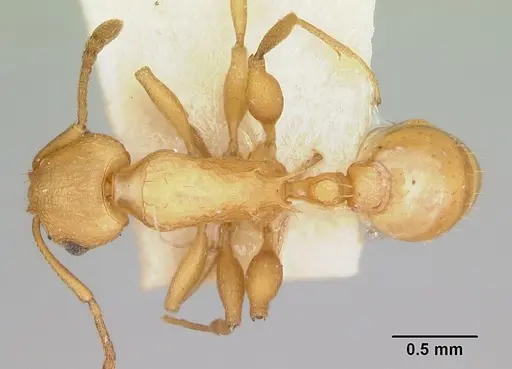
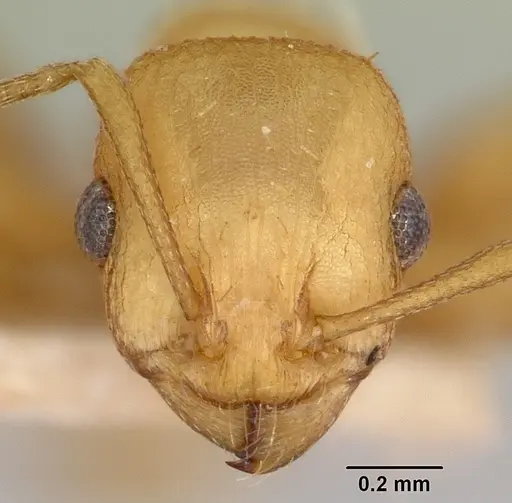
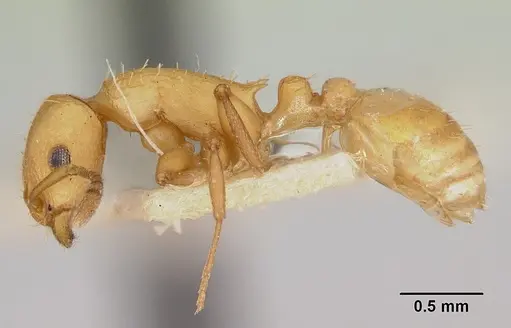
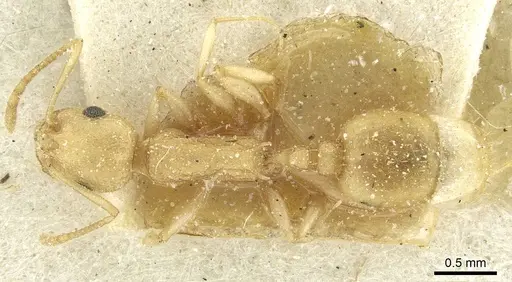
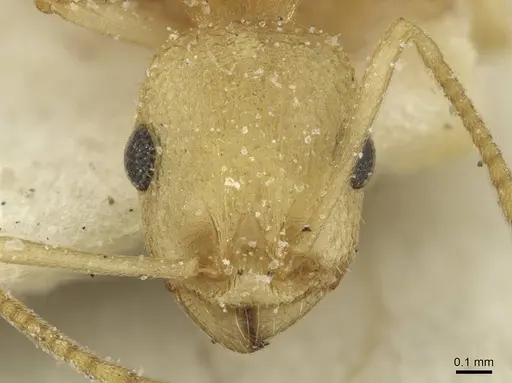
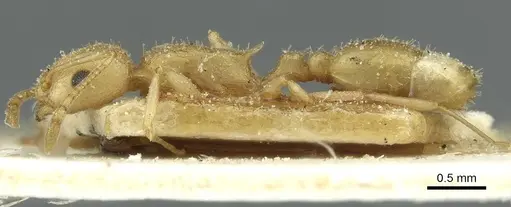
Temnothorax silvestrii is a small, yellow-brown arboreal ant native to the American Southwest and northern Mexico. Workers measure 3.2-3.4mm and feature a 12-segmented antenna, coarsely punctured head, and well-developed propodeal spines. These ants nest exclusively in evergreen oaks, particularly Quercus emory, choosing larger limbs rather than small twigs. Colonies remain small, typically containing 50-70 workers with a single queen. The species is only known from a few collections, making it a rare find in the antkeeping hobby [1].
This species is closely related to Temnothorax bradleyi and Temnothorax smithi, from which it can be distinguished by its rough sculpturing on the gaster and Arizona distribution. Found at elevations of 3,500 feet or higher in oak forests, these ants represent a specialized niche in the ant fauna of the Southwest [2].
Quick Summary
- Difficulty: Medium
- Origin & Habitat: Southern Arizona (United States) and northern Mexico (Sonora, Baja California Sur). Nests in evergreen oaks at altitudes of 3,500 ft or more in oak forest habitats [2][1].
- Colony Type: Single-queen colonies (monogyne) with 50-70 workers. Small colony size typical of the species [1].
- Colony: Monogyne
- Founding: Claustral
- Size & Growth:
- Queen: Approximately 5-6mm (estimated based on genus patterns, directly measured in Creighton 1953)
- Worker: 3.2-3.4mm [1]
- Colony: 50-70 workers [1]
- Growth: Moderate
- Development: 6-10 weeks (estimated based on typical Temnothorax development at warm temperatures) (Development time inferred from genus-level data for small Temnothorax species)
- Antkeeping:
- Temperature: Keep at 22-26°C. Based on Arizona/Mexico habitat, they prefer warm but not extreme conditions. A gentle gradient allows workers to self-regulate.
- Humidity: Moderate humidity (50-70%). Oak forest habitat suggests they tolerate some moisture but need good ventilation to prevent mold.
- Diapause: Yes, a brief winter rest period is recommended. Keep at 10-15°C for 2-3 months during winter, mimicking their natural elevation habitat.
- Nesting: Arboreal nester, in captivity they do well in Y-tong (AAC) nests or plaster nests with narrow chambers. Provide twigs or small wood pieces as enrichment. They prefer tight, enclosed spaces scaled to their tiny size.
- Behavior: Generally peaceful and non-aggressive. Workers are small and active, foraging for honeydew and small prey. They may show tandem-running recruitment to food sources, a common behavior in the genus. Escape risk is moderate due to their small size, use fine mesh barriers and tight-fitting lids. They are shy compared to more common ants and may retreat rather than engage in defensive behavior.
- Common Issues: small colony size means slow population growth, patience is required, escape prevention is important despite their small size, rare in the hobby, wild colonies are difficult to find, colonies may fail if kept too wet or in poorly ventilated nests, winter dormancy is required, skipping hibernation can weaken colonies over time
Housing and Nest Setup
Temnothorax silvestrii is an arboreal species that naturally nests in larger limbs of evergreen oaks. In captivity, Y-tong (AAC) nests work well because they provide the tight, enclosed chambers these ants prefer. Plaster nests are also suitable, especially if you add small twigs or wood pieces for enrichment. Avoid large, open spaces, these tiny ants feel safest in chambers scaled to their size. A small outworld connected to the nest allows foraging space. Since colonies stay small (under 100 workers), you don't need a massive setup. Use fine mesh on any openings, these ants can squeeze through surprisingly small gaps [1].
Feeding and Diet
Like most Temnothorax species, T. silvestrii is omnivorous. They naturally tend aphids and scale insects for honeydew, and forage for small insects and nectar. In captivity, offer sugar water or honey water as a constant energy source. For protein, provide small prey items like fruit flies, pinhead crickets, or mealworm pieces. Feed protein 2-3 times per week, and keep sugar available at all times. Remove uneaten prey after 24 hours to prevent mold. These small ants have modest appetites, a little goes a long way. Watch to see what sizes and types they prefer, and adjust accordingly. [1]
Temperature and Seasonal Care
Maintain temperatures between 22-26°C during the active season. This species comes from the Arizona/Mexico border region, so warmth is appreciated but extreme heat should be avoided. A heating cable on one side of the nest creates a temperature gradient so workers can choose their comfort zone. During winter (roughly November through February), reduce temperature to 10-15°C to allow a dormancy period. This hibernation mimics their natural conditions at higher elevations. Keep them in a cool basement or garage during this time. Do not feed during hibernation, but ensure the nest substrate remains slightly moist, never let it dry out completely. [2]
Colony Development
Colonies start with a claustral founding queen who seals herself in a chamber and raises the first workers (nanitics) entirely on her stored fat reserves. Once the first workers emerge (typically after 6-10 weeks at warm temperatures), the queen stops foraging and the workers take over all colony maintenance. Growth is slow compared to larger ant species, expect several months to reach 20-30 workers, and a mature colony of 50-70 workers may take a year or more. The small colony size is natural for this species, not a sign of poor care. Resist the urge to overfeed or disturb the nest frequently. Patience is key with these modest-sized colonies. [1]
Behavior and Observation
Temnothorax silvestrii workers are active and curious foragers. They may use tandem-running recruitment, where one worker leads others to food discoveries, this is fascinating to watch. Workers are not aggressive and will typically flee rather than engage threats. They are diurnal, becoming most active during daylight hours. Their small size makes them excellent subjects for observation, but their preference for dark, enclosed spaces means you may see more activity in the outworld than inside the nest. Provide a red film or dark cloth over the nest if you want to observe without disturbing them. [1]
Frequently Asked Questions
How long does it take for Temnothorax silvestrii to produce first workers?
Expect 6-10 weeks from egg to first worker at optimal temperatures (22-26°C). This is typical for small Temnothorax species. The queen is claustral, she seals herself in and raises the first brood alone without foraging.
How big do Temnothorax silvestrii colonies get?
Colonies remain small, typically reaching 50-70 workers at maturity. This is natural for the species, not a sign of problems. Wild colonies of this size are normal.
Do Temnothorax silvestrii ants sting?
Temnothorax ants have a stinger but are not aggressive and rarely sting. Their small size and peaceful temperament make them safe to handle. If threatened, they may flee rather than defend.
What temperature do Temnothorax silvestrii need?
Keep them at 22-26°C during the active season. They come from the Arizona/Mexico border region and appreciate warmth. A temperature gradient allows workers to self-regulate.
Do Temnothorax silvestrii need hibernation?
Yes, a winter dormancy period is recommended. Keep them at 10-15°C for 2-3 months during winter (roughly November-February). This mimics their natural habitat at higher elevations in oak forests.
Can I keep multiple Temnothorax silvestrii queens together?
No. This species is monogyne, colonies have a single queen. Combining unrelated queens is not recommended and would likely result in fighting.
What do Temnothorax silvestrii eat?
They are omnivorous. Offer sugar water or honey constantly, and protein (small insects like fruit flies, pinhead crickets) 2-3 times weekly. They also tend aphids for honeydew in nature.
Are Temnothorax silvestrii good for beginners?
They are intermediate difficulty. Their small size and escape risk require attention to housing, and their slow growth and need for winter dormancy require patience. They are rewarding to keep but not the easiest species for complete beginners.
When should I move Temnothorax silvestrii to a formicarium?
Wait until the colony has at least 20-30 workers. Test tube setups work well for founding colonies and small groups. Move them when the test tube becomes crowded or the water reservoir is depleted.
Why is my Temnothorax silvestrii colony not growing?
Growth is naturally slow, this species reaches only 50-70 workers at maturity. Ensure proper temperature (22-26°C), adequate protein feeding, and a proper hibernation period. Avoid disturbing the nest frequently.
References

This caresheet is licensed under CC BY-SA 4.0 .
Literature
Loading...Loading products...