

Temnothorax andrei
- Scientific Name
- Temnothorax andrei
- Tribe
- Crematogastrini
- Subfamily
- Myrmicinae
- Author
- Emery, 1895
- Distribution
- Found in 2 countries
Temnothorax andrei Overview
Temnothorax andrei is an ant species of the genus Temnothorax. It is primarily documented in 2 countries , including Mexico, United States of America. Detailed taxonomic data and occurrence records can be further explored via authoritative databases such as AntWeb or the Global Biodiversity Information Facility (GBIF).
Temnothorax andrei
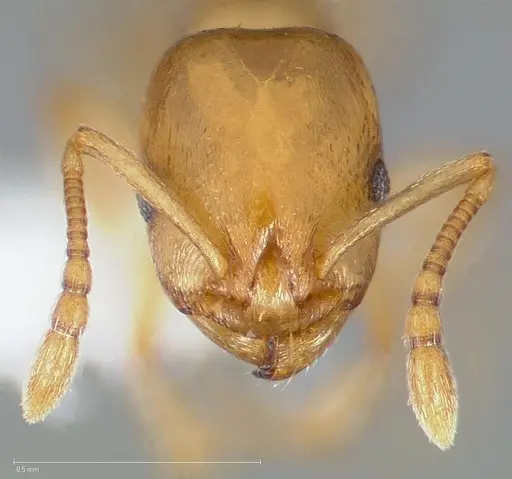
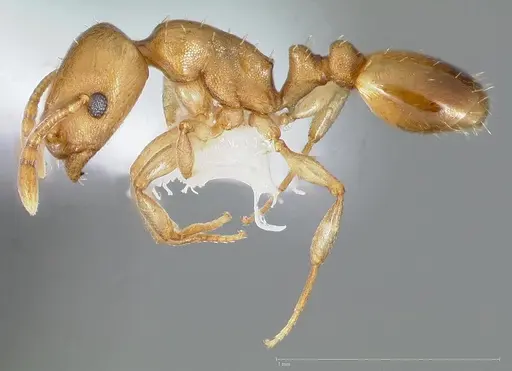
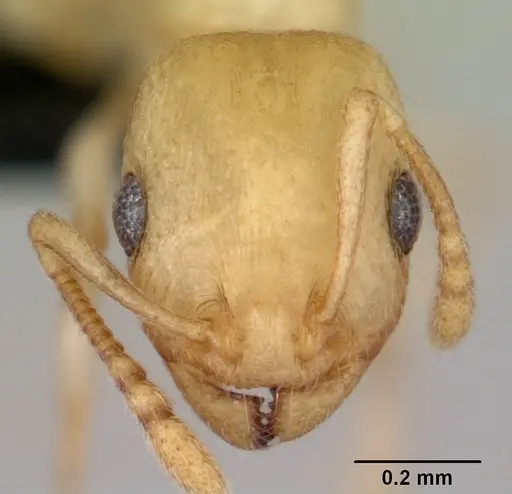
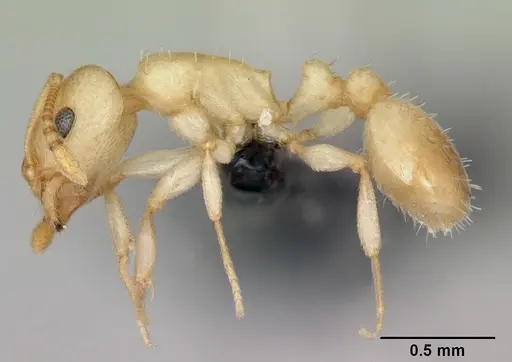
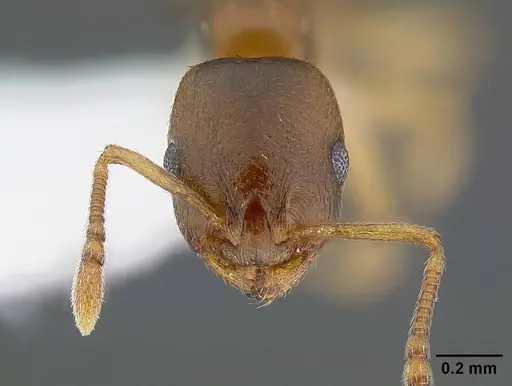
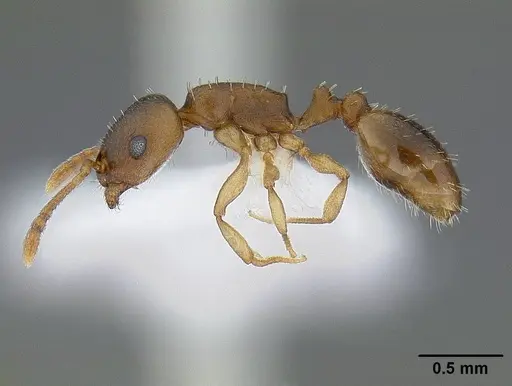
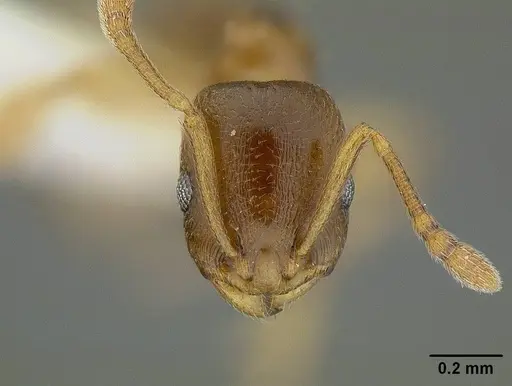
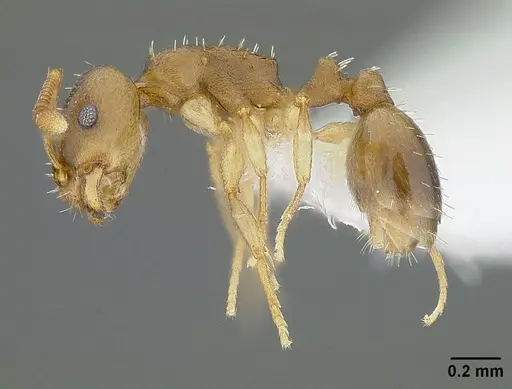
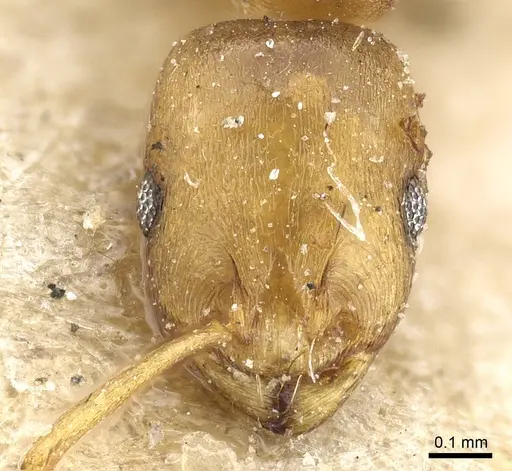
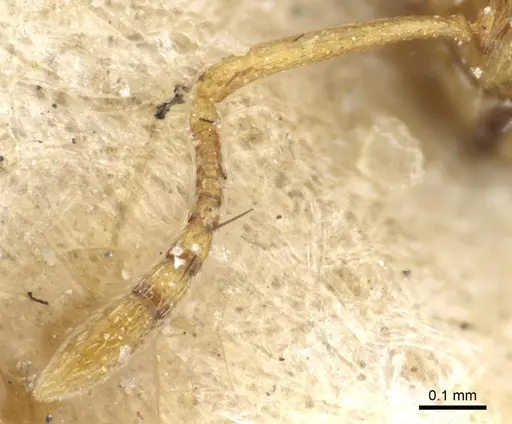
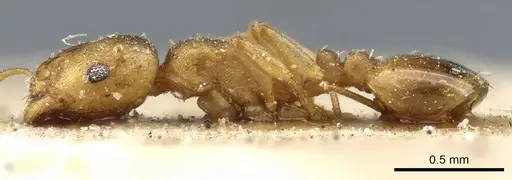
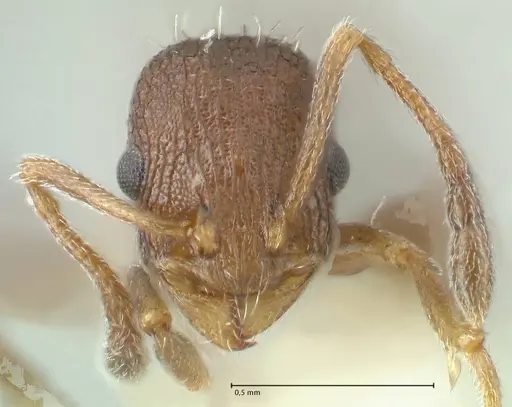
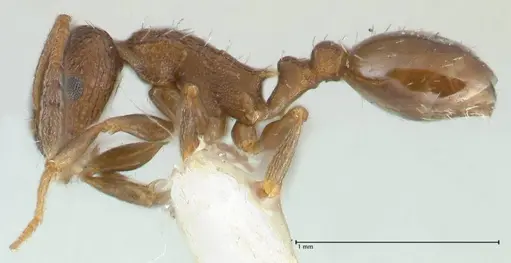
Temnothorax andrei is a small, light yellow to brown ant native to western North America, ranging from Washington down through California, Nevada, Arizona, New Mexico, and into Mexico's Baja California [1][2]. Workers are tiny at around 2-3mm, with a 12-segmented antenna and distinctive striated head sculpture [3]. This species belongs to the andrei-clade, which is exclusively western and southwestern North American [4]. They inhabit relatively dry environments including oak woodland, coniferous forest, pinyon-juniper, and cool desert areas [3][5]. Colonies are small, typically containing fewer than 100 workers, and nest under stones or in the interstitial spaces between rocks [3]. One of the most remarkable traits of this species is its ability to persist even when invasive Argentine ants have invaded, it's one of only two native ant species documented surviving after Argentine ant invasion in California [6][7].
Quick Summary
- Difficulty: Medium
- Origin & Habitat: Western North America, found in Washington, California, Nevada, Arizona, New Mexico (USA) and Baja California Norte (Mexico) [2][8]. Inhabits dry habitats including oak woodland, dry coniferous forest, laurel forest, pinyon-juniper woodland, and cool deserts [3][5]. Common at low to medium elevations from 0-1800m [1].
- Colony Type: Small colonies with typically fewer than 100 workers [3]. Polygynous colony structure has been documented in some populations, meaning multiple queens can coexist in a single colony [9]. Colonies are often found nesting under stones or in rock crevices.
- Colony: Optionally polygyne
- Founding: Claustral
- Size & Growth:
- Queen: Estimated 5-6mm based on genus typical sizes
- Worker: Approximately 2-3mm [3]
- Colony: Up to 100 workers [3]
- Growth: Slow to moderate, small colonies grow gradually
- Development: Estimated 6-10 weeks based on typical Temnothorax development (Development time is inferred from related Temnothorax species as specific timing has not been documented for T. andrei)
- Antkeeping:
- Temperature: Keep at room temperature around 18-24°C. This species is documented as a cold-climate specialist in some parts of its range [10], so avoid overheating. A temperature gradient allows workers to choose their preferred zone.
- Humidity: Prefers dry to moderate conditions, their natural habitats are relatively dry. Keep nest substrate lightly moist but allow it to dry out partially between waterings. Avoid overly damp conditions that would cause mold.
- Diapause: Yes, as a temperate species from higher elevations and latitudes, they need a winter rest period. Reduce temperature to around 10-15°C for 2-3 months during winter.
- Nesting: Use a naturalistic setup with flat stones or a Y-tong/plaster nest with narrow chambers. They naturally nest under stones or in rock crevices [3]. Tight chambers scaled to their tiny size work well.
- Behavior: These ants are relatively docile and not aggressive. Workers are small but active foragers. They are ground-dwelling and prefer to nest in tight spaces under stones or in rock gaps [11]. Their tiny size means escape prevention is critical, they can squeeze through small gaps. They are generalist foragers and can coexist with invasive species due to their small size and cryptobiotic nature [7].
- Common Issues: escape prevention is critical due to their very small size, use fine mesh and tight-fitting lids, small colony size means slow growth, don't expect rapid population increases, overheating can be fatal, keep away from direct heat sources, wild-caught colonies may have parasites that can cause colony failure, dry habitats mean they are sensitive to excess moisture, avoid waterlogging the nest
Housing and Nest Setup
Temnothorax andrei is a tiny ant that needs appropriately scaled housing. In the wild, they nest under stones or in the small gaps between rocks [3][5]. For captivity, a Y-tong (AAC) nest or plaster nest with narrow chambers works well. The chambers should be tight, these ants feel secure in snug spaces. A naturalistic setup with flat stones placed on moist substrate can also work, but you'll need excellent escape prevention since they can slip through the tiniest gaps. Test tube setups are suitable for founding colonies, but monitor water levels as these dry-habitat ants are sensitive to flooding. Whatever nest type you choose, ensure the outworld has good escape prevention, a barrier of fluon on the rim and fine mesh covering any ventilation holes.
Feeding and Diet
Temnothorax andrei is a generalist forager that will accept a variety of foods. Offer sugar water or honey as an energy source, and protein sources like small insects (fruit flies, small mealworms, pinhead crickets). In the wild, they forage for honeydew and small arthropods. Feed them small prey items that they can subdue, their tiny workers can't tackle large insects. A small drop of honey or sugar water should be offered 2-3 times per week, with protein prey once or twice weekly. Remove any uneaten prey after 24 hours to prevent mold. Because colonies stay small (under 100 workers), don't overfeed, excess food can mold and harm the colony. [7]
Temperature and Seasonal Care
This species is documented as a cold-climate specialist in parts of its range [10], so moderate temperatures are ideal. Keep the nest area at 18-24°C, room temperature is usually fine. Avoid placing nests near heat sources that could cause overheating. During winter, they need a diapause period. Reduce temperatures to 10-15°C for 2-3 months, mimicking natural seasonal cycles. You can accomplish this by moving the colony to a cooler location like a garage or basement (as long as it stays above freezing). Reduce feeding during this period. In summer, ensure the colony isn't exposed to direct sunlight or hot conditions. The elevation range of 0-1800m in California suggests they can handle a range of conditions but prefer cooler temperatures than many tropical ants.
Colony Structure and Multi-Queen Behavior
Temnothorax andrei has documented polygynous colony structure in some populations, meaning multiple queens can coexist in a single colony [9]. This is unusual among ants and means your colony might start with more than one queen if you acquire a wild colony. Colonies remain small, typically under 100 workers [3]. If you have a polygynous colony, the presence of multiple egg-laying queens can help the colony survive if one queen dies. However, this also means growth is spread among multiple reproductives rather than concentrated. When starting from a single founding queen, expect slow growth as she raises her first nanitic workers alone. The small colony size means you'll need patience, these aren't ants that will rapidly fill a large formicarium.
Dealing with Invasive Ants
One of the most interesting traits of Temnothorax andrei is its ability to persist even when invasive Argentine ants (Linepithema humile) have invaded an area. Studies show it's one of only two native ant species that remained after Argentine ant invasion in California [6][7]. This resilience comes from their small size and cryptobiotic (hidden) nature, they compete with the invasive species for less nesting space and food resources [7]. If you're keeping this species, this tells you they're adaptable and can handle some competition. However, in captivity, you should still keep them isolated from other ant species to prevent stress or predation on their small workers.
Unique Nesting Associations
In the wild, Temnothorax andrei sometimes exhibits plesiobiosis, a nesting association where two species nest in close proximity without direct interdependence. They've been found living alongside Camponotus yogi, using the same plant stems (chaparral, in living stems of Haplopappus pinifolius) [12]. They've also been documented living within Camponotus and Formica nests [3]. This flexibility in nesting associations suggests they're adaptable to different nest environments. In captivity, provide them with the tight, enclosed spaces they naturally prefer, under stones or in rock crevices. They don't require host colonies, but this information explains why they can sometimes be found in unusual nesting situations in the wild.
Frequently Asked Questions
How long does it take for Temnothorax andrei to raise their first workers?
Based on typical Temnothorax development patterns, expect around 6-10 weeks from egg to first worker. The exact timing hasn't been specifically documented for T. andrei, so this is an estimate based on related species. Founding queens seal themselves in and raise their first brood alone, so patience is needed during this founding phase.
Can I keep multiple queens together in one colony?
Yes, polygynous colony structure has been documented in some populations of this species [9]. However, if you're combining unrelated foundresses, do so with caution. If they haven't already established a hierarchy, they may fight. Starting with one queen is safest, but if you acquire a wild colony it may already contain multiple queens.
What size colony does Temnothorax andrei reach?
Colonies typically stay small, usually under 100 workers [3]. This is one of the smaller Temnothorax species, so don't expect large, impressive colonies. The small size is part of their charm and contributes to their ability to survive in competitive environments.
Do Temnothorax andrei ants sting?
As a member of the subfamily Myrmicinae, they do have a stinger, but due to their tiny size, the sting is barely noticeable to humans. These ants are not aggressive and would rarely sting. Their main defense is escaping into their nest rather than attacking.
Are Temnothorax andrei good for beginners?
They are rated as medium difficulty. They're small and delicate, requiring careful attention to escape prevention. Their small colony size means slower progress and less impressive displays than faster-growing species. However, they're resilient to some competitive pressures and don't have complex heating requirements. Beginners willing to be patient and attentive to escape prevention can succeed with them.
Do they need hibernation or diapause?
Yes, as a temperate species from higher elevations in western North America, they need a winter rest period. Reduce temperatures to 10-15°C for 2-3 months during winter. This can be achieved by moving them to a cooler location like a garage or basement. Reduce feeding during this period. This diapause helps maintain their natural rhythms and may improve colony health long-term.
What do Temnothorax andrei eat?
They're generalist foragers. Offer sugar sources like sugar water or honey, and protein like small insects (fruit flies, small mealworms, pinhead crickets). Feed small prey items appropriate to their tiny worker size. Remove uneaten food after 24 hours to prevent mold. A small drop of honey can be offered 2-3 times per week with protein prey once or twice weekly.
When should I move them to a formicarium?
Wait until the colony has at least 20-30 workers before moving from a test tube to a formicarium. Their small colony size means this may take a year or more. When you do move them, use a nest with appropriately scaled chambers, tight spaces work better than large open areas. A Y-tong or plaster nest with narrow chambers is ideal.
Why are my Temnothorax andrei dying?
Common causes include: excess moisture (they prefer dry conditions), overheating (keep below 24°C), escape due to inadequate barriers (they're tiny), mold from overfeeding or wet conditions, and stress from disturbance during founding. Check that your setup matches their dry habitat preferences and that escape prevention is adequate. Wild-caught colonies may also carry parasites that can cause issues.
References

This caresheet is licensed under CC BY-SA 4.0 .
CASENT0005683
View on AntWeb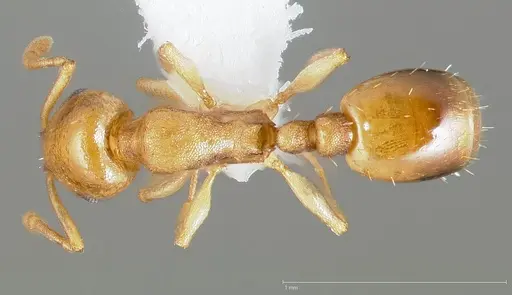
CASENT0009705
View on AntWeb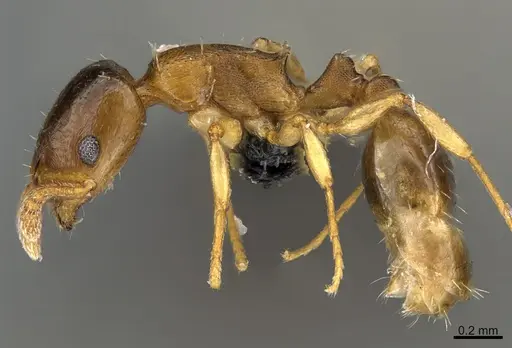
CASENT0102835
View on AntWeb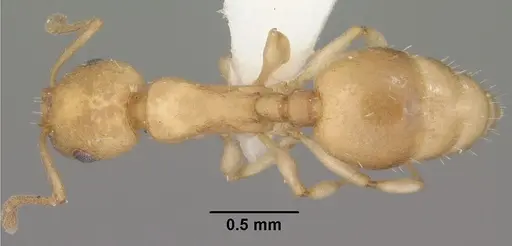
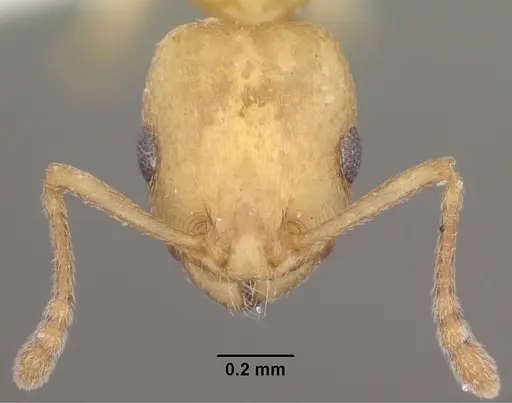
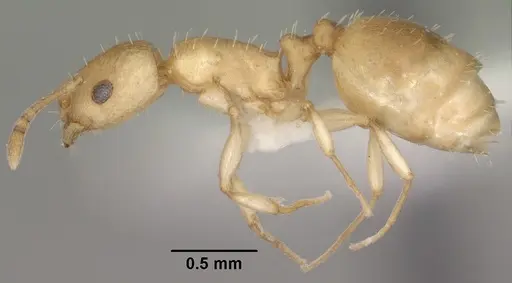
CASENT0118276
View on AntWeb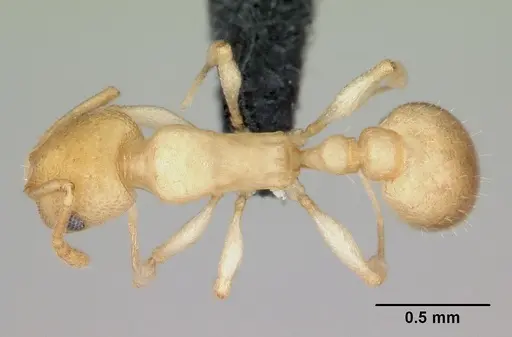
CASENT0221911
View on AntWeb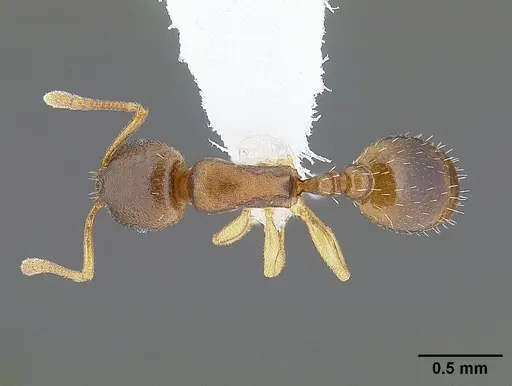
CASENT0732640
View on AntWeb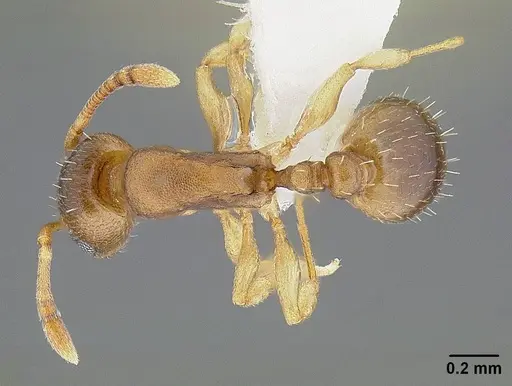
CASENT0904748
View on AntWeb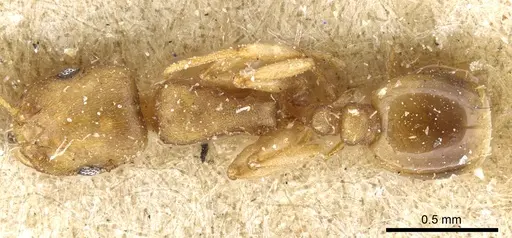
FOCOL1861
View on AntWeb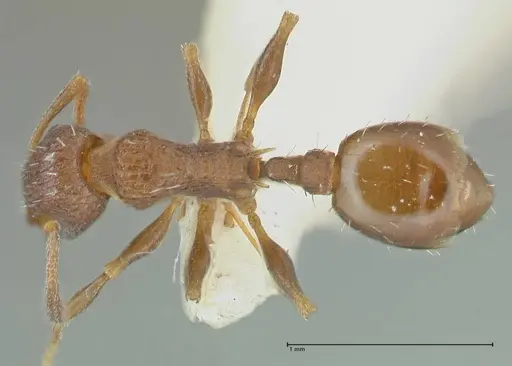
Literature
Loading...Loading products...