

Camponotus yogi
- Scientific Name
- Camponotus yogi
- Tribe
- Camponotini
- Subfamily
- Formicinae
- Author
- Wheeler, 1915
- Common Name
- Yogi Carpenter Ant
- Distribution
- Found in 2 countries
Camponotus yogi Overview
Camponotus yogi (commonly known as the Yogi Carpenter Ant) is an ant species of the genus Camponotus. It is primarily documented in 2 countries , including Mexico, United States of America. Detailed taxonomic data and occurrence records can be further explored via authoritative databases such as AntWeb or the Global Biodiversity Information Facility (GBIF).
Camponotus yogi - "Yogi Carpenter Ant"
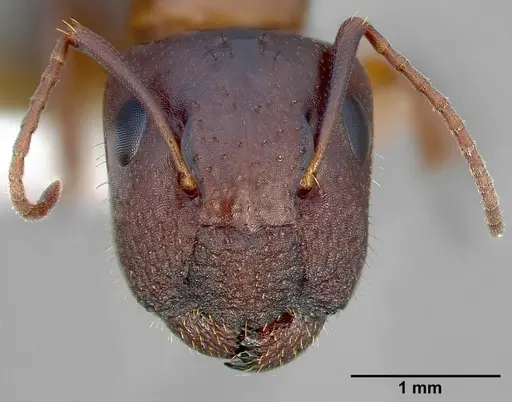
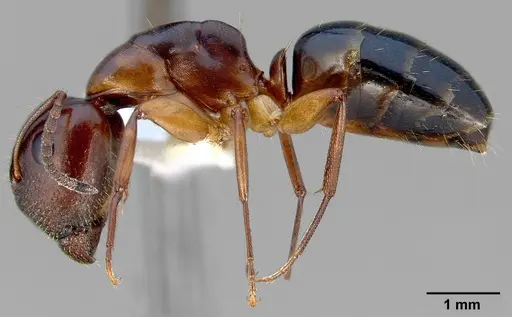
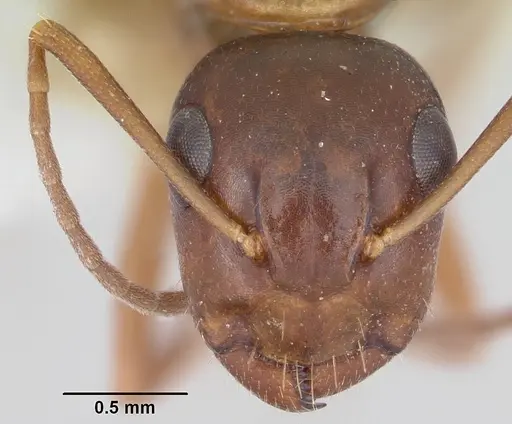
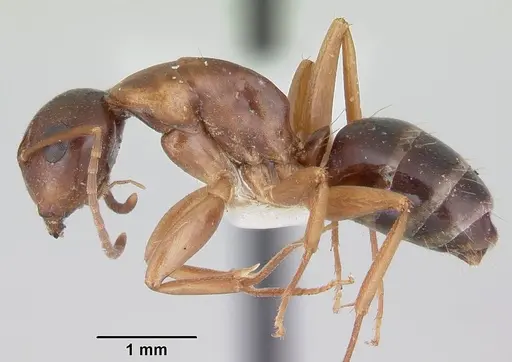
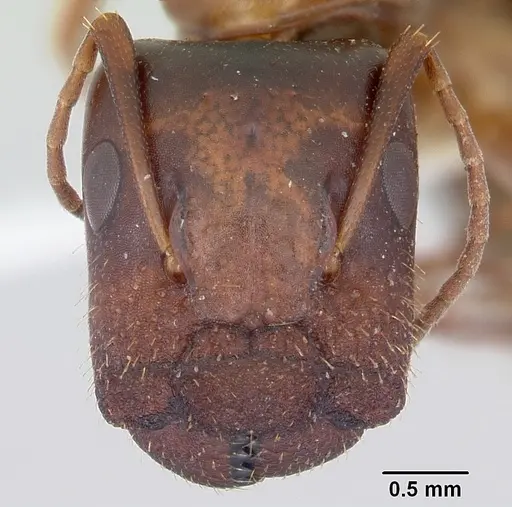
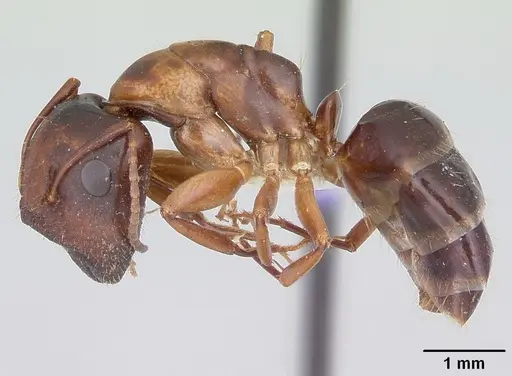
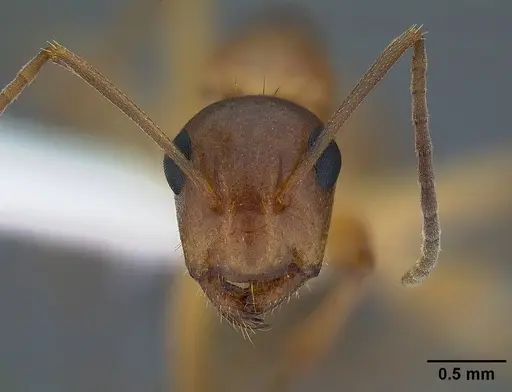
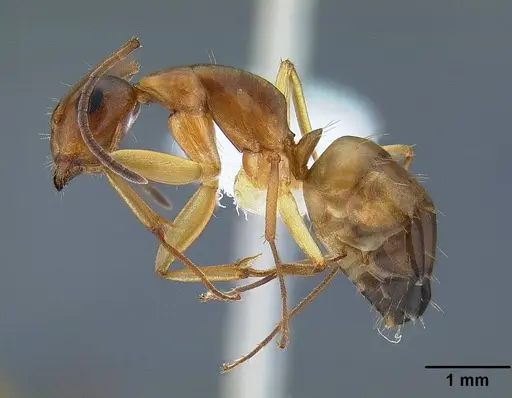
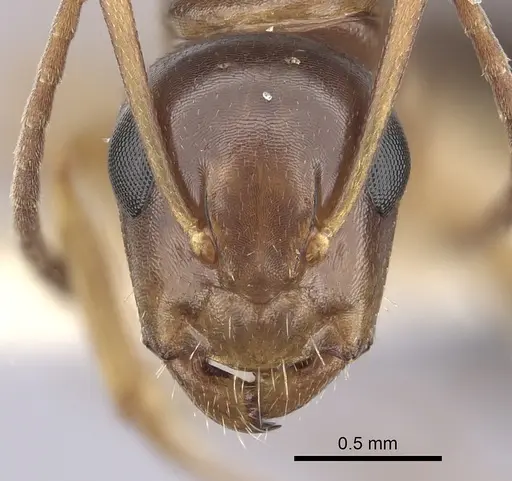
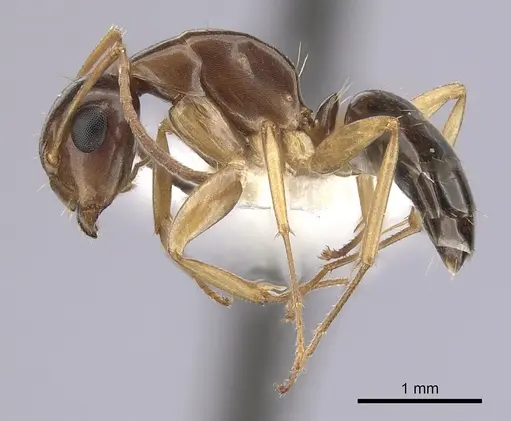
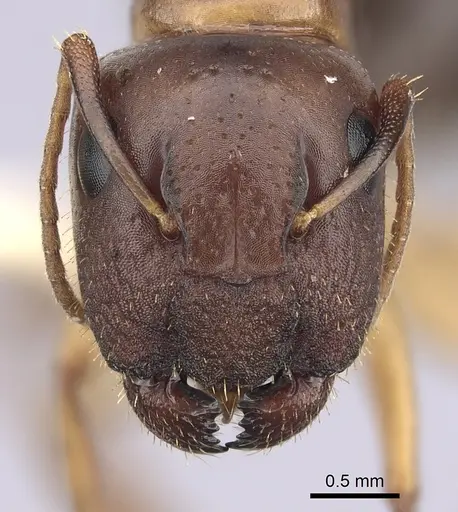
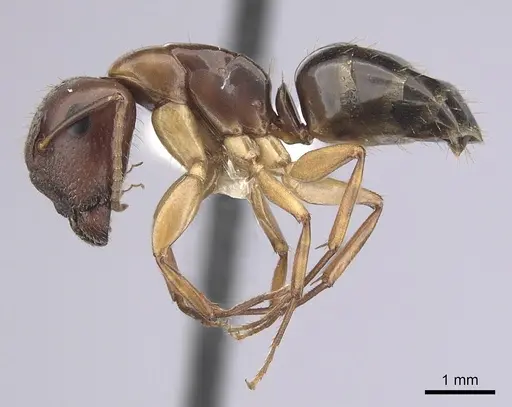
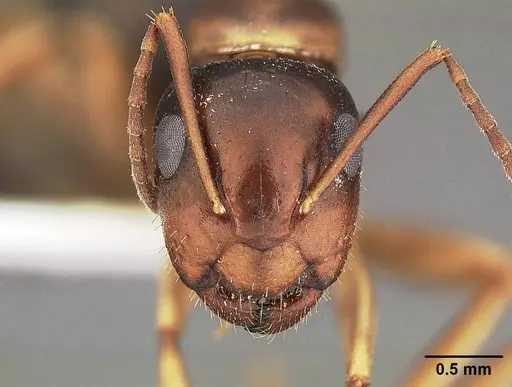
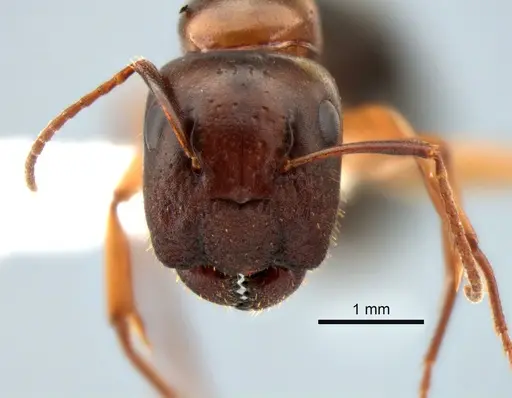
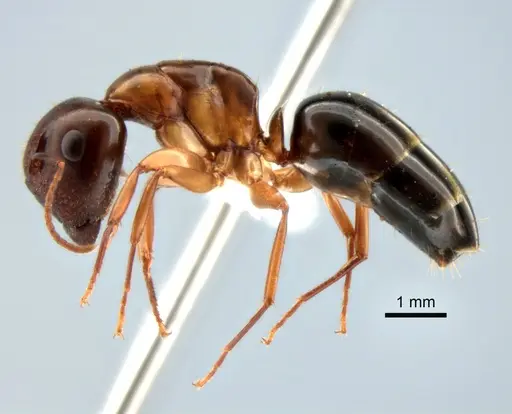
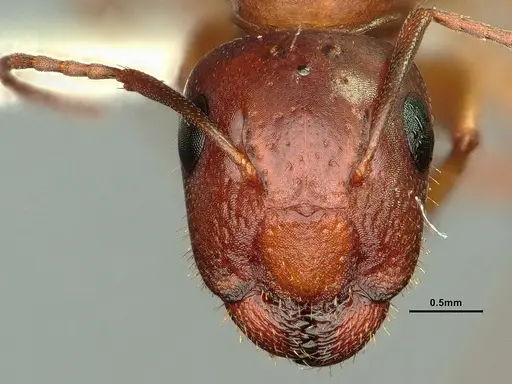
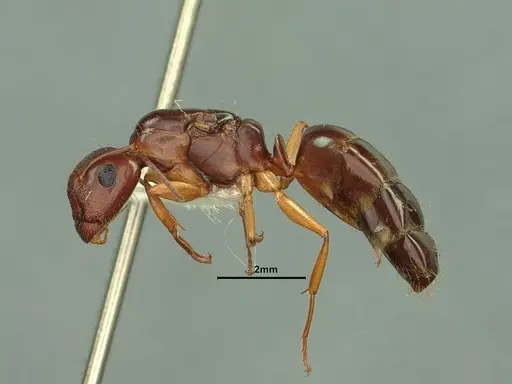
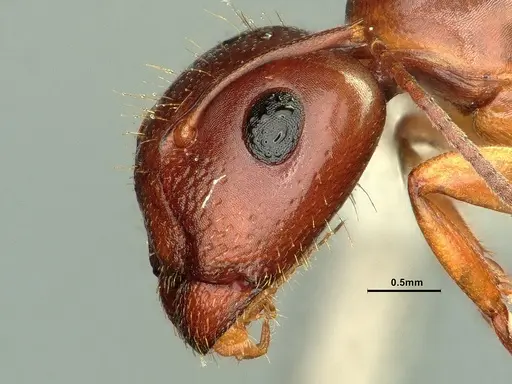
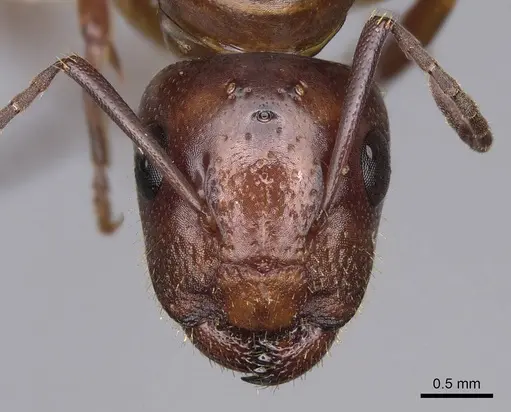
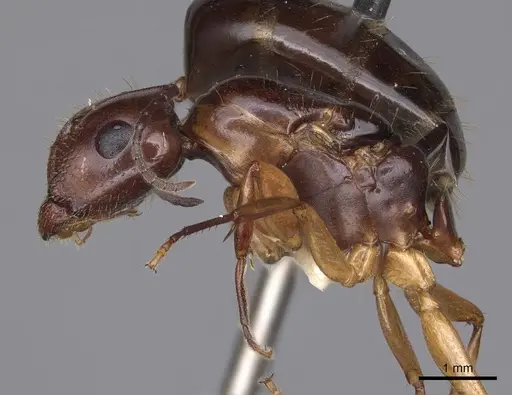
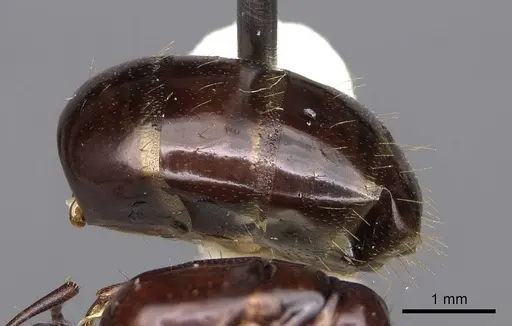
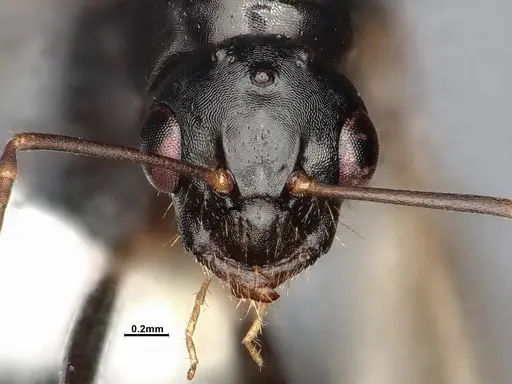
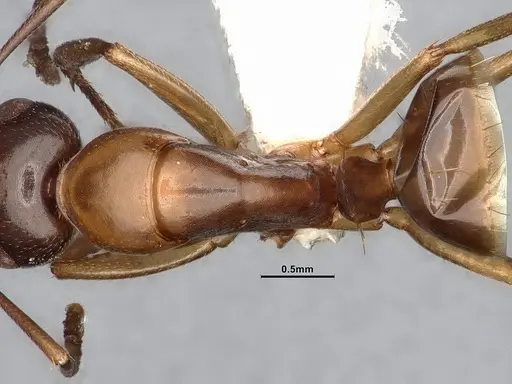
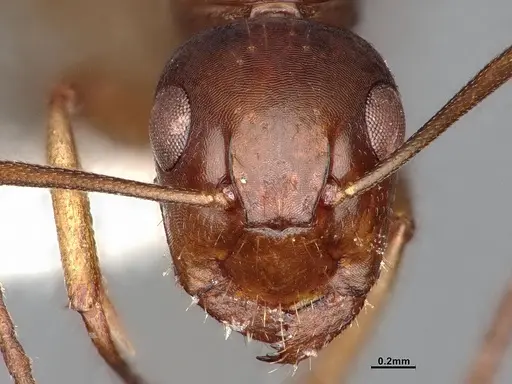
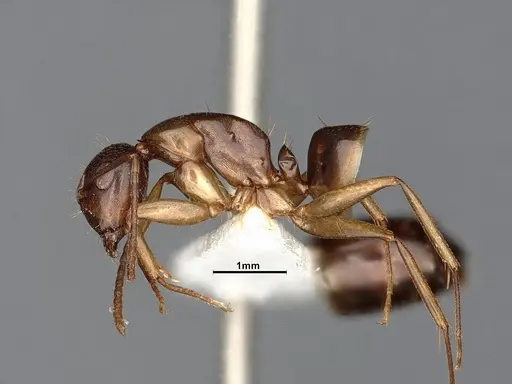
Camponotus yogi is a medium-sized carpenter ant native to California and northern Baja California. Major workers have a distinctive feature, their head is flattened and angled downward (phragmotic), which they use to block nest entrances like a cork, giving rise to the old common name 'cork-headed ant'. Minor workers are much smaller with normally proportioned heads. The species is medium brown in color, with minor workers measuring about 1.2-1.4mm head length and majors reaching 2.0mm+. This ant is endemic to the coastal sage scrub, chaparral, and oak woodland habitats of southern California, making it a truly regional species you won't find anywhere else in the world [1]. They nest in dead branches, stumps, and sometimes even extend into living plant tissue, where they tend to scale insects (pseudococcids) for honeydew [1].
Quick Summary
- Difficulty: Easy
- Origin & Habitat: Endemic to California and northern Baja California, found in coastal sage scrub, chaparral, oak woodland, and oak-juniper woodland habitats [1]. They prefer nesting in dead branches and stumps near ground level, often in beetle-bored stems [1].
- Colony Type: Single-queen colonies (monogyne). Queens establish nests in dead wood or under stones, raising their first brood alone before the colony expands [1].
- Colony: Monogyne
- Founding: Claustral
- Size & Growth:
- Queen: Similar range to workers, approximately 6-8mm estimated
- Worker: Minor workers: 1.2-1.4mm head length (HL), Major workers: 2.0mm+ HL [2]
- Colony: Likely up to several hundred workers based on typical Camponotus patterns
- Growth: Moderate, typical for Camponotus genus
- Development: 6-10 weeks at optimal temperature, based on typical Camponotus development [1] (Development follows standard Camponotus patterns, eggs progress through larval and pupal stages, with pupae enclosed in cocoons unlike the naked pupae seen in related Colobopsis species)
- Antkeeping:
- Temperature: Keep at 20-26°C. They tolerate a range from cool mountain habitats (recorded at 4800ft in Joshua Tree/Juniper woodland) to warmer coastal areas [3][1]. Room temperature is typically suitable.
- Humidity: Moderate humidity,50-70%. They nest in dead wood which should be kept slightly moist but not waterlogged. Provide a water tube for drinking.
- Diapause: Yes, they require a winter rest period. In their native California chaparral habitat, they experience cool winters. Reduce temperature to 10-15°C for 2-3 months during winter [1].
- Nesting: Best kept in a Y-tong (AAC) nest or wooden formicarium. They naturally nest in dead branches and stumps, so wood-based nests mimic their natural habitat. They can also nest under stones in a naturalistic setup [3][1].
- Behavior: Generally calm and non-aggressive for a Camponotus species. Major workers with their phragmotic heads serve as door guards, blocking nest entrances when threatened, this is their primary defense mechanism. They produce defensive secretions from glands in their head, similar to related species [2]. Foraging occurs primarily at night. They tend scale insects (pseudococcids) for honeydew in their natural habitat [1]. Escape risk is moderate, standard barriers work well with this medium-sized ant.
- Common Issues: colonies may be slow to establish, patience is needed during the founding phase, dry nesting material will cause queens to abandon eggs, keep wood substrate consistently moist, hibernation is required, colonies that don't cool down may have reduced longevity, wild-caught colonies may carry parasites, quarantine and observe new colonies, major workers are specialized defenders, not foragers, don't be concerned if majors stay near the nest
Housing and Nest Setup
Camponotus yogi does well in Y-tong (AAC) nests or wooden formicariums, which mimic their natural preference for dead wood. They naturally nest in dead branches, stumps, and sometimes extend into living plant tissue [1]. A wooden nest with chambers scaled to their size works best, the wood should be kept slightly moist but never soaking wet. You can also create a naturalistic setup with flat stones placed on damp soil, as they've been found nesting under stones in the wild [3]. For the outworld, a simple plastic container works fine, these ants aren't aggressive and standard escape prevention is sufficient. Provide a water tube with a cotton plug for drinking water.
Feeding and Diet
Like most Camponotus species, C. yogi is omnivorous. They accept sugar water, honey, or diluted maple syrup as an energy source. For protein, offer small insects like fruit flies, small mealworms, or cricket pieces. In the wild, they tend scale insects (pseudococcids) for honeydew and likely hunt small arthropods [1]. Feed protein 2-3 times per week and keep a sugar source available at all times. Remove uneaten prey after 24-48 hours to prevent mold.
Temperature and Seasonal Care
Keep your colony at 20-26°C, this covers their range from cool mountain habitats to warmer coastal areas [3][1]. Room temperature is usually suitable. During winter, they require a diapause (hibernation) period of 2-3 months at 10-15°C, reflecting their native California chaparral habitat where winters are cool but not freezing. Reduce feeding during hibernation and keep the nest slightly cooler. This rest period is important for colony health and longevity.
Behavior and Defense
One of the most interesting aspects of C. yogi is their defense strategy. Major workers have a flattened, downward-angled head that acts like a cork, they block nest entrances with their heads when threatened [2][1]. They also produce defensive secretions from glands in their head, a trait noted by Wheeler in the original 1915 description [2]. This makes them relatively docile toward keepers, they prefer to hide rather than bite. Minor workers are the foragers and are much smaller. The colony will typically have a moderate number of majors that serve as dedicated nest guards.
Colony Development
Founding queens are claustral, they seal themselves in a chamber and survive entirely on stored body fat until their first workers emerge. This takes 6-10 weeks under optimal conditions, following typical Camponotus development patterns [1]. The first workers (nanitics) are smaller than normal workers but will begin foraging to support the colony. Growth is moderate, expect the colony to reach 50-100 workers within the first year with good care. Colonies likely reach several hundred workers at maturity. Unlike their close relatives in the Colobopsis genus, C. yogi pupae are enclosed in cocoons [1].
Frequently Asked Questions
Is Camponotus yogi good for beginners?
Yes, this is a good species for beginners. They're docile, don't require elaborate heating setups (room temperature is fine), and are forgiving of minor care mistakes. The main requirement is providing a proper hibernation period in winter.
How long does it take for first workers to appear?
Expect 6-10 weeks from egg to first worker at room temperature (20-26°C). This follows typical Camponotus development patterns [1]. The founding phase requires patience, queens seal themselves in and won't emerge until their first brood matures.
What do I feed Camponotus yogi?
Offer a sugar source (honey, sugar water, or maple syrup) constantly, and protein (small insects like fruit flies, mealworms, or cricket pieces) 2-3 times per week. They also tend scale insects in the wild, so honeydew is a natural food source they would accept [1].
Do they need hibernation?
Yes, they require a winter diapause of 2-3 months at 10-15°C. This reflects their native California chaparral habitat where they experience cool winters. Skipping hibernation can reduce colony longevity.
Can I keep multiple queens together?
No, this species is monogyne, single queen colonies. Unlike some ants that can form multi-queen colonies, C. yogi establishes colonies with just one queen. Multiple foundresses would fight.
What size colony do they reach?
Based on typical Camponotus patterns, colonies likely reach several hundred workers at maturity. They're not among the largest carpenter ants, but a healthy colony should have 200-500 workers.
What's the best nest type?
Y-tong (AAC) nests or wooden formicariums work best, as they naturally nest in dead wood [1]. Keep the nesting material slightly moist. They can also nest under stones in a naturalistic setup [3].
References

This caresheet is licensed under CC BY-SA 4.0 .
CASENT0005354
View on AntWeb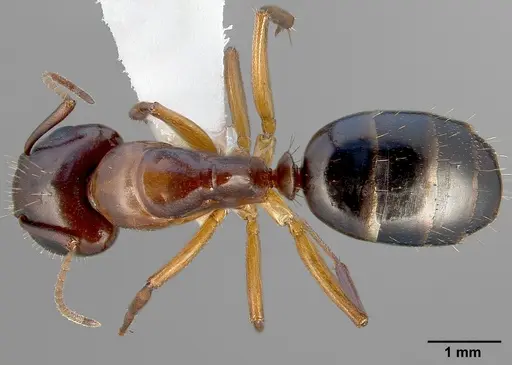
CASENT0103112
View on AntWeb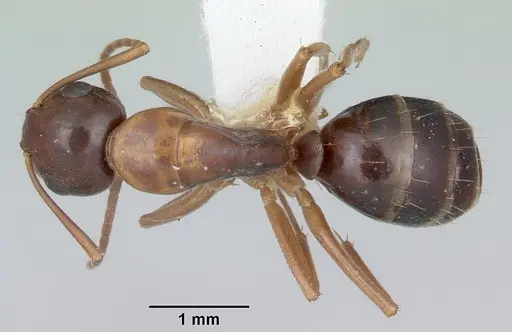
CASENT0103113
View on AntWeb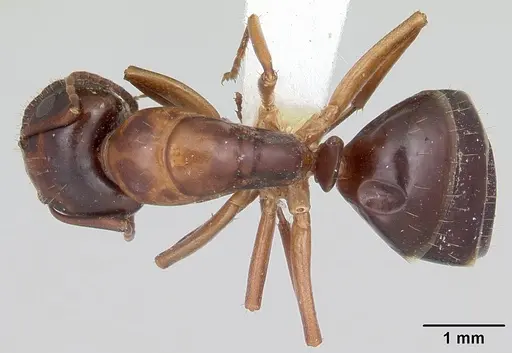
CASENT0221985
View on AntWeb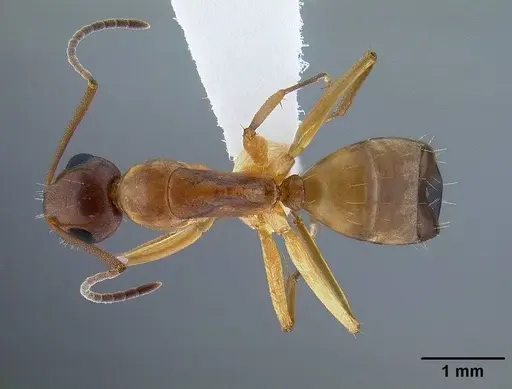
CASENT0249398
View on AntWeb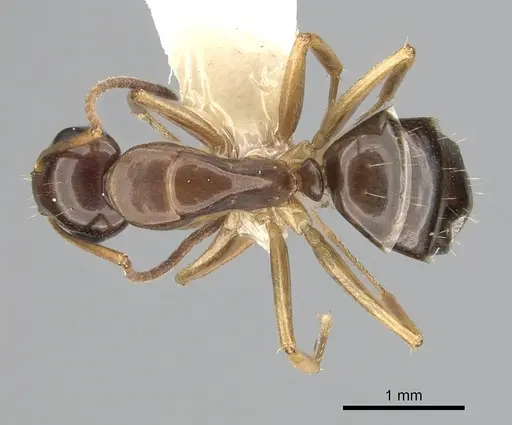
CASENT0249399
View on AntWeb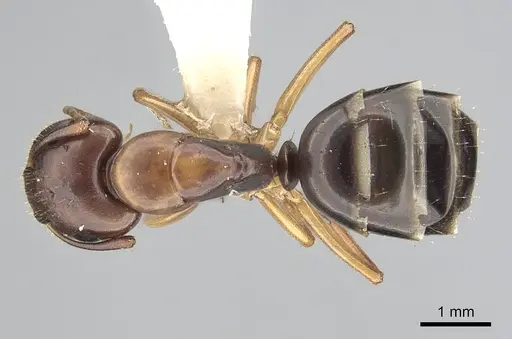
CASENT0732633
View on AntWeb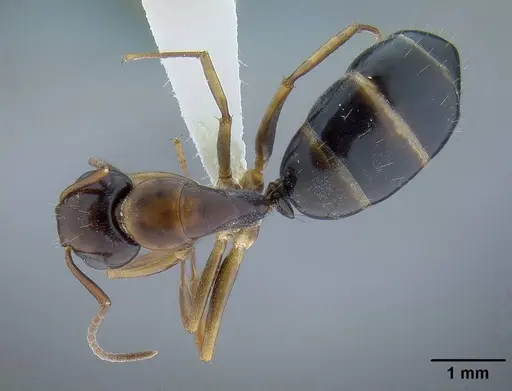
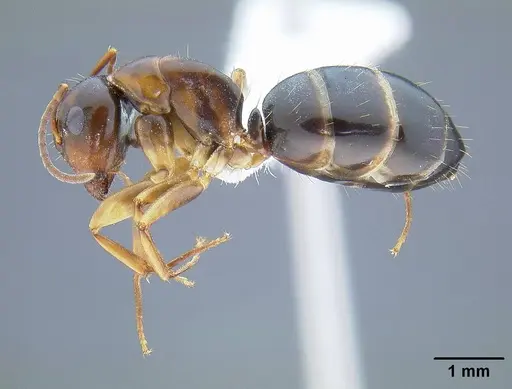
CASENT0882116
View on AntWeb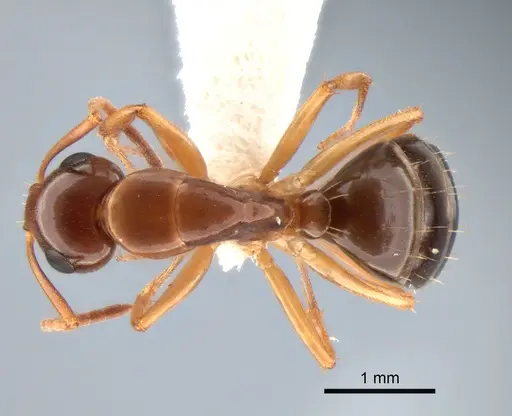
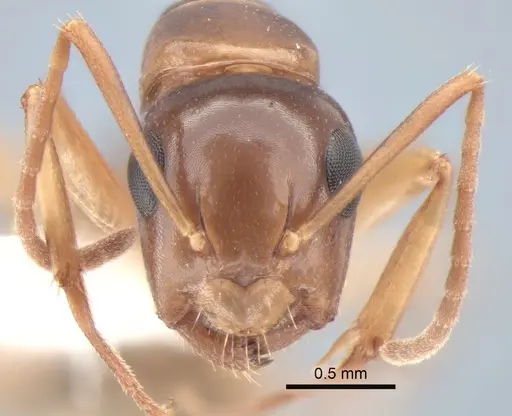
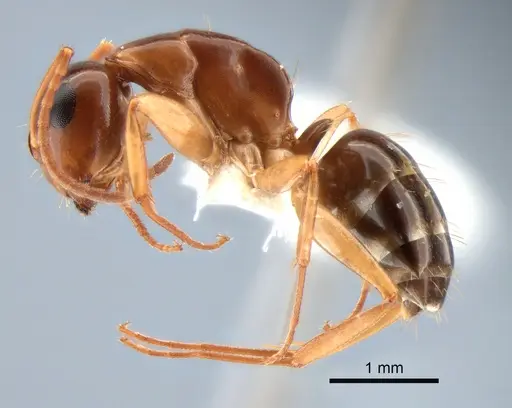
CASENT0882273
View on AntWeb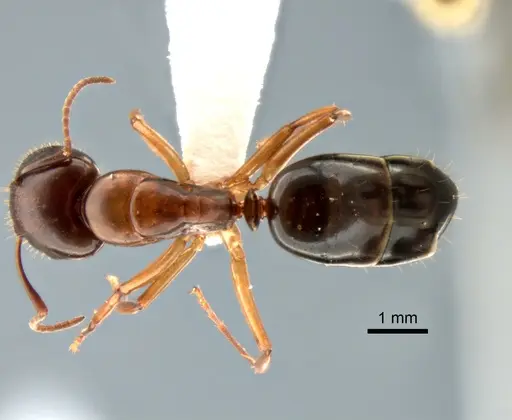
CASENT0884376
View on AntWeb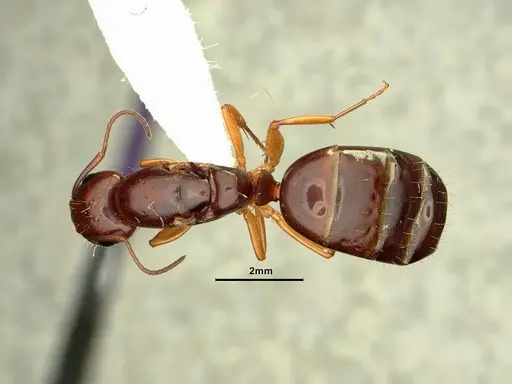
CASENT0923092
View on AntWeb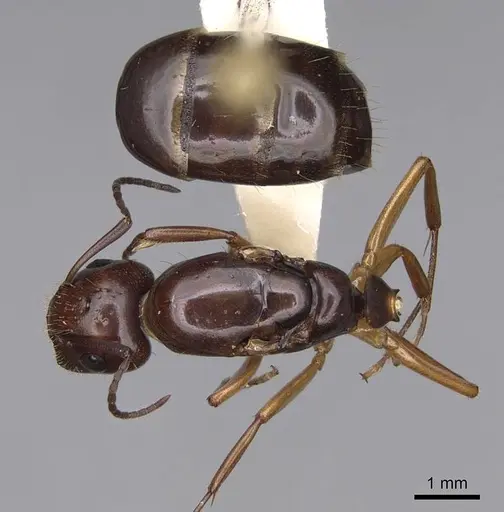
CASENT4031385
View on AntWeb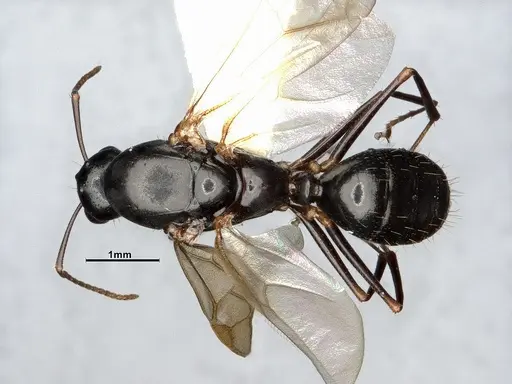
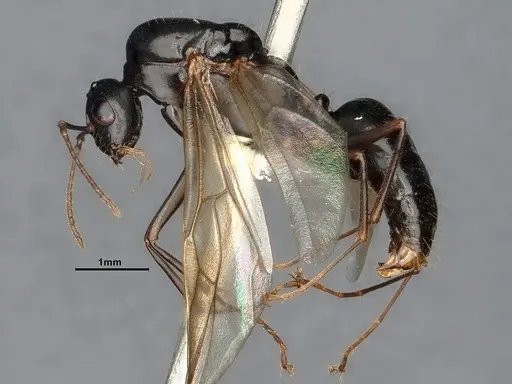
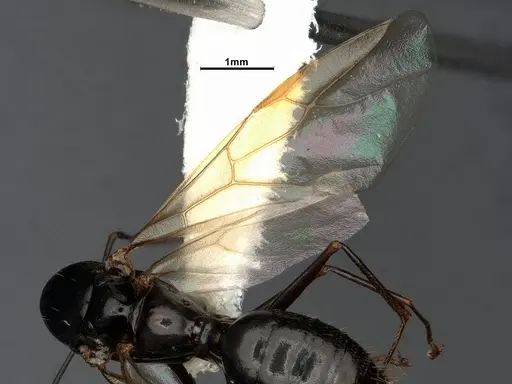
LACMENT667696
View on AntWeb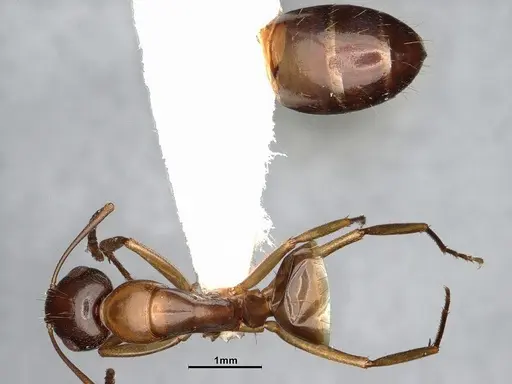
Literature
Loading...Loading products...