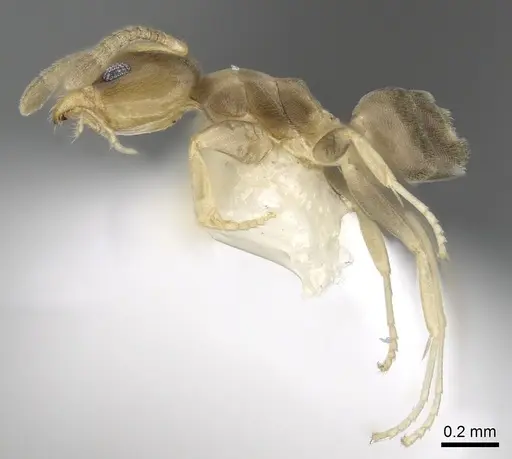
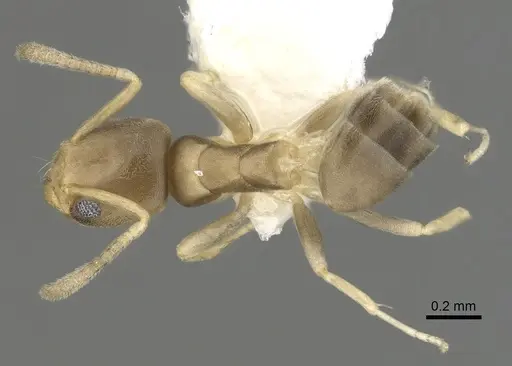
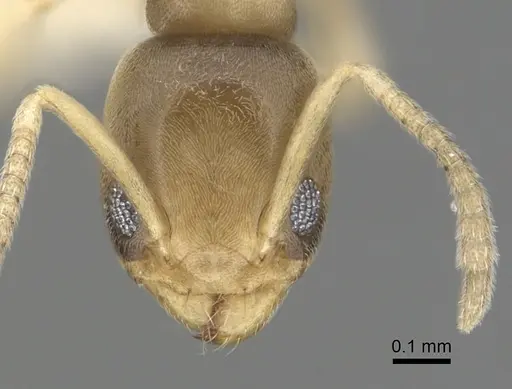
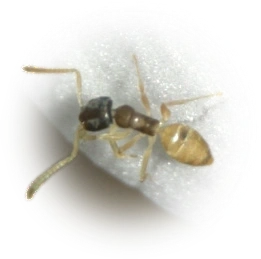
Tapinoma indicum - "Indian House Ant"
Tapinoma indicum, often referred to as the Indian House Ant, is a tiny, fast-moving ant species known for its small size, typically ranging from 1.3 to 1.5 mm for workers. These ants are characterized by their uniformly reddish or brownish-yellow coloration and notably lack a distinct waist segment, giving them a sleek appearance. While sometimes confused with the true 'Ghost Ant' (Tapinoma melanocephalum) due to similar dimensions, Tapinoma indicum does not possess the translucent gaster of its close relative. A unique identifying feature is the faint, rotten coconut-like odor they emit when crushed. As general scavengers, they are highly adaptable and frequently encountered in human environments, making them a common household ant in many parts of Asia.
- Difficulty: Easy
- Origin & Habitat: Tropical and subtropical regions of East Asia, including India, Malaysia, Singapore, Laos, Sri Lanka, Vietnam, and China. in Highly adaptable, nesting in a wide variety of habitats. In their native range, they are found in forests and open areas. As a tramp species, they commonly nest in small crevices within households, under flower pots, in greenhouses, within soil, rotten wood, leaf axils, and under floor cracks. They can also be found under stones and logs..
- Colony Type: Polygyne (multiple queens) and Polydomous (multiple nests), claustral (queen seals herself in to raise first brood) founding.
- Size & Growth:
- Queen: 2-3mm
- Worker: 1.3-1.5mm
- Colony: Large (tens of thousands, potentially hundreds of thousands in the wild with multiple nests). Fast, especially under optimal conditions with consistent food and warmth. growth.
- Antkeeping:
- Temperature: Tapinoma indicum thrives in warm conditions. A temperature range of 25-30°C is ideal for optimal activity and brood development. Consistent temperatures above 20°C are generally preferred, with foraging activity negatively correlated with higher temperatures, suggesting they may seek cooler spots in extreme heat. Avoid prolonged exposure to temperatures above 30-35°C, as they are susceptible to desiccation..
- Humidity: High humidity is crucial for this species, positively correlating with their foraging activity and overall health. Aim for 70-90% humidity within the nest. They are particularly susceptible to desiccation due to their small size, so maintaining adequate moisture levels is vital. The outworld can be kept at a slightly lower humidity..
- Diapause: Not required. Not specified at Not specified.
- Nesting: Given their natural nesting habits, Tapinoma indicum can adapt to various artificial nests. They do well in acrylic, Ytong (aerated concrete), or naturalistic setups with soil or sand. Due to their small size and ability to squeeze into tiny crevices, nests with excellent escape prevention are essential. They prefer compact spaces, so avoid overly large chambers for smaller colonies..
- Behavior: Low (towards handler), Medium (towards other ant species in competition) aggressiveness.
- Common Issues: Escaping due to small size, Desiccation from low humidity, Colony stalling if conditions are not met, Mold in nest if humidity is too high without ventilation.
Keeping Tapinoma indicum requires attention to their remarkable escape artist abilities. Due to their minuscule size, they can squeeze through gaps that seem impossible to other ant species. Always ensure your formicarium has robust anti-escape measures, such as a proper barrier like Fluon or a heavily talc-dusted rim on the outworld. Even the smallest crack in the nest material could become an escape route, so thorough sealing and regular checks are paramount to prevent a colony breakout.
One interesting characteristic of Tapinoma indicum is the faint, distinctive odor they release when disturbed or crushed, often described as smelling like rotten coconut. While you hope not to experience this frequently in your colony, it's a unique trait of the Tapinoma genus. This chemical defense mechanism helps them deter predators in the wild, showcasing their intricate survival strategies despite their tiny stature.
Unlike many ant species that establish a permanent stronghold, Tapinoma indicum colonies are quite nomadic and will readily move their entire nest if conditions aren't to their liking or if they find a more suitable location. This behavior, known as polydomy, means they might have several satellite nests connected by foraging trails in the wild. In captivity, this means you might observe them relocating brood and queens within different sections of their formicarium or even attempting to move to a new setup if presented with one. Providing multiple nesting options within an interconnected system can sometimes cater to this natural tendency.
When it comes to diet, Tapinoma indicum workers are opportunistic scavengers with a keen preference for sugary foods and protein. In studies, they've shown a strong attraction to carbohydrates and certain proteins, like tuna, while generally ignoring lipid sources. Offering a varied diet including sugar water, honey, and a good source of insect protein (like fruit flies, crickets, or mealworms) is essential for a thriving colony. They are also known to tend aphids for honeydew in their natural habitat, indicating their sweet tooth.
Maintaining stable high humidity is perhaps the most critical environmental factor for Tapinoma indicum. Their small body size makes them highly susceptible to desiccation, meaning they can dry out quickly in low humidity conditions. Ensuring a consistent moisture gradient within their nest and providing a humid environment will be key to their survival and the healthy development of their brood. Regular hydration of the nest and monitoring humidity levels are non-negotiable for success with this species.
Frequently Asked Questions
Are Tapinoma indicum easy for a beginner antkeeper?
Absolutely! Tapinoma indicum, despite their tiny stature, are generally considered an 'Easy' species to care for, making them a great choice for antkeeping enthusiasts just starting out. Their quick colony growth and adaptability make them quite forgiving.
What kind of nest setup is best for Indian House Ants?
These adaptable ants can thrive in various setups. Acrylic formicaria, Ytong nests, or even naturalistic soil setups work well. The crucial factor is excellent escape prevention, as their small size allows them to slip through minuscule gaps. Always prioritize a secure lid and a reliable anti-escape barrier like Fluon on your outworld.
What do Tapinoma indicum eat?
Indian House Ants are big fans of sugary treats and protein. Offer them sugar water, diluted honey, and insect protein like fruit flies, small crickets, or chopped mealworms. They generally aren't keen on fats, so focus your feeding on carbs and protein to keep your colony well-fed and thriving.
How humid should their nest be?
Humidity is super important for Tapinoma indicum! They need consistently high humidity, ideally ranging from 70-90% within their nest chambers. Their small size makes them prone to drying out, so maintaining a good moisture gradient is key to preventing desiccation and ensuring healthy brood development.
Do Tapinoma indicum need a diapause?
No, Tapinoma indicum do not require a diapause. Hailing from tropical and subtropical regions of Asia, they are accustomed to consistent warm temperatures year-round. You can keep them at stable room temperatures without a cooling period, ensuring continuous growth.
How fast do Tapinoma indicum colonies grow?
Given optimal conditions-plenty of warmth, consistent high humidity, and a steady food supply-Tapinoma indicum colonies can expand quite rapidly. They are known for their fast growth rate, quickly filling up their formicarium with new workers and increasing their foraging activity.
Are they aggressive ants?
Towards antkeepers, they are generally very docile and pose no threat. However, in the wild, they can be competitive with other ant species, especially when vying for food sources or nesting sites. Within their own species, different colonies might show some territoriality, though in their native range, they can form large, interconnected populations.
Do these ants sting or bite?
No, Tapinoma indicum workers do not possess a sting. While they might attempt to bite, their tiny mandibles are too small to cause any concern or sensation to a human handler. Their primary defense, if disturbed, is to flee or emit their characteristic rotten coconut scent.
Why do my Tapinoma indicum keep trying to escape?
Their innate ability to slip through incredibly small openings is a hallmark of the species. If your ants are constantly trying to break out, it's a strong signal that your current anti-escape measures are insufficient, or they might be seeking more suitable conditions (e.g., higher humidity, different nest space). Double-check every seal and reinforce your barriers!
Can I keep multiple Tapinoma indicum queens together?
Yes, Tapinoma indicum are a polygyne species, meaning they naturally have multiple queens within a single colony. It's perfectly fine, and often beneficial, to keep several founding queens together to boost colony growth and resilience right from the start. You might even observe them sharing brood and resources peacefully.