

Tapinoma williamsi
- Scientific Name
- Tapinoma williamsi
- Tribe
- Tapinomini
- Subfamily
- Dolichoderinae
- Author
- Wheeler, 1935
- Distribution
- Found in 1 countries
Tapinoma williamsi Overview
Tapinoma williamsi is an ant species of the genus Tapinoma. It is primarily documented in 1 countries , including Malaysia. Detailed taxonomic data and occurrence records can be further explored via authoritative databases such as AntWeb or the Global Biodiversity Information Facility (GBIF).
Tapinoma williamsi
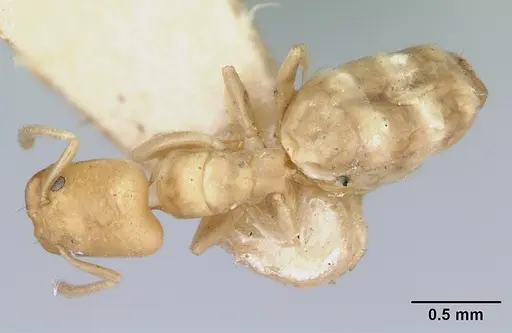
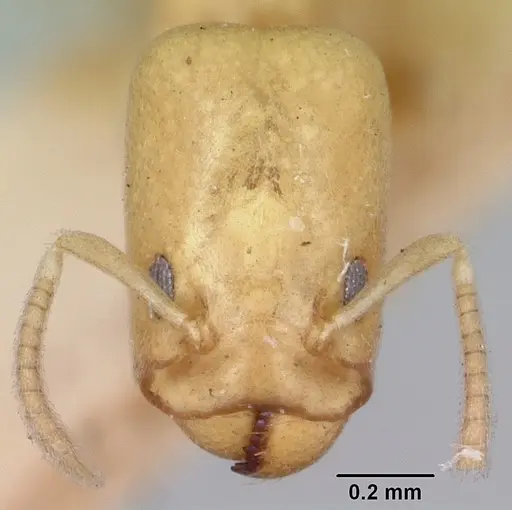
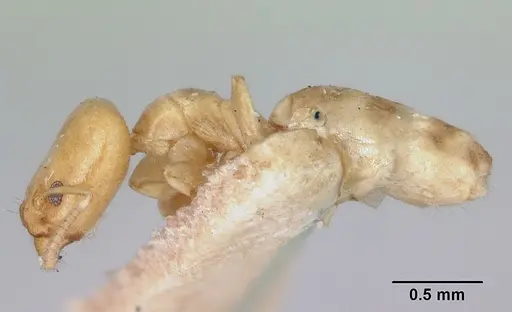
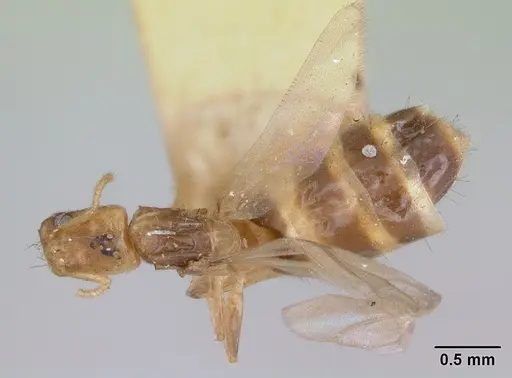
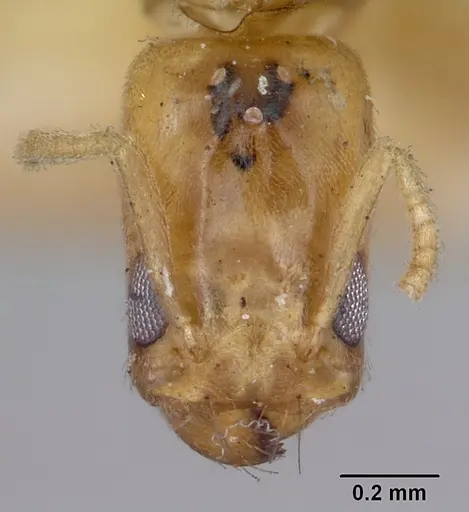
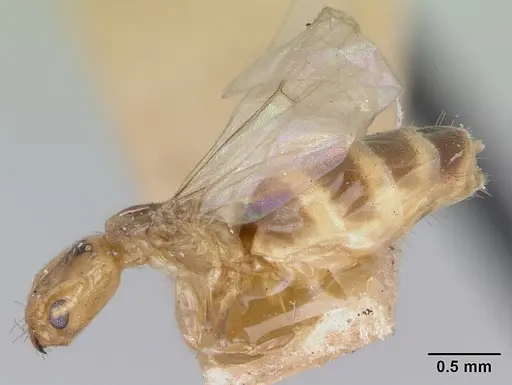
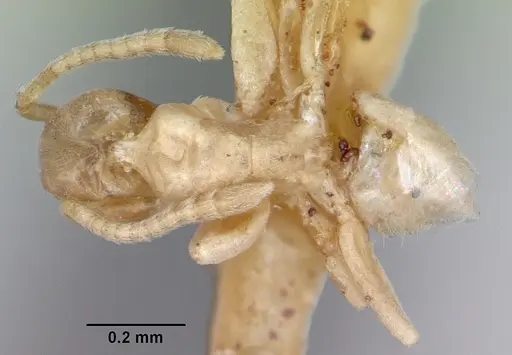
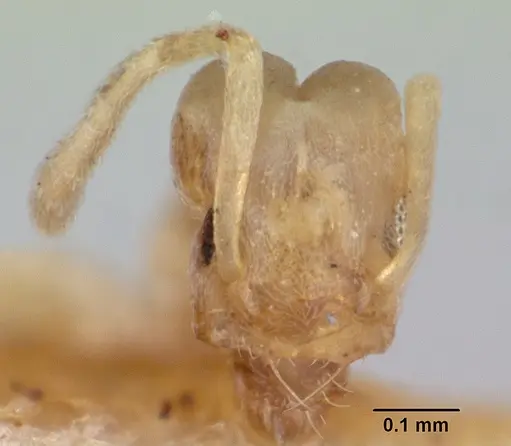
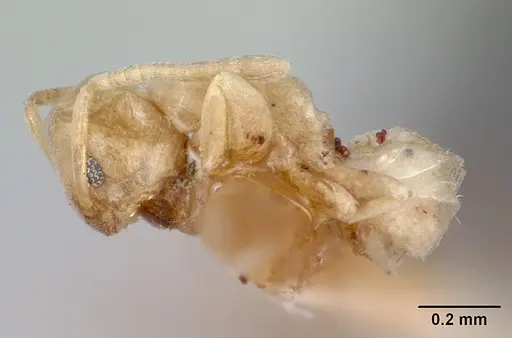
Tapinoma williamsi is a tiny tropical ant species from the Philippines and Malaysia, measuring just under 3mm for workers and around 3.5mm for queens [1]. They belong to the Dolichoderinae subfamily, which means they don't have stingers but can spray formic acid as a defense. The species was first described by Wheeler in 1935 from specimens collected in Los Banos, Luzon, Philippines. They are closely related to Tapinoma minutum and other small Tapinoma species, sharing the characteristic feature of funicular joints that are broader than long. Their coloration is brownish yellow, with a dark brown band at the base of each gastric segment. This species is poorly studied in captivity, but being a tropical Dolichoderine from Southeast Asia, they likely share care requirements with other small, heat-loving ants from that region.
Quick Summary
- Difficulty: Medium
- Origin & Habitat: Philippines and Malaysia in the Indomalaya region [1]. They are found in tropical lowland areas and likely nest in soil, under stones, or in decaying wood like other Tapinoma species.
- Colony Type: Colony structure is unconfirmed for this specific species. Based on genus patterns, they are likely polygynous (multiple queens) or facultatively polygyne, but this needs confirmation through direct observation.
- Size & Growth:
- Queen: 3.5mm [1]
- Worker: nearly 3mm [1]
- Colony: Unknown for this species, likely several hundred to a few thousand workers based on related tropical Tapinoma species
- Growth: Moderate, inferred from tropical distribution and small size
- Development: 6-8 weeks, estimated based on typical tropical Dolichoderinae development at 24-28°C (Development time is estimated as no specific data exists for this species. Tropical species typically develop faster than temperate ones.)
- Antkeeping:
- Temperature: Keep at 24-28°C. Being from tropical Philippines/Malaysia, they need warm conditions year-round. A heating cable on one side of the nest can provide a gradient.
- Humidity: Moderate to high humidity, around 60-80%. Keep the nest substrate moist but not waterlogged. Mist occasionally and provide a water tube.
- Diapause: No, being a tropical species, they do not require hibernation or winter rest. Keep them warm year-round.
- Nesting: They likely prefer humid nests with fine substrate. Test tubes with a water reservoir work well for founding colonies. For established colonies, a small acrylic nest or Y-tong with narrow chambers scaled to their tiny size is appropriate.
- Behavior: These are small, generally non-aggressive ants that will flee rather than fight when disturbed. However, like all Dolichoderinae, they can spray formic acid as a defense. They are likely nocturnal or crepuscular foragers. Their tiny size makes them excellent escape artists, escape prevention must be excellent with fine mesh barriers and tight-fitting lids.
- Common Issues: escape prevention is critical, they are tiny and can squeeze through the smallest gaps, tropical species need constant warmth, cold temperatures can slow or stop brood development, wild-caught colonies may carry parasites that can decimate the colony in captivity, small colony size makes them vulnerable to stress, handle with care during moves, overheating is a risk, direct heating can dry out the nest and kill the colony
Temperature and Care
Tapinoma williamsi comes from the tropical Philippines and Malaysia, so they need warm conditions to thrive. Keep the nest area at 24-28°C year-round. A heating cable placed on top of the nest (never underneath, which causes evaporation) can create a gentle warmth gradient. Room temperature may be sufficient if your home stays in the low-to-mid 20s°C range, but check with a thermometer. Cold temperatures will slow or stop brood development entirely. They do not need any winter cooling or diapause, being tropical, they expect consistent warmth throughout the year. Avoid placing the nest near air conditioning vents or drafty windows.
Humidity and Water
These ants prefer moderate to high humidity, roughly 60-80%. Keep the nest substrate consistently moist but never waterlogged, standing water in the nest can drown brood and kill colonies. A test tube water reservoir provides a humidity buffer. For established colonies in acrylic or Y-tong nests, check the water chamber weekly and refill as needed. Mist the nest occasionally if the substrate dries out. Provide a separate water tube or cotton ball with fresh water as a drinking source, especially if not using a test tube setup.
Feeding and Diet
Like other Tapinoma species, T. williamsi likely has an omnivorous diet. Offer sugar water or diluted honey as an energy source, they should accept these readily. For protein, small live prey like fruit flies, pinhead crickets, or tiny mealworms work well. Being such small ants, their prey items must be appropriately sized. You can also offer small amounts of insect protein like crushed mealworm pieces. Feed every 2-3 days, removing any uneaten food after 24 hours to prevent mold. A constant sugar source (honey water or sugar water) should be available between protein feedings.
Escape Prevention
With workers measuring under 3mm, escape prevention is absolutely critical. These ants can squeeze through gaps that seem impossible. Use test tubes with tight-fitting cotton plugs, not loose cotton. For outworld feeding, use barrier tape (fluon) on the rim of any container. If using a formicarium, ensure all connections are sealed with silicone or tape. Fine mesh with holes smaller than 0.5mm is necessary for any ventilation. Check for escapes daily, especially during the first few weeks of keeping a new colony. Have a backup plan ready, if you spot escapees, locate and seal the gap immediately.
Colony Founding
The founding behavior of Tapinoma williamsi has not been directly documented. Most Tapinoma species are claustral, meaning the queen seals herself in a chamber and lives off stored fat reserves until her first workers emerge. However, some Dolichoderinae show semi-claustral patterns. For now, treat them as potentially claustral: provide a founding queen with a small test tube setup with a water reservoir and cotton, place it in a dark, quiet location, and wait. Do not disturb her for 4-6 weeks. Once workers emerge, you can begin offering tiny amounts of sugar water.
Behavior and Temperament
Tapinoma williamsi is a small, generally peaceful ant. When threatened, they will likely flee rather than engage, but being Dolichoderinae, they can spray formic acid as a chemical defense. This is not dangerous to humans but can be irritating. They are probably nocturnal or crepuscular foragers based on the behavior of related species. Workers are likely to form trails to food sources. The colony may be polygynous (multiple queens) based on genus patterns, but this is unconfirmed for this species. They are not aggressive and make for relatively calm, observable pets once established.
Frequently Asked Questions
How long does it take for Tapinoma williamsi to produce first workers?
The exact timeline is unknown for this species, but based on typical tropical Dolichoderinae development, expect 6-8 weeks from egg to worker at optimal temperatures of 24-28°C. Be patient, small tropical ants often develop faster than larger temperate species, but exact timing varies.
Can I keep Tapinoma williamsi in a test tube?
Yes, test tubes work well for founding colonies. Use a small test tube with a water reservoir (cotton ball soaked with water at one end) and a tight-fitting cotton plug. The tube should be dark or covered to reduce stress. Once the colony reaches 20-30 workers, consider moving to a small formicarium.
What do Tapinoma williamsi eat?
They are omnivorous. Offer sugar water or diluted honey as a constant energy source. For protein, provide small live prey like fruit flies, tiny crickets, or small mealworms. Feed protein every 2-3 days and keep sugar available between feedings.
Do Tapinoma williamsi need hibernation?
No, they do not need hibernation. Being a tropical species from the Philippines and Malaysia, they require warm temperatures year-round. Keep them at 24-28°C consistently. Cold temperatures can stop brood development entirely.
Are Tapinoma williamsi good for beginners?
They are rated as medium difficulty. While small and requiring excellent escape prevention, their tropical nature means no hibernation complexity. However, their care requirements are not well-documented in captivity, so some experimentation may be needed. Beginners should master easier species first.
How big do Tapinoma williamsi colonies get?
The maximum colony size is unknown for this species. Based on related tropical Tapinoma species, colonies likely reach several hundred to a few thousand workers. Growth is moderate, expect several months to a year to reach significant numbers.
Why are my Tapinoma williamsi escaping?
Their tiny size (under 3mm) makes them expert escape artists. Check all gaps in your setup, even the smallest cracks need sealing. Use fine mesh (less than 0.5mm), apply fluon barrier tape to rims, and ensure all connections are tight. Check daily and seal any escape routes immediately.
Can I keep multiple queens together?
The colony structure of T. williamsi is unconfirmed. Many Tapinoma species are polygynous (multiple queens), but this has not been documented for this specific species. It is not recommended to combine unrelated foundress queens until more is known about their social structure.
What temperature is best for Tapinoma williamsi?
Keep them at 24-28°C. This tropical species needs consistent warmth. A heating cable on top of the nest can provide warmth if your room temperature is below this range. Avoid temperatures below 20°C for extended periods.
References

This caresheet is licensed under CC BY-SA 4.0 .
Literature
Loading...Loading products...