

Strumigenys fairchildi
- Scientific Name
- Strumigenys fairchildi
- Tribe
- Attini
- Subfamily
- Myrmicinae
- Author
- Brown, 1961
- Distribution
- Found in 2 countries
Strumigenys fairchildi Overview
Strumigenys fairchildi is an ant species of the genus Strumigenys. It is primarily documented in 2 countries , including Costa Rica, French Guiana. Detailed taxonomic data and occurrence records can be further explored via authoritative databases such as AntWeb or the Global Biodiversity Information Facility (GBIF).
Strumigenys fairchildi
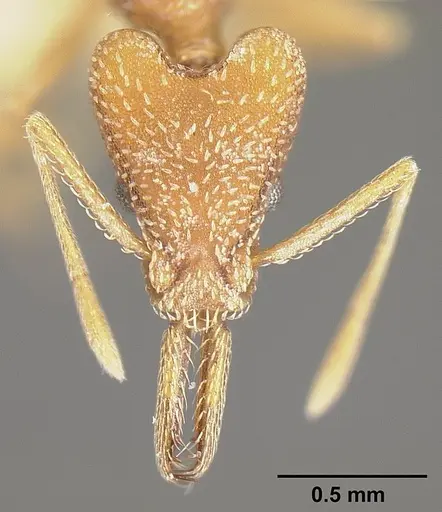
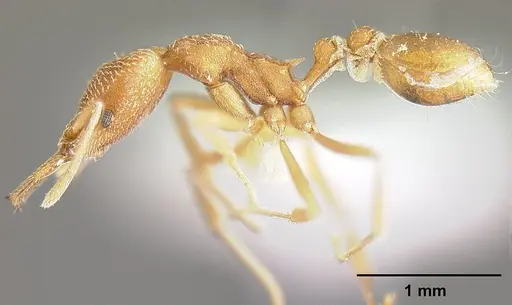
Strumigenys fairchildi is a tiny tropical ant measuring just 3.7-4.1mm in worker length, with a rusty yellow coloration. This species belongs to the dacetine ant tribe (Attini), a group known for their specialized trap-jaw mandibles used to capture prey. Found across the Neotropical region including Costa Rica, Panama, Ecuador, and French Guiana, these ants live in wet forest habitats and are arboreal, meaning they nest in plant cavities above ground rather than in soil [1]. The species was first described from Panama in 1961 and is a member of the Strumigenys tococae group, characterized by their finely striated gaster and reduced body hair.
What makes S. fairchildi interesting is their lifestyle as specialized predators in tropical forest canopies. Being preyed upon by army ants (Eciton hamatum) gives us insight into their small size and position in the forest ecosystem [2]. Their arboreal nature means they hunt among vegetation rather than on the forest floor, using their unique mandibular structure to capture small prey.
Quick Summary
- Difficulty: Expert
- Origin & Habitat: Wet tropical forests of Central and South America (Costa Rica, Panama, Ecuador, French Guiana). Found in fogging samples and hand collections from live plant stems, indicating an arboreal lifestyle in forest canopies [1].
- Colony Type: Colony structure is unconfirmed. Based on related Strumigenys species, likely single-queen (monogyne) colonies, though this has not been directly documented for this specific species.
- Size & Growth:
- Queen: Unconfirmed, queen size has not been described in scientific literature
- Worker: 3.7-4.1mm
- Colony: Unknown, colony size estimates are not available in the literature
- Growth: Unknown
- Development: Unconfirmed, no development data exists for this species (Related Strumigenys species typically have slow colony growth due to their specialized predatory lifestyle and small colony sizes)
- Antkeeping:
- Temperature: Keep at 24-28°C (warm, stable tropical conditions). Avoid temperatures below 22°C as this is a strict tropical species from wet forests [1].
- Humidity: High humidity is essential, these ants come from wet forest environments. Keep nest substrate consistently moist but not waterlogged. Mist regularly and provide a water source. Think humid greenhouse conditions, not dry room temperature.
- Diapause: No, this is a tropical species that does not require hibernation or winter dormancy. Maintain consistent warm, humid conditions year-round [1].
- Nesting: Arboreal nesters in nature, they likely inhabit plant cavities, hollow stems, or rotting wood elevated above ground. In captivity, a small acrylic or plaster nest with tight chambers works well. Provide small passages scaled to their tiny 4mm size. Include moss, small leaf pieces, or other plant material to simulate their natural arboreal habitat [1].
- Behavior: These are specialized predatory ants with trap-jaw mandibles designed for capturing small arthropod prey. They are likely active foragers among vegetation rather than ground hunters. Due to their tiny size and arboreal nature, escape prevention is critical, they can slip through very small gaps. Handle with caution as they may bite with their specialized mandibles, though their small size limits the threat to humans. They are not aggressive toward humans but will defend their colony.
- Common Issues: escape prevention is critical due to their very small 4mm size, use fine mesh barriers and tight-fitting lids, high humidity requirements can lead to mold problems if ventilation is inadequate, specialized diet means they may refuse standard ant foods, live prey is likely essential, tropical species are sensitive to temperature drops, even brief cold exposure can be fatal, limited availability of captive colonies means this species is rarely available to hobbyists
Housing and Nest Setup
Strumigenys fairchildi requires an arboreal-style setup that mimics their natural plant-dwelling habitat. A small acrylic or plaster nest with chambers scaled to their tiny 4mm workers works best. The chambers should be tight and narrow, these ants feel secure in snug spaces. Include small pieces of moss, leaf material, or rotting wood to provide enrichment and simulate their natural environment. Because they are arboreal, the nest should have some vertical space or climbing structures. Use a water reservoir to maintain humidity without frequent misting. Escape prevention is absolutely critical, these tiny ants can squeeze through gaps you wouldn't believe. Use fine mesh on any ventilation holes and ensure all lids fit tightly. [1]
Feeding and Diet
As dacetine ants, S. fairchildi are specialized predators that likely hunt small arthropods in nature. Their trap-jaw mandibles are designed for capturing tiny prey like springtails, mites, and small insects. In captivity, offer live small prey such as springtails, fruit flies, and other tiny arthropods. They will likely reject sugar sources and standard ant foods, these are obligate predators. Feed small prey items 2-3 times per week, adjusting based on colony consumption. Remove uneaten prey promptly to prevent mold. A constant clean water source is essential. Due to their specialized diet, this species is challenging to feed and not recommended for beginners. [2]
Temperature and Humidity
This is a strict tropical species requiring warm, humid conditions year-round. Maintain temperatures between 24-28°C, never let them experience temperatures below 22°C. A heating cable on one side of the nest can help maintain warmth, but avoid direct heat that could dry them out. High humidity is essential, ideally 70-85%. Use a water reservoir connected to the nest or regular misting to maintain moisture. The substrate should feel consistently damp but never waterlogged. Good ventilation is needed to prevent mold while maintaining humidity, this balance is tricky but critical. Place the setup in a warm, stable location away from drafts and air conditioning. [1]
Behavior and Temperament
Strumigenys fairchildi is a specialized predator with fascinating trap-jaw mandibles. They are not aggressive toward humans and will flee rather than fight when threatened. However, they will defend their colony vigorously if the nest is disturbed. Their small size means they are often preyed upon by larger ants, including army ants, this explains their secretive, arboreal lifestyle. Workers are active foragers that likely hunt among vegetation in nature. They probably use chemical trails to recruit nestmates to prey items, similar to related dacetine species. Observe their hunting behavior, it's fascinating to watch these tiny ants use their specialized mandibles to capture prey. [2][1]
Colony Establishment
Establishing a colony of S. fairchildi is challenging due to their specialized requirements and limited availability. If you acquire a queen, she will need a small, humid founding chamber. Based on related Strumigenys species, she likely seals herself in (claustral founding) and survives on stored fat reserves until her first workers emerge. The founding chamber should be small and snug, with damp substrate. Place it in a warm, dark location and minimize disturbance. First workers (nanitics) will be very small and should begin hunting small prey shortly after emerging. Growth is likely slow, be patient and maintain consistent conditions. Do not disturb the queen during founding.
Legal and Ethical Considerations
Strumigenys fairchildi is a Neotropical species native to Central and South America. If you keep this species outside its native range, never release colonies into the wild. They could become invasive or disrupt local ecosystems. Ensure your colony was obtained legally and ethically. Due to their specialized habitat requirements and limited distribution, they are rarely available in the antkeeping hobby. If you do obtain them, you are taking on a significant responsibility to maintain proper conditions for a challenging species. [1]
Frequently Asked Questions
Can I keep Strumigenys fairchildi in a test tube?
A test tube can work for a founding queen, but you'll need to move them to a proper nest quickly once workers emerge. Their small size and arboreal nature mean they need more vertical space and plant material than a standard test tube provides. A small acrylic or plaster nest with tight chambers is more appropriate for established colonies.
What do Strumigenys fairchildi ants eat?
They are specialized predators that need live small prey. Offer springtails, fruit flies, and tiny arthropods. They will likely reject sugar water, honey, and standard ant foods. Live prey is essential, their trap-jaw mandibles are designed for hunting, not collecting honeydew.
How long does it take for Strumigenys fairchildi to go from egg to worker?
The development timeline is unconfirmed for this specific species. Based on related Strumigenys patterns, expect 6-10 weeks at optimal tropical temperatures (26-28°C). Growth is typically slow due to their specialized predatory lifestyle.
Are Strumigenys fairchildi good for beginners?
No, this is an expert-level species. Their requirements for high humidity, tropical temperatures, specialized live prey diet, and escape prevention make them challenging even for experienced antkeepers. They are also rarely available in the hobby.
Do Strumigenys fairchildi need hibernation?
No, they are strict tropical ants from wet forests and do not require any diapause or winter rest. Maintain warm, humid conditions year-round. Temperature drops below 22°C can be harmful.
How big do Strumigenys fairchildi colonies get?
Colony size is unconfirmed for this species. Based on related Strumigenys species, colonies likely remain small, probably under 100-200 workers. They are not large colony builders like some Myrmicinae.
Can I keep multiple Strumigenys fairchildi queens together?
This has not been documented for this species. Based on related Strumigenys, they likely form single-queen colonies. Combining unrelated queens is not recommended and could result in fighting.
Why are my Strumigenys fairchildi dying?
Common causes include: temperature too low (below 22°C), humidity too low or inconsistent, lack of live prey, mold from poor ventilation, or escape through tiny gaps. Check all parameters and ensure you are offering appropriate small live prey. This species is sensitive to environmental changes.
When should I move Strumigenys fairchildi to a formicarium?
Move them once the colony reaches 10-20 workers and the test tube space becomes cramped. They prefer snug chambers, so don't oversized the formicarium. Ensure the new setup maintains high humidity and includes small passages appropriate for their 4mm size.
References

This caresheet is licensed under CC BY-SA 4.0 .
CASENT0653708
View on AntWeb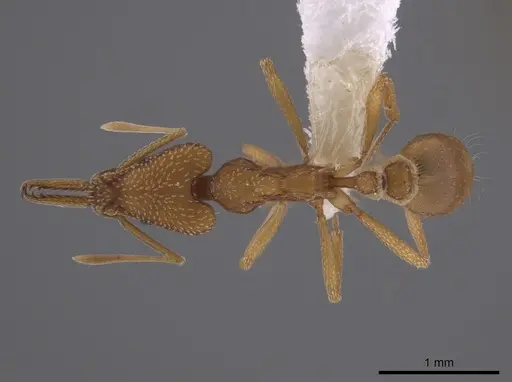
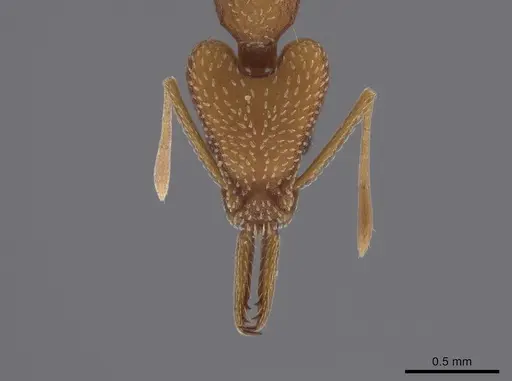
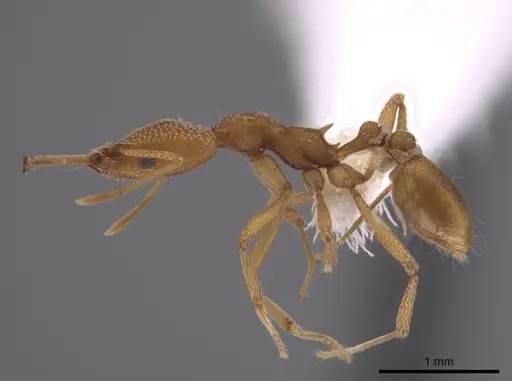
INBIOCRI001284019
View on AntWeb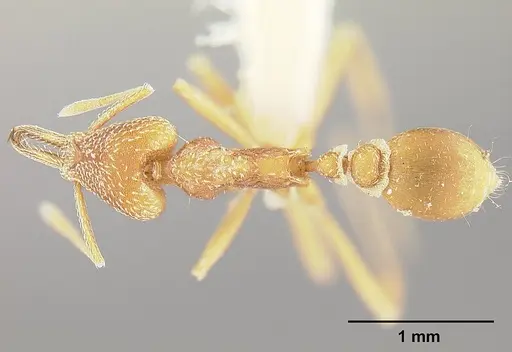
Literature
Loading...Loading products...