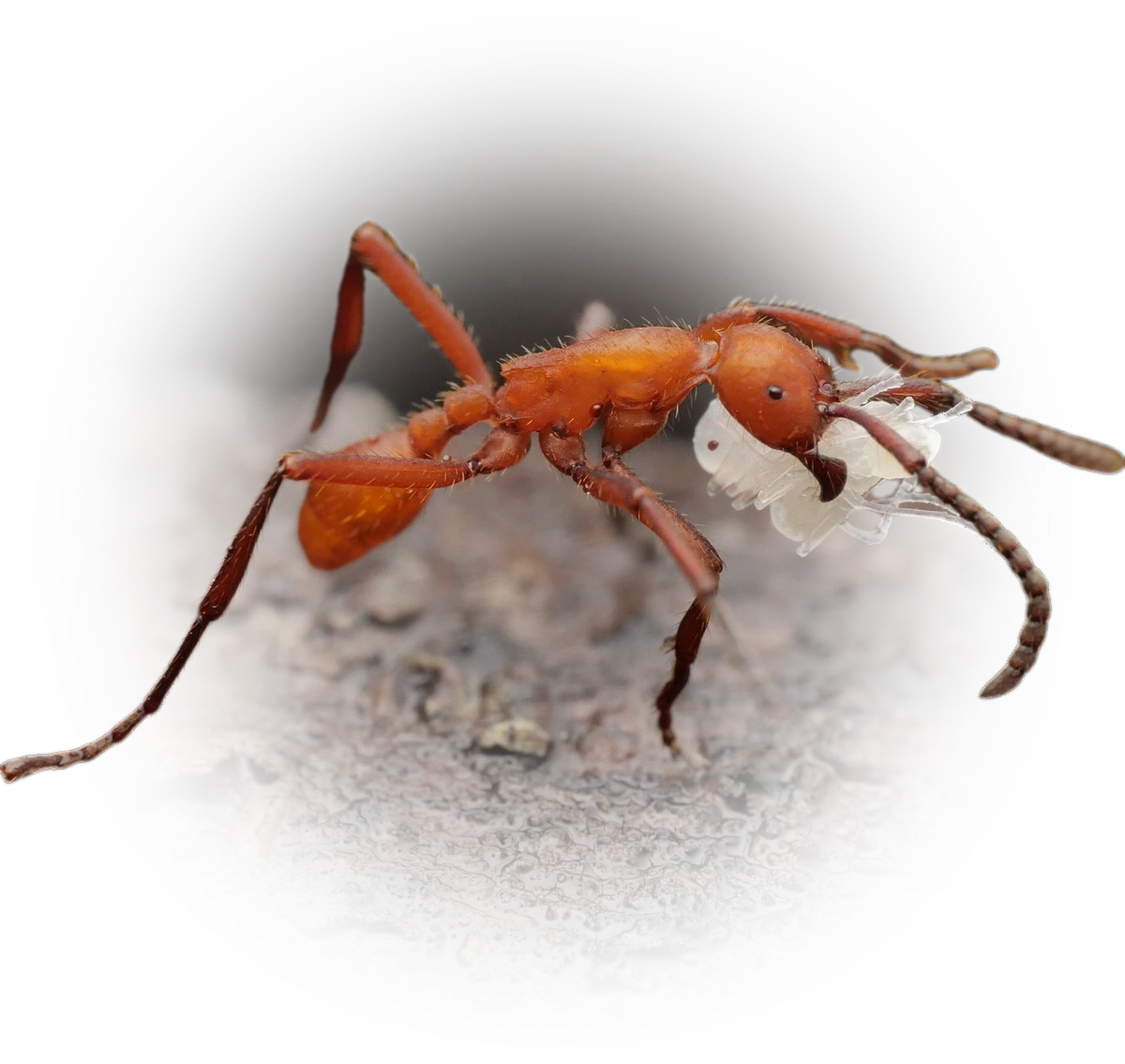

Eciton hamatum
- Scientific Name
- Eciton hamatum
- Subfamily
- Dorylinae
- Author
- Fabricius, 1782
- Distribution
- Found in 10 countries
Eciton hamatum Overview
Eciton hamatum is an ant species of the genus Eciton. It is primarily documented in 10 countries , including Brazil, Belize, Colombia. Detailed taxonomic data and occurrence records can be further explored via authoritative databases such as AntWeb or the Global Biodiversity Information Facility (GBIF).
Eciton hamatum
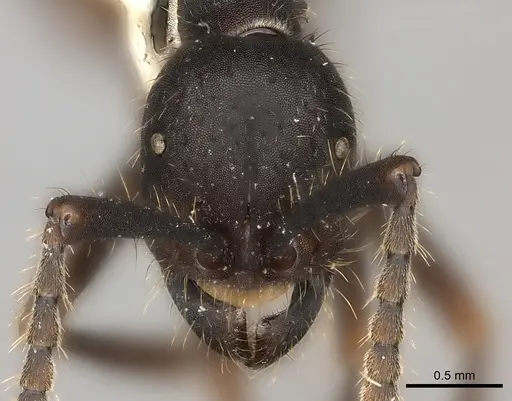
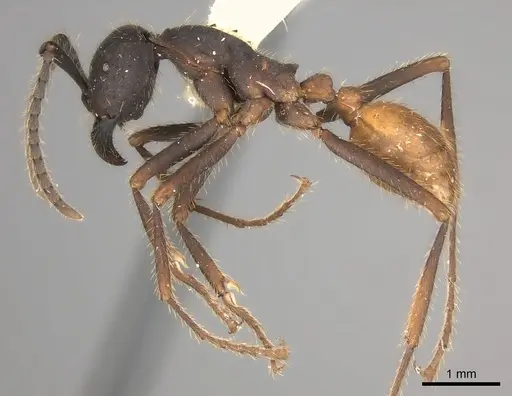
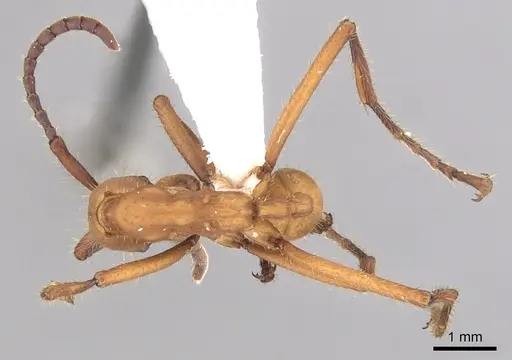
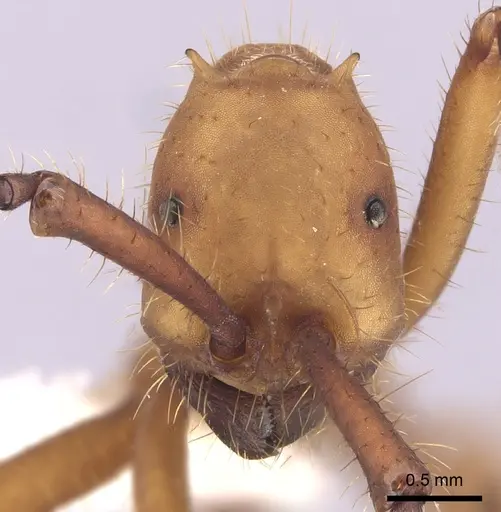
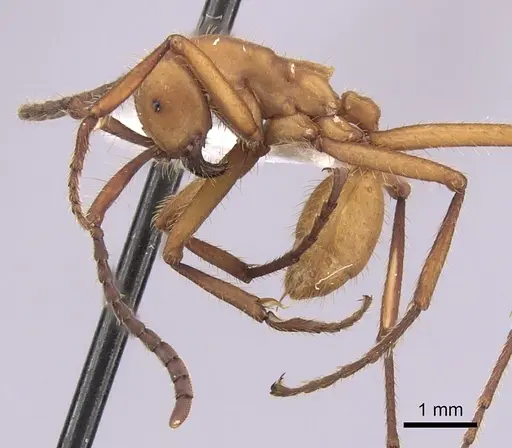
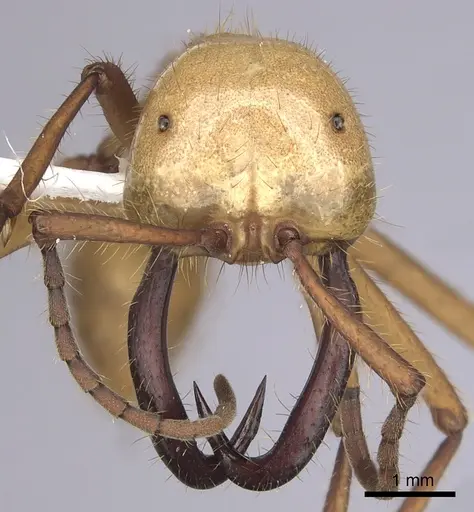
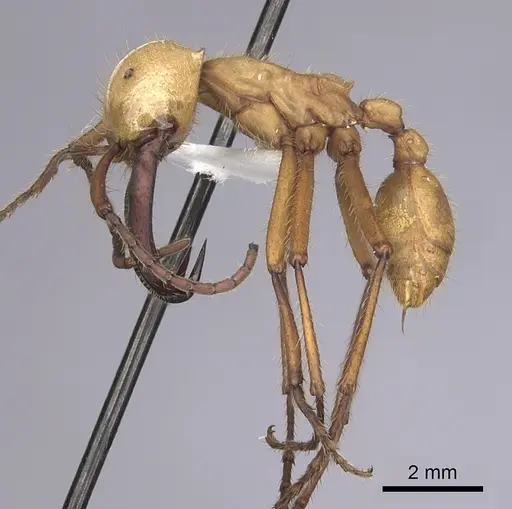
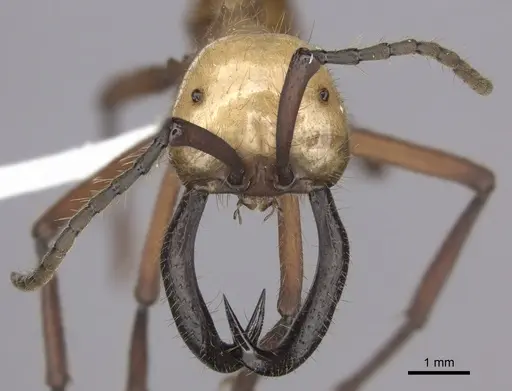
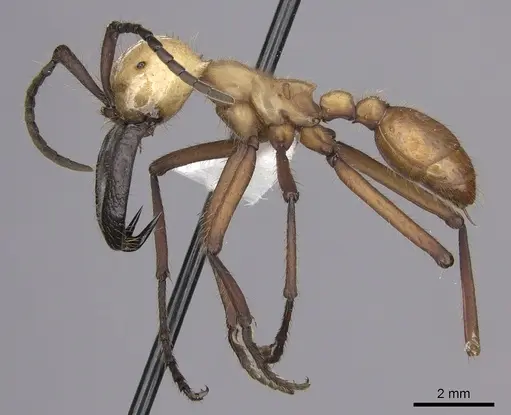
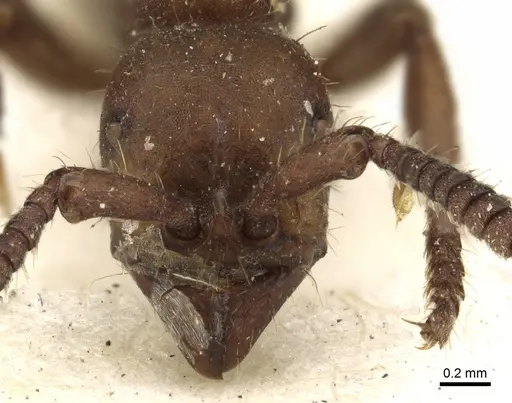
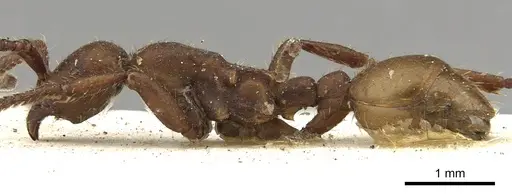
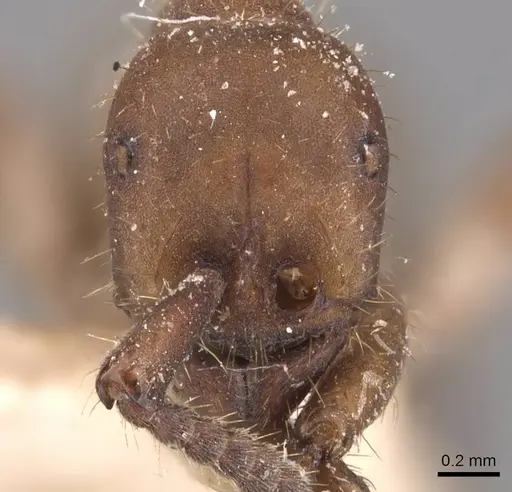
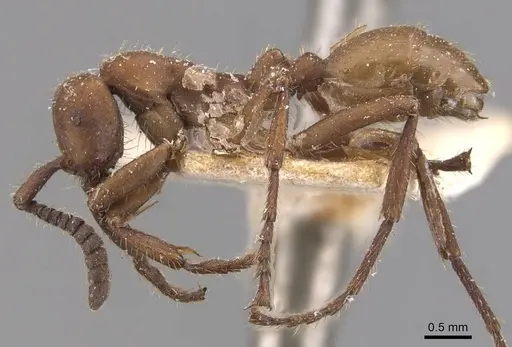
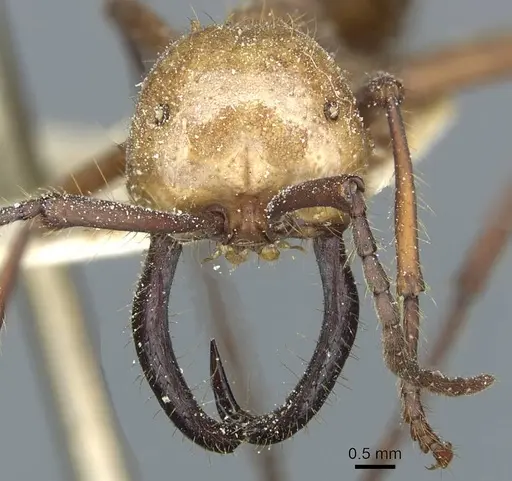
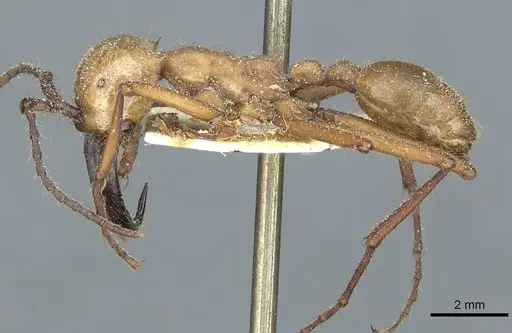
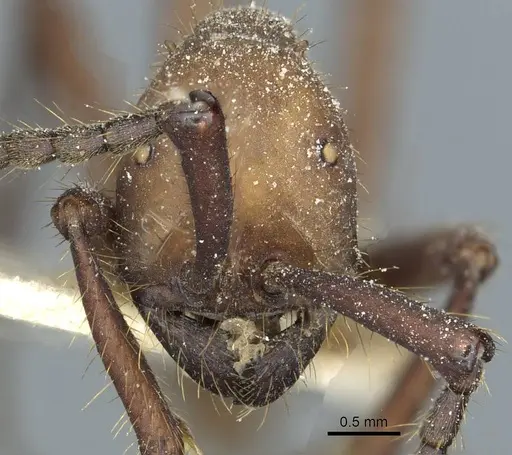
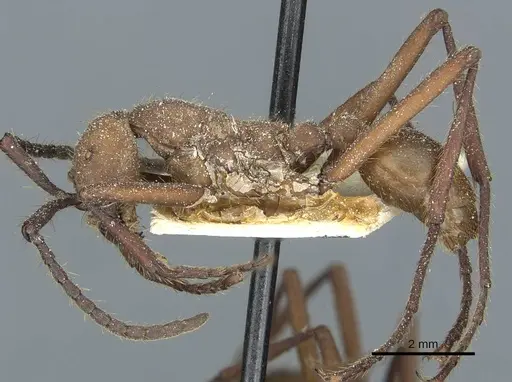
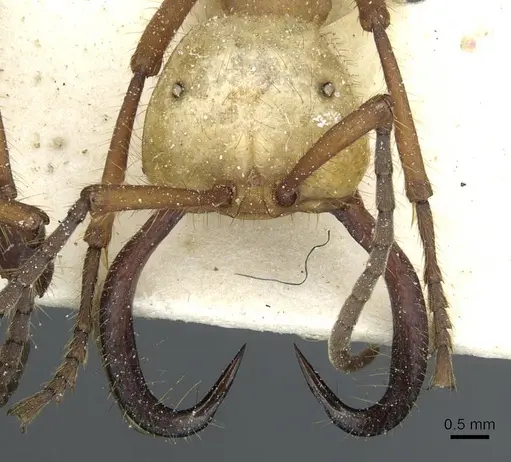
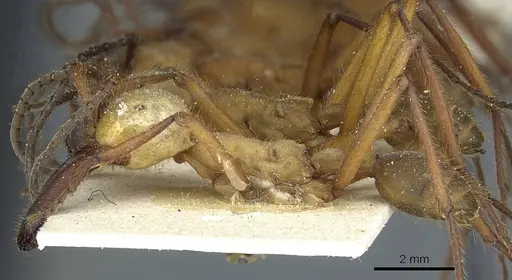
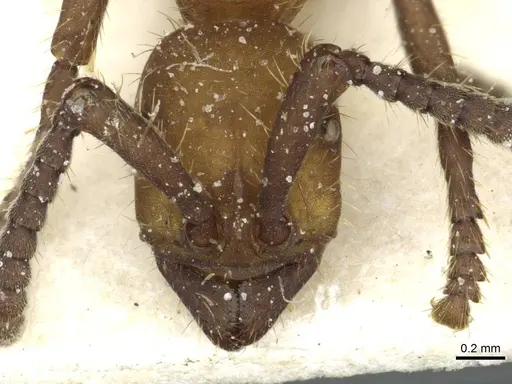
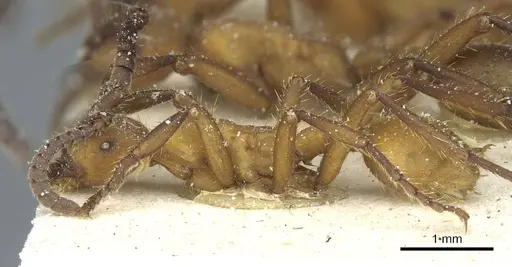
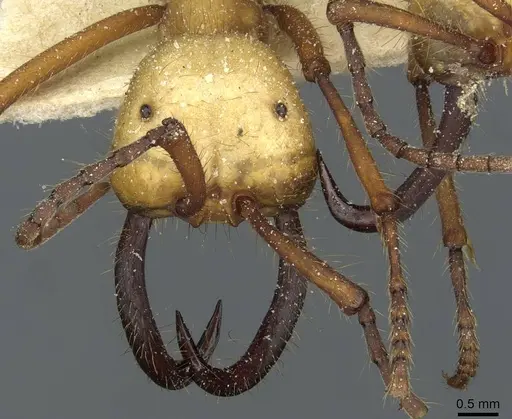
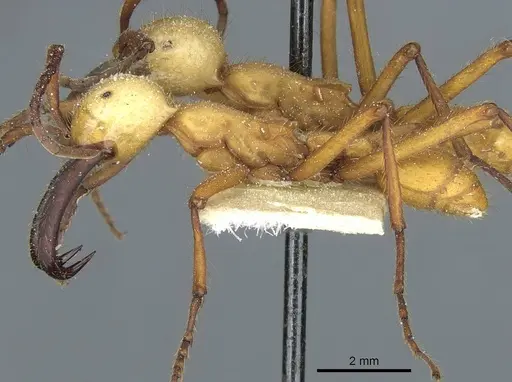
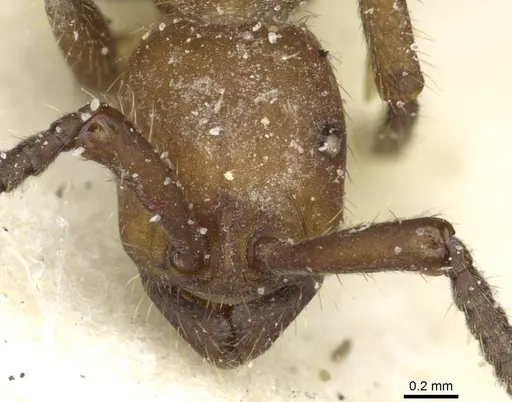
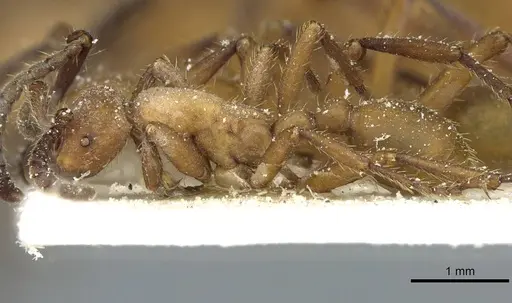
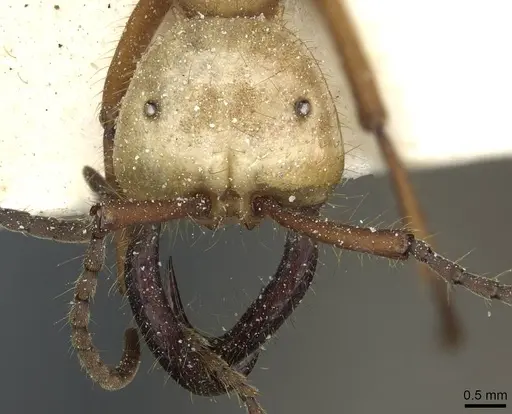
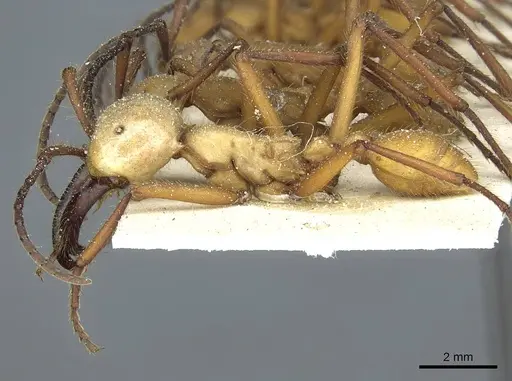
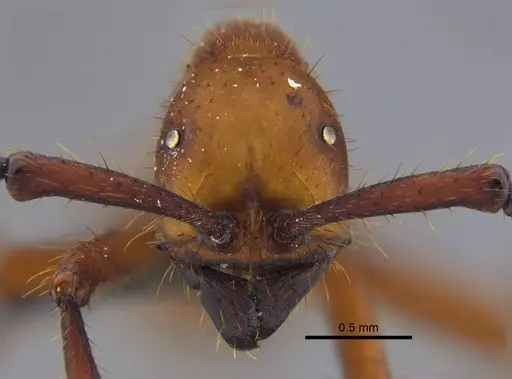
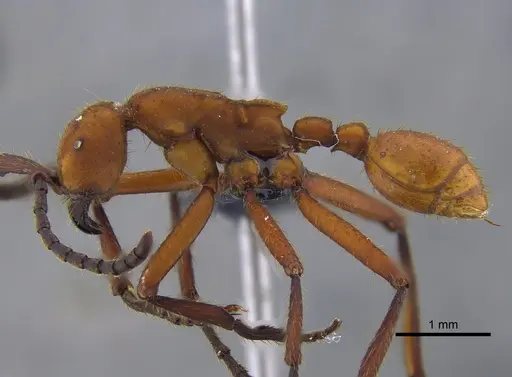
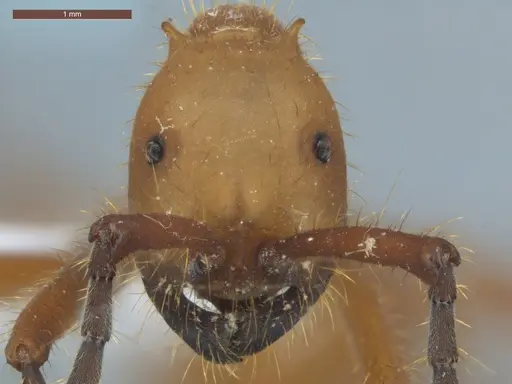
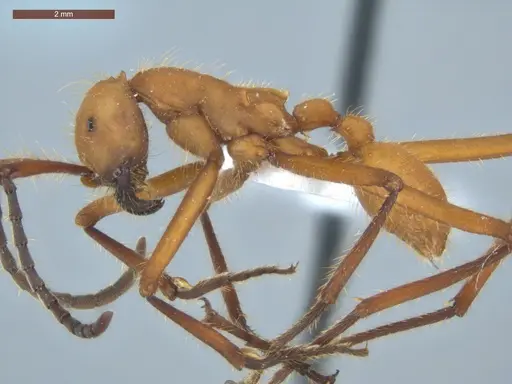
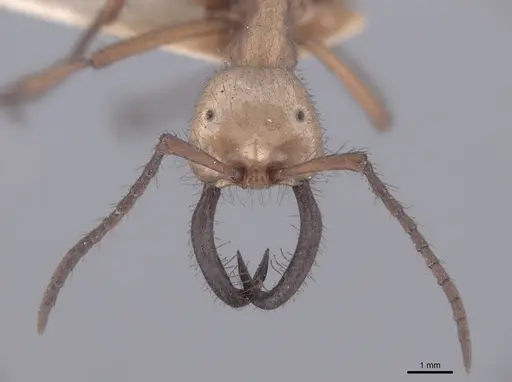
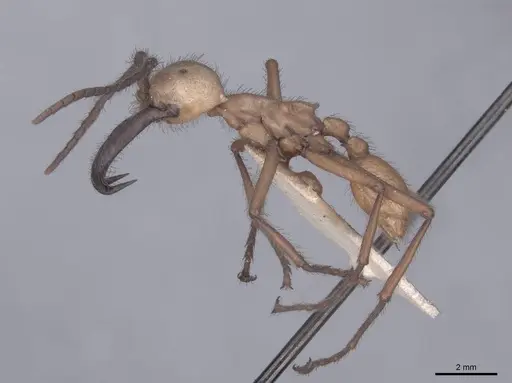
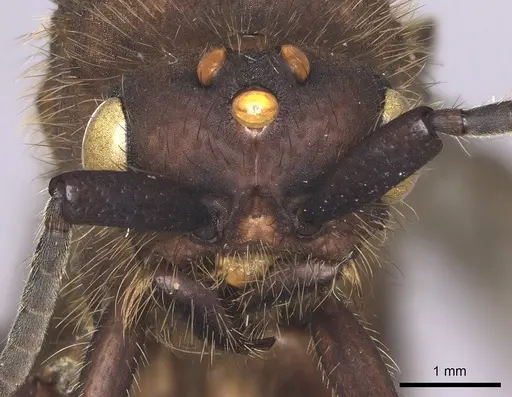
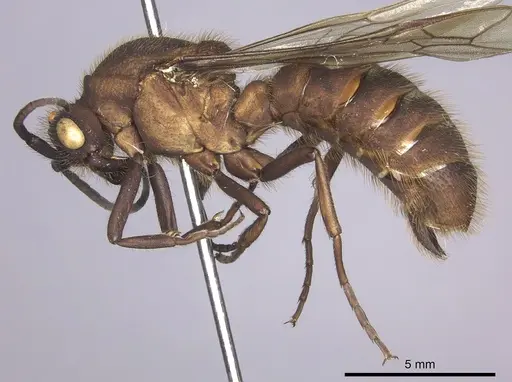
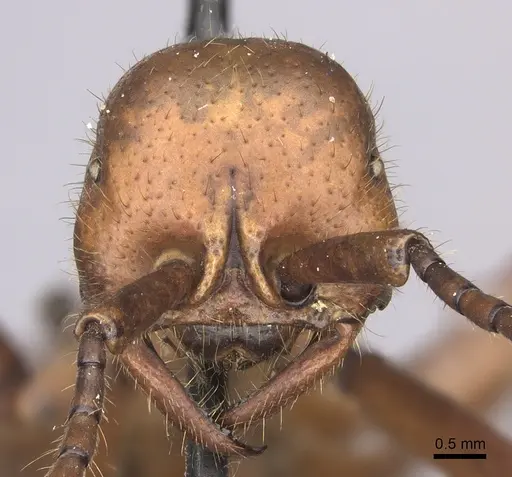
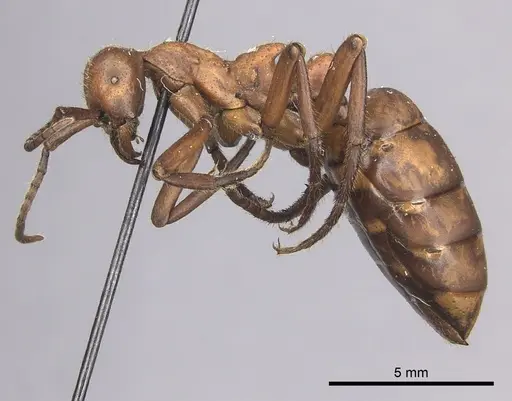
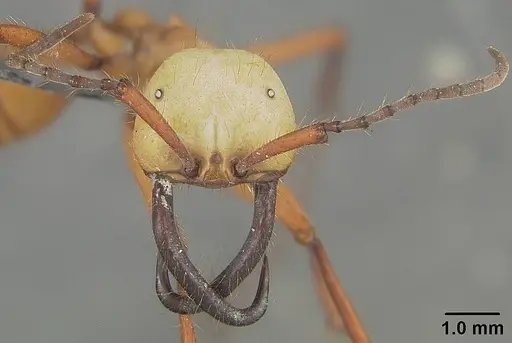
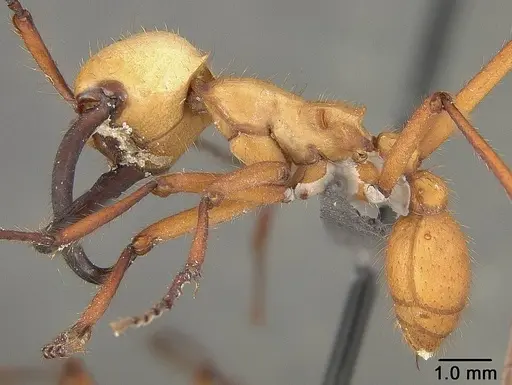
Eciton hamatum is a highly polymorphic Neotropical army ant native to lowland forests from Mexico to Brazil. Workers range from 4-10mm in body length, with minor workers being yellowish-orange and major workers having distinctive large, shiny heads with elongated, hook-like mandibles [1][2]. This is one of the most common Eciton species in Central American wet forests, known for its characteristic column-raiding behavior where workers advance in narrow columns rather than the carpet-like swarms used by Eciton burchellii [3][4]. Colonies can contain 100,000 to 500,000 workers and are among the most efficient predators in the Neotropics, capturing 15,000 to 90,000 prey items per day [5][3]. They specialize in hunting the brood of other ants, particularly leaf-cutting ants (Acromyrmex), and social wasps.
Quick Summary
- Difficulty: Expert
- Origin & Habitat: Native range spans from Mexico through Central America to Brazil, including Belize, Bolivia, Colombia, Costa Rica, Ecuador, French Guiana, Guyana, Honduras, Nicaragua, Panama, Peru, Suriname, Trinidad, and Venezuela [6][7]. Found in lowland wet forest habitats below 1500m altitude, with highest activity in primary rainforest areas [4][8]. Their presence indicates large blocks of intact habitat and adequate prey species [9].
- Colony Type: Monogyne (single queen) colonies with 100,000-500,000 workers [5][10]. Queens can live at least 4.5 years and lay approximately 43,000 eggs in ten days [5][11]. Colonies cycle between nomadic phases (typically 17 days) and statary phases (18-22 days) [5].
- Colony: Monogyne
- Size & Growth:
- Queen: Queens are dichthadiigyne (massive, physogastric) type, not measured in available literature
- Worker: 4-10mm body length, highly polymorphic from minor workers (~4mm) to major workers (~10mm) [1][2]
- Colony: 100,000-500,000 workers [5][10]
- Growth: Fast, sexual brood develops in approximately 43-44 days [5]
- Development: Approximately 6 weeks for worker brood development at optimal tropical temperatures (estimated from 43-44 day sexual development) [5] (Sexual brood (queens and males) takes 43-44 days to develop. Workers emerge continuously once colony is established.)
- Antkeeping:
- Temperature: Tropical species requiring 24-28°C. In their natural habitat (tropical rainforest), temperatures range 85-95°F (29-35°C) with humidity above 90% [12]. Captive colonies would need heated enclosures maintaining these conditions.
- Humidity: Requires very high humidity (80-90%+). In their native rainforest habitat, humidity stays above 90% [12]. These ants have low desiccation resistance, water content is only 48%, the lowest among 10 Panama ant species tested [13].
- Diapause: No, as a tropical species, they do not hibernate. However, colonies show reduced activity during the statary phase when the queen is laying eggs and brood is developing [5].
- Nesting: Nomadic bivouacs under logs, in hollow logs or trees, between buttresses, in underground cavities, or in brush piles [5]. They do not build permanent nests, colonies migrate every 2-3 weeks during nomadic phases. This makes captive housing extremely challenging.
- Behavior: Highly aggressive predators that hunt in organized columns. Workers are diurnal with a characteristic siesta period from 11am to 3pm when raid activity decreases [5]. They form self-assembled bridges to cross gaps during raids and emigrations, these bridges can span up to 30mm and involve dozens of ants working together [1][14]. They are specialized ant predators, using chemical cues to locate prey (especially Acromyrmex leafcutter ant brood) [15]. Major workers have large mandibles but are rarely seen carrying prey, submajor castes handle most prey transport [2]. Colonies avoid each other and will form defensive walls when encountering foreign colonies [16].
- Common Issues: Colony size makes captive housing impractical, 100,000+ workers require enormous space and prey, Food requirements are extreme, 15,000-90,000 prey items daily would be impossible to supply in captivity [3], Nomadic behavior requires migration every 2-3 weeks, cannot maintain in standard formicarium, Tropical humidity requirements (90%+) are difficult to maintain consistently, No established captive breeding protocols exist for this species, Wild-caught colonies would likely fail due to stress and inadequate prey supply
Why This Species Is Not Suitable for Captive Keeping
Eciton hamatum is one of the most fascinating ants in the world, but it is completely unsuitable for captive keeping. This is not a matter of difficulty, it is fundamentally impossible to provide for their basic needs in any captive setting. A single colony contains 100,000 to 500,000 workers and consumes 15,000 to 90,000 prey items every single day [3][17]. To put this in perspective, a colony in Costa Rica was estimated to capture the equivalent of 32.2 grams of dry weight of prey per day during intense foraging [17]. No hobbyist could possibly supply this quantity of live prey. Additionally, these ants are nomadic, they must migrate every 2-3 weeks and cannot be kept in a static nest [5]. Their foraging trails can extend 100-200 meters in the wild [18]. If you are interested in army ant behavior, the best approach is to observe them in their natural habitat or watch the excellent documentary footage available.
Natural History and Hunting Behavior
Eciton hamatum is a column-raiding army ant, meaning it hunts in organized columns rather than the massive carpet-like swarms used by Eciton burchellii [3]. Raids begin near dawn and are initiated by increased light intensity at the bivouac. A 'pushing party' of excited workers heads the advance into new territory, with membership constantly changing as newcomers join and leave [19]. The raids are epigaeic (surface-dwelling) and mostly diurnal, though they can raid at night as well [3]. They specialize in capturing the brood of other ants, particularly leaf-cutting ants (Acromyrmex) and social wasps [20][15]. On Barro Colorado Island, they prey more heavily on Acromyrmex than any other ant genus, with a peak intake rate of 133 Acromyrmex prey items per minute and an average daily intake of nearly 5,000 items [15]. They also climb trees to attack arboreal insects, particularly ants and wasps in the canopy [4].
Colony Cycle and Nomadic Behavior
Army ant colonies alternate between two distinct phases: nomadic and statary. During the nomadic phase (typically 17 days, range 16-18 days), colonies raid extensively each day and frequently emigrate to new bivouac sites [5]. Emigrations start after the midday siesta period, typically between 2:00-3:00 PM or after 6:00 PM, and the queen emigrates between 6:30 and 8:30 PM. Emigrations complete by 8:00-11:00 PM and can take up to twelve hours at night [5][21]. New bivouac sites are typically located 100-200 meters from the previous site [19]. During the statary phase (18-22 days), colonies raid less and the queen lays eggs, typically around 43,000 eggs in ten days at a rate of 178 eggs per hour for 7 hours [5]. When colonies produce sexual brood (new queens and males), the nomadic phase shortens to 8-13 days. Colony fission (splitting) has been observed during the first two months of the rainy season in Panama [19][11].
Self-Assembled Structures
One of the most remarkable behaviors of E. hamatum is their ability to form self-assembled bridges and structures to cross gaps during raids and emigrations [1][14]. These bridges initiate when ants encounter gaps of approximately 5mm or larger. A maximum of 28 ants can form a functional bridge, with bridges naturally occurring up to 26mm and experimental bridges growing to 30mm [1]. The bridges show hysteresis, they grow larger during expansion phases and shrink during contraction phases, with ants responding to the cost-benefit trade-off between travel distance saved and the energy invested in building the bridge [14]. Bridge-building ants tend to be younger individuals that are more timid in raid traffic and lack foraging experience [18]. Ants can run at speeds up to 14 cm/s, with sustained average speeds around 8 cm/s [18].
Prey Detection and Specialization
E. hamatum uses chemical detection to locate prey, showing significantly stronger recruitment in response to prey odors (from Acromyrmex) compared to non-prey odors [15]. They can detect alarm pheromones, dead ants, live ants, and nest material from potential prey, with recruitment strongest to nest-material, followed by live-ant, dead-ant, with alarm being weakest [15]. Their low nitrogen-15 isotope values (δ15N = 3.76) indicate they feed mainly on brood of ants that themselves feed at relatively low trophic levels [22]. This dietary specialization is reflected in their morphology, they have a distinct submajor caste that specializes in prey transport, carrying approximately 27% of all prey items [2]. The submajor caste has significantly wider heads relative to body size and longer legs relative to body size compared to similar castes in other Eciton species [2].
Associated Species and Symbionts
Eciton hamatum hosts an impressive array of myrmecophile (ant-loving) organisms. The rove beetle Ecitophya gracillima is a specialist guest found in 12 out of 13 E. hamatum colonies sampled [23]. These beetles chemically mimic their host ants, analysis shows both ants and beetles have similar cuticular hydrocarbon profiles, and behavioral assays show the beetles actively seek contact with host ants and engage in reciprocal grooming [23]. They are also hosts for the histerid beetle Pulvinister nevermanni [24] and numerous mite species [25]. Additionally, kleptoparasitic birds (such as antbirds) follow raiding columns and steal prey from the ants [20]. The presence of army ants like E. hamatum in an area indicates healthy ecosystems with large blocks of intact habitat and adequate prey species [9].
Frequently Asked Questions
Can I keep Eciton hamatum as a pet?
No. Eciton hamatum cannot be kept in captivity. A single colony contains 100,000-500,000 workers and consumes 15,000-90,000 prey items every day. Their nomadic lifestyle requires migration every 2-3 weeks, and their foraging trails can extend 100-200 meters. No hobbyist could possibly meet their food and space requirements.
What do Eciton hamatum eat?
They are specialized predators that primarily hunt the brood (larvae and pupae) of other ants, especially leaf-cutting ants (Acromyrmex) and social wasps. They occasionally capture adult insects during their largest raids but focus on immature stages [20][5][15].
How big do Eciton hamatum colonies get?
Colonies contain 100,000 to 500,000 workers [5][10]. The queen can lay about 43,000 eggs in ten days, and colonies can live for at least 4.5 years [5].
Do Eciton hamatum ants sting?
Yes. They have functional stingers and are capable of stinging. Major workers have large mandibles but are rarely involved in prey capture, the sting is the primary weapon. Their sting is mentioned in comparisons with other army ant species for painfulness [26].
Do they need hibernation or diapause?
No. As a tropical species, they do not hibernate. However, colonies show reduced activity during the statary phase when the queen is laying eggs and brood is developing [5].
What is the difference between Eciton hamatum and Eciton burchellii?
E. hamatum is a column-raider (raids in narrow columns), while E. burchellii is a swarm-raider (raids in massive carpet-like swarms covering large areas). E. hamatum raids are always in columns, never in a carpet like E. burchellii [3][4].
Where is Eciton hamatum found?
They range from Mexico through Central America to Brazil, including Belize, Bolivia, Colombia, Costa Rica, Ecuador, French Guiana, Guyana, Honduras, Nicaragua, Panama, Peru, Suriname, Trinidad, and Venezuela. They live in lowland wet forests below 1500m altitude [6][7][4].
Are Eciton hamatum dangerous to humans?
They are not dangerous to humans in the sense of being venomous to vertebrates, but their stings can be painful and they will aggressively defend their colony if threatened. In the wild, they are top predators that can overwhelm much larger animals. In captivity, the sheer number of workers would make them difficult to manage safely.
How long do workers live?
Workers are estimated to live approximately 1 year [12]. The queen can live at least 4.5 years [5][11].
Can I start a colony from a queen?
Army ant queens are dichthadiigyne (massive, physogastric) and would require a fully functional colony to survive. Capturing a queen would not be feasible as they are only produced during specific reproductive phases and would not found a colony alone. Additionally, the massive prey requirements of even a founding colony would be impossible to meet.
References

This caresheet is licensed under CC BY-SA 4.0 .
ANTWEB1008523
View on AntWeb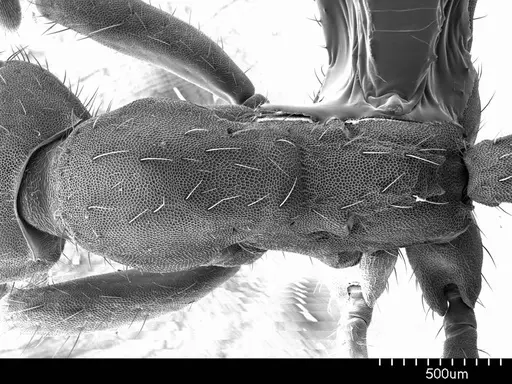
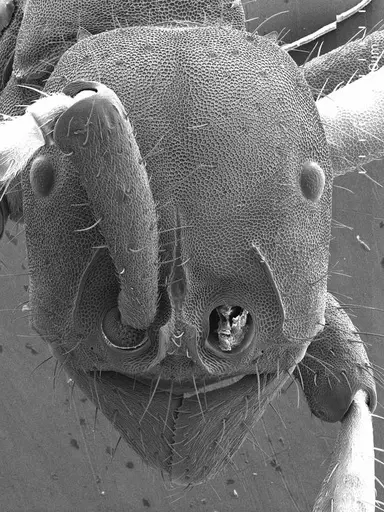
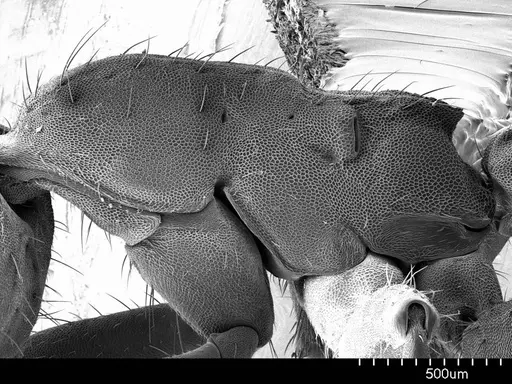
ANTWEB1008604
View on AntWeb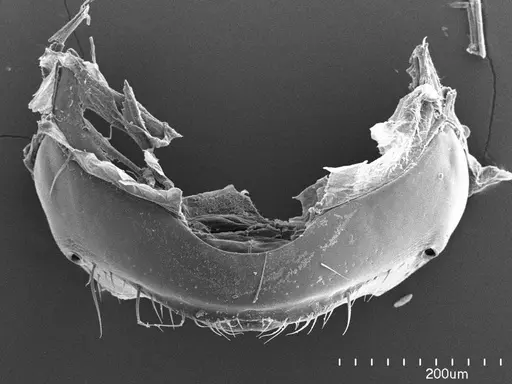
CASENT0217470
View on AntWeb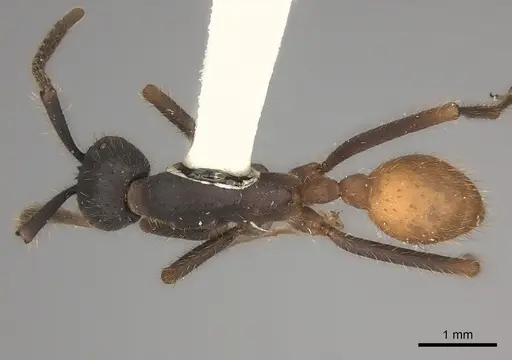
CASENT0249456
View on AntWeb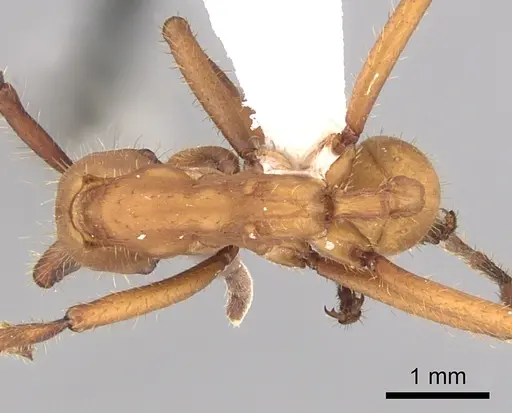
CASENT0249457
View on AntWeb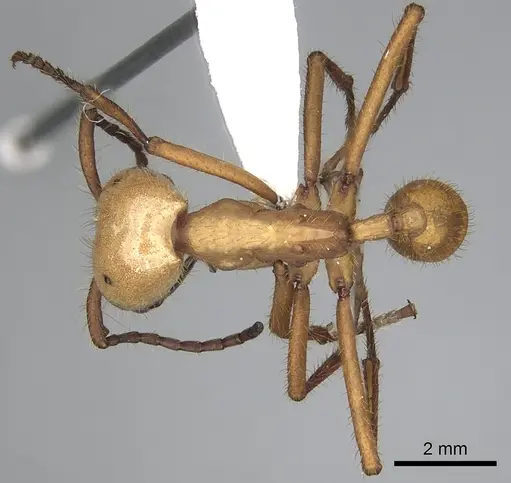
CASENT0612205
View on AntWeb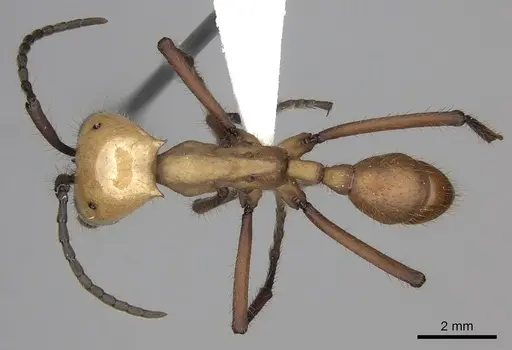
CASENT0902636
View on AntWeb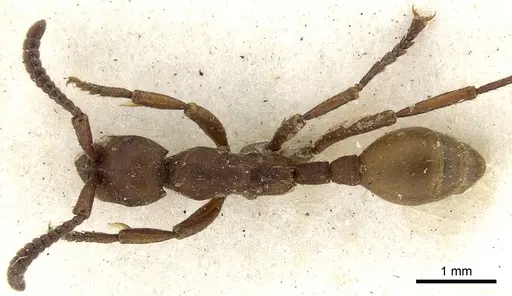
CASENT0905949
View on AntWeb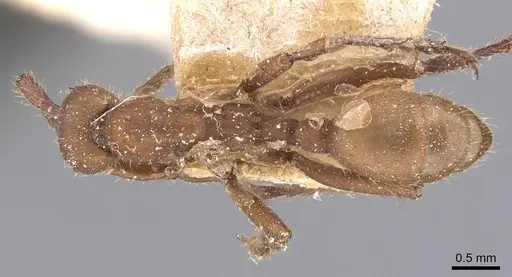
CASENT0911379
View on AntWeb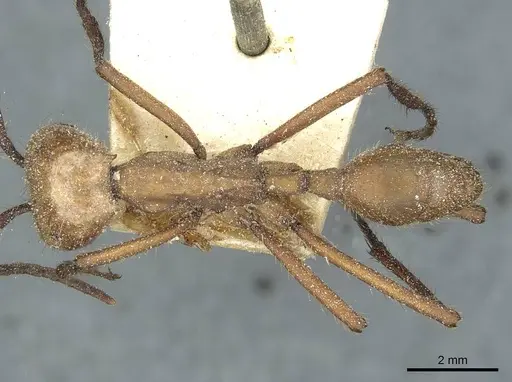
CASENT0911380
View on AntWeb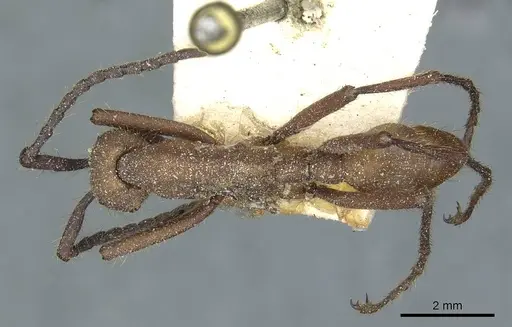
CASENT0911381
View on AntWeb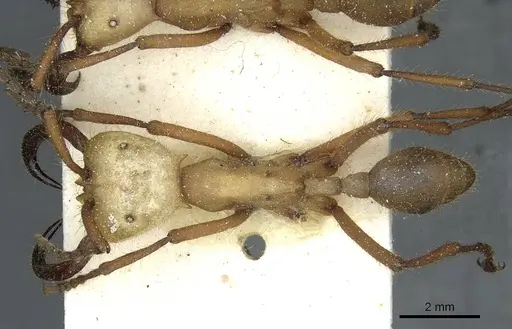
CASENT0911382
View on AntWeb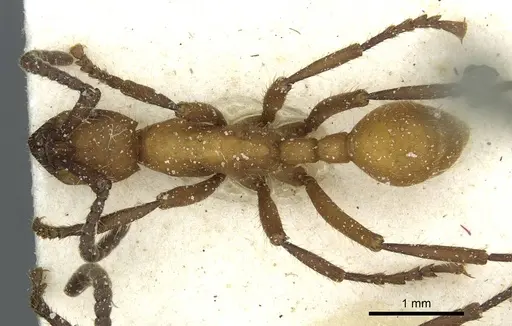
CASENT0911383
View on AntWeb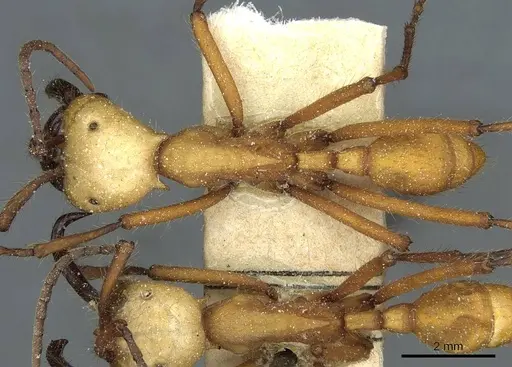
CASENT0911384
View on AntWeb
CASENT0911385
View on AntWeb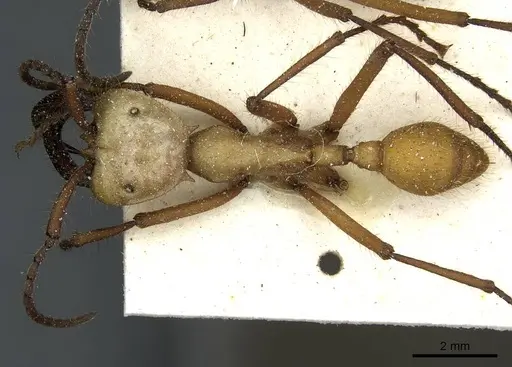
CBUMAGENT41861
View on AntWeb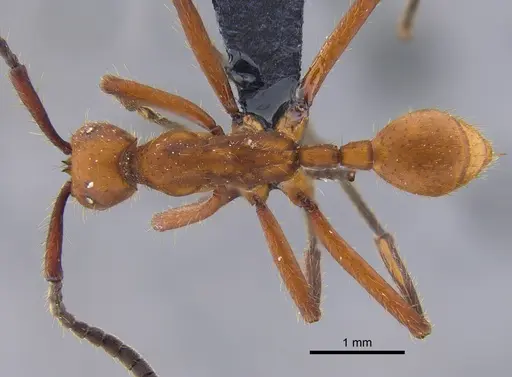
ECOFOG-TR13-0001-09
View on AntWeb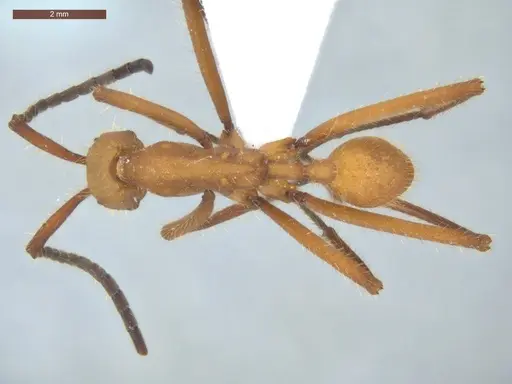
FMNHINS0000045240
View on AntWeb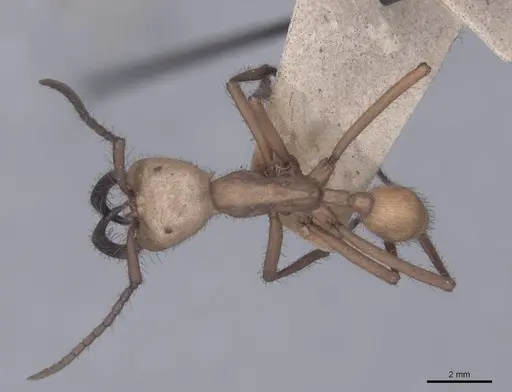
INB0003692970
View on AntWeb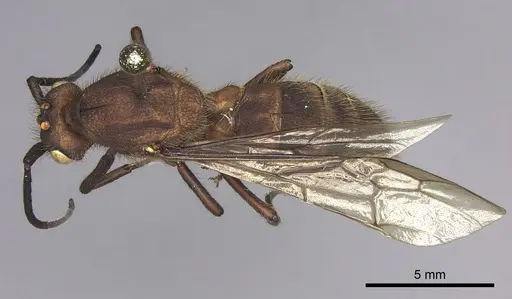
INBIOCRI001283500
View on AntWeb
USNMENT01124222
View on AntWeb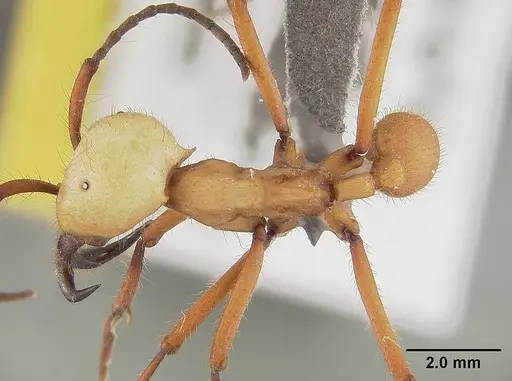
Literature
Loading...Loading products...