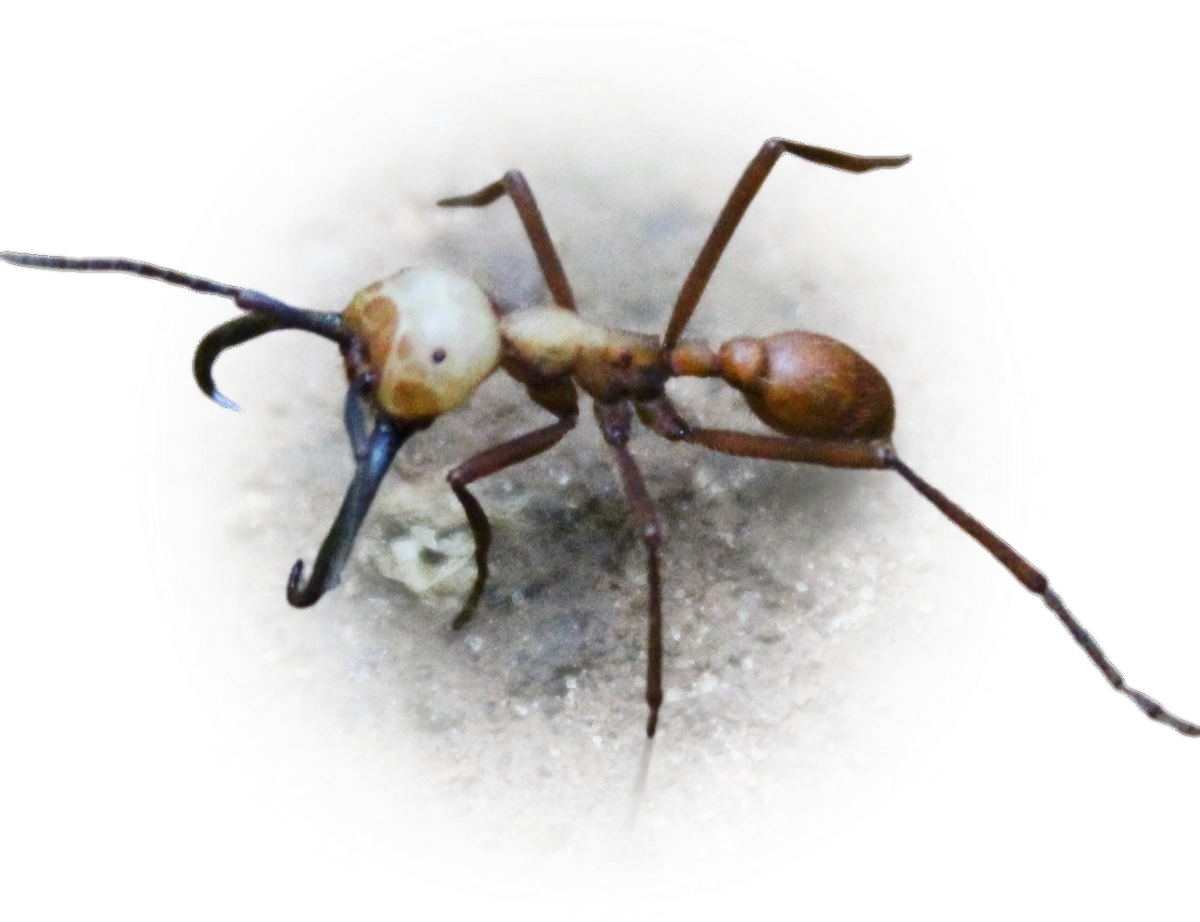

Eciton burchellii
- Scientific Name
- Eciton burchellii
- Subfamily
- Dorylinae
- Author
- Westwood, 1842
- Common Name
- Burchell's Army Ant
- Distribution
- Found in 10 countries
Eciton burchellii Overview
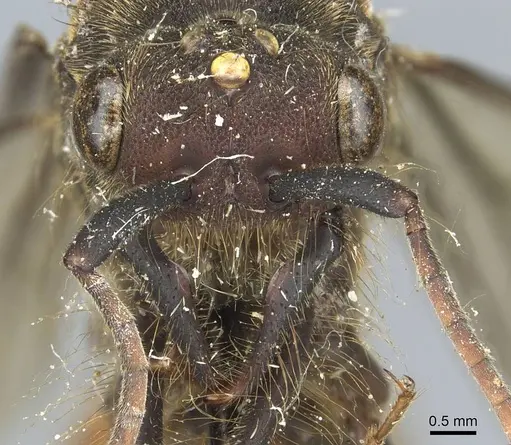
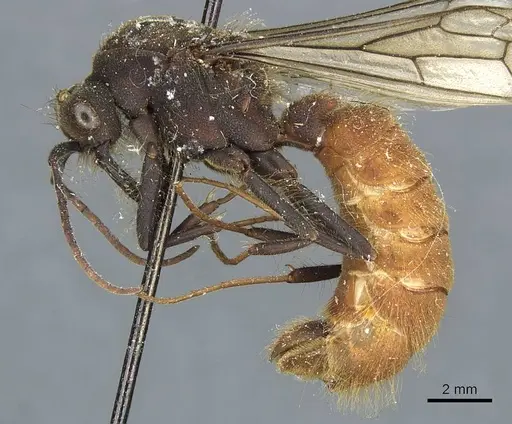
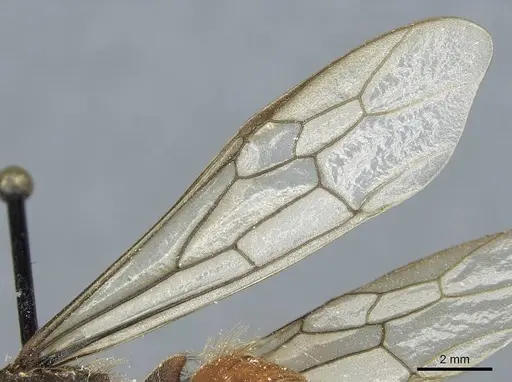
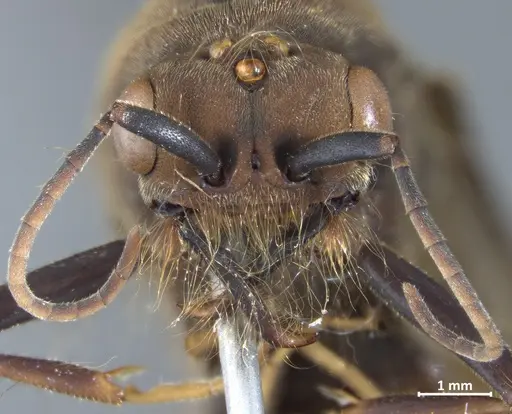
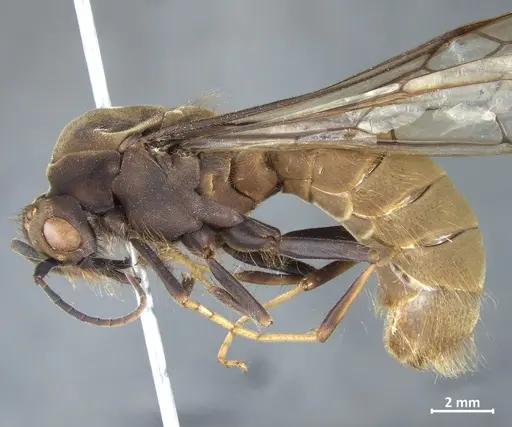
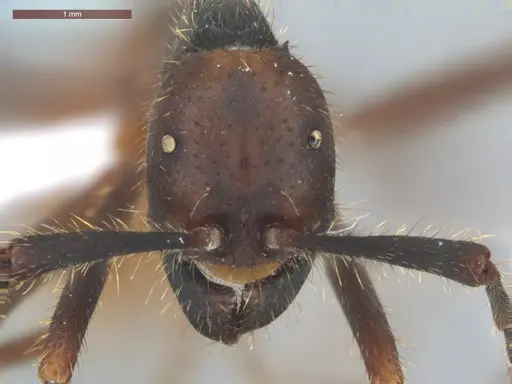
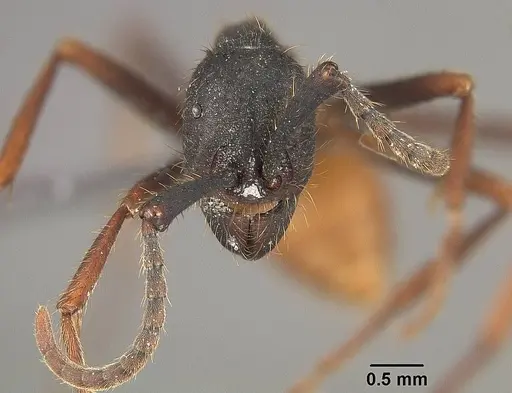
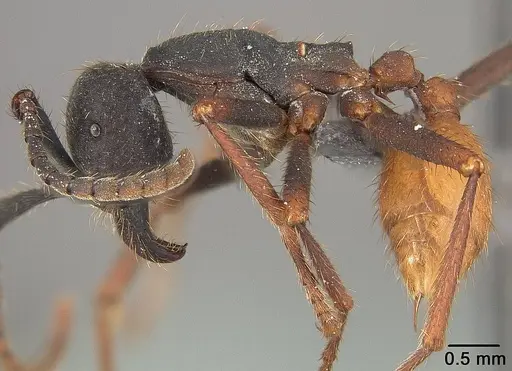
Eciton burchellii (commonly known as the Burchell's Army Ant) is an ant species of the genus Eciton. It is primarily documented in 10 countries , including Brazil, Colombia, Costa Rica. Detailed taxonomic data and occurrence records can be further explored via authoritative databases such as AntWeb or the Global Biodiversity Information Facility (GBIF).
Eciton burchellii - "Burchell's Army Ant"
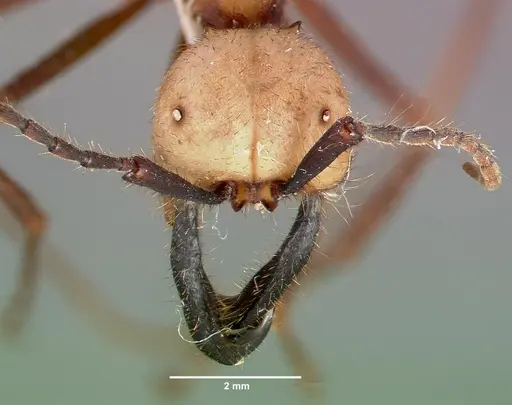
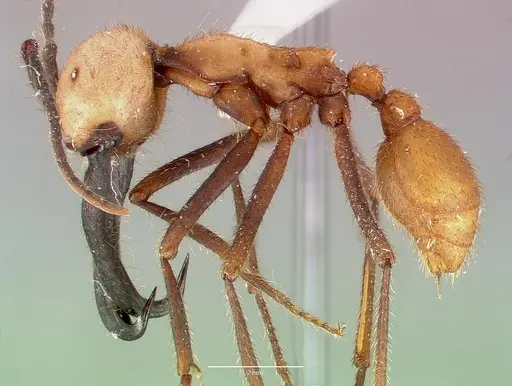
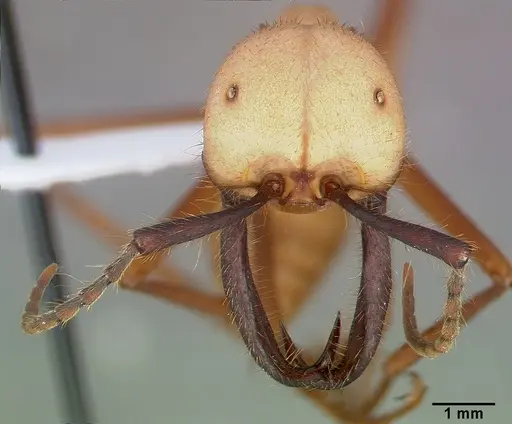
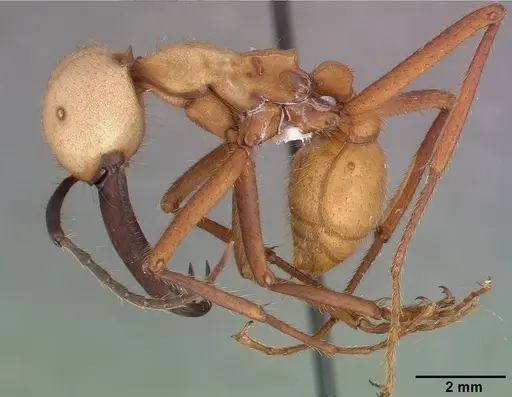
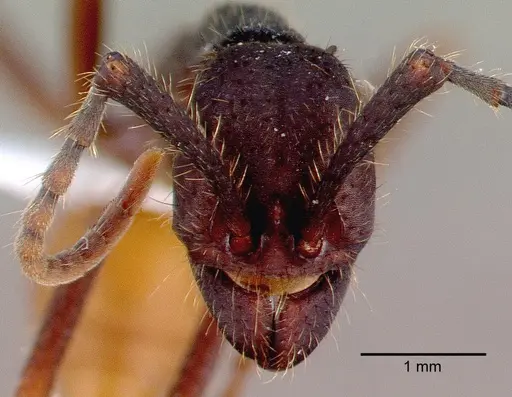
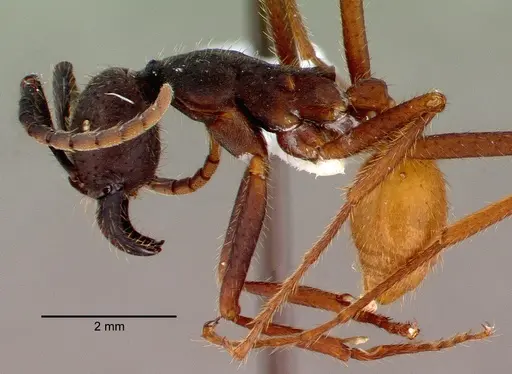
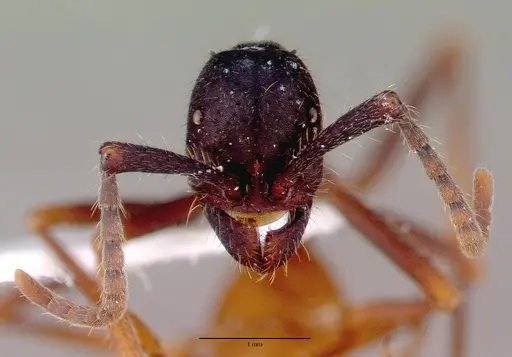
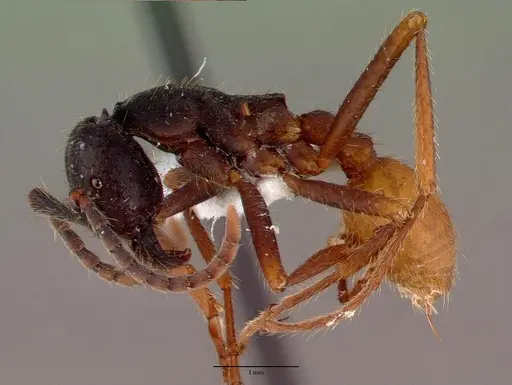
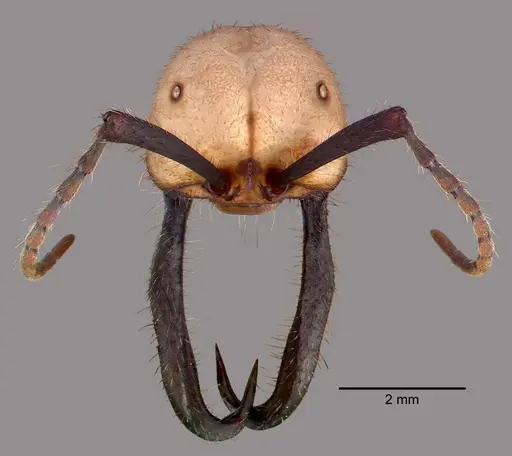
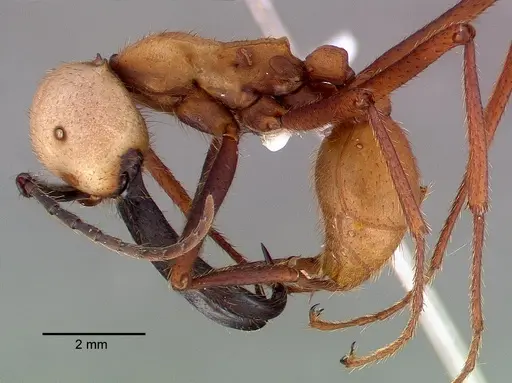
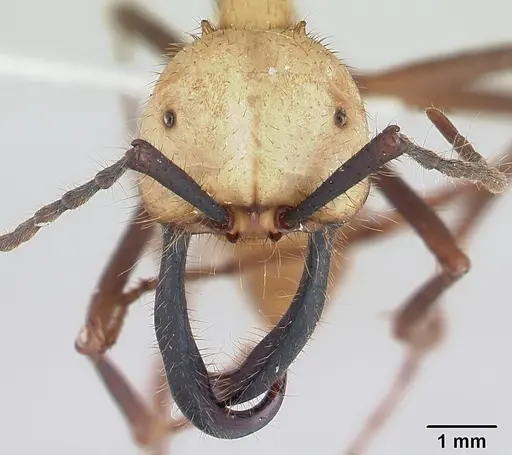
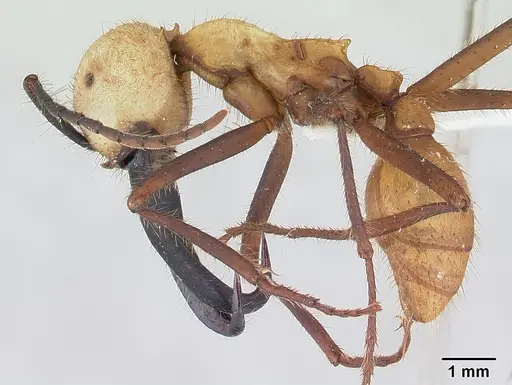
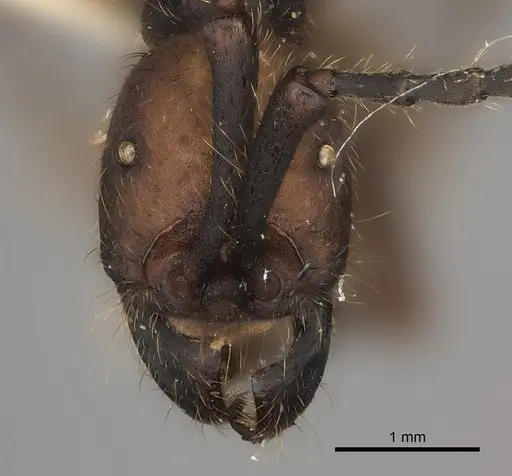
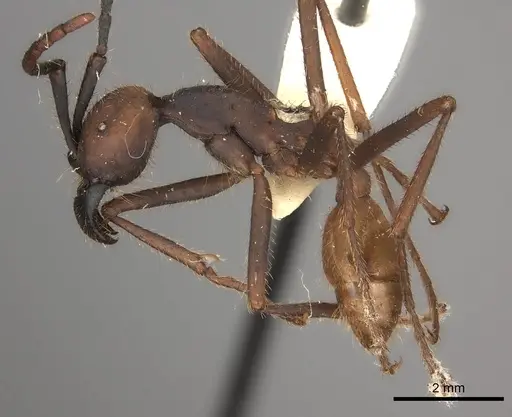
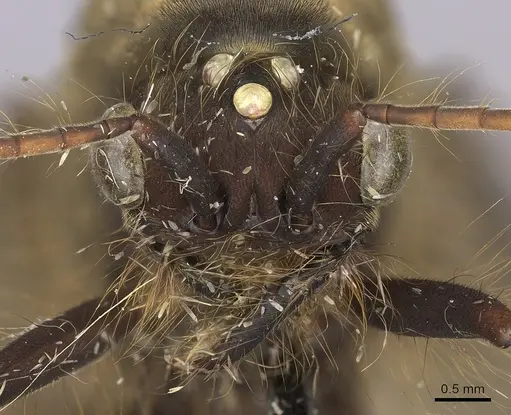
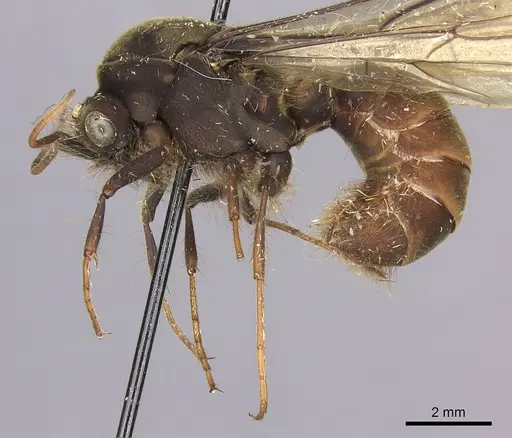
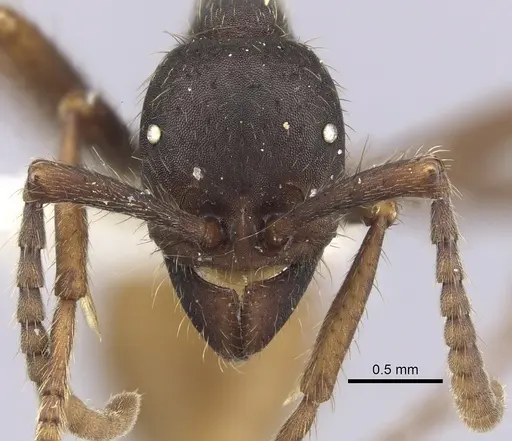
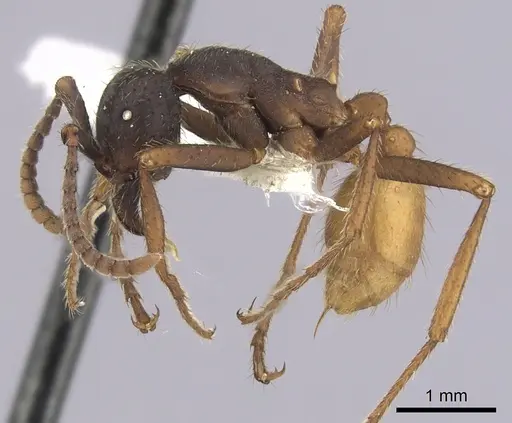
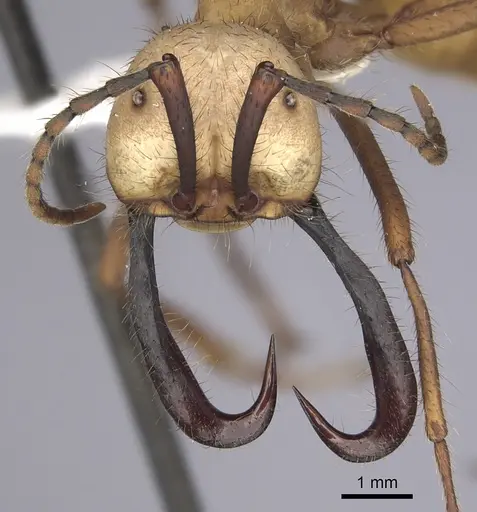
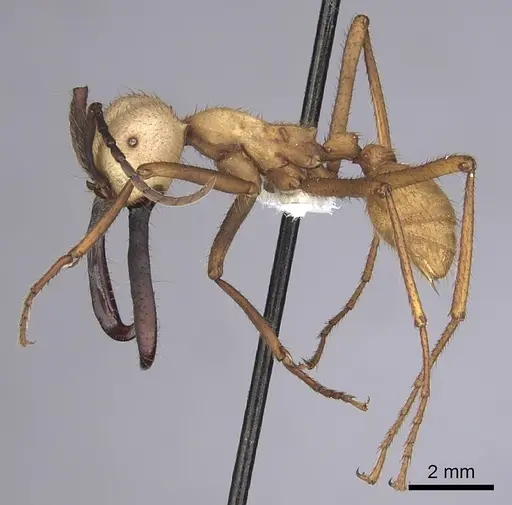
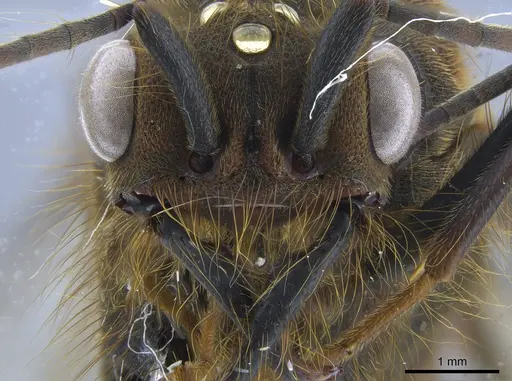
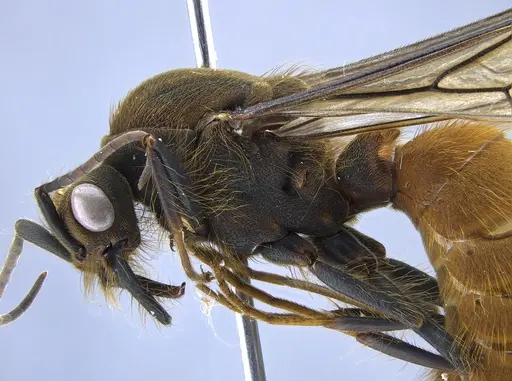
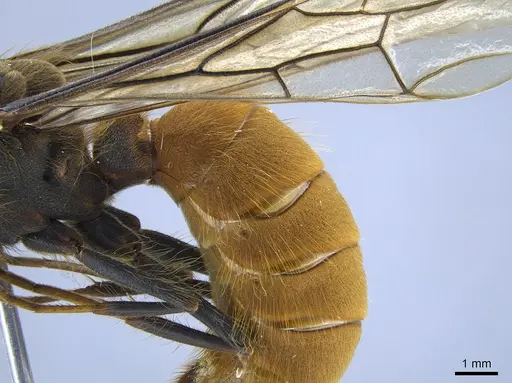
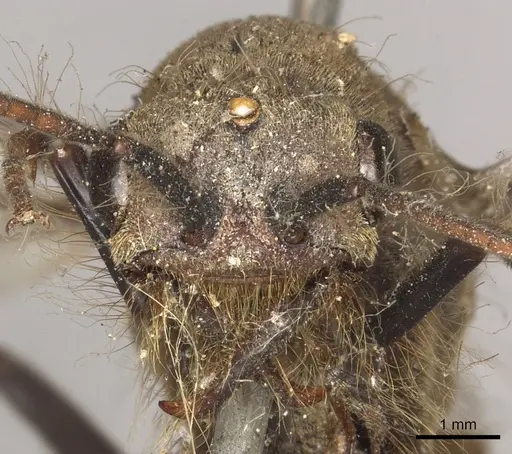
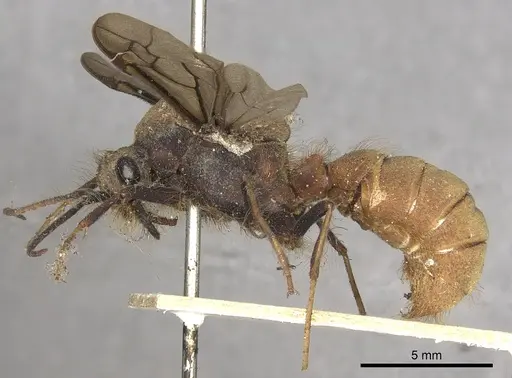
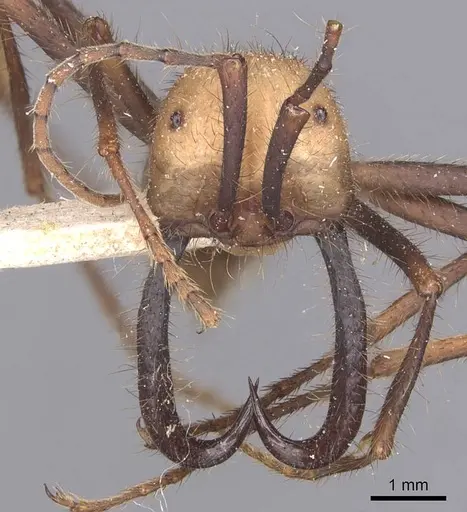
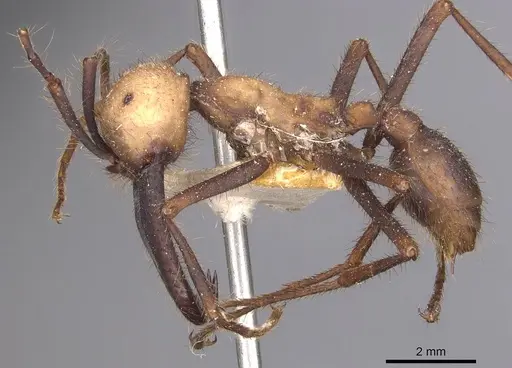
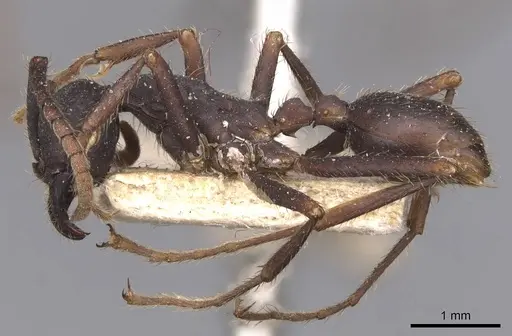
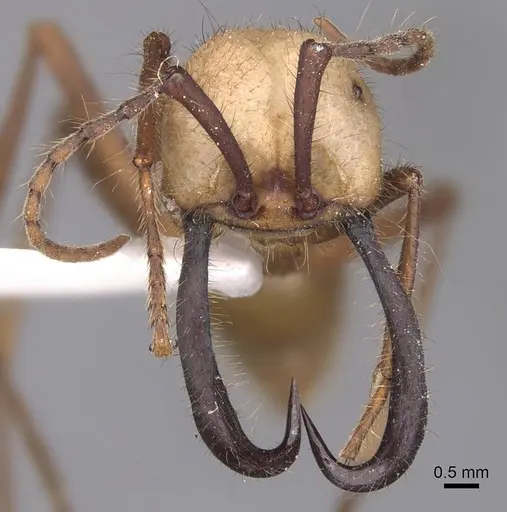
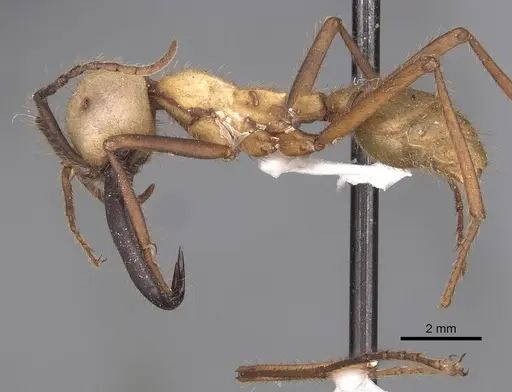
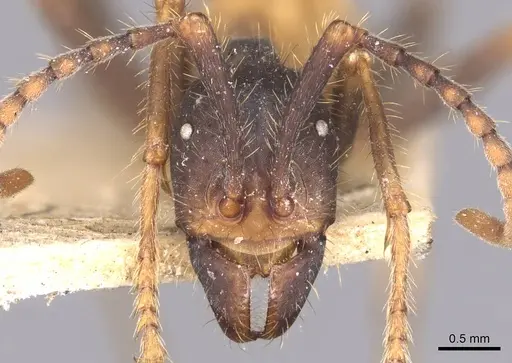
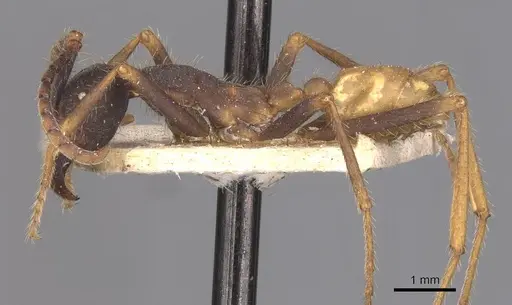
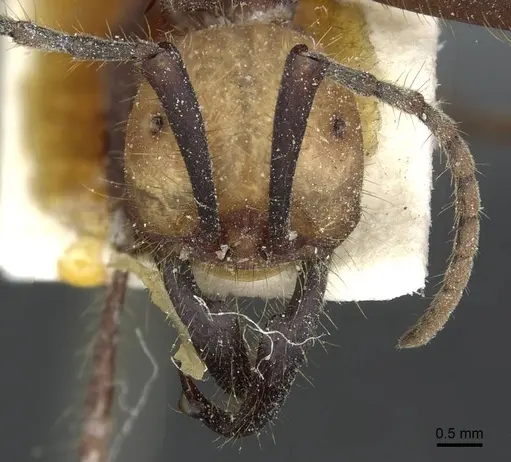
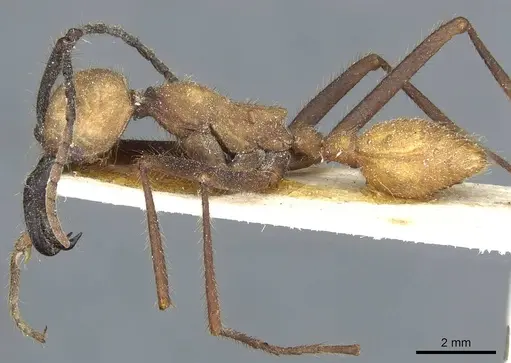
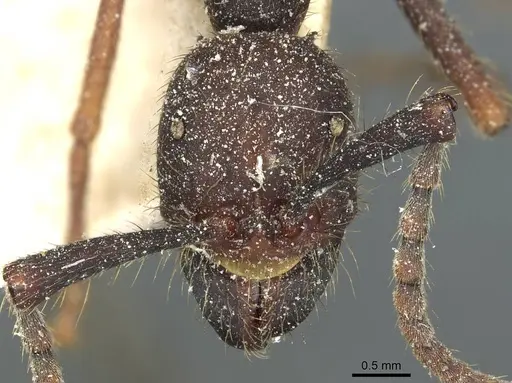
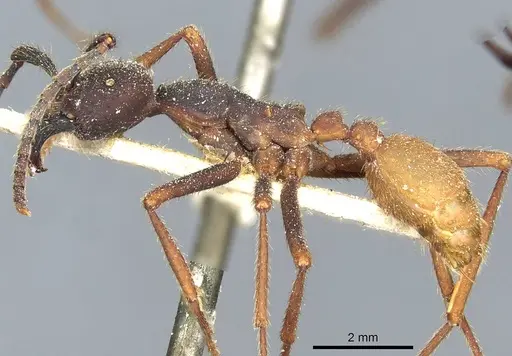
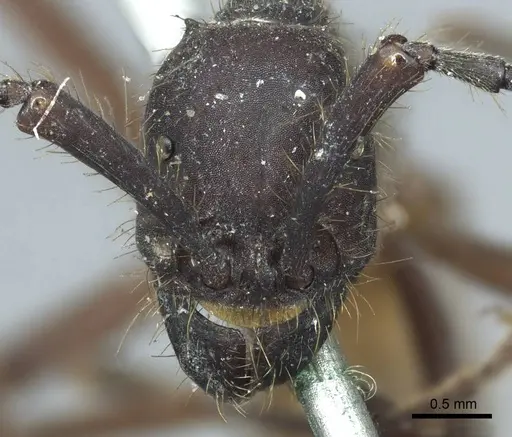
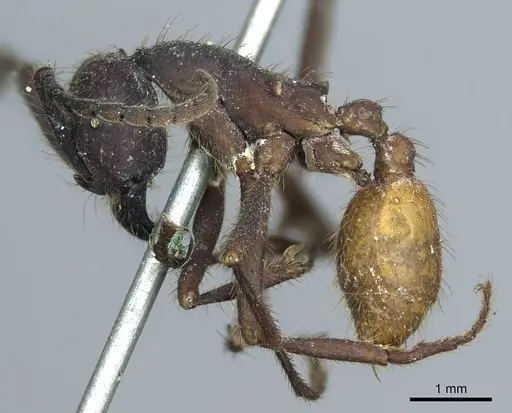
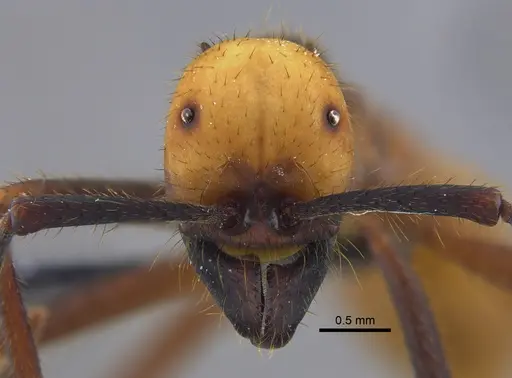
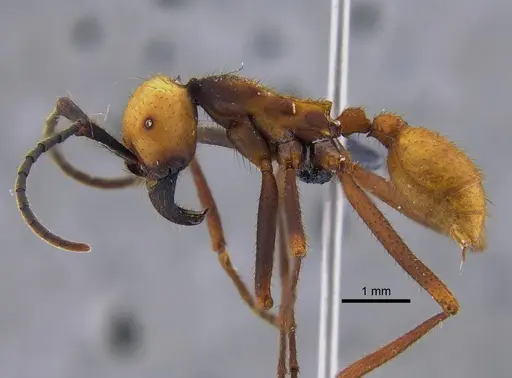
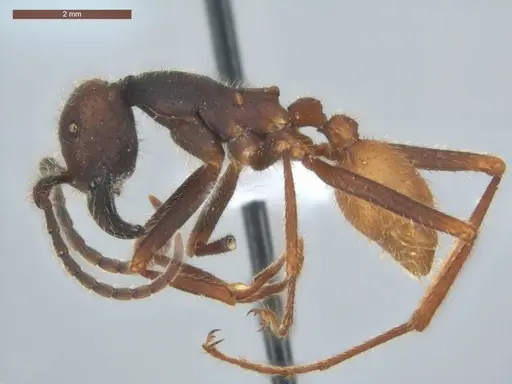
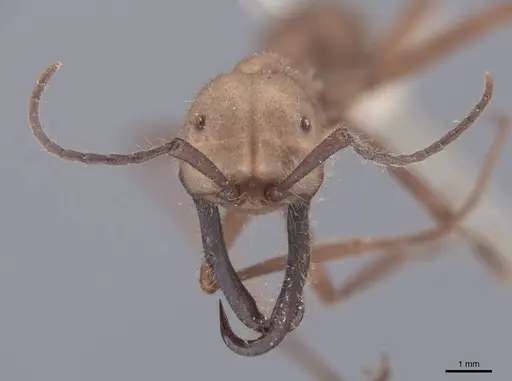
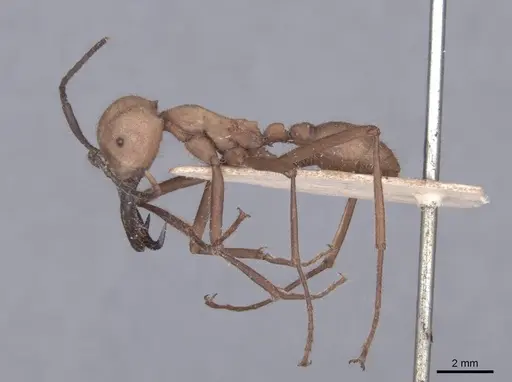
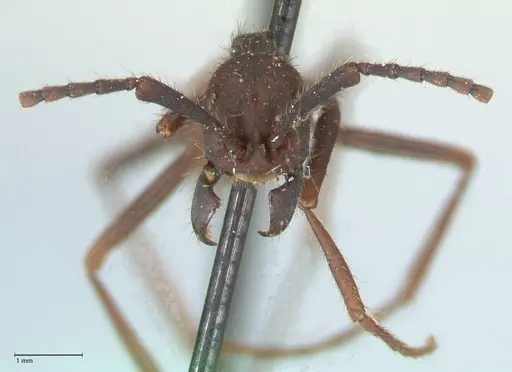
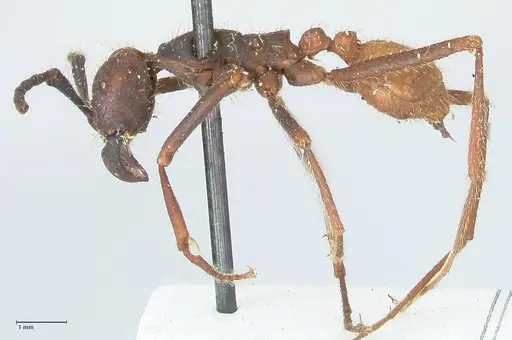
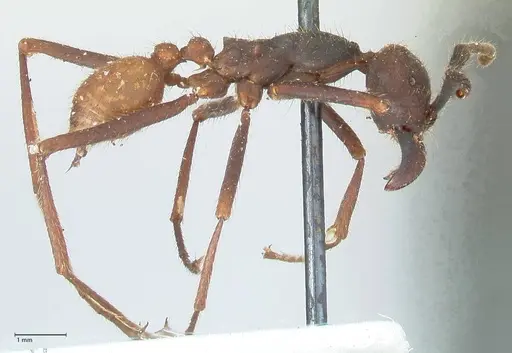
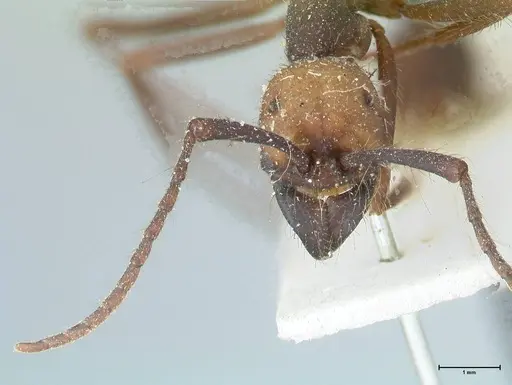
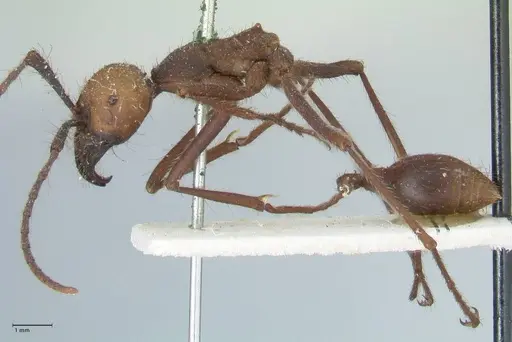
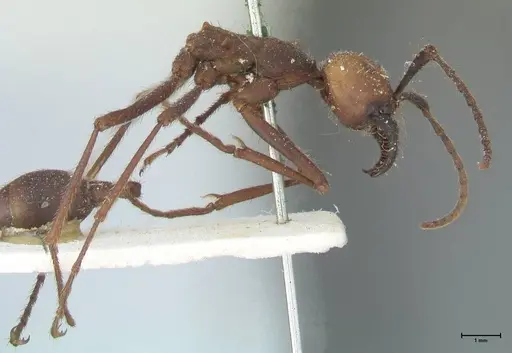
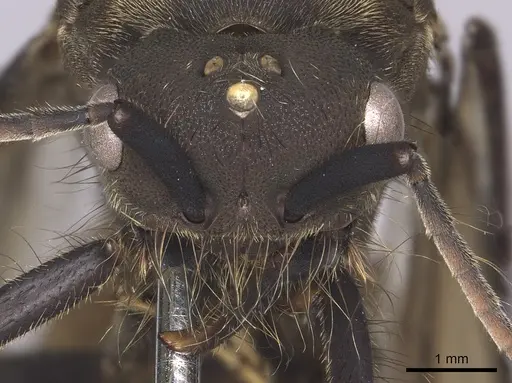
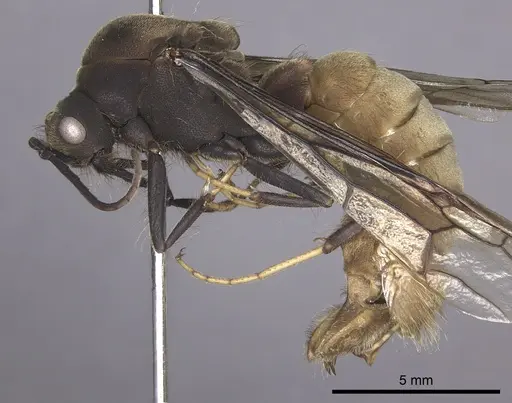
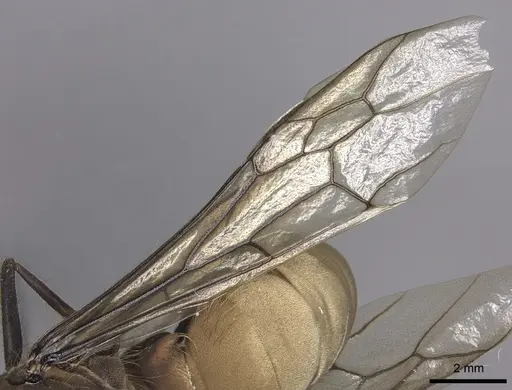
Eciton burchellii is one of the most iconic army ant species in the Neotropics, famous for its massive swarm raids that can span 15-25 meters wide [1]. Workers are highly polymorphic, ranging from tiny minors around 1.5mm to massive soldiers with impressive falcate (hook-shaped) mandibles reaching 11-14mm in length [2][3]. The colony forms living bivouacs, temporary nests constructed from the interlocked bodies of hundreds of thousands of workers clustered together between buttress roots, under fallen tree trunks, or even in trees up to 20 meters above ground [4]. This species is unique among Eciton ants as the only one that raids in large carpet-like swarms rather than narrow columns [4]. Found throughout Central and South America from southern Mexico to Argentina, these ants are a keystone species in tropical forests, supporting over 300 associated animal species including ant-following birds [5].
Quick Summary
- Difficulty: Expert
- Origin & Habitat: Neotropical rainforests from Brazil and Peru north to southern Mexico [4]. Found in lowland humid forests below 2500m altitude [6]. Requires intact forest habitat, highly sensitive to deforestation and forest fragmentation [7].
- Colony Type: Monogynous (single queen per colony). Colonies contain 300,000 to 700,000+ polymorphic workers, with some sources reporting up to 1.5 million [8][9]. Queens are massive ergatoid (wingless) reproductives that never leave the colony [10].
- Colony: Monogyne
- Founding: Semi-claustral
- Size & Growth:
- Queen: Ergatoid queen, massive, permanently wingless [10]. Exact measurements not specified in available literature.
- Worker: Highly polymorphic: minors ~1.5mm, media workers ~5-8mm, majors/soldiers 9-14mm [3][11].
- Colony: 300,000 to 700,000 workers typical, up to 1.5 million reported [8][9].
- Growth: Moderate, colonies reproduce by fission approximately every 3 years [12].
- Development: Unknown, specific development times not documented in available literature. Based on related Eciton species, expect several months to first workers. (Development is highly synchronized within each brood batch, driving the characteristic statary-nomadic cycle [4].)
- Antkeeping:
- Temperature: Tropical species requiring warm, stable conditions. Keep at 24-28°C. Sensitive to temperature extremes and cannot tolerate high surface temperatures in open areas [7].
- Humidity: Requires high humidity typical of tropical rainforest. Keep substrate consistently moist but not waterlogged.
- Diapause: No, this is a tropical species without true hibernation. However, colony activity varies with the statary-nomadic cycle, with reduced foraging during statary phase [13].
- Nesting: Cannot be kept in conventional nests. Requires naturalistic setup with large space for bivouac formation. In captivity, would need custom-built large terrarium-style enclosure allowing for bivouac construction and swarm raid movement. Standard formicaria completely unsuitable.
- Behavior: Extremely aggressive predator. Conducts massive diurnal swarm raids flushing prey from leaf litter, the only Eciton species using this hunting strategy [4]. Workers have painful stings and will attack aggressively when threatened. Raid fronts can be 15-25m wide, moving at ~15m/hour and covering 700-1000m² daily [1][9]. Forms living bridges and collective transport teams for large prey. Colonies emigrate frequently (every 1-2 days during nomadic phase) and cannot be contained using standard barriers. Escape risk is extreme, they will overwhelm any conventional barrier given their numbers. Not suitable for indoor antkeeping.
- Common Issues: Colony size makes captive maintenance practically impossible, hundreds of thousands of workers require enormous space and resources, Cannot be contained with standard ant-keeping barriers, they will simply overwhelm and outnumber any escape prevention, Specialized diet requires constant supply of live prey (insects, other ants) in massive quantities, Frequent emigration during nomadic phase requires keeper to accommodate constant relocation, Tropical humidity and temperature requirements difficult to maintain outside naturalistic vivarium, Stings are painful and with colony sizes this large, any disturbance results in massive defensive response, Highly sensitive to habitat fragmentation, wild colonies disappear from small forest fragments [7]
The Statary-Nomadic Cycle
Eciton burchellii is famous for its distinctive activity cycle that alternates between statary (stationary) and nomadic phases, each lasting approximately 2-3 weeks [13]. During the statary phase, the colony remains at a single bivouac location for about 20 days, conducting radial raids that radiate outward like spokes of a wheel. The queen lays 100,000-300,000 eggs during this phase, and raids are less intense with the colony often skipping days of foraging entirely [8]. Once the eggs hatch into larvae, the colony enters the nomadic phase lasting about 15 days. During this time, raids begin shortly after sunrise and can last 7 hours, covering over 100m from the bivouac. The colony emigrates to a new bivouac site almost every night, typically moving 70-80m along the previous day's raid path [1]. This cycle repeats continuously, with the timing controlled by the synchronized development of the brood [4]. Understanding this cycle is essential for any attempt at captive maintenance, the colony's food requirements and activity levels fluctuate dramatically between phases.
Swarm Raiding Behavior
Eciton burchellii is unique among Eciton species as the only one that conducts true swarm raids, massive fan-shaped foraging fronts that can extend 15-25 meters wide [1]. Unlike column-raiding army ants that send workers out along narrow trails, E. burchellii spreads its foragers across a broad front, creating what appears as a living carpet of ants moving through the forest floor. These raids progress at approximately 15 meters per hour on a roughly linear path, flushing insects and other arthropods from the leaf litter [1]. The raids are primarily diurnal, starting shortly after sunrise and typically lasting 7 hours during the nomadic phase [15]. Workers lay chemical trails from their abdomens to guide nestmates, and when prey is encountered, additional recruitment trails draw more workers to that location [4]. A single colony can cover 700-1000m² of forest floor per day and consume tens of thousands of prey items daily [9][16]. This hunting strategy makes them the most impactful predator in Neotropical leaf-litter communities.
Bivouac Construction
Unlike most ants that build permanent nests, army ants construct temporary shelters called bivouacs from their own bodies. Workers link their legs and bodies together using their strong tarsal claws, forming chains and nets that accumulate layer upon layer until creating a solid cylindrical or ellipsoidal mass up to a meter across [4]. These living structures house the queen, brood, and all workers. Bivouac sites are typically chosen in sheltered spots, between buttress roots of large trees, beneath fallen tree trunks, or along the trunks and main branches of standing trees up to 20 meters above ground [4]. The bivouac provides all necessary shelter, the workers' bodies themselves form the walls. During emigration, workers carry the brood and the queen moves with a retinue of soldiers and workers, typically between 8-10pm well after dark [4]. The queen is guided by pheromone trails and can follow them independently if separated from her workers.
Prey and Hunting Strategy
Eciton burchellii is a generalist predator with a remarkably diverse diet. Approximately 50% of their prey consists of other ants, with Camponotus carpenter ants comprising 96% of ant prey on Barro Colorado Island [17]. They also capture social wasps, large litter-dwelling arthropods including cockroaches, spiders, scorpions, and katydids [17][18]. Uniquely among Eciton species, they can subdue and consume large non-social arthropods that other army ants ignore [11]. They have been documented killing and consuming small vertebrates including lizards (Gymnodactylus darwinii) in the Atlantic Forest [18]. Workers use both biting and stinging, their venom contains proteases that make prey tissue gradually viscous, allowing the ants to process the prey as a liquid meal [18]. The large soldiers with their impressive mandibles serve primarily as defense, while smaller workers handle prey capture and transport. Teams of workers cooperate to transport large prey items, with specialized submajor workers (comprising ~3% of the colony) specializing in carrying heavy loads [11].
Colony Reproduction and Dispersal
Eciton burchellii colonies reproduce through binary fission, the colony splits into two daughter colonies. This typically occurs approximately every 3 years when colonies reach sufficient size [12]. During the annual dry season, if the colony is large enough, it produces a sexual brood containing approximately 4000 males and a small number of new queens [12]. The new queens are the first to emerge from their cocoons, attended by excited workers. Males emerge several days later and the colony conducts a maximum raid followed by emigration. The bivouac splits along two radial trails, with the old queen and her workers moving one direction while a new queen and her workers move the other. Only one virgin queen successfully completes the journey to the new bivouac, others are sealed off and abandoned [4]. Queens are permanently wingless (ergatoid) and mate inside the colony with approximately 10-20 males [14]. Males are strong fliers capable of dispersing over 1km, responsible for most gene flow between colonies [5]. Colonies can move up to 450m at a time and disperse approximately 500m per month on average [19][20].
Ecological Importance
Eciton burchellii is considered a keystone species in Neotropical forests due to its profound impact on the ecosystem. Over 300 animal species have been documented in association with this ant, including ant-following birds, beetles, flies, and other organisms that attend the raids [5][21]. The raids flush countless insects from the leaf litter, creating a feeding opportunity for obligate ant-following birds like antbirds and antwrens, which can steal up to 30% of the ants' prey [9]. The predation pressure regulates populations of many social insects, particularly other ant species and wasps. Studies show that raids leave significant decreases in abundance and diversity of litter arthropods, and social arthropod nests can take up to 100 days to recover half of their previous abundance after raiding [22][23]. However, they are highly sensitive to forest fragmentation, populations disappear from small forest fragments (
Frequently Asked Questions
Can I keep Eciton burchellii as a pet?
No. This species is not suitable for captive keeping. Colonies contain 300,000-700,000+ workers requiring enormous space, constant access to massive quantities of live prey, and the ability to emigrate frequently. Standard ant-keeping equipment cannot contain them, and their painful stings make handling dangerous. They are a specialist species requiring intact tropical forest ecosystems.
How do Eciton burchellii colonies form new nests?
Colonies reproduce through binary fission. When a colony is large enough (typically every 3 years), it produces sexual brood, thousands of males and a few new queens. The colony splits into two, with each daughter colony receiving one queen. The new queens are ergatoid (wingless) and mate inside the colony with multiple males before the fission occurs.
What makes Eciton burchellii different from other army ants?
Eciton burchellii is the only Eciton species that conducts true swarm raids, massive carpet-like foraging fronts up to 25 meters wide. Other Eciton species use column raiding (narrow trail systems). E. burchellii raids are primarily diurnal, while other species may also hunt at night.
How do army ant bivouacs work?
Bivouacs are temporary nests built from the interlocked bodies of workers. Workers link their legs and bodies together using tarsal claws, forming chains and layers that create a solid mass housing the queen and brood. These living structures can be over a meter across and are typically formed between buttress roots, under fallen trees, or in trees.
What do Eciton burchellii eat?
They are generalist predators. About 50% of their diet is other ants (especially Camponotus), plus social wasps, cockroaches, spiders, scorpions, katydids, and other large arthropods. They are the only Eciton species that can subdue and consume large non-social arthropods. They've also been documented consuming small lizards.
Do Eciton burchellii queens have wings?
No. Queens are ergatoid, permanently wingless. They are massive compared to workers and mate inside the colony with 10-20 males. This is different from most ant species where queens are winged and disperse to found new colonies independently.
How fast do Eciton burchellii colonies move?
During raids, the swarm front advances at approximately 15 meters per hour. During the nomadic phase, colonies emigrate to new bivouac sites almost every night, typically moving 70-80m. The overall colony can disperse about 500m per month.
Why are they called army ants?
They are called army ants because they forage in massive organized groups, essentially marching armies. The name comes from their characteristic raids that resemble military campaigns, with thousands to hundreds of thousands of workers sweeping through the forest floor like an army on the move.
Are Eciton burchellii endangered?
They are not listed as endangered, but they are highly sensitive to forest fragmentation. Populations disappear from small forest fragments (
References

This caresheet is licensed under CC BY-SA 4.0 .
ANTWEB1062616
View on AntWeb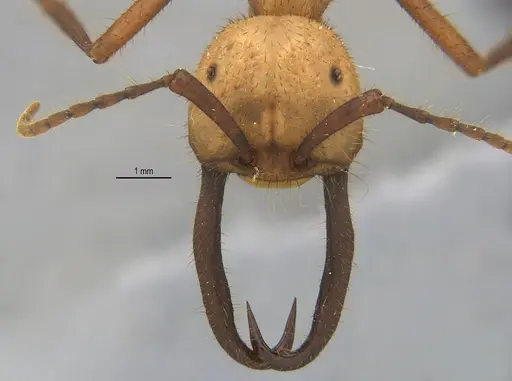
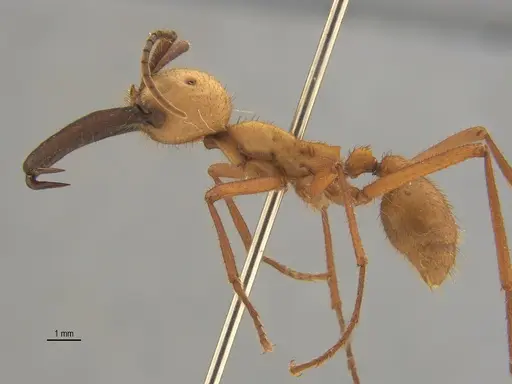
CASENT0003205
View on AntWeb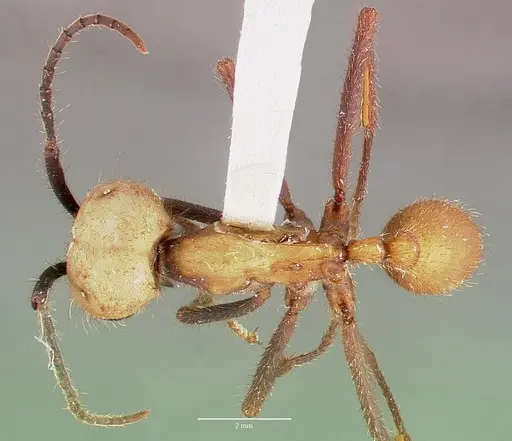
CASENT0009218
View on AntWeb
CASENT0009219
View on AntWeb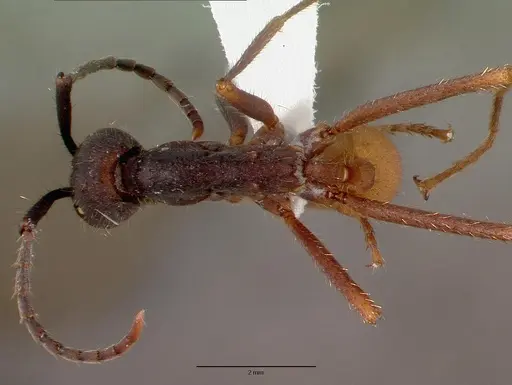
CASENT0009220
View on AntWeb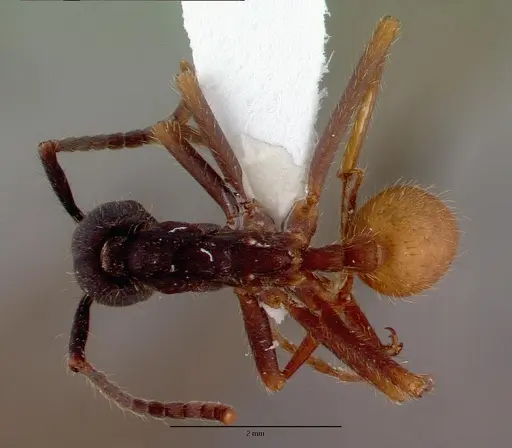
CASENT0009221
View on AntWeb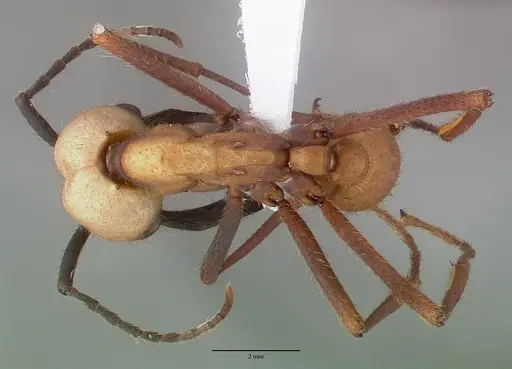
CASENT0178611
View on AntWeb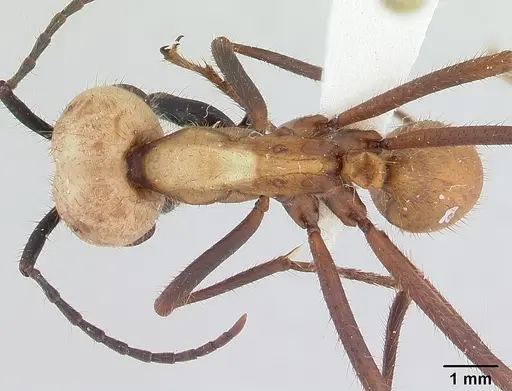
CASENT0217469
View on AntWeb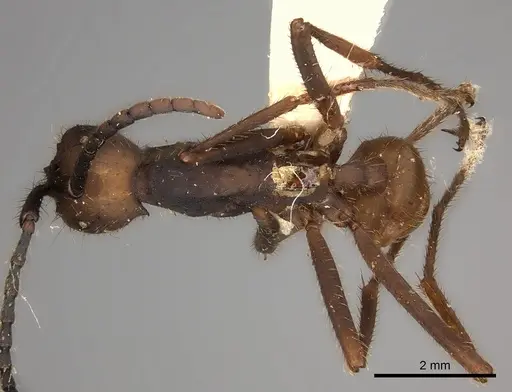
CASENT0248144
View on AntWeb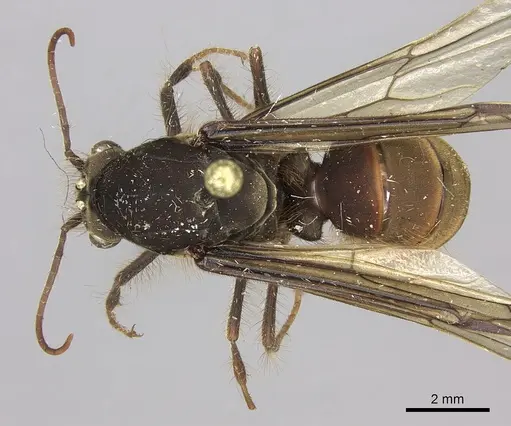
CASENT0249452
View on AntWeb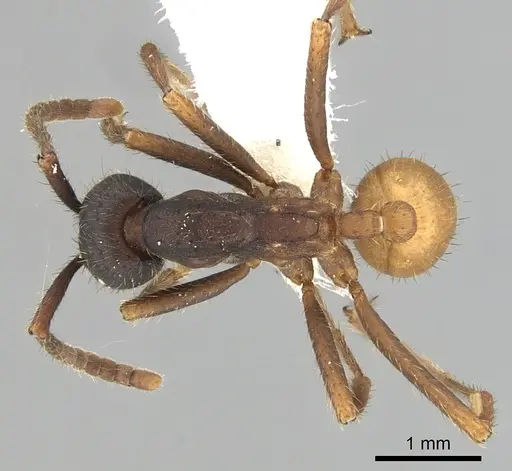
CASENT0249453
View on AntWeb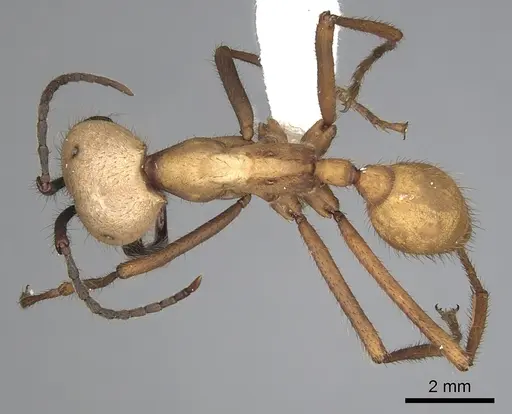
CASENT0650520
View on AntWeb
CASENT0901956
View on AntWeb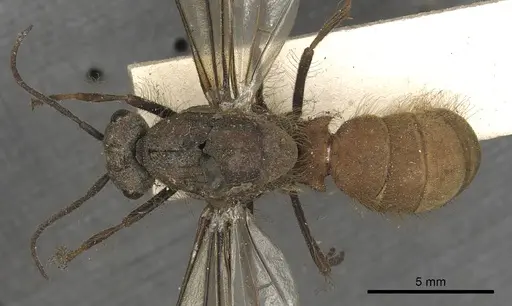
CASENT0905933
View on AntWeb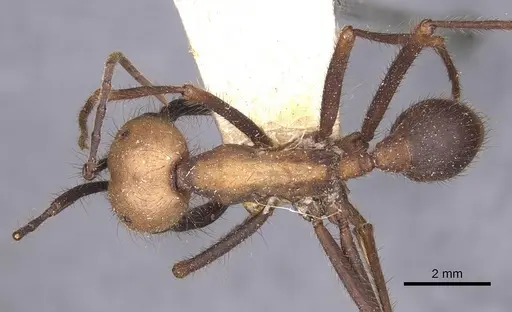
CASENT0905934
View on AntWeb
CASENT0905935
View on AntWeb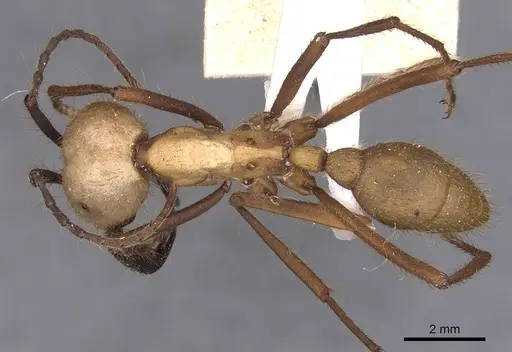
CASENT0905936
View on AntWeb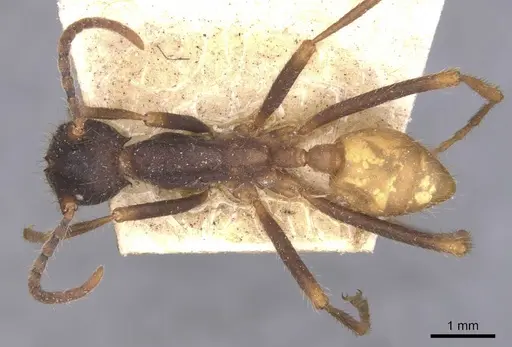
CASENT0911370
View on AntWeb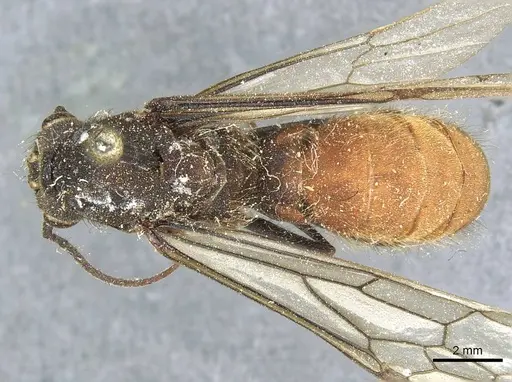
CASENT0911371
View on AntWeb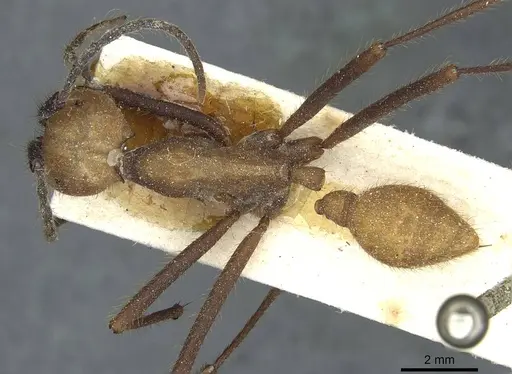
CASENT0911372
View on AntWeb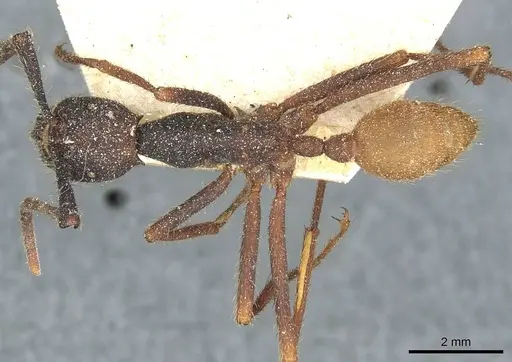
CASENT0915855
View on AntWeb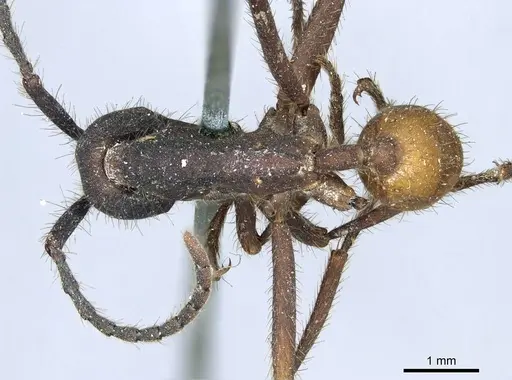
CBUMAGENT41862
View on AntWeb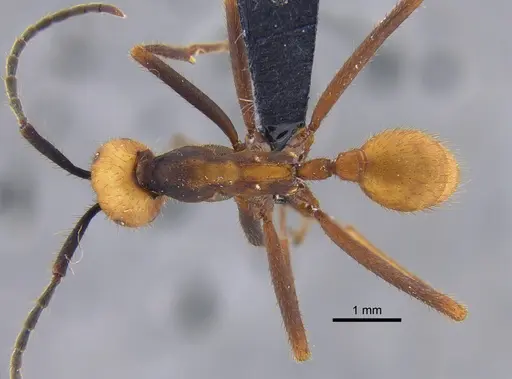
DZUP549834
View on AntWeb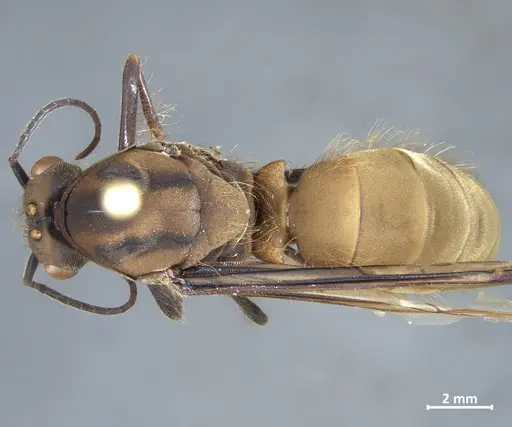
ECOFOG-CSG15-0301-01
View on AntWeb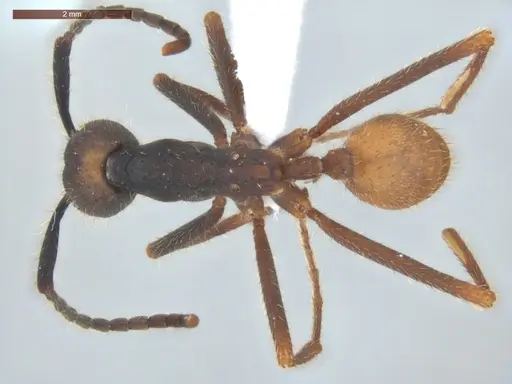
FMNHINS0000045226
View on AntWeb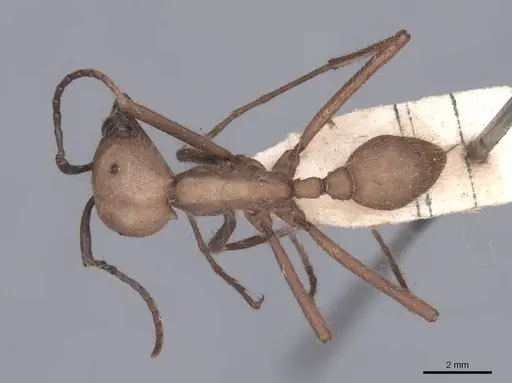
FOCOL1129
View on AntWeb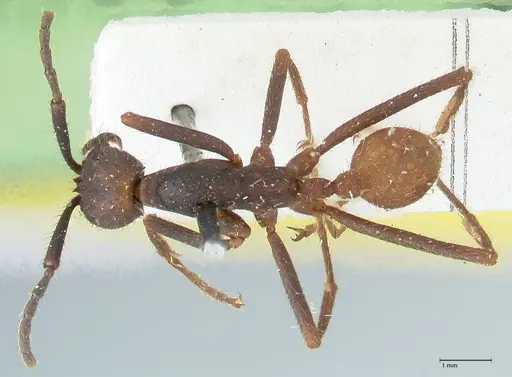
FOCOL1130
View on AntWeb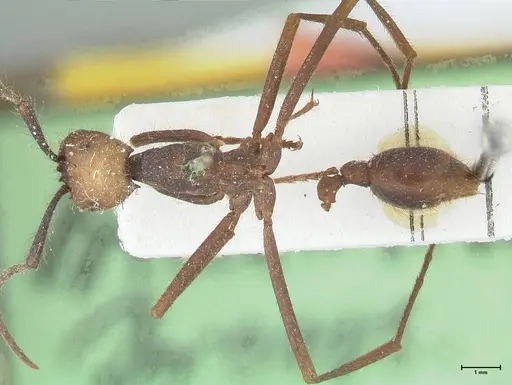
INB0003692975
View on AntWeb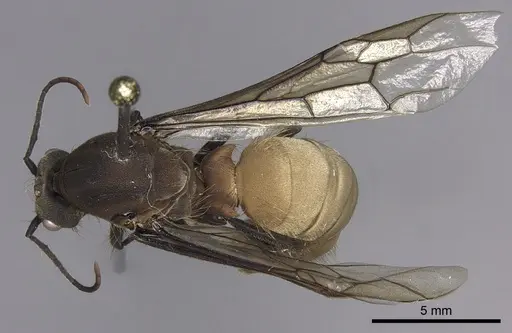
USNMENT01124218
View on AntWeb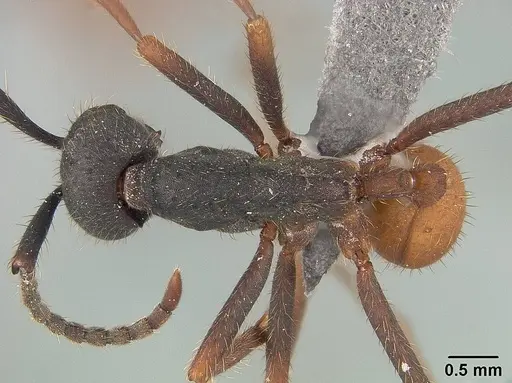
Literature
Loading...Loading products...