

Strumigenys tococae
- Scientific Name
- Strumigenys tococae
- Tribe
- Attini
- Subfamily
- Myrmicinae
- Author
- Wheeler & Bequaert, 1929
- Distribution
- Found in 2 countries
Strumigenys tococae Overview
Strumigenys tococae is an ant species of the genus Strumigenys. It is primarily documented in 2 countries , including Brazil, French Guiana. Detailed taxonomic data and occurrence records can be further explored via authoritative databases such as AntWeb or the Global Biodiversity Information Facility (GBIF).
Strumigenys tococae
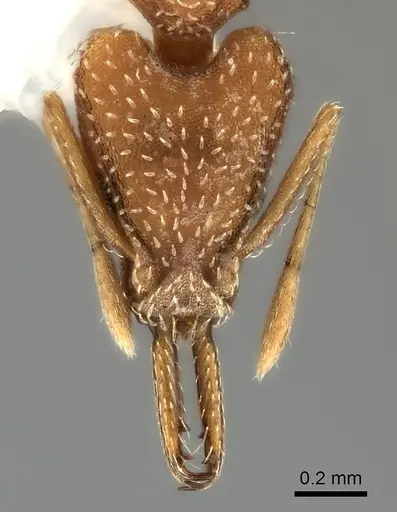
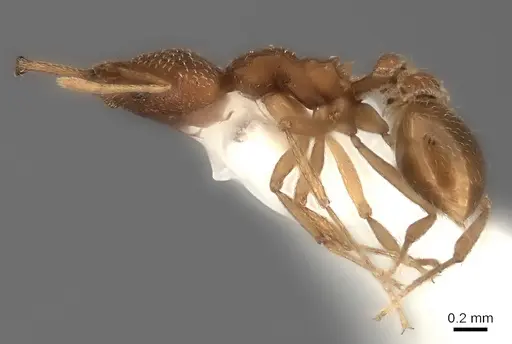
Strumigenys tococae is a small predatory ant species documented in Peru [1]. Workers are tiny, measuring just 2-3mm, with the characteristic trap-jaw mandibles that make the Strumigenys genus distinctive. These ants have a distinctive appearance featuring elongated mandibles lined with teeth, used to snap shut on small prey. Their coloration is typically brown to reddish-brown. As a tropical species, they inhabit forest floor environments in South America where they hunt small arthropods. The genus Strumigenys is known for specialized predation on springtails and other micro-arthropods, making them fascinating but challenging to keep in captivity.
Quick Summary
- Difficulty: Hard
- Origin & Habitat: Peru in South America, tropical forest habitats [1]. They live in moist, shaded environments typical of the forest floor.
- Colony Type: Likely single-queen colonies (monogyne) based on typical Strumigenys colony structure. Ergatoid replacement reproductives may be present.
- Colony: Monogyne
- Founding: Claustral
- Size & Growth:
- Queen: Estimated 3-4mm, queens are slightly larger than workers but still small
- Worker: 2-3mm based on genus typical measurements
- Colony: Likely 100-500 workers at maturity based on genus patterns
- Growth: Slow, predatory ants typically develop more slowly than omnivores
- Development: Estimated 4-6 months based on related Strumigenys species and tropical ant development patterns (Development is slow due to specialized predatory diet and small colony sizes)
- Antkeeping:
- Temperature: Keep at 24-28°C, they are tropical ants requiring warm conditions
- Humidity: High humidity required, aim for 70-85%. They prefer consistently moist substrate
- Diapause: No, being tropical, they do not require a winter dormancy period
- Nesting: They prefer moist substrate for nesting. Test tubes with cotton and a moist foraging area work well. They are not aggressive nesters and can be kept in simple setups
- Behavior: These ants are shy and non-aggressive. They are specialized predators that hunt small arthropods, primarily springtails. They are not defensive and rarely sting. Escape prevention is important but not critical, they are small but not extreme escape artists. They prefer to stay hidden and are most active at night.
- Common Issues: specialized diet makes them difficult to feed, they require live small prey like springtails, slow growth can frustrate keepers expecting fast development, high humidity requirements can lead to mold issues if not managed, limited availability in the antkeeping hobby makes them hard to acquire, they are sensitive to temperature drops and may fail if kept too cool
Housing and Setup
Strumigenys tococae requires a setup that maintains high humidity while providing space for hunting. A test tube setup for the founding colony works well, with a moist foraging area added once the colony reaches 10-15 workers. Use a small container with damp substrate (like coco coir or soil mix) as the foraging area where you can release small prey. Because they are tiny, ensure all connections between test tube and foraging area have no gaps larger than 1mm. A small water reservoir in the test tube setup helps maintain humidity. Avoid using heating mats directly on the nest, instead, keep the entire setup in a warm room. [1]
Feeding and Diet
This species is a specialized predator that requires live small arthropods. Their primary food should be live springtails, which you can cultivate separately or purchase. They may also accept other tiny prey like booklice, dust mites, and fruit fly larvae, but success varies. Do not rely on sugar sources or protein foods like mealworms, these ants are obligate predators and typically ignore non-moving food. Feed small amounts of prey every 2-3 days, removing any uneaten prey after 24 hours to prevent mold. A well-fed colony will have workers that actively hunt and capture prey within hours of it being added.
Temperature and Humidity
As a tropical species from Peru, Strumigenys tococae needs warm, humid conditions. Maintain temperatures between 24-28°C (75-82°F). Temperatures below 22°C can slow activity and may harm brood development. High humidity is essential, aim for 70-85% relative humidity. The nest area should have a constant water source (like a water tube with cotton) to maintain moisture. Mist the foraging area occasionally, but avoid standing water. Good ventilation is important to prevent mold while maintaining humidity, small holes or mesh covering the foraging area provide adequate airflow. [1]
Behavior and Colony Dynamics
Strumigenys ants are not aggressive and pose no threat to keepers. They are shy and reclusive, spending much of their time hidden in the nest. Workers use their trap-jaw mandibles to capture small prey, when a springtail or other tiny arthropod triggers their sensory hairs, the mandibles snap shut in a fraction of a second. Colonies remain small compared to many common ant species, typically maxing out at a few hundred workers. Queens are relatively small and long-lived. Workers are polymorphic, with some being slightly larger than others. The colony will grow slowly but steadily if fed appropriate prey regularly.
Frequently Asked Questions
How long does it take for Strumigenys tococae to produce first workers?
Expect 4-6 months from founding to first workers. This is slow compared to many ants because they are specialized predators with longer development times. The queen will remain sealed in her chamber until her first workers emerge.
What do Strumigenys tococae eat?
They eat live small arthropods, primarily springtails. This is not optional, they are obligate predators that require moving prey. You can also try fruit fly larvae, booklice, and tiny dust mites, but springtails are the most reliable food source.
Are Strumigenys tococae good for beginners?
No, they are not recommended for beginners. Their specialized predatory diet, high humidity requirements, slow growth, and limited availability make them a challenging species. They are best kept by experienced antkeepers who can provide the specific care they need.
Do Strumigenys tococae need hibernation?
No, they do not need hibernation. Being a tropical species from Peru, they require warm temperatures year-round. Do not expose them to temperatures below 20°C for extended periods.
How big do Strumigenys tococae colonies get?
Colonies typically reach 100-500 workers at maturity. This is relatively small compared to many common ant species, but colonies are long-lived and sustainable.
Can I keep Strumigenys tococae in a test tube?
Yes, test tubes work well for founding colonies. Use a water tube with cotton to maintain humidity. Once the colony grows to 10-15 workers, add a small moist foraging area where you can release live prey.
Why are my Strumigenys tococae dying?
Common causes include: temperature too low (below 22°C), humidity too low or inconsistent, mold from overwatering, lack of live prey, or prey that is too large. Check these parameters and adjust accordingly. Wild-caught colonies may also carry parasites.
Where is Strumigenys tococae found?
This species is documented in Peru [1]. They inhabit tropical forest floor environments where it is warm, humid, and shaded.
What temperature is best for Strumigenys tococae?
Keep them at 24-28°C (75-82°F). This is the optimal range for their metabolism and brood development. Avoid temperature fluctuations and keep them away from cold drafts.
References

This caresheet is licensed under CC BY-SA 4.0 .
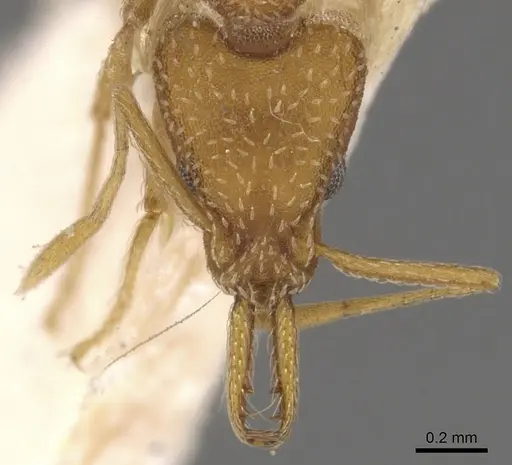
CASENT0217958
View on AntWeb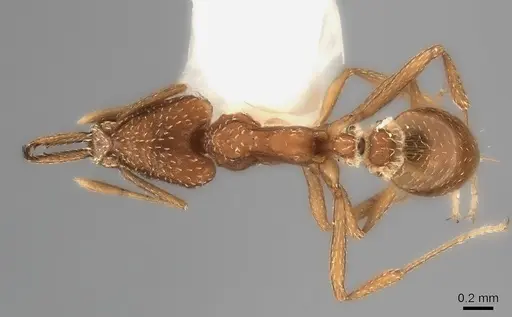
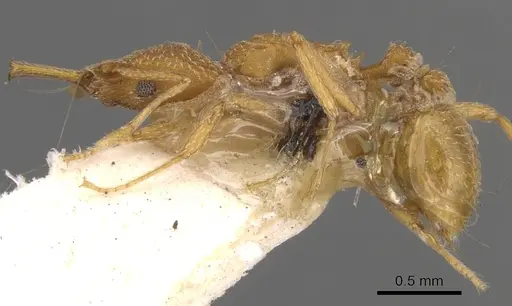
CASENT0900435
View on AntWeb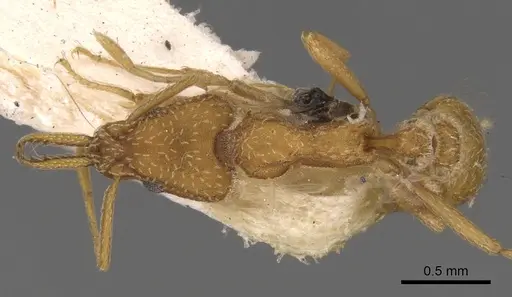
Literature
Loading...Loading products...