

Solenopsis corticalis
- Scientific Name
- Solenopsis corticalis
- Tribe
- Solenopsidini
- Subfamily
- Myrmicinae
- Author
- Forel, 1881
- Common Name
- Fire Ant
- Distribution
- Found in 9 countries
Solenopsis corticalis Overview
Solenopsis corticalis (commonly known as the Fire Ant) is an ant species of the genus Solenopsis. It is primarily documented in 9 countries , including Belize, Colombia, Costa Rica. Detailed taxonomic data and occurrence records can be further explored via authoritative databases such as AntWeb or the Global Biodiversity Information Facility (GBIF).
Solenopsis corticalis - "Fire Ant"
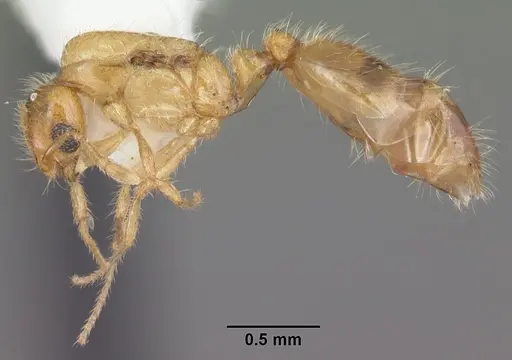
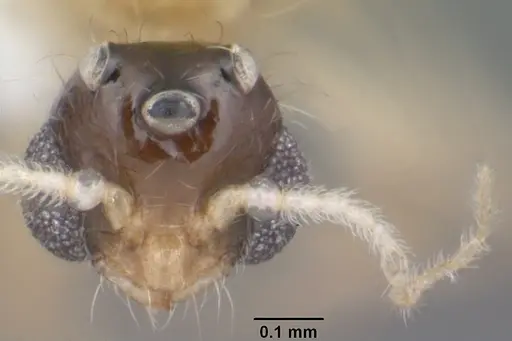
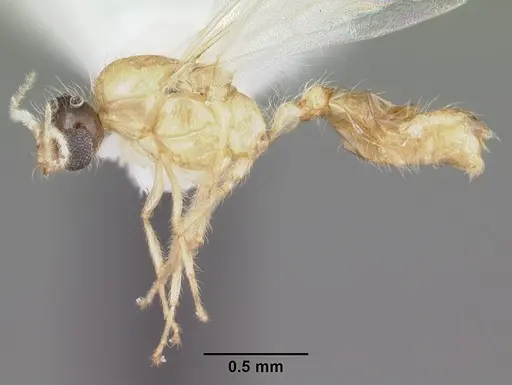
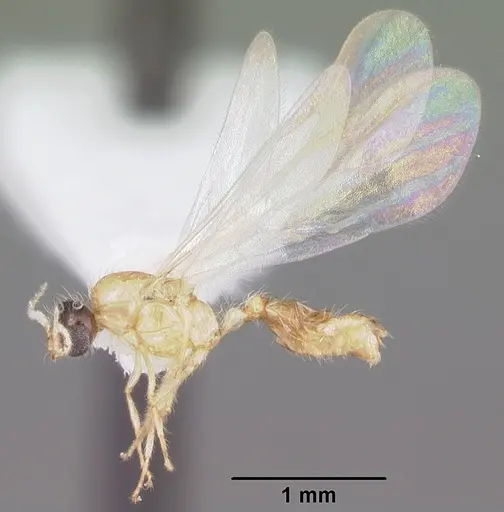
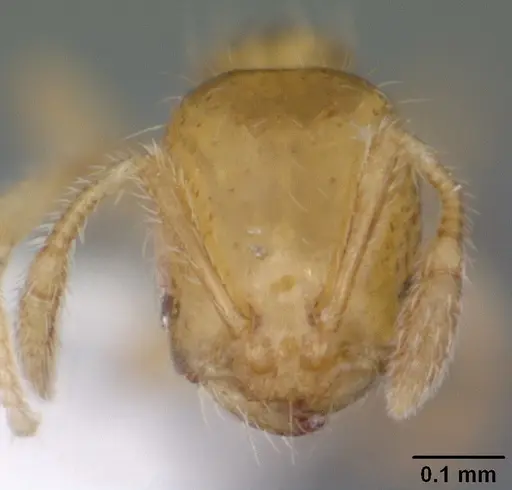
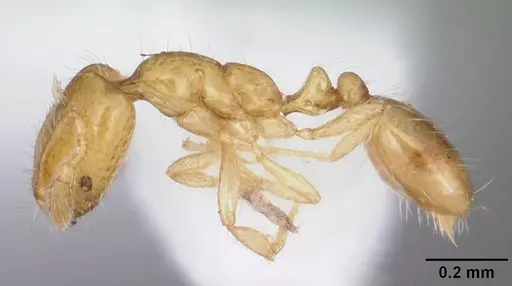
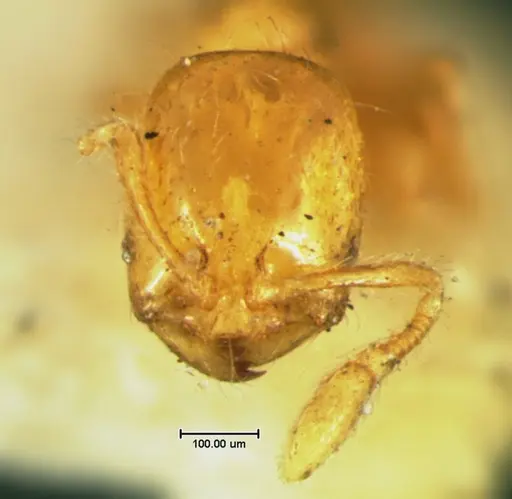
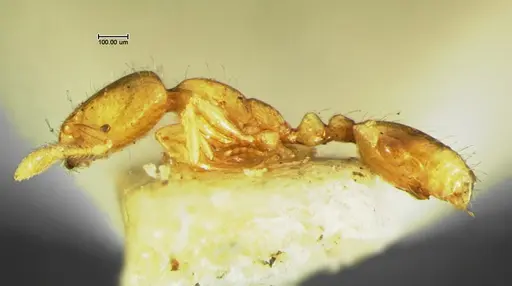
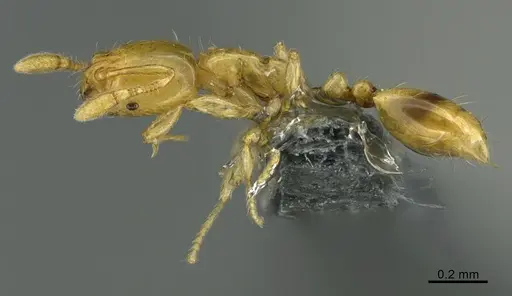
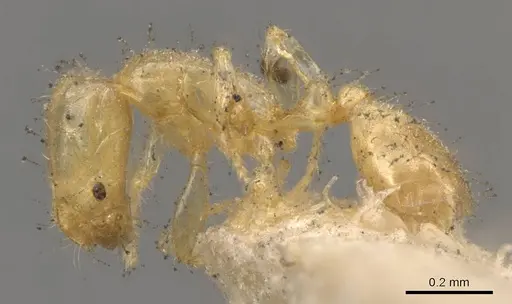
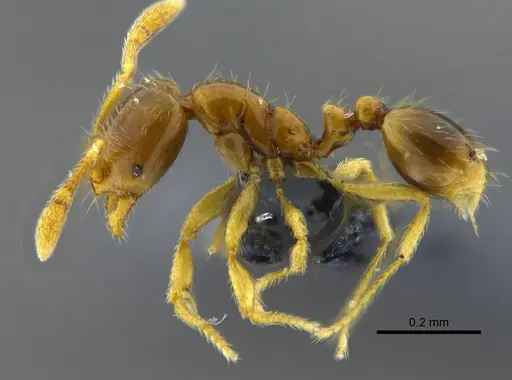
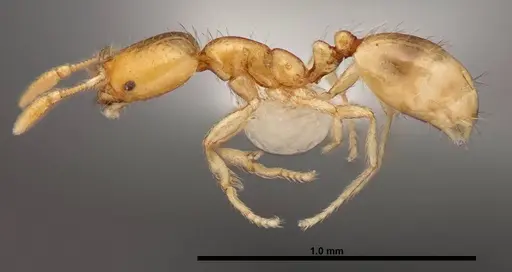
Solenopsis corticalis is a tiny thief ant measuring just 1.02-1.56mm for workers, with a pale yellow to golden yellow coloration [1][2]. Queens are small at under 4mm and golden brown, while males are dark brown and under 3mm [1][2]. This species belongs to the Solenopsis molesta species complex and is found across the Neotropics, from Mexico through Central America to Panama, Peru, and southeastern Brazil, as well as in the Caribbean islands including Puerto Rico, Cuba, and the Virgin Islands [1][3]. They nest in logs, under logs, in stumps, forest litter, and soil, sometimes even in abandoned fire ant mounds [1][2]. These ants are highly adaptable, found in wet montane cloud forests, oak forests, pine forests, and dry shrubland [1][2].
Quick Summary
- Difficulty: Medium
- Origin & Habitat: Native to the Neotropical region, Mexico south to Panama, western Peru, southeastern Brazil, and Caribbean islands. They inhabit diverse forests including wet montane cloud forest, oak forest, pine forest, and forest litter [1][2].
- Colony Type: Monogyne, single queen colonies. A dealated queen with workers has been found in a bamboo stem, suggesting claustral founding [3].
- Colony: Monogyne
- Founding: Claustral
- Size & Growth:
- Queen: Under 4.00mm total length [1][2]
- Worker: 1.02-1.56mm [1][2]
- Colony: Colony size is not well documented in research, estimated moderate given their small size and nesting habits
- Growth: Moderate, inferred from typical Solenopsis patterns
- Development: 6-8 weeks estimated based on related Solenopsis species and tropical climate (Development time is inferred from genus patterns, direct measurements not available for this species)
- Antkeeping:
- Temperature: Keep at 22-26°C, they inhabit tropical and subtropical regions so they prefer warm conditions [1][2]. A gentle gradient is recommended.
- Humidity: Moderate to high humidity, they are found in cloud forests and forest litter, so keep substrate moist but not waterlogged [1][2].
- Diapause: No, as a tropical/subtropical species, they do not require hibernation. Activity may slow slightly in cooler months.
- Nesting: They nest in logs, forest litter, and soil. In captivity, a naturalistic setup with soil substrate or a Y-tong/plaster nest works well. They prefer tight, humid chambers [1][2].
- Behavior: These are small, cryptic ants that nest in confined spaces. They are not aggressive and will flee from disturbance. Workers are slow-moving and forage in the substrate. Their tiny size (under 2mm) means excellent escape prevention is critical, they can squeeze through standard test tube barriers. They are considered 'vagabond species' in Cuba, suggesting they are highly adaptable foragers [4].
- Common Issues: tiny size makes escape likely without fine mesh barriers, slow growth compared to larger ant species may frustrate beginners, wild-caught colonies may have parasites, they require small prey items due to their tiny mandibles, colonies remain small, don't expect massive worker counts
Housing and Nest Setup
Solenopsis corticalis is a tiny ant that requires appropriately scaled housing. In the wild, they nest in logs, forest litter, stumps, and soil, sometimes even in abandoned fire ant mounds [1][2]. For captivity, a naturalistic setup with moist soil substrate works well, or you can use a Y-tong (AAC) or plaster nest with tight chambers. The key is providing humid, confined spaces that mimic their natural nesting sites. Because they are so small, standard test tube setups may need additional escape prevention measures, these ants can squeeze through surprisingly small gaps. A layer of moist coco fiber or soil about 1-2cm deep provides the humidity they need while allowing them to create tunnels.
Feeding and Diet
As thief ants, they are omnivorous and will collect protein and sugar sources. In the wild, they were collected using Vienna sausage and tuna fish baits, showing they readily accept protein-rich foods [1][2]. In captivity, offer small protein sources like fruit flies, pinhead crickets, or mealworm pieces. Due to their tiny size, prey items should be appropriately small. They will also accept sugar water or honey. Feed them small amounts every few days, removing any uneaten food to prevent mold. Their small colony sizes mean they don't need large quantities of food, a tiny piece of protein every 2-3 days is sufficient.
Temperature and Humidity
These ants come from tropical and subtropical regions, so they prefer warm conditions. Keep their nest at 22-26°C for optimal activity and brood development [1][2]. They are found in wet montane cloud forests and oak forests, indicating they need moderate to high humidity [1][2]. Keep the substrate consistently moist but not waterlogged, the nest should have visible condensation but no standing water. A small water tube or moist cotton in the outworld helps maintain humidity. Avoid placing the nest near air conditioning or heating vents that could cause rapid drying.
Behavior and Temperament
Solenopsis corticalis is a docile, non-aggressive species. Workers are slow-moving and spend most of their time foraging in the substrate rather than out in the open. When disturbed, they will typically flee rather than attack. They are not known to sting, Myrmicinae ants have stingers but Solenopsis species generally prefer escape over confrontation. Their tiny size (workers under 2mm) makes them vulnerable in the outworld, so provide covered foraging areas where they feel safe. These ants are described as 'vagabond species' in Cuba, meaning they are highly adaptable and foragers [4]. Colonies tend to stay relatively small compared to many other ant species.
Colony Development
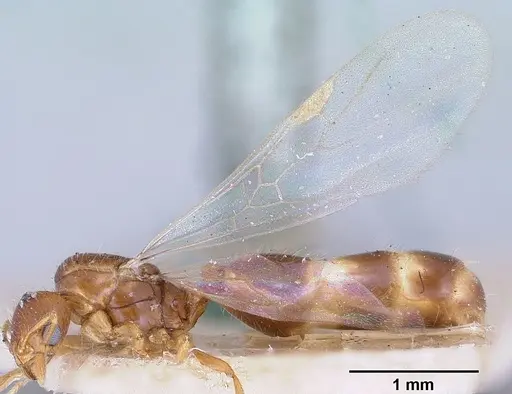
Queens are small at under 4mm and golden brown in color [1][2]. Sexual reproductives (alates) have been found in nests during June, suggesting this is when nuptial flights occur in the wild [1][2]. The founding process is likely claustral, the queen seals herself in a chamber and raises the first workers on her own body reserves, as is typical for Solenopsis species. Development from egg to worker likely takes 6-8 weeks in warm conditions, similar to related species. First workers (nanitics) will be very small, matching the already tiny adult size. Colonies grow slowly but steadily over several years.
Identification and Similar Species
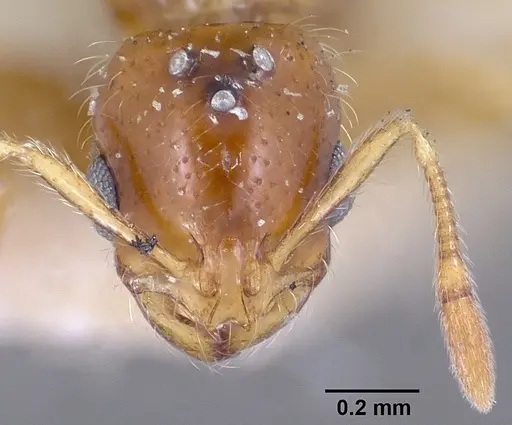
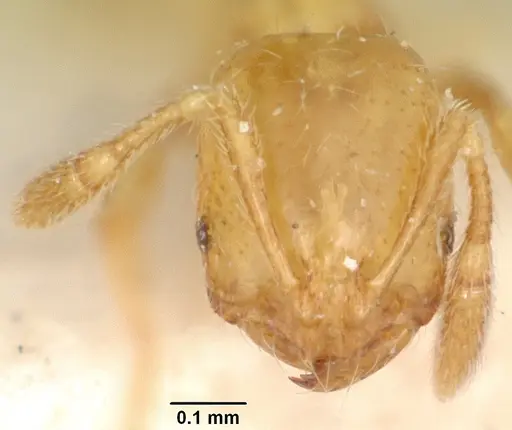
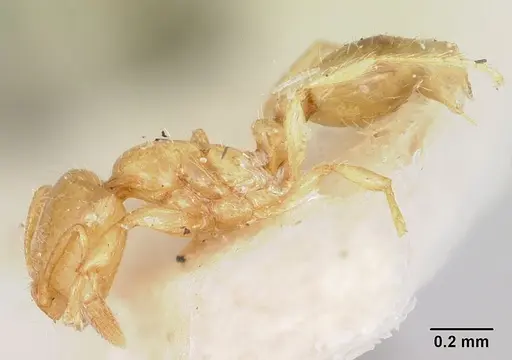
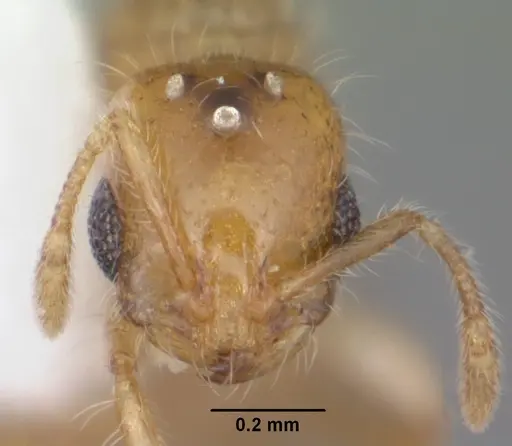
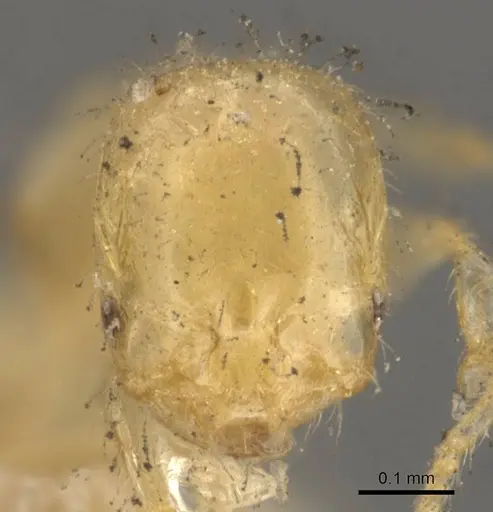
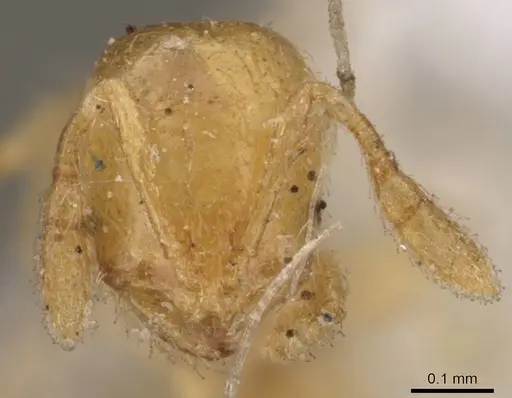
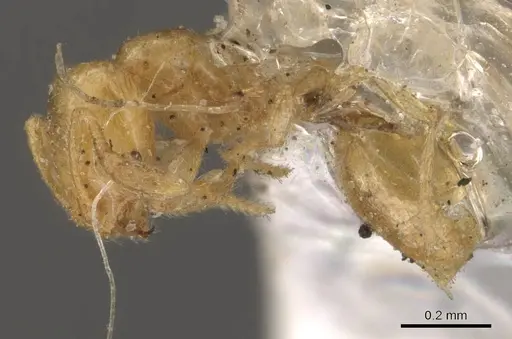
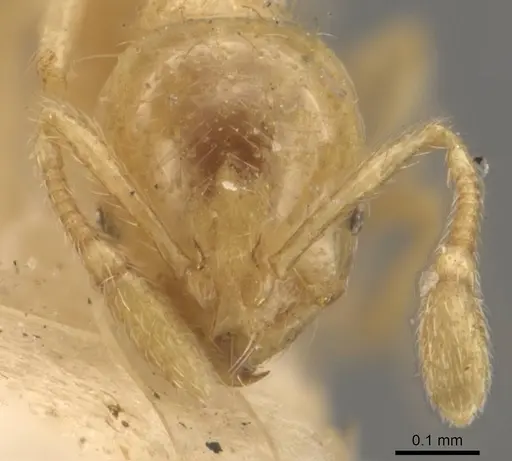
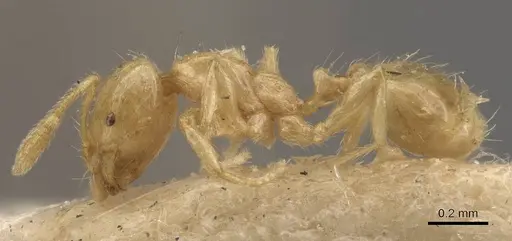
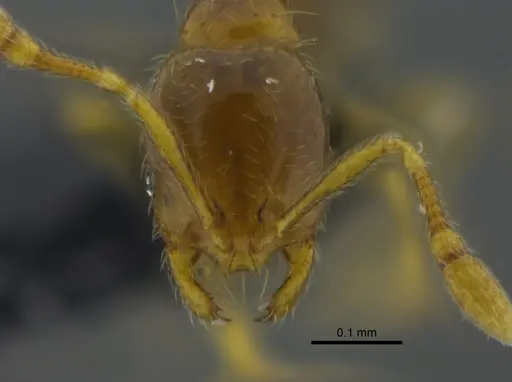
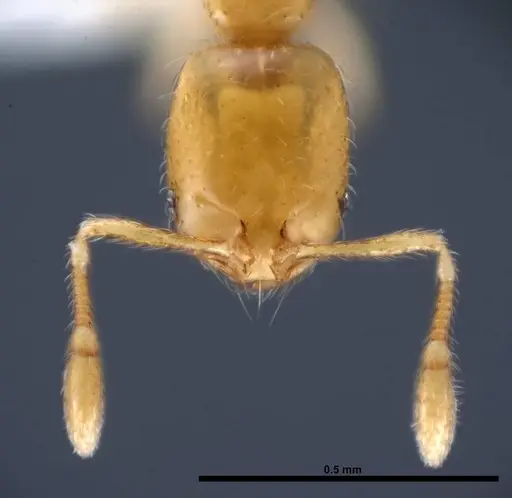
Solenopsis corticalis is a member of the Solenopsis molesta species complex, a group of tiny thief ants [1]. They can be identified by their small size (workers 1.02-1.56mm), yellow to golden yellow color, well-developed lateral clypeal teeth, and robust petiole that is wider than the postpetiole when viewed from the side [1][2]. They are similar to Solenopsis zeteki (found in same areas) and Solenopsis tenuis (overlapping distribution). Queens of S. corticalis are yellow to golden brown, while S. tenuis queens are dark brown. If identifying workers, the clypeal teeth of S. corticalis are more developed than in similar species [1]. Care must be taken in the Caribbean to avoid confusion with S. pollux [5].
Frequently Asked Questions
How long does it take for Solenopsis corticalis to produce first workers?
Based on related Solenopsis species, expect 6-8 weeks from egg to first worker at optimal temperature (22-26°C). The exact timeline has not been directly studied for this species.
Can I keep Solenopsis corticalis in a test tube?
Yes, but with caution. Their tiny size means they can escape through standard barriers. Use fine mesh on any ventilation holes and ensure all connections are sealed. A test tube with a cotton plug and small water reservoir works for founding colonies.
What do Solenopsis corticalis eat?
They are omnivorous thief ants. Offer small protein sources like fruit flies, tiny crickets, or mealworm pieces, plus sugar water or honey. In the wild, they were collected using tuna fish and Vienna sausage baits.
How big do Solenopsis corticalis colonies get?
Colony size is not well documented, but based on their small size and nesting habits, colonies likely reach a few hundred workers at most. They remain a small, modest colony species.
Do Solenopsis corticalis need hibernation?
No. As a tropical/subtropical species from Mexico, Central America, and the Caribbean, they do not require hibernation. Keep them at warm room temperature year-round (22-26°C).
Are Solenopsis corticalis good for beginners?
They are moderate difficulty. While not aggressive and relatively easy to feed, their tiny size requires careful attention to escape prevention. Their slow growth and small colony sizes may test beginner patience. They are best suited for keepers who want a modest, quiet ant species.
When do Solenopsis corticalis have nuptial flights?
Sexual reproductives have been found in nests during June, suggesting nuptial flights occur around this time in the wild [1][2]. In captivity, alates typically emerge after the colony is well-established (1-2+ years).
Why are my Solenopsis corticalis dying?
Common causes include: too dry conditions (they need humid substrate), escape through tiny gaps, poor nutrition (offer varied small prey), or parasites from wild-caught colonies. Check that your setup maintains consistent moisture and that all openings are sealed.
References

This caresheet is licensed under CC BY-SA 4.0 .
CASENT0103199
View on AntWeb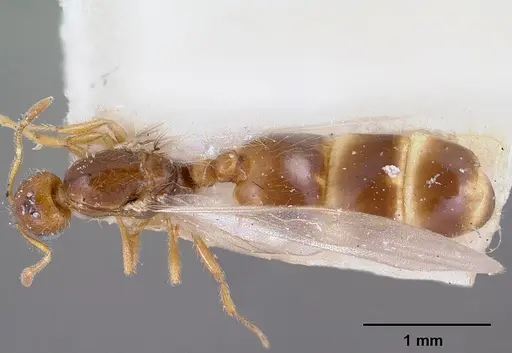
CASENT0103207
View on AntWeb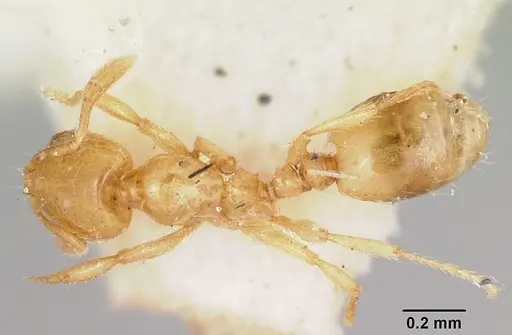
CASENT0104498
View on AntWeb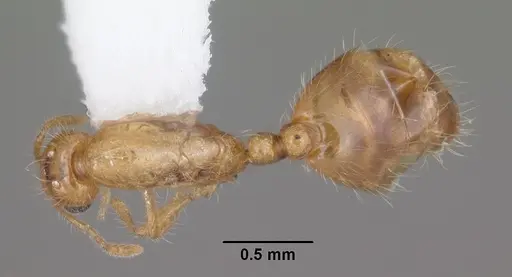
CASENT0104499
View on AntWeb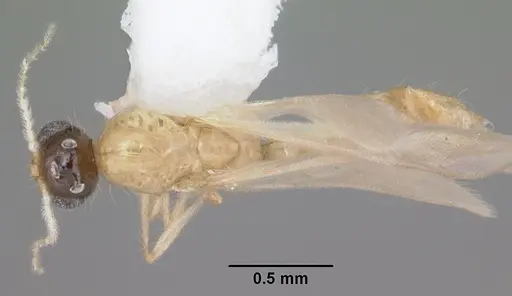
CASENT0104500
View on AntWeb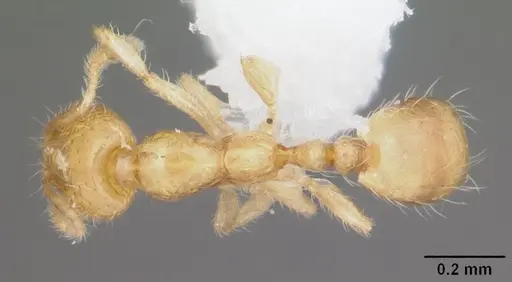
CASENT0105663
View on AntWeb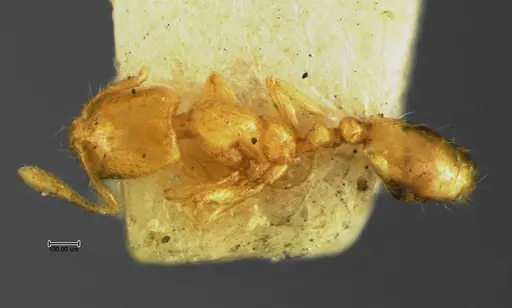
CASENT0729258
View on AntWeb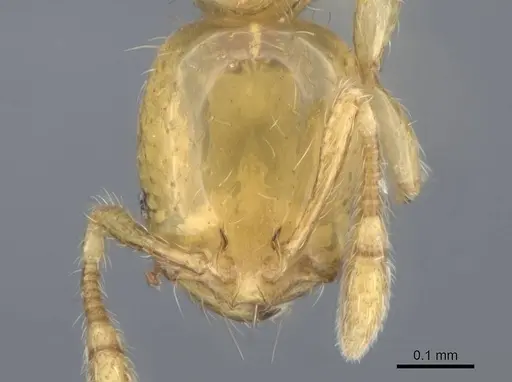
CASENT0908825
View on AntWeb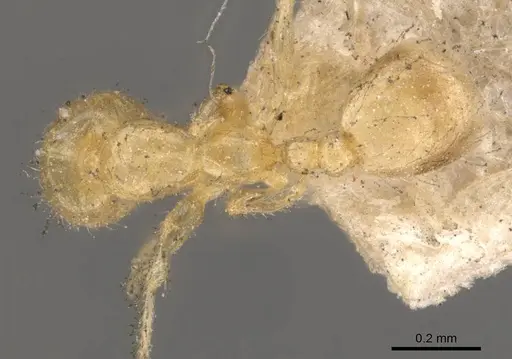
CASENT0908826
View on AntWeb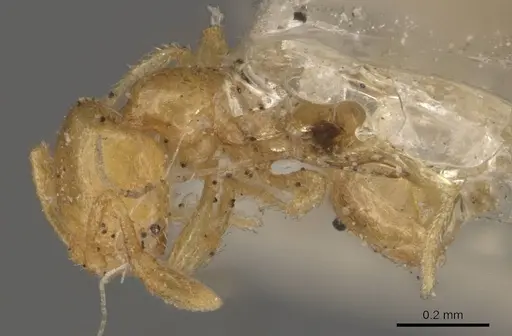
CASENT0908827
View on AntWeb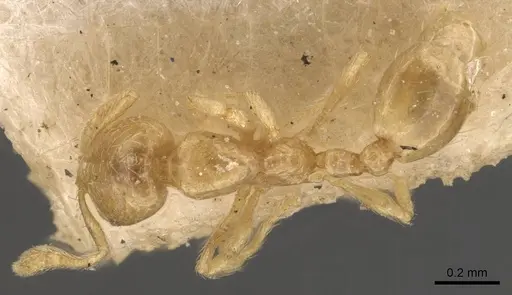
CBUMAGENT42016
View on AntWeb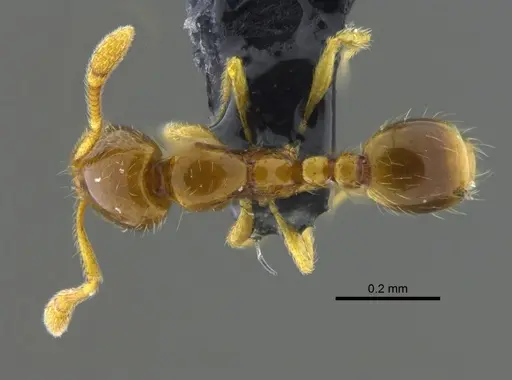
FMNHINS0000078512
View on AntWeb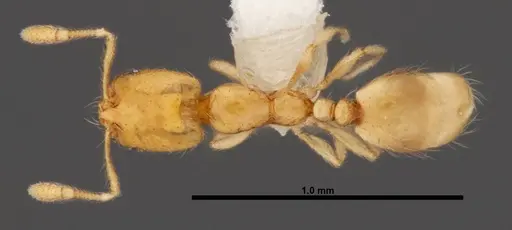
Literature
Loading...Loading products...