

Pseudomyrmex ultrix
- Scientific Name
- Pseudomyrmex ultrix
- Tribe
- Pseudomyrmecini
- Subfamily
- Pseudomyrmecinae
- Author
- Ward, 1999
- Distribution
- Found in 1 countries
Pseudomyrmex ultrix Overview
Pseudomyrmex ultrix is an ant species of the genus Pseudomyrmex. It is primarily documented in 1 countries , including Ecuador. Detailed taxonomic data and occurrence records can be further explored via authoritative databases such as AntWeb or the Global Biodiversity Information Facility (GBIF).
Pseudomyrmex ultrix
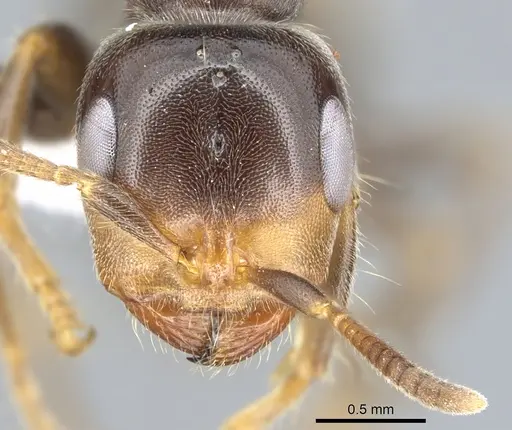
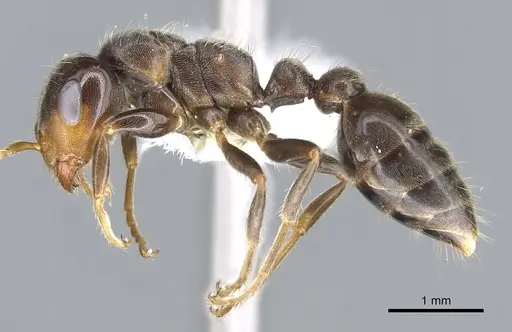
1.00), dark brown body, and lighter orange-brown mandibles and anterior head [1]. The species is easily recognized by its unusually broad petiole compared to related species [1]. Queens are considerably larger than their host species counterparts, with head widths of 1.43-1.50mm versus 1.07-1.25mm in Pseudomyrmex triplaridis [1].
What makes this species particularly fascinating is its unique colony founding strategy. P. ultrix queens appear to exploit the pleometrotic (multiple-queen founding) tendency of Pseudomyrmex triplaridis by temporarily entering into associations with host queens while excluding other P. ultrix queens [1]. This temporary social parasitism allows the larger P. ultrix queen to use host workers initially while establishing her own colony, a remarkable adaptation for a species only known from a single Ecuadorian location.
Quick Summary
- Difficulty: Expert
- Origin & Habitat: Known only from the type locality in Napo Province, Ecuador (13 km NNE Archidona at 960m elevation). These ants are obligate inhabitants of Triplaris dugandii trees, nesting within the hollow internodes of new shoots [1][2].
- Colony Type: Single-queen colonies (monogyne). Queens engage in temporary social parasitism on Pseudomyrmex triplaridis during colony initiation, entering host colonies but excluding conspecific queens [1].
- Colony: Monogyne
- Queen: Temporary parasitic
- Size & Growth:
- Queen: 1.43-1.50mm head width [1]. Estimated from related species data.
- Worker: 1.04-1.28mm head width (HL 1.09-1.34mm) [1].
- Colony: Unknown for mature colonies. Estimated moderate (100-500 workers) based on related Pseudomyrmex species.
- Growth: Moderate, estimated based on genus patterns.
- Development: 6-10 weeks, estimated based on related Neotropical Pseudomyrmex species. (Development timeline is not directly studied for this species. Estimates based on genus-level data for similar tree-dwelling Pseudomyrmex.)
- Antkeeping:
- Temperature: Keep at 24-28°C. These are Neotropical tree-dwelling ants from moderate elevation (960m) in Ecuador, they prefer warm, stable conditions. Use a heating cable on one side of the nest to create a gentle gradient if room temperature is below this range.
- Humidity: Moderate to high. In nature they inhabit tree hollows in humid tropical forest. Keep nest substrate moderately moist but allow some drying between waterings. Good ventilation is essential to prevent mold.
- Diapause: Unlikely, as a Neotropical species from lowland Ecuador, they probably do not require a true diapause. However, a slight reduction in temperature during the dry season may be beneficial.
- Nesting: These are tree-nesting ants that naturally inhabit hollow stems and branches. In captivity, they do well in Y-tong (AAC) nests or plaster nests with narrow chambers. Provide dead wood or cork bark sections if using a naturalistic setup. They prefer tight, enclosed spaces similar to their natural tree hollows.
- Behavior: These ants are arboreal (tree-dwelling) and relatively active. They are predators and likely forage on the tree surface for small arthropods and honeydew. Workers are slender and fast-moving. Escape prevention is important, use standard barriers. Their relationship with host plants suggests they may have specific humidity requirements. Temperament is not well-documented but Pseudomyrmex species are generally not aggressive toward keepers.
- Common Issues: extremely limited distribution and availability, this species is rarely available in the antkeeping hobby, temporary social parasitism means founding queens need access to host colonies, this is not replicable in captivity, specific host plant association suggests specialized care requirements that are not well understood, lack of captive breeding data means established husbandry protocols do not exist, wild-caught colonies may carry parasites or diseases that can cause captive failures
Housing and Nest Preferences
Pseudomyrmex ultrix is an arboreal species that naturally nests inside hollow stems and branches of Triplaris trees [1]. In captivity, provide a nest that mimics these conditions, Y-tong (AAC) nests work well because they offer tight, enclosed chambers. Plaster nests can also work if kept appropriately moist. Avoid large, open spaces, these ants prefer tight quarters similar to tree hollows. If using a naturalistic setup, provide cork bark or dead wood sections. Ensure the nest has good ventilation to prevent mold while maintaining adequate humidity.
Feeding and Diet
Like other Pseudomyrmex species, P. ultrix is likely a predator that hunts small arthropods on tree surfaces, supplemented by honeydew from sap-sucking insects [2]. In captivity, offer small live prey such as fruit flies, pinhead crickets, and mealworms. Sugar water or honey can be offered occasionally, though acceptance may vary. Feed protein prey 2-3 times per week and provide a constant sugar source. Remove uneaten prey after 24-48 hours to prevent mold. The specific diet is not well-documented, so be prepared to experiment with different small prey items.
Temperature and Seasonal Care
Keep these ants at 24-28°C, mimicking the warm, stable conditions of their Ecuadorian habitat at 960m elevation. Use a heating cable on one side of the nest to create a gentle gradient if needed, place it on top of the nest, not underneath, to avoid evaporating moisture too quickly. As a Neotropical species from lowland forest, they likely do not require true hibernation. However, a slight temperature reduction (by 2-4°C) during the dry season may simulate natural conditions and promote colony health. Monitor colony activity, if workers become sluggish, slightly increase temperature, if they avoid the heated area, reduce it. [1]
Understanding Their Unique Biology
Perhaps the most remarkable aspect of P. ultrix is its temporary social parasitic relationship with Pseudomyrmex triplaridis [1]. Field observations in Ecuador found both species occupying the same tree shoots, with P. ultrix queens being considerably larger than P. triplaridis queens [1]. The P. ultrix queen apparently enters the host colony, mimics the host queen's chemical signature, and uses host workers to raise her brood while excluding other P. ultrix queens from the same internode [1]. This strategy allows the parasite queen to establish a colony with initial worker support before becoming independent. In captivity, you cannot replicate this, simply provide appropriate nesting conditions and wait for the colony to establish naturally.
Acquisition and Ethical Considerations
Pseudomyrmex ultrix is known only from a very restricted range in Ecuador and is rarely, if ever, available in the antkeeping hobby [1]. If available at all, it would likely be through specialized importers or breeders working with field-collected stock. Before acquiring this species, consider whether you have the experience and resources for an expert-level species with no established captive protocols. Always ensure any colony was legally collected and exported. Given their extremely limited distribution, responsible acquisition and conservation should be priorities. Consider whether similar but more commonly available Pseudomyrmex species might be better choices for learning about this genus.
Common Problems and Solutions
The primary challenge with P. ultrix is the complete lack of established captive husbandry protocols. Expect a learning curve and be prepared to adjust care based on colony observations. Escape prevention is important, while not among the smallest ants, they are slender and can squeeze through small gaps. Use standard barriers. Mold is a risk given their humid forest habitat, ensure good ventilation without excessive airflow. Wild-caught colonies may carry parasites that can cause problems in captivity, quarantine and monitor new colonies carefully. If your colony struggles, review temperature, humidity, and food offerings before making changes. Patience is essential, growth will likely be slow while you dial in the right conditions.
Frequently Asked Questions
Is Pseudomyrmex ultrix suitable for beginners?
No. This is an expert-level species with no established captive husbandry protocols. It is known only from a single location in Ecuador, rarely available in the hobby, and requires conditions that are not well-documented. Beginners should start with more common species like Pseudomyrmex gracilis or other well-established Pseudomyrmex species.
How do I house Pseudomyrmex ultrix?
Use a Y-tong (AAC) nest or plaster nest with narrow, enclosed chambers. These arboreal ants naturally inhabit tree hollows, so they prefer tight spaces. Provide good ventilation while maintaining moderate humidity. Avoid large, open formicaria.
What do Pseudomyrmex ultrix eat?
Like other Pseudomyrmex species, they are predators that hunt small arthropods. Feed small live prey such as fruit flies, pinhead crickets, and mealworms. Offer sugar water or honey occasionally. Feed protein 2-3 times per week with constant sugar availability.
Do Pseudomyrmex ultrix ants sting?
Yes. Pseudomyrmex species possess functional stingers [2]. While this species is not documented as particularly aggressive, treat all Pseudomyrmex with respect and use caution when handling.
How long does it take for Pseudomyrmex ultrix to develop from egg to worker?
The exact development time is unknown. Based on related Pseudomyrmex species, estimate 6-10 weeks from egg to first worker at optimal temperature (around 26°C).
Can I keep multiple Pseudomyrmex ultrix queens together?
No. In the wild, only single P. ultrix queens are found in each tree internode, and they actively exclude conspecific queens [1]. The species uses temporary social parasitism on a different species (P. triplaridis), not other P. ultrix queens.
Do Pseudomyrmex ultrix need hibernation?
Unlikely. As a Neotropical species from lowland Ecuador, they probably do not require a true diapause. A slight temperature reduction during the dry season may be beneficial but is not required.
How big do Pseudomyrmex ultrix colonies get?
Colony size is not documented. Based on related Pseudomyrmex species, expect moderate colonies of 100-500 workers. Growth will likely be slow.
Why is Pseudomyrmex ultrix so hard to find?
This species has an extremely limited distribution, it is known only from its type locality in Napo Province, Ecuador [1]. It was only described in 1999 and remains one of the rarest Pseudomyrmex species in the hobby.
Is Pseudomyrmex ultrix a parasite?
They exhibit temporary social parasitism, but not in the way most people think. P. ultrix queens temporarily associate with Pseudomyrmex triplaridis queens (a different species) during colony founding, using host workers while establishing their own colony [1]. This is temporary, the queen eventually establishes an independent colony. They are not permanent parasites like some other ant species.
References

This caresheet is licensed under CC BY-SA 4.0 .
CASENT0902890
View on AntWeb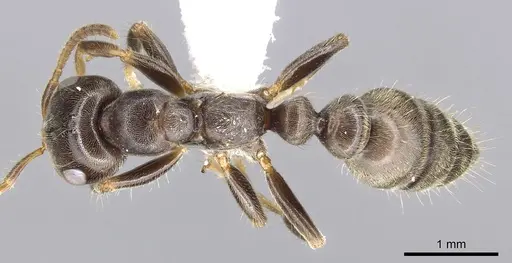
Literature
Loading...Loading products...