
Pseudomyrmex gracilis shows an extended flight window from January through December, spanning 9 months. This longer season suggests multiple flight events or varying conditions across its range. Peak activity occurs in June. This extended season suggests multiple flight events or varying conditions across its range.
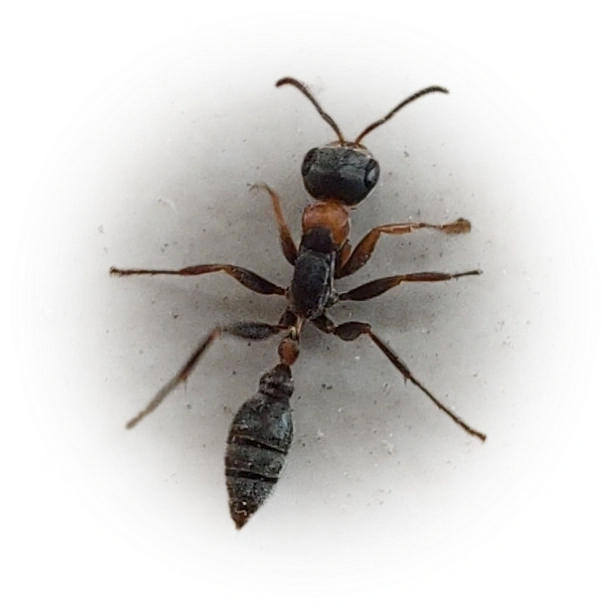
Pseudomyrmex gracilis
- Scientific Name
- Pseudomyrmex gracilis
- Tribe
- Pseudomyrmecini
- Subfamily
- Pseudomyrmecinae
- Author
- Fabricius, 1804
- Common Name
- Graceful Twig Ant
- Distribution
- Found in 11 countries
- Nuptial Flight
- from January to December, peaking in June
AI Identifiable
try →
Pseudomyrmex gracilis Overview
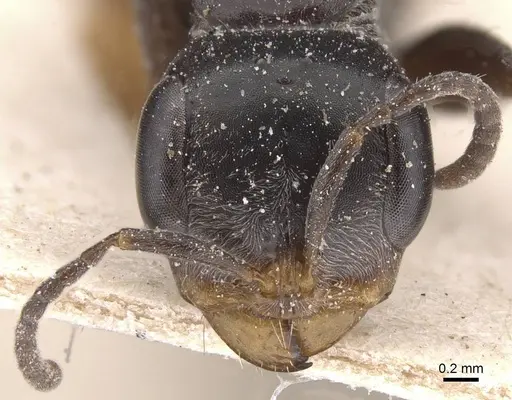
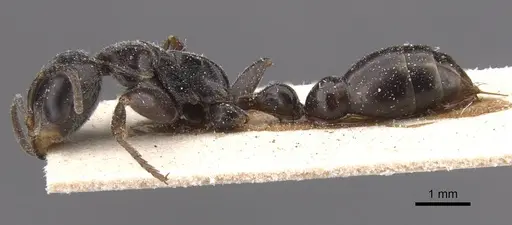
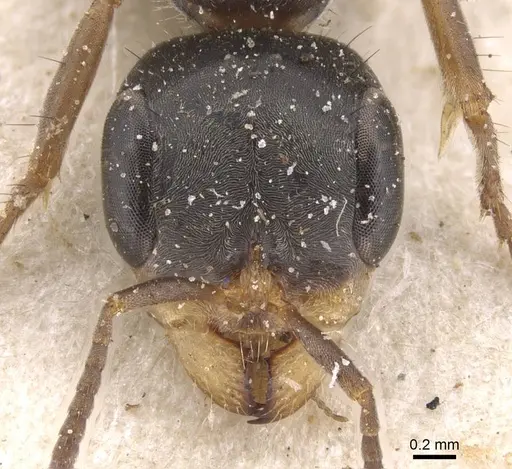
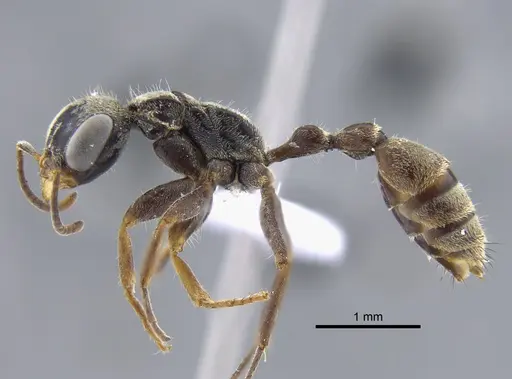
Pseudomyrmex gracilis (commonly known as the Graceful Twig Ant) is an ant species of the genus Pseudomyrmex. It is primarily documented in 11 countries , including Argentina, Brazil, Colombia. Detailed taxonomic data and occurrence records can be further explored via authoritative databases such as AntWeb or the Global Biodiversity Information Facility (GBIF).
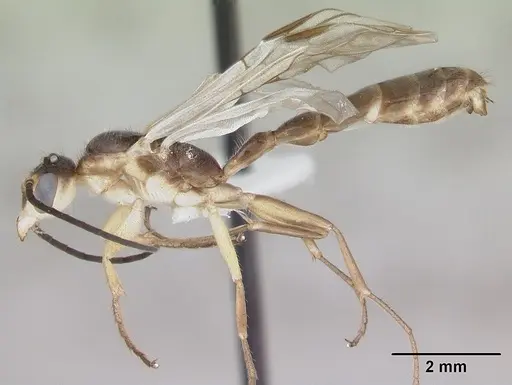
The nuptial flight of Pseudomyrmex gracilis is a significant biological event, typically occurring from January to December, peaking in June. During this time, winged queens and males leave the nest to mate and establish new colonies.
Pseudomyrmex gracilis - "Graceful Twig Ant"
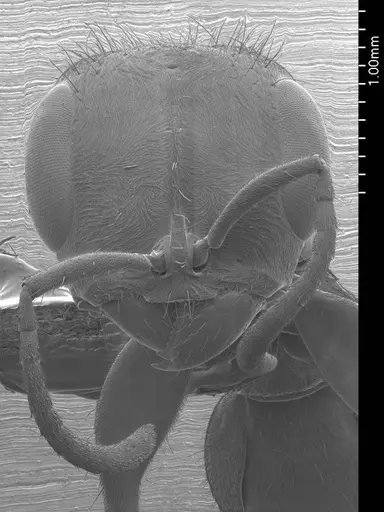
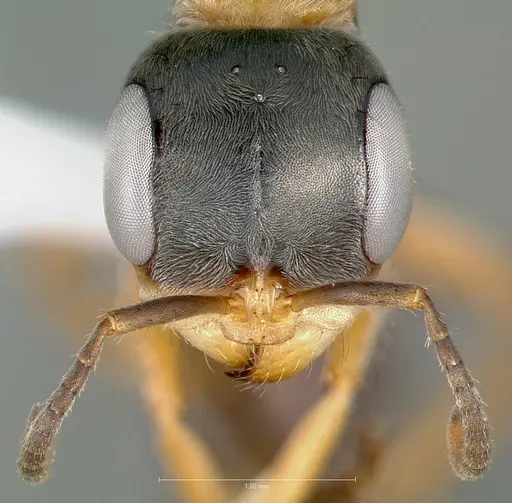
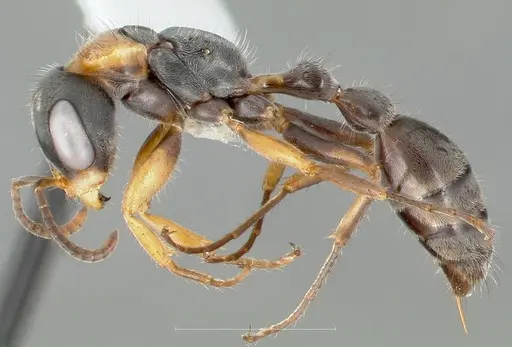
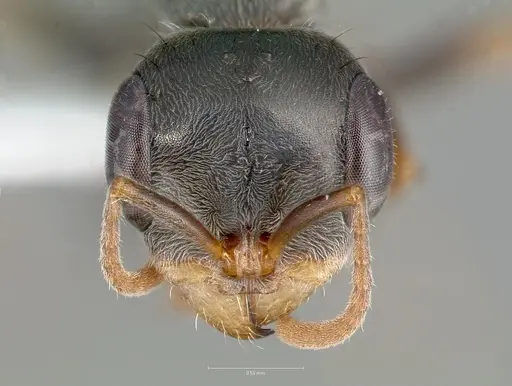
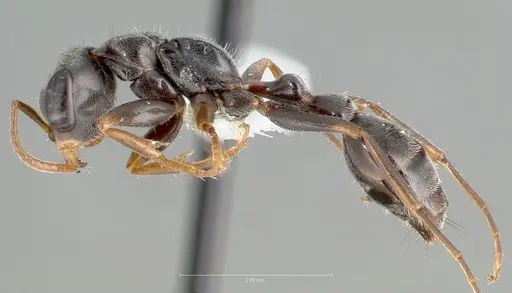
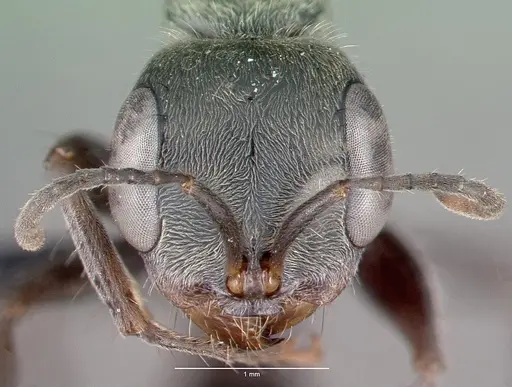
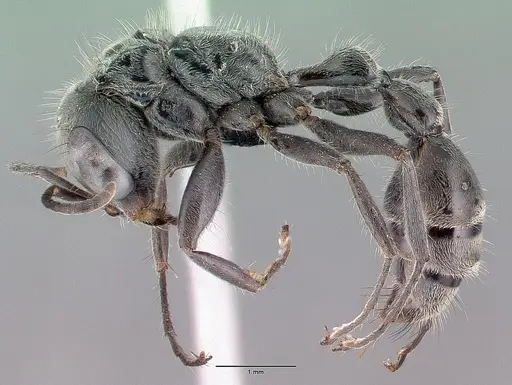
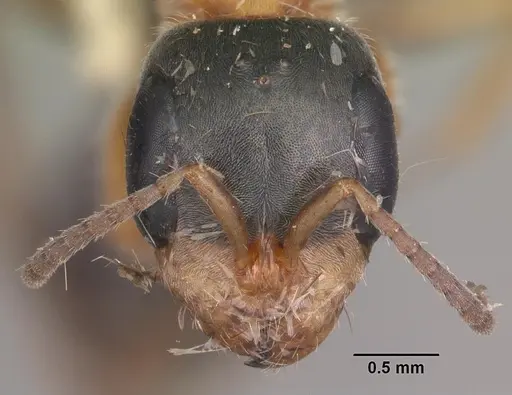
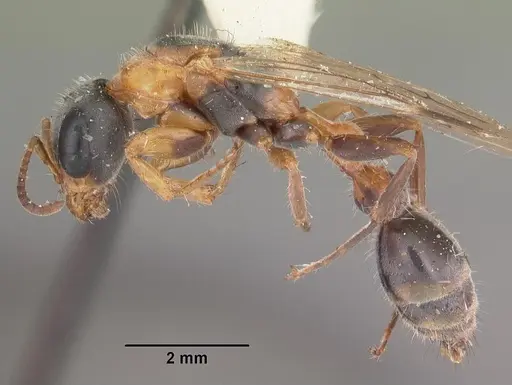
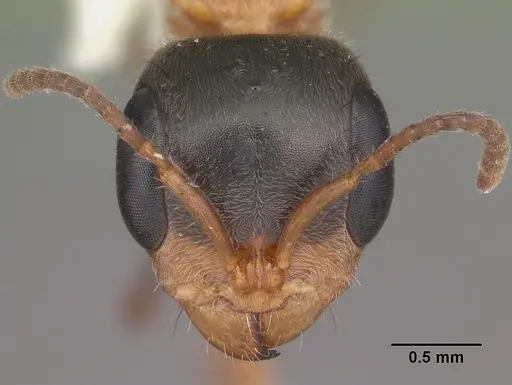
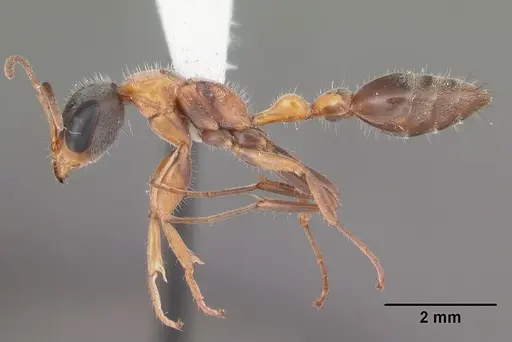
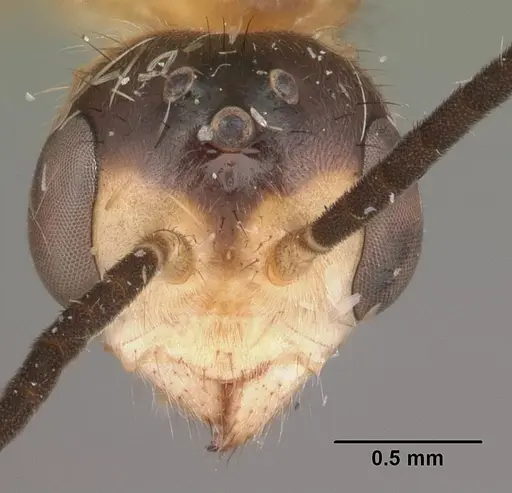
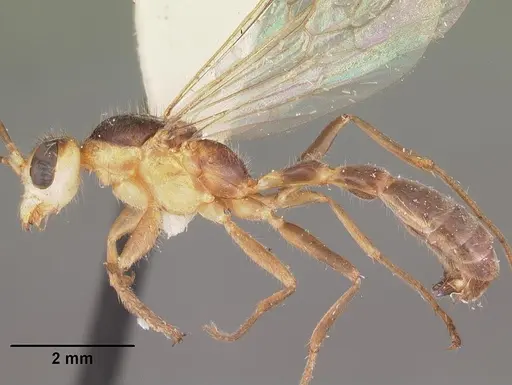
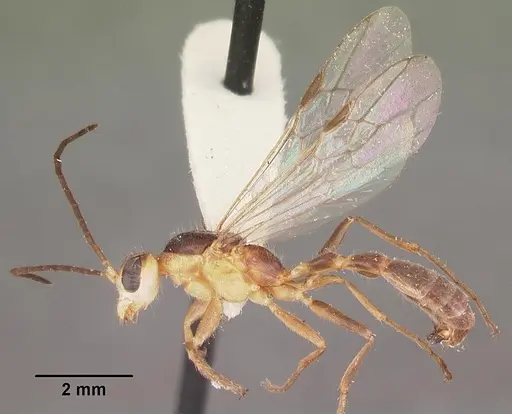
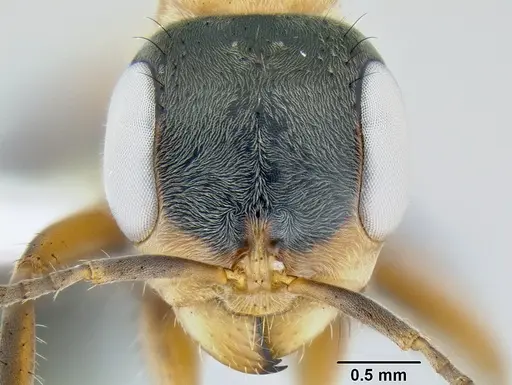
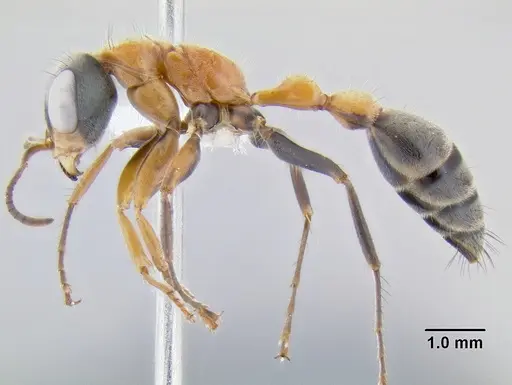
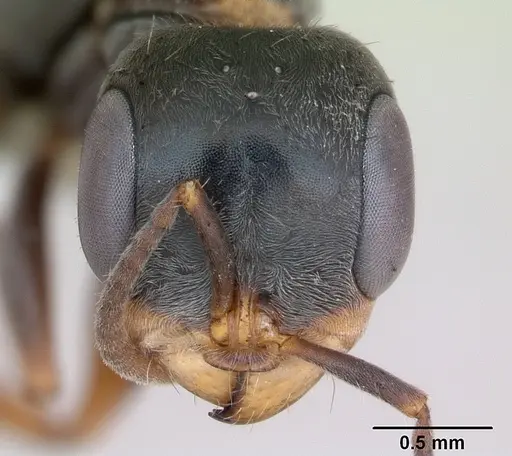
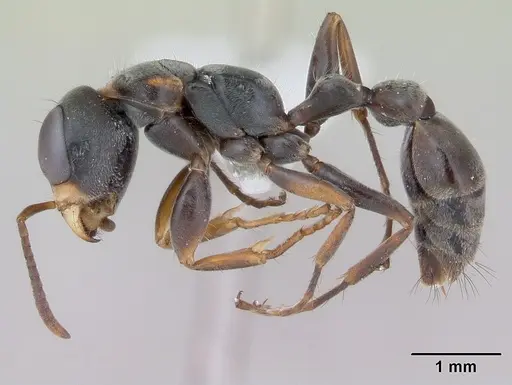
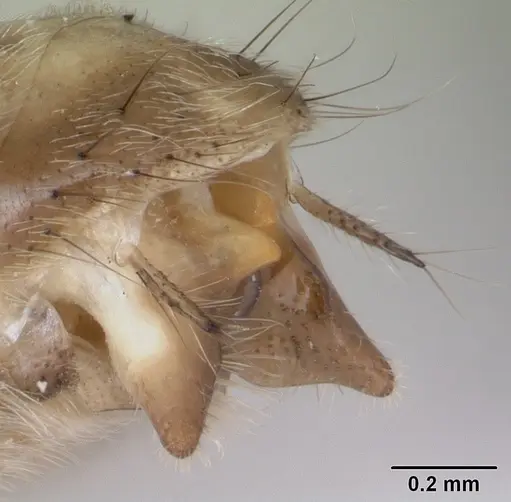
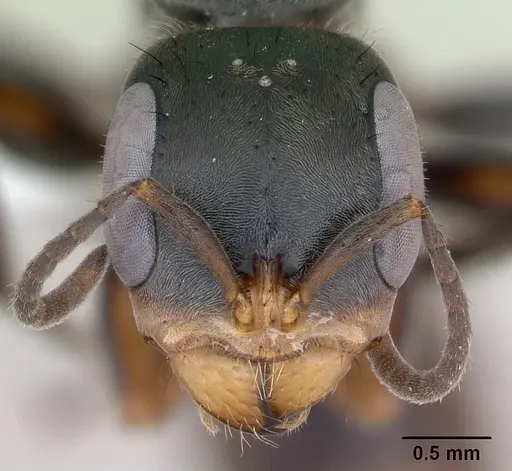
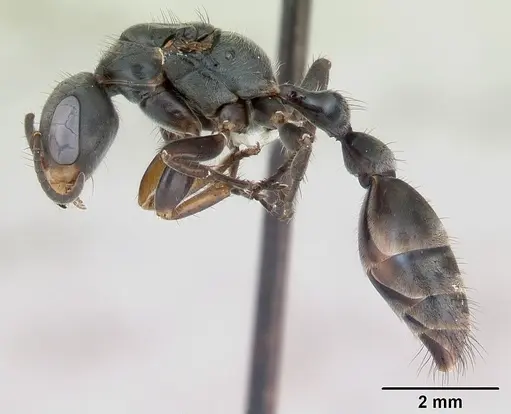
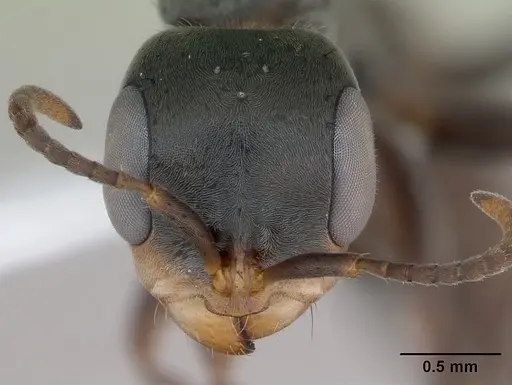
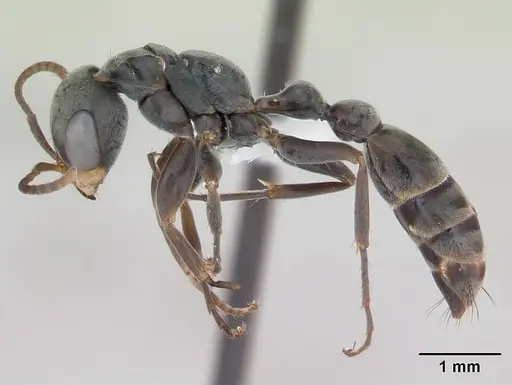
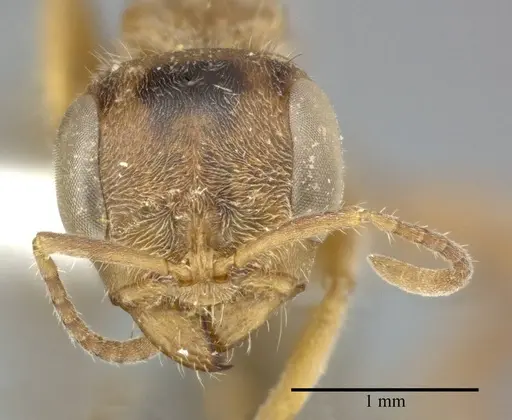
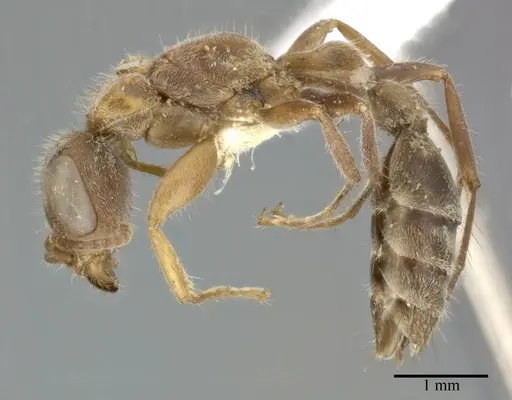
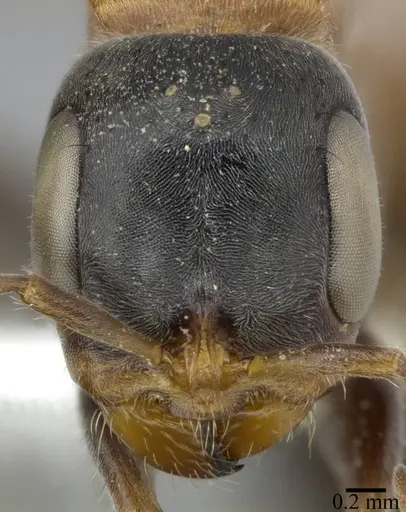
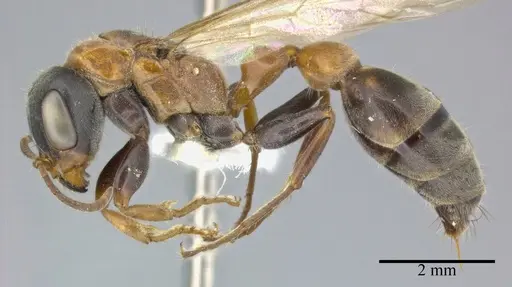
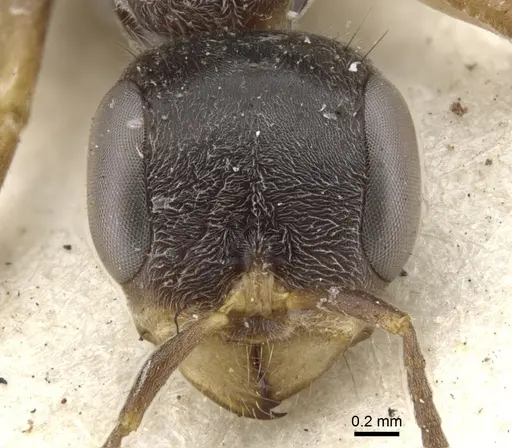
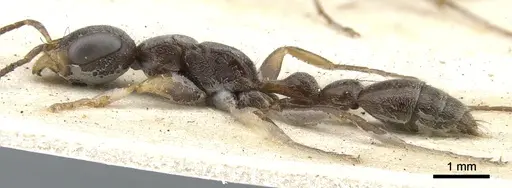
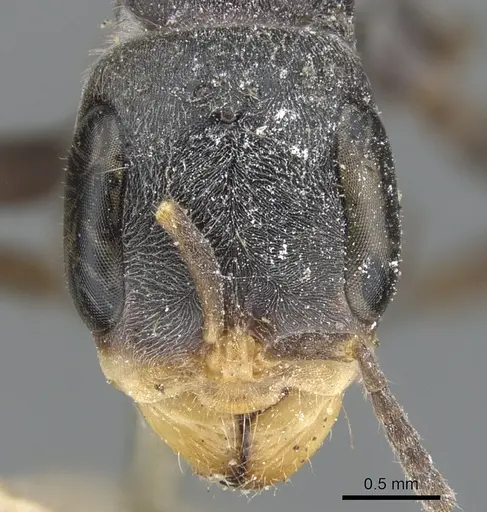
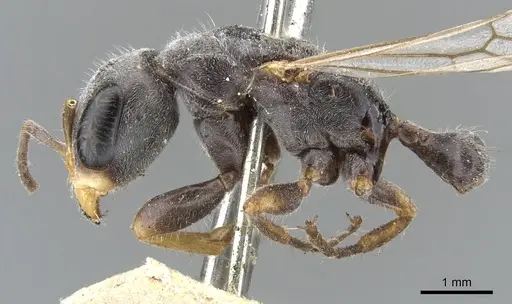
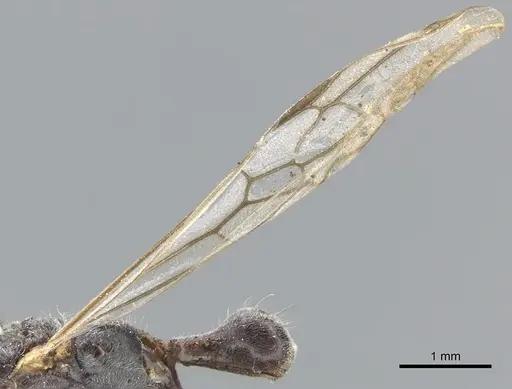
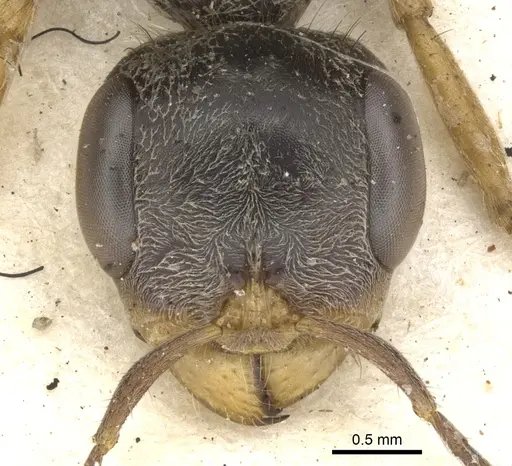
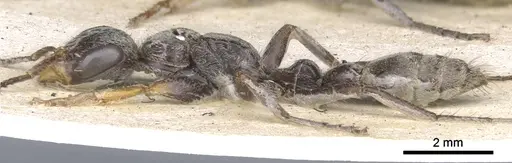
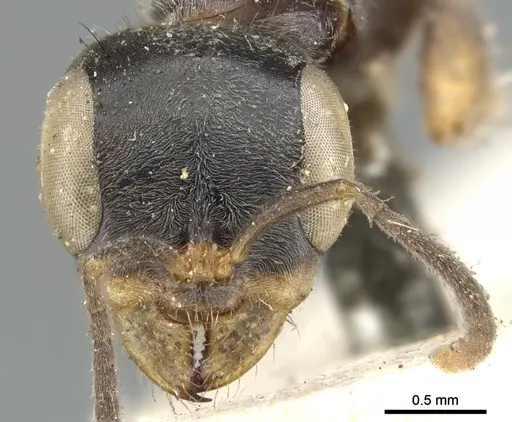
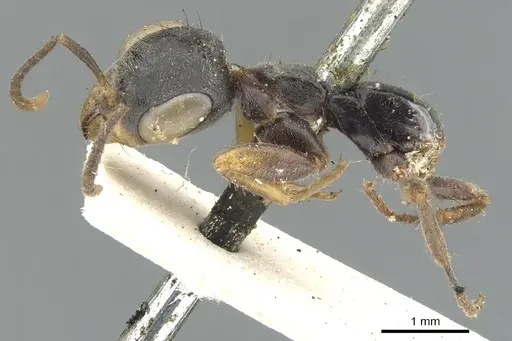
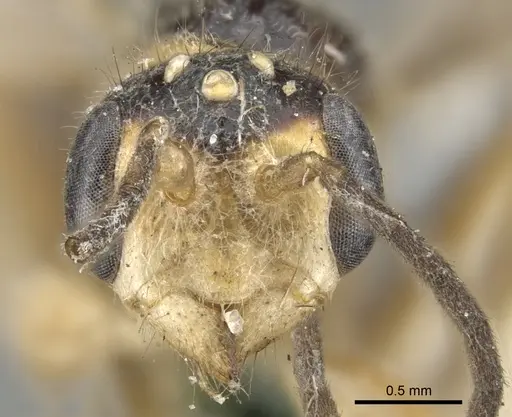
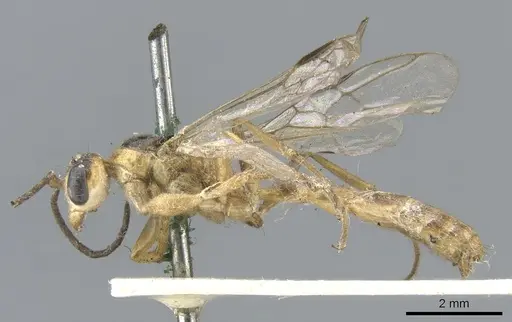
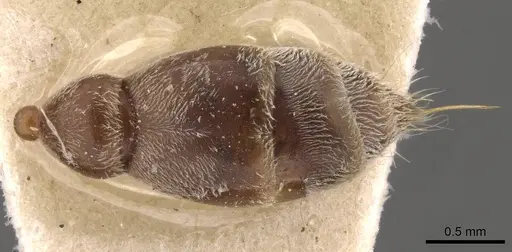
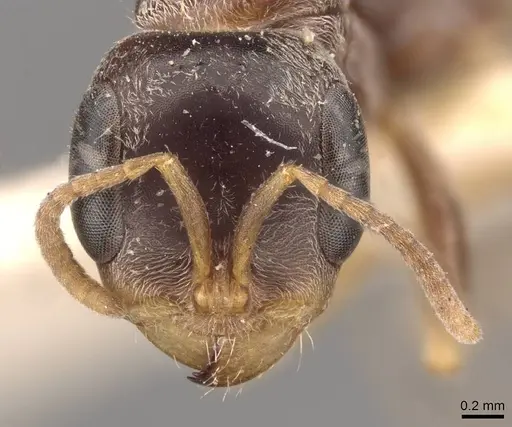
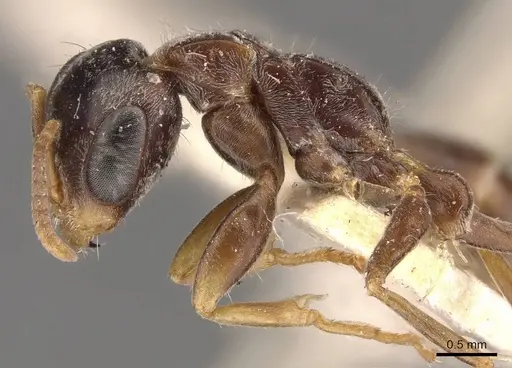
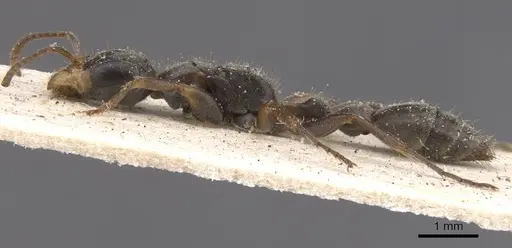
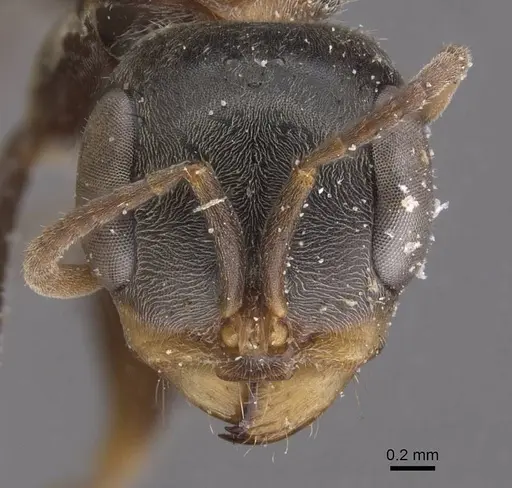
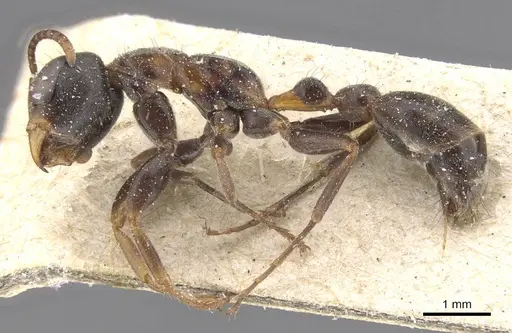
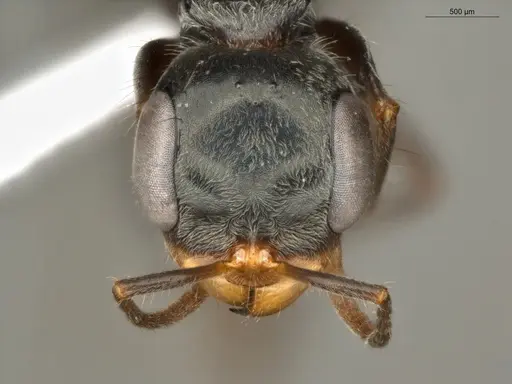
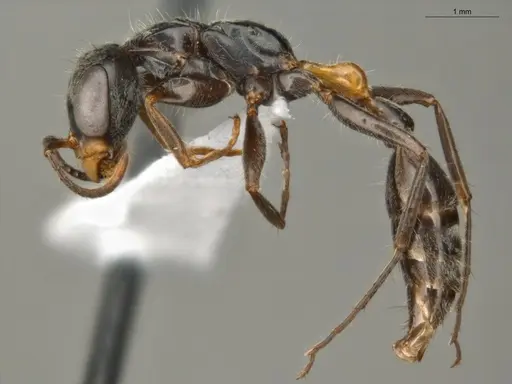
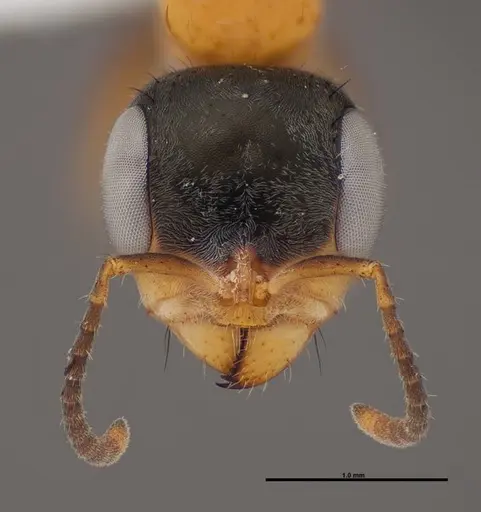
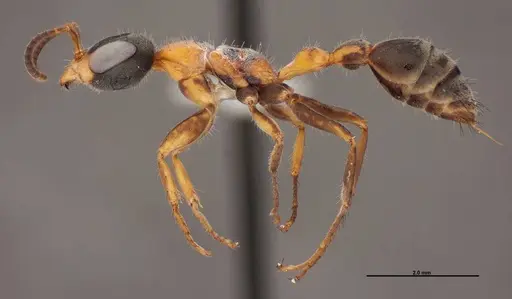
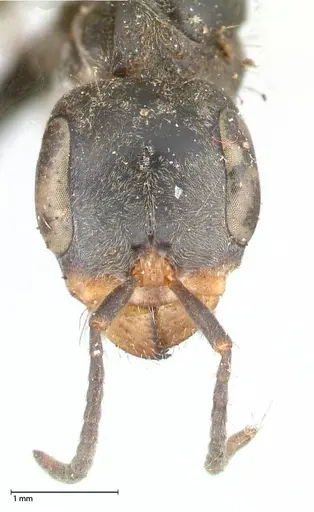
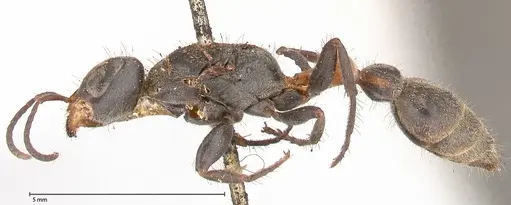
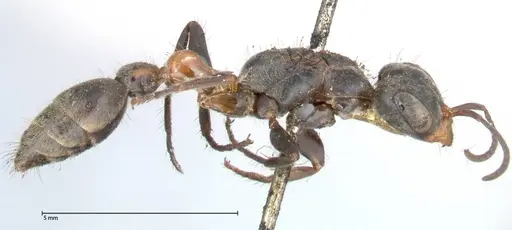
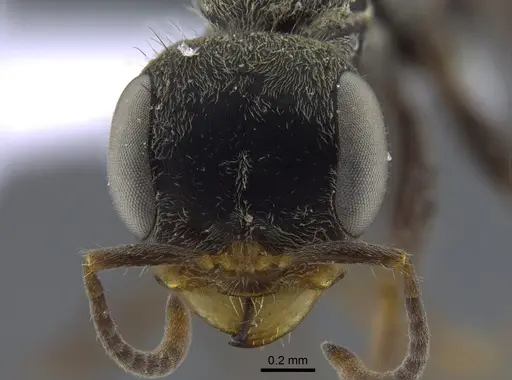
Pseudomyrmex gracilis is a large, slender arboreal ant native to the Americas, ranging from southern Texas through Central America to Argentina and Brazil. Workers measure 7-10mm total length with distinctive large, oval eyes and excellent vision. This species shows remarkable color variation, from nearly black to orange-brown with various bicolored combinations. They typically nest in dead twigs, hollow branches, and stems, though they will opportunistically inhabit acacia thorns without providing the defensive services that true acacia-ants offer. Workers are primarily predatory, hunting small arthropods, but also feed on nectar from extrafloral nectaries. Unlike their mutualistic Pseudomyrmex relatives, P. gracilis acts as a parasite of acacia myrmecophytes, consuming food rewards without defending the plant against herbivores. Colonies can be polygynous (multiple queens) and polydomous (multiple nests across a tree crown).
Quick Summary
- Difficulty: Medium
- Origin & Habitat: Native range spans from southern Uruguay and central Argentina through much of South and Central America to southern Texas. Introduced populations exist in Florida (first discovered in 1960,now widespread across 40 counties), Louisiana, Mississippi, and Hawaii. Found in diverse habitats including mangroves, thorn scrub, rainforest, and commonly in disturbed areas like old fields, roadsides, and secondary forest [1][2].
- Colony Type: Polygynous (multiple queens per colony) and polydomous (multiple nests across tree crown). Colonies are typically small with one queen per nest, but multiple queens can be found across the colony network. Studies show 7% of field nests contained multiple queens, with colonies often having less than 30 workers per individual nest [3][4].
- Colony: Optionally polygyne
- Founding: Claustral
- Size & Growth:
- Queen: HL 1.77-1.92 mm, HW 1.58-1.74 mm [5]
- Worker: HL 1.38-1.99 mm, HW 1.39-2.07 mm, total length 7-10 mm [5][6]
- Colony: Small colonies typically under 30 workers per nest, entire colony network can have 82-411 workers across multiple twig nests [3]
- Growth: Moderate, fast-growing, low-density colonies with high proportion of winged reproductive forms [7]
- Development: Estimated 6-8 weeks at tropical temperatures based on related Pseudomyrmex species (Development time inferred from genus-level data, specific timelines not directly studied for this species)
- Antkeeping:
- Temperature: Keep at 24-28°C (75-82°F). As a tropical species, they require warm conditions year-round. Room temperature within this range is suitable, avoid temperatures below 20°C [8]
- Humidity: Moderate to high humidity (60-80%). Provide moisture through damp substrate in the outworld but ensure good ventilation to prevent mold. Their natural habitat includes tropical forests and mangroves with ambient moisture [2]
- Diapause: No true diapause required. These are tropical ants that remain active year-round in warm conditions. If kept in temperate climates, a slight reduction in temperature during winter months (down to around 20°C) may slow activity but is not necessary for colony health
- Nesting: Arboreal nesting in hollow twigs, branches, or stems. In captivity, provide artificial nests that mimic these conditions, vertical or horizontal acrylic nests with narrow chambers scaled to their size. They readily accept Y-tong nests, wooden formicaria, or setups with natural twigs. Ensure entrance holes are appropriately sized
- Behavior: Workers are not aggressive and generally sting only if trapped against skin or swatted. However, they will readily defend their colony when threatened and can deliver a painful sting. Workers forage solitarily on vegetation, buildings, and the ground, hunting small arthropods and collecting nectar. They have excellent vision and will often drop to the ground when threatened, making escape prevention important. Workers are efficient predators and territorial. Colonies show polydomous structure with nests dispersed across tree crowns. They are opportunistic nesters and can coexist with other ant species in the same area.
- Common Issues: Painful sting, workers will sting if handled roughly or trapped against skin, use caution during colony maintenance, Polydomous colonies can be difficult to keep together, they naturally spread across multiple nests, Escape artists, excellent vision and quick movements make them prone to escaping if not secured, Competition with native ants, in introduced ranges like Florida, they compete with native Pseudomyrmex species, Small colony size means slower population growth compared to faster-spreading ants
Nuptial Flight Activity Analysis 1388 observations
Flight Activity by Hour 1388 observations
Pseudomyrmex gracilis nuptial flight activity peaks around 11:00 during the late morning to early afternoon. Activity is spread across a 13-hour window (07:00–19:00). A secondary activity peak occurs around 13:00. Times may be influenced by human observation patterns.
Housing and Nest Setup
Pseudomyrmex gracilis is an arboreal species that naturally nests in hollow twigs, branches, and stems. In captivity, they do well in Y-tong (AAC) nests, acrylic formicaria, or wooden nests with appropriately sized chambers. The nest chambers should be scaled to their 7-10mm worker size, avoiding chambers that are too large which can make them feel insecure. They prefer narrow, tight-fitting spaces that mimic their natural twig nests. Since they are arboreal, provide an outworld with climbing structures like twigs, branches, or artificial plants. Test tube setups can work for founding colonies but may need to be transitioned to larger setups as the colony grows. Escape prevention is important, these ants have excellent vision and are quick, so ensure all connections are secure and use fluon or other barriers on tubing. They do not require substrate in the nest area but benefit from a humid outworld where they can forage. [1][3]
Feeding and Diet
These ants are primarily predatory, hunting and killing small arthropods for protein. Workers forage solitarily, hunting insects and other small invertebrates. They also feed on carbohydrate sources including honeydew, extrafloral nectar, and floral nectar. In captivity, offer a varied diet including live prey (fruit flies, small crickets, mealworms) and sugar sources (honey water, sugar water). Workers will readily accept most small insects and can be fed commercially available feeder insects. They are not specialized predators but are efficient hunters. Larvae require protein from prey to develop properly. Adults consume both proteins and sugars. Feed prey 2-3 times per week and ensure sugar water or honey is always available. Remove uneaten prey after 24 hours to prevent mold. [1][3]
Temperature and Seasonal Care
As a tropical species, Pseudomyrmex gracilis requires warm temperatures between 24-28°C (75-82°F). They are native to regions where average annual minimum temperatures exceed 25°F, meaning they cannot tolerate cold conditions. In captivity, maintain consistent warmth year-round, room temperature in most homes will be suitable, but you may need a heating cable or mat in cooler environments. They do not require hibernation or diapause. Unlike temperate species, they remain active throughout the year when kept warm. Avoid temperatures below 20°C for extended periods. Their natural range includes both humid tropical forests and drier thorn scrub, so they are adaptable to varying humidity levels within the moderate to high range. [8]
Behavior and Defense
Workers are not inherently aggressive but will defend their colony vigorously if threatened. They have a well-developed sting that delivers painful venom, sting pain rating is 1 on the Schmidt scale, and the venom has an LD50 of 12 mg/kg. Most stings occur when workers fall from foliage onto human skin or when defending their nest. Workers have excellent vision and will often detect and evade threats by dropping to the ground. They forage solitarily rather than in groups, patrolling vegetation individually. Colonies are polydomous, meaning they maintain multiple nests across a tree crown in the wild. Workers are territorial and will attack other ants that intrude on their host plant. When keeping this species, be aware that they can deliver painful stings and handle with care during colony maintenance. [1][5]
Colony Structure and Reproduction
Pseudomyrmex gracilis has a complex colony structure that differs from many other ants. Colonies are polygynous (multiple queens) and polydomous (multiple nests). Studies show about 7% of field nests contain multiple physogastric queens, and colonies often have multiple queens distributed across different nest sites. Each individual nest typically contains one queen plus 8-44 workers. The colony network can span 5-30 twig nests in a single tree, with 82-411 workers total. Queens are larger than workers (HL 1.77-1.92mm vs 1.38-1.99mm) and can be distinguished by their larger size and reproductive morphology. Colonies produce winged reproductives (alates) for nuptial flights. Worker reproduction does not occur in queenright colonies, reproduction is strictly by queens. [4][3][6]
Frequently Asked Questions
Does Pseudomyrmex gracilis sting?
Yes, they can sting and it is painful. However, workers are not aggressive and typically only sting when trapped against skin, swatted, or defending their nest directly. Most stings occur when workers fall from foliage onto human skin during colony disturbance.
How long does it take for first workers to appear?
Based on related Pseudomyrmex species, expect first workers (nanitics) approximately 6-8 weeks after the queen lays eggs, at optimal tropical temperatures (24-28°C). Specific development time has not been directly studied for this species.
Can I keep multiple queens together?
Yes, this species is naturally polygynous, meaning colonies can have multiple queens. However, in captivity, introducing unrelated queens to an established colony may result in aggression. It's best to either found colonies separately or introduce queens during the founding stage.
What do Pseudomyrmex gracilis eat?
They are primarily predatory, hunting small insects and arthropods. They also feed on nectar from extrafloral nectaries and honeydew. In captivity, offer live prey (fruit flies, small crickets, mealworms) and sugar sources (honey water, sugar water).
Are Pseudomyrmex gracilis good for beginners?
They are rated as medium difficulty. While colonies are relatively small and manageable, their painful sting and excellent escape abilities make them better suited for antkeepers with some experience. Their tropical temperature requirements are straightforward to meet.
Do they need hibernation?
No, they do not require hibernation. As a tropical species, they remain active year-round when kept at warm temperatures (24-28°C). A slight winter slowdown is optional but not necessary.
Why are my ants dying?
Common causes include: temperatures below 20°C (they are tropical and need warmth), too low humidity, escape due to poor containment, or stress from overhandling. They are also vulnerable to mold in overly humid, poorly ventilated setups. Ensure proper temperature, humidity, and secure housing.
References

This caresheet is licensed under CC BY-SA 4.0 .
ANTWEB1008586
View on AntWeb
CASENT0005838
View on AntWeb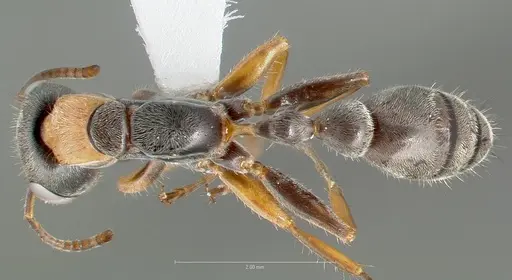
CASENT0005859
View on AntWeb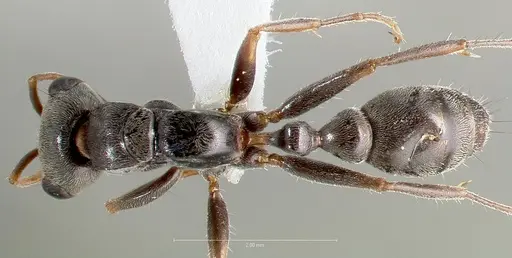
CASENT0040137
View on AntWeb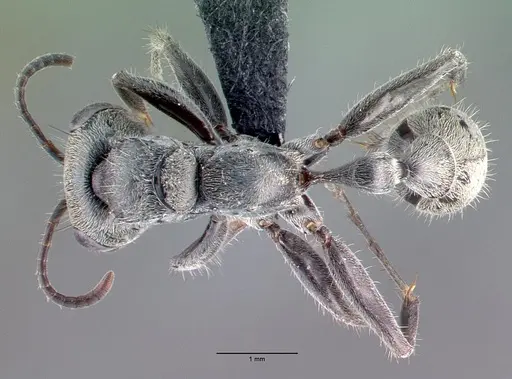
CASENT0103779
View on AntWeb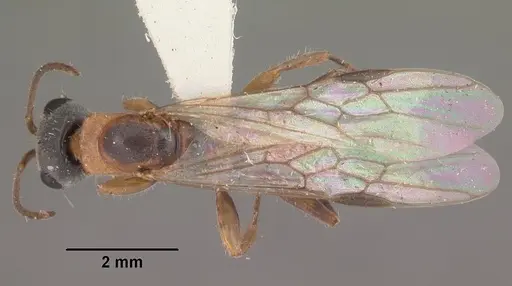
CASENT0103874
View on AntWeb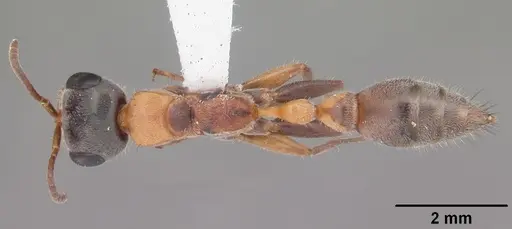
CASENT0104250
View on AntWeb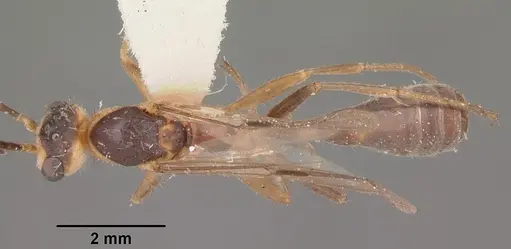
CASENT0106097
View on AntWeb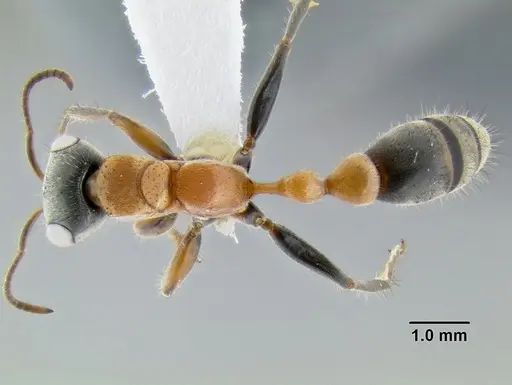
CASENT0173760
View on AntWeb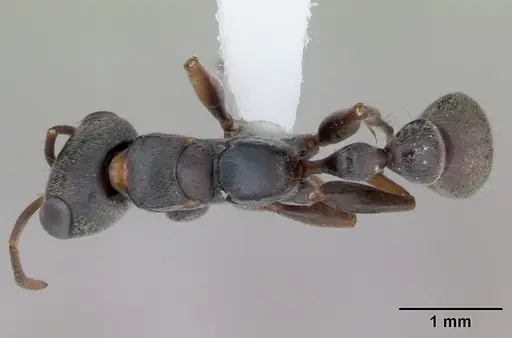
CASENT0173761
View on AntWeb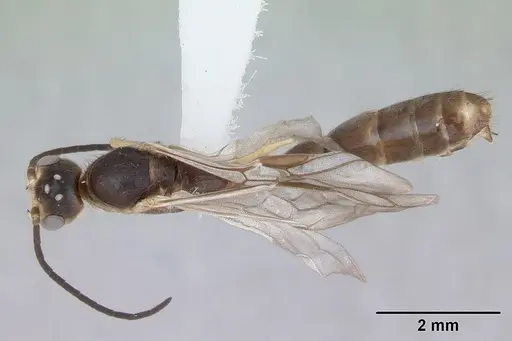
CASENT0173762
View on AntWeb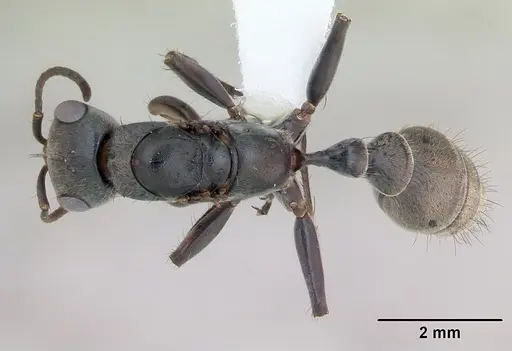
CASENT0173763
View on AntWeb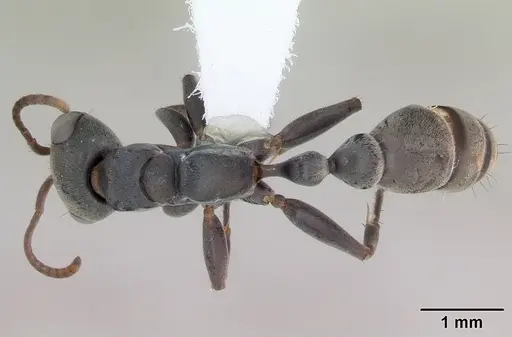
CASENT0246302
View on AntWeb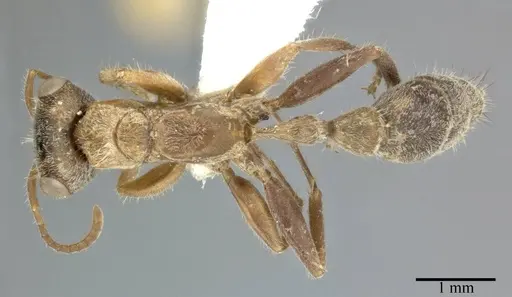
CASENT0246308
View on AntWeb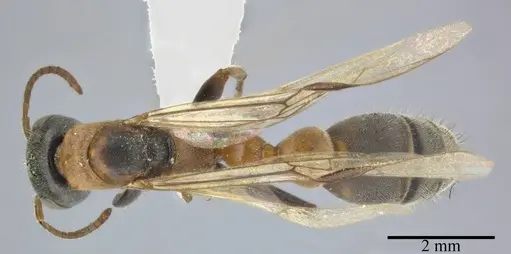
CASENT0902842
View on AntWeb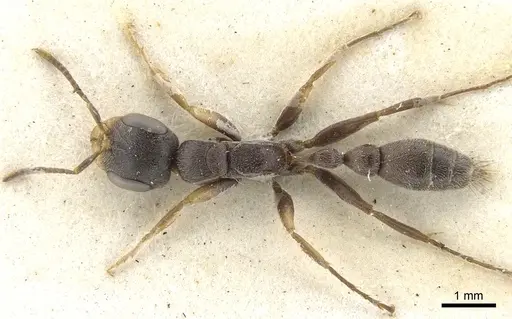
CASENT0902843
View on AntWeb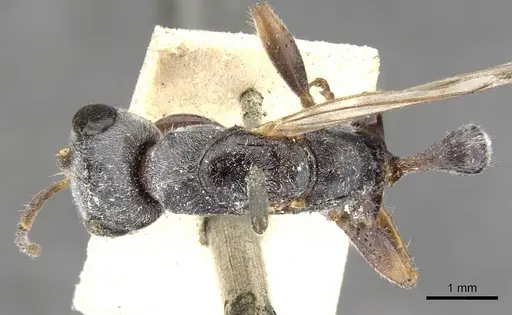
CASENT0902844
View on AntWeb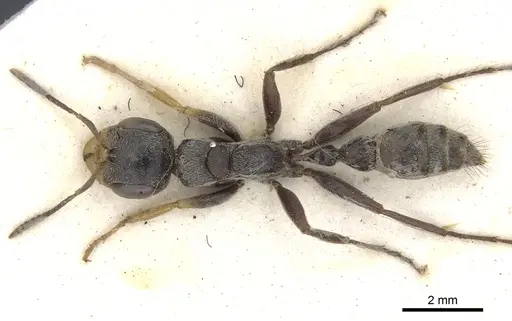
CASENT0902845
View on AntWeb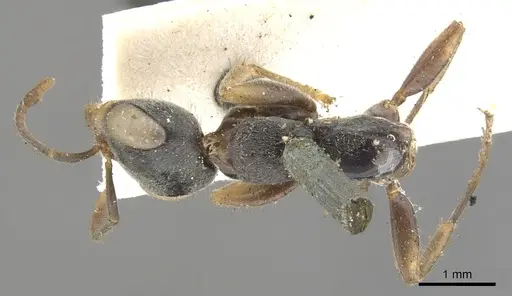
CASENT0902846
View on AntWeb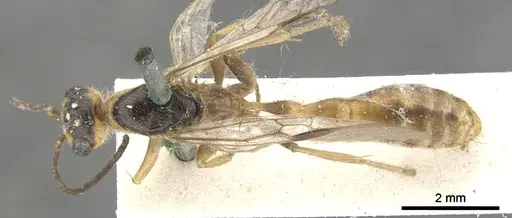
CASENT0907478
View on AntWeb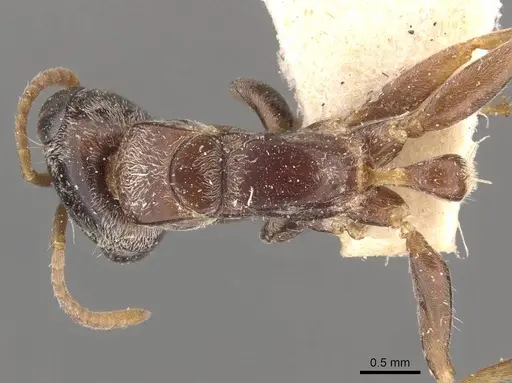
CASENT0915507
View on AntWeb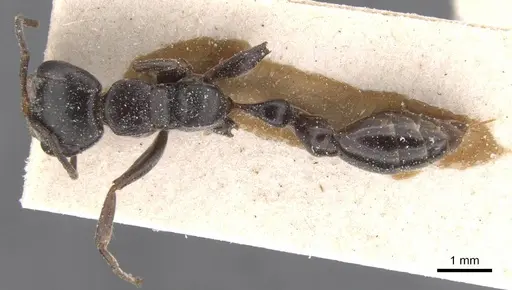
CASENT0915508
View on AntWeb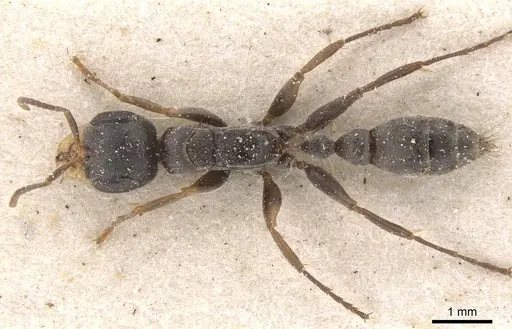
CASENT0915509
View on AntWeb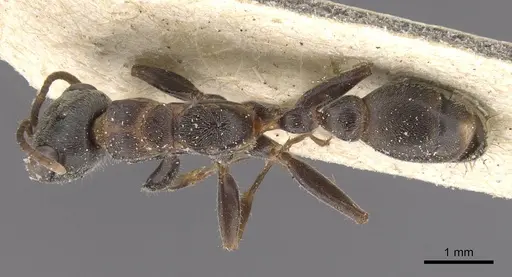
ECOFOG-TR17-0308-02
View on AntWeb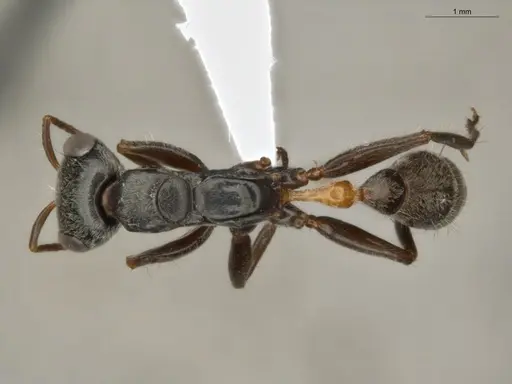
FMNHINS0000078508
View on AntWeb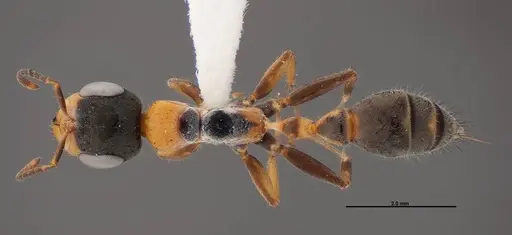
FOCOL0524
View on AntWeb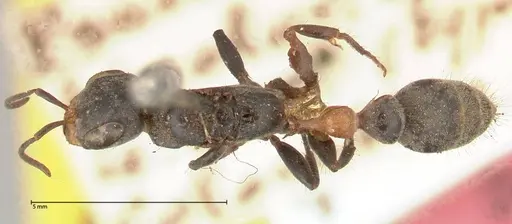
IAVH-E-262143
View on AntWeb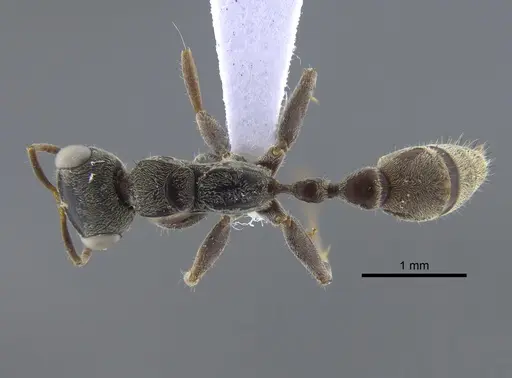
Literature
Loading...Loading products...