Stictoponera binghamii - "None widely recognized"
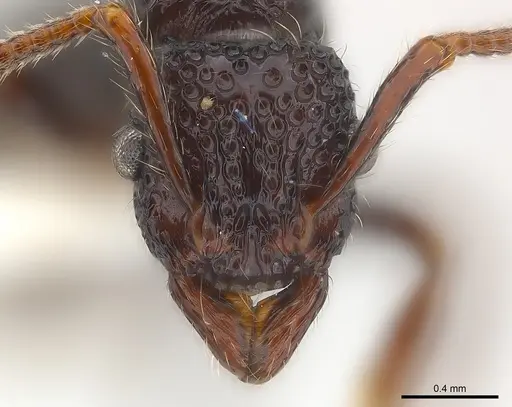
Stictoponera binghamii is a fascinating and somewhat primitive ant species belonging to the Ectatomminae subfamily. These ants are notable for their distinct, highly sculptured bodies, giving them a rugged appearance. They are active predators, known for their efficient hunting strategies. Queens are typically around 5-6mm in length, while workers are slightly smaller, generally ranging from 4-5mm. They are found across a wide range in Southeast Asia, inhabiting humid, forested environments.
- Difficulty: Medium
- Origin & Habitat: Southeast Asia (India, Myanmar, Thailand, Laos, Vietnam, China, Malaysia, Indonesia, Philippines, Papua New Guinea) in Mesic forested areas, including lowlands to about 1500m, dipterocarp-mixed forests, and pine-oak forests..
- Colony Type: Monogyne (single queen), semi-claustral (queen may forage during founding stage) founding.
- Size & Growth:
- Queen: 5-6mm
- Worker: 4-5mm
- Colony: Small (hundreds of workers). Slow to Medium growth.
- Antkeeping:
- Temperature: Maintain a temperature range of 24-28°C (75-82°F) for optimal development. Providing a slight temperature gradient within the nest can allow the ants to choose their preferred spot for brood development..
- Humidity: High humidity is crucial, ideally between 70-90%. This can be achieved by keeping a significant portion of the nest moist and ensuring good hydration in the outworld..
- Diapause: Not required. Not specified at Not specified.
- Nesting: These ants will thrive in artificial nests that mimic their natural arboreal and subterranean cavities. Options like acrylic, ytong, or natural setups with decaying wood or soil are suitable. They prefer dark, humid nesting spaces..
- Behavior: Medium (towards handler when disturbed, high towards prey) aggressiveness.
- Common Issues: Mold in nest, Mites, Colony stalling (due to improper care), Humidity fluctuations, Queen stress (due to disturbances).
Keeping Stictoponera binghamii in your ant farm offers a unique glimpse into the predatory world of ants. These ants are active hunters, so be prepared to offer a consistent supply of various insect prey. Their strong mandibles and hunting instincts make them fascinating to observe as they strategize and take down their meals. Providing diverse food items will encourage their natural foraging behaviors and ensure a well-rounded diet for your colony.
One key aspect of caring for Stictoponera binghamii is maintaining appropriate humidity and ventilation. Hailing from humid, forested environments, they require a consistently moist nest. However, like many ant species, stagnant, overly wet conditions can lead to mold, which is detrimental to colony health. Striking the right balance with good airflow in the outworld while keeping the nest chambers adequately damp is essential for their well-being.
Their natural inclination to forage using chemical trails means that observing their outworld activity can be quite rewarding. When a food source is discovered, you might witness workers recruiting nestmates to help transport the bounty back to the brood. This cooperative foraging behavior highlights their complex communication systems and adds another layer of intrigue to their care. Ensure your outworld has enough space for them to explore and establish these trails.
While specific details on brood development time for Stictoponera binghamii are not widely documented for hobbyists, consistency in temperature and diet is paramount. Any fluctuations can stress the queen and potentially stall brood production. A stable environment, combined with regular protein and sugar offerings, will give your colony the best chance to grow and thrive. Remember to always remove uneaten food promptly to prevent mold and mites.
Frequently Asked Questions
What kind of prey do Stictoponera binghamii workers prefer?
As active predators, Stictoponera binghamii workers thrive on a varied diet of live insects. Try offering small feeder insects like fruit flies, small crickets, or dubia roach nymphs. Always ensure the prey is smaller than the ants to prevent injury.
How often should I feed my Stictoponera binghamii colony?
Feeding frequency depends on colony size and growth rate. For smaller colonies, offer protein a few times a week, and a constant supply of sugar water. Larger colonies will require more frequent feedings to support their growing brood. Always remove uneaten prey after a day or two to keep the formicarium clean.
Do Stictoponera binghamii queens lay eggs right away?
Like many ant queens, a Stictoponera binghamii queen typically needs a period of adjustment after being introduced to her new nest before she starts laying eggs consistently. Providing a calm, stable, and dark environment will help reduce stress and encourage her to begin laying brood. Once her first nanitics emerge, she'll likely increase her egg-laying.
What type of nest is best for Stictoponera binghamii?
For these fascinating ants, artificial nests that allow for high humidity are ideal. Options include acrylic formicariums with a large hydration area, Ytong nests, or even natural setups using decaying wood or tightly packed soil mimicking their natural habitat cavities. Ensure there are enough dark chambers for the queen and brood.
Are Stictoponera binghamii aggressive towards antkeepers?
While Stictoponera binghamii are active predators towards their insect prey, they are generally not overly aggressive towards human handlers. However, like most Ponerine ants, they can sting if they feel threatened or are handled carelessly. It's always best to observe them calmly and avoid disturbing them directly.
Do Stictoponera binghamii need diapause?
As a tropical species originating from warm, humid climates, Stictoponera binghamii typically do not require a diapause (winter hibernation period). Maintaining consistent temperature and humidity year-round is important for their continuous development.
How do Stictoponera binghamii workers communicate?
These ants are known to utilize chemical trails extensively for communication, especially when foraging. You'll often see them laying down pheromone trails to guide nestmates to newly discovered food sources or back to the nest. This is a common and intriguing behavior to witness in your outworld.
Can I keep multiple queens of Stictoponera binghamii together?
Stictoponera binghamii colonies are generally monogyne, meaning they naturally have only one queen. Attempting to house multiple queens together will likely result in conflict and the eventual death of one or more queens. It's best to keep them as single-queen colonies.