

Pseudomyrmex exoratus
- Scientific Name
- Pseudomyrmex exoratus
- Tribe
- Pseudomyrmecini
- Subfamily
- Pseudomyrmecinae
- Author
- Ward & Branstetter, 2022
- Distribution
- Found in 1 countries
Pseudomyrmex exoratus Overview
Pseudomyrmex exoratus is an ant species of the genus Pseudomyrmex. It is primarily documented in 1 countries , including Mexico. Detailed taxonomic data and occurrence records can be further explored via authoritative databases such as AntWeb or the Global Biodiversity Information Facility (GBIF).
Pseudomyrmex exoratus
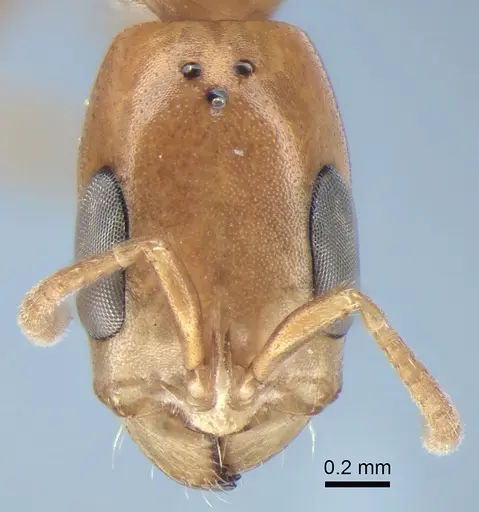
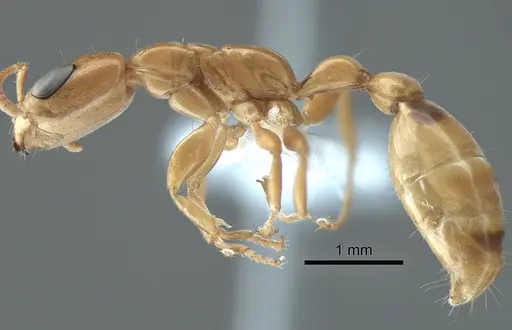
Pseudomyrmex exoratus is a small, distinctive ant species with an exceptionally elongated head and light orange-brown coloration. Workers measure approximately 1.2-1.3mm in total length, making them notably smaller than many other Pseudomyrmex species. They feature dark brown markings on their abdomen, specifically anterolateral patches on the fourth abdominal segment and a transverse band on the sixth segment. This species is known only from a handful of collections in southern Mexico (Oaxaca and Chiapas at low elevations around 25m) and one record from Honduras. It belongs to the P. elongatulus group and is closely related to the more widespread Pseudomyrmex elongatulus, with which it occurs sympatrically at its type locality. The robust hind femur suggests adaptation to nesting in harder dead wood rather than soft twigs.
Quick Summary
- Difficulty: Unknown, Insufficient data for reliable difficulty assessment
- Origin & Habitat: Lowland tropical regions of southern Mexico (Oaxaca, Chiapas) and Honduras, typically at elevations below 25 meters. Presumed to nest in dead twigs or hard dead wood based on related species behavior [1][2].
- Colony Type: Colony structure is unconfirmed, no data exists on queen number or colony organization for this species.
- Size & Growth:
- Queen: Undescribed in primary literature, estimated slightly larger than workers based on typical Pseudomyrmex patterns
- Worker: 1.2-1.3mm total length (HL 1.19-1.28mm, HW 0.83-0.86mm) [1]
- Colony: Unknown, no colony size data available
- Growth: Unknown, no development data exists for this species
- Development: Unconfirmed, no direct observations of colony development (Development timeline is entirely unknown for this species. Estimates based on related Pseudomyrmex species suggest 4-8 weeks at tropical temperatures, but this is speculative.)
- Antkeeping:
- Temperature: Likely needs warm conditions (24-28°C) based on lowland tropical distribution in southern Mexico and Honduras. Provide a temperature gradient allowing the colony to select their preferred zone.
- Humidity: Likely requires moderate to high humidity (60-80%) typical of lowland tropical species. Keep nest substrate moderately moist but not waterlogged.
- Diapause: Unlikely, as a lowland tropical species from southern Mexico and Honduras, they probably do not require a diapause period. However, this is unconfirmed.
- Nesting: Presumed to nest in dead twigs or hard dead wood like other members of the P. elongatulus group. In captivity, a small test tube setup or acrylic nest with narrow chambers scaled to their tiny size would be appropriate. The robust femur suggests they may prefer slightly harder nesting materials.
- Behavior: Behavior is unstudied in captivity. Based on related species in the P. elongatulus group, they are likely active foragers that hunt small prey. Their small size means escape prevention must be excellent, they can easily slip through standard gaps. Exercise caution with handling as Pseudomyrmex species can deliver a mild sting.
- Common Issues: this species is extremely rare in collections with almost no captive breeding information available, escape prevention is critical due to their very small size, no established care protocols exist, keepers must experiment cautiously, wild-caught colonies may have parasites or diseases since the species has never been captive-bred, slow or absent colony growth may occur if conditions do not match their unknown natural requirements
Discovery and Distribution
Pseudomyrmex exoratus was only recently described in 2022 by Ward and Branstetter, making it one of the most poorly known Pseudomyrmex species. The species is known from just three low-elevation localities in southern Mexico, two in Oaxaca (Temascal at 25m elevation) and one in Chiapas, plus a single collection from Honduras. The type series was collected by Daniel Janzen in 1964,with one queen having flown into a house, suggesting nuptial flight activity in early February. The species occurs sympatrically with its close relative P. elongatulus at the type locality, meaning both species can be found in the same area. [1][2]
Identification and Morphology
This species is easily recognized by its exceptionally elongated head, the head index (CI) of 0.67-0.69 is unusually low for the genus, meaning the head is much longer than wide. Workers measure approximately 1.2-1.3mm in total body length, making them relatively small for Pseudomyrmex. The robust hind femur (FI 0.46-0.49) distinguishes them from related species and suggests adaptation to harder nesting materials. Coloration is light orange-brown with distinctive dark brown markings: anterolateral patches on abdominal segment 4 and a transverse band on segment 6. The eyes are notably large (REL2 0.62-0.66), which may indicate active foraging or visual orientation behavior. [1]
Housing and Nesting
Since this species is presumed to nest in dead twigs or hard dead wood like other members of the P. elongatulus group, captive housing should reflect these preferences. A small test tube setup works well for founding colonies, while established colonies can be moved to a small acrylic nest or Y-tong formicarium with chambers appropriately scaled to their tiny worker size. The robust femur suggests they may be able to chew through softer materials, so avoid very soft test tube stoppers. Ensure excellent escape prevention, their small size means they can slip through gaps that would hold larger ants. Provide some nesting material like small twigs or cork to simulate their natural environment. [1][2]
Feeding and Diet
The diet of P. exoratus is not directly documented, but related Pseudomyrmex species are typically predatory and forage actively for small insects and other arthropods. In captivity, offer small live prey such as fruit flies, pinhead crickets, or small mealworms. Sugar sources like honey water or sugar water may be accepted, though this is uncertain. Feed small amounts of protein prey 2-3 times per week and monitor acceptance. Remove uneaten prey after 24-48 hours to prevent mold. The small worker size means prey items should be appropriately sized, nothing larger than what they can subdue.
Temperature and Humidity
Based on its lowland tropical distribution in southern Mexico and Honduras, this species likely requires warm, humid conditions. Aim for temperatures in the range of 24-28°C with a slight gradient allowing colony choice. A heating cable on one side of the nest can create this gradient. Humidity should be moderate to high (60-80%), typical of tropical lowland environments. Keep the nest substrate consistently moist but not waterlogged. As a lowland species from near the equator, diapause is unlikely to be required, maintain consistent conditions year-round. [1]
Caution for Keepers
Pseudomyrmex exoratus is an extremely rare species in captivity and should be approached with caution by keepers. There is essentially no captive breeding history or established care protocol for this species. Any colony obtained will likely be wild-caught, which carries risks of parasites, disease, and stress from collection and transport. Before attempting to keep this species, ensure you have experience with more common Pseudomyrmex species. Do not release any specimens in areas where they are not native, they are not established in the pet trade and release could have ecological consequences. Consider supporting conservation by avoiding wild collection of such rare species. [1][2]
Frequently Asked Questions
How long does it take for Pseudomyrmex exoratus to produce first workers?
The development timeline is entirely unconfirmed for this species. No observations of colony development from egg to worker exist in the scientific literature. Based on related Pseudomyrmex species, development may take 4-8 weeks at tropical temperatures, but this is purely speculative.
Is Pseudomyrmex exoratus a good species for beginners?
No. This species is not recommended for beginners. It is extremely rare in captivity, has never been captive-bred, and has no established care protocols. The entire husbandry knowledge for this species is speculative based on related species. Beginners should start with more common, well-documented Pseudomyrmex species.
What do Pseudomyrmex exoratus ants eat?
Diet is unconfirmed for this specific species, but related Pseudomyrmex are predatory. In captivity, offer small live prey such as fruit flies, pinhead crickets, or small mealworms. Sugar sources may be accepted but this is uncertain. Feed small protein prey items 2-3 times weekly.
Do Pseudomyrmex exoratus ants sting?
Pseudomyrmex species are capable of stinging, though the sting is typically mild. Given their very small worker size (1.2-1.3mm), the sting is unlikely to penetrate human skin significantly. However, exercise caution when handling and avoid provoking the colony.
What temperature should I keep Pseudomyrmex exoratus at?
Based on their lowland tropical distribution in southern Mexico and Honduras, aim for temperatures of 24-28°C. Provide a temperature gradient so the colony can select their preferred zone. A heating cable on part of the nest can help achieve this.
Can I keep multiple Pseudomyrmex exoratus queens together?
This is unknown. No data exists on the colony structure or queen behavior of this species. Do not attempt to combine unrelated queens without established protocols, doing so risks fatal aggression.
How big do Pseudomyrmex exoratus colonies get?
Maximum colony size is unknown. No colony size data exists in the scientific literature for this recently described species.
Does Pseudomyrmex exoratus need hibernation?
Unlikely. As a lowland tropical species from southern Mexico and Honduras, they probably do not require a diapause or hibernation period. Maintain consistent warm, humid conditions year-round.
What type of nest should I use for Pseudomyrmex exoratus?
Presumed to nest in dead twigs or hard dead wood in nature. For captivity, a small test tube setup works for founding colonies. Established colonies can be moved to a small acrylic nest or Y-tong formicarium with chambers scaled to their tiny worker size. Provide small twig or cork pieces as enrichment.
References

This caresheet is licensed under CC BY-SA 4.0 .
CASENT0863539
View on AntWeb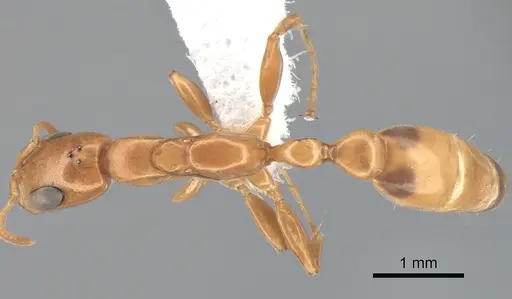
Literature
Loading...Loading products...