

Pseudomyrmex elongatulus
- Scientific Name
- Pseudomyrmex elongatulus
- Tribe
- Pseudomyrmecini
- Subfamily
- Pseudomyrmecinae
- Author
- Dalla Torre, 1892
- Distribution
- Found in 7 countries
Pseudomyrmex elongatulus Overview
Pseudomyrmex elongatulus is an ant species of the genus Pseudomyrmex. It is primarily documented in 7 countries , including Brazil, Belize, Colombia. Detailed taxonomic data and occurrence records can be further explored via authoritative databases such as AntWeb or the Global Biodiversity Information Facility (GBIF).
Pseudomyrmex elongatulus
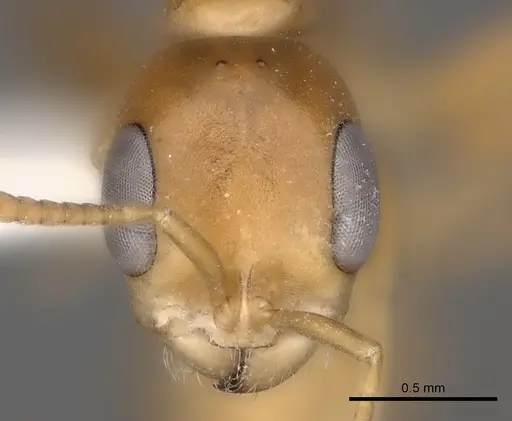
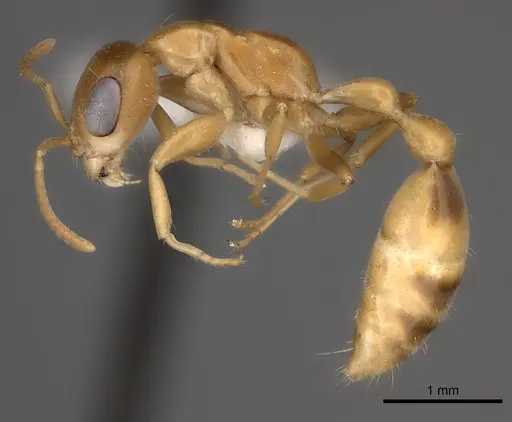
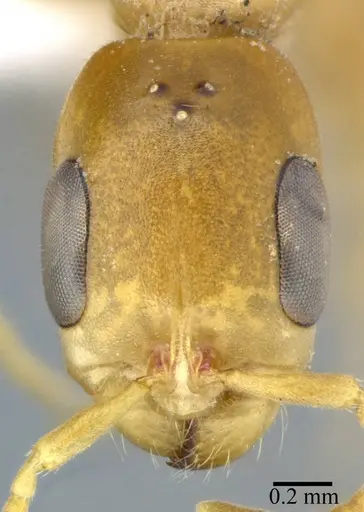
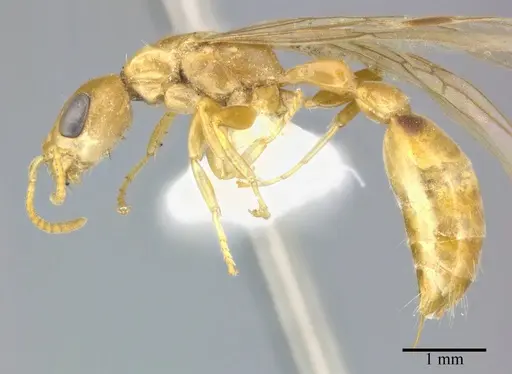
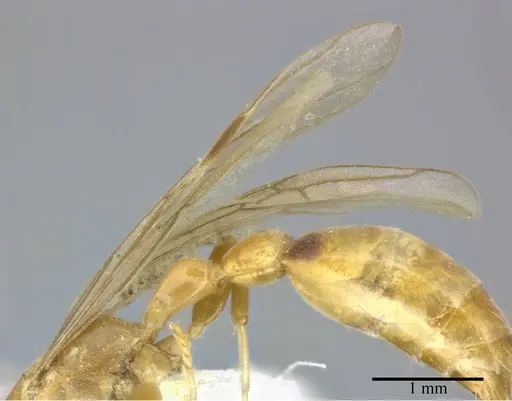
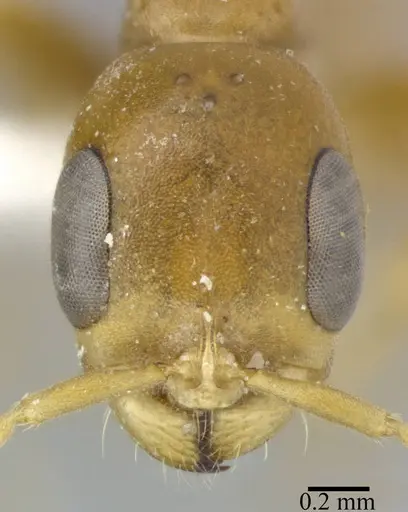
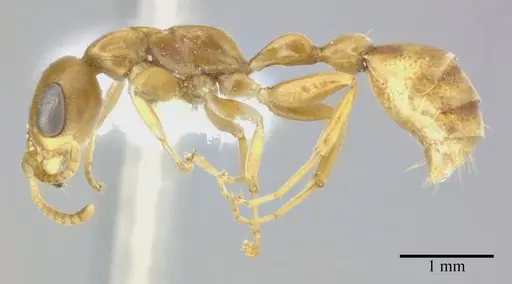
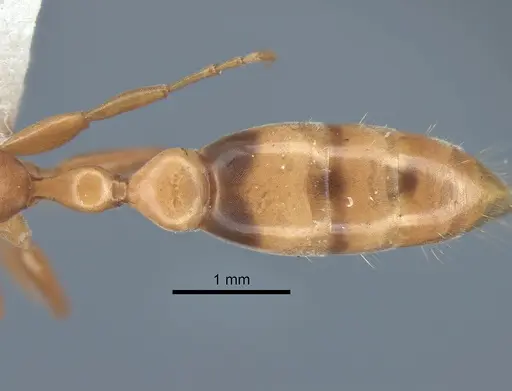
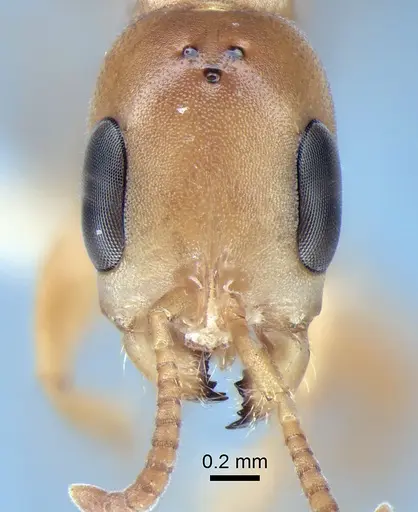
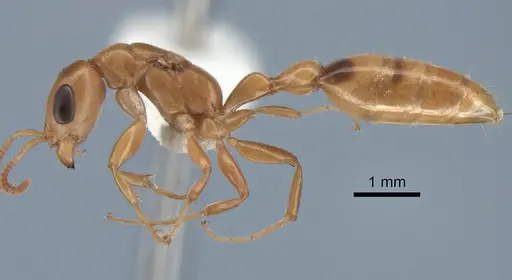
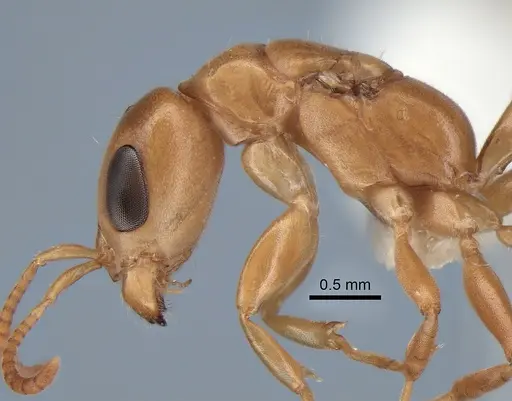
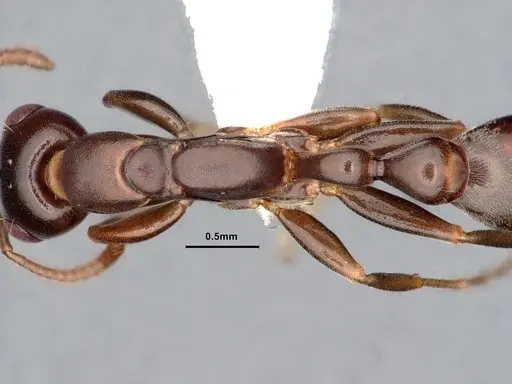
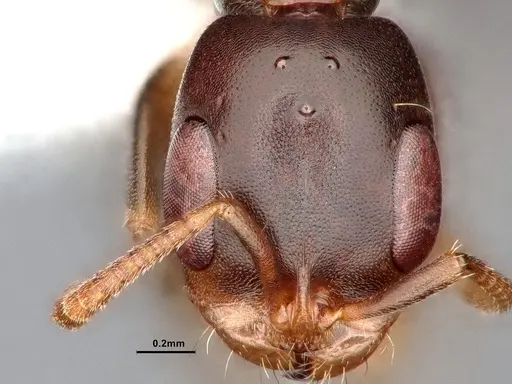
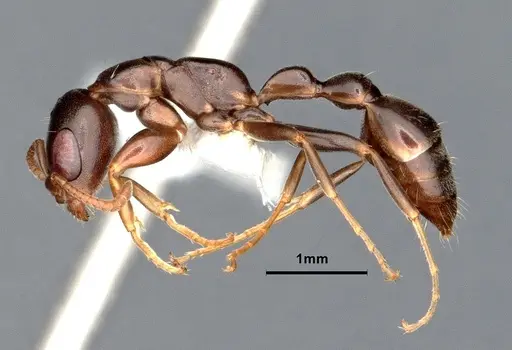
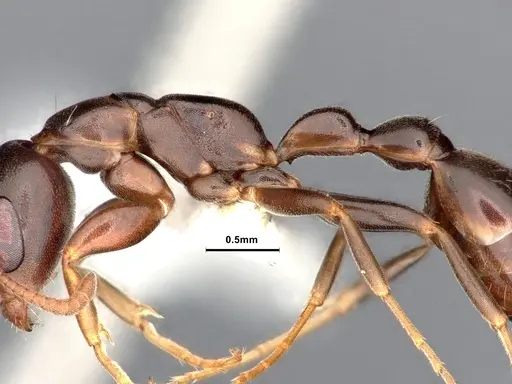
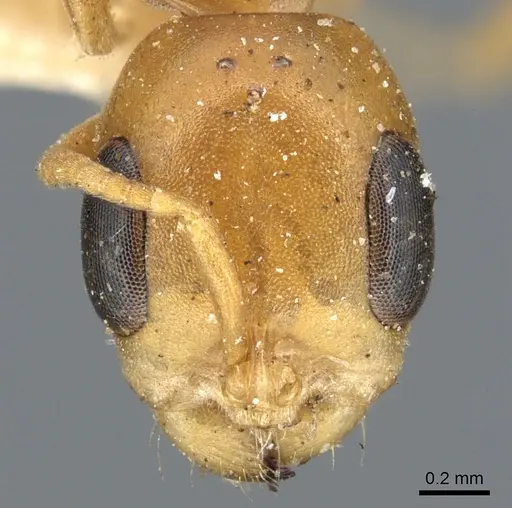
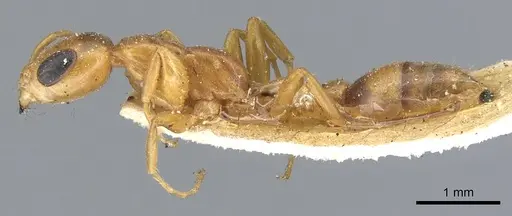
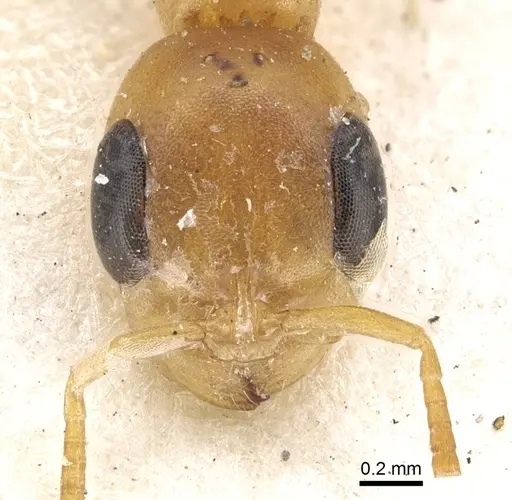
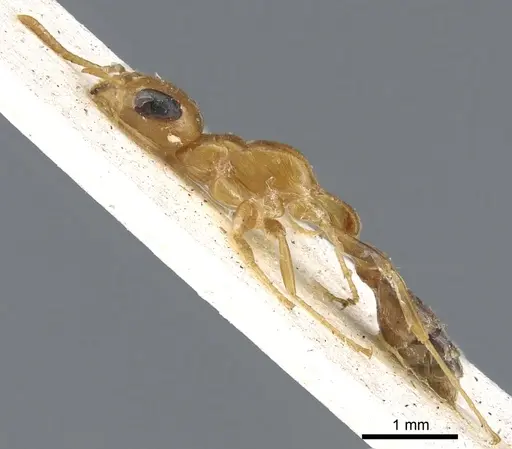
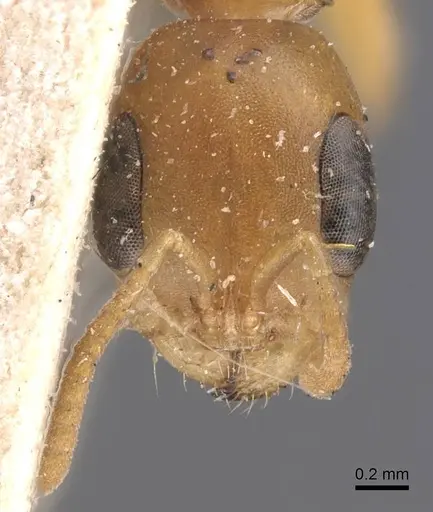
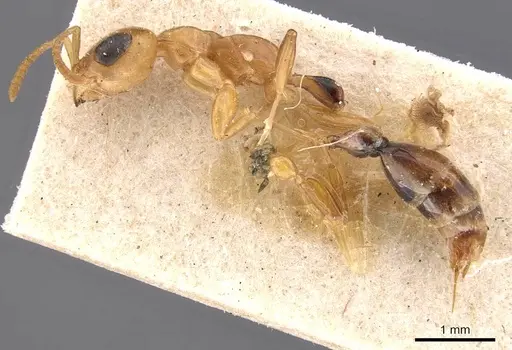
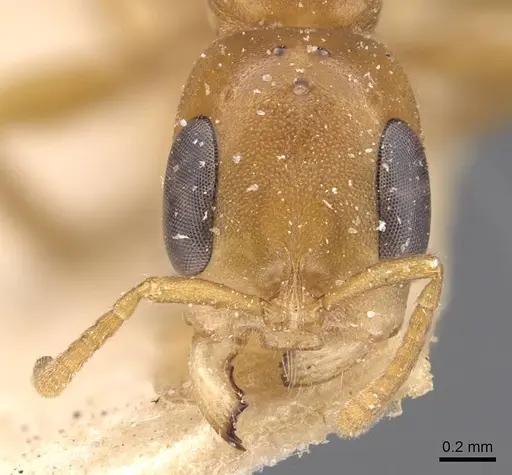
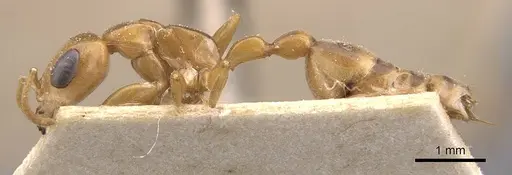
Pseudomyrmex elongatulus is a medium-sized arboreal ant native to eastern Mexico, Guatemala, and Belize. Workers measure 0.93-1.06mm in head width and have a distinctive moderately elongate head with rounded posterolateral corners and large eyes. Their coloration is typically light yellow-brown to orange-brown, with darker brown patches on the abdomen and transverse bands on the posterior segments. These ants nest in dead twigs and stems of various plants including Cecropia, Gliricidia, Mimosa, and woody Asteraceae. They inhabit diverse lowland forest habitats from rainforest edges to tropical dry forest and shaded coffee plantations, at elevations ranging from 20 to 1355 meters.
Quick Summary
- Difficulty: Medium
- Origin & Habitat: Eastern Mexico (Tamaulipas to Chiapas), Guatemala, and Belize. Found in lowland rainforest, rainforest edge, second-growth rainforest, mixed tropical/temperate mesic forest, shaded coffee, tropical dry forest, and roadside habitats at elevations 20-1355m [1].
- Colony Type: Colony structure is unconfirmed. Based on typical Pseudomyrmex patterns, likely single-queen (monogyne) colonies nesting in hollow twigs.
- Size & Growth:
- Queen: Estimated 6-8mm based on genus patterns
- Worker: 0.93-1.06mm head width [1]
- Colony: Estimated 100-500 workers based on similar twig-nesting Pseudomyrmex species
- Growth: Moderate
- Development: Estimated 6-8 weeks based on related Pseudomyrmex species at tropical temperatures (Development time inferred from genus-level data, specific timeline unconfirmed for this species)
- Antkeeping:
- Temperature: Keep at 22-28°C. These are tropical ants adapted to warm conditions. A gentle gradient allowing warmer areas (26-28°C) and cooler areas (22-24°C) is ideal.
- Humidity: Moderate to high humidity (60-80%). Provide a moist nest substrate as they naturally nest in dead twigs which retain moisture. Mist occasionally but ensure ventilation to prevent mold.
- Diapause: No. As a tropical species, they do not require hibernation. Maintain consistent temperatures year-round.
- Nesting: Best kept in naturalistic setups with hollow twigs, bamboo sections, or acrylic nests with narrow chambers. They are arboreal twig-nesters so vertical space and small chambers work well.
- Behavior: These ants are relatively active and alert. Workers are fast-moving and will readily defend their nest. They are generalist foragers, likely feeding on honeydew and small insects. Their large eyes suggest good vision. Escape prevention is important, use tight-fitting barriers as they can squeeze through small gaps.
- Common Issues: tropical species requires consistent warmth, cold drafts can be fatal, colonies may be small compared to ground-nesting ants, don't overfeed, wild-caught colonies may carry parasites that cause colony collapse, arboreal nesting means they need vertical space and appropriate chamber sizes, being a host for social parasite P. ereptor means wild colonies may have parasitic queens that disrupt the colony
Natural History and Distribution
Pseudomyrmex elongatulus is native to the Mesoamerican region, specifically eastern Mexico from Tamaulipas to Chiapas, with populations in Guatemala and Belize. The species has been accidentally introduced to Florida where a single worker was collected in south Florida, though subsequent surveys failed to find additional specimens, suggesting it is not established there [1]. This ant shows a preference for lowland to mid-elevation habitats, found from 20 to 1355 meters above sea level. It inhabits diverse forest types including lowland rainforest, rainforest edges, second-growth forest, mixed tropical/temperate mesic forest, shaded coffee plantations, and tropical dry forest. The species has been intercepted at U.S. ports of entry in Texas and California, indicating it can be transported through human commerce in plant shipments [1].
Nest Preferences and Housing
In the wild, P. elongatulus nests exclusively in dead twigs and stems of various plants. Specific host plants include Cecropia, Heliocarpus appendiculatus, Gliricidia sepium, Mimosa, Orchidaceae, and woody Asteraceae [1]. They are generalist twig-nesters, meaning they will use a wide variety of dead plant material. For captive care, provide naturalistic setups with hollow bamboo sections, cork bark, or acrylic nests designed with small chambers scaled to their size. Vertical orientation mimics their natural arboreal nesting sites. The nest material should retain some moisture but not be waterlogged, these ants naturally inhabit twigs that stay moderately damp in forest environments.
Temperature and Climate Requirements
As a tropical species from Mesoamerica, P. elongatulus requires warm conditions. Their native range corresponds to areas where average annual minimum temperatures exceed 30°F (approximately -1°C), indicating they are adapted to consistently warm climates [2]. Keep the nest area at 22-28°C, with a gentle thermal gradient allowing workers to choose their preferred temperature. Avoid temperatures below 18°C as this species is not cold-tolerant. Room temperature within this range is acceptable, but you may need a small heating cable on one side of the nest during cooler months. Unlike temperate species, they do not require a diapause period and should be maintained at consistent temperatures year-round.
Feeding and Diet
Pseudomyrmex ants are generalist foragers that typically feed on honeydew from aphids and scale insects, plus small insects they can capture. As arboreal ants, they likely supplement their diet with nectar and plant secretions. In captivity, offer sugar water or honey water as a constant energy source. For protein, provide small live insects such as fruit flies, small crickets, or mealworms. Feed protein prey 2-3 times per week, adjusting based on colony size and consumption. Remove uneaten prey after 24 hours to prevent mold. Fresh water should always be available.
Relationship with Other Species
Pseudomyrmex elongatulus serves as a host species for the workerless social parasite Pseudomyrmex ereptor [1]. This parasitic ant lives in the nest of P. elongatulus and is fed by the host workers. If you collect a wild colony, watch for the presence of the parasitic species, they may appear smaller or differently shaped and can weaken or destroy the host colony over time. This parasitic relationship is an interesting aspect of the species' biology but represents a potential issue for keepers acquiring wild-caught colonies.
Colony Development and Growth
Colony size for P. elongatulus is estimated at 100-500 workers based on similar twig-nesting Pseudomyrmex species. As a generalist arboreal nester, colonies are likely smaller than ground-nesting ant species. Growth rate is moderate, these ants invest energy in producing alates (reproductives) rather than massive worker armies. The first workers (nanitics) will be smaller than mature workers and may take 6-8 weeks to emerge from egg at optimal tropical temperatures. Colonies likely reach maturity over several years. Be patient with growth, arboreal species typically develop more slowly than ground-nesting ants. [1]
Frequently Asked Questions
How long does it take for Pseudomyrmex elongatulus to produce first workers?
First workers typically emerge in 6-8 weeks from egg at optimal temperatures (24-28°C). This estimate is based on related Pseudomyrmex species as specific development data for P. elongatulus is not available.
What do Pseudomyrmex elongatulus ants eat?
They are generalist foragers that accept sugar sources (honey water or sugar water) and protein (small insects like fruit flies, pinhead crickets, or mealworms). Offer sugar water constantly and protein prey 2-3 times per week.
Can I keep Pseudomyrmex elongatulus in a test tube?
Test tubes can work for founding colonies, but these arboreal ants prefer naturalistic setups with hollow twigs, bamboo, or acrylic nests with small chambers. Vertical space is important for their natural twig-nesting behavior.
Do Pseudomyrmex elongatulus ants sting?
Pseudomyrmex ants have the ability to sting, though their small size means the sting is typically mild to humans. They are more likely to bite and spray formic acid when defending their nest.
Are Pseudomyrmex elongatulus good for beginners?
This species is rated as medium difficulty. They require warm, stable temperatures and appropriate arboreal housing, which makes them better suited for keepers with some experience. Their specific humidity and founding requirements are less well-documented than common species.
Do Pseudomyrmex elongatulus need hibernation?
No. As a tropical species from Mesoamerica, they do not require diapause or hibernation. Maintain consistent warm temperatures (22-28°C) year-round.
How big do Pseudomyrmex elongatulus colonies get?
Based on similar species, colonies likely reach 100-500 workers. They are arboreal twig-nesters so colonies tend to be smaller than ground-nesting ant species.
Why is my Pseudomyrmex elongatulus colony dying?
Common causes include: temperatures below 18°C (tropical species, not cold-tolerant), improper humidity (too dry or too wet), parasites from wild-caught colonies, or overfeeding leading to mold. Ensure warm, stable conditions and appropriate nest setup.
Can I keep multiple Pseudomyrmex elongatulus queens together?
Combining unrelated queens has not been documented for this species. Based on typical Pseudomyrmex patterns, they likely form single-queen colonies. It is not recommended to house multiple foundresses together.
When should I move my colony to a formicarium?
Move to a larger nest setup once the colony reaches 20-30 workers and the test tube becomes cramped. For this species, a naturalistic setup with small chambers or bamboo sections works well.
References

This caresheet is licensed under CC BY-SA 4.0 .
CASENT0217577
View on AntWeb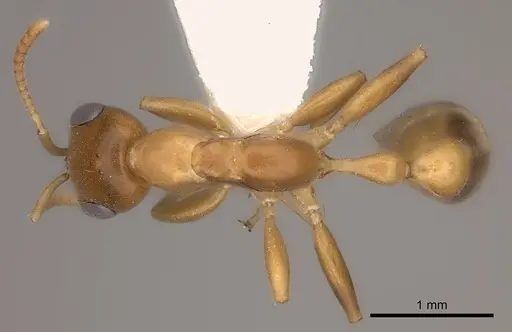
CASENT0246304
View on AntWeb
CASENT0246351
View on AntWeb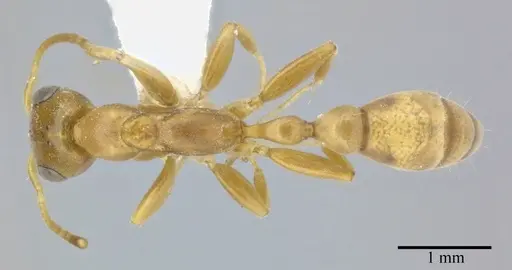
CASENT0762874
View on AntWeb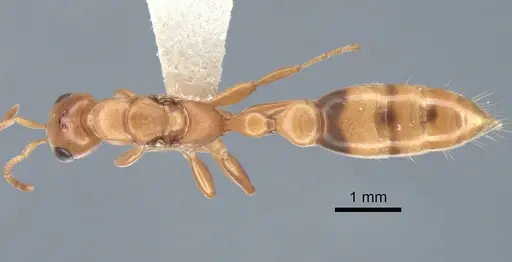
CASENT0842015
View on AntWeb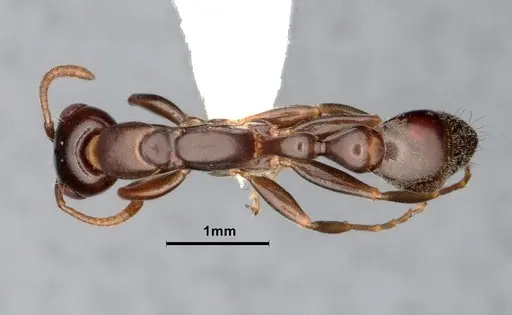
CASENT0902874
View on AntWeb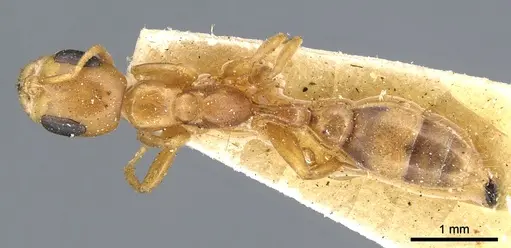
CASENT0902875
View on AntWeb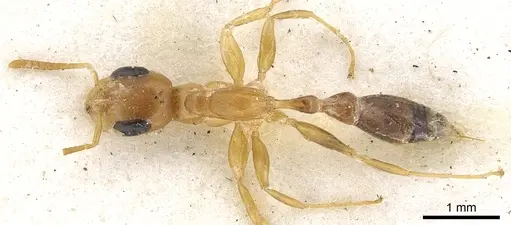
CASENT0907524
View on AntWeb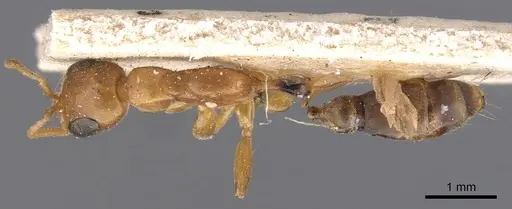
CASENT0907525
View on AntWeb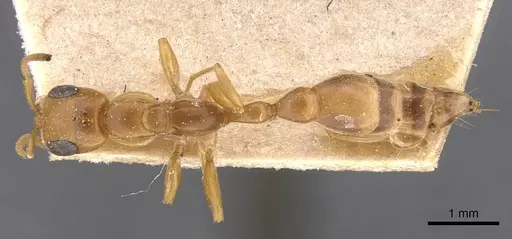
Literature
Loading...Loading products...