

Pseudomyrmex nimbus
- Scientific Name
- Pseudomyrmex nimbus
- Tribe
- Pseudomyrmecini
- Subfamily
- Pseudomyrmecinae
- Author
- Ward & Branstetter, 2022
- Distribution
- Found in 1 countries
Pseudomyrmex nimbus Overview
Pseudomyrmex nimbus is an ant species of the genus Pseudomyrmex. It is primarily documented in 1 countries , including Costa Rica. Detailed taxonomic data and occurrence records can be further explored via authoritative databases such as AntWeb or the Global Biodiversity Information Facility (GBIF).
Pseudomyrmex nimbus
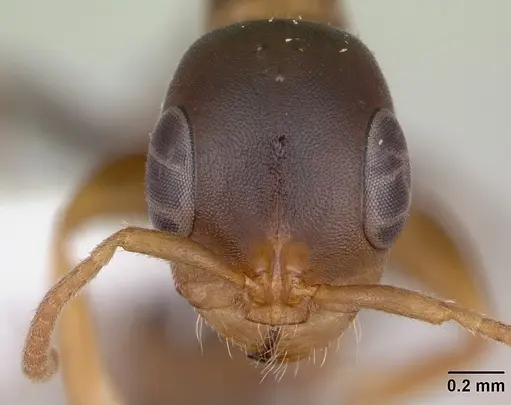
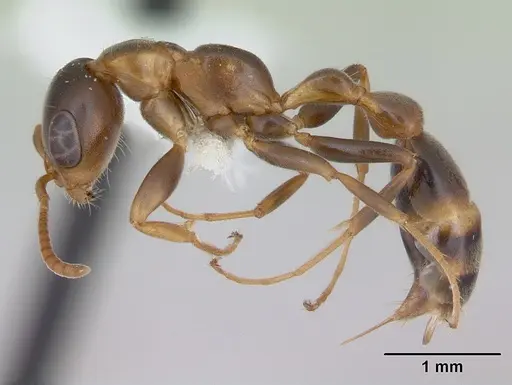
Pseudomyrmex nimbus is a relatively large arboreal ant species native to the cloud forests of Costa Rica, found at elevations between 730 and 1,200 meters [1]. Workers measure 1.03-1.20mm in head width and are easily recognized by their predominantly dark brown coloration (head, gaster, and metafemur) contrasting with lighter medium to yellow-brown on other body parts, relatively long legs, and large elongate eyes [1]. This species is part of the Pseudomyrmex elongatulus group and nests exclusively inside living plant stems, a specialized habit not common in most Pseudomyrmex species, having been found in Inga saplings and Cecropia insignis trees [1]. Unlike many arboreal ants, P. nimbus does not keep trophobionts (honeydew-producing insects) in its nests [1].
Quick Summary
- Difficulty: Medium
- Origin & Habitat: Cloud forests of Costa Rica at 730-1,200m elevation [1]. Found in wet forest clearings, nesting inside live plant stems of Inga and Cecropia saplings [1].
- Colony Type: Colony structure is unconfirmed. Available data shows colonies contain workers, alate queens, and males, but whether they are single-queen (monogyne) or multi-queen (polygyne) has not been determined.
- Size & Growth:
- Queen: 1.15-1.18mm head width [1]
- Worker: 1.03-1.20mm head width [1]
- Colony: Unknown, no colony size data available
- Growth: Unknown, development timeline has not been studied
- Development: Unknown, no direct data available. Based on typical Pseudomyrmex patterns and arboreal ant development, estimate 6-10 weeks at optimal temperature, but this is an educated guess. (Development time is unconfirmed for this species. Related Pseudomyrmex species typically develop in 6-8 weeks at warm temperatures.)
- Antkeeping:
- Temperature: Keep at 22-26°C. This range is inferred from their cloud forest habitat at moderate elevation, they likely prefer cooler, more stable conditions than lowland tropical species. A gentle gradient allowing them to choose their preferred temperature works best.
- Humidity: High humidity is essential, think damp cloud forest. Keep nest substrate consistently moist but not waterlogged. Provide a water tube as a drinking source since they are arboreal and may not seek moisture the same way ground-nesting ants do.
- Diapause: Unknown, no data on overwintering requirements. Given their cloud forest origin at moderate elevation in Costa Rica (which has minimal seasonal temperature variation), they likely do not require a true diapause. However, a slight reduction in temperature during what would be winter months may be beneficial.
- Nesting: This species naturally nests inside live plant stems. In captivity, they do well in test tube setups with narrow chambers or small acrylic/formicarium nests that mimic stem cavities. The chambers should be appropriately scaled to their medium-large size. Avoid dry, open setups, they need enclosed spaces with good humidity retention.
- Behavior: Pseudomyrmex nimbus is an arboreal species that forages on vegetation and tree surfaces. Based on genus patterns, they are likely predatory and will hunt small insects rather than relying on honeydew. They have relatively large eyes, which may indicate good vision for navigating arboreal environments. Workers are moderately active and will explore their outworld for prey. Escape risk is moderate, they are not tiny ants, but they are agile climbers so standard barrier methods apply. Their sting is not well-documented but Pseudomyrmex species can deliver painful stings as a defense mechanism.
- Common Issues: high humidity maintenance is critical, dry conditions will cause colony decline, colony founding is challenging since we don't know their exact founding requirements, starting with a claustral queen setup is reasonable but success is not guaranteed, lack of documented care information means you are essentially pioneering husbandry for this species, arboreal nature means they need climbing surfaces and vertical space in their outworld, prey acceptance is uncertain, start with small live insects and observe what they accept
Natural History and Nesting
Pseudomyrmex nimbus is a specialized arboreal ant that nests exclusively inside living plant stems, a unique habit within the Pseudomyrmex genus. Researchers have found colonies in the stems of Inga saplings and Cecropia insignis trees in Costa Rica's cloud forests [1]. The ants excavate cavities within the live wood rather than using pre-existing cavities or dead stems. This is quite different from many Pseudomyrmex species that nest in hollow twigs or plant cavities. The species has been collected at elevations between 730 and 1,200 meters, indicating they prefer cool, moist cloud forest conditions [1]. Notably, there is no evidence that P. nimbus keeps trophobionts (hemipterans that produce honeydew), which is common in many arboreal ants, this suggests they are primarily predatory. The colony structure remains unconfirmed, but one collection included workers, alate (winged) queens, and males, suggesting mature colonies produce reproductives seasonally.
Housing and Nest Setup
Since P. nimbus naturally nests inside plant stems, your setup should mimic these conditions. A test tube setup works well for founding colonies, use a standard test tube with a water reservoir at one end, plugged with cotton. The queen will need a small, dark chamber to seal herself into. For established colonies, a small acrylic nest or formicarium with appropriately sized chambers works better than large open spaces. The key requirements are: high humidity retention (they're from damp cloud forests), enclosed chambers that prevent drying out, and a small outworld where workers can forage. Avoid setups that dry out quickly. Since they're arboreal, include some vertical elements or twigs in the outworld for them to explore and walk on. A hydration setup that maintains consistent moisture without flooding is essential.
Feeding and Diet
Based on typical Pseudomyrmex biology and the absence of trophobiont associations, P. nimbus is likely primarily predatory. Feed small live insects such as fruit flies, small crickets, mealworms, and other appropriately sized arthropods. Offer protein foods 2-3 times per week. Sugar sources may be accepted but are not a required staple, you can offer occasional honey or sugar water, but prioritize protein-rich prey. Since their natural diet doesn't include honeydew, don't rely on sugar water as a primary food source. Observe your colony's acceptance of different foods and adjust accordingly. Fresh water should always be available.
Temperature and Humidity
P. nimbus comes from Costa Rican cloud forests at moderate elevation, which means they prefer cooler, more stable conditions than typical tropical ants. Aim for temperatures between 22-26°C, avoid high heat. A slight temperature gradient allows workers to choose their preferred spot. Humidity is critical: maintain high ambient humidity (70-80%) and keep the nest substrate consistently moist. These ants evolved in perpetually damp cloud forest conditions, so dry air or substrate will stress them. Use a hygrometer to monitor conditions if possible. A water tube attached to the nest provides drinking water, which arboreal ants often utilize more than ground-nesting species.
Colony Development and Growth
The development timeline for P. nimbus is not documented in scientific literature, making this one of the more challenging aspects of keeping this species. Based on typical Pseudomyrmex development patterns, expect 6-10 weeks from egg to first worker at optimal temperature, but this is an estimate rather than a confirmed timeline. Queens are relatively large (1.15-1.18mm head width) compared to workers (1.03-1.20mm), which is typical for the genus. The first workers (nanitics) will likely be smaller than normal workers. Growth rate is unknown, be patient and don't overfeed or disturb the colony during founding. Document your observations carefully since this species has not been kept in captivity before, and your experience will contribute valuable husbandry information. [1]
Frequently Asked Questions
How long does it take for Pseudomyrmex nimbus to produce first workers?
The exact development timeline is unconfirmed for this species. Based on typical Pseudomyrmex patterns, expect approximately 6-10 weeks from egg to first worker at optimal temperature (22-26°C). However, this is an estimate, your colony may develop faster or slower depending on conditions.
What do Pseudomyrmex nimbus ants eat?
Based on genus patterns and the absence of trophobiont associations, they are primarily predatory. Feed small live insects like fruit flies, small crickets, and mealworms. Offer protein 2-3 times per week. Sugar water may be occasionally accepted but should not be a staple.
Can I keep Pseudomyrmex nimbus in a test tube?
Yes, test tubes work well for founding colonies. Use a standard test tube with a water reservoir, and provide the queen with a small dark space to seal herself into. Maintain high humidity around the test tube. Once the colony grows, transition to a small formicarium or acrylic nest.
Do Pseudomyrmex nimbus ants need hibernation?
Diapause requirements are unknown. Given their origin in Costa Rica's cloud forests with minimal seasonal temperature variation, they likely do not require a true hibernation. A slight temperature reduction during winter months may be appropriate but is not mandatory.
Are Pseudomyrmex nimbus good for beginners?
This species is not recommended for beginners. There is very little documented care information, and they have specific humidity requirements from their cloud forest habitat. You will essentially be pioneering husbandry for this species. If you're experienced with arboreal ants and can maintain high humidity, it can be a rewarding challenge.
How big do Pseudomyrmex nimbus colonies get?
Colony size is unknown, no scientific data exists on maximum colony size for this species. Related species in the genus typically reach several hundred workers. Expect moderate growth and be patient.
Do Pseudomyrmex nimbus ants sting?
Pseudomyrmex species can deliver painful stings as a defense mechanism, though documented reports for P. nimbus specifically are lacking. Handle with care and avoid provoking them. Their sting, if present, would be more painful than many small ants due to their larger size.
What temperature should I keep Pseudomyrmex nimbus at?
Keep them at 22-26°C. This range is inferred from their cloud forest origin at moderate elevation in Costa Rica. Avoid high temperatures, they prefer cooler, more stable conditions than lowland tropical species.
Is Pseudomyrmex nimbus monogyne or polygyne?
The colony structure is unconfirmed. Scientific literature does not specify whether they are single-queen (monogyne) or multi-queen (polygyne) colonies. More research is needed to determine this aspect of their biology.
When should I move my Pseudomyrmex nimbus colony to a formicarium?
Move to a formicarium when the test tube becomes crowded or the water reservoir needs frequent refilling. For Pseudomyrmex nimbus, this is typically when the colony reaches 20-30 workers. Choose a small acrylic nest with appropriately sized chambers that retain humidity well.
References

This caresheet is licensed under CC BY-SA 4.0 .
CASENT0863541
View on AntWeb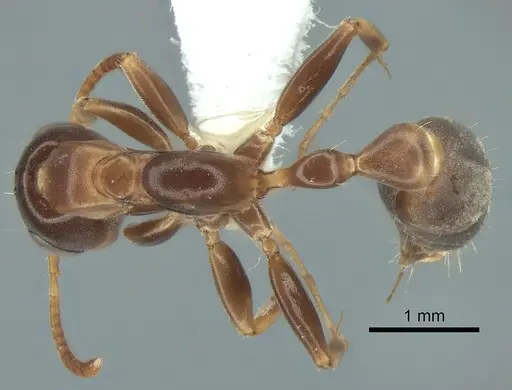
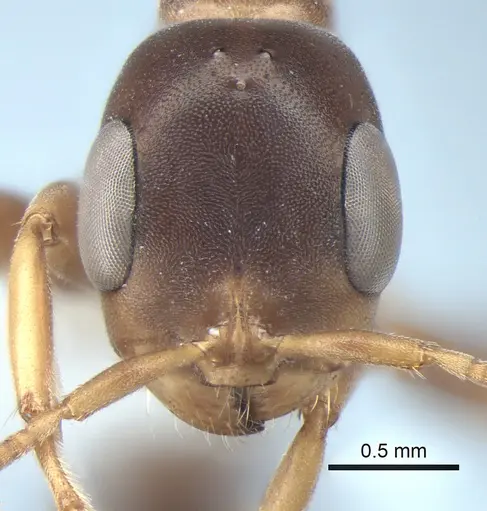
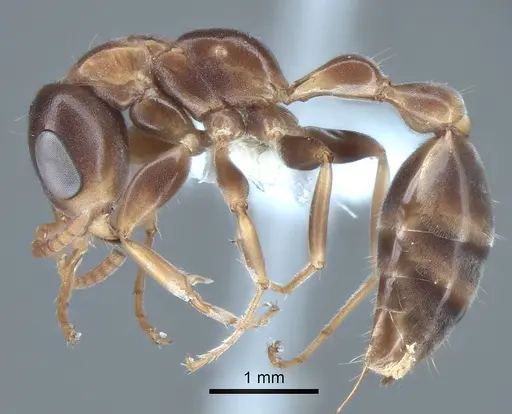
JTLC000005477
View on AntWeb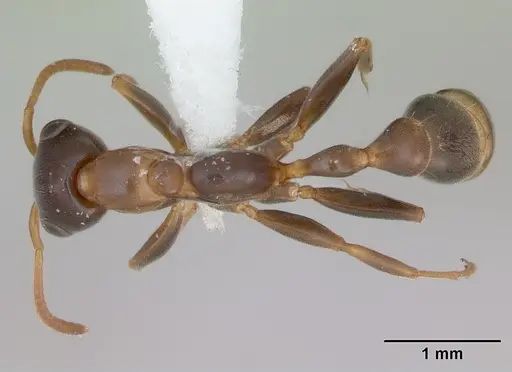
Literature
Loading...Loading products...