

Pseudomyrmex capillatus
- Scientific Name
- Pseudomyrmex capillatus
- Tribe
- Pseudomyrmecini
- Subfamily
- Pseudomyrmecinae
- Author
- Ward & Branstetter, 2022
- Distribution
- Found in 1 countries
Pseudomyrmex capillatus Overview
Pseudomyrmex capillatus is an ant species of the genus Pseudomyrmex. It is primarily documented in 1 countries , including Mexico. Detailed taxonomic data and occurrence records can be further explored via authoritative databases such as AntWeb or the Global Biodiversity Information Facility (GBIF).
Pseudomyrmex capillatus
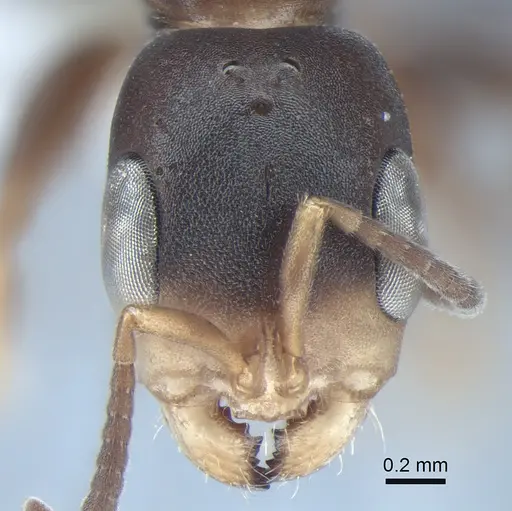
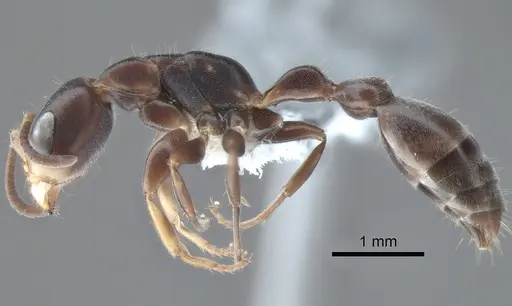
Pseudomyrmex capillatus is a medium-sized ant native to western Mexico, specifically found in Jalisco and Colima. Workers measure 0.99-1.07mm in head width with a distinctive appearance: their body is mostly dark brown, but the antennae, mandibles, front of the head, and front legs contrast in light yellowish-brown. This species is notable for the conspicuous standing hairs covering its entire mesosoma (the middle body section), a trait that sets it apart from related species which typically only have 1-3 pairs of hairs on the pronotum. The head is densely sculpted and opaque, and the propodeum (the section behind the waist) has a raised dorsal face. These ants live in tropical dry forest at elevations between 100-365m, nesting in dead twigs of vines [1].
Quick Summary
- Difficulty: Unknown, limited data available
- Origin & Habitat: Western Mexico (Jalisco and Colima) in tropical dry forest at 100-365m elevation. Nests in dead twigs of vines [1].
- Colony Type: Colony structure is unconfirmed. Based on the nesting observation (two nests 1m apart likely belonging to single colony), this species may form multi-nest colonies, but more research is needed on queen number.
- Size & Growth:
- Queen: Undocumented, no queen measurements available
- Worker: 0.99-1.07mm head width (HW),1.18-1.32mm head length (HL) [1]
- Colony: Unknown, no colony size data available
- Growth: Unknown, development has not been studied
- Development: Unknown, no direct measurements available. Based on related Pseudomyrmex species in tropical dry forest, estimate 4-8 weeks at optimal temperature. (Estimate based on genus-level patterns for tropical species. No species-specific data available.)
- Antkeeping:
- Temperature: Based on tropical dry forest habitat in western Mexico, aim for warm conditions around 24-28°C. Provide a gentle gradient if possible.
- Humidity: Tropical dry forest suggests moderate humidity needs. Keep substrate slightly moist but not waterlogged. Allow some drying between waterings.
- Diapause: Unknown, no data on overwintering requirements. Given the tropical distribution, hibernation is likely not required, but a slight cool period may be beneficial.
- Nesting: In nature, they nest in dead twigs of vines. In captivity, a small naturalistic setup with narrow tubes or chambers scaled to their size would work well. Y-tong nests or small acrylic nests with tight passages are suitable.
- Behavior: Workers forage on low vegetation in nature. They are generalist foragers. Escape prevention should be moderate, their medium size means standard barriers work well, but they are agile climbers. No specific aggression data available, but Pseudomyrmex species are typically moderately aggressive when defending the colony.
- Common Issues: limited data means care requirements are not fully understood, start with typical Pseudomyrmex care and adjust based on colony behavior, colony size and growth rate are unknown, making it difficult to predict development timeline, no information on founding behavior or queen requirements, assume claustral like related species, hibernation requirements are unknown, monitor colony for seasonal activity changes, diet acceptance is not documented, offer varied diet and observe preferences
Natural History and Distribution
Pseudomyrmex capillatus is known only from western Mexico, specifically Jalisco and Colima states. The primary location is Estación Biología Chamela, a tropical dry forest research station. These ants have been collected at elevations of 100m and 365m. They nest in dead twigs of vines, with two nest series collected only 1m apart suggesting they may form multi-nest (polydomous) colonies where multiple nest sites belong to a single colony. Workers have been observed foraging on low vegetation. The species was formally described in 2022 and is phylogenetically embedded within Pseudomyrmex arcanus, occurring sympatrically with that species at Chamela. This suggests P. arcanus is in the process of achieving genetic separation from P. capillatus, but the speciation is not yet complete [1].
Identification and Morphology
This species is distinctive within the Pseudomyrmex elongatulus group due to its conspicuous standing hairs covering the entire mesosoma dorsum, including the mesonotum and propodeum. Other species in this group typically only have 1-3 pairs of setae on the pronotum. Workers measure 0.99-1.07mm in head width with a moderately elongate head (CI 0.81-0.84). The head is opaque and densely sculpted with fine punctulae. The propodeum has a flat dorsal face that is elevated above the mesonotum level. Color pattern is diagnostic: body is uniformly dark brown except for the scapes, mandibles, anterior quarter of the head capsule, and front legs (protibia and protarsus), which are a contrasting light yellowish-brown [1].
Housing and Nesting
In their natural habitat, P. capillatus nests in dead twigs of vines in tropical dry forest. For captive care, provide a small nest with chambers scaled to their medium size (workers are approximately 1mm). Y-tong nests, small acrylic nests, or test tube setups with tight-fitting connections work well. The nesting material should allow for some humidity retention but also provide dry areas. Since they naturally nest in plant material, you might consider a naturalistic setup with small twigs or vines, though this is more challenging to maintain. Ensure escape prevention is adequate, while not tiny, they are agile climbers and can squeeze through small gaps.
Feeding and Diet
Feeding requirements are not specifically documented for this species. Based on typical Pseudomyrmex biology, they are likely generalist foragers that accept both sugar sources and protein. Offer sugar water or honey as a carbohydrate source, and provide protein such as small insects (fruit flies, small mealworms, crickets) or other arthropods. Observe your colony's preferences and adjust accordingly. Fresh water should always be available.
Temperature and Environmental Conditions
As a tropical species from western Mexico, P. capillatus likely prefers warm conditions. Based on the habitat (tropical dry forest at 100-365m elevation), aim for temperatures in the range of 24-28°C. Provide a gentle thermal gradient so the ants can choose their preferred temperature. Humidity should be moderate, think tropical dry forest conditions rather than rainforest. Allow the substrate to dry partially between waterings, but don't let it become bone dry. No data exists on diapause requirements, but given their tropical origin, a true hibernation is likely not necessary. You might observe reduced activity during cooler months.
Frequently Asked Questions
How long does it take for Pseudomyrmex capillatus to develop from egg to worker?
The egg-to-worker timeline has not been specifically studied for this species. Based on related tropical Pseudomyrmex species, estimate approximately 4-8 weeks at optimal temperature (around 24-28°C). More data is needed for accurate information.
What do Pseudomyrmex capillatus ants eat?
Feeding has not been documented specifically for this species. Based on typical Pseudomyrmex biology, offer sugar water or honey for carbohydrates and small insects (fruit flies, small mealworms) for protein. Provide fresh water at all times.
Do Pseudomyrmex capillatus ants sting?
Stinging behavior has not been documented for this specific species. Pseudomyrmex ants have the ability to sting, but most species are not considered dangerous to humans. Use standard precautions when handling.
What temperature do Pseudomyrmex capillatus ants need?
Based on their tropical dry forest habitat in western Mexico, keep them warm at around 24-28°C. A gentle temperature gradient allows the colony to self-regulate.
How big do Pseudomyrmex capillatus colonies get?
Colony size data is not available for this species. Maximum colony size is unknown.
Is Pseudomyrmex capillatus a good species for beginners?
This species has limited documented care information, making it less ideal for complete beginners. However, it can be kept by intermediate antkeepers comfortable with adapting care based on colony behavior. Start with typical Pseudomyrmex care parameters and adjust as you learn what works for your colony.
Do Pseudomyrmex capillatus ants need hibernation?
Hibernation requirements are unknown. Given their tropical distribution in western Mexico, true hibernation is likely not required. You may observe reduced activity during cooler months.
What type of nest should I use for Pseudomyrmex capillatus?
In nature they nest in dead twigs of vines. In captivity, Y-tong nests, small acrylic nests, or test tube setups with narrow chambers work well. The nest should be appropriately scaled to their medium size.
Can I keep multiple Pseudomyrmex capillatus queens together?
Colony structure (monogyne vs polygyne) has not been documented for this species. More research is needed on queen behavior. Until more information is available, it is not recommended to combine unrelated queens.
Where is Pseudomyrmex capillatus found in the wild?
This species is known only from western Mexico, specifically Jalisco and Colima states. They live in tropical dry forest at elevations of 100-365m, nesting in dead twigs of vines.
References

This caresheet is licensed under CC BY-SA 4.0 .
CASENT0863535
View on AntWeb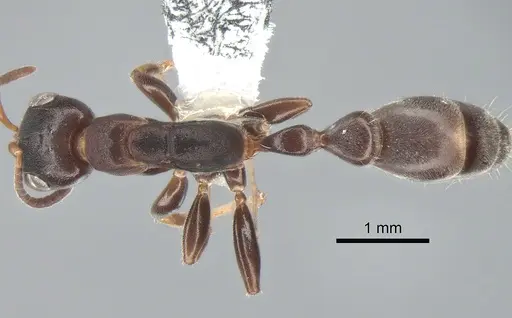
Literature
Loading...Loading products...