

Pseudomyrmex arcanus
- Scientific Name
- Pseudomyrmex arcanus
- Tribe
- Pseudomyrmecini
- Subfamily
- Pseudomyrmecinae
- Author
- Ward & Branstetter, 2022
- Distribution
- Found in 1 countries
Pseudomyrmex arcanus Overview
Pseudomyrmex arcanus is an ant species of the genus Pseudomyrmex. It is primarily documented in 1 countries , including Mexico. Detailed taxonomic data and occurrence records can be further explored via authoritative databases such as AntWeb or the Global Biodiversity Information Facility (GBIF).
Pseudomyrmex arcanus
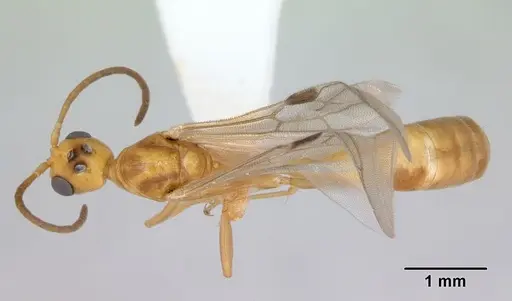
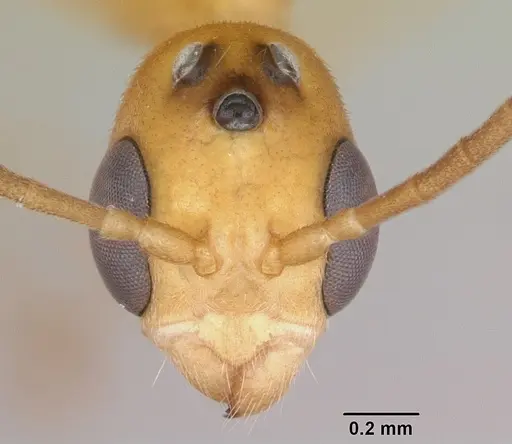
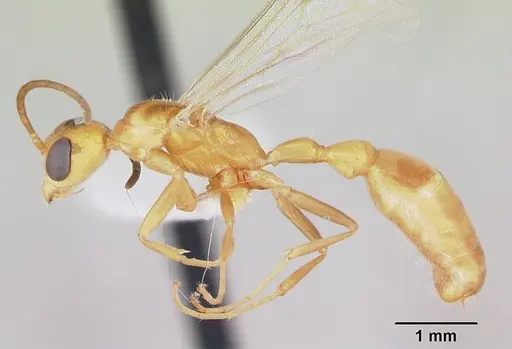
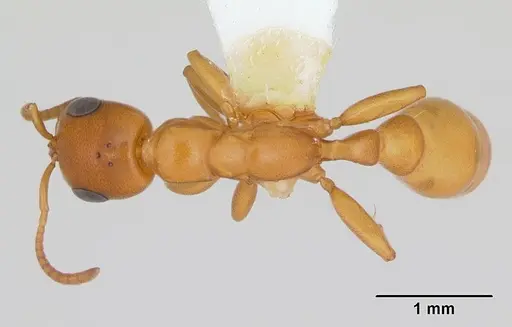
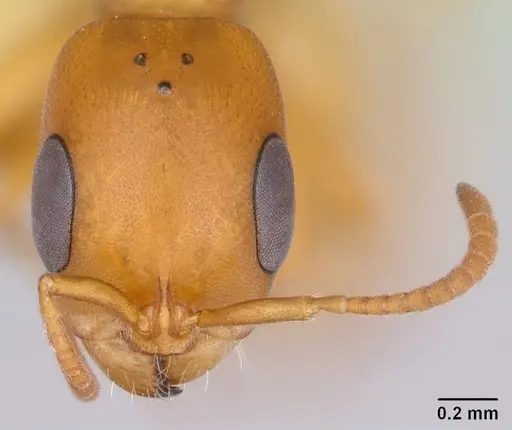
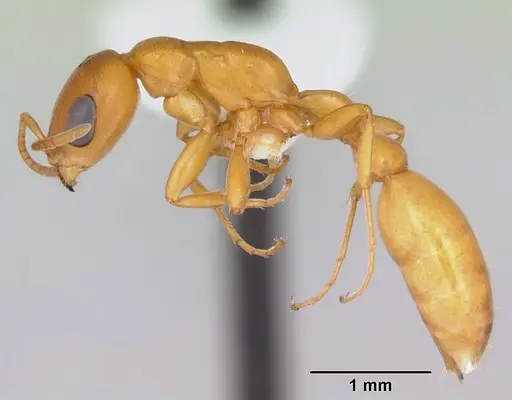
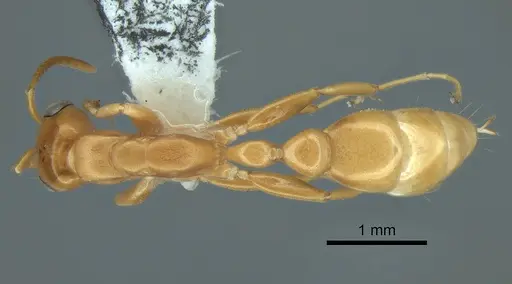
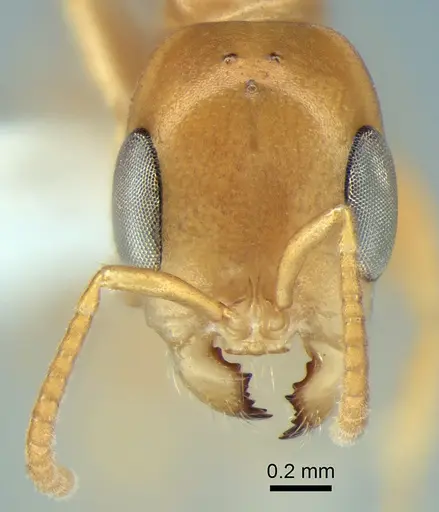
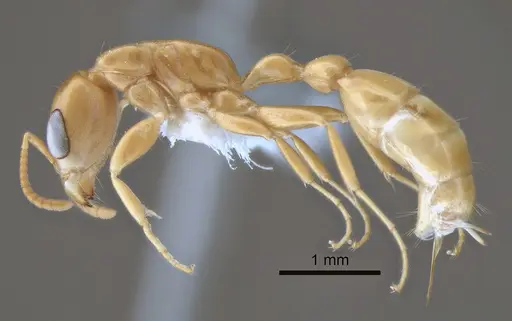
Pseudomyrmex arcanus is a small to medium-sized ant native to western Mexico, ranging from Baja California to Oaxaca. Workers measure 0.82-0.97mm in head width with a distinctive uniformly light yellow-brown to orange-brown coloration without any additional markings [1]. This species belongs to the P. elongatulus group and is characterized by moderately elongate eyes, a weakly impressed metanotal groove, and a slender petiole. They nest exclusively in dead twigs and stems of woody plants, including Asteraceae, Cassia, and various vines [1]. The species was only formally described in 2022,making it a relatively new addition to the antkeeping hobby.
Quick Summary
- Difficulty: Medium
- Origin & Habitat: Western Mexico from Baja California to Oaxaca, found at elevations of 5-1,280m (mean 474m). Inhabits coastal sand dunes, pasture, tropical dry forest, and mixed tropical/temperate mesic forest. Nests in dead stalks and twigs of woody plants [1][2].
- Colony Type: Colony structure is unconfirmed. Based on related Pseudomyrmex species, likely single-queen (monogyne) colonies. No documented ergatoid replacement reproductives for this species.
- Size & Growth:
- Queen: Unknown, not yet documented in scientific literature
- Worker: 0.82-0.97mm head width (HW),0.99-1.19mm head length (HL) [1]
- Colony: Unknown, no colony size data available
- Growth: Unknown, no development timing data available
- Development: Unconfirmed, no direct measurements available. Based on typical Pseudomyrmex patterns from related species, estimate 6-10 weeks at optimal temperature. (Development timeline has not been directly studied. Related species in the genus suggest moderate growth rates.)
- Antkeeping:
- Temperature: Based on their Mexican distribution spanning coastal to mid-elevation habitats, aim for warm conditions around 22-28°C. Provide a temperature gradient allowing workers to select their preferred zone.
- Humidity: Moderate to high humidity (60-80%). These ants naturally inhabit tropical dry forest and mesic forest environments. Keep nest substrate moderately moist but not waterlogged.
- Diapause: Unknown for this species. Mexican Pseudomyrmex from similar latitudes may not require strong diapause, but a slight cooling period during winter months may be beneficial.
- Nesting: Strictly arboreal nester, they naturally nest in dead twigs, stems, and stalks of woody plants. In captivity, use a horizontal setup with multiple thin twigs/stems connected to a foraging area. Y-tong nests or custom acrylic setups with narrow chambers mimicking twig interiors work well. Avoid soil-based nests.
- Behavior: Pseudomyrmex arcanus is an arboreal species that forages actively in and around plant material. They are fast-moving ants with good vision. Workers are moderately aggressive when defending their nest. Escape prevention is important, they are agile and will exploit any gaps in enclosure setup. They are predatory omnivores, hunting small invertebrates and tending honeydew-producing insects.
- Common Issues: nesting in dead plant material makes captive setup challenging, they need appropriate twig/stem habitats, escape risk is significant due to their small size and arboreal nature, limited availability since the species was only described in 2022, no established feeding protocols, experimental diet testing needed, humidity control is critical to prevent desiccation in artificial nests
Natural History and Distribution
Pseudomyrmex arcanus is endemic to western Mexico, with a distribution stretching from Baja California in the north to Oaxaca in the south. This species occupies a range of elevations from sea level (5m) up to approximately 1,280m, with an average collection elevation of 474m [1]. They have been collected from diverse habitats including coastal sand dunes, pastureland, tropical dry forest, and mixed tropical/temperate mesic forest. This ecological flexibility suggests they can adapt to various conditions, though they consistently require dead plant material for nesting. The species was formally described in 2022 by Ward and Branstetter, with the type locality in Michoacán at 880m elevation in tropical dry forest [1].
Nest Preferences and Housing
This is a strictly arboreal nesting species. In the wild, colonies have been found in dead stalks of woody Asteraceae (possibly Viguiera), dead stems of Cassia, dead twigs of thorny vines, and dead twigs of various other woody plants [1][2]. They do not nest in soil or ground-level locations. For captive care, you will need to replicate this by providing horizontal twigs or stems connected to a foraging area. A custom acrylic formicarium with narrow horizontal chambers (mimicking twig interiors) works well, or you can create a naturalistic setup with actual dead twigs anchored in a substrate. The foraging area should be spacious enough for workers to hunt and collect food. Ensure excellent escape prevention, these ants are small and agile.
Feeding and Diet
Pseudomyrmex ants are generally predatory omnivores. While specific feeding data for P. arcanus is not available, related species in the genus actively hunt small invertebrates and also tend honeydew-producing insects (aphids, scale insects) for sugar. In captivity, you should offer a varied diet including: small live prey such as fruit flies, pinhead crickets, and mealworms, sugar sources like honey water or sugar water, and protein-rich foods. Feed protein prey 2-3 times per week and provide constant access to sugar water. Fresh water should always be available. Start with small prey items given their worker size of approximately 1mm body length.
Temperature and Humidity Requirements
Based on their Mexican distribution spanning coastal to elevated habitats, these ants prefer warm conditions. Aim for temperatures in the 22-28°C range, with a gradient allowing workers to self-regulate. A heating cable on one side of the nest can create this gradient. For humidity, maintain 60-80% relative humidity, they naturally inhabit both dry forest and more mesic environments. Keep the nest substrate moderately moist. Given their arboreal nesting in dead plant material, they are somewhat prone to desiccation if humidity drops too low. Monitor condensation and substrate moisture regularly.
Behavior and Colony Dynamics
Workers of P. arcanus are fast-moving and visually oriented, typical of the genus Pseudomyrmex. They are moderately aggressive when defending their nest and will readily bite if threatened. Colonies appear to be smaller in number compared to some other ant species, likely due to their nesting in narrow twig cavities limiting colony size. The workers are uniformly light yellow-brown to orange-brown without any distinctive markings, making them appear almost translucent in certain lighting [1]. They forage actively along plant material and will readily explore new areas. Queens are not yet documented in the scientific literature, so colony founding behavior remains undescribed.
Frequently Asked Questions
How do I house Pseudomyrmex arcanus ants?
These are arboreal ants that nest in dead twigs and stems. Use a horizontal formicarium with narrow chambers mimicking twig interiors, or create a naturalistic setup with actual dead twigs. Connect the nest to a foraging area. Excellent escape prevention is essential.
What do Pseudomyrmex arcanus ants eat?
They are predatory omnivores. Feed small live prey (fruit flies, pinhead crickets, small mealworms), sugar water or honey water, and protein. Offer protein 2-3 times weekly with constant sugar water access.
How long does it take for Pseudomyrmex arcanus to develop from egg to worker?
The development timeline is unconfirmed for this species. Based on related Pseudomyrmex species, estimate 6-10 weeks at optimal temperature (around 24-26°C).
Do Pseudomyrmex arcanus ants need hibernation?
Diapause requirements are unknown. Based on their Mexican distribution, a slight cooling period in winter (dropping to around 18-20°C for 2-3 months) may be beneficial but is likely not required.
Are Pseudomyrmex arcanus good for beginners?
This species is rated as Medium difficulty. Their arboreal nesting requirements and specific habitat needs make them more challenging than ground-nesting species. They are also a newly described species (2022) with limited availability.
How big do Pseudomyrmex arcanus colonies get?
Maximum colony size is unknown. Based on their nesting in narrow twigs and stems, colonies are likely smaller, probably under a few hundred workers at maximum.
Do Pseudomyrmex arcanus ants sting?
Pseudomyrmex ants can bite and may have a stinger, though their small size means any sting would be minimal. They are not considered dangerous to humans.
Can I keep multiple Pseudomyrmex arcanus queens together?
Colony structure is unconfirmed. Based on related species, they likely form single-queen colonies. Combining unrelated queens is not recommended without documented evidence of pleometrosis in this species.
What temperature is ideal for Pseudomyrmex arcanus?
Keep them warm at 22-28°C with a temperature gradient. Around 24-26°C is likely optimal. A heating cable on one side of the nest can create the necessary gradient.
Where is Pseudomyrmex arcanus found in the wild?
This species is endemic to western Mexico, from Baja California to Oaxaca. They live at elevations from 5m to 1,280m in habitats including coastal sand dunes, tropical dry forest, and mixed mesic forest.
References

This caresheet is licensed under CC BY-SA 4.0 .
Literature
Loading...Loading products...