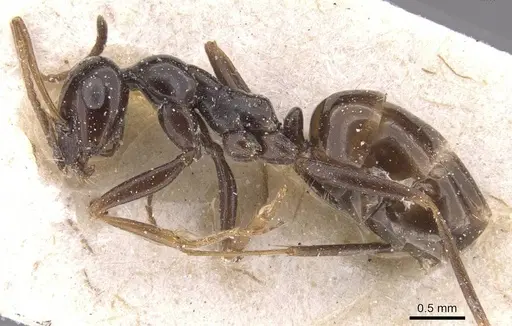
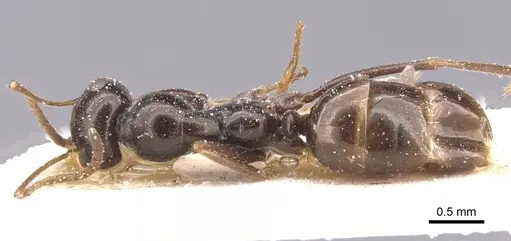
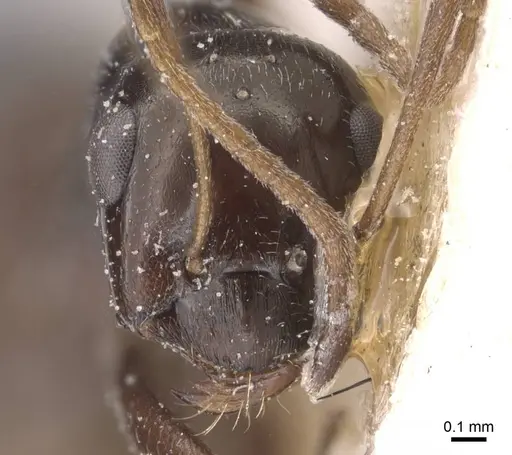
Proformica nitida - "Proformica nitida"
Proformica nitida is an ant species belonging to the subfamily Formicinae. These ants are native to the Palearctic region, specifically found across Central Asia, including countries like Kazakhstan, Kyrgyzstan, Iran, and parts of Russia and China. While there isn't extensive information on their specific physical characteristics, species within the genus Proformica are generally small and can be found in dry, open environments such as steppes and mountain meadows. Some species in the Proformica genus are known for specialized workers, often referred to as 'honeypot ants,' who store food in their engorged gasters, acting as living storage containers for the colony.
- Difficulty: Medium
- Origin & Habitat: Central Asia (Kazakhstan, Kyrgyzstan, Iran, Russian Federation, China, Turkey) in Dry and open environments like steppes, mountain meadows, and Mediterranean seashores..
- Colony Type: Monogyne (single queen) or polygyne (multiple ergatogyne queens)., claustral (though details for p. nitida are limited, other proformica species typically are claustral) founding.
- Size & Growth:
- Queen: Not specified
- Worker: Not specified
- Colony: Small (hundreds, mean colony size for Proformica is 69-1196 individuals).. Slow to Medium, as colonies are generally small. growth.
- Antkeeping:
- Temperature: While specific temperatures for P. nitida are not widely documented, ants from similar Palearctic steppe environments generally thrive around 22-26°C for optimal activity, with a slightly cooler area for brood development if possible..
- Humidity: Given their natural habitat in dry regions, moderate humidity levels are preferred, around 50-70%. Too high humidity can lead to mold..
- Diapause: Required. 3-4 months at 5-10°C.
- Nesting: As these ants are known to create hypogaeic (underground) nests, a formicarium that simulates a natural burrow system is ideal. Plaster, Ytong, or naturalistic setups with sand/loam substrates are suitable..
- Behavior: Low (towards handler, primarily defensive against perceived threats) aggressiveness.
- Common Issues: Mold in nest due to excess humidity, Colony stalling if diapause is not provided, Overfeeding leading to waste and pest issues, Humidity fluctuations impacting brood development, Queen stress during founding stage.
Keeping Proformica nitida requires a keen eye on their environment, particularly humidity. While they hail from dry habitats, a completely arid setup can be detrimental to the brood. It's crucial to provide a humidity gradient within the nest, ensuring a slightly damp area for larvae and pupae while keeping other sections drier to prevent fungal growth. Overwatering is a common pitfall that can wipe out a colony quickly, so a careful balance is key.
One fascinating aspect of the genus Proformica, which P. nitida may share, is the presence of 'replete' or 'honeypot' workers in some species. These specialized workers store liquid food in their distended abdomens, serving as living larders for the colony during lean times. While not explicitly confirmed for P. nitida, observing this behavior would be a remarkable experience for any ant keeper. Providing a consistent supply of varied liquid carbohydrates, like sugar water or honey-dew, is important to support this potential specialization.
Colony founding in Proformica species is typically claustral, meaning the queen seals herself in a chamber and raises her first generation of workers without needing to forage. This makes the initial setup fairly straightforward, but monitor the queen for signs of stress or lack of progress. Once the first workers arrive, you'll need to introduce food sources carefully. Given their small colony sizes, overfeeding can be a significant issue, leading to mold and attracting pests.
Diapause, or a period of dormancy, is essential for Proformica nitida to complete their life cycle and ensure the long-term health of the colony. Simulating winter conditions by gradually lowering temperatures to around 5-10°C for 3-4 months will trigger this crucial phase. Neglecting diapause can lead to a shorter lifespan for the queen and a decline in overall colony health, so plan for this annual requirement.
Frequently Asked Questions
What kind of formicarium is best for Proformica nitida?
For Proformica nitida, a naturalistic setup that mimics their underground nests is ideal. Consider a plaster or Ytong formicarium, or a natural soil/sand setup, to allow them to burrow and create a suitable environment. Ensure there's a good humidity gradient.
Do Proformica nitida need a diapause period?
Absolutely! Diapause is crucial for Proformica nitida. Simulating winter conditions for 3-4 months at cooler temperatures (around 5-10°C) helps ensure the queen's longevity and the colony's overall health and productivity.
What do Proformica nitida eat?
Proformica nitida are omnivores. Their diet should consist of a mix of sugary liquids like sugar water or diluted honey-dew, and protein sources such as small feeder insects (e.g., fruit flies, mealworms). Varying their diet ensures they get all necessary nutrients.
Are Proformica nitida aggressive?
Generally, Proformica nitida are not considered aggressive ants towards keepers. They are more likely to be defensive if their nest is disturbed. However, like any ant species, handle with care to avoid stressing them.
How large do Proformica nitida colonies get?
Proformica nitida colonies are typically on the smaller side, usually ranging in the hundreds of workers. While some Proformica species can reach just over a thousand individuals, don't expect a supercolony with this species.
Can I keep multiple Proformica nitida queens together?
Some species within the Proformica genus can be polygyne (multiple queens), so it's possible for Proformica nitida to exhibit this behavior, especially if the queens are ergatogyne (worker-like queens). If you have multiple queens, observe them closely during the founding stage to see if they tolerate each other for a pleometrosis setup.
What are 'honeypot ants' and does Proformica nitida have them?
'Honeypot ants' are specialized workers that store liquid food in their greatly distended abdomens. While not confirmed for Proformica nitida specifically, some species in the Proformica genus do exhibit this fascinating behavior, acting as living food storage. Keep an eye out for these unique workers!
What's the best way to introduce food to a new Proformica nitida colony?
Once the first worker ants emerge, start with very small amounts of liquid sugars and tiny pieces of feeder insects. Overfeeding can quickly lead to mold and hygiene issues in the nest, especially for a small colony. Remove any uneaten food promptly.
How do I maintain the right humidity for Proformica nitida?
Given their dry habitat origins, Proformica nitida prefer moderate humidity. Aim for a gradient within the nest, with a slightly damp area for brood. Avoid overwatering; a good strategy is to only water a small section of the nest and allow it to gradually dry out before re-wetting.
Where are Proformica nitida naturally found?
Proformica nitida are native to the Palearctic region, commonly found in Central Asia. Their distribution includes countries such as Kazakhstan, Kyrgyzstan, Iran, and parts of the Russian Federation and China.