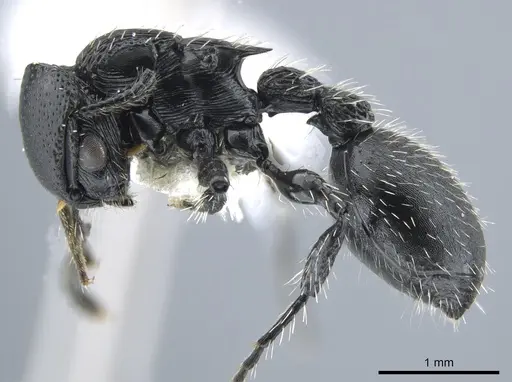
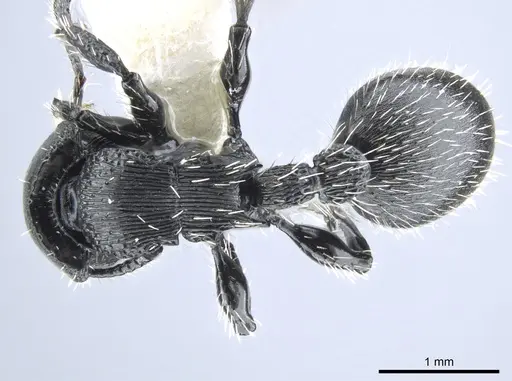
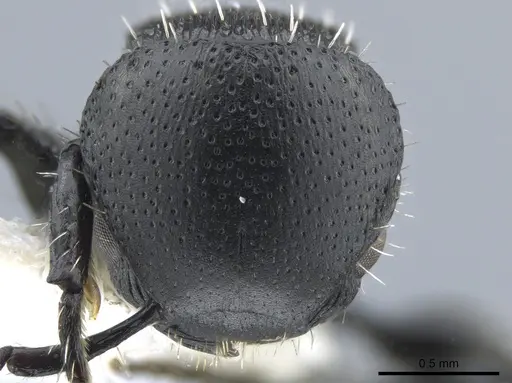
Procryptocerus subpilosus - "Armored Leaf-mimic Ant"
Procryptocerus subpilosus is a fascinating arboreal ant species known for its unique, somewhat flattened body shape and often camouflaged appearance, allowing them to blend seamlessly with their forest habitat. Workers are typically small to medium-sized, exhibiting a rough, sculptured exoskeleton. Queens are slightly larger and winged before founding. These ants are part of the 'turtle ant' group, characterized by their distinct cephalic and pronotal armature, which helps them defend against predators.
- Difficulty: Medium
- Origin & Habitat: Neotropical Region: Brazil (type locality), Colombia, Ecuador, Guyana, Panama, Peru, Trinidad and Tobago. in Rainforest and Igapó habitat, typically found on low vegetation and arboreal..
- Colony Type: Monogyne (single queen), claustral (queen seals herself in) founding.
- Size & Growth:
- Queen: up to 1.96mm
- Worker: Not specified
- Colony: Small (hundreds). Slow growth.
- Antkeeping:
- Temperature: Maintain a temperature range of 24-28°C (75-82°F) for optimal development, with a slight drop at night acceptable..
- Humidity: High humidity is crucial, ideally between 70-90%, replicating their rainforest environment. Provide a consistent moisture gradient within the nest..
- Diapause: Not required. Not specified at Not specified.
- Nesting: Arboreal nests are preferred, often carved into soft wood or galls in the wild. For captivity, acrylic nests with carved chambers, naturalistic setups with cork bark, or even specialized arboreal test tube setups are suitable. They will also use low vegetation..
- Behavior: Low (towards handler, food or other ants) aggressiveness.
- Common Issues: Mold in nest, Humidity fluctuations, Colony stalling due to improper conditions, Difficulty in establishing queen.
Keeping Procryptocerus subpilosus presents a unique challenge for antkeepers due to their highly specialized arboreal lifestyle. These ants thrive in setups that mimic their natural rainforest environment, which means consistent high humidity and proper ventilation are absolutely essential to prevent mold and ensure their well-being. Consider using a humidification system or regular misting of their outworld to maintain the necessary moisture levels. Without adequate humidity, the colony may struggle to develop properly, and brood can fail to thrive.
Their diet is omnivorous, but they are known to favor a variety of liquid sugars, such as sugar water or honey-based solutions, which should be offered regularly. Protein sources are also vital for brood development; small feeder insects like fruit flies, roaches, or even tiny crickets are good options. It's important to provide a diverse diet to ensure they receive all necessary nutrients. Remember that these ants forage arboreally, so placing food items on elevated platforms or within their 'tree' structure in the outworld will encourage natural foraging behaviors.
The unique morphology of Procryptocerus subpilosus, with their flattened bodies and often intricate patterns, allows them to excel at camouflage. This means they can be quite difficult to spot within a naturalistic setup. Patience is key when observing these ants, and ensuring their environment provides ample surfaces for them to blend into will make them feel more secure and active. Providing bark pieces or specially designed carved wood elements in their nest or outworld can enhance their sense of security and encourage more natural behaviors.
Colony growth for Procryptocerus subpilosus is generally slow, so don't be discouraged by a gradual increase in worker numbers. This slow development is typical for many specialized arboreal species. Maintaining stable environmental conditions and a consistent food supply will be crucial for their long-term success. Avoid frequent disturbances to their nest, especially during the founding stage and early colony development, as stress can easily stall growth or lead to colony failure.
Frequently Asked Questions
What kind of nest is best for Procryptocerus subpilosus?
For 'Procryptocerus subpilosus', an arboreal nest setup is ideal, replicating their natural habitat. This means formicariums designed with vertical spaces, carved cork bark, or even custom acrylic nests with narrow, carved-out chambers are often the most successful. You want to give these armored leaf-mimic ants the feel of living in wood or tight crevices.
How do I keep the humidity high enough for these ants?
Maintaining high humidity for 'Procryptocerus subpilosus' often involves specialized humidification systems or consistent manual misting. Using a substrate like hydrostone or a water-retaining material in part of the outworld can also help. Ensure there's a good moisture gradient so the ants can choose their preferred humidity level within their ant habitat.
What do Procryptocerus subpilosus eat?
'Procryptocerus subpilosus' are omnivorous and thrive on a diet of liquid sugars like diluted honey or sugar water, and protein from small feeder insects. Fruit flies, tiny crickets, or freshly killed roaches are excellent choices. Offer a varied diet to ensure your colony of 'armored leaf-mimic ants' gets all the nutrients they need to grow.
Are these ants aggressive?
Compared to many other species, 'Procryptocerus subpilosus' are generally not aggressive. They are more likely to rely on their unique camouflage and armored appearance for defense than confrontation. You'll find them relatively calm when tending to your 'ant farm'.
How fast do Procryptocerus subpilosus colonies grow?
Colony growth for 'Procryptocerus subpilosus' is typically slow. Don't expect rapid expansion; these 'armored leaf-mimic ants' take their time establishing and growing their numbers. Patience is definitely a virtue when keeping this species.
Do I need to hibernate Procryptocerus subpilosus?
No, 'Procryptocerus subpilosus' do not require diapause or hibernation. They are a tropical species and need stable, warm temperatures year-round to thrive in your 'formicarium'.
What's the best temperature for keeping them?
Maintain a consistent temperature range of 24-28°C (75-82°F) for your 'Procryptocerus subpilosus' colony. This stable warmth is crucial for the proper development of their 'brood' and overall colony health within their 'ant habitat'.
Can I keep multiple queens together?
No, 'Procryptocerus subpilosus' are monogyne, meaning they are a single-queen species. Attempting to keep multiple queens together will likely result in conflict and the demise of all but one, if not the entire 'colony'.
What are common issues when keeping Procryptocerus subpilosus?
Common issues with 'Procryptocerus subpilosus' often revolve around humidity and mold. Maintaining the high humidity they need without promoting mold growth can be tricky. Colony stalling due to inconsistent conditions or stress during the 'founding' stage is also a frequent problem for these 'ant species'.
How big do the queens get?
Queens of 'Procryptocerus subpilosus' are noticeably larger than workers, with a maximum length around 1.96 mm. They are the founding force of the 'colony' and essential for its survival.