

Procryptocerus ferreri
- Scientific Name
- Procryptocerus ferreri
- Tribe
- Attini
- Subfamily
- Myrmicinae
- Author
- Forel, 1912
- Distribution
- Found in 1 countries
Procryptocerus ferreri Overview
Procryptocerus ferreri is an ant species of the genus Procryptocerus. It is primarily documented in 1 countries , including Colombia. Detailed taxonomic data and occurrence records can be further explored via authoritative databases such as AntWeb or the Global Biodiversity Information Facility (GBIF).
Procryptocerus ferreri
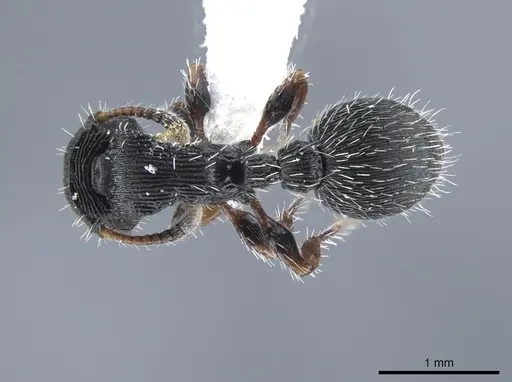
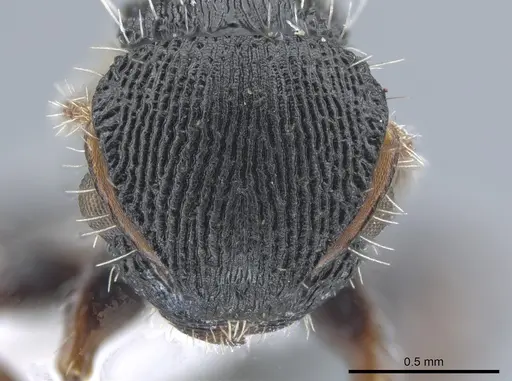
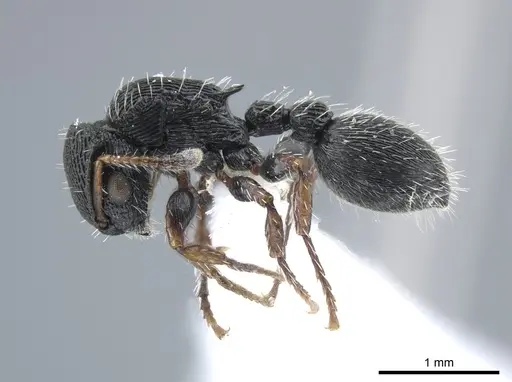
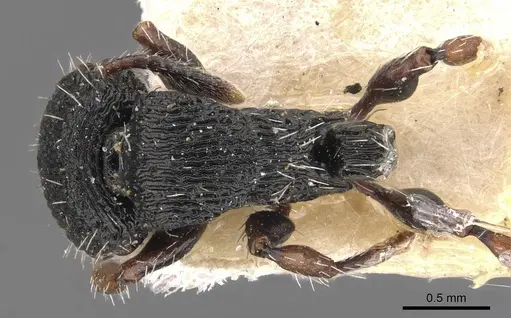
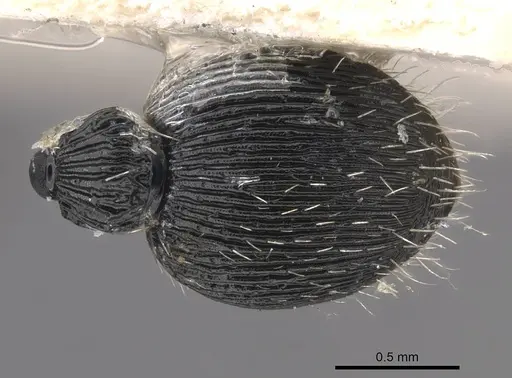
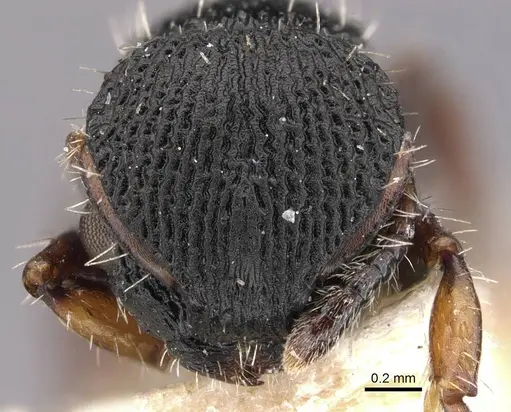
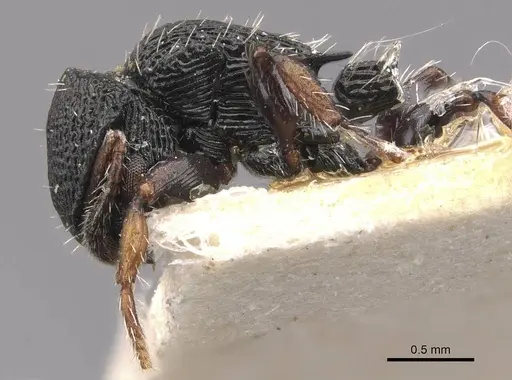
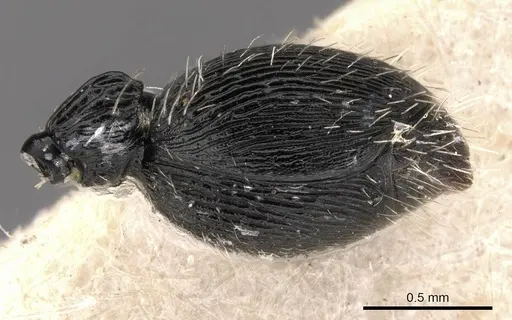
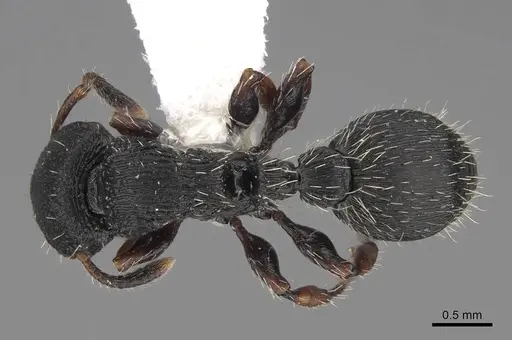
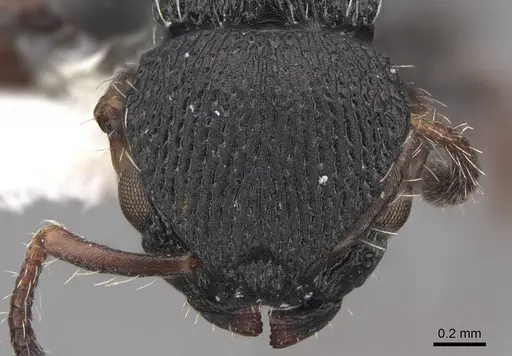
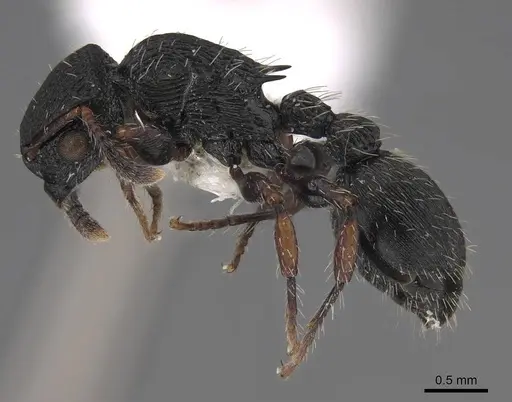
Procryptocerus ferreri is a small to medium-sized ant species native to Colombia, belonging to the tribe Attini (the leaf-cutter ant group). Workers measure around 4-6mm with distinctive morphological features including a finely striated metasoma (the rear body segment) and unique sculptural patterns on the head and body. The facial area and dorsal surface show characteristic thick serpentine costae (ridge-like sculptures). These ants are found primarily in the Colombian biogeographic regions of Antioquia and Caldas, typically at elevations around 980 meters in areas like the Cañón del Porce [1][2].
As members of the Attini tribe, Procryptocerus represents an interesting group for antkeepers interested in Neotropical species. While not true leaf-cutters (like Atta or Acromyrmex), they share some behavioral and ecological characteristics with their more famous relatives. Their distinctive appearance and relatively rare availability make them an intriguing choice for experienced antkeepers seeking something unusual.
Quick Summary
- Difficulty: Expert
- Origin & Habitat: Native to Colombia, specifically the departments of Antioquia and Caldas. Found in tropical dry forest environments at elevations around 980 meters above sea level. They inhabit the Neotropical region and are associated with warm, humid forest floor conditions typical of Colombian lowland and mid-elevation habitats [1][3][2].
- Colony Type: Colony structure is unconfirmed. Based on typical Attini tribe patterns, colonies are likely single-queen (monogyne) but this has not been directly documented for this species.
- Size & Growth:
- Queen: Estimated 6-8mm based on genus patterns and related Attini species
- Worker: Approximately 4-6mm based on species description [4]
- Colony: Unknown, no colony size data available for this species
- Growth: Unknown, no development data available
- Development: Unknown, no direct development studies exist. Based on typical Attini patterns in warm tropical conditions, estimate 6-10 weeks at optimal temperature, but this is a rough guess. (Development timeline is unconfirmed. Related Attini species typically develop faster in warm conditions (6-8 weeks), while some tropical Myrmicinae can take longer. This estimate is based on genus-level inference, not direct observation.)
- Antkeeping:
- Temperature: Keep warm at approximately 24-28°C. This species comes from tropical Colombia where temperatures are consistently warm year-round. Use a heating cable on one side of the nest to create a gentle gradient, allowing workers to regulate their own temperature. Room temperature may be acceptable if your home stays in the low-to-mid 20s°C range.
- Humidity: Maintain high humidity, aim for 70-85% relative humidity. These ants come from humid tropical forest environments in Colombia. Keep the nest substrate consistently moist but not waterlogged. Use a water reservoir connected to the nest and mist occasionally. Ensure good ventilation to prevent mold while maintaining moisture.
- Diapause: Unlikely to require true hibernation. As a tropical species from Colombia, they probably do not enter diapause. However, some reduction in activity during cooler winter months may occur if room temperatures drop. Monitor colony activity and maintain stable warm conditions year-round.
- Nesting: In the wild, Procryptocerus species are typically found in rotting wood, under bark, or in leaf litter. For captivity, a naturalistic setup with moist substrate (a mix of soil and rotting wood) works well. Y-tong (AAC) nests or plaster nests with moisture reservoirs are also suitable. Provide narrow chambers and passages scaled to their medium size. Avoid dry, airy setups.
- Behavior: Procryptocerus ferreri is a relatively calm, non-aggressive species. Workers are slow-moving and tend to forage quietly rather than aggressively patrolling territory. They are not known to sting and pose no danger to keepers. Their escape risk is moderate, they are not particularly fast or acrobatic, but standard escape prevention (fluon barriers, tight-fitting lids) should still be used. They are primarily foragers and likely collect plant material, fungi, or small arthropods. Activity level is moderate, they maintain steady foraging but are not hyperactive.
- Common Issues: lack of available care information makes proper husbandry challenging, this species is rarely kept in captivity, humidity control is critical, too dry causes colony decline, too wet promotes mold, temperature stability matters, tropical species are sensitive to temperature drops, slow growth and unknown development timeline makes it hard to assess colony health, limited availability means finding a colony is difficult
Housing and Nest Setup
Procryptocerus ferreri requires a setup that mimics their natural Neotropical forest floor habitat. A naturalistic terrarium-style formicarium works best, use a mixture of moist soil and rotting wood pieces as substrate. The substrate should remain consistently damp but never waterlogged. A Y-tong (AAC) nest or plaster nest with a built-in water reservoir is also suitable if you prefer a more contained setup.
Because this species is not well-documented in captivity, err on the side of higher humidity. Use a water tube or reservoir connected to the nest area and check substrate moisture regularly. Provide a shallow foraging area where you can offer food. Include pieces of rotting wood or bark in the outworld to give foragers enrichment and hiding spots. Ventilation is important but should not create excessive airflow that dries the nest. [1][2]
Feeding and Diet
The diet of Procryptocerus ferreri in the wild is not well-documented, but as members of the Attini tribe, they likely have omnivorous habits similar to related genera. They probably consume small arthropods, plant materials, and may have some association with fungi. In captivity, offer a varied diet including small insects (fruit flies, small crickets, mealworms), sugar sources (honey water, sugar water), and possibly leaf litter or plant matter.
Feed protein sources 2-3 times per week and keep a sugar water dispenser available at all times. Remove uneaten prey after 24-48 hours to prevent mold. Because this species is rarely kept, monitor carefully for acceptance of different foods. If they show interest in leaf material, this would support the hypothesis that they may have fungivorous tendencies like other Attini.
Temperature and Seasonal Care
As a Colombian tropical species, Procryptocerus ferreri requires consistently warm conditions. Maintain nest temperatures between 24-28°C year-round. A heating cable placed on one side of the nest creates a temperature gradient that allows ants to self-regulate. Avoid placing the nest near windows or in rooms with temperature fluctuations.
These ants do not require hibernation or diapause. During winter months, ensure your heating setup maintains appropriate temperatures even when room temperature drops. If your colony shows reduced activity in winter, this is normal response to slightly cooler conditions, do not panic, but aim to maintain warmth for continued development. Sudden temperature drops can be harmful. [1]
Colony Establishment and Growth
Establishing a colony of Procryptocerus ferreri can be challenging due to their rarity in the antkeeping hobby. If you obtain a founding queen, she should be housed in a test tube setup with a water reservoir initially. The founding chamber should be dark and quiet. Based on typical Myrmicinae patterns, the queen will likely seal herself in and lay eggs without foraging (claustral founding), but this is not confirmed for this species.
Growth rate is unknown, so patience is essential. Monitor for the appearance of workers (nanitics will be smaller than normal workers) and watch for signs of colony stress. Once workers are established, you can gradually transition to a more permanent nest setup. Do not disturb the colony frequently during the founding stage.
Behavior and Handling
Procryptocerus ferreri is a calm, non-aggressive species that poses no threat to keepers. Workers are relatively slow-moving and spend their time foraging quietly. They are not known to sting, and even if they could, their venom would be negligible to humans.
These ants are not escape artists in the traditional sense, they are not particularly fast or acrobatic. However, standard escape prevention should still be used. Apply fluon or similar barriers to the rim of the outworld and ensure lids fit tightly. Their moderate activity level means they will explore the outworld regularly but without the frantic energy of some other species.
Frequently Asked Questions
How long does it take for Procryptocerus ferreri to produce first workers?
The egg-to-worker timeline is unknown for this species as no development studies exist. Based on typical Attini patterns in warm tropical conditions, estimate 6-10 weeks at optimal temperature (24-28°C), but this is a rough guess. Be patient, slow development is normal for rare tropical species.
What do Procryptocerus ferreri ants eat?
They are likely omnivorous like other Attini tribe members. Offer small insects (fruit flies, pinhead crickets, mealworms), sugar water or honey, and possibly leaf litter. Feed protein 2-3 times weekly with constant sugar water access.
Can I keep Procryptocerus ferreri in a test tube setup?
Yes, a test tube setup works well for founding colonies. Ensure the tube has a water reservoir and keep it dark and quiet. Once the colony has 10-15 workers, consider transitioning to a more naturalistic setup or Y-tong nest.
What temperature do Procryptocerus ferreri need?
Keep them warm at 24-28°C. Use a heating cable on one side of the nest to create a gradient. They are sensitive to temperature drops and come from consistently warm Colombian tropical environments.
How big do Procryptocerus ferreri colonies get?
Colony size is unknown, no colony size data exists for this species. Based on related Attini, expect possibly several hundred workers at maturity, but this is an estimate.
Are Procryptocerus ferreri good for beginners?
No, this species is rated Expert difficulty. They are rarely kept in captivity, have no established care protocols, and require specific tropical conditions. This species is best suited for experienced antkeepers who can maintain precise temperature and humidity.
Do Procryptocerus ferreri need hibernation?
No, they do not require hibernation. As a tropical species from Colombia, they expect warm conditions year-round. Maintain stable temperatures even during winter.
Why is my Procryptocerus ferreri colony declining?
Common causes include: too low humidity (keep substrate consistently moist), temperature drops (maintain 24-28°C), insufficient protein in diet, or stress from excessive disturbance. Review all environmental conditions and make gradual adjustments.
Where can I get Procryptocerus ferreri ants?
This is a rare species in the antkeeping hobby. You may need to connect with specialized exotic ant dealers or breeders who work with Neotropical species. Expect limited availability and potentially high prices.
References

This caresheet is licensed under CC BY-SA 4.0 .
Literature
Loading...Loading products...