

Procryptocerus schmitti
- Scientific Name
- Procryptocerus schmitti
- Tribe
- Attini
- Subfamily
- Myrmicinae
- Author
- Forel, 1901
- Distribution
- Found in 3 countries
Procryptocerus schmitti Overview
Procryptocerus schmitti is an ant species of the genus Procryptocerus. It is primarily documented in 3 countries , including Brazil, French Guiana, Venezuela. Detailed taxonomic data and occurrence records can be further explored via authoritative databases such as AntWeb or the Global Biodiversity Information Facility (GBIF).
Procryptocerus schmitti
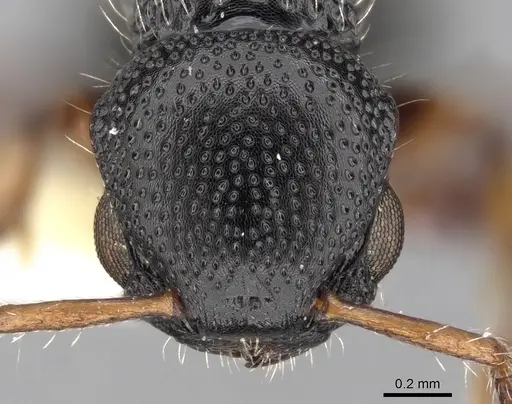
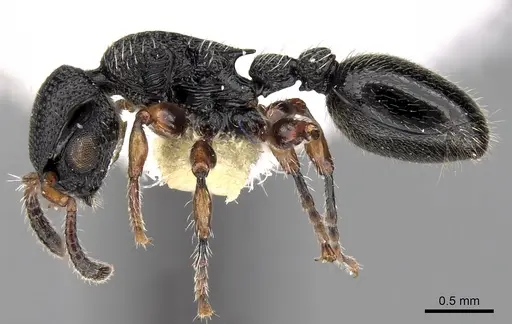
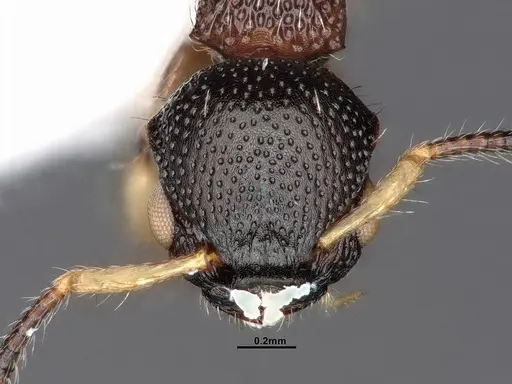
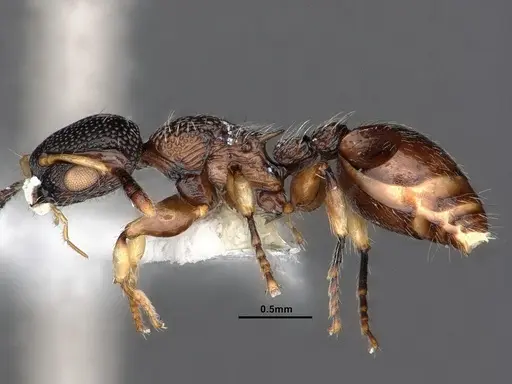
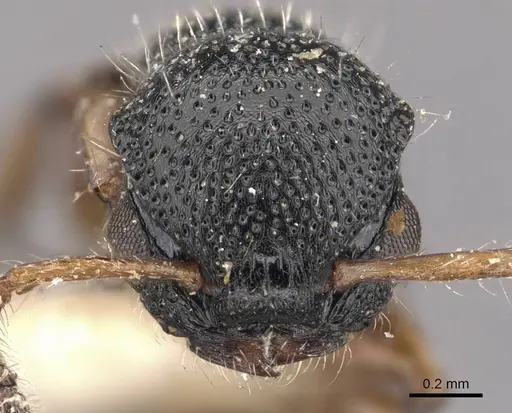
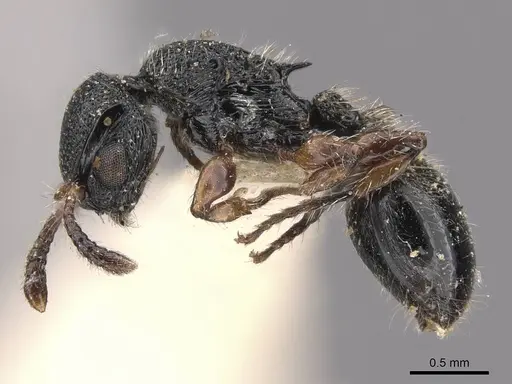
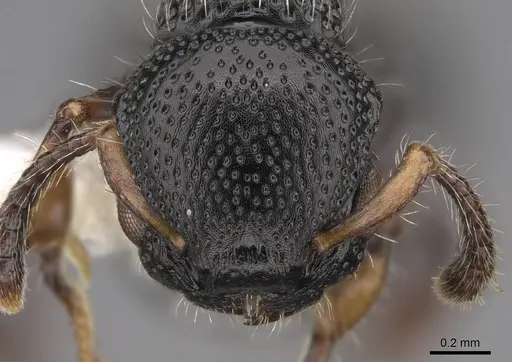
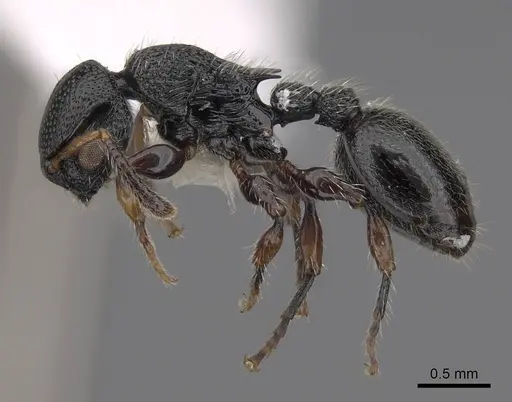
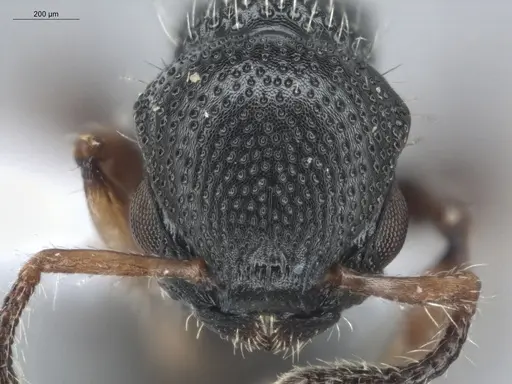
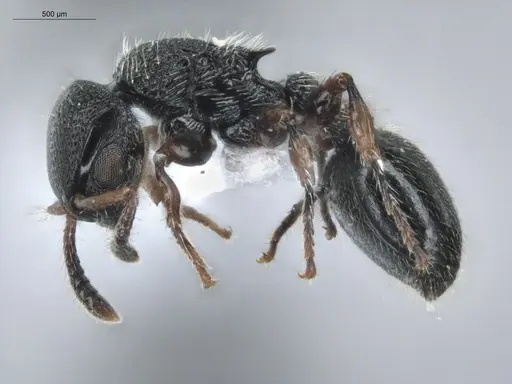
Procryptocerus schmitti is a small to medium-sized ant belonging to the tribe Attini (fungus-growing ants). Workers have the distinctive flattened head characteristic of Procryptocerus species, with a uniformly punctate facial area and distinctive sculpturing on the head and body. Queens measure approximately 3.7mm, making this a relatively small species [1]. The species is very similar to Procryptocerus coriarius, with which it is parapatric (their ranges don't overlap but are close) [2]. This ant is found across the northern South American region, including Brazil, Colombia, French Guiana, and Venezuela [3]. In Colombia, they've been documented at elevations around 980m in the Cañón del Porce region [4].
Quick Summary
- Difficulty: Unknown, this species has never been kept in captivity and has no documented husbandry history
- Origin & Habitat: Tropical and subtropical forests of northern South America. Found in Brazil (Bahia, Pernambuco, Ceara), Colombia (Antioquia, Caquetá), Venezuela, and French Guiana at elevations from sea level to around 980m [2][4][5][6].
- Colony Type: Unconfirmed, colony structure has not been documented in scientific literature
- Size & Growth:
- Queen: Approximately 3.7mm [1]. This is a relatively small queen for a Myrmicinae ant.
- Worker: Unconfirmed, worker measurements not available in primary literature
- Colony: Unknown, no colony size data exists for this species
- Growth: Unknown, no development data available
- Development: Unknown, no direct development studies exist for this species. Based on typical Attini patterns and small queen size, estimates suggest 6-10 weeks at optimal temperature, but this is highly speculative. (Development timeline is unconfirmed. Related Attini species typically take 6-8 weeks from egg to worker at warm temperatures.)
- Antkeeping:
- Temperature: Unknown, no thermal preference studies exist. Based on its tropical distribution, aim for warm conditions around 24-28°C with some variation allowed. Monitor colony activity to find their preferred range.
- Humidity: Unknown, no humidity data exists. As a tropical forest species, moderate to high humidity (60-80%) is likely appropriate. Keep the nest substrate consistently moist but not waterlogged.
- Diapause: Unlikely, as a tropical species, year-round activity is expected. No documented diapause requirement.
- Nesting: Unknown in captivity. In the wild, Procryptocerus species typically nest in rotting wood, under bark, or in leaf litter. A naturalistic setup with rotting wood pieces or a Y-tong/plaster nest with moisture retention would be a reasonable starting point.
- Behavior: Undocumented in captivity. Procryptocerus ants are generally considered docile and non-aggressive. They are cryptobiotic (hidden lifestyle) ants that typically nest in concealed locations. Workers are small and likely slow-moving. Escape prevention should be excellent given their small size, they can squeeze through tiny gaps. No documented sting severity, but most Myrmicinae have the ability to sting.
- Common Issues: this species has never been documented in the antkeeping hobby, there are no established care protocols, no information exists on what they eat in captivity or their dietary requirements, colony founding behavior is completely unstudied, survival rates for captive colonies are unknown, no data on acceptable temperature or humidity ranges means keepers will be experimenting blindly, as a rarely collected species, wild-caught colonies may be extremely difficult to obtain
Species Identification and Range
Procryptocerus schmitti is a distinctive species within the genus Procryptocerus, characterized by its uniformly punctate facial area and specific sculptural features. The species was originally described by Forel in 1901 from Brazil (Ceara, Baturite) [7]. It is very similar to Procryptocerus coriarius, with which it is parapatric, meaning their ranges are adjacent but don't overlap [2]. The known distribution spans Venezuela, Brazil (specifically Bahia, Pernambuco, and Ceara), Colombia (Antioquia at Cañón del Porce, and Caquetá), and French Guiana [2][4][5][6]. In Colombia, specimens have been collected at approximately 980 meters elevation [4]. The genus Procryptocerus belongs to the tribe Attini, which includes fungus-growing ants, though Procryptocerus species are not true leaf-cutters.
Morphology and Identification
Queens (gynes) of Procryptocerus schmitti measure approximately 3.7mm in total length [1]. Several key morphological features distinguish this species: the frontovertexal margin is indistinct throughout, the vertex is flat, the frons is foveolate (pitted texture), the scape lacks a carina (ridge), and scrobiculae often border the vertex [1]. The facial area is uniformly punctate, and the major opisthogastric tergite and corresponding sternite show micropunctulation [6]. These are diagnostic features used by taxonomists to identify the species. Workers have the characteristic flattened head shape that gives Procryptocerus its name ('hidden horn' referring to the flattened antennae scapes). The notopropodeal fusion is marked by a groove when grooved [1].
Taxonomic Context
Procryptocerus schmitti belongs to the subfamily Myrmicinae and the tribe Attini. The tribe Attini is best known for the leaf-cutter ants (Atta and Acromyrmex), but also includes many other fungus-growing ant genera. Procryptocerus is considered part of the 'cryptocerine' complex of Attini, ants that have distinctive flattened heads and are not true leaf-cutters. The genus contains several dozen species distributed throughout the Neotropics. Procryptocerus schmitti was described by Forel in 1901 from specimens collected in Brazil [7]. The species has been subsequently recorded in Colombia, Venezuela, and French Guiana, but remains poorly studied compared to more common Attini species.
Keeping Procryptocerus schmitti - What We Don't Know
This is one of the most poorly documented species in the antkeeping hobby. Procryptocerus schmitti has never been kept in captivity as far as records show, and there is no established husbandry knowledge for this species. All recommendations for care must be considered experimental. Based on its tropical distribution and membership in Attini, reasonable starting points would be: warm temperatures (24-28°C), moderate to high humidity (60-80%), and a diet based on fungus cultivation (though the specific fungi they cultivate is unknown). Nesting preferences are unconfirmed, but related species typically nest in rotting wood or under bark in forest habitats. If you obtain a colony, document your observations carefully, any captive husbandry data would be scientifically valuable for this poorly known species.
Related Species and Comparison
Procryptocerus schmitti is very similar to Procryptocerus coriarius, with which it is parapatric, their distributions are separate but geographically adjacent [2]. This similarity has caused some taxonomic confusion over the years. Other Procryptocerus species in the region include P. convexus, P. falcatus, and P. attenuatus, among others. The genus as a whole is characterized by their flattened heads, distinctive sculpturing, and relatively docile behavior compared to some other Attini. Many Procryptocerus species remain poorly known, and several have never been documented alive.
Frequently Asked Questions
Can I keep Procryptocerus schmitti in a test tube?
Test tube setups are commonly used for founding colonies of many Myrmicinae, but there is no documented success with this specific species. Based on the small queen size (3.7mm), a test tube with a water reservoir would be a reasonable starting point for a claustral founding queen, but success cannot be guaranteed as no captive husbandry history exists.
How long does it take for Procryptocerus schmitti to produce first workers?
The egg-to-worker development timeline is completely unconfirmed for this species. No scientific papers document development times, and there are no captive colony records. Based on typical Attini patterns and the small queen size, a rough estimate would be 6-10 weeks at optimal warm temperatures, but this is highly speculative.
What do Procryptocerus schmitti ants eat?
As members of the tribe Attini (fungus-growing ants), they likely cultivate fungus as their primary food source, similar to other Attini. The specific fungi they cultivate is unknown. In captivity, offering small amounts of organic matter (fruit, dead insects, fungal substrates) would be experimental. Sugar sources may or may not be accepted, this is unstudied.
Are Procryptocerus schmitti good for beginners?
No. This species has never been documented in the antkeeping hobby and has no established care protocols. All aspects of husbandry would be experimental. Beginners should start with well-documented species like Lasius niger, Camponotus species, or Tetramorium species that have extensive captive breeding history.
Where can I find Procryptocerus schmitti in the wild?
The species is found in Brazil (Bahia, Pernambuco, Ceara), Colombia (Antioquia, Caquetá), Venezuela, and French Guiana. In Colombia, they've been found at approximately 980m elevation in the Cañón del Porce region. They are typically found in tropical forest habitats, often nesting in rotting wood or under bark.
Do Procryptocerus schmitti need hibernation?
Unlikely. As a tropical species from northern South America, year-round activity is expected. No documented diapause or hibernation requirement exists. Keeping them at warm, stable temperatures (24-28°C) year-round is likely appropriate.
How big do Procryptocerus schmitti colonies get?
Colony size is unknown, no colony size data exists for this species in scientific literature. Based on related Procryptocerus species, colonies likely reach several hundred workers at maximum, not approaching the massive sizes seen in true leaf-cutter ants (Atta).
Can I keep multiple Procryptocerus schmitti queens together?
The colony structure (monogyne vs polygyne) is unconfirmed. No research documents whether multiple queens can found colonies together (pleometrosis) or whether established colonies accept additional queens. Combining unrelated queens is not recommended due to lack of data.
What is the best nest type for Procryptocerus schmitti?
Nesting preferences are unconfirmed. Based on typical Procryptocerus behavior and related Attini species, a naturalistic setup with rotting wood pieces or a moist Y-tong/plaster nest would be reasonable starting points. The key is providing a dark, humid, concealed space suitable for their cryptobiotic lifestyle.
References

This caresheet is licensed under CC BY-SA 4.0 .
CASENT0280791
View on AntWeb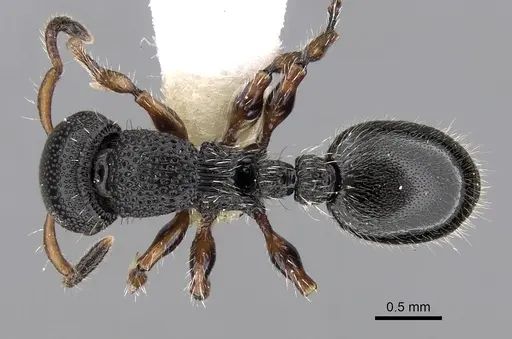
CASENT0884226
View on AntWeb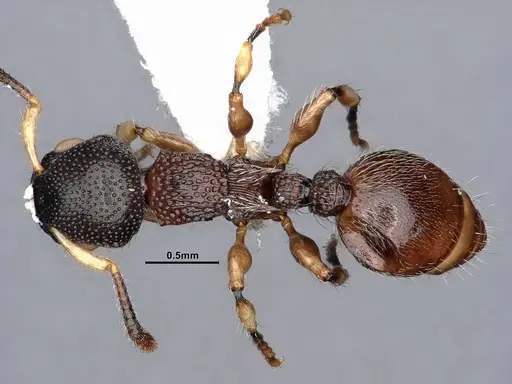
CASENT0909251
View on AntWeb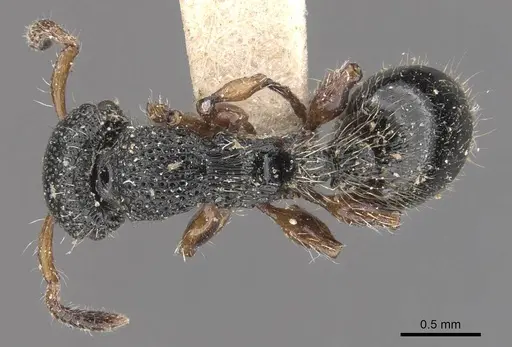
CASENT0922629
View on AntWeb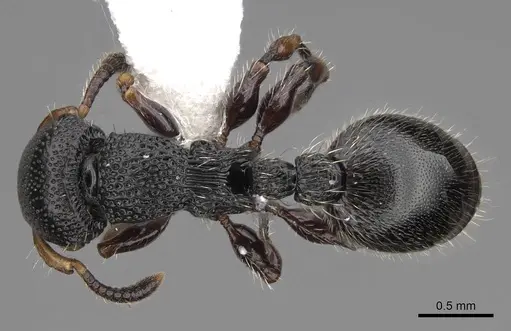
ECOFOG-IT14-0055-141
View on AntWeb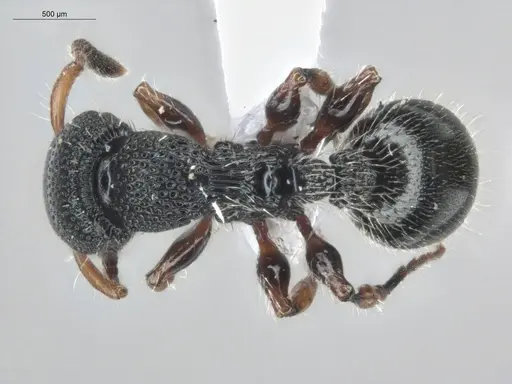
Literature
Loading...Loading products...