

Procryptocerus coriarius
- Scientific Name
- Procryptocerus coriarius
- Tribe
- Attini
- Subfamily
- Myrmicinae
- Author
- Mayr, 1870
- Distribution
- Found in 2 countries
Procryptocerus coriarius Overview
Procryptocerus coriarius is an ant species of the genus Procryptocerus. It is primarily documented in 2 countries , including Colombia, Costa Rica. Detailed taxonomic data and occurrence records can be further explored via authoritative databases such as AntWeb or the Global Biodiversity Information Facility (GBIF).
Procryptocerus coriarius
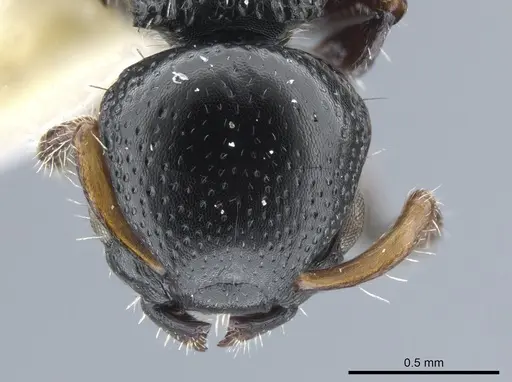
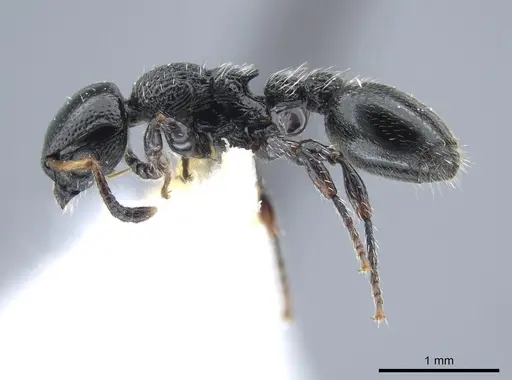
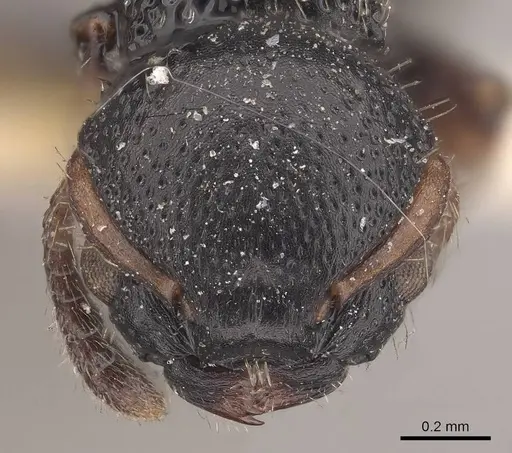
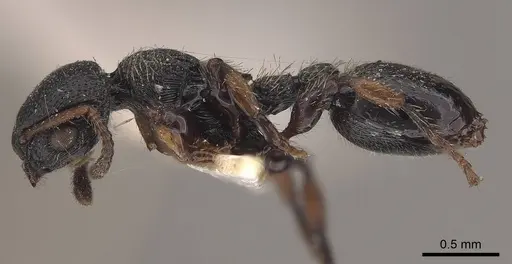
Procryptocerus coriarius is a small, glossy black ant belonging to the tribe Attini (the same group as leaf-cutter ants). Workers measure about 4mm and have a distinctive appearance with a smooth, shining head and body, covered in fine foveae (small pits) concentrated on the front third of the face. Their antennae are orange, and the legs range from brown to orange. This species is extremely rare in the antkeeping hobby and in scientific collections, it's one of the most seldom encountered ants in Central America. The genus Procryptocerus is known for their unusual nesting habits in small colonies within dead branches and twigs, rather than the large underground nests typical of many Myrmicinae. [1][2][3]
Quick Summary
- Difficulty: Expert
- Origin & Habitat: This species is found across the Neotropical region from Costa Rica through Panama to Colombia, with records also in Ecuador and Venezuela. They inhabit rainforest environments at elevations between 980-1800 meters. In the wild, colonies have been found nesting inside withered branches of coffee shrubs and living branches of Miconia trees (Melastomataceae). The few documented colonies have been very small, typically just 7 workers plus a queen and male. [1][4][3]
- Colony Type: Colony structure is poorly documented. The limited field data shows small colonies with a single queen. One documented colony contained 7 workers,1 gyne (queen), and 1 male. It appears to be monogyne (single queen) based on available evidence, though more research is needed. [3]
- Colony: Monogyne
- Size & Growth:
- Queen: Approximately 0.93mm head width, slightly larger than workers [1]
- Worker: 4mm total length [2]
- Colony: Very small, documented colonies max out around 7 workers. Likely never reaches large colony sizes in nature. [3]
- Growth: Unknown, likely slow given their small colony sizes and arboreal nesting
- Development: Unknown, no development data exists for this species (No published studies on development timeline. Related Procryptocerus species likely have similar patterns but no specific data available)
- Antkeeping:
- Temperature: Based on their cloud forest/rainforest habitat at 980-1800m elevation, they likely prefer cooler temperatures than typical tropical ants. Aim for 18-22°C as a starting point. Avoid overheating, they come from mid-elevation habitats that don't get extremely hot. [4][3]
- Humidity: High humidity is essential. Their natural habitat is humid rainforest, and they nest inside wood which maintains consistent moisture. Keep nest substrate moist but not waterlogged. Provide a humid outworld as well. [1][3]
- Diapause: Unknown, no specific research on overwintering requirements. Given their elevation (up to 1800m), they may experience cooler seasonal temperatures. More research needed. [4]
- Nesting: This is an arboreal species that nests inside small dead branches and twigs. In captivity, they do well in naturalistic setups with small diameter twigs or branches, or in acrylic/nest setups that provide tight, enclosed spaces. They are not a ground-nesting species. A small formicarium or naturalistic terrarium with suitable wood pieces works well. [1][3]
- Behavior: This is a calm, non-aggressive species. Workers are relatively inactive compared to many ants, likely due to their small colony size and arboreal lifestyle. They are not known to be aggressive or to sting. They forage quietly within their nest structure and on nearby vegetation. Escape risk is moderate, they are small but not tiny, and standard barrier methods should work. Their colonies remain small even when established, so they won't produce massive worker numbers. [1][3]
- Common Issues: this species is extremely rare in captivity and almost never available, finding a colony is the biggest challenge, small colony size means any losses have a big impact, they cannot recover numbers quickly, arboreal nesting means standard test tube setups may not be ideal, they prefer wood cavities, high humidity requirements can lead to mold problems if ventilation is poor, lack of available care information means keepers are essentially pioneering husbandry techniques
Housing and Nest Preferences
Procryptocerus coriarius is an arboreal species that naturally nests inside small dead branches and twigs. In captivity, avoid standard test tube setups, they do much better in naturalistic terrariums or formicariums that include suitable wood pieces. Provide small diameter twigs or branches (about 5-15mm diameter) with hollow centers, or use acrylic nests with tight chambers that mimic these conditions. The nest should be kept humid since they naturally live in wood that maintains moisture. A naturalistic setup with live moss, small wood pieces, and high humidity works well. They are not aggressive and can be kept in relatively small enclosures since colonies never grow large. [1][3]
Feeding and Diet
The tribe Attini includes fungus-growing ants, but Procryptocerus is not a true fungus-grower. Based on related genera and general Myrmicinae behavior, they likely have a varied diet including small insects, honeydew, and nectar. Offer small live prey appropriate to their size (fruit flies, pinhead crickets, small mealworms) and sugar sources (honey water, sugar water). Since they nest in wood and have small colonies, they may not forage aggressively, place food near their nest entrance. Feed small amounts and remove uneaten food to prevent mold. Their small colony size means they don't need large quantities of food. [5]
Temperature and Humidity Requirements
This species comes from mid-elevation rainforest habitats (980-1800m) in Central America, so they prefer cooler, humid conditions compared to lowland tropical ants. Keep temperatures in the 18-22°C range, avoid exceeding 25°C. High humidity is critical, around 70-80%. Use a moist substrate and ensure the nest doesn't dry out. A small water reservoir or regular misting helps maintain humidity. Since they nest in wood, the nest material itself should remain damp but not soaking wet. Good ventilation is also important to prevent mold while maintaining humidity. [4][3]
Colony Dynamics and Growth
Procryptocerus coriarius forms very small colonies. The largest documented wild colony had only 7 workers plus a queen and male. This is characteristic of the genus, they never produce the massive worker forces seen in many other Myrmicinae. In captivity, expect slow growth and small final colony sizes of perhaps 20-50 workers at most. The slow growth is not a sign of problems, it's normal for this species. Queens are similar in size to workers (about 0.93mm head width) and the colony structure appears to be single-queen. Be patient with these ants, they are long-lived but slow to expand their numbers. [3]
Handling and Temperament
These are calm, docile ants that show no aggression toward keepers. Workers are relatively inactive and spend most of their time within the nest structure. They are not known to sting, and their small size means any sting would be negligible anyway. They are not escape artists to the same degree as tiny ants like Pheidole or Solenopsis, standard barrier methods work well. They are best observed in a naturalistic setup where their quiet behavior can be appreciated. Because colonies remain small, they are best suited for keepers who enjoy watching individual ant behavior rather than large colony dynamics. [1][3]
Frequently Asked Questions
How long does it take for Procryptocerus coriarius to produce first workers?
The development timeline is unconfirmed, no scientific data exists on their egg-to-worker time. Based on their small size and related Attini patterns, expect several months (likely 2-4 months) from egg to worker at optimal temperature. Be patient as this species grows slowly regardless. [1]
Can I keep Procryptocerus coriarius in a test tube?
Test tubes are not ideal for this species. They are arboreal ants that naturally nest inside small wood cavities (twigs and branches). They do much better in naturalistic setups with small wood pieces or acrylic nests designed for arboreal species. A small formicarium with tight chambers and high humidity works best. [1][3]
How big do Procryptocerus coriarius colonies get?
Very small. The largest documented wild colonies had only about 7 workers. In captivity, they may reach 20-50 workers at most. This is normal for the genus, they never produce large colonies. Don't expect the massive worker numbers seen in many other ant species. [3]
What temperature should I keep Procryptocerus coriarius at?
Keep them cool compared to most tropical ants, around 18-22°C. They come from mid-elevation cloud forest habitats (980-1800m) in Costa Rica and Colombia, not hot lowland areas. Avoid temperatures above 25°C. A room-temperature environment (around 20°C) is often ideal. [4][3]
Are Procryptocerus coriarius good for beginners?
No, this is an expert-level species. They are extremely rare to find for sale, require specific arboreal housing, need high humidity, and have almost no available care information. Most antkeepers would struggle to find a colony and would be pioneering husbandry techniques. If you're interested in Procryptocerus, wait until you have experience with other Myrmicinae first. [1]
What do Procryptocerus coriarius eat?
Based on related ant behavior, they likely accept small insects (fruit flies, small crickets, mealworms), honeydew, and sugar water. They are not fungus-growers despite being in the Attini tribe. Offer small prey items and sugar sources. Feed sparingly since colonies are tiny, remove uneaten food to prevent mold. [5]
Where does Procryptocerus coriarius live in the wild?
They are found from Costa Rica through Panama to Colombia, with some records in Ecuador and Venezuela. They inhabit rainforest at elevations between 980-1800 meters. Nests have been found in withered coffee shrub branches and in living branches of Miconia trees. They are arboreal, not ground-nesting. [1][4][3]
Do Procryptocerus coriarius need hibernation or diapause?
Unknown, no research exists on their seasonal requirements. Their elevation range (up to 1800m) suggests they experience cooler seasonal temperatures, but whether they require a true diapause is unconfirmed. If they do need cooler periods, it would likely be mild, perhaps reducing to 15-18°C for a few months rather than full hibernation. More observation is needed. [4]
Why are Procryptocerus coriarius so rarely available?
This species is one of the most seldom encountered ants in Central America, both in scientific collections and in the wild. They form very small colonies in arboreal habitats (inside branches), making them difficult to find. They have no economic importance and aren't kept by many antkeepers, so there's little demand-driven breeding. Finding a colony for sale would be exceptionally rare. [1]
References

This caresheet is licensed under CC BY-SA 4.0 .
CASENT0651705
View on AntWeb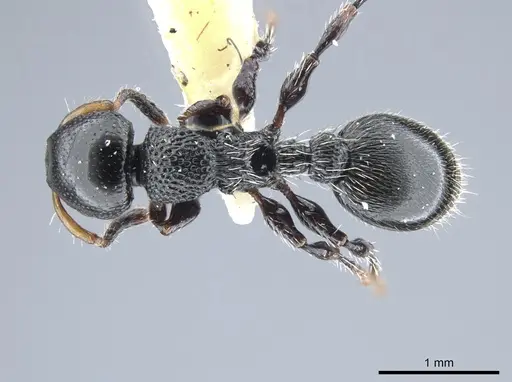
CASENT0919592
View on AntWeb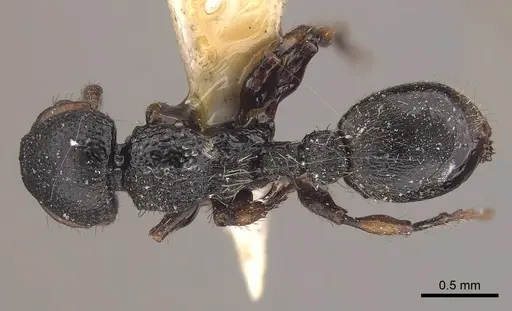
Literature
Loading...Loading products...