Pristomyrmex minusculus - "None (No widely recognized common name)"
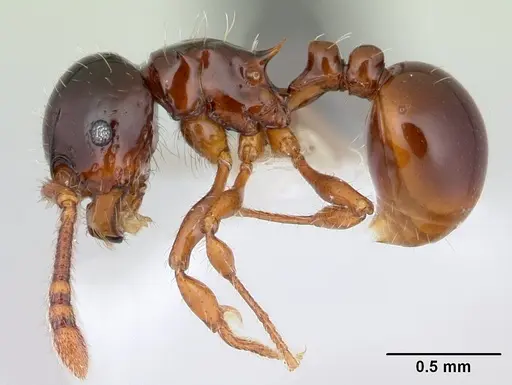
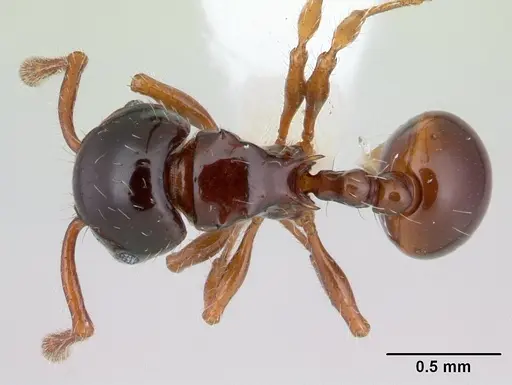
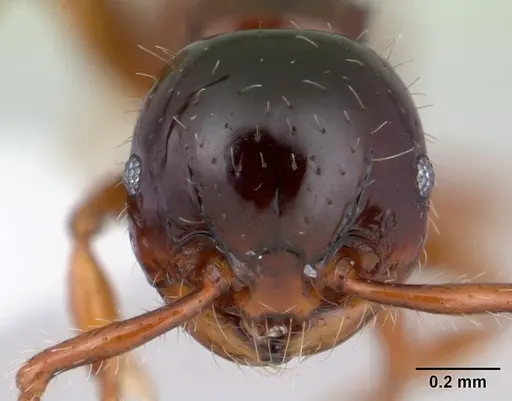
Pristomyrmex minusculus is a small ant species belonging to the Myrmicinae subfamily. Workers typically measure between 2.52 and 3.02 mm in total length. They are generally yellow-brown to reddish-brown, with lighter appendages. A distinguishing feature of their workers is the presence of a pair of small, acute teeth on the pronotum (the top part of the first segment of the thorax), which helps differentiate them from similar species. Their mandibles usually have four teeth, with the third tooth from the apex being the smallest. This species is known to inhabit rainforest environments and can be found nesting in leaf litter, rotten wood, or around plant roots. Some species within the Pristomyrmex genus, including P. minusculus, are noted for their 'faking-death' behavior when disturbed, and some are nocturnal.
- Difficulty: Medium
- Origin & Habitat: Indo-Australian Region, Oriental Region, Australia (specifically North Queensland), Micronesia, New Guinea, Palau, Tonga, Indonesia, Wallis Island, Yap Island in Rainforests, leaf litter, rotten wood, around plant roots..
- Colony Type: Polygyne (though specific details for P. minusculus are limited, other Pristomyrmex species can have multiple queens or even reproduce via workers)., claustral (while some pristomyrmex species are queenless or have ergatoid queens, typical founding for a queen-led colony is likely claustral, but worker-reproduction is also noted in the genus). founding.
- Size & Growth:
- Queen: 3.08mm+
- Worker: 2.52-3.02mm
- Colony: Medium (Colony size varies greatly among Pristomyrmex species, ranging from a dozen to several thousand workers. P. punctatus colonies can reach thousands to tens of thousands.). Medium to Fast (Based on observed growth in related species like P. punctatus). growth.
- Antkeeping:
- Temperature: Maintain a temperature range between 20°C and 30°C, with an ideal range for thriving colonies being 22°C to 28°C. Providing a temperature gradient allows the ants to self-regulate..
- Humidity: High humidity is preferred, with the nest humidity ideally around 70%. The outworld can be maintained between 50% and 60%, with the nest area having higher humidity. Avoid humidity above 80% for extended periods..
- Diapause: Not required. Not specified at Not specified.
- Nesting: These ants nest in decaying wood, leaf litter, or soil in their natural habitat. In captivity, setups mimicking these conditions, such as naturalistic setups with wood or soil, or artificial nests with good humidity retention like acrylic or plaster setups, would be suitable..
- Behavior: Medium (towards prey, low towards handler) aggressiveness.
- Common Issues: Humidity fluctuations, Overfeeding leading to waste and mold, Escape due to small size.
One fascinating aspect of the Pristomyrmex genus is their reproductive flexibility. While a queen caste exists in Pristomyrmex minusculus, some species, like Pristomyrmex punctatus, can have workers that lay fertile eggs, even in the presence of a queen. These workers reproduce via a process called telotoky, meaning unfertilized eggs develop into more workers. This can lead to a colony's effective immortality, as new workers are constantly born, making queen loss less catastrophic than with many other ant species.
When disturbed, Pristomyrmex ants, including P. minusculus, have been observed to exhibit a 'faking-death' behavior, remaining motionless. This can be a surprising trait for new keepers but is a natural defense mechanism. Their foraging behavior can also be somewhat discreet, as they are relatively small and may move slowly when undisturbed. Some species are also known to be nocturnal, which could influence their activity patterns in a captive setup.
Diet-wise, Pristomyrmex species are primarily carnivorous, feeding on small insects, and also enjoy sugary liquids and plant secretions. They are known to be aggressive towards prey items in the outworld. Providing a varied diet of cut-up insects and a consistent supply of sugar sources (like honey water or fruit) is crucial for their well-being and rapid growth. They don't typically store food inside the nest, so frequent feeding in the outworld is recommended.
Despite their small size and aggressive foraging, these ants are generally not a threat to human handlers. They are not known to sting or spray formic acid, and while they might attempt to bite if pinched, they typically just crawl over hands without aggression. Their small size does mean that escape prevention with barriers like PTFE or baby powder is essential, particularly on vertical surfaces.
Frequently Asked Questions
What kind of habitat does *Pristomyrmex minusculus* prefer in the wild?
Pristomyrmex minusculus thrives in humid rainforest environments, making their nests in decaying wood, leaf litter, or even nestled around plant roots. When setting up your formicarium, try to replicate these conditions for a happy colony!
How big do *Pristomyrmex minusculus* colonies get?
While Pristomyrmex minusculus isn't a supercolony species, colonies can still grow to a respectable size, often reaching several thousand workers. Some related species, like Pristomyrmex punctatus, can even reach tens of thousands!
Are *Pristomyrmex minusculus* workers able to lay eggs?
Yes, this is one of the most intriguing traits of the Pristomyrmex genus! In some species, like Pristomyrmex punctatus, workers are indeed fertile and can lay eggs that develop into more workers, even if a queen is present. This unique ability makes these colonies incredibly resilient, as worker-laid eggs help maintain colony numbers.
Do I need a special type of queen for *Pristomyrmex minusculus*?
Pristomyrmex minusculus can have a winged queen, but some species in the genus also feature 'ergatoid' queens, which are wingless and stay within the nest. The workers' ability to lay eggs in some Pristomyrmex species also means the colony's survival isn't solely dependent on a single queen, making them quite unique in the antkeeping hobby.
What's the best temperature and humidity for a *Pristomyrmex minusculus* colony?
For these tropical ants, aim for nest temperatures between 22°C and 28°C, though they can tolerate a broader range from 20°C to 30°C. Humidity is key! Keep the nest itself quite humid, around 70%, and the outworld a bit drier, between 50% and 60%. Providing a gradient allows your colony to choose their preferred microclimate.
What do *Pristomyrmex minusculus* ants eat?
These ants are primarily meat-eaters, so offer them small feeder insects like fruit flies or cut-up crickets. They also have a sweet tooth, eagerly accepting sugary liquids such as honey water or fruit. A varied diet will keep your Pristomyrmex colony thriving and healthy. Remember, they don't store much food in the nest, so frequent offerings in the outworld are ideal.
Are *Pristomyrmex minusculus* aggressive towards people?
While they are quite aggressive when hunting their prey, Pristomyrmex minusculus ants are generally docile towards human handlers. They don't sting or spray formic acid. You'll find them more curious than confrontational, often just crawling on your hands if they get the chance.
How fast do *Pristomyrmex minusculus* colonies grow?
Pristomyrmex colonies, including P. minusculus, are known for their medium to fast growth rates. With optimal temperature, humidity, and a consistent food supply, you can expect your colony to expand quite rapidly.
Do *Pristomyrmex minusculus* need a diapause (hibernation)?
No, Pristomyrmex minusculus is a tropical species and does not require a diapause or hibernation period. Maintain stable tropical conditions year-round for their best health and continuous activity.
What kind of nest is best for *Pristomyrmex minusculus*?
Given their natural preference for nesting in rotten wood, leaf litter, and soil, a naturalistic formicarium or a setup that maintains high humidity well, like an acrylic or plaster nest, would be suitable. Ensure the nest design allows for good moisture retention to mimic their humid rainforest habitat.
Are *Pristomyrmex minusculus* easy to keep for beginners?
While they do have specific temperature and humidity requirements, Pristomyrmex minusculus are considered a medium difficulty species. Their unique reproductive traits and generally non-aggressive nature towards keepers can make them a rewarding species for those willing to provide the right tropical conditions.
Do *Pristomyrmex minusculus* fake death?
Yes, a very interesting behavior observed in Pristomyrmex species, including P. minusculus, is 'thanatosis' or playing dead when disturbed. They may remain motionless for a period as a defense mechanism.
How do I prevent *Pristomyrmex minusculus* from escaping?
Their small size makes them excellent climbers. To prevent escapes, an effective barrier is crucial. An 'upside-down lip' on your outworld combined with barriers like PTFE (Teflon) or baby powder can be very effective. Ensure any vertical surfaces have a reliable barrier applied.