

Pristomyrmex bispinosus
- Scientific Name
- Pristomyrmex bispinosus
- Tribe
- Crematogastrini
- Subfamily
- Myrmicinae
- Author
- Donisthorpe, 1949
- Distribution
- Found in 1 countries
Pristomyrmex bispinosus Overview
Pristomyrmex bispinosus is an ant species of the genus Pristomyrmex. It is primarily documented in 1 countries , including Mauritius. Detailed taxonomic data and occurrence records can be further explored via authoritative databases such as AntWeb or the Global Biodiversity Information Facility (GBIF).
Pristomyrmex bispinosus
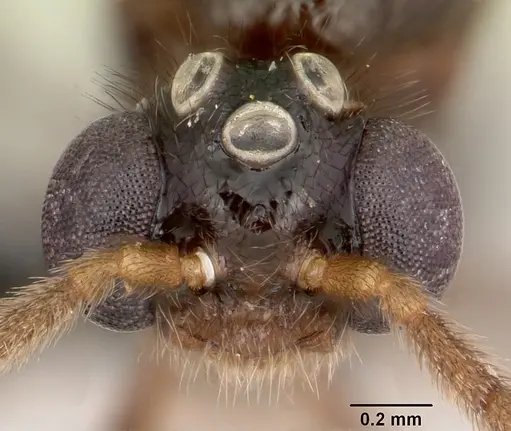
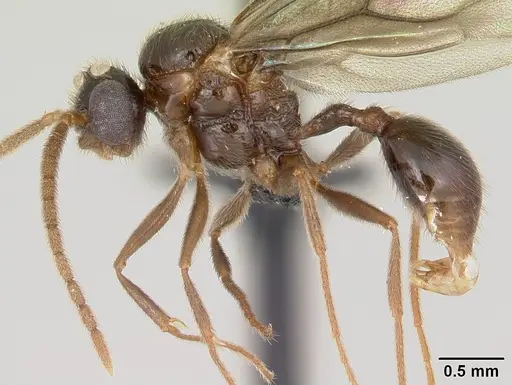
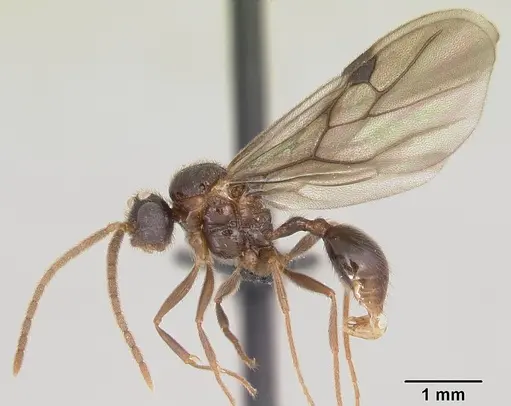
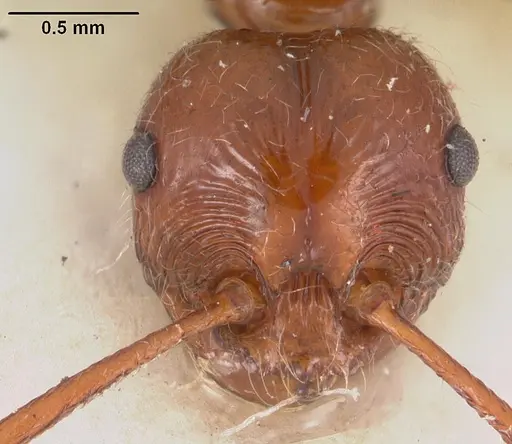
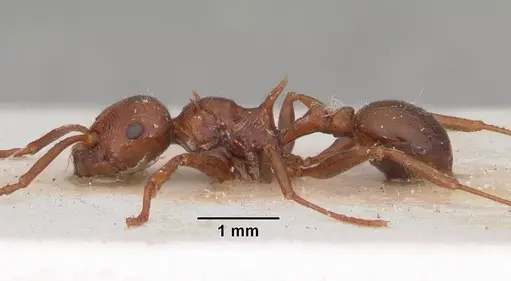
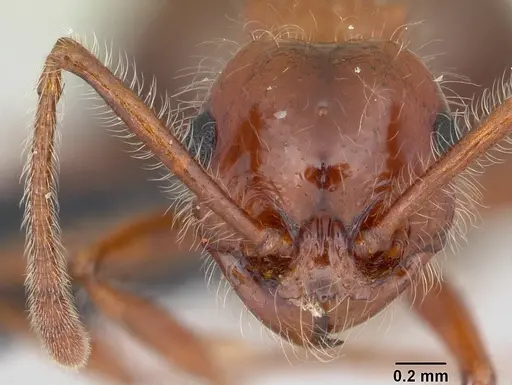
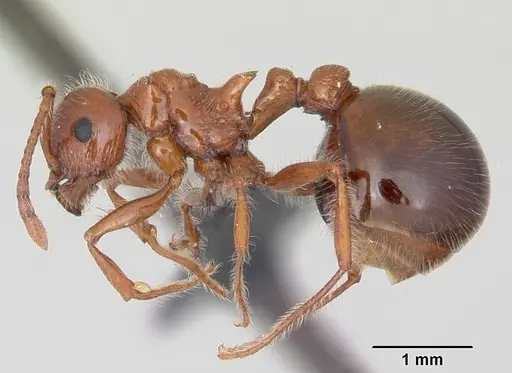
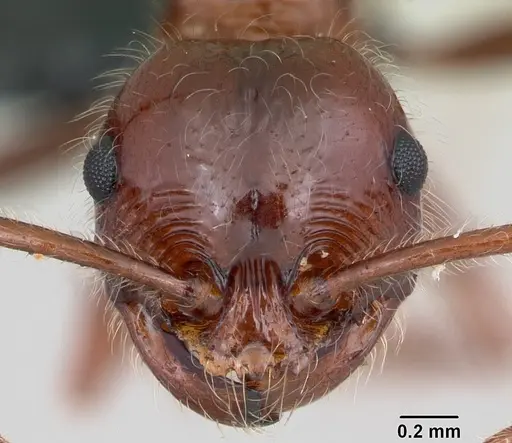
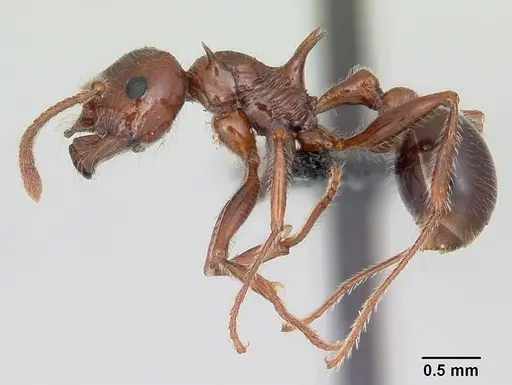
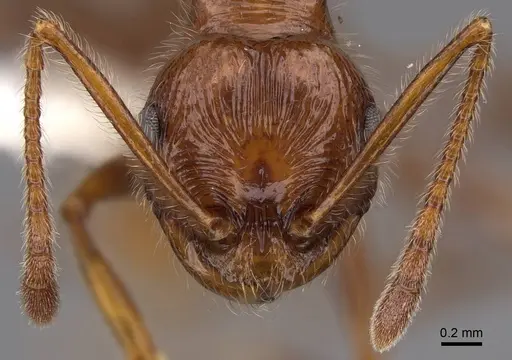
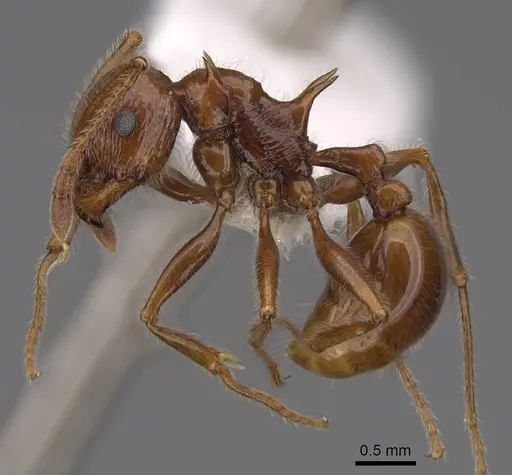
Pristomyrmex bispinosus is a small ant species native only to the islands of Mauritius and Reunion in the Indian Ocean. Workers measure 4.36-4.82mm and have a distinctive appearance with a yellow-brown to reddish-brown color, smooth and shining dorsal surfaces, and notable spines on the pronotum and propodeum [1]. The propodeal spines form a characteristic forked shape when viewed from above. This species nests in rot pockets of the native tree Nuxia verticillata (locally called bois maigre), typically found 1.5-2 meters above ground [2][3]. Unlike many ant species that have winged queens for nuptial flights, this species has wingless reproductive queens that establish new colonies through fission, the queen simply walks away from the parent nest accompanied by workers to start a new colony [4].
Quick Summary
- Difficulty: Medium
- Origin & Habitat: Endemic to Mauritius and Reunion islands in the Indian Ocean. In the wild, they nest in rot pockets of Nuxia verticillata trees in forest habitat, typically elevated 1.5-2 meters above ground [2][3].
- Colony Type: Likely monogyne (single queen) based on typical Pristomyrmex patterns. Colony reproduction occurs through fission where a newly inseminated queen leaves with workers to establish a separate nest [4].
- Colony: Monogyne
- Size & Growth:
- Queen: Unconfirmed, likely similar to workers but slightly larger based on genus patterns
- Worker: 4.36-4.82mm [1]
- Colony: Unknown, likely small to moderate based on tree-nesting habits
- Growth: Moderate, estimated based on tropical Myrmicinae patterns
- Development: Estimated 6-8 weeks at optimal temperature based on related Myrmicinae species (Development time is estimated, no specific study exists for this species)
- Antkeeping:
- Temperature: Keep at 22-26°C. As a tropical island species from Mauritius, they prefer warm conditions. A heating cable on one side of the nest can create a temperature gradient.
- Humidity: Moderate to high, they naturally nest in rot pockets of trees which provide humid but not waterlogged conditions. Keep the nest substrate slightly moist but allow some drying between waterings.
- Diapause: No, being a tropical species from Mauritius (latitude ~20°S), they do not require hibernation. Maintain consistent temperatures year-round.
- Nesting: They naturally nest in decaying wood cavities. In captivity, a Y-tong (AAC) nest or plaster nest works well. The chambers should be appropriately sized for their 4-5mm workers. Avoid overly wet substrates that could cause mold.
- Behavior: Workers are active foragers that search for food both on the ground and on vegetation (they've been observed foraging on Nuxia verticillata) [2]. They are not particularly aggressive but will defend their nest. As small Myrmicinae, they have a functional stinger and may use it if threatened. Escape prevention should be moderate, their size is moderate but they are active climbers.
- Common Issues: rot pocket nesting means they need decaying wood-style housing, standard test tubes may not be ideal, tropical species requires consistent warmth year-round, cold temperatures can slow or stop brood development, small colony size at founding means colonies grow slowly and need patience, wingless queens mean colony fission is the only reproduction method, splitting colonies requires care, being endemic to a small geographic range, wild-caught colonies may be difficult to obtain
Housing and Nest Setup
Pristomyrmex bispinosus naturally nests in rot pockets of the native tree Nuxia verticillata, typically found 1.5-2 meters above ground [2][3]. In captivity, you should replicate this elevated, humid wood environment. A Y-tong (AAC) nest or plaster nest with narrow chambers works well, these materials mimic the decaying wood they use in nature. The chambers should be appropriately sized for their 4-5mm workers. Avoid overly wet or waterlogged substrates as this can cause mold problems. An outworld with some climbing structures is appreciated since they naturally forage on vegetation. Use a test tube setup for founding colonies, then transfer to a more naturalistic nest once the colony reaches 20-30 workers.
Feeding and Diet
Like most Myrmicinae, Pristomyrmex bispinosus likely accepts a varied diet including small insects and sugary liquids. In their natural habitat, foragers have been observed on Nuxia verticillata trees where they may tend aphids or collect honeydew [2]. Feed small protein sources like fruit flies, small mealworms, or cricket pieces. Offer sugar water or honey water as an energy source. Feed protein 2-3 times per week and keep sugar water available constantly. Remove uneaten prey after 24-48 hours to prevent mold. Given their small size, prey items should be appropriately sized, nothing larger than their head.
Temperature and Seasonal Care
As a tropical species endemic to Mauritius (located at approximately 20°S latitude), Pristomyrmex bispinosus requires warm, stable temperatures year-round. Keep the nest area at 22-26°C, this range supports normal colony activity and brood development. Use a heating cable on one side of the nest to create a gentle temperature gradient if your room temperature is below this range. Place the heating element on top of the nest, not underneath, to avoid evaporating moisture too quickly. Unlike temperate species, they do not require hibernation or diapause. Maintaining consistent temperatures is more important than creating seasonal fluctuations. Avoid temperatures below 18°C for extended periods as this can stress the colony and slow brood development.
Colony Reproduction and Growth
This species has a unique method of colony reproduction that differs from many common ant species. Instead of winged queens taking nuptial flights, Pristomyrmex bispinosus has wingless reproductive queens. New colonies are established through fission, the newly inseminated queen walks away from the parent nest accompanied by a group of workers to start a new colony [4]. This means in captivity, you cannot simply introduce a mated queen to a new setup. Instead, colony division requires carefully separating a queen with workers into a new nest. Colony growth is likely moderate, expect several months to reach 50 workers, with faster growth once the colony establishes a steady brood production cycle. The estimated egg-to-worker time is 6-8 weeks at optimal temperature based on related Myrmicinae species.
Behavior and Temperament
Workers are active foragers that search for food both on the ground and on vegetation, they've been observed foraging on Nuxia verticillata trees alongside Proceratium avium [2]. This indicates they are comfortable climbing and foraging at various heights. As Myrmicinae, they possess a functional stinger and may use it if threatened, though they are not particularly aggressive toward keepers. They are likely moderate escape artists, not as small as some species that require fine mesh barriers, but active enough to find gaps in poorly sealed setups. Use standard escape prevention (Fluon on container rims, proper fitting lids). Workers likely use chemical trails to recruit nestmates to food sources, so you may observe trail-forming behavior when food is discovered.
Handling and Interaction
Pristomyrmex bispinosus is a manageable species for antkeepers who can provide appropriate conditions. They are not among the most aggressive species but will defend their nest if disturbed. When working with them, move slowly and avoid sudden vibrations. If you need to transfer them, coax them into a test tube rather than picking them up directly. Their moderate size (4-5mm workers) makes them visible and easy to observe without needing magnification. The species' rarity and limited distribution make them an interesting addition for collectors seeking unusual species. However, being endemic to a small geographic area, established captive colonies may be difficult to obtain, you may need to start from a wild-caught colony if available.
Frequently Asked Questions
What size nest do Pristomyrmex bispinosus ants need?
For a founding colony (queen with workers), a small test tube setup works initially. Once the colony reaches 20-30 workers, transfer to a Y-tong (AAC) or plaster nest with chambers appropriately sized for their 4-5mm workers. The nest should have some moisture retention since they naturally nest in rot pockets of trees.
How long does it take for Pristomyrmex bispinosus to produce first workers?
Based on related Myrmicinae species, expect approximately 6-8 weeks from egg to first worker at optimal temperature (22-26°C). The exact timeline for this species is unconfirmed as no specific study exists, but this is a reasonable estimate for a tropical Myrmicinae.
Do Pristomyrmex bispinosus ants need hibernation?
No. Being a tropical species from Mauritius (located at ~20°S latitude), they do not require hibernation or diapause. Maintain consistent warm temperatures year-round between 22-26°C for optimal colony health and development.
Can I keep multiple Pristomyrmex bispinosus queens together?
Not recommended. This species likely has single-queen (monogyne) colonies based on typical Pristomyrmex patterns. Unlike some species that can form multi-queen colonies, combining unrelated queens would likely result in aggression. The species' unique reproduction method involves fission with a single queen leaving with workers, not pleometrosis.
Do Pristomyrmex bispinosus ants sting?
Yes, as a Myrmicinae species they have a functional stinger. However, they are not particularly aggressive and typically only sting when directly threatened or handled roughly. The sting is mild for most people due to their small size.
What do Pristomyrmex bispinosus eat?
They likely accept a standard ant diet: small insects (fruit flies, small mealworms, cricket pieces) for protein and sugary liquids (sugar water, honey water) for energy. In the wild, they forage on trees like Nuxia verticillata where they may collect honeydew. Feed protein 2-3 times per week and keep sugar water available constantly.
Are Pristomyrmex bispinosus good for beginners?
This species is rated as medium difficulty. While not the easiest species for complete beginners, experienced antkeepers should find them manageable. The main challenges are providing appropriate elevated wood-nesting conditions, maintaining warm temperatures year-round, and being patient with colony growth. Their unique reproduction method (fission rather than nuptial flights) also makes colony splitting more complex.
How big do Pristomyrmex bispinosus colonies get?
Colony size is not well documented, but based on their tree-nesting habits and related species, colonies likely reach several hundred workers at maximum. They are not among the largest Myrmicinae. Expect moderate growth over months to years rather than rapid expansion.
Why is my Pristomyrmex bispinosus colony not growing?
Check three main factors: temperature (should be 22-26°C), humidity (nest should be moist but not waterlogged), and food quality (protein should be offered regularly). Being a tropical species, cold temperatures are a common cause of slow growth or brood death. Also ensure the queen is still laying eggs, without a healthy, egg-laying queen, the colony cannot grow.
Where is Pristomyrmex bispinosus native to?
This species is endemic to Mauritius and Reunion islands in the Indian Ocean. It was originally described from Mauritius and is found nowhere else in the world naturally. The type locality is Le Pouce mountain in Mauritius [3].
When can I move my Pristomyrmex bispinosus to a formicarium?
Wait until the colony has at least 20-30 workers and the founding setup (test tube) shows signs of drying or crowding. A Y-tong or plaster nest can accommodate them once they outgrow the test tube. Make sure the new nest is properly humidified before introducing the colony.
References

This caresheet is licensed under CC BY-SA 4.0 .
CASENT0055726
View on AntWeb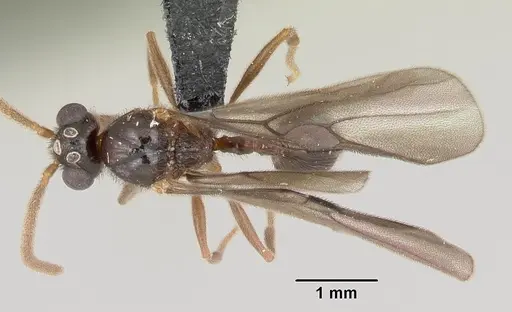
CASENT0101501
View on AntWeb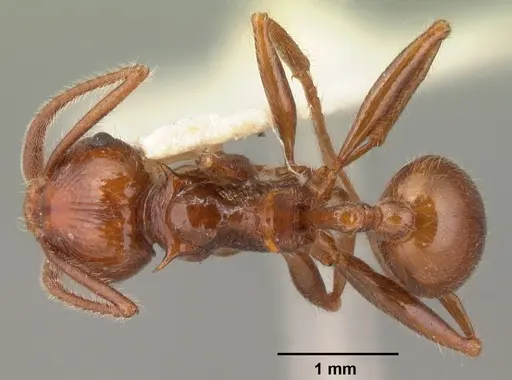
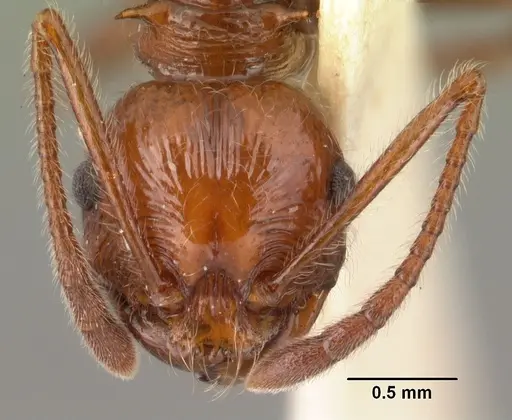
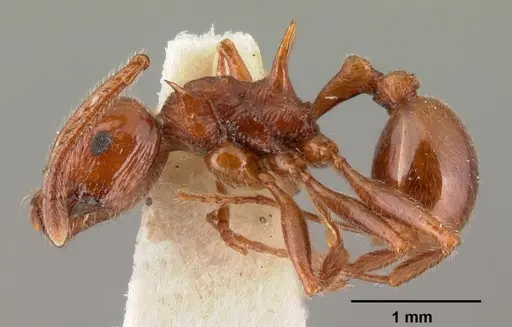
CASENT0102286
View on AntWeb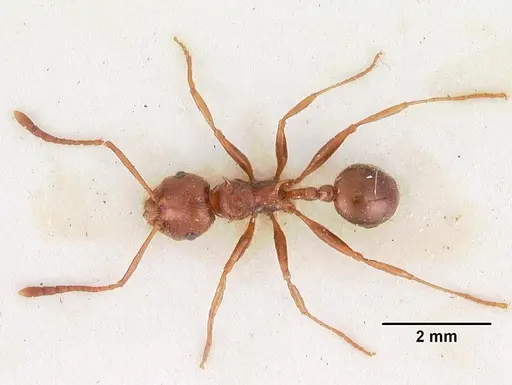
CASENT0104922
View on AntWeb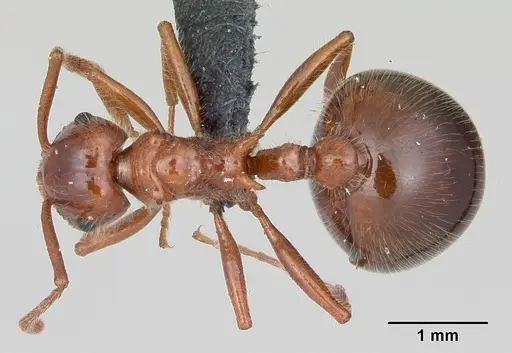
CASENT0104923
View on AntWeb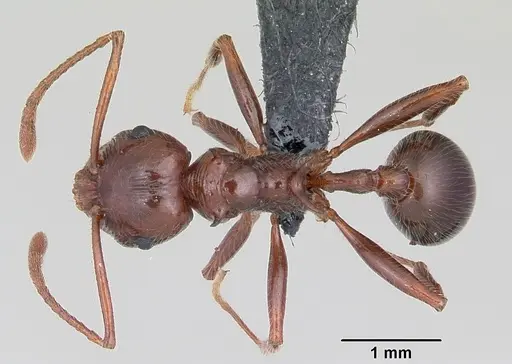
CASENT0922982
View on AntWeb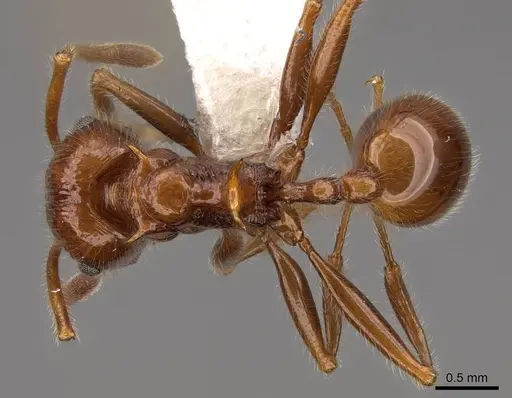
Literature
Loading...Loading products...