

Proceratium avium
- Scientific Name
- Proceratium avium
- Tribe
- Proceratiini
- Subfamily
- Proceratiinae
- Author
- Brown, 1974
- Distribution
- Found in 1 countries
Proceratium avium Overview
Proceratium avium is an ant species of the genus Proceratium. It is primarily documented in 1 countries , including Mauritius. Detailed taxonomic data and occurrence records can be further explored via authoritative databases such as AntWeb or the Global Biodiversity Information Facility (GBIF).
Proceratium avium
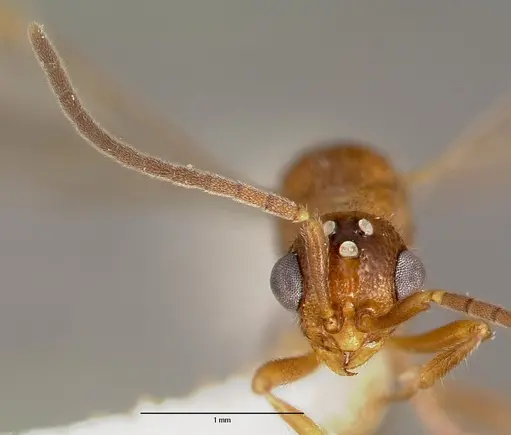
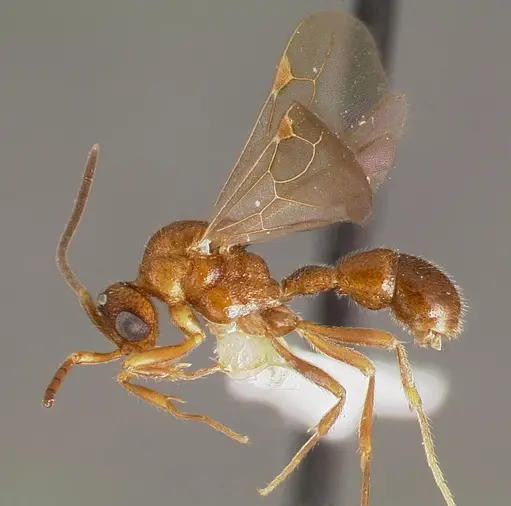
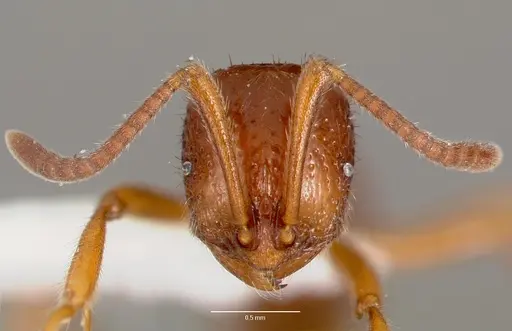
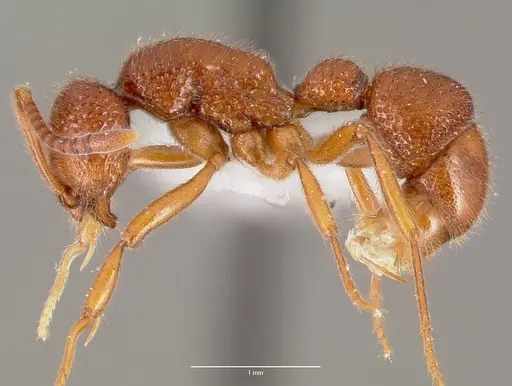
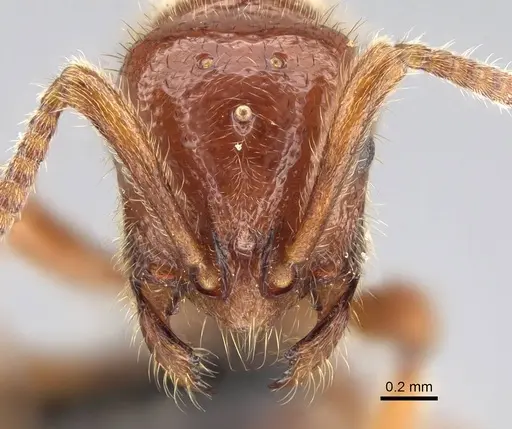
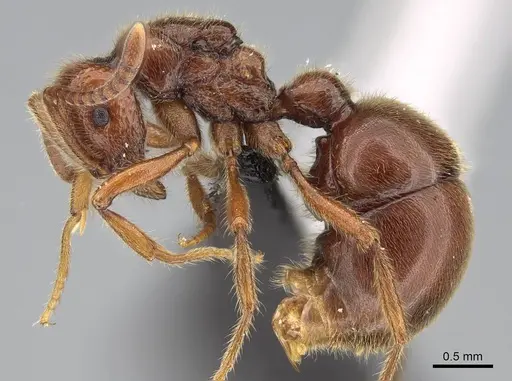
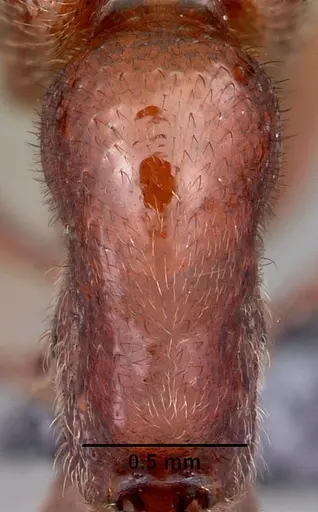
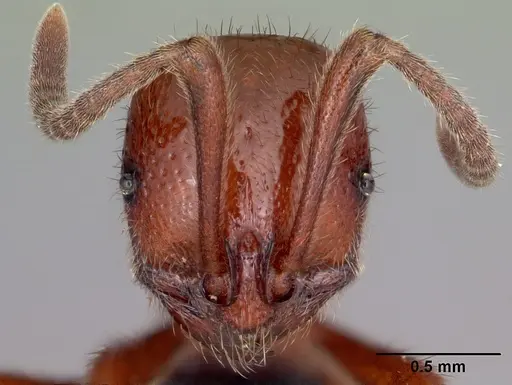
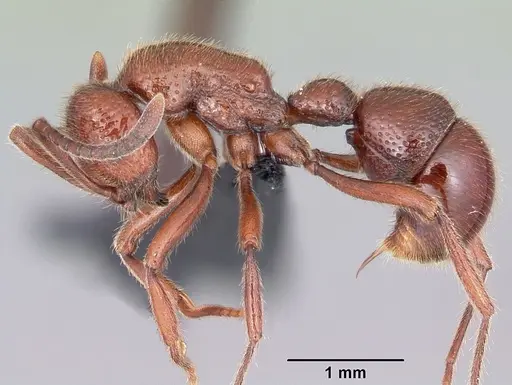
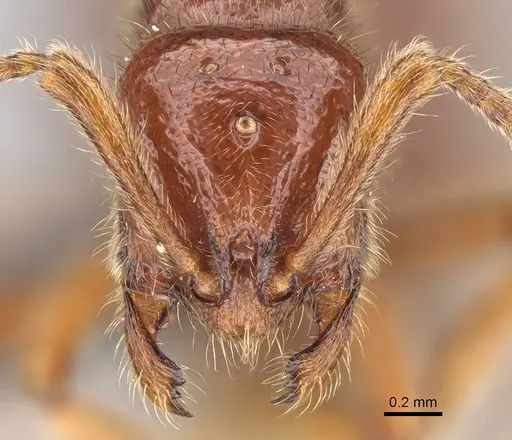
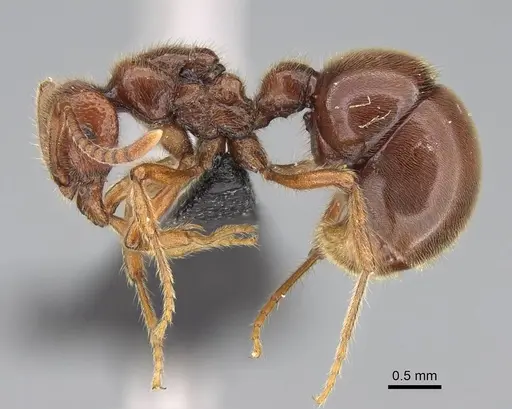
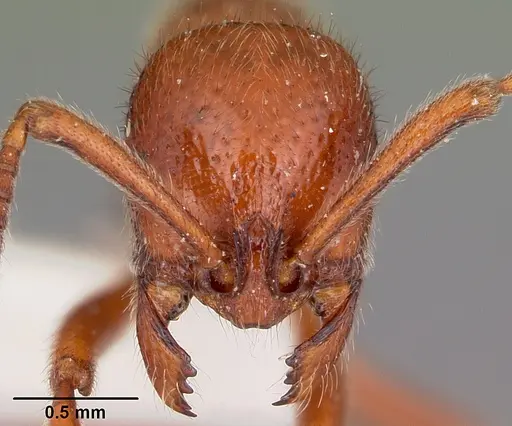
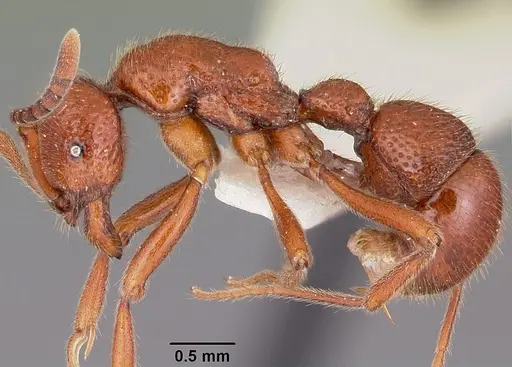
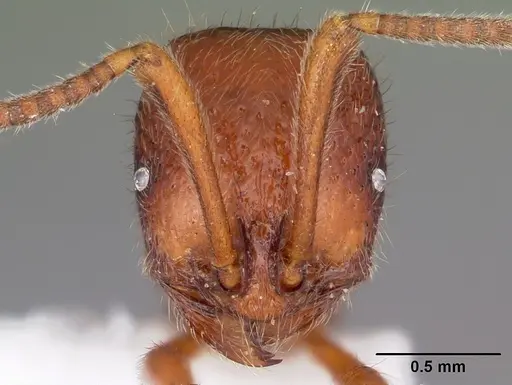
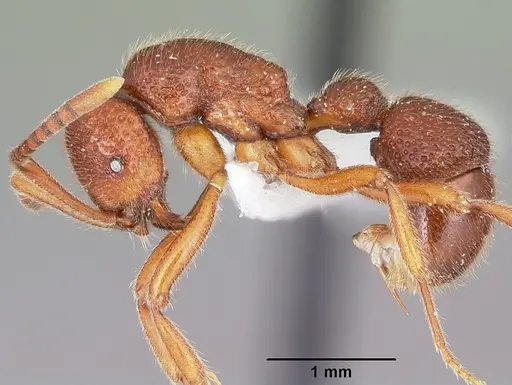
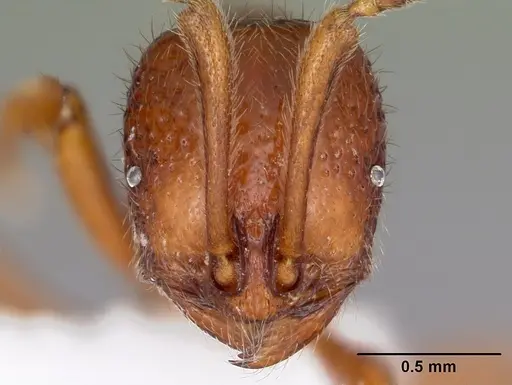
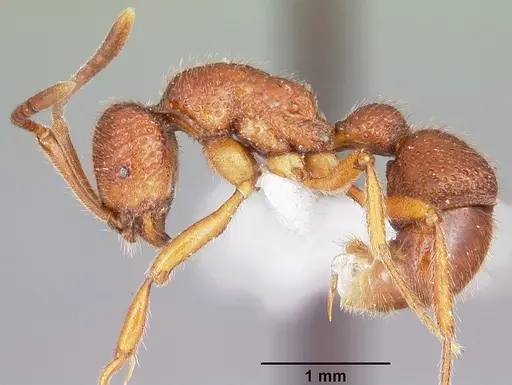
Proceratium avium is a rare forest ant endemic to the island of Mauritius. Workers are small at 4.5-4.8mm with a distinctive shiny appearance and sparse foveae (small depressions) on the body. They have unusually slender legs and a recurved gaster (abdomen that curves forward over the mesosoma). The head is longer than broad with distinctive frontal carinae. Color ranges from reddish to dark yellow-brown with slightly lighter legs. This species belongs to the avium group within the Stictum Clade and is known for its extremely specialized nesting biology, colonies nest exclusively in rot pockets of the endemic tree Nuxia verticillata (called bois maigre), with nest entrances 1.5-2 meters above ground. This is the largest colony size ever recorded for the genus Proceratium, with colonies reaching 352 workers. The species has ergatoid queens (wingless replacement queens) and forages primarily for spider eggs, which they carry in their mandibles.
Quick Summary
- Difficulty: Expert
- Origin & Habitat: Endemic to Mauritius, found only in the native forest patches on Le Pouce mountain at 700-800m elevation. This is one of the rarest ant species in the world with a potentially extremely restricted range, possibly limited to a single forest patch [1][2].
- Colony Type: Single-queen colonies with ergatoid (wingless) replacement queens documented. The largest recorded colony had 352 workers with one ergatoid queen and no males, this is the largest colony size ever recorded for the genus Proceratium [1][2]. Dispersal is presumed to occur by budding with low dispersal ability.
- Colony: Monogyne
- Size & Growth:
- Queen: Ergatoid queens, wingless, smaller than typical alate queens [1]
- Worker: 4.48-4.78mm (TL), HL 1.05-1.12mm, HW 0.90-0.94mm [3]
- Colony: Up to 352 workers documented in single colony [1][2]
- Growth: Unknown, no captive breeding data available
- Development: Unknown, no development data available for this species. Related Proceratium species typically take several months. (No captive breeding data exists. This is one of the least-studied ants in captivity.)
- Antkeeping:
- Temperature: Unknown for this species. Based on Mauritius climate (tropical), aim for warm conditions around 24-28°C. No specific thermal studies exist.
- Humidity: Forest species requiring high humidity. Keep nest substrate consistently moist but not waterlogged. The rot pockets they naturally nest in would have stable, humid conditions.
- Diapause: Unknown, Mauritius is tropical with no cold winter. The species likely does not require hibernation, but seasonal slowdowns may occur.
- Nesting: Extremely specialized. In nature, they nest exclusively in rot pockets of Nuxia verticillata trees,1.5-2m above ground. Captive housing is challenging, they need a naturalistic setup with wood cavities or a carefully designed acrylic/plaster nest that mimics rot pocket conditions. Standard test tubes are likely unsuitable for this species.
- Behavior: Very cryptic and rarely seen. Workers are slow-moving and forage primarily for spider eggs, which they carry in their mandibles rather than supporting with the recurved gaster like some other Proceratium. They have been observed following Pristomyrmex bispinosus workers, possibly for protection or to exploit their foraging trails. The recurved gaster was not observed being used to plug nest entrances. Escape risk is moderate, workers are small but not extremely tiny. Temperament is non-aggressive. This is not a stinging species.
- Common Issues: Extreme rarity makes obtaining a colony nearly impossible, the species may be restricted to a single forest patch, No captive breeding data exists, keeping this species alive is extremely challenging without wild-caught colonies, Specialized diet (spider eggs) is difficult to replicate in captivity, Nesting requirements are highly specific, they need rot pockets in wood, not conventional formicarium setups, Wild-caught colonies may have parasites or fail to adapt to captive conditions, Low dispersal ability means populations are extremely isolated and vulnerable
Nesting Biology and Habitat
Proceratium avium has one of the most specialized nesting biology of any ant species. They nest exclusively in rot pockets (decayed areas) of the endemic tree Nuxia verticillata, locally called bois maigre. This tree is endemic to Mauritius and Reunion, and appears to be the sole nesting site for this species. The nest entrances are located 1.5-2 meters above ground, unusually high for ant nests. The rot pockets form naturally where high winds abrade the twisted and intertwined trunks and branches, creating damage points that decay over time. This explains why captive housing is so challenging, they cannot adapt to conventional nest types. In captivity, you would need to provide a naturalistic setup with wood cavities or a carefully designed nest that mimics these rot pocket conditions. The high elevation (700-800m) and closed forest vegetation create stable, humid conditions that must be replicated. [1][2][3]
Feeding and Diet
This species has an extremely specialized diet. Field observations show foragers returning to nests carrying spider eggs in their mandibles [1][4]. Unlike some other Proceratium species, they do not support the eggs with their recurved gaster, they simply carry them like cargo. This is their primary food source. Replicating this diet in captivity is extremely difficult. You would need to provide small spider eggs (which are nearly impossible to obtain regularly) or attempt to substitute with other small arthropod eggs. Other protein sources may be accepted experimentally, but success is uncertain. Sugar sources are unlikely to be accepted given their specialized predatory nature. This is not a species for keepers who want straightforward feeding schedules.
Colony Structure and Reproduction
Proceratium avium has ergatoid queens, wingless queens that develop from regular brood rather than alate (winged) reproductives. The largest documented colony (BLF12137) contained 352 workers, one ergatoid queen, and no males, this is the largest colony size ever recorded for any Proceratium species [1]. Collections made in May 1969 by Brown included males, suggesting males are produced seasonally. The presence of ergatoid queens means colony reproduction occurs through budding, the ergatoid queen leaves with workers to establish a new nest nearby, rather than through nuptial flights. This explains the observed low dispersal ability. The population may be restricted to a single forest patch at the base of Le Pouce's southeast peak, making this one of the most geographically restricted ant species in the world.
Distribution and Conservation Status
Proceratium avium is endemic to Mauritius, it is found nowhere else on Earth. All collections have come from Le Pouce mountain in the Moka Range, at approximately 750m elevation. The species may be restricted to a single forest patch at the base of the southeast peak [1]. This extreme restriction makes it potentially vulnerable to habitat loss. The similar coloration and general appearance to Pristomyrmex bispinosus suggests possible Müllerian mimicry (where two harmful species resemble each other for mutual protection). Foragers have been observed following P. bispinosus workers on multiple occasions, though the reason for this association is unclear. This is not a species you will find being sold, it is among the rarest ants in the world to keep.
Frequently Asked Questions
Can I keep Proceratium avium in a test tube?
No. This species nests exclusively in rot pockets of decaying wood in living trees. Test tubes and standard formicarium setups are completely unsuitable. You would need a naturalistic setup with wood cavities that mimic their natural rot pocket nesting sites. This is an expert-only species that has never been kept in captivity successfully to our knowledge.
What do Proceratium avium eat?
Their primary food is spider eggs, which workers carry in their mandibles. Replicating this diet in captivity is extremely difficult. Other small arthropod eggs may be accepted experimentally, but this is unconfirmed. Standard ant foods like sugar water or mealworms are unlikely to be accepted. This is not a species for casual feeding experiments.
How big do Proceratium avium colonies get?
The largest documented colony had 352 workers, this is the largest colony size ever recorded for the genus Proceratium. Most colonies will likely be smaller given their restricted range and specialized habitat requirements.
Are Proceratium avium good for beginners?
Absolutely not. This is an expert-only species that has never been successfully kept in captivity. They have extremely specialized nesting requirements (rot pockets in specific trees), a specialized diet (spider eggs), and are among the rarest ants in the world. There is no captive breeding data. Obtaining a colony is nearly impossible since they are endemic to a tiny area of Mauritius.
Do Proceratium avium queens have wings?
No. This species has ergatoid queens, wingless queens that develop from regular brood. Ergatoid queens serve as replacement reproductives if the primary queen dies, and they disperse by budding rather than nuptial flights. This explains their very low dispersal ability.
Does Proceratium avium need hibernation?
Unknown and unlikely. Mauritius is a tropical island with no cold winter. The species likely does not require a diapause period, though seasonal slowdowns may occur. There is no data on captive temperature requirements.
Where does Proceratium avium live in the wild?
Only on Mauritius, an island in the Indian Ocean. Specifically, they are found only on Le Pouce mountain in the Moka Range, at 700-800m elevation, in native forest. All nests have been found in rot pockets of the endemic tree Nuxia verticillata (bois maigre), with entrances 1.5-2 meters above ground.
Can I find Proceratium avium for sale?
No. This is one of the rarest ant species in the world. They are endemic to a potentially single forest patch on Mauritius and have never been established in captive breeding. Even finding wild colonies would require access to a protected area in Mauritius and specialized collecting permits.
Do Proceratium avium ants sting?
Proceratium ants have a stinger, but it is very small and not powerful enough to penetrate human skin. They are not considered dangerous. Their primary defense is their cryptic lifestyle and the recurved gaster (though this was not observed being used to plug nest entrances).
How long do Proceratium avium workers live?
No data exists on worker lifespan. Like other Proceratium species, they are likely long-lived given their slow colony growth and specialized lifestyle, but exact lifespans have not been studied.
References

This caresheet is licensed under CC BY-SA 4.0 .
CASENT0003315
View on AntWeb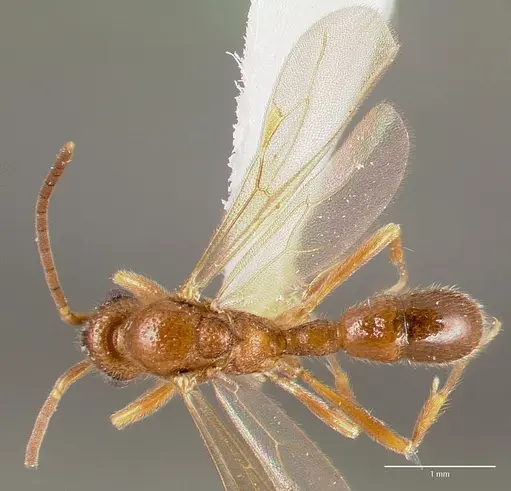
CASENT0003316
View on AntWeb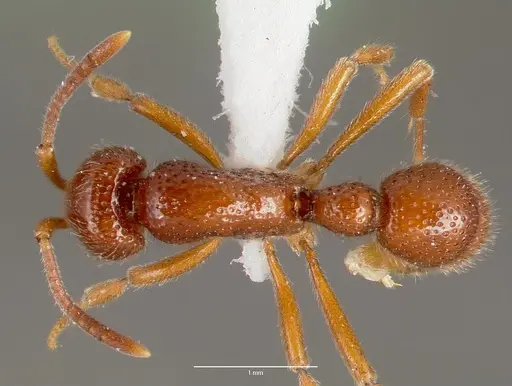
CASENT0059012
View on AntWeb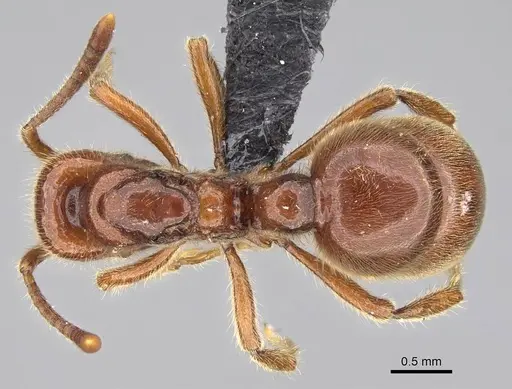
CASENT0059014
View on AntWeb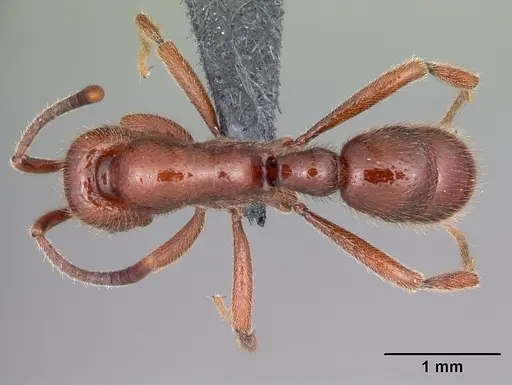
CASENT0059019
View on AntWeb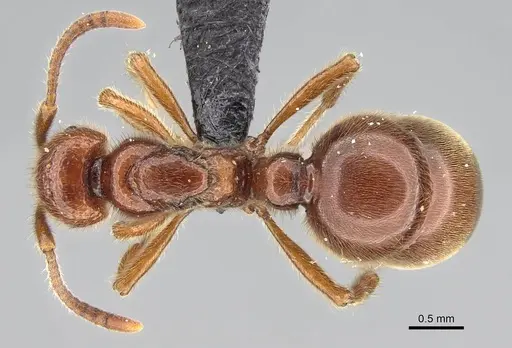
CASENT0101676
View on AntWeb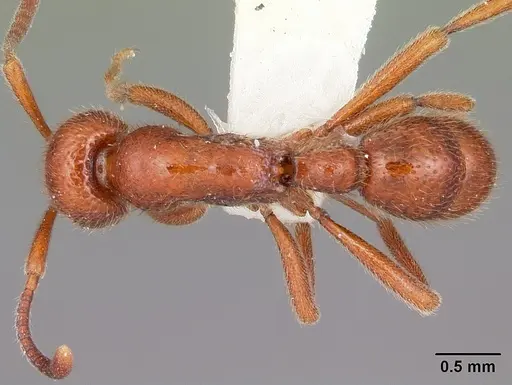
CASENT0102214
View on AntWeb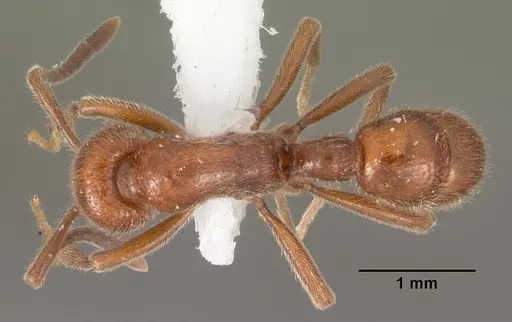
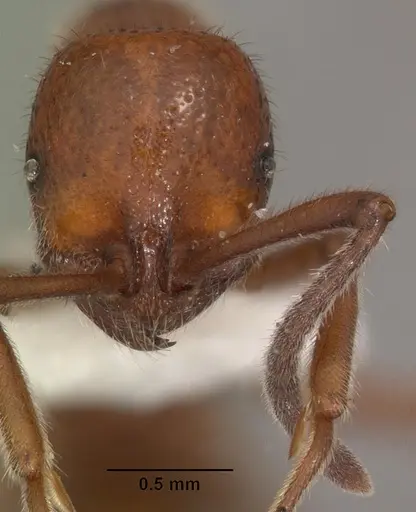
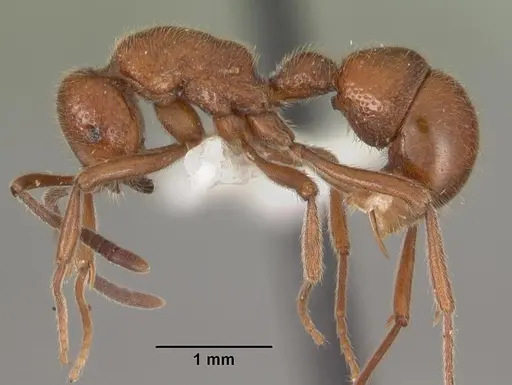
MCZTYPE32216
View on AntWeb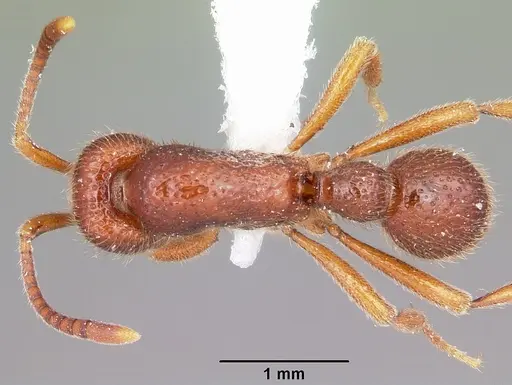
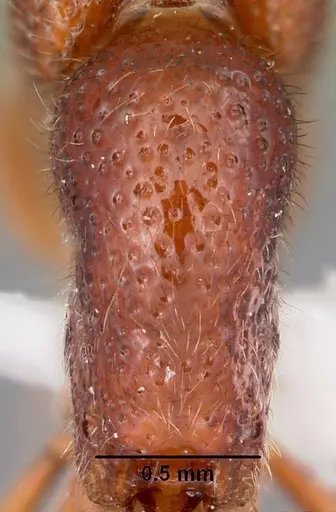
MCZTYPE35017
View on AntWeb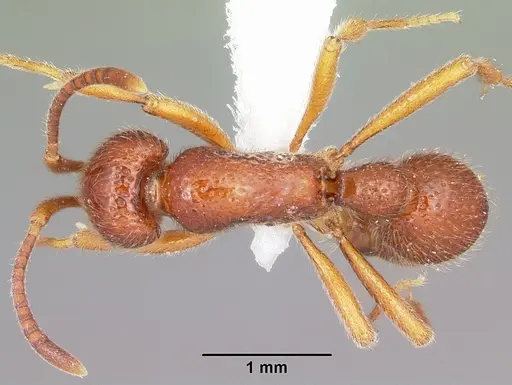

Literature
Loading...Loading products...