Prionopelta antillana - "Antillean Dracula Ant"
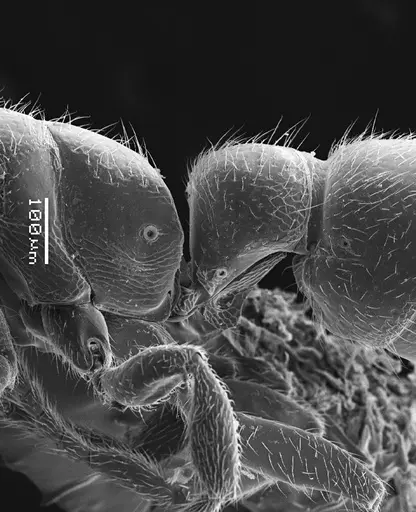
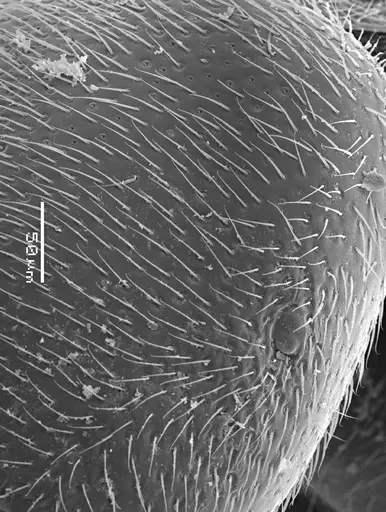
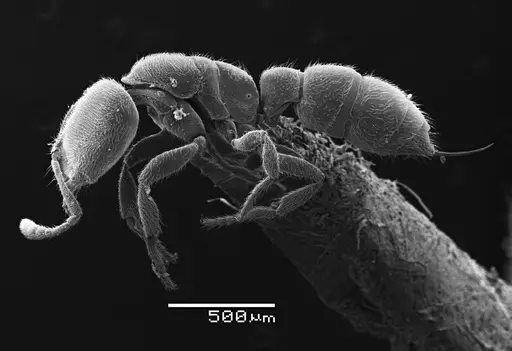
Prionopelta antillana is a small, typically brown or yellowish to reddish-brown ant species, usually around 2mm in length. They are characterized by their unique triangular mandibles armed with three teeth, and minute to absent eyes. Their petiole (waist segment) is broadly attached to the gaster, and their antennal sockets are exposed. These ants are part of the Amblyoponinae subfamily, also known as Dracula ants, and workers may exhibit a slight undulating or wriggling movement, which can help distinguish them from similar-looking ants like some Solenopsis species. While little is specifically known about the ecology of P. antillana, closely related species are known to feed on small soil arthropods.
- Difficulty: Medium
- Origin & Habitat: Neotropical (likely South America), Lesser Antilles, Central America. Introduced to Florida, USA. in Decaying wood, abandoned termite mounds, sifted soil, leaf litter. Also found in tropical dry forest fragments and cocoa plantations..
- Colony Type: Monogyne or Polygyne (based on related species), claustral (based on typical ponerinae behavior, though specific info for this species is limited) founding.
- Size & Growth:
- Queen: Not specified
- Worker: 2-2mm
- Colony: Small (hundreds). Slow growth.
- Antkeeping:
- Temperature: Room temperature to slightly warmer (around 22-26°C) should be suitable, mimicking their tropical and subtropical origins..
- Humidity: High humidity is crucial, as they naturally inhabit damp environments like rotting wood and leaf litter. Aim for 70-90% humidity within the nest..
- Diapause: Not required. Not specified at Not specified.
- Nesting: Prefers nests that mimic their natural rotten wood or soil environments. Acrylic nests with a good hydration system, plaster, or natural setups with decaying wood or deep soil are ideal..
- Behavior: Low (towards handler), Medium (towards prey) aggressiveness.
- Common Issues: Humidity fluctuations, Lack of suitable live prey, Nest desiccation, Mold in nest (from excessive humidity without proper ventilation).
Keeping Prionopelta antillana in captivity can be a fascinating experience, primarily because these ants are quite cryptic in nature. They spend most of their lives hidden away in soil, under objects, or within decaying wood, making observation a bit of a challenge. To replicate their natural habitat, consider providing a nest with ample substrate they can tunnel through, such as a mix of soil and sand, or even pieces of rotten wood in a natural setup. This helps them feel secure and allows for their natural foraging and nesting behaviors.
Their diet primarily consists of small soil arthropods. For antkeepers, this means offering a variety of tiny live prey, such as springtails, small beetle larvae, or even tiny crickets. While they might sting and kill a wider range of arthropods, they are quite selective about what they actually consume, so don't be discouraged if they ignore some offerings. It's vital to provide fresh prey regularly, as these ants are predators and need a consistent protein source for colony growth.
Humidity is paramount for Prionopelta antillana. Coming from tropical and subtropical regions, they thrive in damp conditions. Maintaining a high level of moisture within their formicarium is not just a recommendation, it's a necessity for their survival and the health of their brood. Consider using a nest material that retains moisture well, such as plaster, or ensure your acrylic setup has a reliable hydration system to prevent desiccation.
One interesting behavior noted in related Prionopelta species is the production of trophic eggs by workers, which are then given to the queen. This highlights a unique aspect of their colony dynamics and resource allocation. While not directly observable for P. antillana in detail, it suggests a complex internal social structure within these seemingly simple colonies. Observing any such behaviors, even rudimentary ones, can be a rewarding part of keeping this species.
Workers also exhibit a peculiar 'foot-dragging' behavior, which has been linked to dispersing a trail pheromone. While they are rarely seen foraging above ground, observing their movements within a semi-transparent setup might offer glimpses of this intriguing communication method. Their subterranean foraging habits mean that providing food directly into their nest chambers or in a foraging area with accessible substrate is likely to be more effective than expecting them to traverse an open outworld for food.
Frequently Asked Questions
What is the best type of formicarium for Prionopelta antillana?
For these fascinating ants, a formicarium that mimics their natural subterranean and decaying wood habitats is ideal. Acrylic nests with good hydration, plaster setups, or even natural soil and wood setups are highly recommended. The key is stable humidity and plenty of substrate for them to dig through.
What do Prionopelta antillana eat?
These Dracula ants are predatory, so their diet mainly consists of small live arthropods. Think springtails, tiny beetle larvae, or even minuscule crickets. Offering a variety is a good strategy, as they can be quite particular about what they consume.
Do Prionopelta antillana need a diapause?
No, Prionopelta antillana typically does not require a diapause period. They originate from tropical and subtropical climates where temperatures are consistently warm, so maintaining stable temperatures year-round is usually best for their colony's health and continuous development.
How big do Prionopelta antillana colonies get?
While specific numbers for P. antillana are limited, related Prionopelta species tend to form smaller colonies, often in the hundreds rather than thousands. Expect a modest-sized colony, making them a great choice for keepers with limited space.
Are Prionopelta antillana hard to keep?
They are considered a 'medium' difficulty species. While not exceptionally challenging, their specific humidity needs and dietary preferences for live prey require more attention than some beginner-friendly species. Consistent care in these areas will lead to a thriving colony.
Do Prionopelta antillana sting?
Yes, Prionopelta antillana workers do possess a sting. However, they are not typically aggressive towards handlers and their sting is generally considered mild, primarily used for subduing their small prey.
What temperatures are best for Prionopelta antillana?
Aim for typical room temperatures, ideally between 22-26°C. Consistent warmth helps promote healthy colony activity and brood development, mirroring their natural tropical environment.
How often should I feed my Prionopelta antillana colony?
Given their predatory nature and preference for live food, it's best to offer small amounts of appropriate prey every few days. Observe how quickly they consume the offerings and adjust the frequency accordingly to avoid waste or mold.
What are common problems when keeping Prionopelta antillana?
The most frequent challenges include maintaining adequate humidity, preventing nest desiccation, and ensuring a consistent supply of suitable live prey. Mold can also be an issue if humidity is too high without proper ventilation.
Can Prionopelta antillana live with multiple queens?
While the specific data for P. antillana is limited, closely related Prionopelta species can be either monogyne (single queen) or polygyne (multiple queens). This suggests the possibility of keeping multiple queens together, but it's always best to research or observe specific colony dynamics if attempting pleometrosis.
Do Prionopelta antillana forage above ground?
Workers of Prionopelta species are rarely seen foraging above ground. They primarily forage in leaf litter or other cryptic, subterranean environments. This means providing food directly within their nest or a closely connected, dark foraging area will yield better results.
What kind of substrate do Prionopelta antillana prefer?
These ants prefer substrates that mimic their natural nesting sites, such as sifted soil, leaf litter, sand, or decaying wood. In a formicarium, a mix of sand and loam or a setup with rotten wood inserts would be excellent choices for their tunneling and nesting needs.
Are Prionopelta antillana invasive?
Prionopelta antillana has been introduced to some areas, such as Florida, USA, from its native range in the Neotropics. However, it is generally not considered a significant pest species.