

Prionopelta opaca
- Scientific Name
- Prionopelta opaca
- Tribe
- Amblyoponini
- Subfamily
- Amblyoponinae
- Author
- Emery, 1897
- Distribution
- Found in 5 countries
Prionopelta opaca Overview
Prionopelta opaca is an ant species of the genus Prionopelta. It is primarily documented in 5 countries , including Australia, Micronesia, Federated States of. Detailed taxonomic data and occurrence records can be further explored via authoritative databases such as AntWeb or the Global Biodiversity Information Facility (GBIF).
Prionopelta opaca
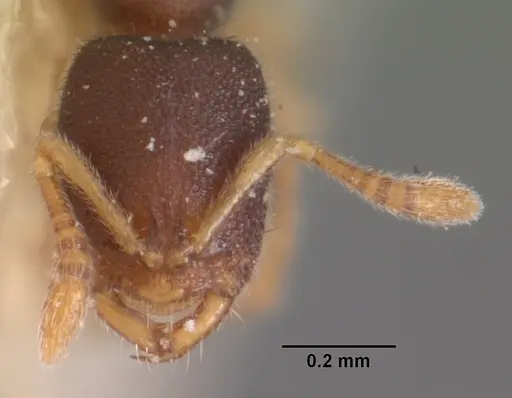
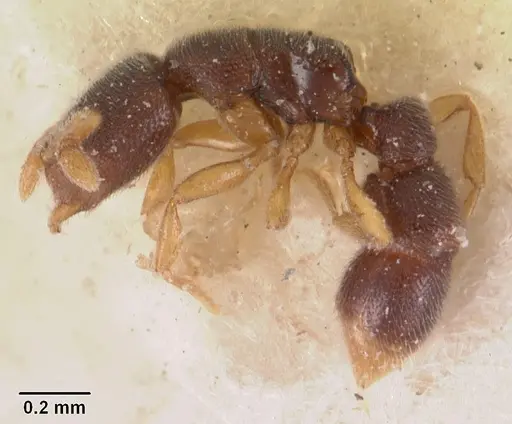
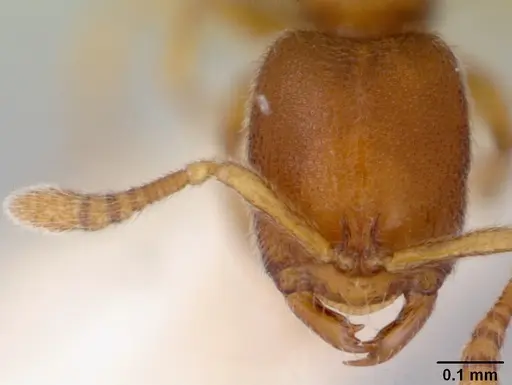
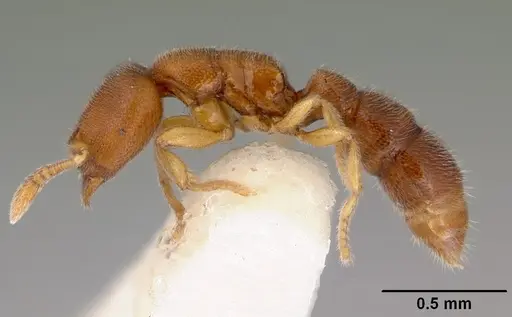
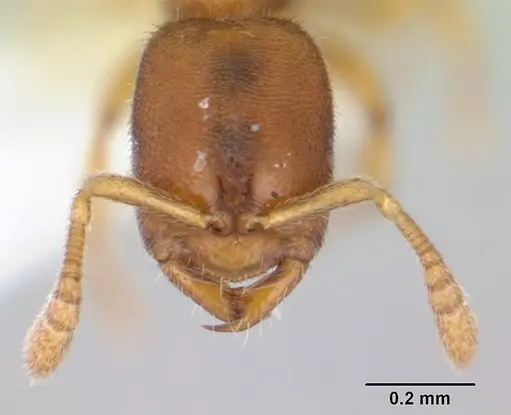
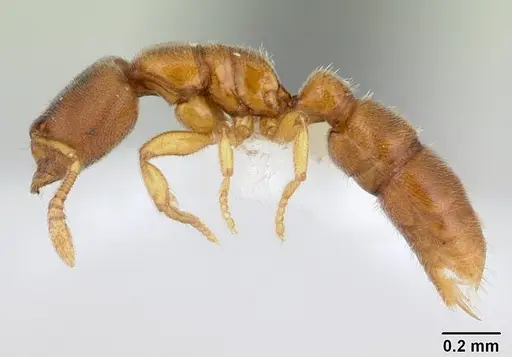
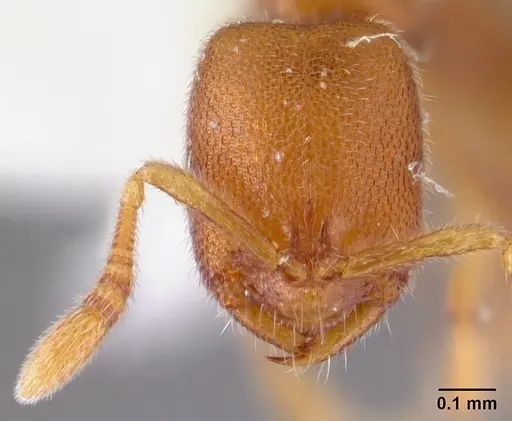
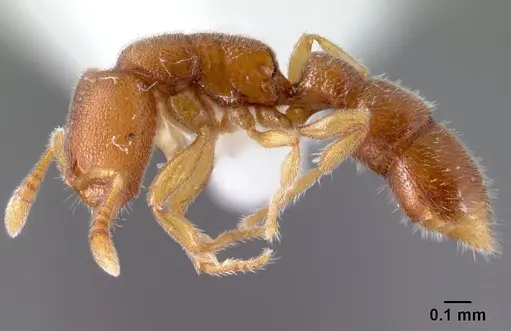
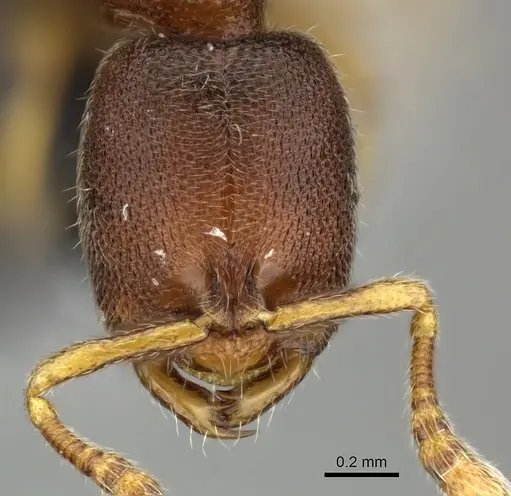
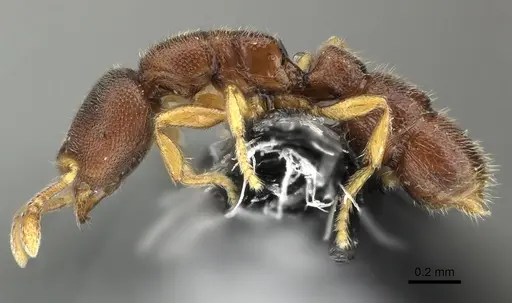
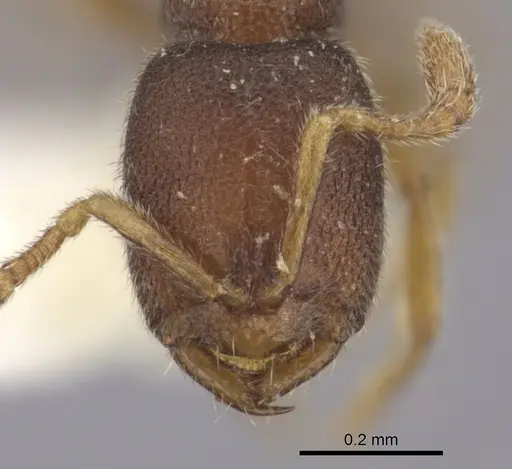
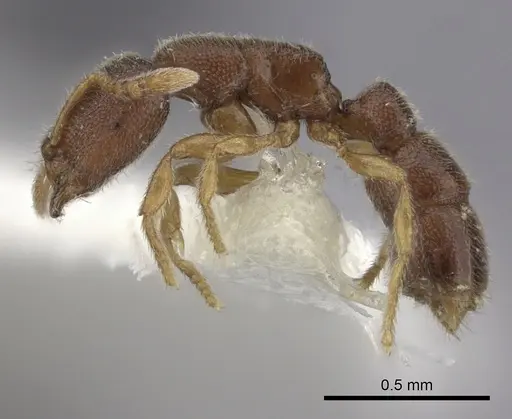
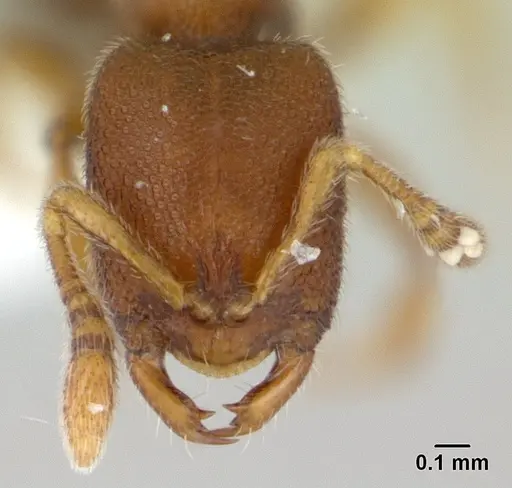
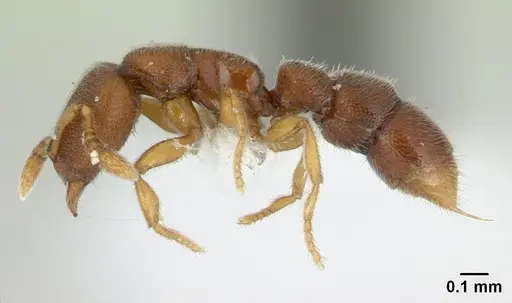
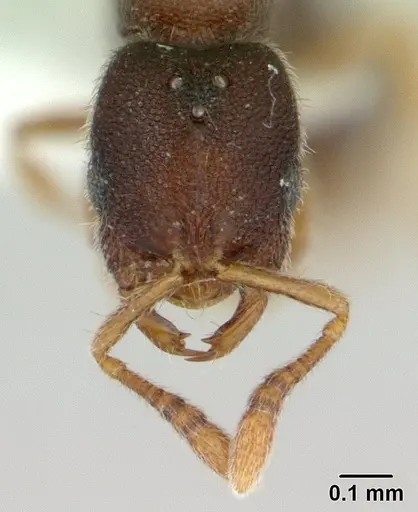
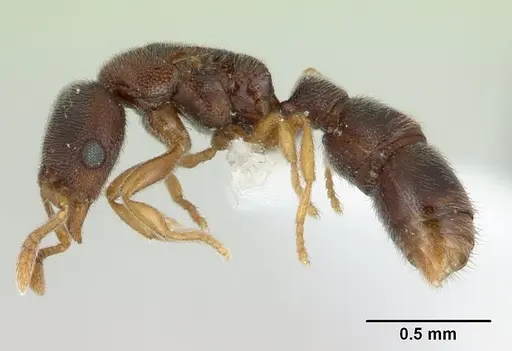
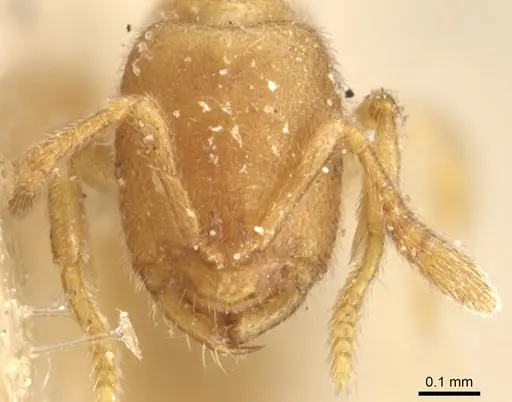
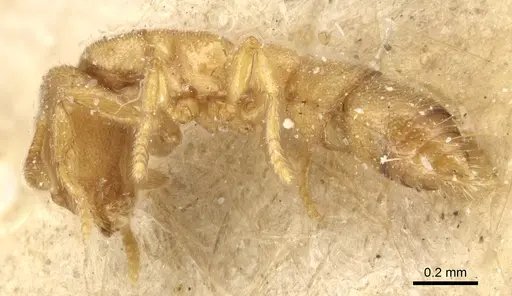
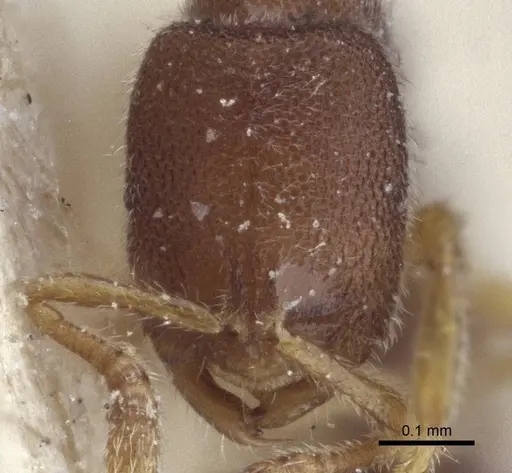
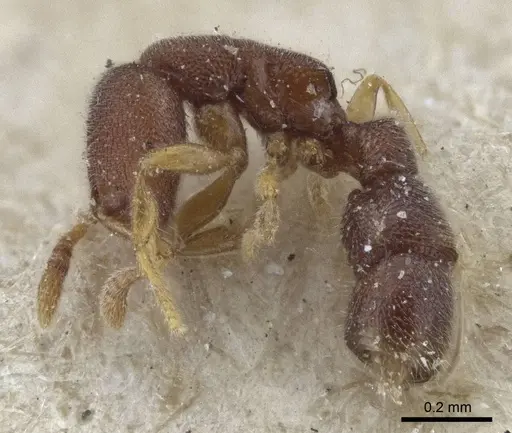
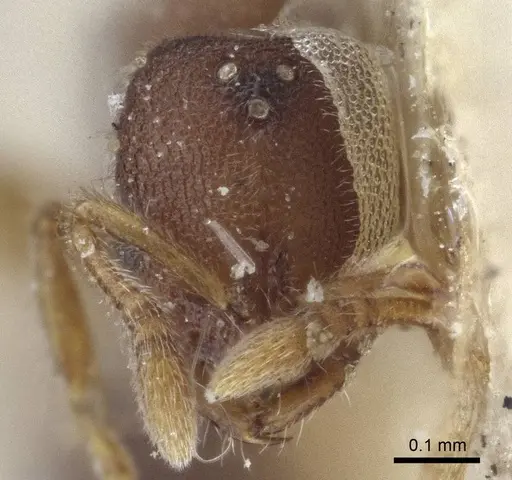
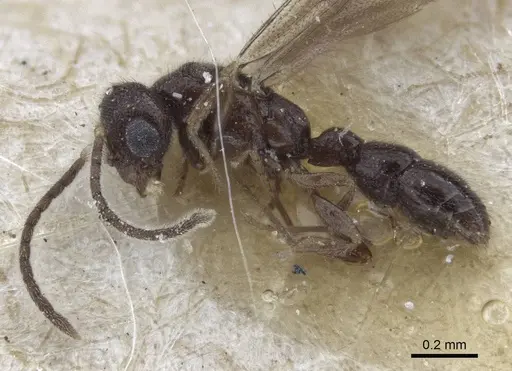
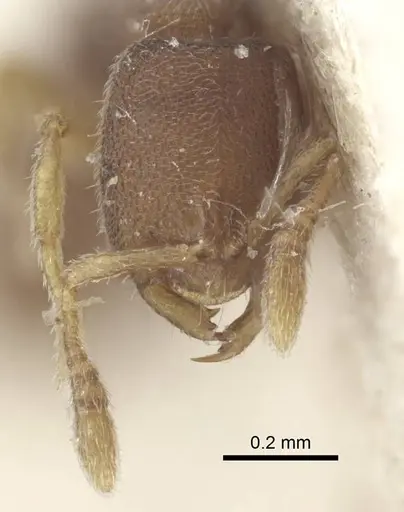
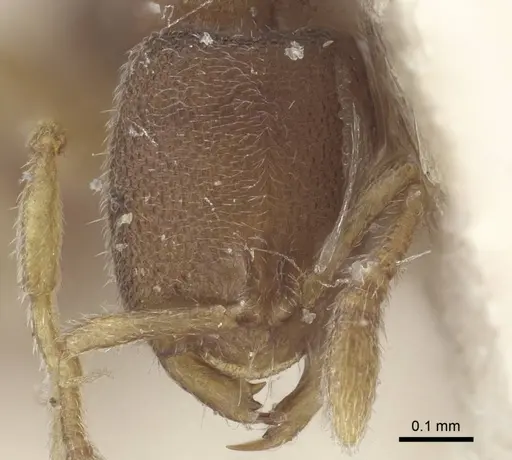
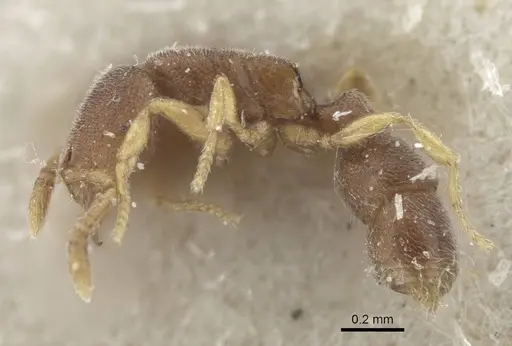
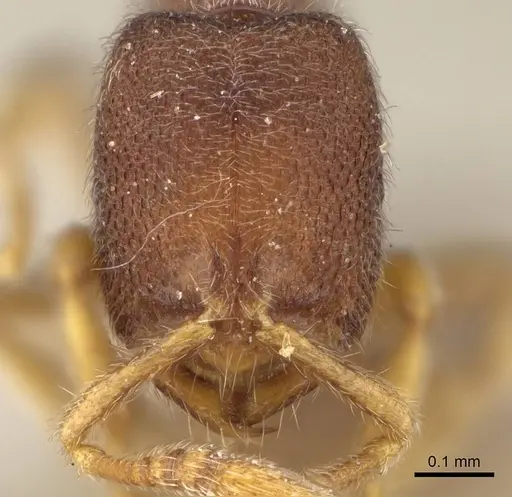
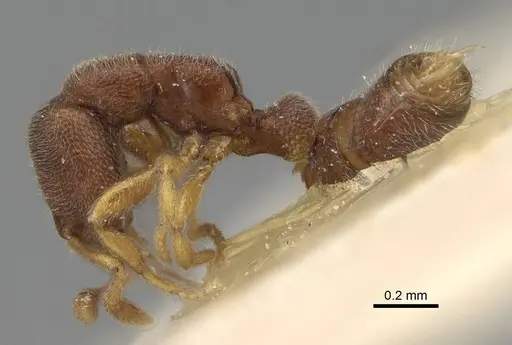
Prionopelta opaca is a tiny rainforest ant from the Amblyoponinae subfamily, native to Papua New Guinea, Micronesia, Palau, and the Solomon Islands. Workers are among the smallest ants you'll encounter, measuring just 0.37-0.41mm in head width with a yellow-red to red-brown coloration and a slightly shiny body surface due to weaker sculpturing [1]. These ants live in some of the wettest environments in their range, mid- to high-elevation rainforest floors where they nest in soil under objects and in rotting wood [2][1]. What makes this species interesting is its cryptic lifestyle, it's most often encountered when sifting through leaf litter on the forest floor, making it a true hidden treasure for ant enthusiasts who enjoy finding tiny species [3].
Quick Summary
- Difficulty: Medium
- Origin & Habitat: Papua New Guinea, Micronesia (Kosrae, Pohnpei), Palau, and Solomon Islands. Found in wet rainforest habitats at mid- to high elevations, living in leaf litter on the forest floor [2][1][4].
- Colony Type: Colony structure is unconfirmed. Workers have been collected individually from leaf litter samples, suggesting small colony sizes typical of cryptic leaf-litter ants [1].
- Size & Growth:
- Queen: Unconfirmed, no specific measurements available for queens in the research data
- Worker: 0.37-0.41mm head width,0.47-0.52mm head length [1]
- Colony: Likely small, typical of leaf-litter ant species, likely under 100 workers based on genus patterns [3]
- Growth: Unknown, no development data available
- Development: Unconfirmed, no direct measurements available. Based on typical Amblyoponinae patterns, estimate 6-10 weeks at warm temperatures. (Development timeline has not been directly studied. Related Amblyoponinae species typically develop in 6-10 weeks at optimal temperatures.)
- Antkeeping:
- Temperature: Keep warm, around 24-28°C. This species comes from wet tropical rainforests where temperatures are consistently warm year-round [2]. A gentle gradient allowing workers to self-regulate is ideal.
- Humidity: High humidity is essential, think damp rainforest floor. Keep the nest substrate consistently moist but not waterlogged. Provide a water reservoir and maintain humidity around 70-80% [2]. These ants are found in very wet areas in mid- to high-elevation forest.
- Diapause: Unknown, being a tropical species from consistent wet environments, they likely do not require a diapause period. Maintain stable warm conditions year-round.
- Nesting: Provide a naturalistic setup with moist substrate. These ants naturally nest in soil under objects and in rotting wood [1]. A Y-tong or plaster nest with small chambers works well, or a naturalistic setup with damp soil and hiding spots like flat stones or cork bark.
- Behavior: These ants are cryptic and slow-moving, spending most of their time in the leaf litter layer. They are likely predatory on small micro-arthropods like springtails and mites, typical of Amblyoponinae behavior. Workers are tiny but not particularly aggressive or defensive. Escape prevention is critical due to their very small size, they can squeeze through the tiniest gaps. They are not known to be stingers of concern to humans.
- Common Issues: escape prevention is critical due to their tiny size, use fine mesh and tight-fitting barriers, high humidity requirements can lead to mold problems if ventilation is inadequate, slow growth and small colony sizes mean beginners may lose patience, tropical species may decline if temperatures drop below room temperature, wild-caught colonies from leaf litter may have parasites that affect survival
Housing and Nest Setup
Prionopelta opaca requires a setup that recreates the damp rainforest floor environment they naturally inhabit. These tiny ants are best kept in a naturalistic terrarium-style setup with a deep layer of moist substrate (coconut fiber or a soil mix) where they can create small chambers. You can also use a Y-tong or plaster nest with small chambers, but ensure the nest material stays consistently damp. Provide hiding spots like flat stones, pieces of bark, or artificial leaves on the substrate surface. Because they are so small, even standard test tube setups may be too large for them to feel secure, consider using very small containers or filling test tubes partially with cotton to create a snugger chamber. Whatever setup you choose, maintain high humidity and ensure escape prevention is excellent. [1][2][3]
Feeding and Diet
Like other Amblyoponinae ants, Prionopelta opaca is likely predatory on small invertebrates. In captivity, offer small live prey such as springtails, tiny mites, or fruit fly larvae. These ants are too small to tackle typical ant feeder insects, so focus on micro-prey. You might also try offering tiny pieces of protein-rich foods like crushed mealworms or fish flakes, but acceptance is uncertain. Sugar sources may be accepted occasionally, but don't rely on them as a primary food source. Feed small amounts every few days and remove any uneaten prey to prevent mold in the humid environment. The key is offering appropriately-sized live prey that matches their tiny mandibles. [3]
Temperature and Humidity
This species requires warm, humid conditions to thrive. Maintain temperatures in the 24-28°C range, which mimics their native mid- to high-elevation rainforest habitat in Papua New Guinea and Micronesia [2]. Room temperature may be sufficient if your home is naturally warm, otherwise use a gentle heat source like a heating cable on one side of the enclosure to create a gradient. Humidity should be kept high, aim for 70-80% relative humidity. The substrate should feel consistently damp but never waterlogged. Mist the enclosure occasionally and use a water reservoir in your nest setup. Good ventilation is important to prevent mold, but avoid excessive airflow that will dry out the setup. These ants are from very wet areas and will not tolerate dry conditions.
Behavior and Temperament
Prionopelta opaca is a cryptic, slow-moving species that spends most of its time hidden in the leaf litter layer. Workers are tiny and not particularly aggressive or defensive. They are not known to sting humans in any meaningful way. In the wild, they forage individually through the leaf litter, hunting small prey. In captivity, you will likely see most activity at night or when the enclosure is undisturbed. They are not escape artists in the traditional sense, but their tiny size means they can squeeze through gaps that larger ants cannot. Always use fine mesh and ensure all connections are sealed. Their small colony sizes and slow growth mean they are best suited for antkeepers who enjoy observing cryptic species rather than those wanting rapidly growing colonies. [1][3]
Colony Establishment
Establishing a colony of Prionopelta opaca can be challenging due to their cryptic nature and small colony sizes. If you acquire a queen (which is rarely found), she should be kept in a small, humid container with a small chamber of moist substrate. Based on typical Amblyoponinae patterns, she is likely claustral (seals herself in and lives off stored fat reserves), but this is not confirmed for this species. If you obtain workers, expect a small colony, likely under 100 individuals even at maturity. Growth will be slow, so patience is essential. These ants are best acquired from existing colonies rather than trying to find queens, as they are rarely encountered during nuptial flights and their mating behavior is unknown. [3]
Frequently Asked Questions
How long does it take for Prionopelta opaca to produce first workers?
The exact development timeline is unconfirmed, but based on typical Amblyoponinae patterns, expect around 6-10 weeks from egg to worker at optimal warm temperatures. This species has not been directly studied, so timelines may vary.
Can I keep Prionopelta opaca in a test tube?
You can use a test tube, but due to their tiny size, you may need to modify it by adding extra cotton to create a snugger chamber. A small container or naturalistic setup with moist substrate often works better for these tiny leaf-litter ants.
What do Prionopelta opaca ants eat?
They likely accept small live prey like springtails, tiny mites, and fruit fly larvae. They are too small for typical ant feeder insects. Small protein offerings may also be accepted, but live micro-prey is the most reliable food source.
Are Prionopelta opaca ants good for beginners?
This species is rated as Medium difficulty. Their high humidity requirements, tiny size, and slow growth make them better suited for antkeepers with some experience who can maintain consistent conditions.
Do Prionopelta opaca ants need hibernation?
Being a tropical species from consistently wet rainforest environments, they likely do not require hibernation. Maintain stable warm and humid conditions year-round.
How big do Prionopelta opaca colonies get?
Based on genus patterns for cryptic leaf-litter ants, colonies likely remain small, probably under 100 workers even at maturity. They are not known for large colony sizes.
Do Prionopelta opaca ants sting?
They are not known to sting humans in any meaningful way. Their tiny size and cryptic nature mean they pose no danger to keepers.
Why are my Prionopelta opaca dying?
Common causes include: temperatures dropping below 24°C, humidity being too low or too high (leading to mold), escape through tiny gaps, or lack of appropriately-sized live prey. Check that your setup maintains warm, humid conditions with excellent escape prevention.
When should I move Prionopelta opaca to a formicarium?
For this species, a naturalistic setup with moist substrate works well long-term. If you start with a founding setup, you can expand to a larger naturalistic terrarium once the colony reaches 20-30 workers.
Can I keep multiple queens together?
Colony structure is unconfirmed for this species. Combining unrelated queens has not been documented and is not recommended. Start with a single queen or colony.
References

This caresheet is licensed under CC BY-SA 4.0 .
CASENT0102528
View on AntWeb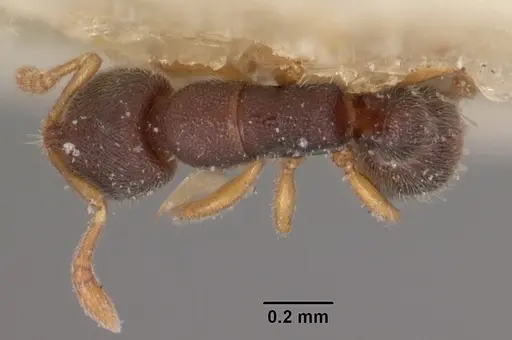
CASENT0172298
View on AntWeb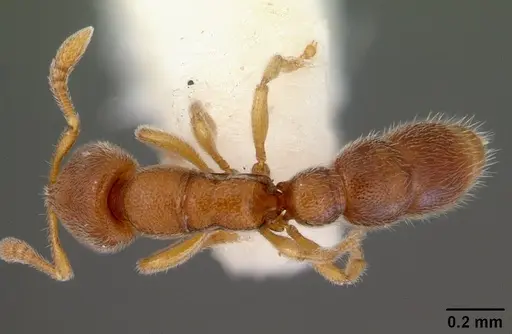
CASENT0173563
View on AntWeb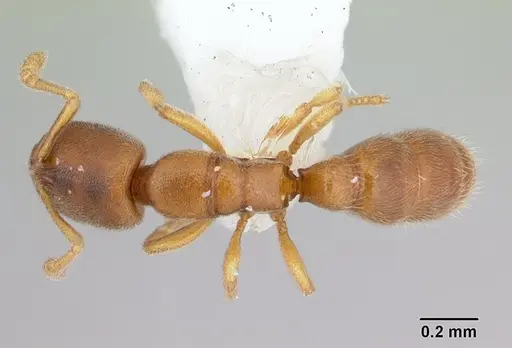
CASENT0178410
View on AntWeb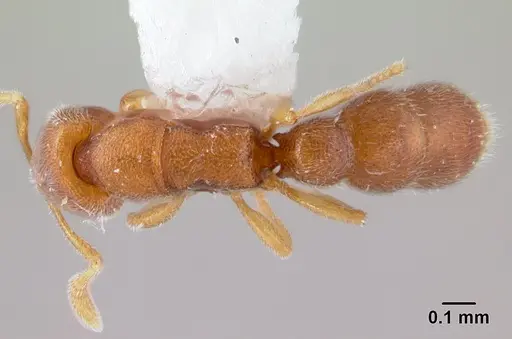
CASENT0219894
View on AntWeb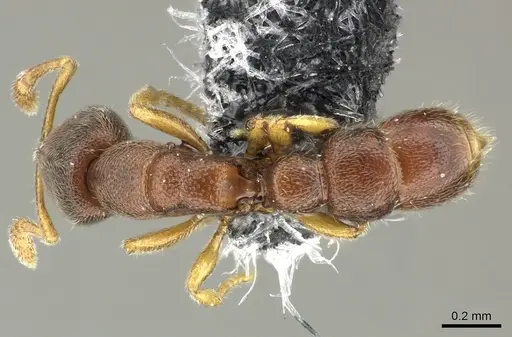
CASENT0260468
View on AntWeb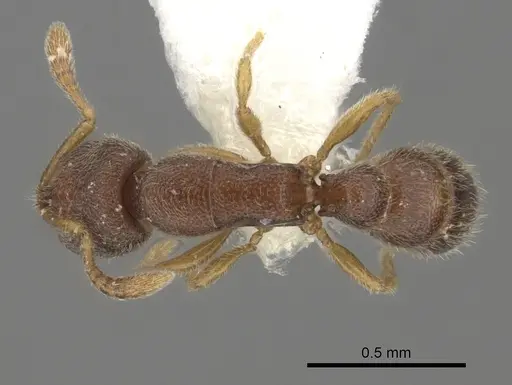
CASENT0434875
View on AntWeb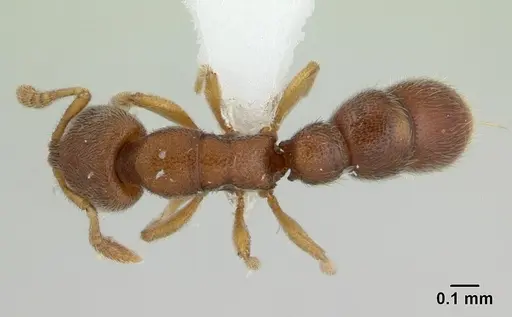
CASENT0434884
View on AntWeb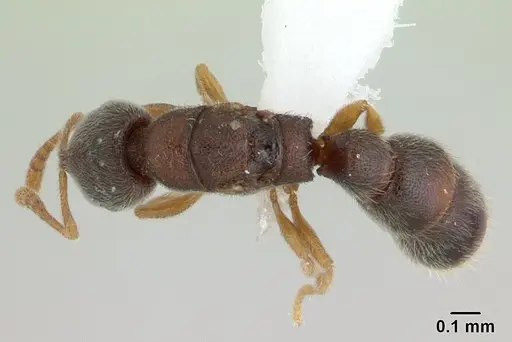
CASENT0903805
View on AntWeb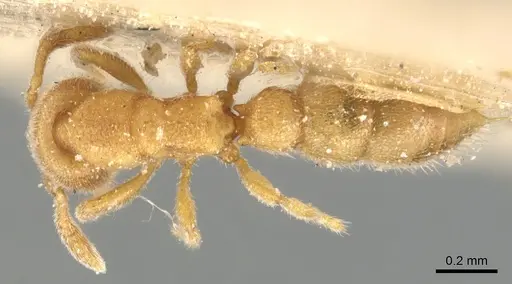
CASENT0916707
View on AntWeb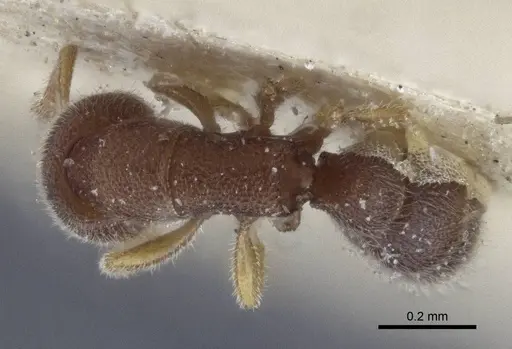
CASENT0916708
View on AntWeb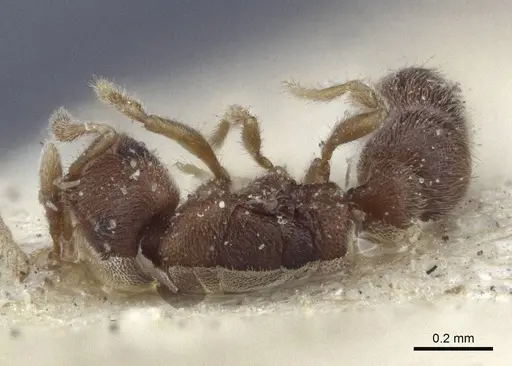
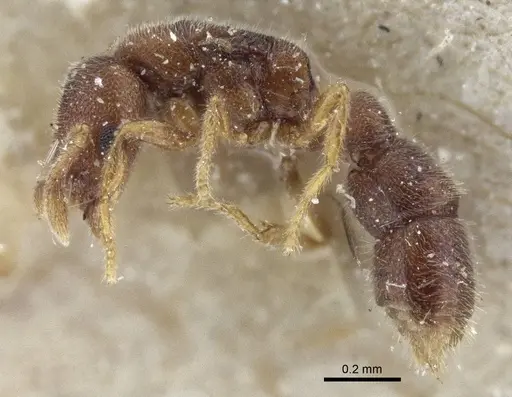
CASENT0916709
View on AntWeb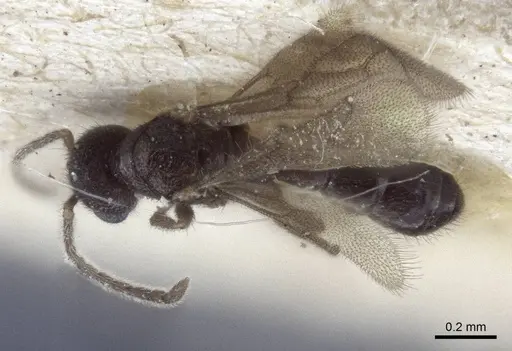
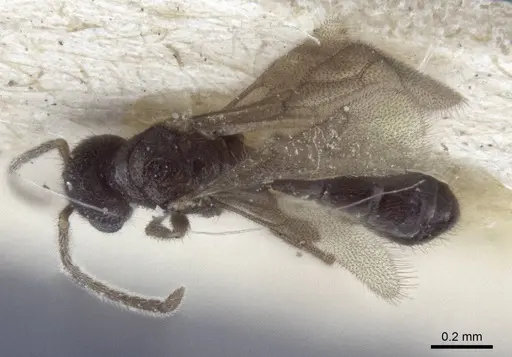
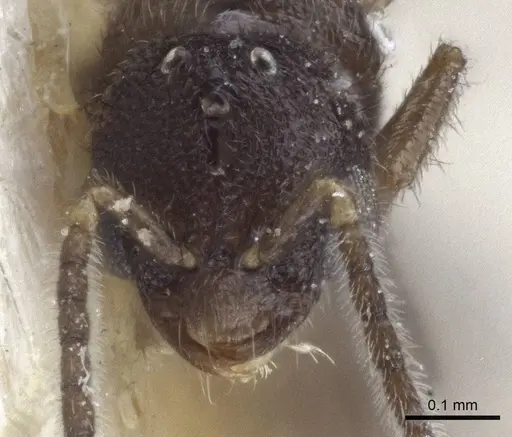
CASENT0916800
View on AntWeb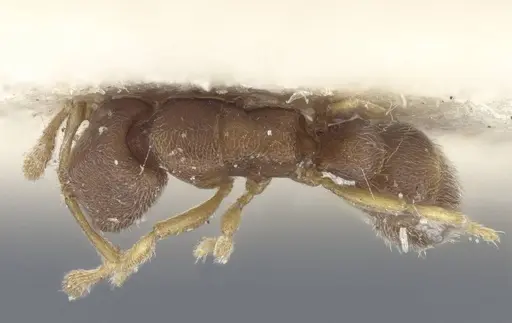
CASENT0922428
View on AntWeb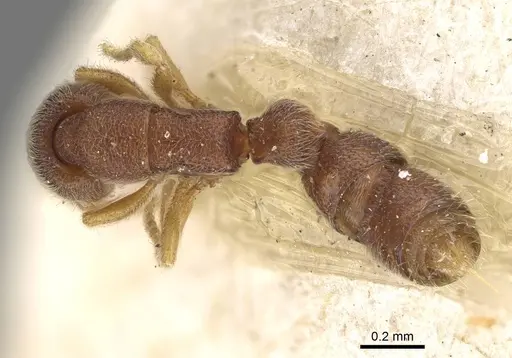
Literature
Loading...Loading products...