

Prionopelta nominata
- Scientific Name
- Prionopelta nominata
- Tribe
- Amblyoponini
- Subfamily
- Amblyoponinae
- Author
- Smith, 1871
- Distribution
- Found in 3 countries
Prionopelta nominata Overview
Prionopelta nominata is an ant species of the genus Prionopelta. It is primarily documented in 3 countries , including Indonesia, Papua New Guinea, Solomon Islands. Detailed taxonomic data and occurrence records can be further explored via authoritative databases such as AntWeb or the Global Biodiversity Information Facility (GBIF).
Prionopelta nominata
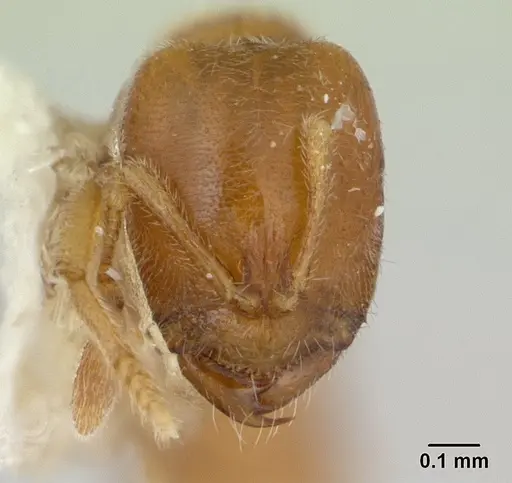
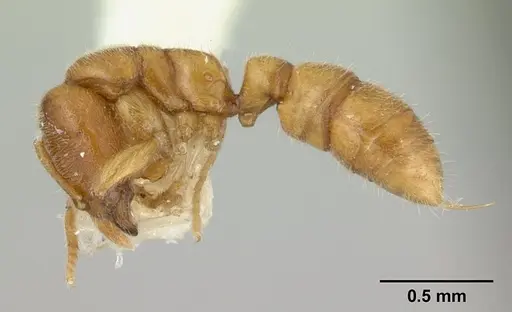
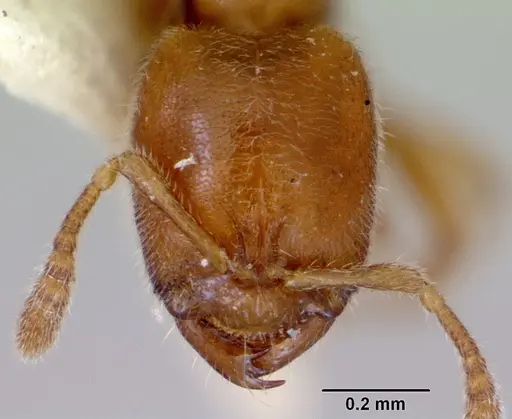
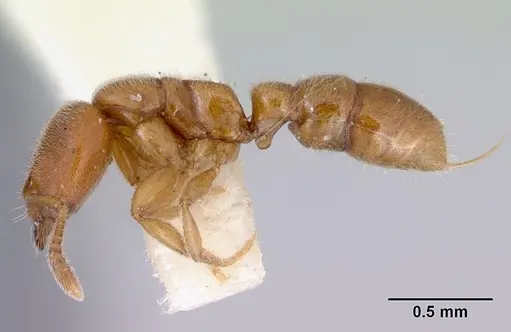
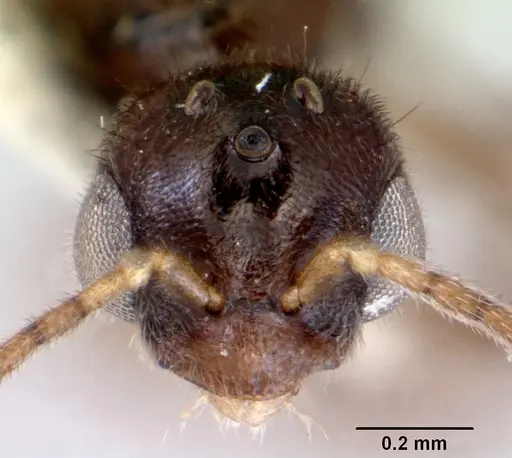
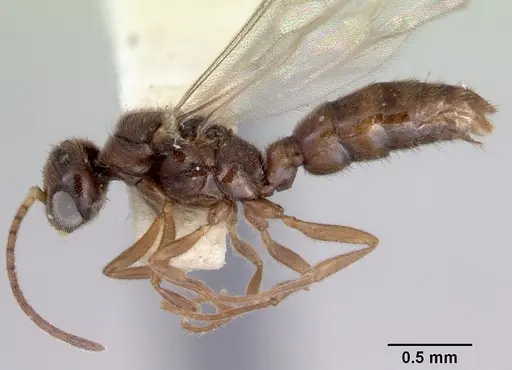
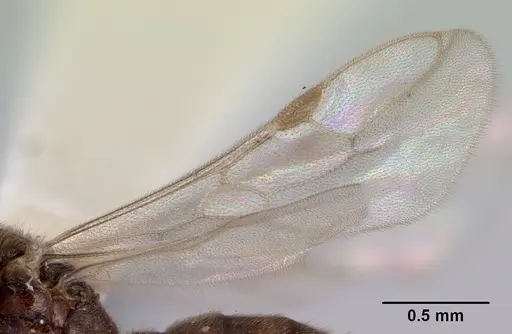
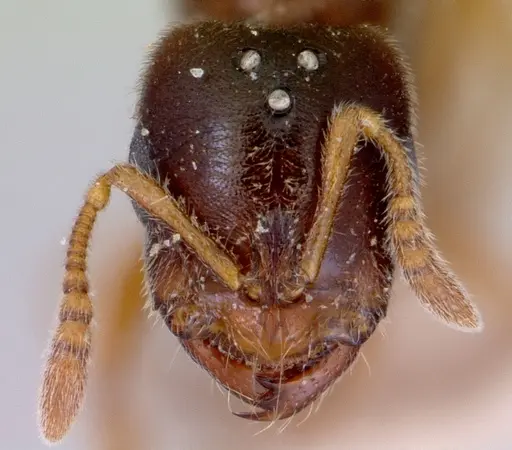
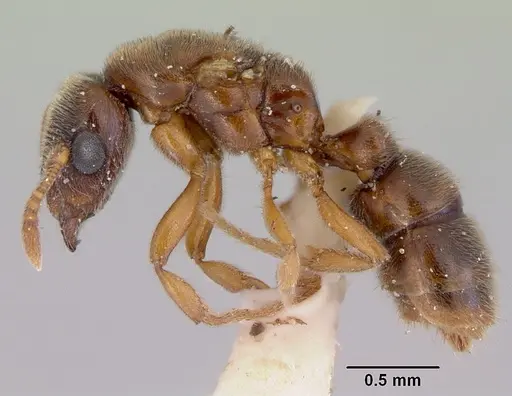
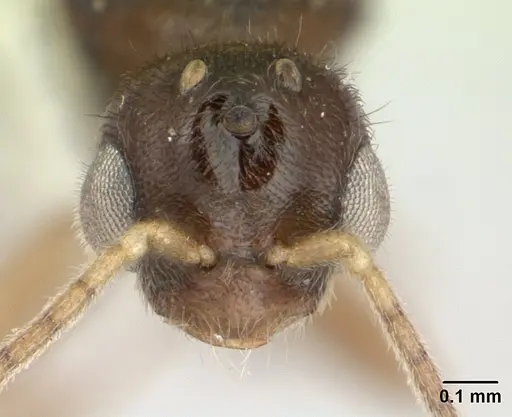
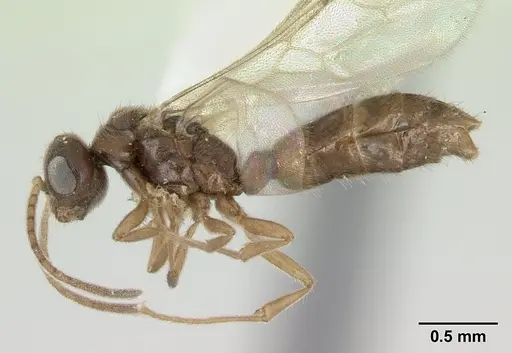
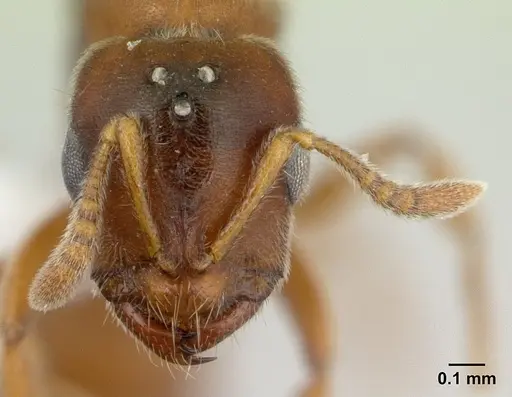
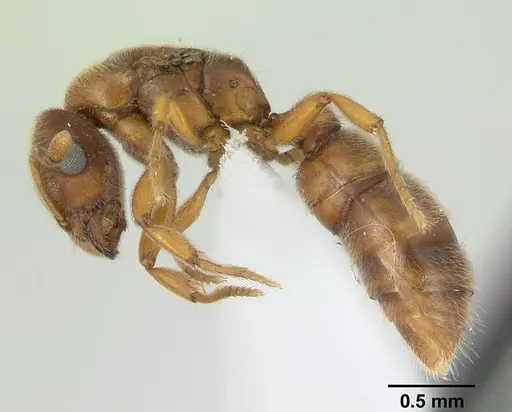
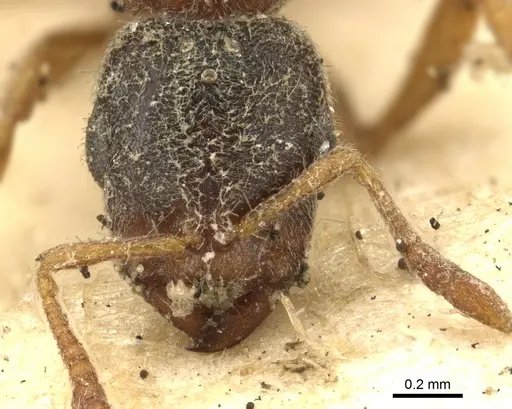
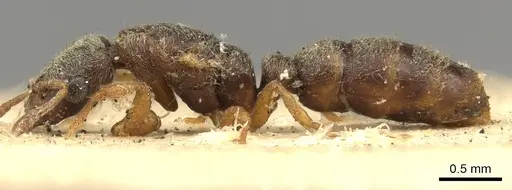
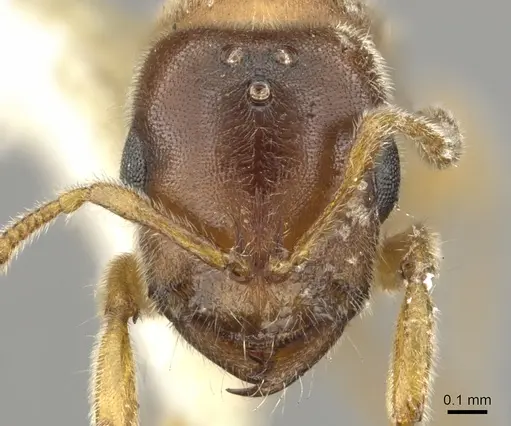
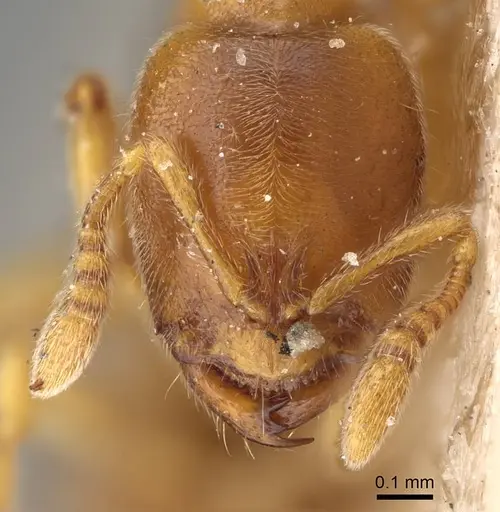
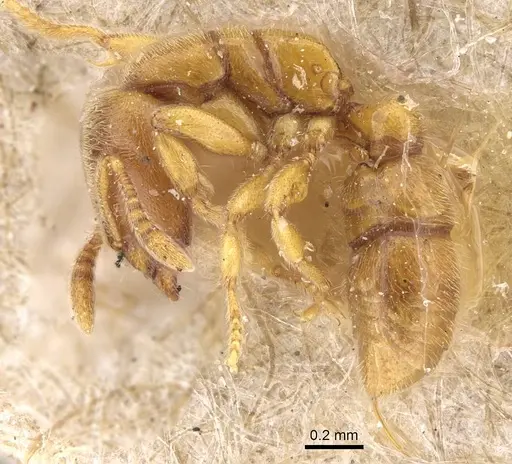
Prionopelta nominata is a tiny, pale yellow ant native to the rainforests of New Guinea and the Solomon Islands. Workers measure just 0.50-0.56mm in head width, making them among the smaller ants in the hobby [1]. They belong to the Amblyoponinae subfamily, a group of primitive ants known for their unusual colony structures and specialized behaviors. Queens are slightly larger, ranging to yellow-brown in color [1]. These ants nest in rotten wood in their natural habitat, preferring the damp, shaded microhabitats of tropical rainforest floors [1][2]. The genus Prionopelta is relatively rare in the antkeeping hobby, and this species represents an unusual opportunity to keep a genuinely uncommon ant from one of the most remote and biodiverse regions on Earth.
Quick Summary
- Difficulty: Medium
- Origin & Habitat: Rainforests and coral limestone areas of New Guinea, Indonesia (Irian Jaya), Papua New Guinea, and the Solomon Islands. Nests have been found in rotten wood [1][2].
- Colony Type: Colony structure is unconfirmed. The Amblyoponinae subfamily includes species with various systems including monogyne colonies and gamergate reproduction, but specific data for P. nominata is lacking.
- Size & Growth:
- Queen: Approximately 0.5-0.6mm head width, slightly larger than workers [1]
- Worker: 0.50-0.56mm head width,0.61-0.69mm head length [1]
- Colony: Unknown, but likely small to moderate based on tiny worker size
- Growth: Unknown, estimated moderate based on related Amblyoponinae species
- Development: Unconfirmed, estimates based on similar small tropical ants suggest 6-10 weeks at optimal temperature (Direct development data unavailable for this species. Small tropical ants typically develop faster than temperate species.)
- Antkeeping:
- Temperature: Keep at 24-28°C. As a tropical rainforest species, they need consistently warm conditions without temperature drops [1].
- Humidity: High humidity is essential. These ants naturally live in damp rotten wood in rainforests, keep the nest substrate consistently moist but not waterlogged. Provide a humidity gradient so ants can choose their preferred zone.
- Diapause: Unlikely, as a tropical species from consistent climates, they probably do not require a true diapause. However, a slight reduction in temperature during cooler months may be appropriate.
- Nesting: Provide a moist nesting environment that mimics rotten wood. Y-tong (AAC) nests with tight chambers work well, or a naturalistic setup with damp wood/soil. Tight chambers scaled to their tiny size are essential.
- Behavior: These ants are tiny and likely cryptic, spending most of their time within the nest or in tightly confined spaces. Their small size and pale coloration suggest they are adapted for life in dark, humid microhabitats. Escape prevention is critical, their tiny size means they can squeeze through standard barrier gaps. Foraging style is unknown but likely involves short-range hunting for small prey within the nest cavity. Defensive capabilities are minimal due to their tiny size.
- Common Issues: escape prevention is critical, they are extremely small and can squeeze through the tiniest gaps, high humidity requirements can lead to mold if ventilation is poor, wild-caught colonies may be difficult to establish due to unknown founding requirements, slow colony growth may lead to keeper impatience and overfeeding, tropical species may not tolerate temperature drops below 20°C
Housing and Nest Setup
Prionopelta nominata requires a moist, enclosed nesting environment that mimics their natural habitat in rotting wood. A Y-tong (AAC) formicarium with tight-fitting chambers works well, or you can create a naturalistic setup using damp rotten wood pieces. The chambers should be small and scaled to their tiny size, these are very small ants, so standard formicarium passages may be too large. Keep the nest substrate consistently moist but never waterlogged. A water reservoir or regular misting helps maintain humidity. Place the nest in a dark location or cover it, as these cryptic ants prefer dim conditions. [1]
Feeding and Diet
As a member of the Amblyoponinae, these ants are likely predacious, feeding on small invertebrates in the wild. In captivity, offer small live prey such as springtails, fruit flies, and other tiny arthropods. Due to their minute size, standard ant feeders like mealworms may be too large. Sugar sources are not typically accepted by Amblyoponinae species, they are specialized predators. Feed small live prey every few days, removing uneaten items to prevent mold. A consistent water source is essential.
Temperature and Humidity
Maintain temperatures between 24-28°C, mimicking the stable warmth of their tropical rainforest habitat. A slight gradient allowing cooler areas around 22°C is beneficial. High humidity is critical, aim for 70-85% relative humidity within the nest. The substrate should feel consistently damp to the touch. Use a heating cable on one side of the nest if room temperature falls below their requirements. Avoid temperature drops below 20°C, as this species has not evolved to handle cooler conditions. Monitor for condensation, which indicates proper humidity levels. [1]
Behavior and Temperament
Prionopelta nominata is a cryptic, reclusive species that spends most of its time within the nest. Workers are tiny and pale yellow, almost translucent in appearance. They are not aggressive and pose no threat to keepers due to their minute size. Colonies are likely small and slow-growing. The most critical aspect of keeping this species is escape prevention, their tiny size allows them to slip through gaps that would contain larger ants. Use fine mesh barriers, tight-fitting lids, and fluon on all edges. Expect modest activity levels and do not be alarmed if you rarely see workers outside the nest. [1]
Colony Establishment
Establishing a colony of this species can be challenging. Wild-caught colonies may have specific requirements that are not yet understood. If you obtain a queen or colony, provide a quiet, dark location with consistent moisture and temperature. Do not disturb the founding chamber. Expect slow initial growth, Amblyoponinae colonies typically develop more slowly than common genera like Lasius or Camponotus. Patience is essential. If the colony fails to produce workers after several months, review humidity and temperature levels before attempting again.
Frequently Asked Questions
How long does it take for Prionopelta nominata to produce first workers?
The exact development timeline is unconfirmed for this species. Based on similar small tropical ants, expect 6-10 weeks from egg to first worker at optimal temperature (24-28°C). Growth is likely slower than common ant species.
Can I keep Prionopelta nominata in a test tube?
A test tube can work for a single queen or small colony, but you must ensure excellent escape prevention due to their tiny size. Use cotton wool tightly packed and consider additional barriers. Monitor humidity closely, test tubes dry out quickly and need regular water checks.
What do Prionopelta nominata ants eat?
They are likely predacious, accepting small live prey like springtails, fruit flies, and tiny arthropods. Standard ant feeders may be too large. Sugar sources are unlikely to be accepted. Remove uneaten prey promptly to prevent mold.
Do Prionopelta nominata ants sting?
Their tiny size means any sting would be negligible to humans. These ants are completely harmless to keepers and pose no danger.
Are Prionopelta nominata good for beginners?
This species is not ideal for beginners. Their specific humidity requirements, tiny size making escape prevention critical, and limited availability of care information make them a moderate challenge. Experienced antkeepers interested in unusual species may find them rewarding.
How big do Prionopelta nominata colonies get?
Colony size is unconfirmed, but based on their tiny worker size, colonies are likely small to moderate, probably under a few hundred workers at maturity.
Do Prionopelta nominata need hibernation?
No. As a tropical species from New Guinea and the Solomon Islands, they do not require hibernation. Maintain warm temperatures year-round.
Why are my Prionopelta nominata escaping?
Their minute size allows them to squeeze through gaps invisible to the naked eye. Use fine mesh (at least 0.5mm or smaller), apply fluon to all edges, and check lid seals carefully. Examine the setup under magnification to identify potential escape routes.
When should I move Prionopelta nominata to a formicarium?
Move them when the test tube or founding setup becomes crowded. However, these ants prefer enclosed, humid spaces, a Y-tong or modified setup with tight chambers works better than large open formicariums.
Can I keep multiple Prionopelta nominata queens together?
Colony structure is unconfirmed for this species. Combining unrelated queens is not recommended due to lack of data on their social behavior.
References

This caresheet is licensed under CC BY-SA 4.0 .
CASENT0100378
View on AntWeb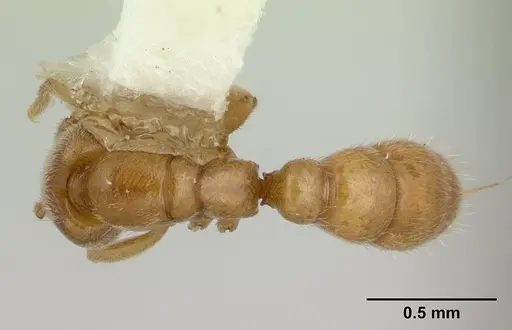
CASENT0102525
View on AntWeb


CASENT0172308
View on AntWeb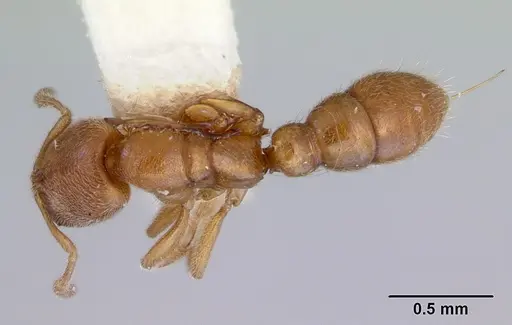
CASENT0172309
View on AntWeb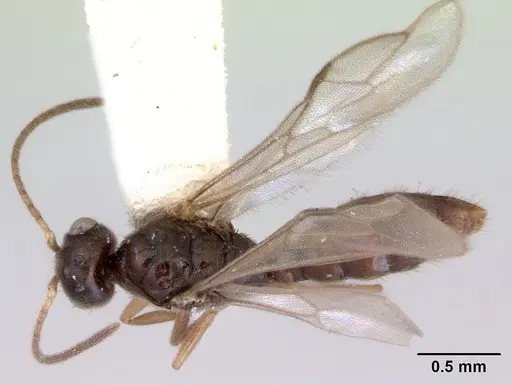
CASENT0172310
View on AntWeb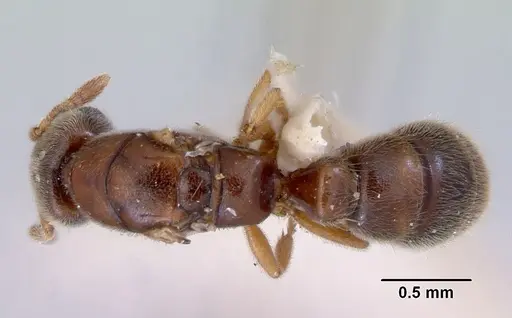
CASENT0178837
View on AntWeb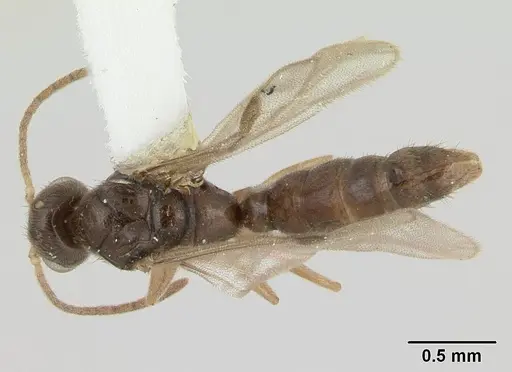
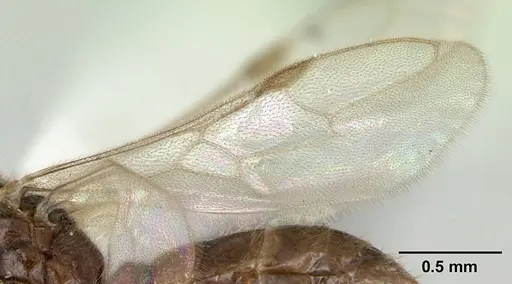
CASENT0260465
View on AntWeb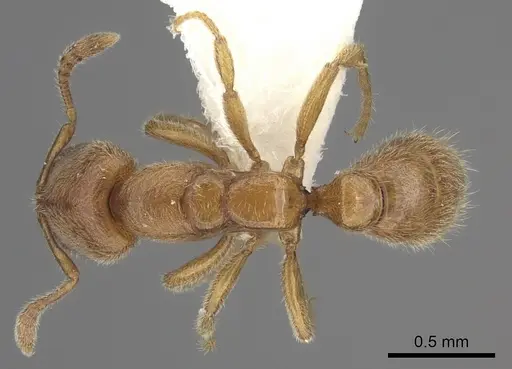
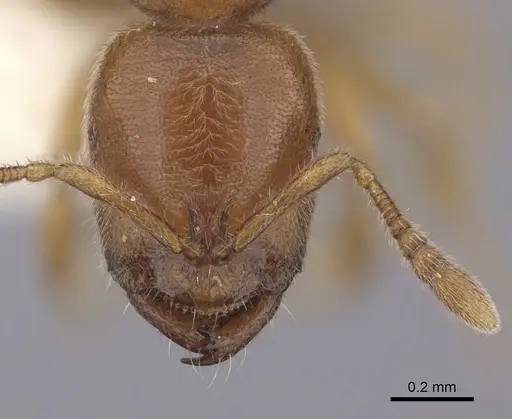
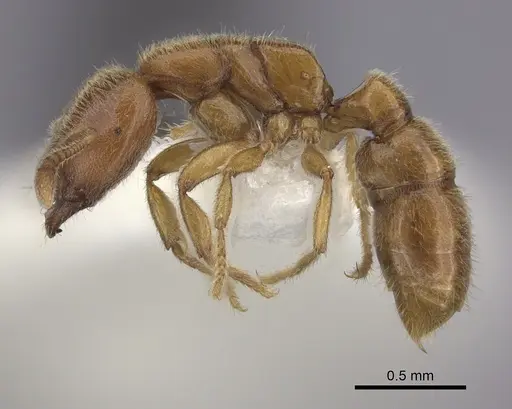
CASENT0434885
View on AntWeb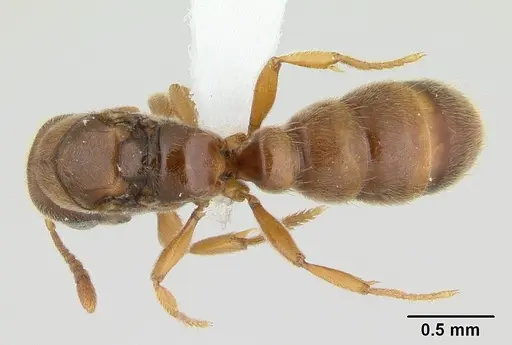
CASENT0902627
View on AntWeb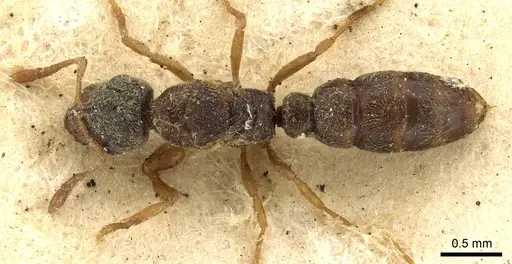
CASENT0902628
View on AntWeb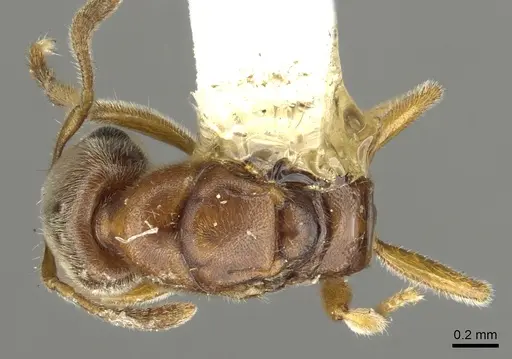
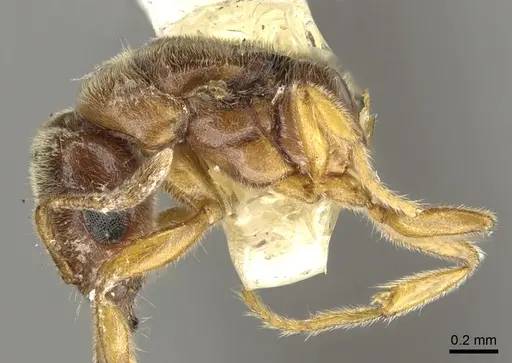
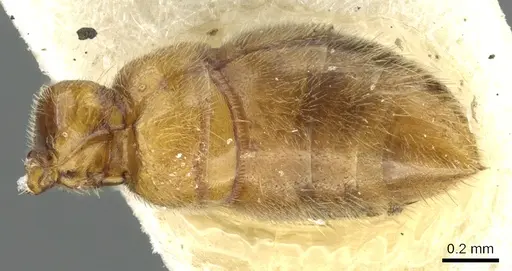
CASENT0902629
View on AntWeb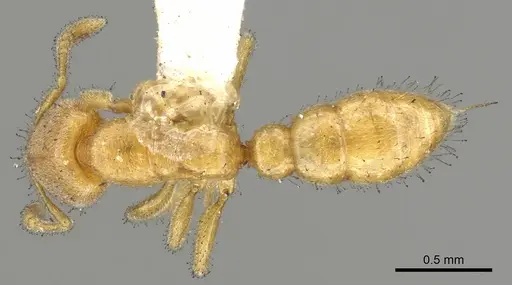
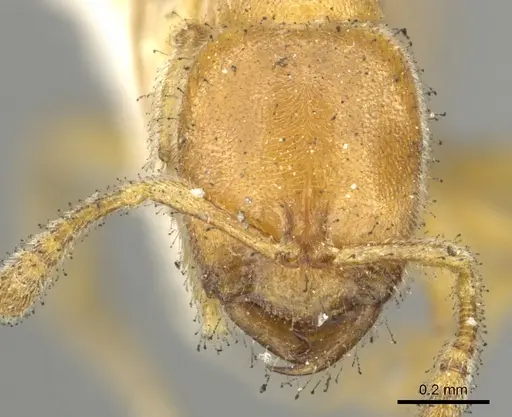
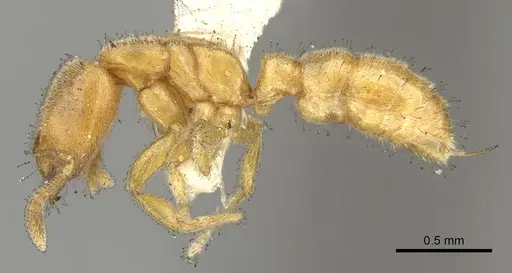
CASENT0903804
View on AntWeb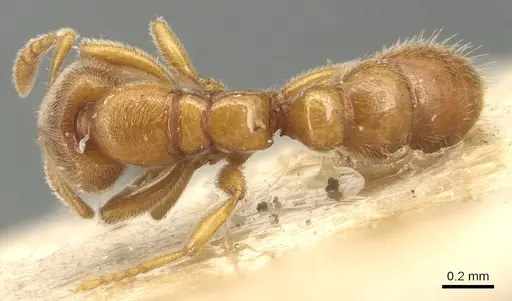
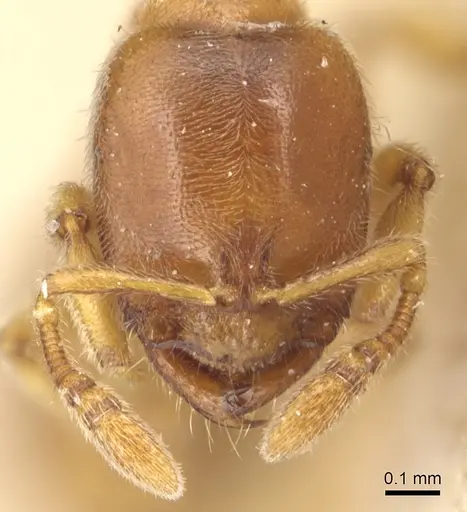
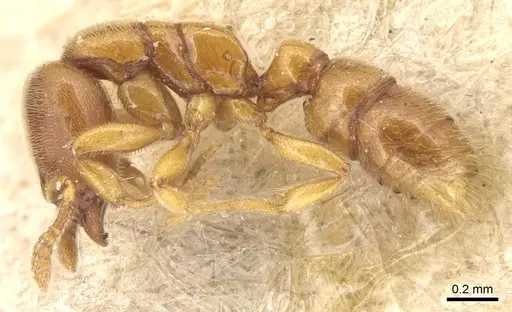
CASENT0916704
View on AntWeb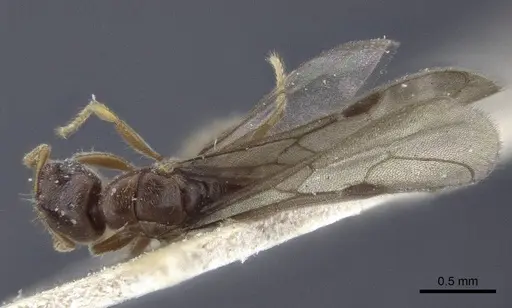
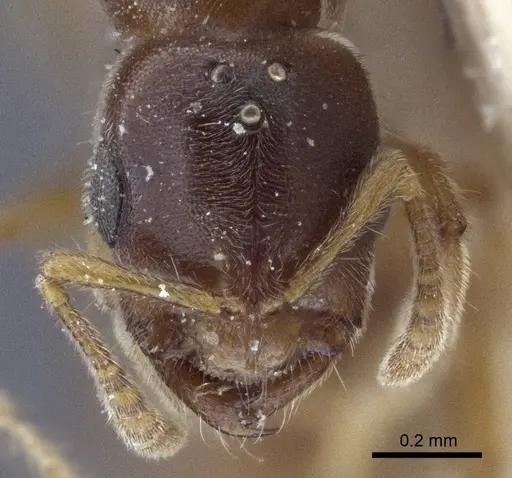
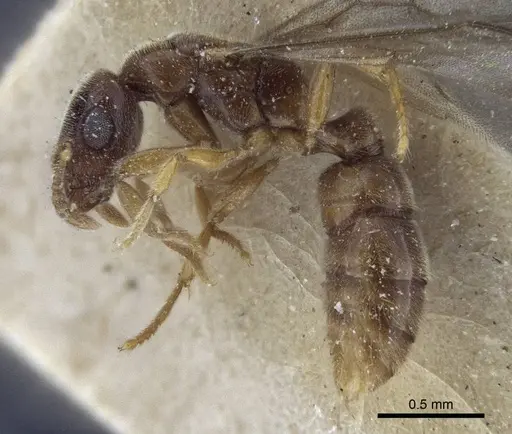
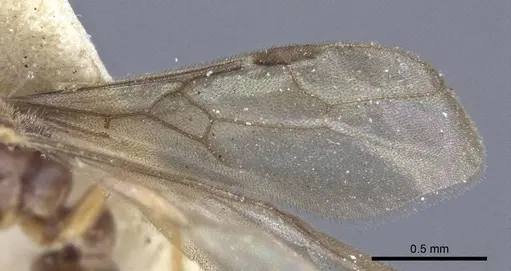
CASENT0922427
View on AntWeb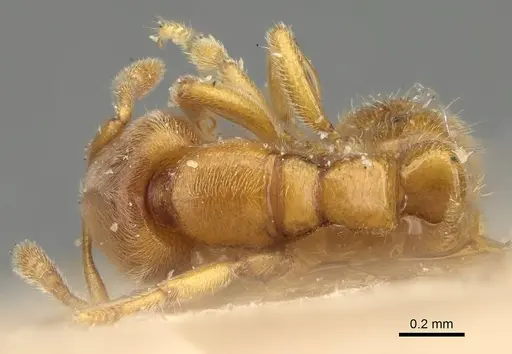
CASTYPE06925-01
View on AntWeb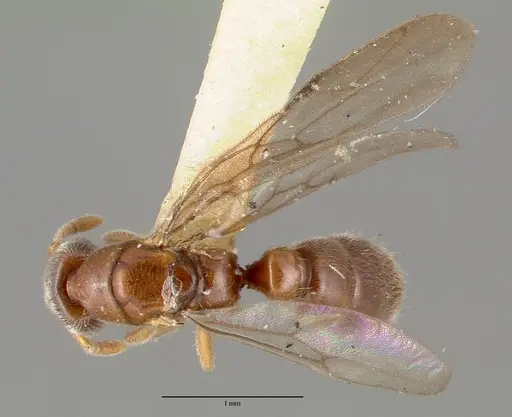

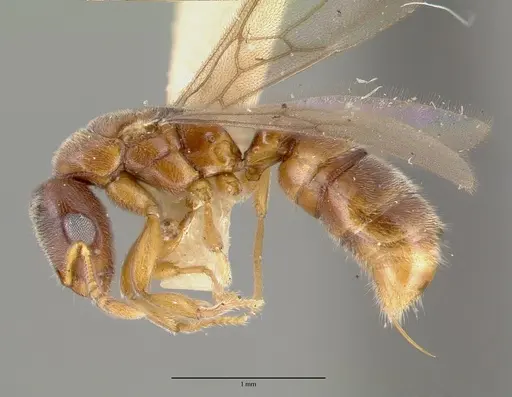
CASTYPE06925-02
View on AntWeb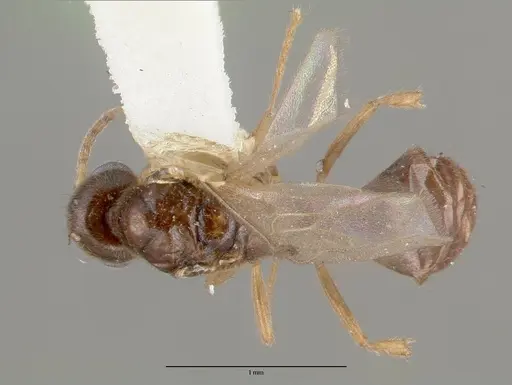

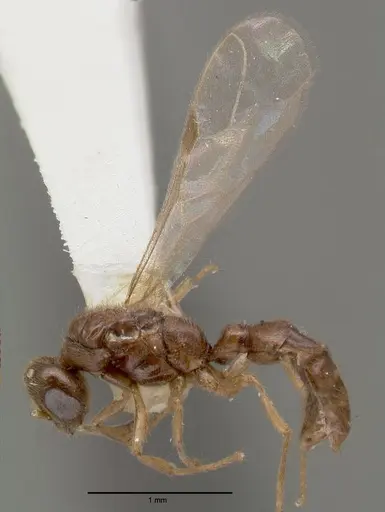
CASTYPE06925-03
View on AntWeb
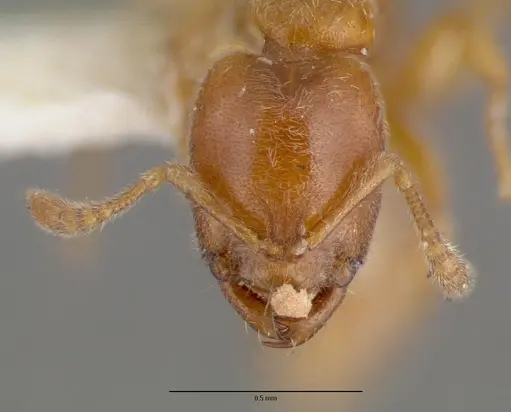
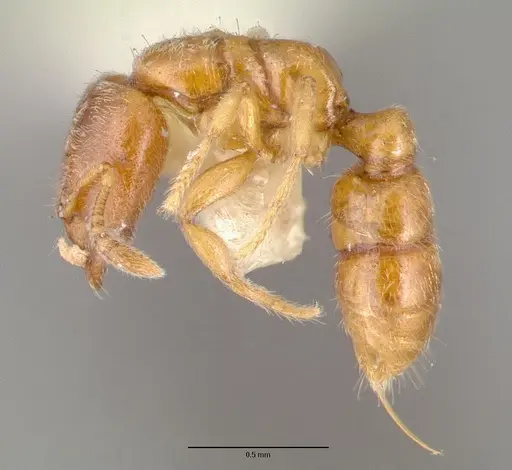
CASTYPE06987
View on AntWeb
Literature
Loading...Loading products...