Polyrhachis textor - "Weaver Ant (Spiny Ant)"
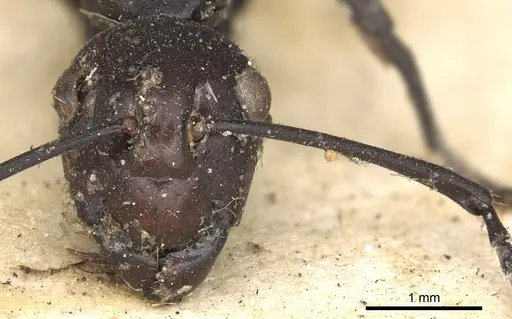
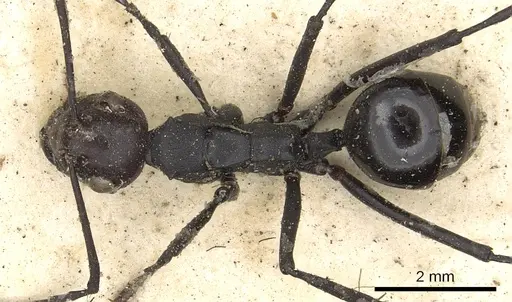
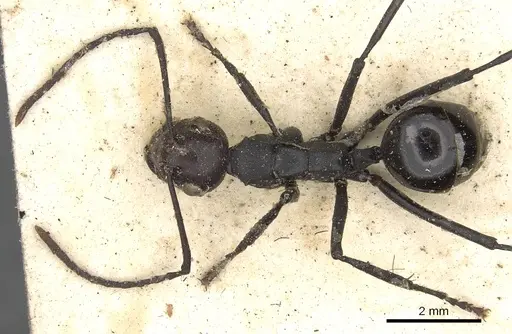
Polyrhachis textor, often referred to as a type of weaver ant or spiny ant, is a fascinating ant species known for its unique nest-building behavior. These ants construct intricate nests by weaving together plant material using silk produced by their own larvae. They are typically black and have a distinctive spiny or armed appearance on their bodies, particularly on their mesosoma and petiole. Workers are generally medium-sized, highly active, and excellent climbers, constantly foraging across various strata of their habitat.
- Difficulty: Medium
- Origin & Habitat: Southeast Asia (Malaysia, Singapore, Thailand, Indonesia, India - Nicobar Islands) in Tropical rainforests, often arboreal (building nests in trees and shrubs) but can also be found terrestrially..
- Colony Type: Monogyne, claustral founding.
- Size & Growth:
- Queen: Not specified
- Worker: 5-10mm
- Colony: Small (hundreds). Slow initially, then medium. growth.
- Antkeeping:
- Temperature: Prefers warmer temperatures between 25-30°C. Maintaining a consistent warm temperature is crucial for brood development..
- Humidity: Moderate humidity levels are generally sufficient, ranging from 50-70%. While they can tolerate temporary fluctuations, consistent moderate humidity is best..
- Diapause: Not required. Not specified at Not specified.
- Nesting: Requires an arboreal setup where they can weave their nests. Ideal nests mimic their natural environment, allowing them to utilize larval silk to bind together materials like leaves, twigs, and other decorative elements. An outworld with branches and a good climbing surface is essential. They can also be encouraged to nest in visible areas like hollowed logs or against glass if a heat source is placed nearby..
- Behavior: Medium (towards prey, territorial) aggressiveness.
- Common Issues: Humidity fluctuations, Lack of suitable nesting materials, Escape artists (due to climbing ability), Stalling growth due to incorrect temperature.
One of the most captivating aspects of keeping Polyrhachis textor is observing their incredible nest-weaving capabilities. These ants are true architects, using their own larvae as living 'sewing machines' to spin silk and bind together various materials like leaves, twigs, and even substrate particles. Providing them with a diverse range of lightweight, non-toxic materials in their outworld will allow them to express this fascinating natural behavior. It's truly a spectacle to behold as the colony collaboratively constructs their intricate silk and debris nests.
When setting up a habitat for Polyrhachis textor, it's vital to prioritize vertical space and offer ample climbing opportunities. Given their arboreal nature, a tall formicarium with branches, cork bark, or other climbing structures will encourage natural foraging and nesting. While they can adapt to various nest types, providing a setup that allows them to climb and build up high, mimicking their natural canopy homes, will lead to a more thriving and active colony. Consider using a heat mat or lamp strategically to encourage them to nest in a visible section of the setup, enhancing your viewing experience.
Polyrhachis textor colonies are known to grow at a relatively slow pace, especially in the initial stages. This characteristic makes them a more manageable species for antkeepers who prefer not to deal with explosively growing populations. While patience is certainly a virtue with these ants, the reward is a stable and long-lived colony that showcases some of the most impressive construction behaviors in the ant world. Ensure a consistent supply of food and a stable environment to support their steady development.
Foraging activity in Polyrhachis textor is quite extensive; workers are often seen exploring large areas of their habitat, both on the ground and climbing. This active foraging behavior is a joy to watch and indicates a healthy, thriving colony. Make sure their outworld is secure and escape-proof, as these ants are agile climbers and persistent explorers. Providing a varied diet will keep these active foragers well-nourished and busy.
Frequently Asked Questions
What should I feed my Polyrhachis textor colony?
Polyrhachis textor ants are omnivores with a diverse diet. They thrive on a mix of protein sources, such as small feeder insects like crickets, roaches, and mealworms, and sugar sources like honey-water, sugar water, or fruit nectar. Offering a variety ensures all their nutritional needs are met for robust colony growth. Don't forget to provide a constant supply of fresh water too!
How large do Polyrhachis textor colonies get?
While some Polyrhachis species can form very large colonies, Polyrhachis textor colonies typically remain relatively small, usually numbering in the hundreds of workers. This manageable colony size makes them a great choice for antkeepers looking for a species that won't quickly outgrow its setup.
Do Polyrhachis textor need a heating source?
Yes, coming from tropical regions, Polyrhachis textor greatly benefits from a consistent heat source. Maintaining a temperature range of 25-30°C is ideal for their brood development and overall activity. A heat mat or heat cable placed on the side or underneath their nest (with proper ventilation to prevent overheating) can help achieve this.
What kind of nest is best for Polyrhachis textor?
Polyrhachis textor are arboreal weavers, so they excel in setups that allow them to climb and construct their unique silk nests. A formicarium with ample vertical space, filled with branches, cork bark, or even a dead bonsai tree, is ideal. They will weave their nests within these materials using larval silk.
Are Polyrhachis textor good for beginners?
While Polyrhachis textor are fascinating, their specific nesting requirements and need for consistent temperature make them a 'Medium' difficulty species. However, for beginners who are prepared to provide the right arboreal setup and closely monitor temperature, they can be a rewarding species to keep due to their unique behaviors and manageable colony size. Starting with a smaller colony might be easier.
Do Polyrhachis textor sting or bite?
Polyrhachis textor ants do not possess a functional sting. However, like many ant species, they can bite and spray formic acid for defense. While generally not aggressive towards handlers unless provoked, their territorial nature means they will defend their nest and prey if threatened.
How do Polyrhachis textor build their nests?
They are remarkable weavers! Polyrhachis textor workers hold their larvae in their mandibles and use the silk spun by the larvae to bind together various materials like leaves, small twigs, and even substrate particles. This creates a strong, fabric-like nest structure, often incorporating elements of their environment.
Do Polyrhachis textor require diapause (hibernation)?
No, as a tropical species originating from Southeast Asia, Polyrhachis textor does not require a diapause period. They should be kept at stable warm temperatures year-round to ensure continuous growth and activity.
What are common issues when keeping Polyrhachis textor?
Some common issues include maintaining consistent humidity levels, preventing escapes due to their excellent climbing abilities, ensuring they have suitable materials for weaving their nests, and avoiding colony stalling due to insufficient heating. Proper ventilation is also key to prevent mold, especially in humid setups.
What is the typical lifespan of a Polyrhachis textor queen?
The queen of Polyrhachis textor typically has a shorter lifespan compared to some other ant species, often ranging from 2.5 to 5 years in captivity. Despite this, a well-cared-for colony can reach a few hundred workers within 1-1.5 years.