

Polyrhachis rere
- Scientific Name
- Polyrhachis rere
- Subgenus
- Chariomyrma
- Tribe
- Camponotini
- Subfamily
- Formicinae
- Author
- Mann, 1919
- Distribution
- Found in 1 countries
Polyrhachis rere Overview
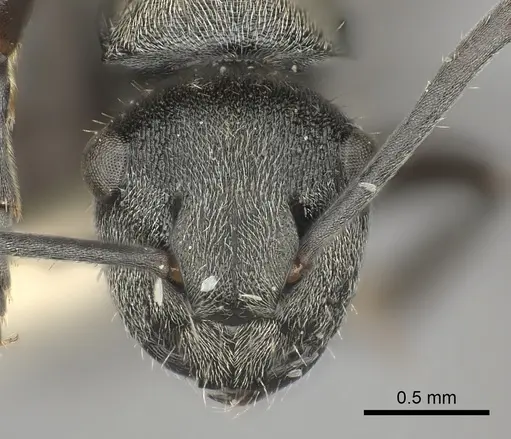
Polyrhachis rere is an ant species of the genus Polyrhachis. It is primarily documented in 1 countries , including Solomon Islands. Detailed taxonomic data and occurrence records can be further explored via authoritative databases such as AntWeb or the Global Biodiversity Information Facility (GBIF).
Polyrhachis rere
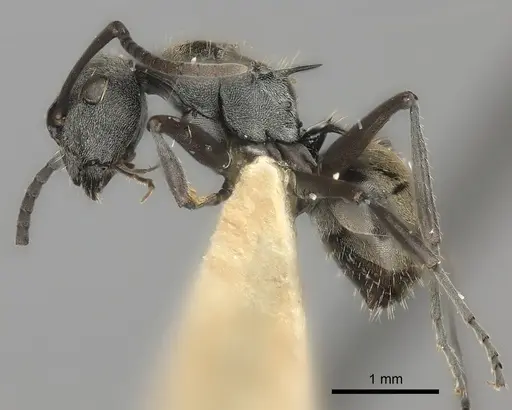
Polyrhachis rere is a tropical ant species native to the Solomon Islands, specifically recorded from Makira and Guadalcanal islands [1]. Workers are typical of the Polyrhachis genus, featuring characteristic spines on the mesosoma (the middle body section) that help distinguish them from other ants. As a member of the Formicinae subfamily, these ants defend themselves by spraying formic acid rather than using a stinger. They are arboreal by nature, typically nesting in trees, under bark, or in hollow twigs in their tropical forest habitat.
Quick Summary
- Difficulty: Medium
- Origin & Habitat: Solomon Islands (Makira, Guadalcanal), tropical forest environment [1]. These ants naturally occur in warm, humid arboreal habitats.
- Colony Type: Single-queen (monogyne) colonies are typical for this genus. Queens seal themselves in during claustral founding and raise their first workers alone.
- Colony: Monogyne
- Founding: Claustral
- Size & Growth:
- Queen: Estimated 10-12mm based on genus patterns for Polyrhachis species
- Worker: Estimated 6-8mm based on genus descriptions
- Colony: Likely several hundred workers at maturity based on related species
- Growth: Moderate
- Development: Estimated 6-8 weeks at tropical temperatures (25-28°C) based on genus patterns (Development time is inferred from related tropical Polyrhachis species, specific timing for P. rere has not been documented)
- Antkeeping:
- Temperature: Keep at 25-28°C (warm tropical conditions). A heating cable or mat on one side of the nest creates a suitable gradient.
- Humidity: High humidity (70-80%) is essential. These tropical ants prefer damp conditions, keep the nest substrate consistently moist but not waterlogged.
- Diapause: No diapause required. As a tropical species, they do not need a winter rest period. Maintain warm temperatures year-round.
- Nesting: Arboreal specialists, they do best in setups that mimic their natural tree-nesting behavior. Y-tong (AAC) nests work well, or naturalistic setups with bark pieces, twigs, or cork. Avoid fully soil-based nests.
- Behavior: Generally calm and non-aggressive toward keepers. They are active foragers and may explore their outworld regularly. As Formicinae, they can spray formic acid when threatened, though this is a mild defense. Escape risk is moderate, ensure enclosures have tight-fitting lids as they are good climbers.
- Common Issues: tropical humidity requirements mean mold can develop if ventilation is poor, balance airflow carefully, warm temperatures year-round are essential, cooler conditions will slow or stop colony development, arboreal nesting means they may not accept soil-based formicariums, provide appropriate climbing structures, wild-caught colonies may carry parasites or diseases that can cause colony failure in captivity, small colony sizes initially mean founders are vulnerable, avoid disturbing the queen during founding
Housing and Nest Setup
Polyrhachis rere is an arboreal species, meaning it naturally nests in trees and above ground. In captivity, they do best in setups that respect this preference. Y-tong (AAC) nests are excellent choices because they provide smooth, vertical chambers that mimic tree hollows. You can also create naturalistic setups using cork bark, pieces of twigs, or artificial branches. Avoid fully soil-based formicariums as these do not match their natural nesting preferences. The outworld should include climbing structures like branches, mesh, or textured surfaces since they are good climbers and prefer to forage upward. Use a test tube setup for the founding queen, then transition to a proper nest once the colony reaches 20-30 workers. [1]
Feeding and Diet
In the wild, Polyrhachis species are omnivorous, feeding on honeydew from aphids and scale insects, nectar from flowers, and small insects for protein. In captivity, offer a varied diet: sugar water or honey should be available at all times (they will readily accept sweet liquids). For protein, offer small insects like fruit flies, small crickets, or mealworms. You can also try offering small pieces of fruit. Feed the colony 2-3 times per week, removing any uneaten food after 24 hours to prevent mold. Observe your colony's preferences, some colonies are more enthusiastic about certain foods than others.
Temperature and Humidity
Being a tropical species from the Solomon Islands, Polyrhachis rere requires warm and humid conditions. Keep the nest area at 25-28°C (77-82°F). You can achieve this with a heating cable placed on top of the nest (never under it, as this can dry out the nest too quickly). Create a temperature gradient so ants can move between warmer and cooler areas. Humidity should be high, aim for 70-80% relative humidity. Keep the nest substrate consistently moist by adding water to the reservoir or misting occasionally. However, avoid making it waterlogged, as this can drown the colony and promote mold. A small water dish in the outworld also helps maintain humidity. [1]
Seasonal Care
Unlike temperate ant species, Polyrhachis rere does not require a diapause (winter rest) period. These tropical ants need consistent warmth and humidity year-round. Do not reduce temperatures in winter, doing so can stress the colony and slow or stop brood development. Maintain the same care routine throughout the year. If your room temperature drops significantly in winter, you may need to use heating more consistently. The key is stability, sudden temperature or humidity swings can stress these ants.
Behavior and Handling
Polyrhachis rere is generally a calm species that is not particularly aggressive. They are active foragers and will explore their enclosure looking for food. As members of the Formicinae subfamily, they possess formic acid glands and can spray this liquid as a defense when threatened. This is not dangerous to humans but may cause mild irritation. They are good climbers and may attempt to escape if given the opportunity, so ensure all enclosures have tight-fitting lids. When the colony is disturbed, workers may become more active and alert rather than aggressive. They do not have a functional stinger.
Frequently Asked Questions
Can I keep Polyrhachis rere in a test tube?
You can keep a founding queen in a test tube setup, but this species is arboreal and will do better in a proper nest with climbing structures once the colony grows. Use a test tube for the claustral founding phase (2-4 months), then transition to a Y-tong or naturalistic setup.
How long does it take for Polyrhachis rere to raise first workers?
Estimated 6-8 weeks from egg to first worker at optimal tropical temperatures (25-28°C). This is based on genus patterns since specific development timing for P. rere has not been documented.
Are Polyrhachis rere good for beginners?
This species is rated as medium difficulty. While not the most challenging ant, their tropical requirements (warmth and humidity year-round) and arboreal nesting preferences make them better suited for keepers who have some experience with tropical species.
What temperature do Polyrhachis rere need?
Keep them at 25-28°C (77-82°F). Tropical species require consistent warmth, and temperatures below 22°C can slow or stop colony development.
Do Polyrhachis rere need hibernation?
No. As a tropical species from the Solomon Islands, they do not require diapause or winter rest. Maintain warm temperatures year-round.
How big do Polyrhachis rere colonies get?
Based on related species, colonies likely reach several hundred workers at maturity. Specific colony size data for P. rere has not been documented.
Can I keep multiple Polyrhachis rere queens together?
This is not recommended. Polyrhachis rere is typically monogyne (single-queen), and combining unrelated queens typically results in fighting. Only colony-founding queens can be introduced to each other during pleometrosis, which is rare in captivity.
What do Polyrhachis rere eat?
They are omnivorous. Offer sugar water or honey constantly for energy, and small insects (fruit flies, small crickets, mealworms) for protein 2-3 times per week.
Why is my Polyrhachis rere colony dying?
Common causes include: temperatures below 22°C, low humidity causing desiccation, disturbance during claustral founding, mold from poor ventilation, or parasites from wild-caught colonies. Check that your temperature and humidity are within the correct ranges.
References

This caresheet is licensed under CC BY-SA 4.0 .
CASENT0217794
View on AntWeb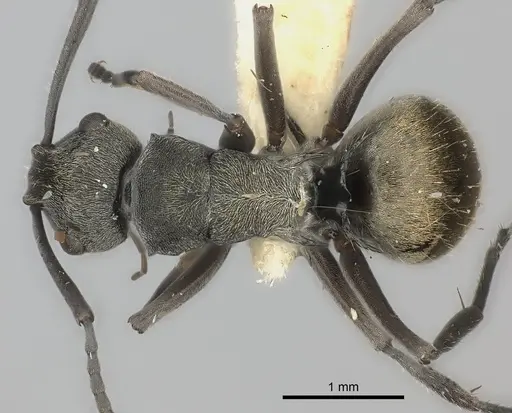
Literature
Loading...Loading products...