

Polyrhachis semiobscura
- Scientific Name
- Polyrhachis semiobscura
- Subgenus
- Hagiomyrma
- Tribe
- Camponotini
- Subfamily
- Formicinae
- Author
- Donisthorpe, 1944
- Distribution
- Found in 2 countries
Polyrhachis semiobscura Overview
Polyrhachis semiobscura is an ant species of the genus Polyrhachis. It is primarily documented in 2 countries , including Australia, Papua New Guinea. Detailed taxonomic data and occurrence records can be further explored via authoritative databases such as AntWeb or the Global Biodiversity Information Facility (GBIF).
Polyrhachis semiobscura
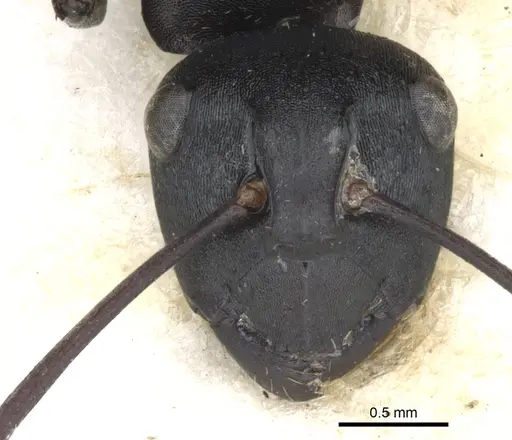
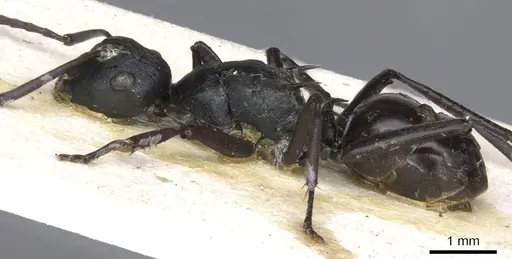
Polyrhachis semiobscura is a medium-sized ant belonging to the Hagiomyrma subgenus within the genus Polyrhachis. Workers measure 5.04-7.62mm and have a distinctive appearance: they are black with dark reddish-brown mandibular teeth, feature longitudinal striations on the head, and possess propodeal spiracles on short laterally projecting tubercles. The petiole has slender, divergent spines. This species is part of the penelope species-group and shows some variation between Australian and New Guinean populations, with Australian specimens having less dilated pronotal humeri and more abundant dorsal pubescence [1].
This species has a fascinating relationship with Nepenthes (pitcher plants). Workers have been observed foraging around the rims of Nepenthes pitchers in Papua New Guinea, where they walk on the slippery surfaces without falling into the digestive liquid below, a remarkable adaptation. The only known colony was found nesting inside two adjacent galls attached to a twig of a small sapling in open forest, confirming their lignicolous (wood-nesting) nature [1].
Quick Summary
- Difficulty: Medium
- Origin & Habitat: This species is found in the Australasian region, specifically ranging from New Ireland in the Bismarck Archipelago to Papua New Guinea, across the Torres Strait islands, and south to Iron Range on Cape York Peninsula in Australia. They inhabit tropical open forests and are associated with Nepenthes pitcher plants [1][2].
- Colony Type: Colony structure is unconfirmed. Only a single colony has been documented (found in galls on a twig). No information on queen number or whether they form single-queen or multi-queen colonies exists in the scientific literature.
- Size & Growth:
- Queen: Approximately 8.06 mm [1], directly measured
- Worker: 5.04-7.62 mm [1], directly measured
- Colony: Unknown, no colony size data available
- Growth: Unknown, no development studies exist
- Development: Unconfirmed, no direct development data exists for this species (Based on typical Polyrhachis patterns, expect several months from egg to worker. Polyrhachis species generally have slower development than many tropical ants due to their larger size and cocoon-forming pupae.)
- Antkeeping:
- Temperature: Keep warm, in the range of 24-28°C. This species comes from tropical Papua New Guinea and northern Australia, so they need consistently warm conditions. A heating cable on one side of the nest can create a gentle gradient if room temperature falls below this range.
- Humidity: Keep moderately humid, around 60-80%. Their natural habitat in tropical forests and association with Nepenthes pitchers indicates they prefer damp conditions. Ensure the nest substrate remains moist but not waterlogged.
- Diapause: Unlikely, being a tropical species from Papua New Guinea and northern Australia, they probably do not require a diapause period. However, a slight reduction in temperature during cooler months may be beneficial.
- Nesting: This is a lignicolous (wood-nesting) species. In captivity, they do well in naturalistic setups with wood pieces, cork bark, or a Y-tong/plaster nest that allows them to tunnel. They will readily adopt setups that mimic their natural gall-nesting behavior. Avoid completely artificial test tube setups as they prefer wood-based nesting media.
- Behavior: Workers are moderately active and show interesting foraging behavior on smooth surfaces like Nepenthes pitcher rims. They are not particularly aggressive but will defend their nest. Escape risk is moderate, they are medium-sized ants but good climbers. Use standard escape prevention with smooth barriers like Fluon. They construct cocoons around their pupae, which requires stable conditions and higher humidity than non-cocoonforming species [3][4].
- Common Issues: lack of documented care information means trial and error is required for this species, cocoon formation requires stable humidity, dry conditions can cause pupal mortality, tropical species may struggle in air-conditioned rooms or cool climates without supplemental heating, only one wild colony has ever been documented, so captive breeding stock is extremely rare
Nest Preferences and Housing
Polyrhachis semiobscura is a lignicolous species, meaning they naturally nest in wood. In the wild, they have been found inside plant galls on twigs and have been observed foraging on Nepenthes pitcher plants. For captive care, a naturalistic setup works best, provide pieces of cork bark, rotting wood, or a Y-tong (acrylic) nest with chambers they can tunnel through. They will also accept plaster nests if given wood pieces or bark to tunnel in. Test tube setups are not ideal for this species as they prefer wood-based nesting media. Ensure the nest material can hold moisture without becoming soggy, as these ants need moderate humidity to successfully raise their cocoon-forming pupae [1][3].
Feeding and Diet
While specific dietary studies for P. semiobscura do not exist, Polyrhachis species are generally omnivorous. They likely feed on honeydew, nectar, and small insects in the wild. For captive colonies, offer a varied diet including sugar water or honey as a constant energy source, and protein sources like small crickets, mealworms, or other insects. Their association with Nepenthes pitchers suggests they may scavenge or forage on unusual surfaces, so they may accept a wider variety of foods than some more specialized ants. Feed protein 2-3 times per week and keep sugar sources available at all times.
Temperature and Humidity Requirements
As a tropical species from Papua New Guinea and northern Australia, P. semiobscura requires warm conditions. Maintain temperatures between 24-28°C for optimal colony health and activity. They do not tolerate cool temperatures well, avoid keeping them in air-conditioned spaces or unheated rooms in temperate climates. A small heating cable placed on one side of the nest can provide a gentle warmth gradient. For humidity, aim for 60-80% relative humidity. Their natural habitat in tropical forests and association with pitcher plants indicates they prefer damp conditions. Monitor moisture levels carefully, as cocoon-forming pupae are sensitive to both drying out and excessive dampness [1].
Reproduction and Development
The reproductive biology of this species is poorly documented. Queens measure approximately 8.06mm and are slightly larger than workers. Males remain unknown in the scientific literature. The species produces cocooned pupae, which is typical for the subgenus Hagiomyrma. This means the pupae are wrapped in silk cocoons rather than being naked, requiring more stable humidity conditions during development [3][4]. No data exists on nuptial flight timing, colony founding behavior, or development duration. Based on related Polyrhachis species, expect development from egg to worker to take several months under optimal conditions.
Unique Behaviors and Observations
One of the most fascinating aspects of P. semiobscura is its association with Nepenthes pitcher plants. Workers have been observed in large numbers around the rims of Nepenthes pitchers in Papua New Guinea. Remarkably, despite their busy activity around these slippery surfaces, none were found trapped in the digestive liquid below, suggesting specialized adaptations for walking on such surfaces. This makes them one of the few ants known to interact with carnivorous plants without being caught. Additionally, this is one of only four Hagiomyrma species documented from outside the Australian mainland, with most species being Australian endemics [1].
Frequently Asked Questions
How long does it take for Polyrhachis semiobscura to produce first workers?
The exact development timeline is unconfirmed for this species. Based on typical Polyrhachis patterns and their larger size with cocoon-forming pupae, expect several months (likely 3-6 months) from egg to first worker under optimal warm conditions.
What is the best nest type for Polyrhachis semiobscura?
A naturalistic setup with wood pieces, cork bark, or a Y-tong/plaster nest works best. This is a lignicolous (wood-nesting) species, so they prefer to tunnel in wood-based materials rather than test tubes.
Are Polyrhachis semiobscura good for beginners?
This species is rated as Medium difficulty. While not the most challenging ant to keep, the lack of documented care information means you may need to experiment with conditions. Their tropical requirements and need for wood-based nesting make them better suited for keepers with some experience.
Do Polyrhachis semiobscura need hibernation?
Unlikely. Being from tropical Papua New Guinea and northern Australia, they probably do not require a diapause period. However, a slight temperature reduction during cooler months may be natural and could be beneficial.
How big do Polyrhachis semiobscura colonies get?
Colony size is unknown, only a single wild colony has ever been documented. Based on related Polyrhachis species, colonies likely reach several hundred workers over time, but exact maximums are unconfirmed.
What do Polyrhachis semiobscura eat?
They are omnivorous. Offer sugar sources (honey or sugar water) constantly, and protein foods like small insects (crickets, mealworms) 2-3 times per week. Their natural diet likely includes honeydew, nectar, and small invertebrates.
Can I keep multiple Polyrhachis semiobscura queens together?
Not documented. The colony structure (monogyne vs polygyne) has not been studied. Without documented evidence, combining unrelated queens is not recommended.
Why do my Polyrhachis semiobscura pupae keep dying?
This species produces cocooned pupae, which are sensitive to humidity extremes. Ensure the nest substrate stays consistently moist but not waterlogged. Dry conditions cause pupal desiccation, while excessive moisture can lead to fungal growth. Maintain 60-80% humidity and stable temperatures around 24-28°C.
Where is Polyrhachis semiobscura found in the wild?
They range from New Ireland in the Bismarck Archipelago, through Papua New Guinea, across the Torres Strait islands, to Iron Range on Cape York Peninsula in Australia. They live in tropical open forests and are associated with Nepenthes pitcher plants [1].
References

This caresheet is licensed under CC BY-SA 4.0 .
CASENT0903336
View on AntWeb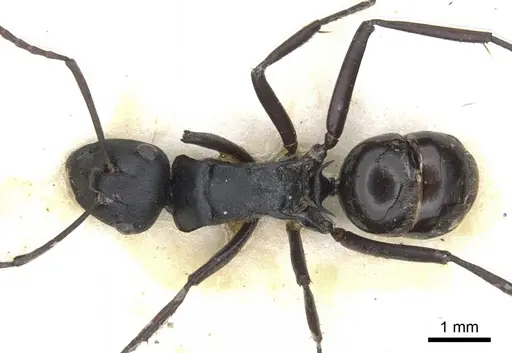
Literature
Loading...Loading products...