

Polyrhachis incerta
- Scientific Name
- Polyrhachis incerta
- Subgenus
- Campomyrma
- Tribe
- Camponotini
- Subfamily
- Formicinae
- Author
- Kohout, 2008
- Distribution
- Found in 1 countries
Polyrhachis incerta Overview
Polyrhachis incerta is an ant species of the genus Polyrhachis. It is primarily documented in 1 countries , including Australia. Detailed taxonomic data and occurrence records can be further explored via authoritative databases such as AntWeb or the Global Biodiversity Information Facility (GBIF).
Polyrhachis incerta
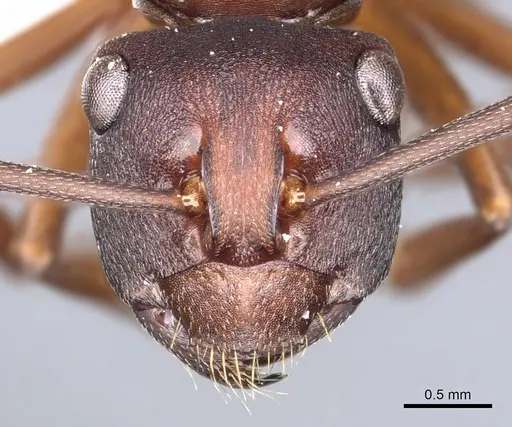
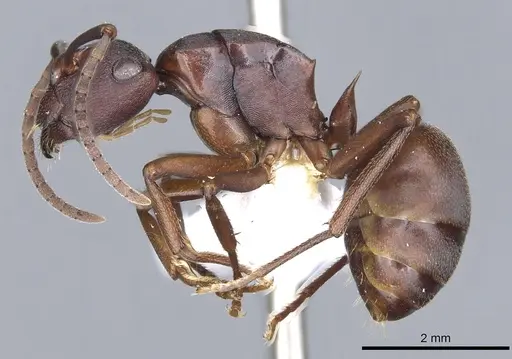
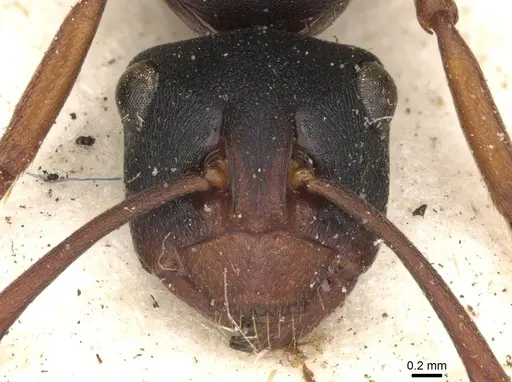
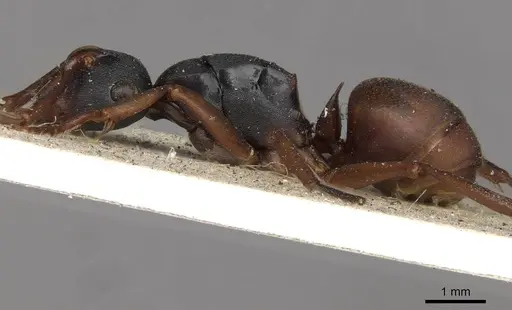
Polyrhachis incerta is a medium-sized Australian ant belonging to the micans species-group within the subgenus Campomyrma. Workers measure 7.56-8.32mm with a distinctly reddish-brown body, though Queensland specimens show a striking bicolored pattern with black or dark reddish-brown on the head and mesosoma, while Northern Territory populations are more uniformly reddish-brown [1][2]. The species is characterized by a scale-like petiole armed with slender dorsal spines and shorter lateral teeth, dense reticulate-punctate sculpturing on the head and mesosoma, and golden hairs fringing the mandibles and gaster [1]. Currently known only from two widely separated regions in Australia, Kakadu National Park and Groote Eylandt in the Northern Territory, and a single historical collection from Townsville, Queensland, P. incerta appears to be a very rare species that forages on the ground and low vegetation in open sclerophyll forest [1].
Quick Summary
- Difficulty: Medium
- Origin & Habitat: Northern Australia (Northern Territory and Queensland). Found in open sclerophyll forest, foraging on ground and low vegetation [1].
- Colony Type: Colony structure is unconfirmed. Based on related Polyrhachis species, likely single-queen colonies, but this has not been documented for this specific species.
- Size & Growth:
- Queen: Unknown, not yet described [1]
- Worker: 7.56-8.32mm total length, HL 1.87-2.03mm, HW 1.68-1.84mm [1]
- Colony: Unknown, no colony size data available
- Growth: Unknown, no development data available
- Development: Unknown, estimated 6-10 weeks based on typical Formicinae development patterns (No direct development data exists for this species. Estimates based on related Polyrhachis species and typical Formicinae development.)
- Antkeeping:
- Temperature: Inferred: Keep at 24-28°C based on Australian tropical/temperate distribution and related species preferences. A gentle temperature gradient allows workers to regulate their own conditions.
- Humidity: Inferred: Moderate humidity (50-70%) should work well. As a ground-nesting species from open sclerophyll forest, avoid both overly dry and waterlogged conditions.
- Diapause: Unknown, Australian species may have reduced activity during cooler months but true hibernation is unlikely given the tropical/subtropical range.
- Nesting: Ground-nesting species. In captivity, a naturalistic setup with soil or a Y-tong/plaster nest with moderate chamber size works well. Provide a connection to an outworld for foraging [1].
- Behavior: Polyrhachis incerta is a ground-foraging species that hunts and forages on the ground and low vegetation. Based on related species in the micans group, they are likely moderately active foragers with moderate aggression when defending the nest. Workers are medium-sized (7-8mm) so escape prevention should be standard, they are not tiny but can still escape through small gaps. The species is not known to be particularly aggressive toward keepers.
- Common Issues: limited availability, this is a very rare species in the antkeeping hobby with few if any captive colonies, no species-specific care data exists, keepers must extrapolate from related Polyrhachis species, colony founding may be difficult since queen size and behavior are unknown, wild-caught colonies may have parasites or disease since the species is rarely collected, temperature and humidity requirements are inferred, not confirmed, observe colony behavior and adjust accordingly
Nest Preferences and Housing
Polyrhachis incerta is a ground-nesting species similar to its relatives P. micans, P. 'Campo 12', and P. prometheus [1]. In the wild, they nest in soil or under objects on the ground in open sclerophyll forest. For captive care, a naturalistic setup with a soil chamber works well, or you can use a Y-tong or plaster nest with appropriately sized chambers for an 8mm ant. The nest should connect to an outworld where workers can forage. Because this is a medium-sized ant, chambers should be spacious enough for several workers to move around comfortably. Keep the nest substrate moderately moist but not waterlogged, aim for damp soil that doesn't drip. A small water reservoir in test tube setups works well for maintaining humidity.
Feeding and Diet
Like other Polyrhachis species in the micans group, P. incerta is likely an omnivorous forager that hunts small invertebrates and collects sugary substances. In captivity, offer a varied diet including small live prey (fruit flies, small crickets, mealworms) and sugar sources (honey water, sugar water). Protein is important for brood development, offer prey insects 2-3 times per week. Sugar water should be available constantly in a test tube or feeder. Observe what your colony prefers and adjust accordingly. Since this species forages on ground and low vegetation in the wild, they likely scavenge as well as hunt. [1]
Temperature and Seasonal Care
As a species from northern Australia (Northern Territory and Queensland), P. incerta prefers warm conditions. Keep the nest area around 24-28°C during the active season. A heating cable on one side of the nest can create a gentle gradient, allowing workers to move between warmer and cooler areas as needed. During Australia's cooler months (roughly May-September), you may see reduced activity but true hibernation is unlikely given the tropical/subtropical range. Room temperature in most homes should be acceptable, but monitor colony behavior, if workers become sluggish, slightly increase temperatures. Avoid temperatures below 18°C for extended periods. [1]
Behavior and Temperament
Polyrhachis incerta workers are medium-sized ants (7-8mm) with distinctive spines on their petiole (the narrow 'waist' segment). They forage on the ground and low vegetation, searching for prey and sugary substances. Based on related species, they are likely moderately defensive when their nest is disturbed but not particularly aggressive toward humans. Workers have the typical Formicinae ability to spray formic acid as a defense, though this is rarely a concern for keepers. The species is not known for being especially escape-prone, but standard escape prevention (tight-fitting lids, barrier tape if needed) should still be used. They are day-active foragers, so you'll see most activity during daylight hours. [1]
Colony Establishment and Growth
Establishing a colony of Polyrhachis incerta can be challenging because this is an exceptionally rare species with very few documented collections. Queens have not been described, so claustral founding behavior is inferred from related Formicinae patterns rather than directly observed. If you obtain a founding queen, provide a claustrarium (enclosed space with moisture but no foraging access) and keep her at 24-28°C. She should seal herself in and lay eggs without needing to forage. Development from egg to worker likely takes 6-10 weeks based on typical Formicinae timelines, but this is an estimate rather than a confirmed figure for this species. Growth is expected to be moderate, Polyrhachis colonies typically grow steadily but not rapidly. Patience is essential, especially in the early founding stage. [1]
Frequently Asked Questions
How long does it take for Polyrhachis incerta to produce first workers?
The exact development time is unknown for this species. Based on typical Formicinae development patterns and related Polyrhachis species, expect approximately 6-10 weeks from egg to first worker at optimal temperature (24-28°C). This is an estimate, actual timing may vary.
Can I keep Polyrhachis incerta in a test tube setup?
Yes, a test tube setup works well for founding colonies. Provide a test tube with a water reservoir plugged with cotton, keeping the tube moist but not flooded. Once the colony grows to 15-20+ workers, consider moving them to a more spacious naturalistic setup or Y-tong nest.
What do Polyrhachis incerta ants eat?
Like other Polyrhachis species, they are omnivorous. Offer small live prey (fruit flies, small crickets, mealworms) 2-3 times per week for protein, and keep sugar water (honey water or sugar water) available constantly. They forage on ground and vegetation in the wild, so they likely scavenge as well as hunt.
What temperature should I keep Polyrhachis incerta at?
Keep nest temperatures around 24-28°C based on the species' Australian tropical distribution. A gentle temperature gradient allows workers to regulate their own conditions. Room temperature is often acceptable, but you may need a heating cable in cooler climates.
Are Polyrhachis incerta good for beginners?
This species is not recommended for beginners. It is extremely rare in the antkeeping hobby with almost no captive breeding, and there is no species-specific care data available. Keepers must extrapolate from related species. If you're interested in Polyrhachis, consider more common species like Polyrhachis micans or Polyrhachis dives which have established care protocols.
How big do Polyrhachis incerta colonies get?
Colony size is unknown, no data exists on maximum colony size for this species. Based on related species in the micans group, colonies likely reach several hundred workers over time. The species appears to be very rare in the wild, which may indicate smaller colony sizes.
Do Polyrhachis incerta need hibernation?
True hibernation is unlikely. As a species from northern Australia (tropical/subtropical), they experience mild winters rather than cold periods. You may see reduced activity during cooler months, but keep them at room temperature (18-24°C) year-round rather than attempting a cold diapause.
Where does Polyrhachis incerta live in the wild?
Polyrhachis incerta is known only from northern Australia, specifically Kakadu National Park and Groote Eylandt in the Northern Territory, and one historical collection from Townsville, Queensland. They live in open sclerophyll forest, foraging on the ground and low vegetation [1].
Why is Polyrhachis incerta so rare in the hobby?
This species is extremely rare in the wild, known from only a handful of specimens collected decades apart. The limited distribution (two separated regions in northern Australia) and the species' apparent rarity make it nearly impossible to obtain for the antkeeping hobby. Most Polyrhachis in captivity are more common species like P. dives or P. micans.
References

This caresheet is licensed under CC BY-SA 4.0 .
CASENT0903303
View on AntWeb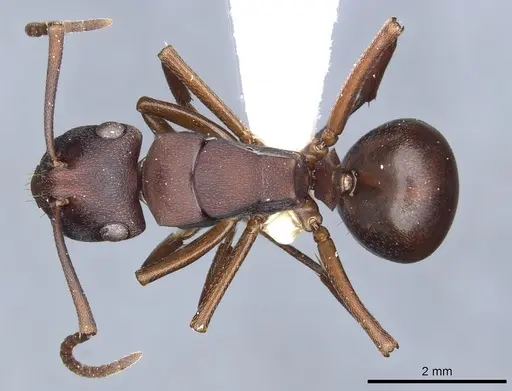
CASENT0910776
View on AntWeb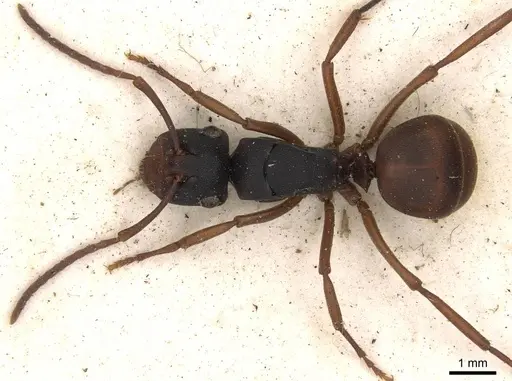
Literature
Loading...Loading products...