

Polyrhachis micans
- Scientific Name
- Polyrhachis micans
- Subgenus
- Campomyrma
- Tribe
- Camponotini
- Subfamily
- Formicinae
- Author
- Mayr, 1876
- Distribution
- Found in 1 countries
Polyrhachis micans Overview
Polyrhachis micans is an ant species of the genus Polyrhachis. It is primarily documented in 1 countries , including Australia. Detailed taxonomic data and occurrence records can be further explored via authoritative databases such as AntWeb or the Global Biodiversity Information Facility (GBIF).
Polyrhachis micans
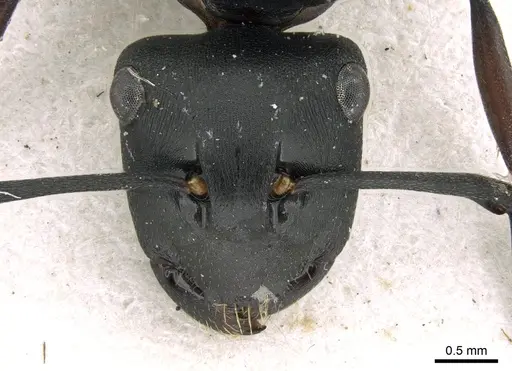
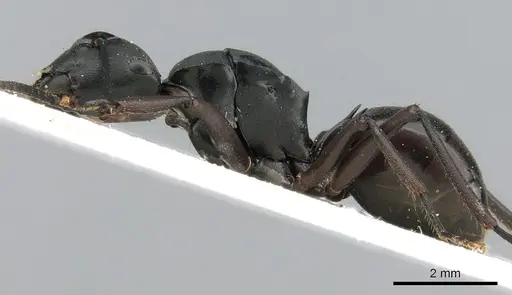
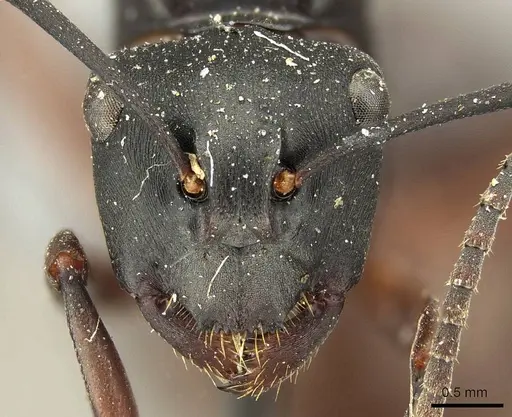
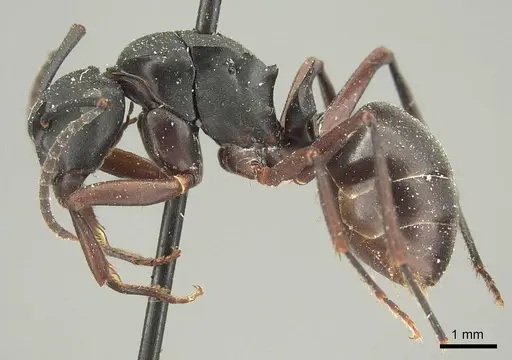
Polyrhachis micans is a large, striking ant species native to Queensland, Australia. Workers measure 9-10mm with a robust, golden-brown to reddish-brown body and distinctive four spines on the petiole (the narrow waist section). The species belongs to the micans group within the subgenus Campomyrma, characterized by these four almost uniformly distributed spines of subequal length. Queens are slightly larger at around 10mm. This species has become relatively rare in the wild due to habitat loss from sugar cane plantation expansion across its limited range from Mackay south to Gladstone [1][2][3].
What makes P. micans interesting is its combination of large size and ground-nesting habits. Unlike many Polyrhachis species that nest in trees or vegetation, this species is a ground-nester, building subterranean colonies. They have pupal cocoons, which is notable as some related Formicinae species lack them. The species is poorly represented in ant collections, making captive husbandry both challenging and rewarding for dedicated antkeepers [4][5][3].
Quick Summary
- Difficulty: Medium
- Origin & Habitat: Queensland, Australia, subtropical coastal regions from Mackay to Gladstone. Natural habitat includes ground-nesting in soil, likely in forested or shaded areas. The species has declined due to agricultural land conversion [1][2][3].
- Colony Type: Colony structure is unconfirmed. Based on related Polyrhachis species, likely monogyne (single queen) but this requires verification.
- Size & Growth:
- Queen: ~10.03mm [1][2]
- Worker: 8.67-10.63mm [1][2]
- Colony: Unknown, no colony size data available
- Growth: Unknown, no development timing data available
- Development: Unknown, no direct data. Based on related Polyrhachis species and their large size, estimate 8-12 weeks at optimal temperature. This is an estimate only. (No published development timeline exists for this species. Related Polyrhachis species typically take 2-3 months from egg to worker.)
- Antkeeping:
- Temperature: Keep at 24-28°C. Based on Queensland subtropical distribution, they prefer warm conditions. Provide a gentle thermal gradient allowing workers to self-regulate.
- Humidity: Maintain moderate to high humidity (60-80%). As ground-nesters, they prefer consistently moist substrate. Allow the nest area to dry out slightly between waterings but never completely dry.
- Diapause: Unknown, no specific data on overwintering requirements. Queensland experiences mild winters, so a reduced activity period at 15-18°C for 2-3 months may be beneficial but is not strictly required.
- Nesting: Ground-nesting species. Provide a deep test tube setup (at least 15cm of water reservoir) or a naturalistic setup with several centimeters of substrate. Y-tong or plaster nests work well. They prefer darkness for the nest chamber.
- Behavior: Workers are moderately active and foragers. They are not particularly aggressive but will defend the nest if threatened. As large ants, they can deliver a mild sting, notable for this genus. Escape prevention should be good but not as critical as for tiny species, they are too large to fit through standard test tube barriers. They accept protein foods readily and will forage for honeydew and insects.
- Common Issues: no development data makes timing predictions difficult, keepers must be patient, ground-nesting means humidity management is critical, too dry and brood dies, too wet and mold becomes a problem, limited distribution in the wild means finding colonies is difficult, likely rare in the antkeeping hobby, Queens can be difficult to locate for purchase due to rarity, temperature must be carefully maintained, being subtropical, they may not tolerate cool conditions
Housing and Nest Setup
Polyrhachis micans is a ground-nesting species that prefers dark, humid nest conditions. For captive care, a deep test tube setup works well, use a test tube with at least 15-20cm of water reservoir to maintain humidity over time. The nest chamber should be kept dark, as these ants prefer to nest in concealed locations away from light [4][5].
Alternatively, a Y-tong (acrylic) nest or plaster nest provides better humidity control and visibility. If using a naturalistic setup, provide 3-5cm of moist substrate (sand/soil mix) and a dark nesting chamber underneath. Avoid tall, open spaces, these ants prefer compact, enclosed nest areas scaled to their colony size.
The outworld (foraging area) should be simple and easy to clean. A plastic container with smooth walls prevents escape. While they are large ants, ensure connections between nest and outworld are secure. Feed protein in the outworld and sugar water on a cotton ball or in a small container.
Feeding and Diet
Like most Polyrhachis species, P. micans is omnivorous with a preference for protein. In captivity, offer protein sources such as mealworms, crickets, roaches, and other insects. Feed appropriately sized prey, workers at 9-10mm can handle larger insects than tiny ants.
Sugar sources are also important. Provide sugar water, honey, or diluted maple syrup regularly. In the wild, they likely tend aphids or scale insects for honeydew, so sugar supplements help replicate this. Fresh fruit can also be offered occasionally.
Feed protein 2-3 times per week, removing uneaten prey within 24-48 hours to prevent mold. Keep sugar water available at all times, replacing every few days. Adjust feeding frequency based on colony size, larger colonies consume more food. [3]
Temperature and Seasonal Care
Maintain temperatures between 24-28°C for optimal colony health and brood development. This species comes from subtropical Queensland, so warmth is important. A heating cable or mat on one side of the nest creates a thermal gradient, allowing workers to move between warmer and cooler areas as needed.
Place the heating element on top of the nest, not underneath, to prevent excessive drying and condensation issues. Room temperature may suffice in warm homes, but monitor colony activity, if workers seem sluggish, increase temperature slightly.
Winter care is uncertain due to lack of data. Queensland winters are mild (10-20°C), so a diapause is not strictly required but may benefit the colony. Consider reducing temperature to 15-18°C for 2-3 months during winter, reducing feeding accordingly. If your colony remains active year-round, maintain stable temperatures and continue feeding lightly.
Growth and Patience
One of the biggest challenges with Polyrhachis micans is the lack of specific development data. No published timeline exists for egg-to-worker development, and colony growth rates are unknown. Based on related Polyrhachis species and their large worker size (9-10mm), expect development to take 8-12 weeks under optimal conditions.
Keepers must be patient. Unlike fast-growing house ants that can reach hundreds of workers in months, Polyrhachis species grow more slowly. A newly founded colony may take 6-12 months to produce its first significant batch of workers. Do not overfeed in an attempt to speed growth, excess food leads to mold and colony loss.
Monitor but do not disturb. Check water reservoirs weekly and mist the outworld if needed. Avoid opening the nest frequently during the founding stage. Once workers emerge, growth typically accelerates, but the early phase requires patience and minimal intervention.
Frequently Asked Questions
How long does it take for Polyrhachis micans to produce first workers?
The exact timeline is unknown, no development data exists for this species. Based on related Polyrhachis species and their large size (9-10mm workers), expect 8-12 weeks from egg to worker under optimal conditions. Founding colonies require significant patience.
What do Polyrhachis micans ants eat?
They are omnivorous with a protein preference. Offer insects like mealworms, crickets, and roaches. Sugar sources like honey water, sugar water, or maple syrup should be available at all times. They likely foraged for honeydew in the wild.
Can I keep Polyrhachis micans in a test tube?
Yes, a deep test tube setup works well. Use a tube with at least 15-20cm water reservoir to maintain humidity. Keep the nest chamber dark and ensure the cotton is snug to prevent escapes. Transfer to a larger formicarium once the colony reaches 20-30 workers.
What temperature do Polyrhachis micans need?
Keep them warm at 24-28°C. This species comes from subtropical Queensland, Australia, and prefers stable warmth. A heating cable on one side of the nest creates a gradient. Avoid temperatures below 20°C for extended periods.
Are Polyrhachis micans good for beginners?
They are rated Medium difficulty. The main challenges are their rarity in the antkeeping hobby, lack of development data requiring patience, and specific humidity needs. Experienced antkeepers who can provide warm, stable conditions will have the best success.
How big do Polyrhachis micans colonies get?
The maximum colony size is unknown, no published colony data exists for this species. Based on related Polyrhachis species, colonies likely reach several hundred workers at maximum. Growth is slow compared to many common ants.
Do Polyrhachis micans need hibernation?
Diapause requirements are unconfirmed. Queensland has mild winters, so a true hibernation is likely not required. However, a reduced activity period at 15-18°C for 2-3 months during winter months may benefit colony health.
Why is Polyrhachis micans so hard to find?
This species has become relatively rare in the wild due to habitat loss from sugar cane plantation expansion across its limited range in Queensland. It is poorly represented in ant collections, making captive colonies uncommon in the antkeeping hobby.
When should I move Polyrhachis micans to a formicarium?
Transfer from test tube to a formicarium when the colony reaches 20-30 workers and the test tube humidity becomes difficult to maintain. A Y-tong or plaster nest with chambers scaled to their 9-10mm size works well for this ground-nesting species.
References

This caresheet is licensed under CC BY-SA 4.0 .
CASENT0906326
View on AntWeb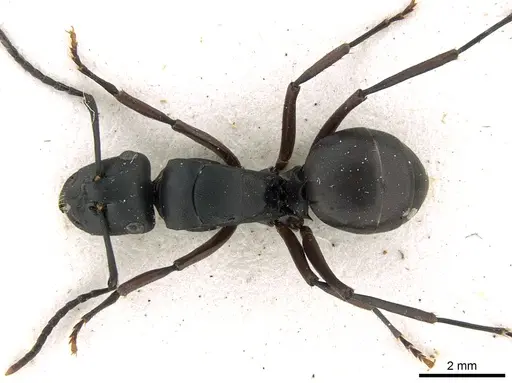
CASENT0915616
View on AntWeb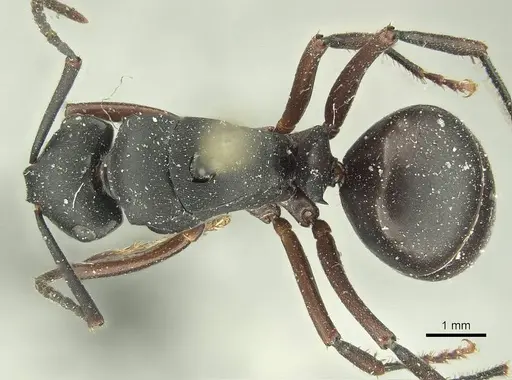
Literature
Loading...Loading products...