
Polyrhachis dives exhibits a clear seasonal flight window. Peak flight activity is concentrated in December, with the overall period spanning January to December. This extended season suggests multiple flight events or varying conditions across its range.
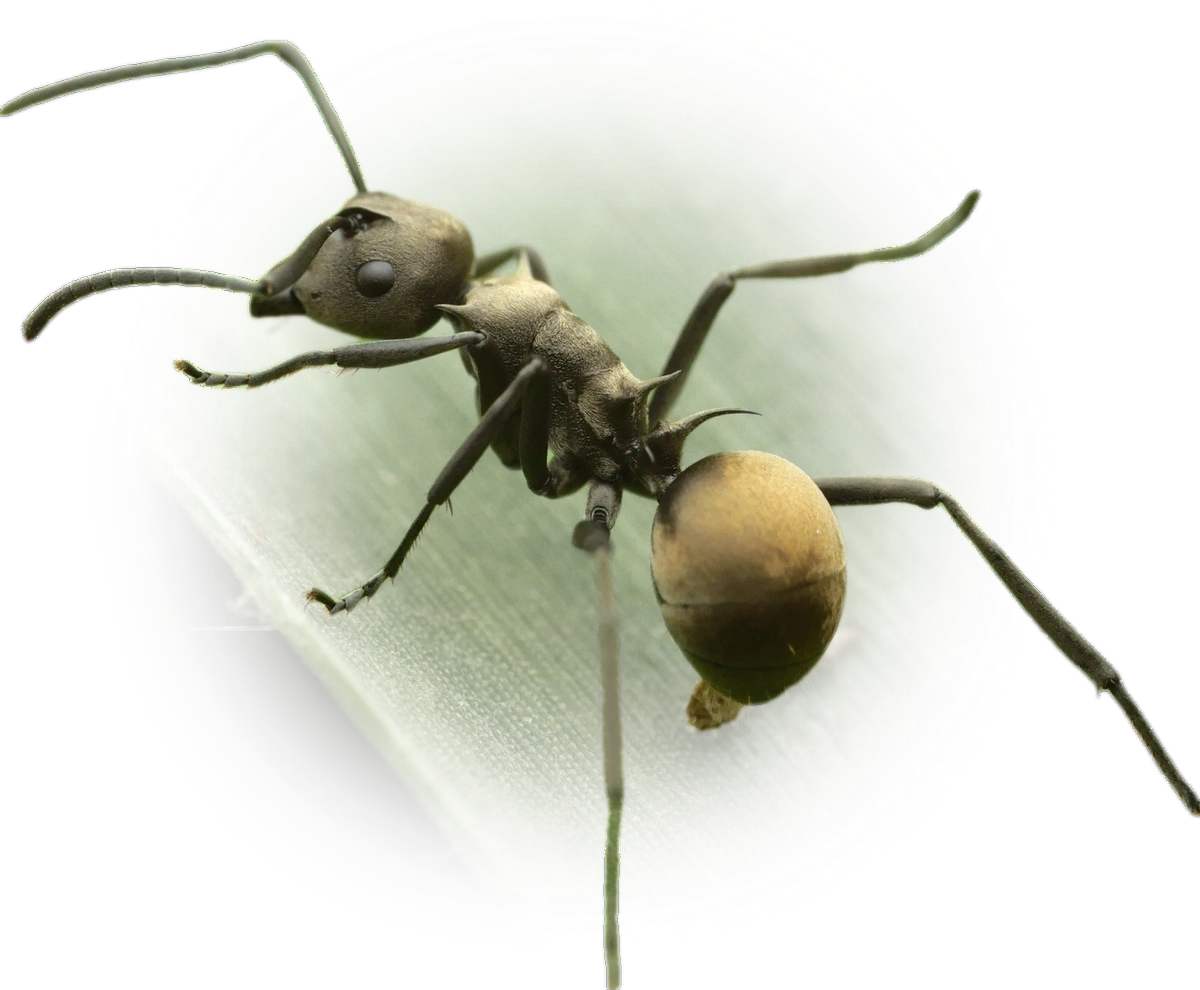
Polyrhachis dives
- Scientific Name
- Polyrhachis dives
- Subgenus
- Myrmhopla
- Tribe
- Camponotini
- Subfamily
- Formicinae
- Author
- Smith, 1857
- Common Name
- Rich Spiny Sugar ant
- Distribution
- Found in 12 countries
- Nuptial Flight
- from January to December, peaking in December
AI Identifiable
try →
Polyrhachis dives Overview
Polyrhachis dives (commonly known as the Rich Spiny Sugar ant) is an ant species of the genus Polyrhachis. It is primarily documented in 12 countries , including Australia, China, Guam. Detailed taxonomic data and occurrence records can be further explored via authoritative databases such as AntWeb or the Global Biodiversity Information Facility (GBIF).
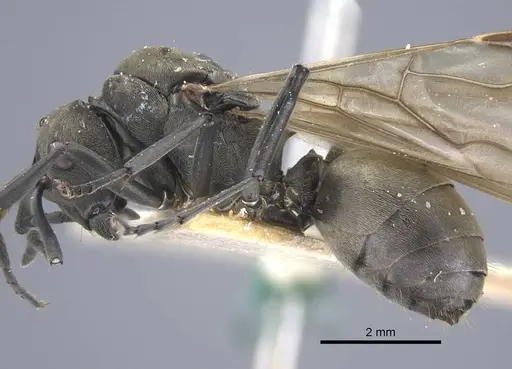
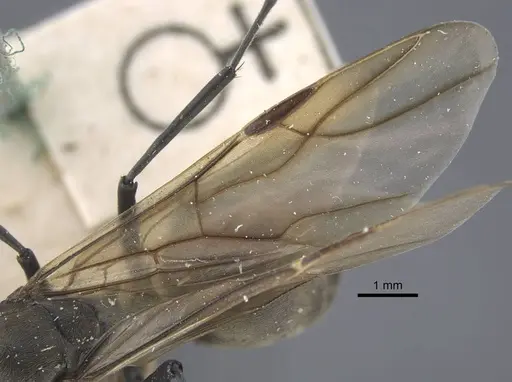
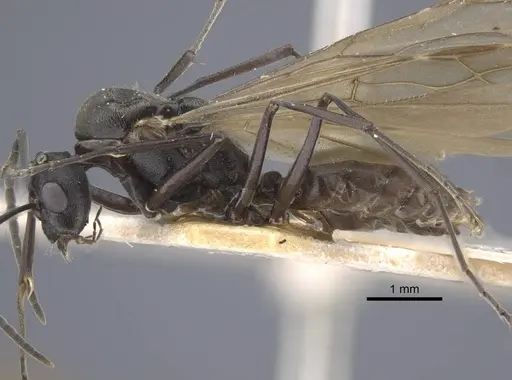
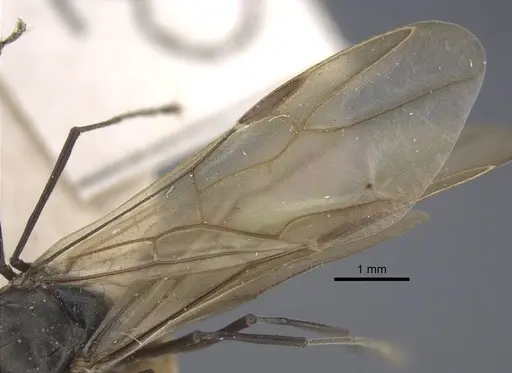
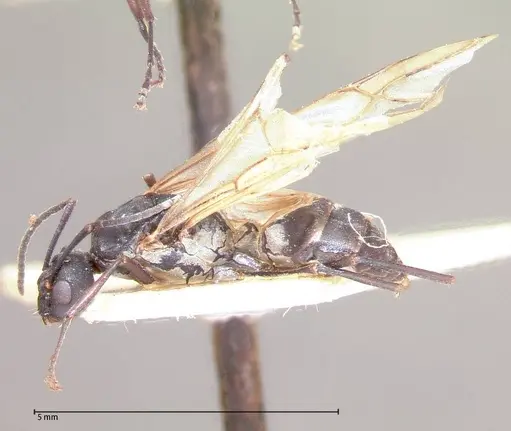
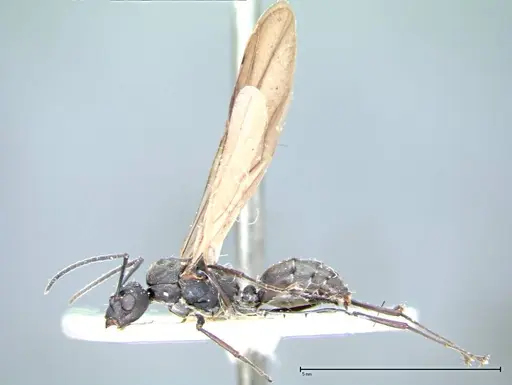
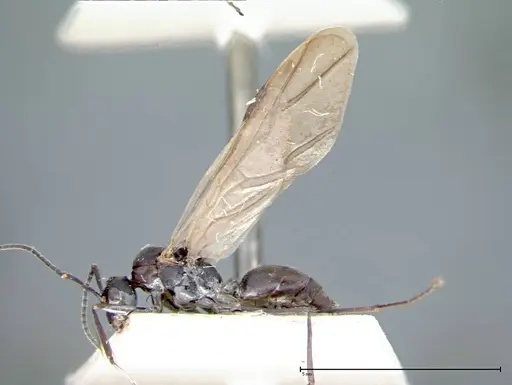
The nuptial flight of Polyrhachis dives is a significant biological event, typically occurring from January to December, peaking in December. During this time, winged queens and males leave the nest to mate and establish new colonies.
Polyrhachis dives - "Rich Spiny Sugar ant"
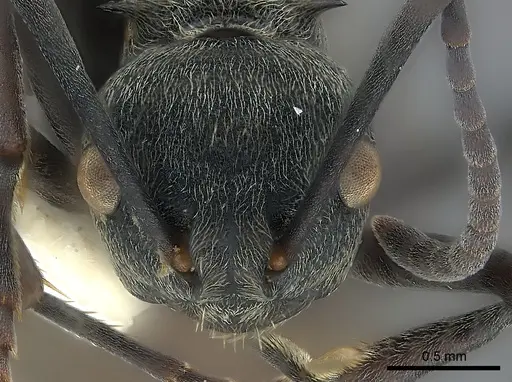
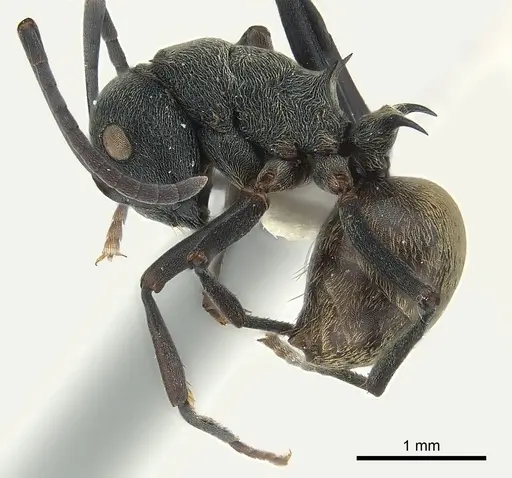
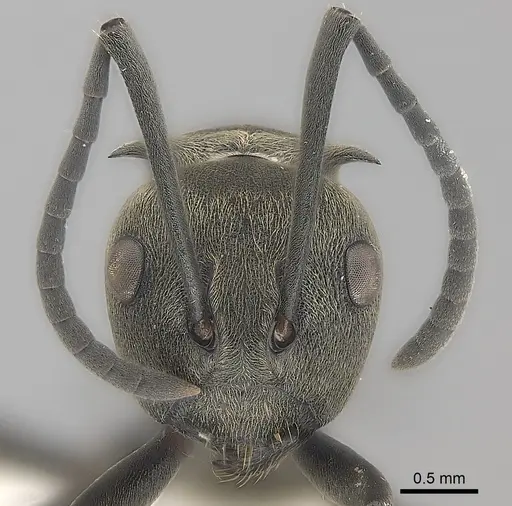
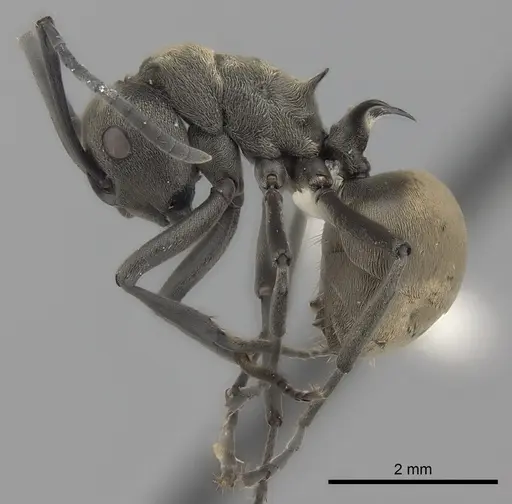
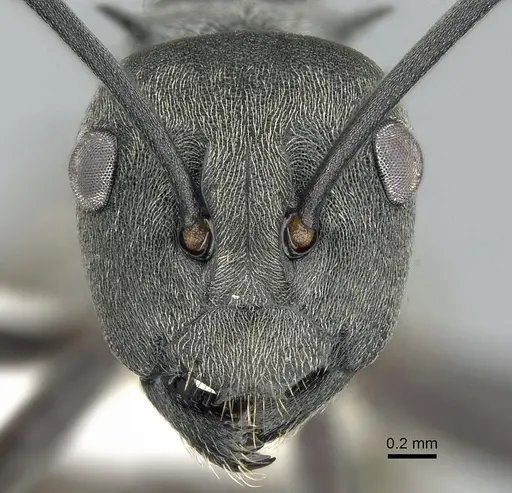
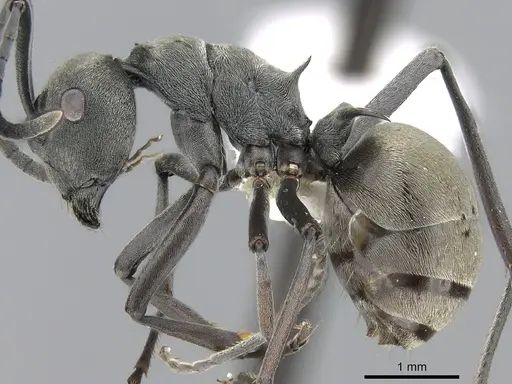
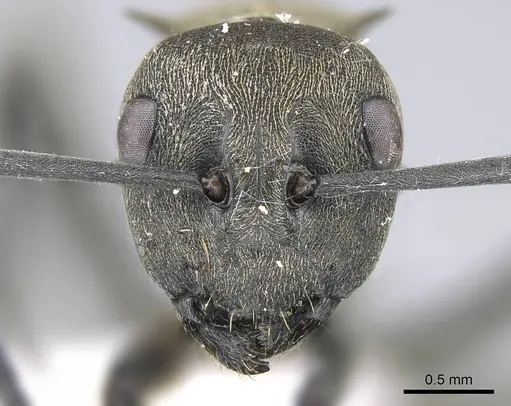
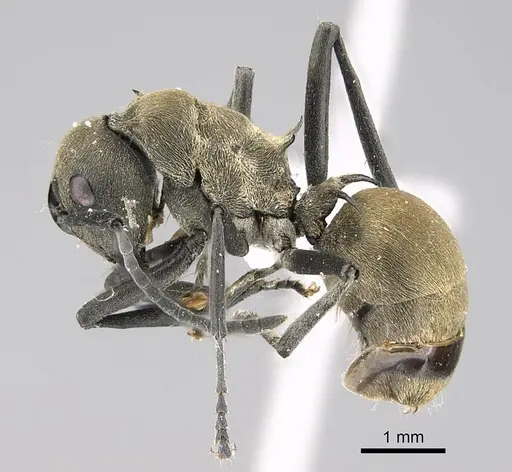
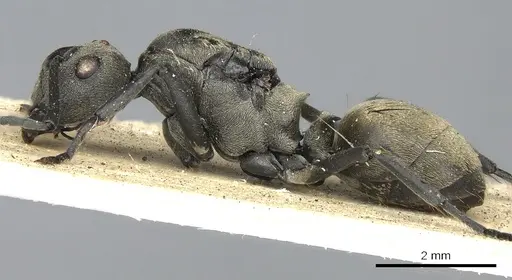
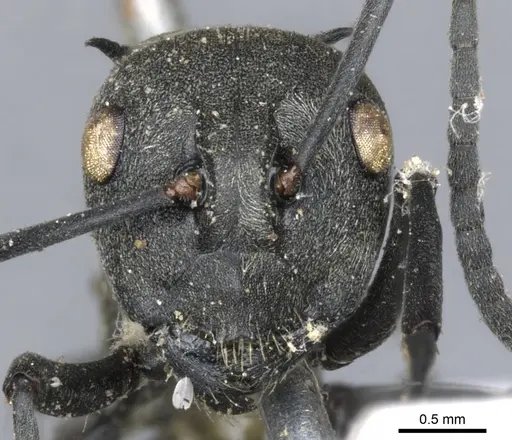
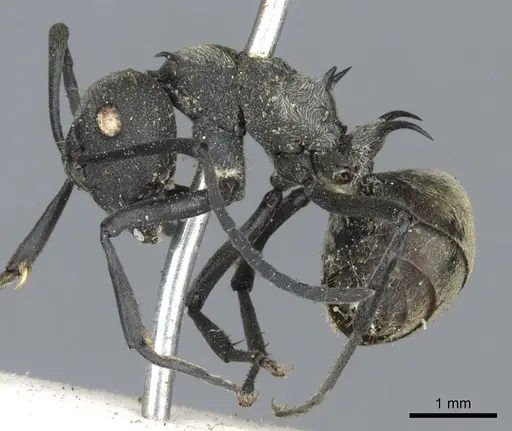
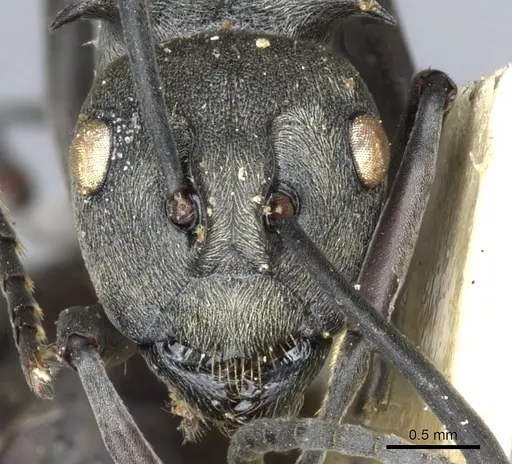
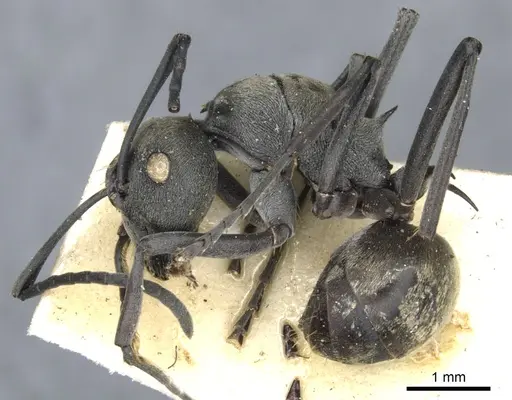
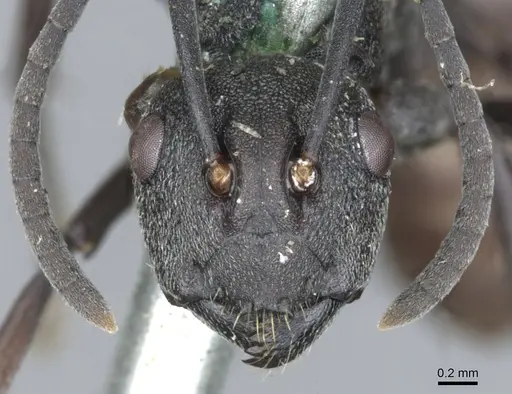
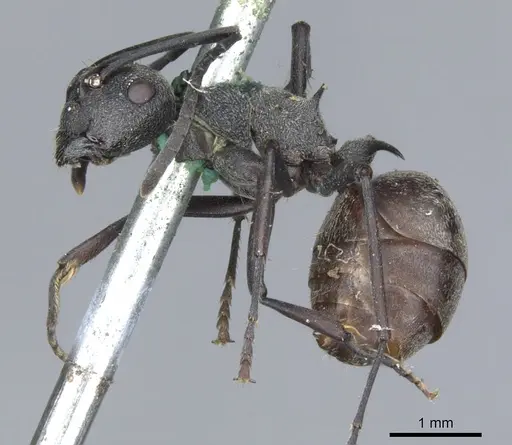
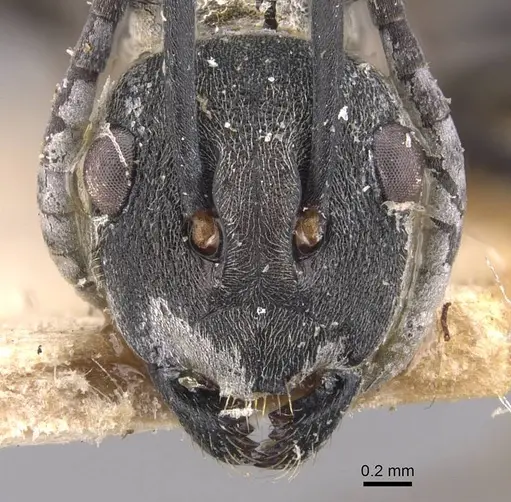
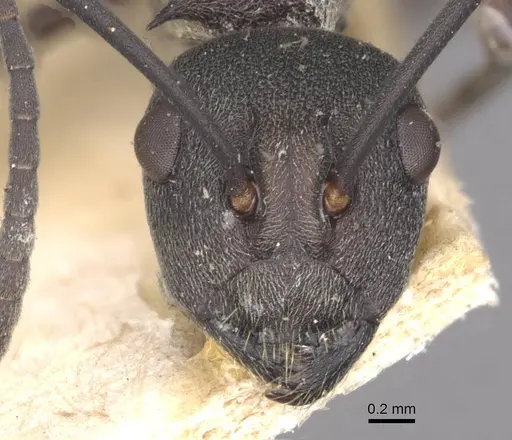
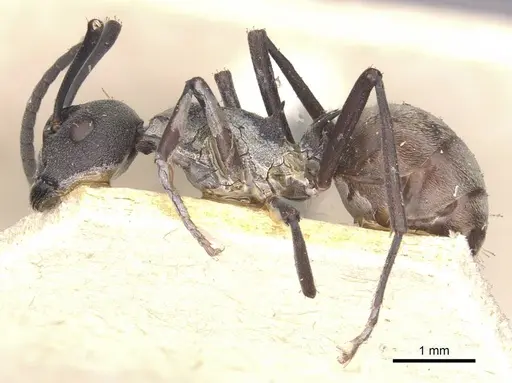
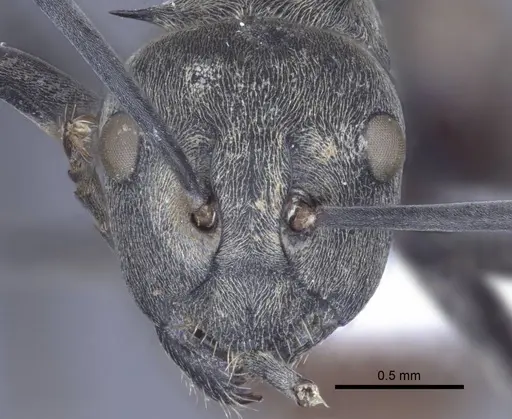
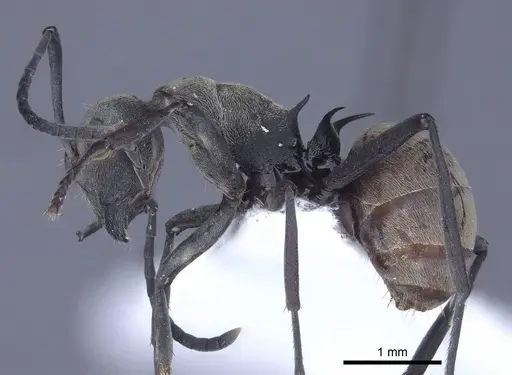
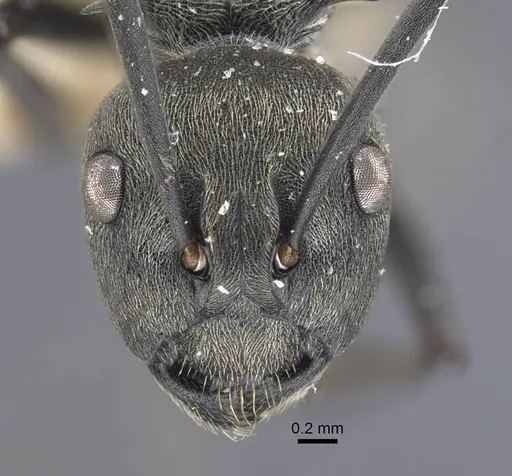
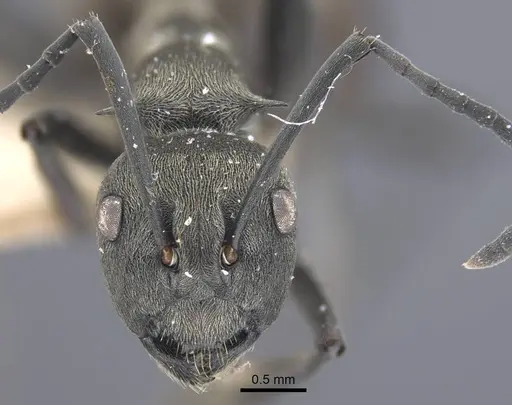
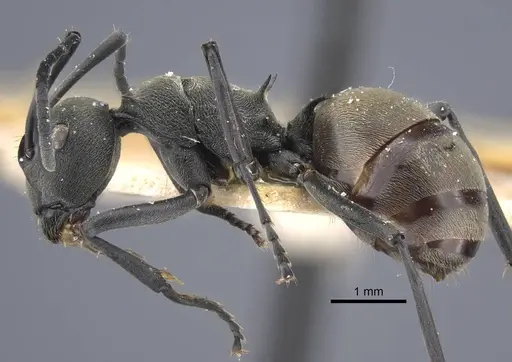
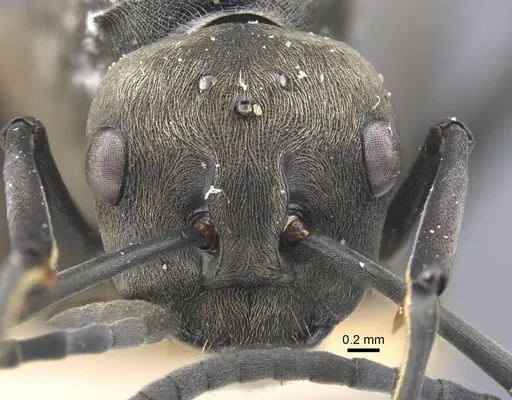
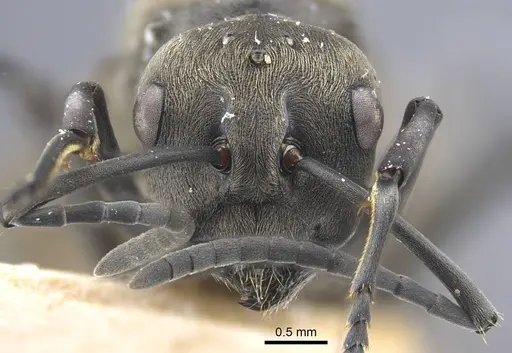
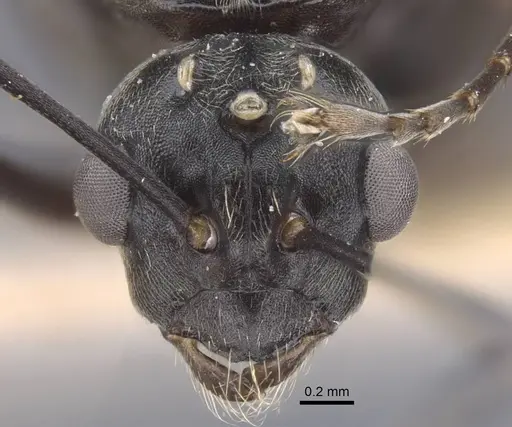
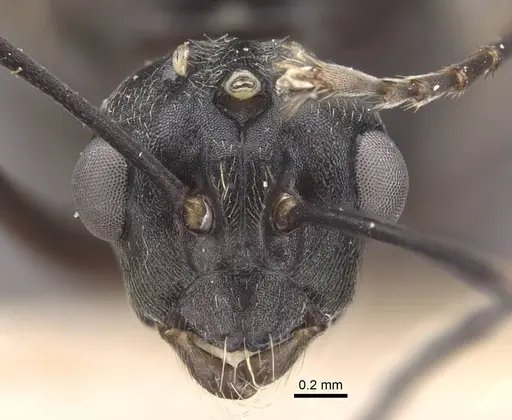
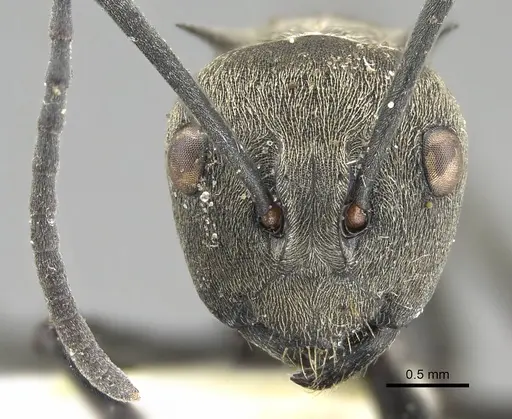
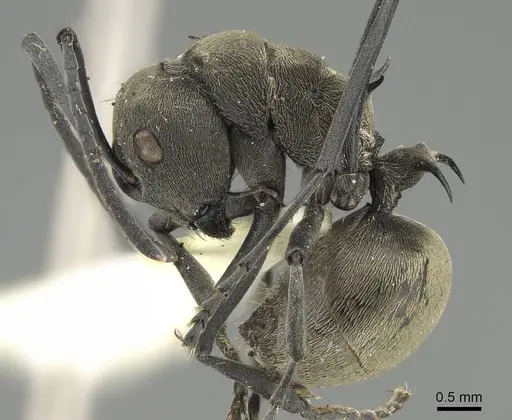
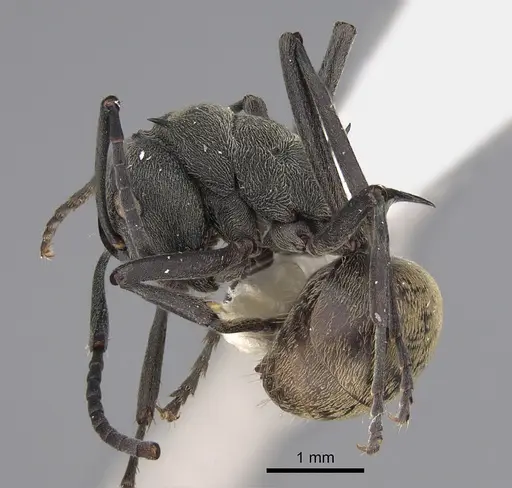
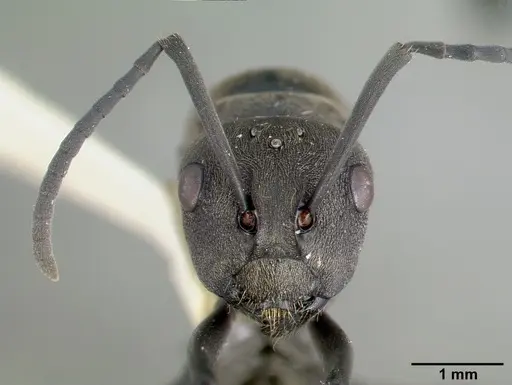
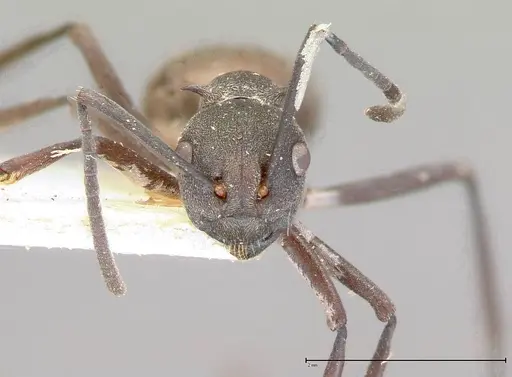
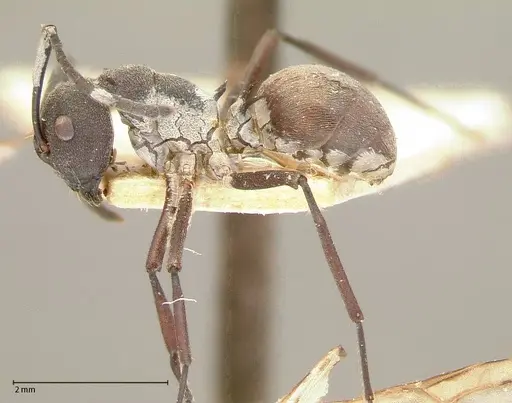
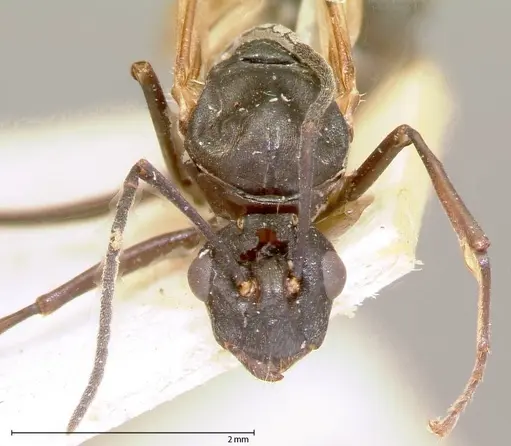
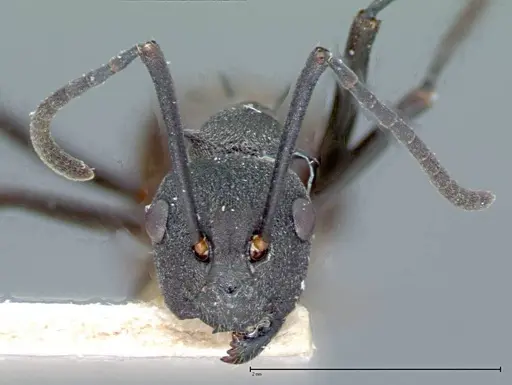
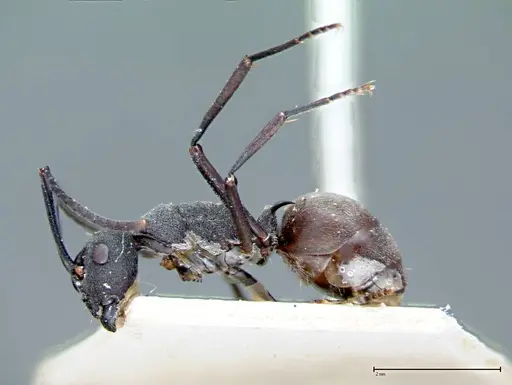
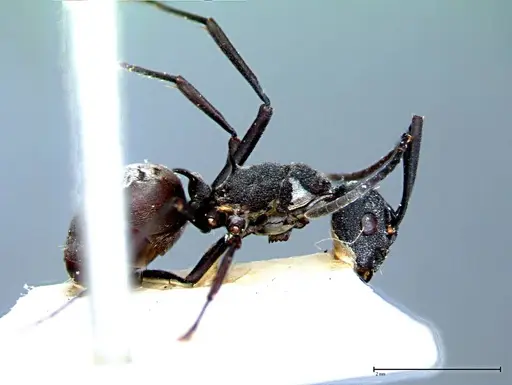
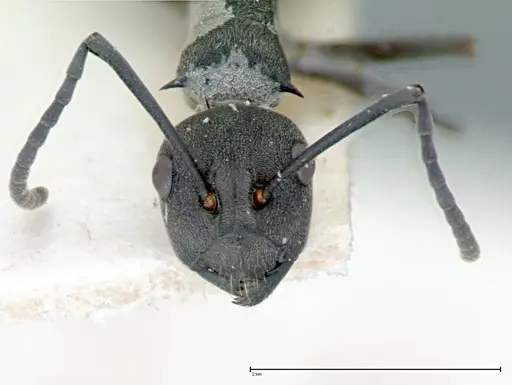
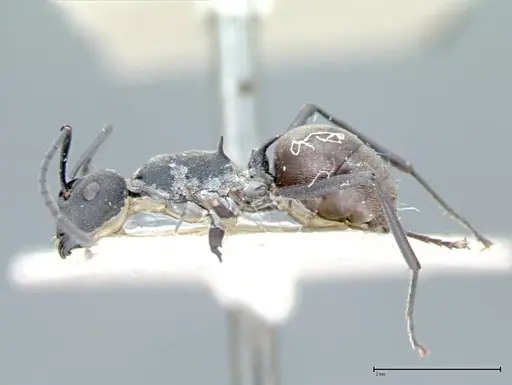
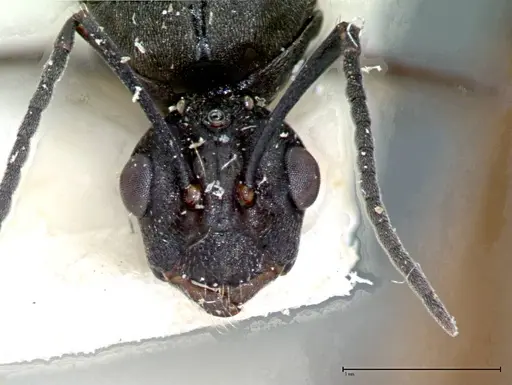
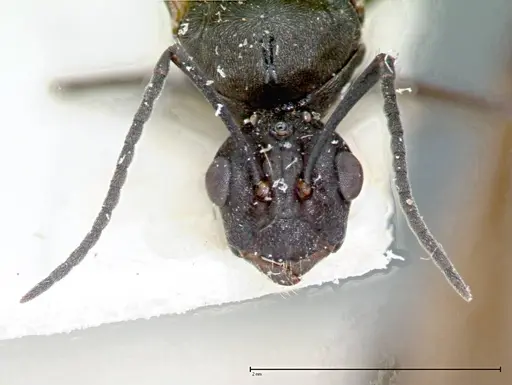
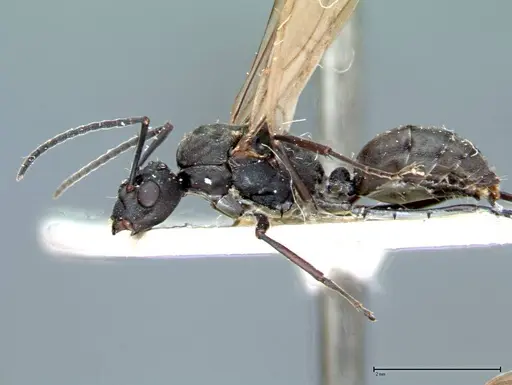
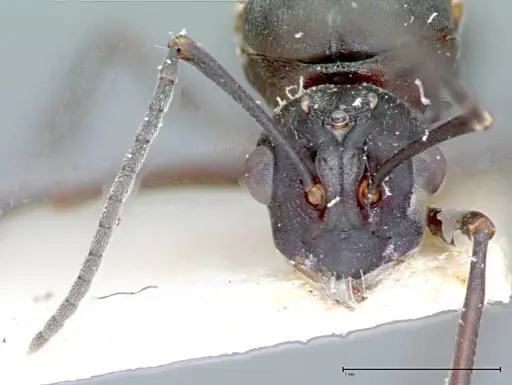
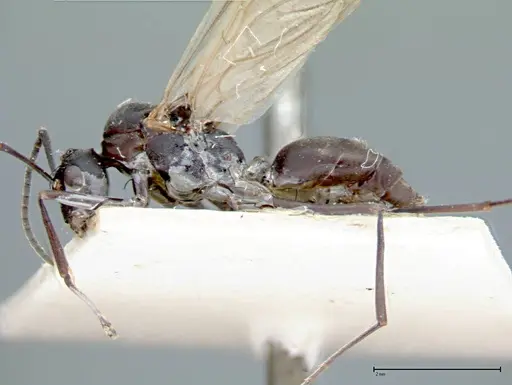
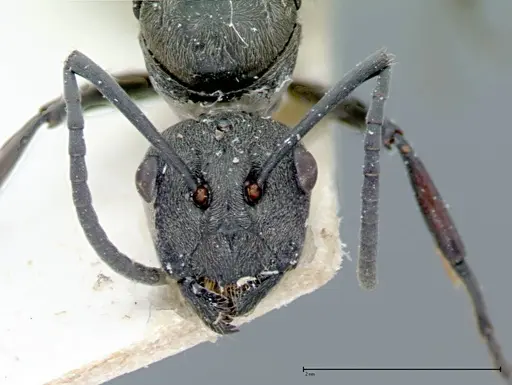
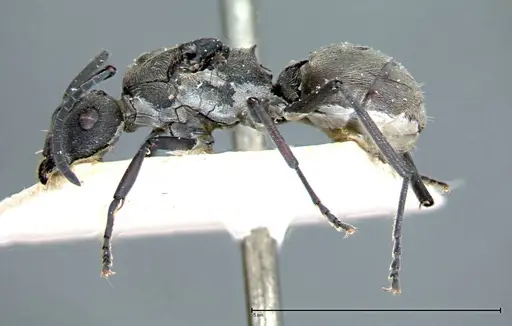
Polyrhachis dives is a medium-sized weaver ant known for its distinctive black body covered in golden-yellow pubescence and sharp spines protruding from the thorax and petiole. Workers measure 5-7.7mm with a robust, heavily-sculptured body [1]. This species builds remarkable silk-woven nests by stitching together leaves and twigs using larval silk, similar to the better-known Oecophylla weaver ants [2]. Colonies are polygynous with around 50 queens and can contain 1500-2500 workers [3]. P. dives has an extremely wide distribution spanning from China and Japan through Southeast Asia to northern Australia and New Guinea [1]. They are well-known for their painful bite and aggressive defense of their territory [4].
Quick Summary
- Difficulty: Medium
- Origin & Habitat: Found across Asia and Australia, from China, Japan, Philippines, Southeast Asia to northern Australia and New Guinea. In Australia, they inhabit open savannah woodlands and swampy coastal plains. In Japan (Okinawa), common in rural and agricultural areas [4]. Prefers open habitats with shrubs and small trees where it builds nests.
- Colony Type: Polygynous (multi-queen) colonies with approximately 50 queens per colony [4]. Polydomous, builds multiple connected nests across branches. Single and multiple queen colonies both documented [1].
- Colony: Polygyne
- Founding: Claustral
- Size & Growth:
- Queen: 8.72-9.32mm [1]
- Worker: 5.39-7.71mm [1]
- Colony: 1500-2500 workers in established colonies [3]
- Growth: Moderate
- Development: Estimated 6-8 weeks based on typical Formicinae development at warm temperatures (Development time inferred from related Formicinae species, specific data for P. dives unavailable)
- Antkeeping:
- Temperature: Keep at 24-28°C. They tolerate temperatures up to 39°C but show stress behaviors above 32.75°C [3]. Provide a temperature gradient allowing workers to self-regulate.
- Humidity: Moderate humidity (50-70%). As an arboreal species, they prefer somewhat humid conditions but the nest structure helps regulate moisture. Mist occasionally but ensure ventilation to prevent mold.
- Diapause: Not required. This is a tropical/subtropical species that does not hibernate. Keep at stable warm temperatures year-round [5].
- Nesting: Arboreal weaver, requires vertical space for nest-building. Provide live plants, branches, or artificial structures they can weave. A naturalistic setup with living foliage works best. They will stitch together leaves/twigs with silk [6].
- Behavior: Active and aggressive foragers with strong territorial behavior. They patrol extensively around nest periphery and will aggressively defend against intruders including fire ants [7]. Known for their painful bite. Workers forage on trees, soil, and leaves, often tending aphids for honeydew [8]. Polydomous colonies maintain multiple nest sites connected by trails. Escape prevention is moderate, medium-sized ants but good climbers, use barrier gel or fluon on edges.
- Common Issues: queen loss during founding, polygynous colonies may have tensions between queens, nest collapse, silk weaves can deteriorate if humidity fluctuates too much, escape through small gaps, good climbers despite medium size, competition with other ants, aggressive but may lose to fire ants without support, fungal growth in nest, requires good ventilation despite humidity needs
Nuptial Flight Activity Analysis 157 observations
Flight Activity by Hour 157 observations
Polyrhachis dives nuptial flight activity peaks around 08:00 during the morning. Activity is spread across a 18-hour window (06:00–23:00). Times may be influenced by human observation patterns.
Housing and Nest Setup
Polyrhachis dives is an arboreal weaver ant that requires vertical space to build its characteristic silk-woven nests. Unlike ground-nesting ants, they need access to foliage, branches, or artificial structures they can stitch together. The best housing option is a naturalistic setup with live plants or a formicarium with branches/mesh panels where they can construct their nest. Provide small twigs, leaves, or synthetic mesh that workers can weave with silk. Test tubes alone are not suitable for this species, they need space to create their woven nest structure. A hybrid setup works well: a formicarium connected to an outworld with live plants or branches. Ensure the setup allows for multiple nest sites since colonies are polydomous. Humidity should be moderate (50-70%) with good ventilation to prevent mold in the silk nest material. [1][6][2]
Feeding and Diet
P. dives is omnivorous with a strong preference for protein and honeydew. In captivity, feed them a varied diet including: protein sources like mealworms, small crickets, and other small insects offered 2-3 times weekly, sugar sources including honey water, sugar water, or ripe fruit provided continuously, and they will readily accept honeydew if available (aphids on plants in the setup). Workers forage actively and will patrol to find food, demonstrating strong recruitment behavior [8]. In China, they are known to prey on pine caterpillars and other forest pests [9]. Provide a shallow water source. Unlike some ants, they do not store food in the nest, remove uneaten prey after 24 hours to prevent mold.
Temperature and Heating
Keep colonies at 24-28°C for optimal activity and brood development. This species is thermolerant up to about 39°C but shows signs of stress above 32.75°C [3]. At higher temperatures, workers show increased grouping behavior and escape urgency. Provide a temperature gradient so workers can self-regulate, a heating cable on one side of the nest area creates this gradient. Room temperature (22-26°C) is generally acceptable in most homes. Avoid temperatures below 20°C as this species is adapted to tropical/subtropical conditions. No hibernation or winter rest is required, maintain warm temperatures year-round.
Colony Structure and Queen Care
P. dives is polygynous with colonies typically containing around 50 queens [4]. This is unusual among ants and affects how you should house them. Multiple queens can coexist in the same nest, which makes colony establishment easier, you can introduce multiple founding queens together. However, established colonies may still show queen aggression during certain periods. Queens measure 8.72-9.32mm and are significantly larger than workers [1]. The colony grows quickly once workers emerge, and you should expect the first workers (nanitics) within 6-8 weeks under warm conditions. Colonies can reach 1500-2500 workers in a couple of years [3]. As the colony grows, they will expand to multiple nest sites, this polydomous behavior is natural.
Behavior and Defense
This species is known for its aggressive defense and powerful bite. Workers will actively patrol the nest perimeter and attack any perceived threats [7]. When encountering fire ants (Solenopsis invicta), P. dives shows significantly higher aggressive behavior than defensive responses, with aggressive behaviors 2-15 times more frequent [7]. They demonstrate experience-dependent behavioral modification, when repeatedly encountering major fire ants, their aggressive behavior gradually decreases but remains dominant. Their painful bite comes from potent venom that also has antimicrobial properties, which may compensate for the absence of a metapleural gland in this genus [10]. Workers are active foragers that will search for food both on the ground and in vegetation.
Weaver Nest Building
P. dives is a weaver ant that uses larval silk to stitch together leaves and twigs, creating secure nest structures [6]. The larvae have specialized spinneret glands that workers use like shuttles to produce silk [2]. In captivity, provide materials they can work with: small live plants, twigs, or synthetic mesh panels work well. The nest construction is an active process, workers coordinate to hold leaves together while others apply silk. This behavior is fascinating to observe and is one of the main reasons keepers enjoy this species. The nests can become quite large in established colonies, often spanning multiple branches or sections of the enclosure.
Frequently Asked Questions
Can I keep Polyrhachis dives in a test tube?
No, test tubes are not suitable for this species. P. dives is an arboreal weaver ant that needs vertical space to build silk-woven nests between leaves and branches. Use a naturalistic setup with live plants, branches, or a formicarium with mesh panels they can weave together.
How long until first workers appear in Polyrhachis dives?
Expect first workers (nanitics) within 6-8 weeks after the queen lays eggs, assuming temperatures are kept at 24-28°C. This estimate is based on typical Formicinae development, specific development data for P. dives is not available.
Can I keep multiple queens together in one colony?
Yes, this is natural for P. dives which is polygynous. Colonies typically have around 50 queens [4]. You can introduce multiple founding queens together when starting a colony. Established colonies maintain multiple queens without aggressive interactions.
What do Polyrhachis dives eat?
They are omnivorous. Feed protein (small insects like mealworms, crickets) 2-3 times weekly, and provide constant access to sugar sources (honey water, sugar water, fruit). They also forage for honeydew and will tend aphids if available in the setup.
Are Polyrhachis dives good for beginners?
This is a medium-difficulty species. They are more challenging than simple ground-nesting ants because they require arboreal housing with nest-building materials. However, they are hardy once established and fascinating to watch. Not recommended as a first ant but manageable for those with some experience.
Do Polyrhachis dives need hibernation?
No, they do not require hibernation. This is a tropical/subtropical species that remains active year-round at warm temperatures. Keep them at 24-28°C consistently without seasonal cooling.
How big do Polyrhachis dives colonies get?
Mature colonies can reach 1500-2500 workers [3]. They are polygynous with approximately 50 queens per colony. Growth is moderate, expect a couple of years to reach maximum size under good conditions.
Why is my Polyrhachis dives colony dying?
Common issues include: incorrect humidity (too dry causes silk nest to deteriorate, too wet promotes mold), temperatures below 20°C, lack of protein in diet, and stress from disturbance. They also need adequate vertical space for nest-building. Check that your setup provides the materials and conditions they need.
References

This caresheet is licensed under CC BY-SA 4.0 .
ANTWEB1008258
View on AntWeb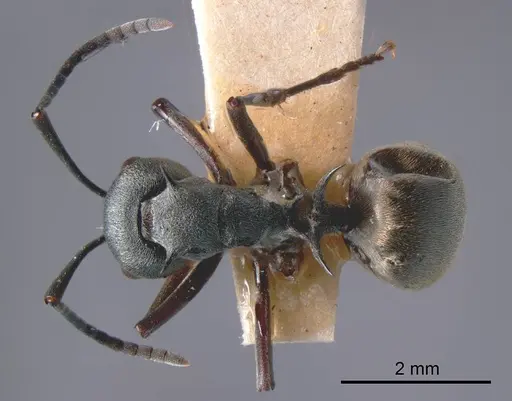
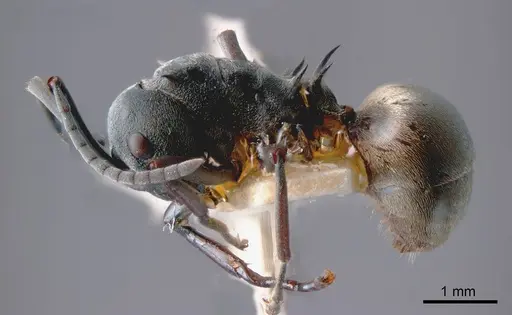
CASENT0227526
View on AntWeb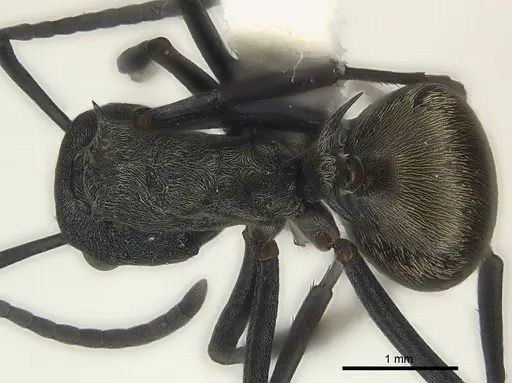
CASENT0227581
View on AntWeb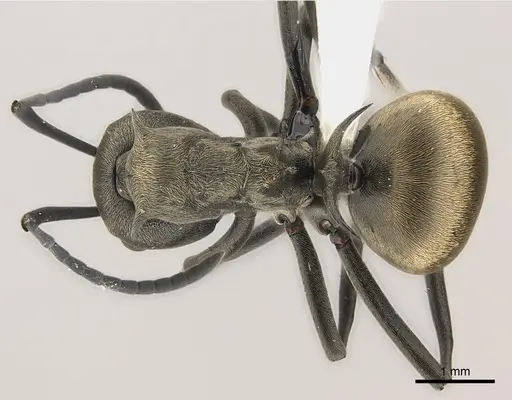
CASENT0281401
View on AntWeb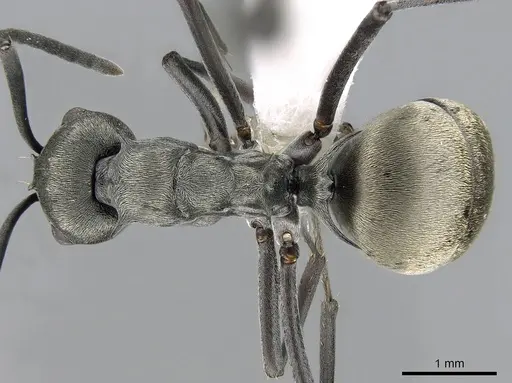
CASENT0740783
View on AntWeb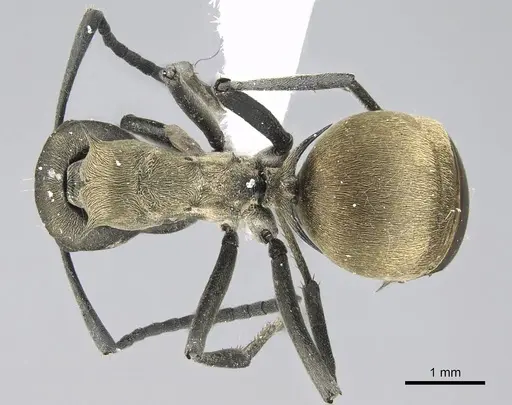
CASENT0901862
View on AntWeb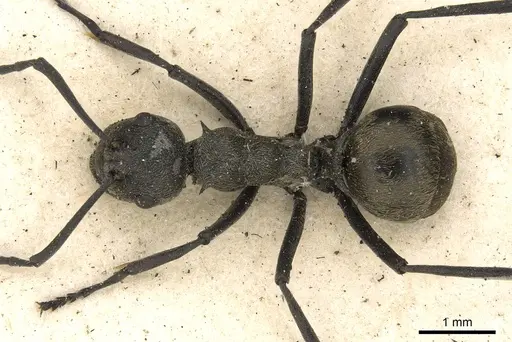
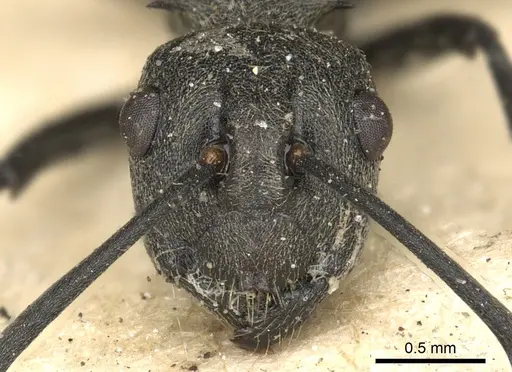
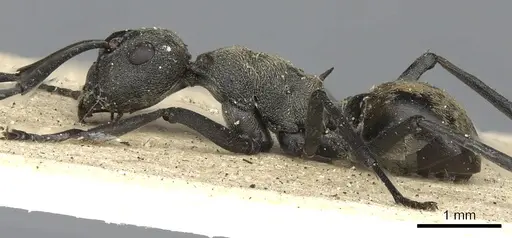
CASENT0901864
View on AntWeb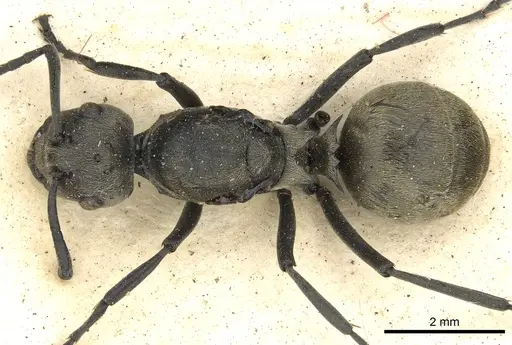
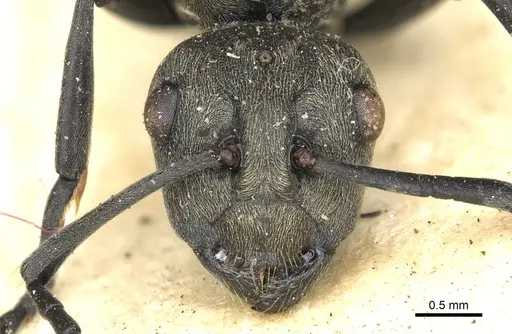
CASENT0903388
View on AntWeb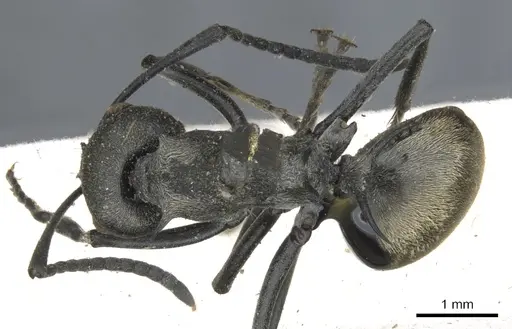
CASENT0903389
View on AntWeb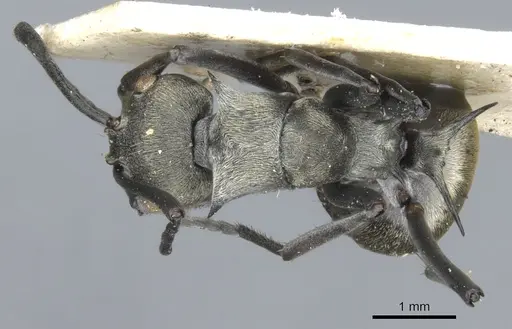
CASENT0903390
View on AntWeb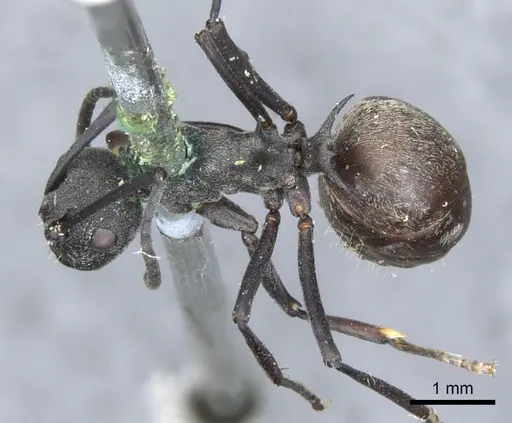
CASENT0905642
View on AntWeb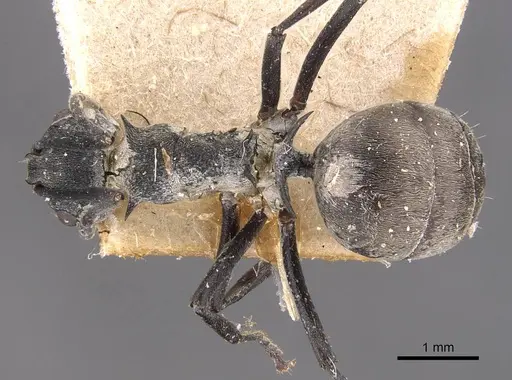
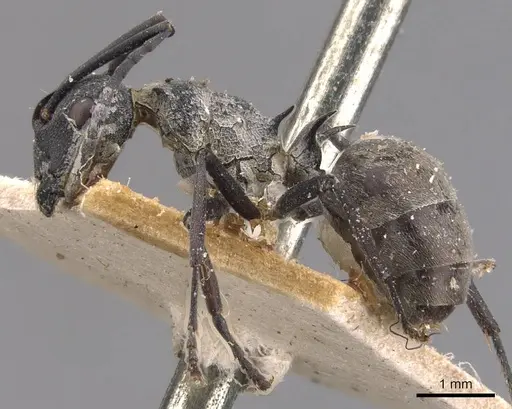
CASENT0910885
View on AntWeb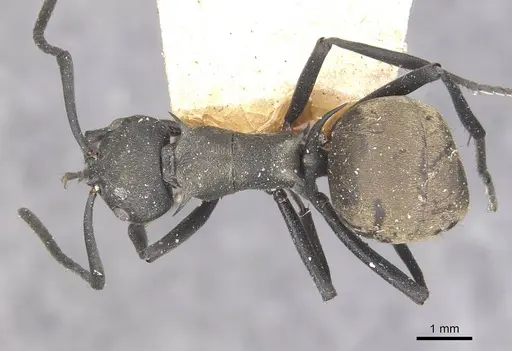
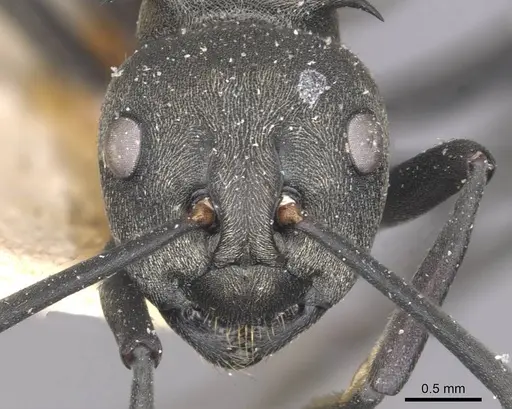
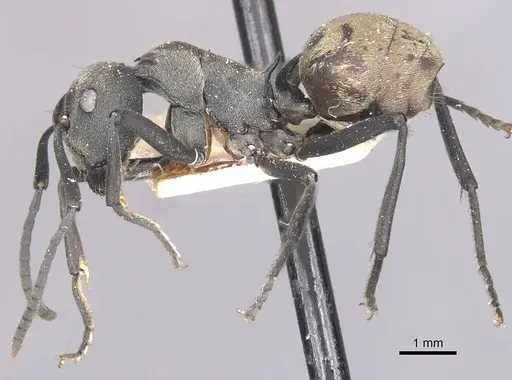
CASENT0910886
View on AntWeb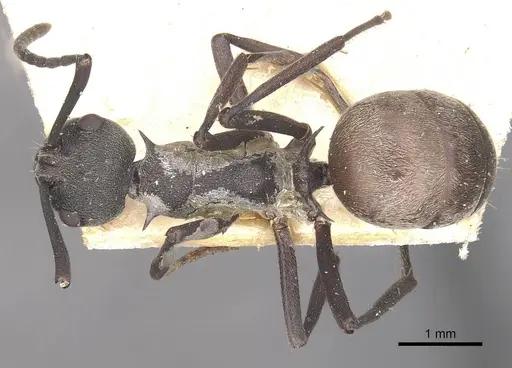
CASENT0916779
View on AntWeb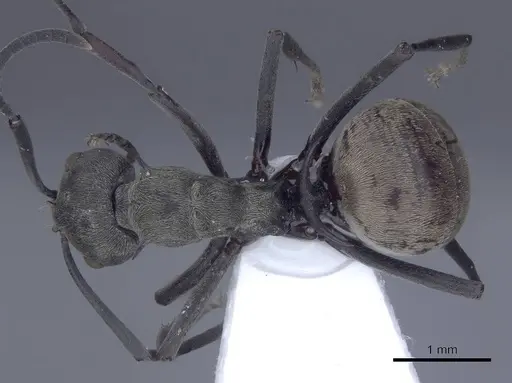
CASENT0917194
View on AntWeb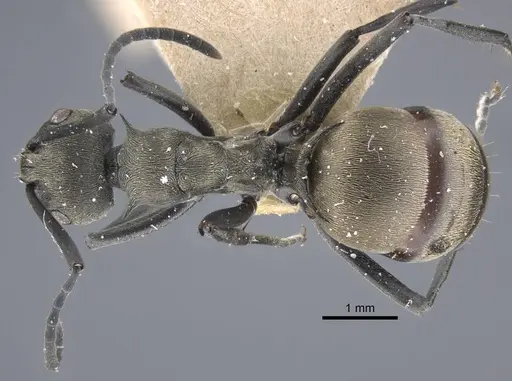
CASENT0917195
View on AntWeb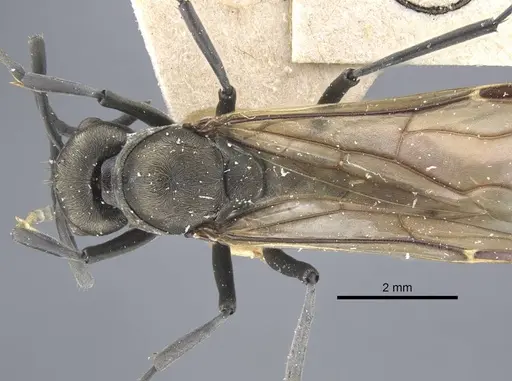
CASENT0917196
View on AntWeb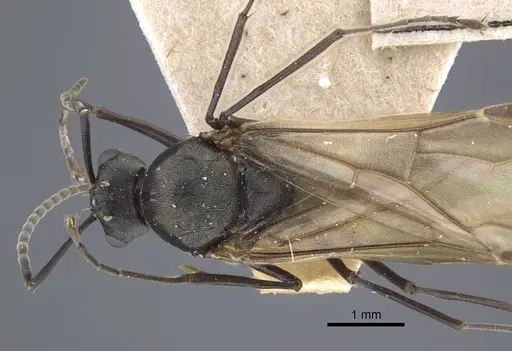
CASENT0919888
View on AntWeb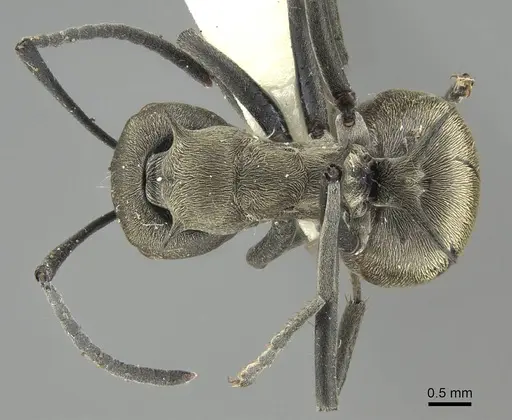
CASENT0919918
View on AntWeb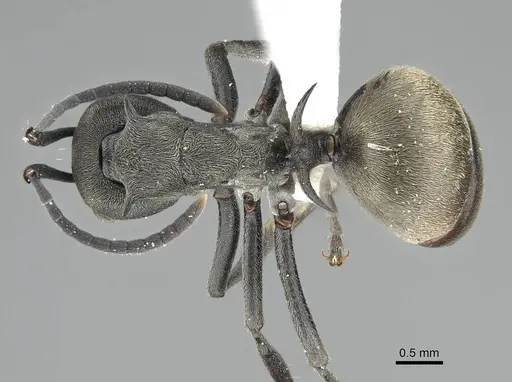
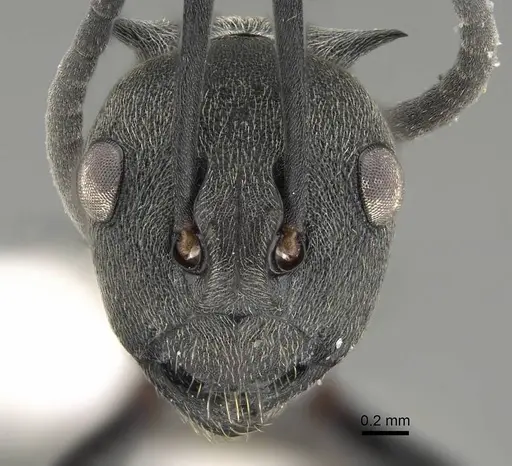
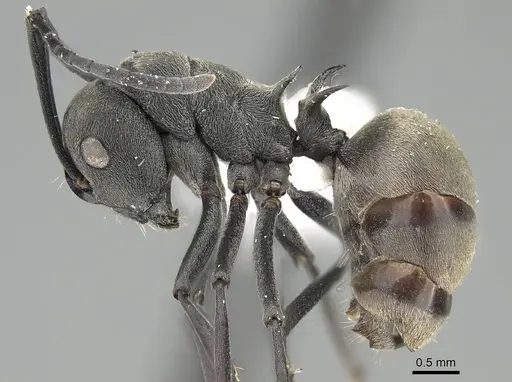
CASENT0923491
View on AntWeb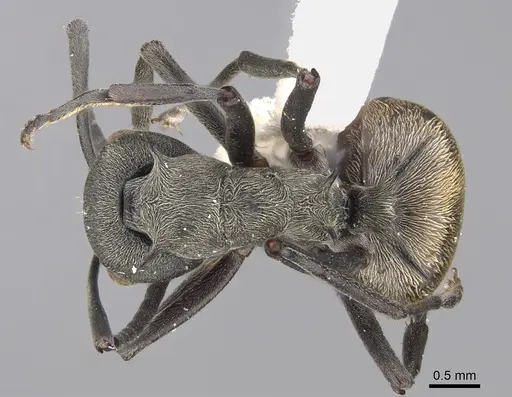
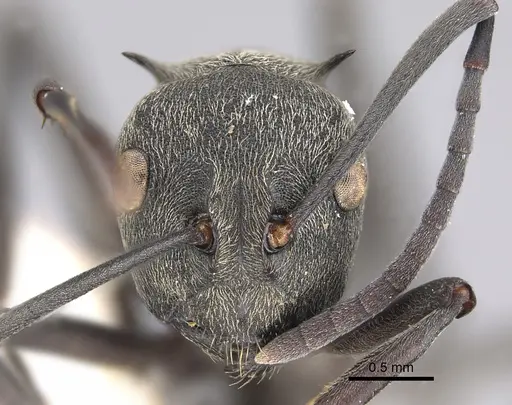
CASTYPE06933
View on AntWeb


FOCOL0052-1
View on AntWeb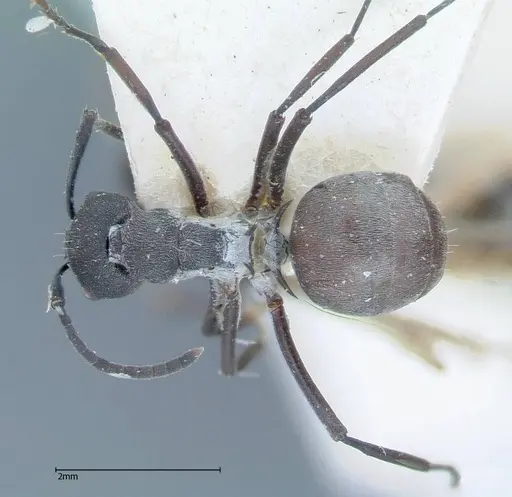
FOCOL0052-2
View on AntWeb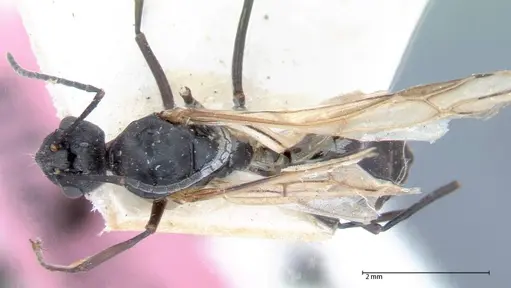
FOCOL0095-1
View on AntWeb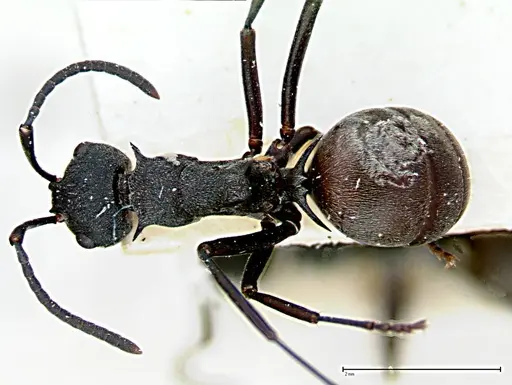
FOCOL0095-2
View on AntWeb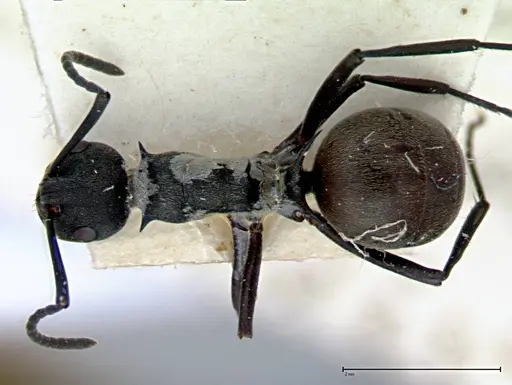
FOCOL0096-1
View on AntWeb
FOCOL0096-2
View on AntWeb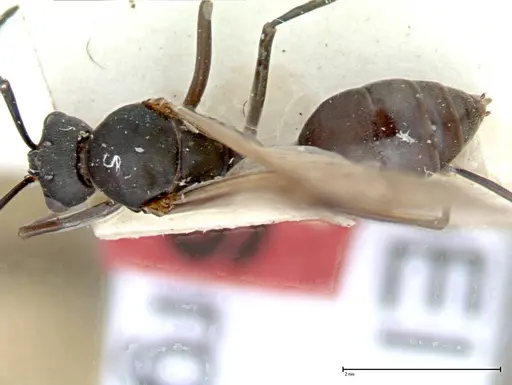
FOCOL0097
View on AntWeb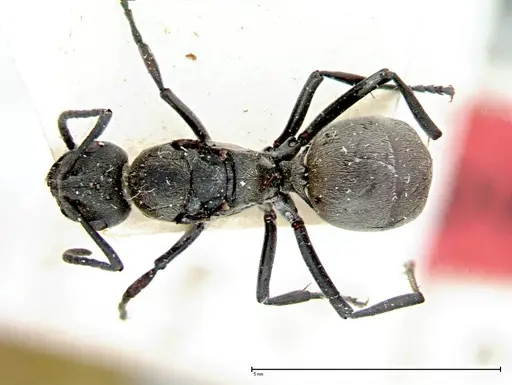
Literature
Loading...Loading products...