
Solenopsis invicta follows a consistent seasonal pattern with peak activity in May. The flight window runs from April to June, providing several months of opportunity for observations.
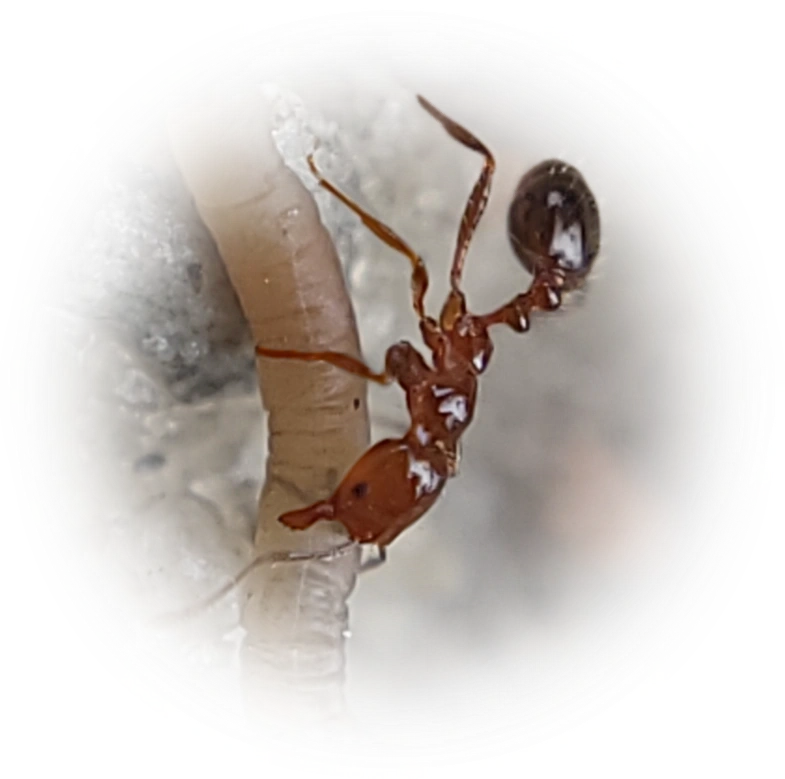
Solenopsis invicta
- Scientific Name
- Solenopsis invicta
- Tribe
- Solenopsidini
- Subfamily
- Myrmicinae
- Author
- Buren, 1972
- Common Name
- Red Imported Fire Ant
- Distribution
- Found in 4 countries
- Nuptial Flight
- from April to June, peaking in May
AI Identifiable
try →
Solenopsis invicta Overview
Solenopsis invicta (commonly known as the Red Imported Fire Ant) is an ant species of the genus Solenopsis. It is primarily documented in 4 countries , including Argentina, Australia, Brazil. Detailed taxonomic data and occurrence records can be further explored via authoritative databases such as AntWeb or the Global Biodiversity Information Facility (GBIF).
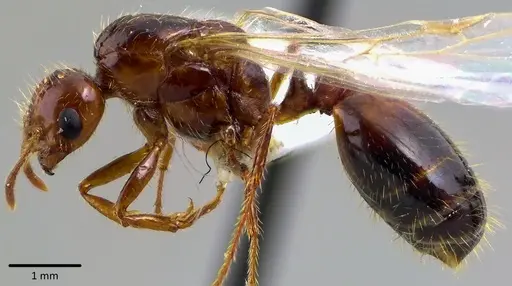
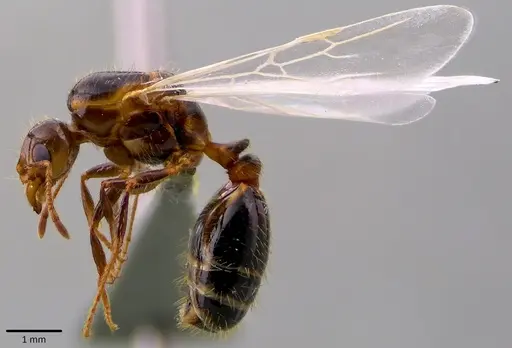
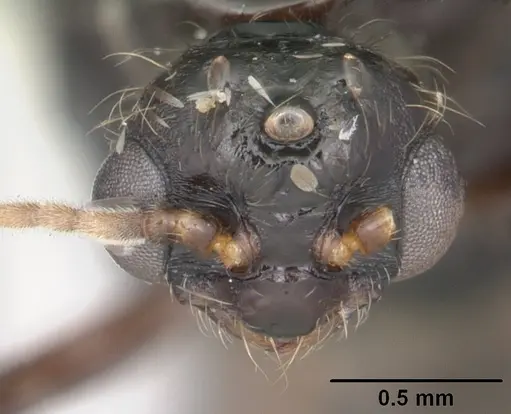
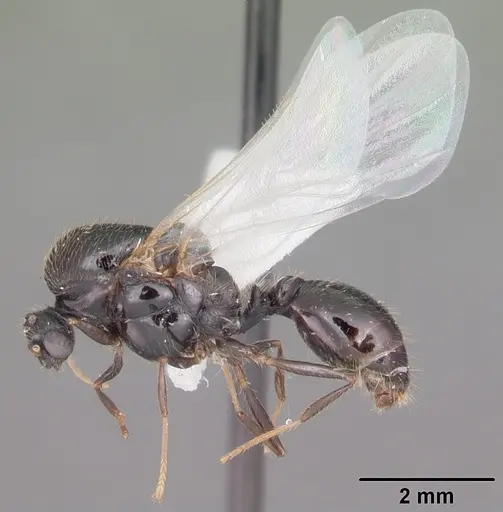
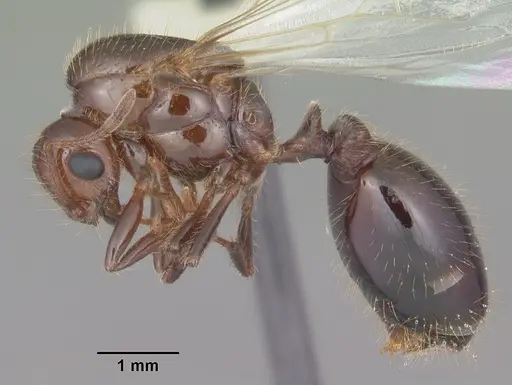
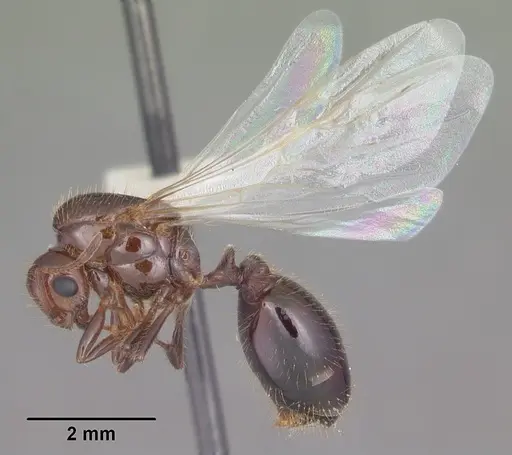
The nuptial flight of Solenopsis invicta is a significant biological event, typically occurring from April to June, peaking in May. During this time, winged queens and males leave the nest to mate and establish new colonies.
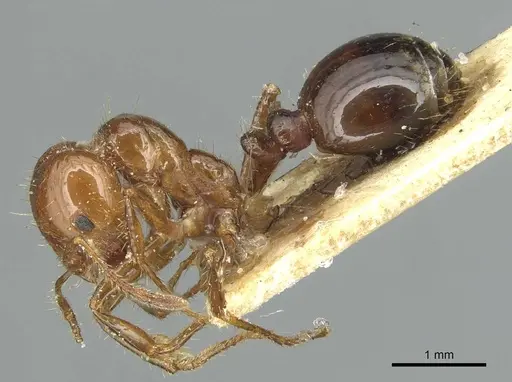
Solenopsis invicta - "Red Imported Fire Ant"
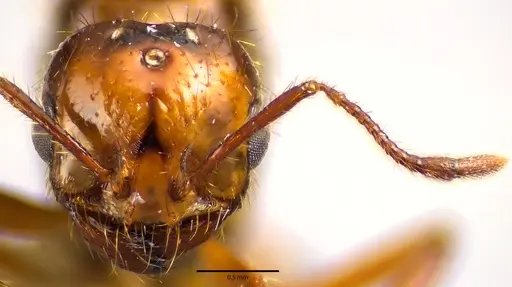
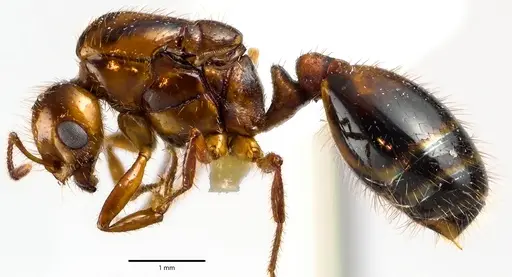
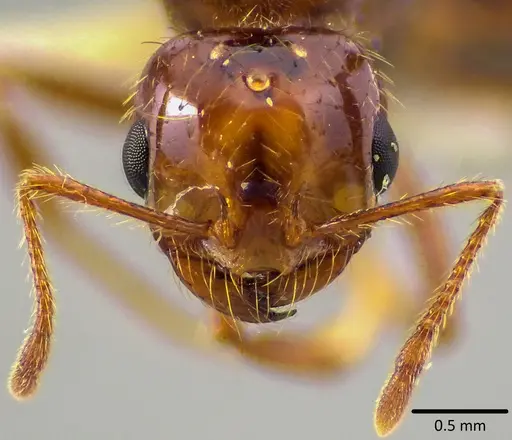
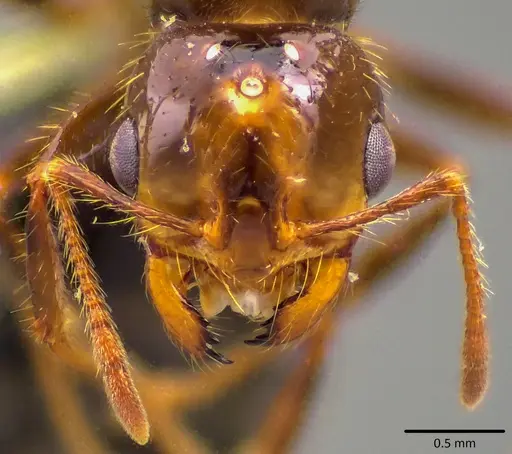
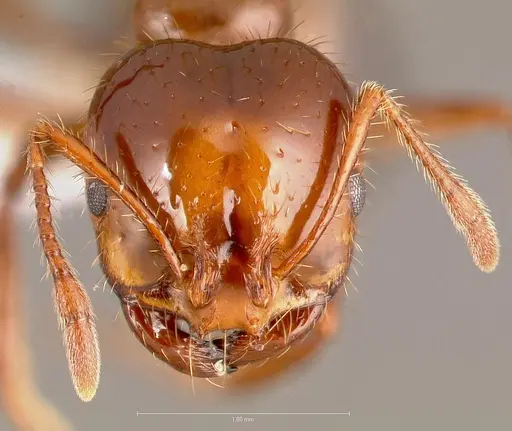
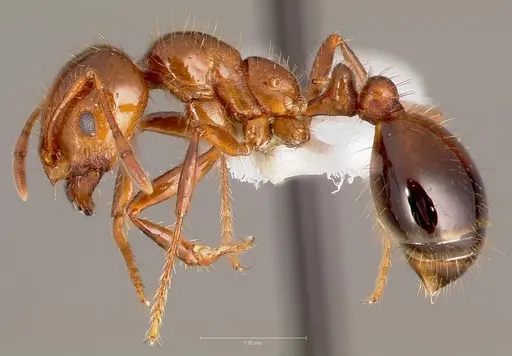
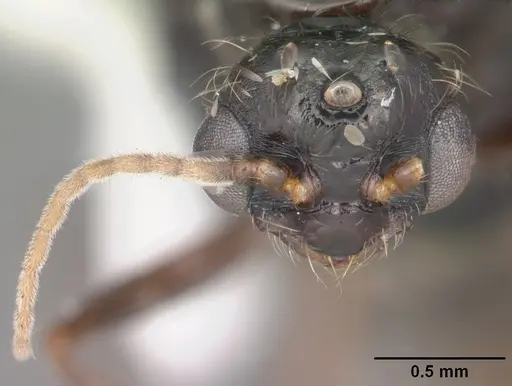
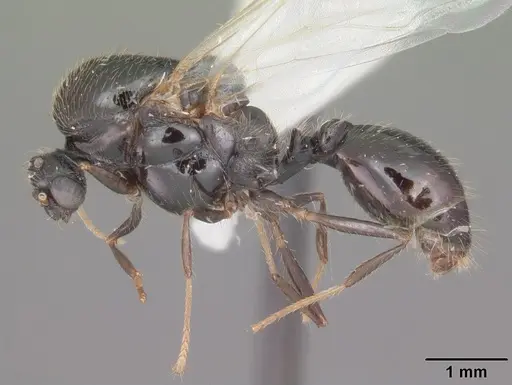
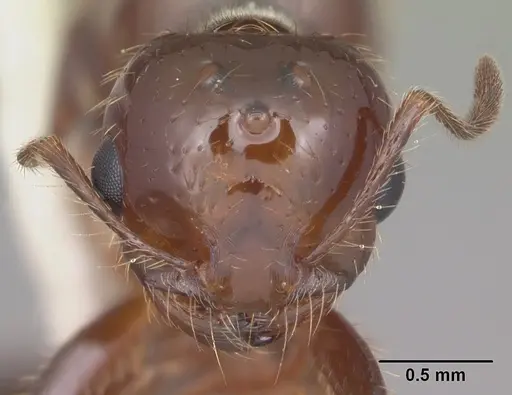
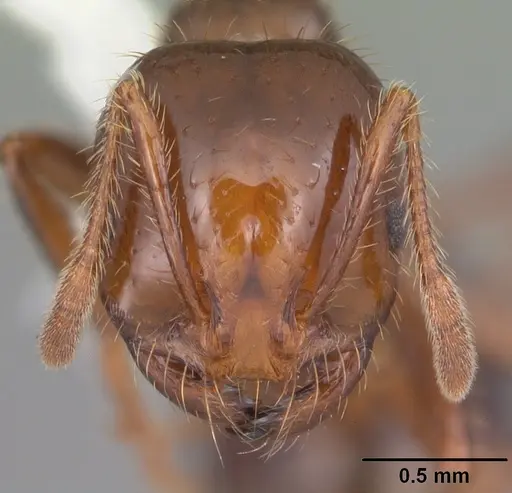
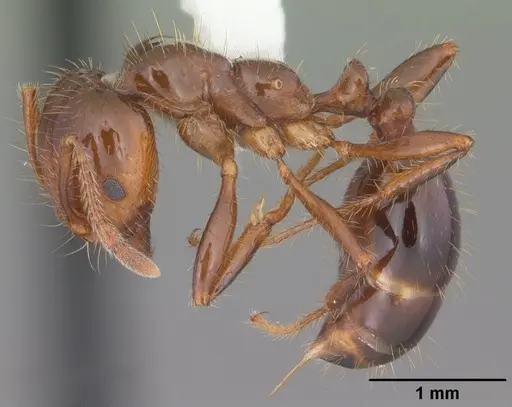
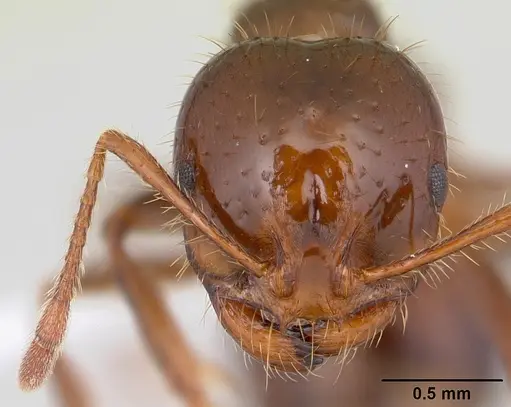
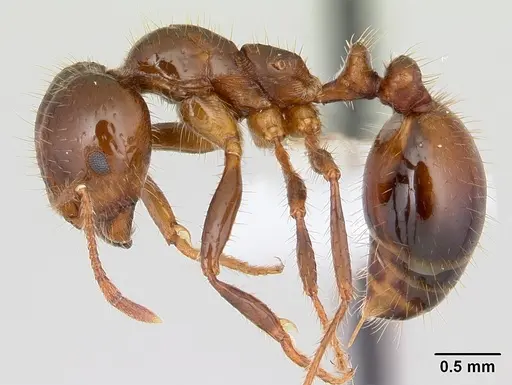
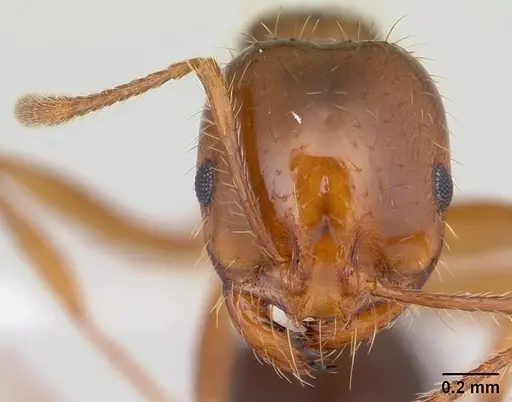
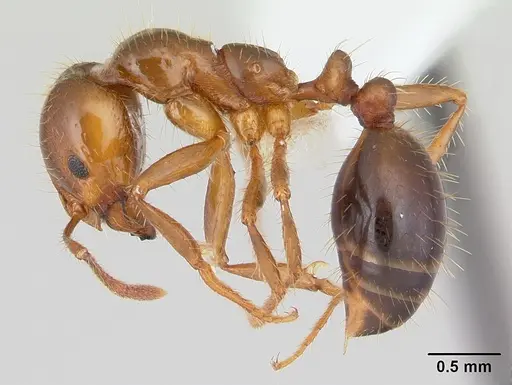
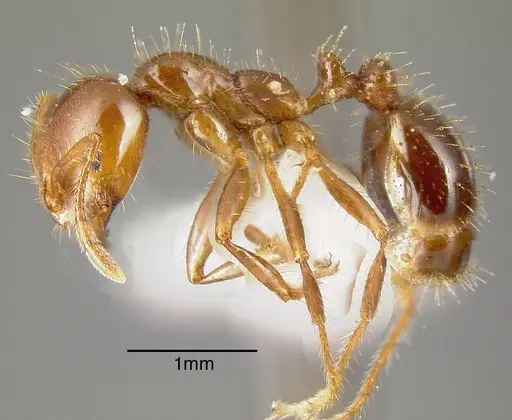
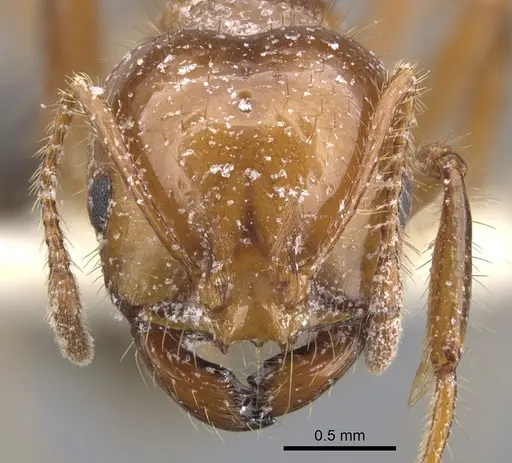
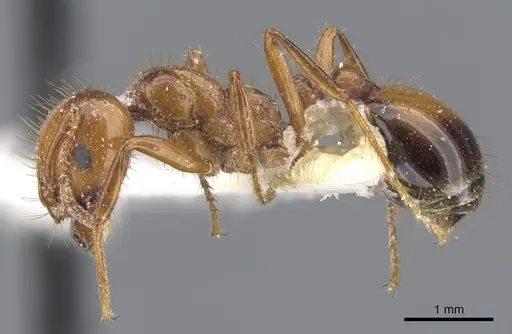
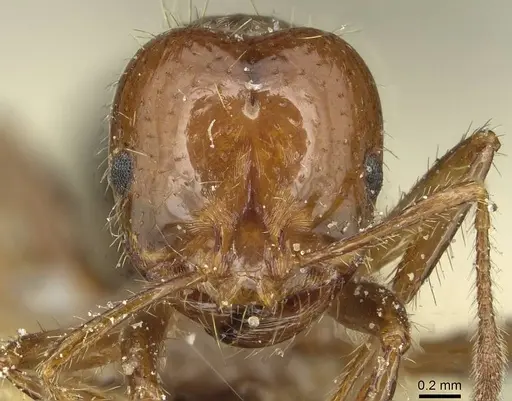
The Red Imported Fire Ant (RIFA) is a highly polymorphic species with workers ranging from 1.5mm to over 6mm in length. Workers have a distinctive reddish-brown to dark brown coloration with a two-segmented petiole and a median frontal streak on the head. The species is characterized by continuous worker size variation rather than distinct castes, with majors (larger workers) comprising about 16-35% of the workforce in mature colonies. Queens measure 7-8mm and are significantly larger than workers. The species possesses a functional stinger and delivers potent piperidine alkaloid venom that causes immediate burning pain followed by characteristic white pustules. Native to the Paraná River floodplain in South America (Brazil, Paraguay, Argentina), this ant has become one of the world's most destructive invasive species, established throughout the southern USA, Australia, Taiwan, China, and numerous Caribbean islands [1][2].
Quick Summary
- Difficulty: Medium
- Origin & Habitat: Native to the Paraná River Basin floodplain in South America (Brazil, Paraguay, northern Argentina). Inhabits grasslands, savannas, and disturbed areas with warm climates. Introduced to the USA in the 1930s via Mobile, Alabama, and has spread to Australia, New Zealand, Taiwan, China, and the Caribbean [1][3].
- Colony Type: Two social forms exist: Monogyne (single queen per colony, territorial, aggressive) and Polygyne (multiple reproductive queens per colony, non-territorial, higher densities). Colony structure determined by the Gp-9 gene, monogyne colonies have only BB genotype workers, polygyne colonies contain Bb workers that accept multiple queens [4].
- Colony: Optionally polygyne
- Founding: Claustral, Pleometrosis
- Size & Growth:
- Queen: 7-8mm [5]
- Worker: 1.5-6mm polymorphic (continuous variation) [5]
- Colony: Up to 250,000 workers in mature colonies [6]
- Growth: Fast, colonies reach ~220,000 workers within 4-5 years under ideal conditions [7]
- Development: Approximately 20-25 days from egg to adult worker at optimal temperature (30°C). First workers (minims/nanitics) emerge 21-30 days after queen begins laying eggs [8]. (Development is temperature-dependent, slower at cooler temperatures. Larvae require 4th instar stage for proper development, presence of 4th instar larvae critical for colony functions including raft formation during flooding [9])
- Antkeeping:
- Temperature: Keep nest area at 26-32°C for optimal brood development. Peak foraging activity occurs at soil temperatures around 29°C. Colonies can tolerate 22-36°C but growth slows outside this range [6][10].
- Humidity: Moderate to high humidity preferred. Colonies naturally occur in areas receiving 750-2000mm annual rainfall. Keep nesting substrate moderately moist but not waterlogged [11].
- Diapause: No true diapause, colonies remain active year-round in warm conditions. In temperate regions, activity significantly reduces during winter months when soil temperatures drop below 15°C [10].
- Nesting: Ground-nesting species that builds distinctive mound nests with extensive tunnel networks extending 1-2m deep. In captivity, provide deep nesting substrate (at least 10-15cm) or a formicarium with multiple chambers. Accepts test tubes for founding colonies but requires expansion space as colony grows [11].
- Behavior: Highly aggressive when disturbed, colonies rapidly swarm and deliver multiple stings. Workers are polymorphic with continuous size variation, majors serve as defenders and seed processors while minors handle most internal colony tasks. Excellent foragers that recruit strongly to food sources using trail pheromones. Capable of forming waterproof rafts during flooding by linking bodies together, a remarkable adaptation where workers use tarsi-to-tarsi connections and can even trap air bubbles for buoyancy [9][12]. Foraging primarily occurs during daylight hours but can be active around the clock in warm conditions. Workers can travel 10-40m from nest to forage [13].
- Common Issues: Venomous stings are painful and can cause severe allergic reactions, keep handling to a minimum and use proper protection, Colony can grow extremely large (250,000+ workers) requiring significant space and resources, Polygyne colonies may have multiple egg-laying queens, can complicate colony management, Queens live 6-7 years but workers only live weeks to months, constant population turnover, Escape prevention critical, workers can squeeze through very small gaps and will aggressively defend territory, Invasive in many regions, never release outside native range or into non-native areas, Colonies produce massive numbers of alates (reproductives) seasonally, may attract unwanted attention, High carbohydrate diet (honeydew, nectar) can lead to rapid colony growth and increased aggression
Nuptial Flight Activity Analysis 2853 observations
Flight Activity by Hour 2853 observations
Solenopsis invicta nuptial flight activity peaks around 15:00 during the afternoon. Activity is spread across a 13-hour window (08:00–20:00). Times may be influenced by human observation patterns.
Housing and Enclosure Requirements
Solenopsis invicta requires secure housing with excellent escape prevention, these ants are notorious escape artists. Use smooth-sided enclosures (glass, acrylic) with Fluon or talc barriers on interior walls. For founding colonies, a simple test tube setup works initially, but colonies will need expanding space within 3-6 months. Adult colonies should be housed in formicariums with at least 10x10x15cm of nesting space, connected to a larger foraging area. Provide deep substrate (5-10cm minimum) for nest construction if using naturalistic setups. Heating one side of the nest to 28-32°C while leaving a cooler area (22-25°C) allows thermoregulation. Always provide multiple chambers connected by tunnels, single large chambers are not ideal for this species [11][6].
Feeding and Nutrition
Fire ants are omnivorous with strong preferences for protein and carbohydrates. Offer a varied diet including: small live insects (fruit flies, crickets, mealworms), dead insects, seeds, and sugar sources (honey water, sugar water). Protein should make up roughly 50% of diet, colonies with access to protein plus carbohydrates grow significantly faster than those with protein alone. Workers will readily accept most baits including greasy foods, but avoid toxic baits if colony is intended for observation. Feed small prey items 2-3 times weekly for growing colonies, reducing to once weekly for established colonies. Remove uneaten food within 24 hours to prevent mold. Fresh water should always be available [1][14].
Temperature Management
Maintain colony temperatures between 26-32°C for optimal growth and brood development. The species is highly temperature-sensitive, foraging activity peaks at soil temperatures around 29°C and essentially ceases below 15°C or above 35°C. Use heating cables or mats on one side of the nest to create a thermal gradient. Brood development is severely slowed below 24°C and stops entirely around 20°C. In cooler climates, year-round heating is essential. Watch for workers clustering near heat sources in winter, this indicates the colony is too cold. Avoid temperatures above 38°C as they will abandon the nest area [6][10]
Handling and Safety
Solenopsis invicta possesses one of the most painful ant venoms in the world. Workers will aggressively swarm and sting when their nest is disturbed, even slight vibrations trigger mass attack. Always wear protective gloves and use forceps or soft tools when working in the enclosure. Never reach into an active nest without protection. Stings cause immediate burning pain followed by white pustules that can last days. Approximately 1% of stung individuals experience anaphylactic reactions requiring medical attention. Keep epinephrine auto-injectors accessible if you have severe allergies. Work quickly but carefully, minimizing nest disturbance [15][16].
Colony Growth and Social Structure
Mature colonies contain 100,000-250,000 polymorphic workers ranging from 1.5mm minors to 6mm majors. The two social forms (monogyne vs polygyne) have different behaviors: monogyne colonies are territorial and aggressive toward other colonies, while polygyne colonies are more tolerant of conspecifics. Queens can live 6-7 years and produce thousands of workers annually. Growth follows a logistic curve, reaching half maximum size (~110,000 workers) in 2.5-3.5 years. Worker production peaks in spring/summer. If you acquire a polygyne colony, expect multiple egg-laying queens, this is normal and does not indicate colony illness [4][7].
Seasonal Care and Overwintering
In their native range and warm climates, fire ants remain active year-round with reduced winter foraging. In temperate setups, maintain 26-32°C year-round, do not allow hibernation as it can kill colonies. If room temperature drops below 20°C in winter, use supplemental heating. Colonies will naturally reduce activity in cooler temperatures but should never become lethargic or unresponsive. Reduce feeding frequency slightly in winter (every 7-10 days instead of 2-3 times weekly) but maintain protein availability. Watch for decreased brood production during cooler months, this is normal [10].
Frequently Asked Questions
How long does it take for Solenopsis invicta queens to lay their first eggs?
Queens begin laying eggs within 2-3 days after establishing in their founding chamber. The first eggs appear 3-7 days after the nuptial flight under laboratory conditions. Eggs develop through larval and pupal stages to produce first workers (minims/nanitics) approximately 20-30 days after oviposition at optimal temperature (30°C) [8].
How big do Solenopsis invicta colonies get?
Mature colonies can reach 100,000 to 250,000 workers. Growth follows a logistic curve, reaching approximately 110,000 workers (half maximum) within 2.5-3.5 years under ideal conditions. Full size (200,000+ workers) is typically achieved in 4-6 years [7][6].
Can I keep multiple Solenopsis invicta queens together?
Only polygyne-form colonies naturally have multiple queens. In monogyne colonies, workers will execute extra queens after the first brood emerges. If you have a polygyne colony, multiple queens can coexist. Mixing queens from different colonies (unrelated) typically results in fighting and death of excess queens, not recommended [4].
What temperature is best for keeping fire ants?
Maintain 26-32°C for optimal colony function. Brood development peaks around 30-32°C, while foraging activity peaks at soil temperatures around 29°C. Activity essentially stops below 15°C or above 35°C. Provide a thermal gradient so ants can self-regulate [6][10].
Are Red Imported Fire Ants good for beginners?
Not recommended for beginners. While colonies are hardy and grow well, the aggressive stinging behavior and high escape risk make them challenging. Additionally, they are invasive in many regions, keeping them carries responsibility. Experienced antkeepers familiar with secure enclosures and sting management should only consider this species [11].
What do Solenopsis invicta ants eat?
Omnivorous, they accept live and dead insects (preferred), seeds, fruits, and sugar sources (honey, nectar). In captivity, offer small insects 2-3 times weekly plus constant access to sugar water. They are particularly attracted to protein-rich foods and will aggressively recruit to food sources [14].
How do I prevent my fire ant colony from escaping?
Use Fluon (PTFE) or talc barriers on all interior surfaces. Ensure enclosure lids fit tightly with no gaps. Check for tiny gaps regularly, workers can squeeze through openings as small as 1mm. Never leave feeding ports open unattended. Consider using a moat barrier or oil-based repellents around the enclosure base [17].
How fast do fire ant colonies grow?
Very fast under optimal conditions. Colonies reach approximately 110,000 workers within 2.5-3.5 years and maximum size (200,000+) within 4-6 years. Growth is temperature-dependent, cooler temperatures significantly slow development. Well-fed colonies in heated setups can exceed natural growth rates substantially [7].
References

This caresheet is licensed under CC BY-SA 4.0 .
ANTWEB1041647
View on AntWeb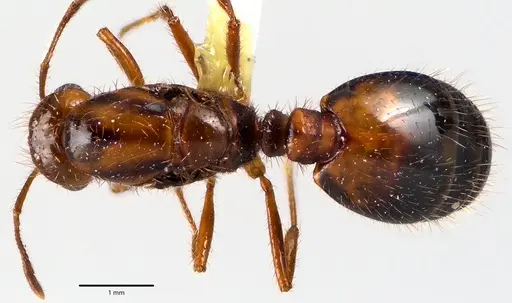
ANTWEB1041746
View on AntWeb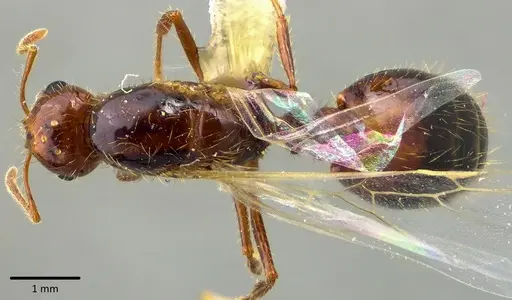
ANTWEB1041791
View on AntWeb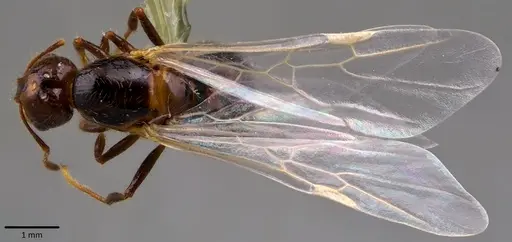
ANTWEB1041794
View on AntWeb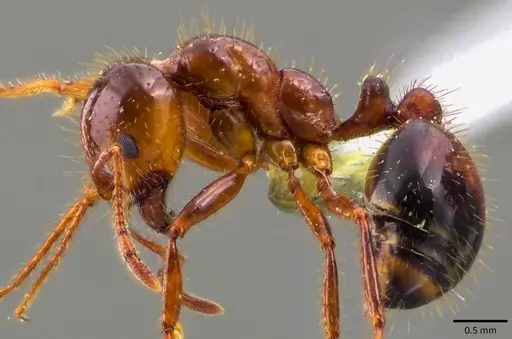
CASENT0005804
View on AntWeb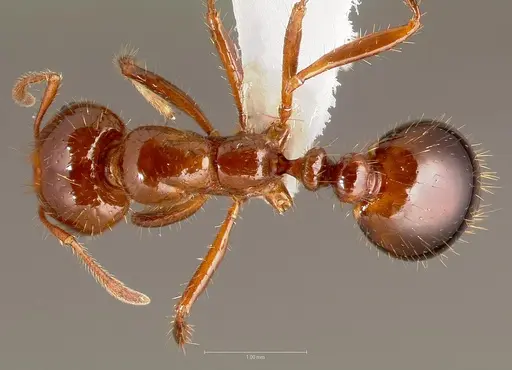
CASENT0104503
View on AntWeb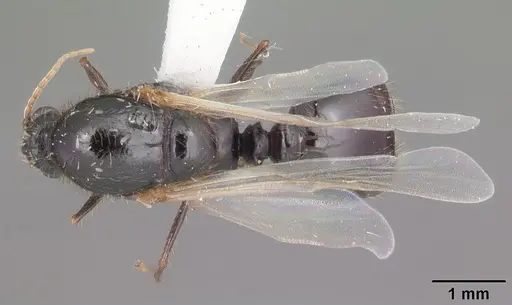
CASENT0104504
View on AntWeb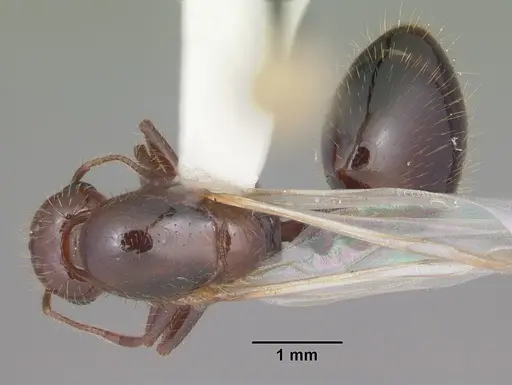
CASENT0104523
View on AntWeb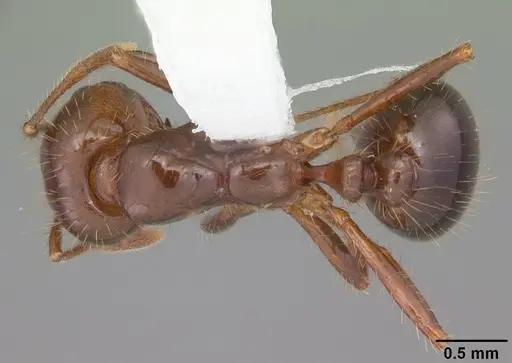
CASENT0178134
View on AntWeb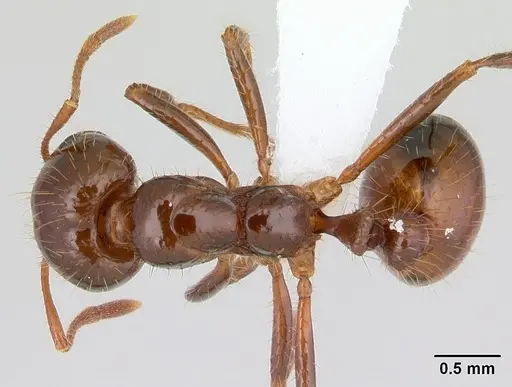
CASENT0178135
View on AntWeb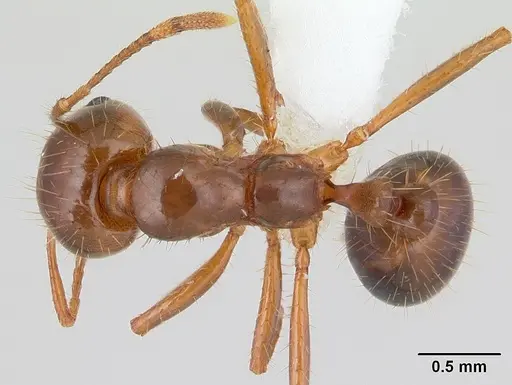
CASENT0277292
View on AntWeb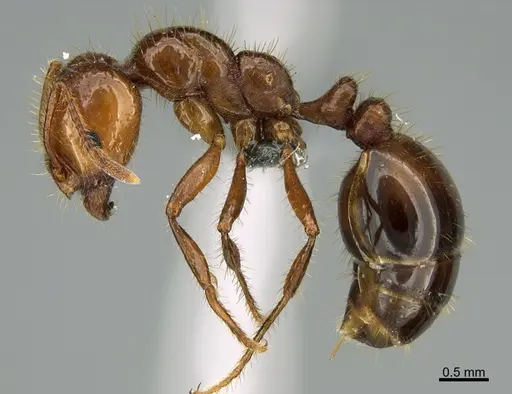
CASENT0636196
View on AntWeb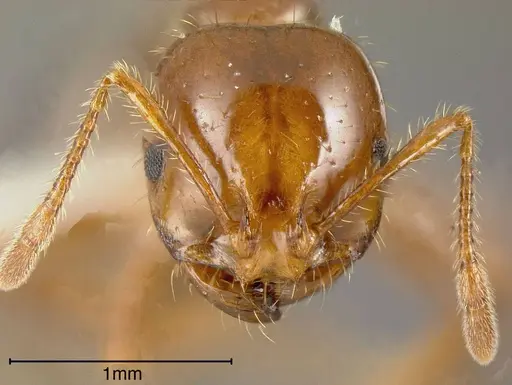
CASENT0902350
View on AntWeb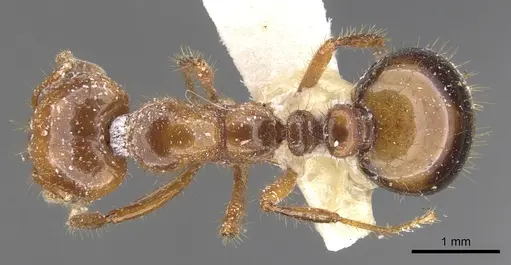
CASENT0913949
View on AntWeb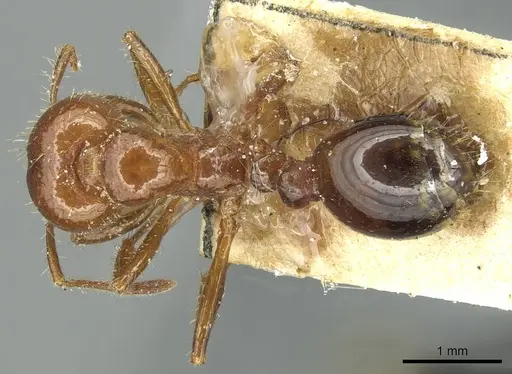
Literature
Loading...Loading products...